The biggest mistakes to avoid on an outback road trip

hero media
Steve Madgwick has made the outback road trip blunders so you don’t have to…

It’s lucky no one can hear you swear halfway along the Oodnadatta Track. I gingerly shimmy under the stricken Nissan Patrol for my third attempt to jack it up on the soft track. The passenger-side rear tyre has a gaping hole in it, thanks to a sharp rock that must have been lurking under the red dirt.

This was my first ‘real’ middle-of-nowhere outback road trip, last decade. The 4WD had threatened to fall on me twice as I tried to raise it. I hadn’t seen another vehicle in hours. And I knew that even if I did manage to change the wheel before wedge-tailed eagles snacked on my entrails, I would be sans spare tyre for the next few hundred kilometres.
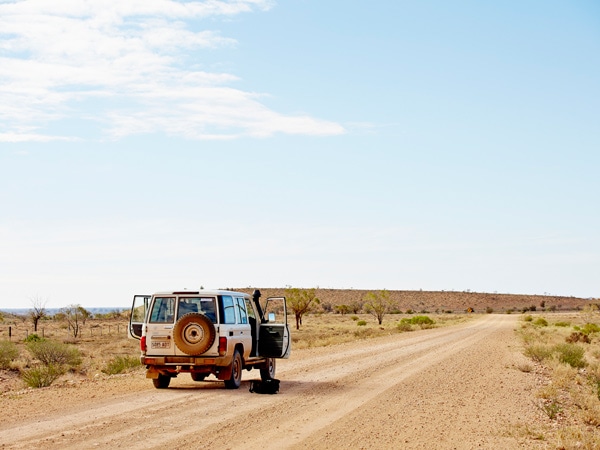
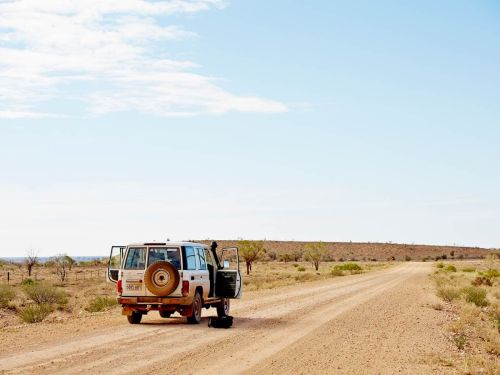
a 4WD driving on the road
Be prepared before you set off with ample provisions and knowledge. (Image: Maxime Coquard)

It’s obvious now that my hour-long obscenity-fest was driven by fear and should have been directed at my own ineptitude, complacency and ill-preparedness instead of inanimate objects. But lessons were learned.

Don’t learn the hard way if you don’t have to

My Oodnadatta Track shemozzle boils down to two factors. Number one: I ignored advice from locals and people who had gone before me. Number two: I began my journey with niggling, unanswered questions.
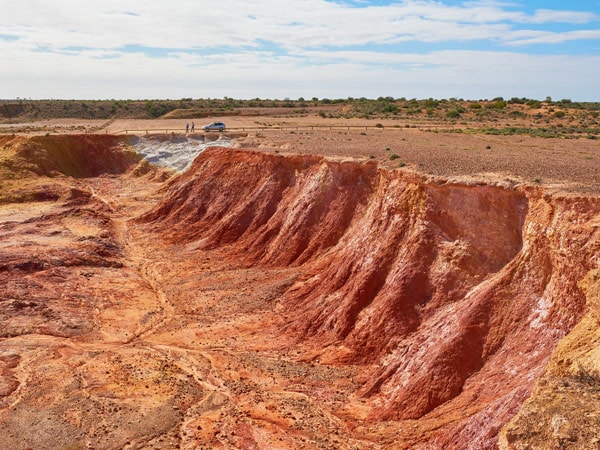
an overhead shot of the Ochre Cliffs, Oodnadatta Track
See the Ochre Cliffs of the Oodnadatta Track. (Image: South Australian Tourism Commission)

If I’d deflated my tyres appropriately for that section of track – as advised by a servo attendant and bush-hotel publican the day before – they would have been much more likely to ‘spread’ than shred.

The 4WD rental company had offered to give me a thorough once-over of the vehicle and its features, but I’d man-bluffed my way through: “I’ll work it out if I need to." (It took me 10 minutes just to find and extract the jack from under a seat.)
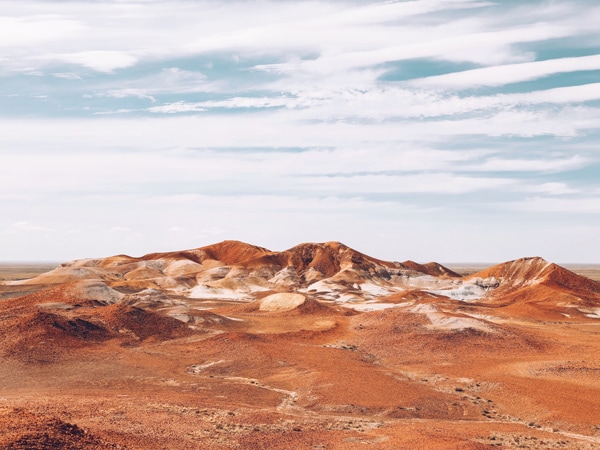
an aerial view of the rugged landscape in outback South Australia
Condition your vehicle before navigating the rough terrain. (Image: South Australian Tourism Commission)

I’d also left Adelaide still wondering to myself if I would need a second spare tyre and tyre pressure gauge. Fail. Fail. Fail. Recently, I applied lessons learned from the Oodnadatta Track and other outback near-misses to my most challenging road trip yet: a 2000-kilometre drive from Adelaide to Birdsville, via the Strzelecki Track and smaller, remote roads.

Coincidentally, I picked up my rental Toyota HiLux from the same place in Adelaide, but this time I owned my ignorance and popped all niggling thought bubbles. Naturally, I’d pre-ordered a second spare wheel and tyre gauge. I’d also rented a satellite phone because I’d had pre-trip daymares about the consequences of taking a simple but life-changing wrong turn and/or rolling the 4WD 500 kilometres from assistance.
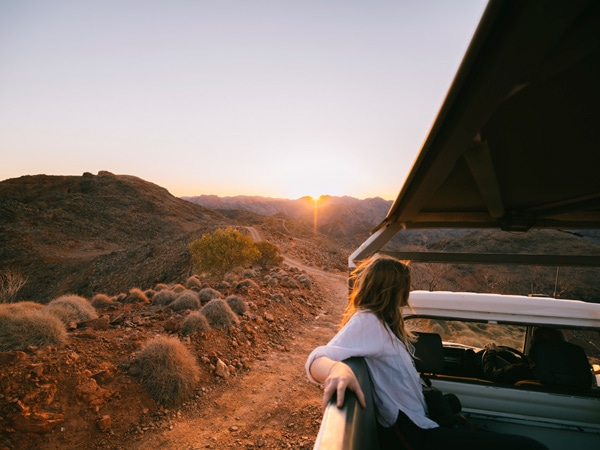
a girl in the car driving along the outback South Australia
Driving the rugged roads of the South Australian outback. (Image: Tourism Australia)

Need tips, more detail or itinerary ideas tailored to you? Ask AT.

AI Prompt

Stock up on old-school maps and a compass

I now treat outback journeys as analog rather than digital experiences. You simply cannot trust the internet to save your frying bacon out in the boondocks, especially if Telstra is not your service provider. Any country boy or girl worth their salt won’t trust Google Maps once the tarmac ends (even pre-downloading the maps).
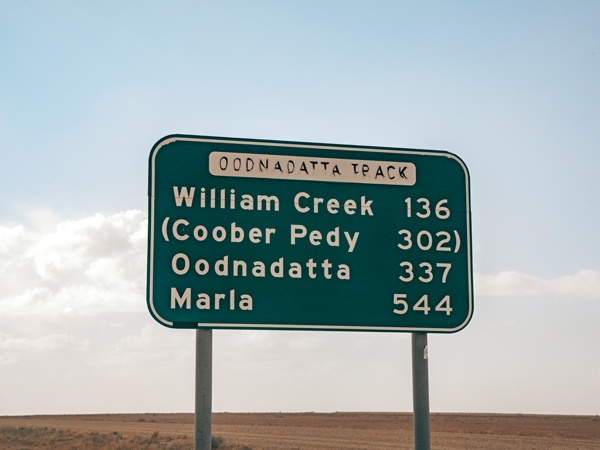
a photo of Oodnadatta Track road sign
It’s a long drive between stops on the Oodnadatta Track. (Image: South Australian Tourism Commission)

Consider buying/hiring a dedicated GPS navigator (Navman, Garmin or Hema, for example) or even stocking up on old-school maps and a compass (and learn how to use them). Deferring to local knowledge extends to chinwagging with oncoming drivers – because they have been where you want to go.
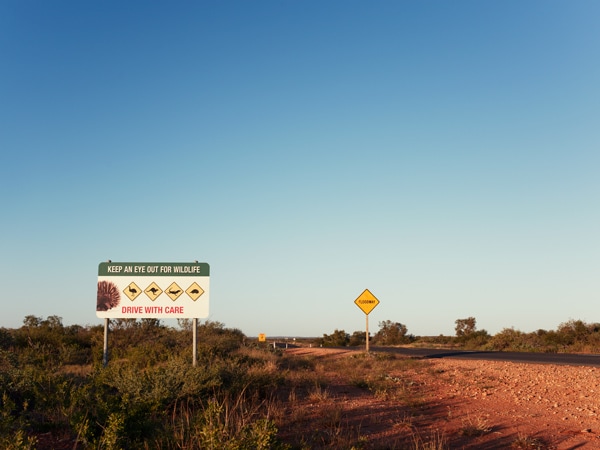
desert road signs in outback South Australia
Prepare for a desert road-trippin’. (Image: Jonathan Cami)

Do your research

On side tracks especially, I stopped and swapped anecdotes on upcoming track conditions, badly signed turn-offs and opening hours of fuel stops (which I’d already researched). I chatted about tyre pressure like pensioners converse about the weather. There are various schools of thought regarding when you should/shouldn’t deflate tyres to reduce the chance of a flat and increase your purchase in sand.

Suffice to say, this should be a well-researched decision that can be re-confirmed with your local peers, just as you drive headlong towards that gnarly sandy section or crawl across that naturally booby-trapped dry creek bed. Ultimately, the best advice I can offer is to read much, much more than just this when planning a jaunt along the Birdsville Track, Gibb River Road et al.

Embrace being a beginner; trawl 4WD blogs and gear review sites; dive deeply into YouTube wormholes on soft-sand driving techniques, tyre-pressure tutorials and low-range gear masterclasses. Never, ever be left wondering, “What does this button do?" You can’t bluff your way out of strife in the outback. But with some solid prep work, any foul-mouthed fool can do it. I am living proof of that.
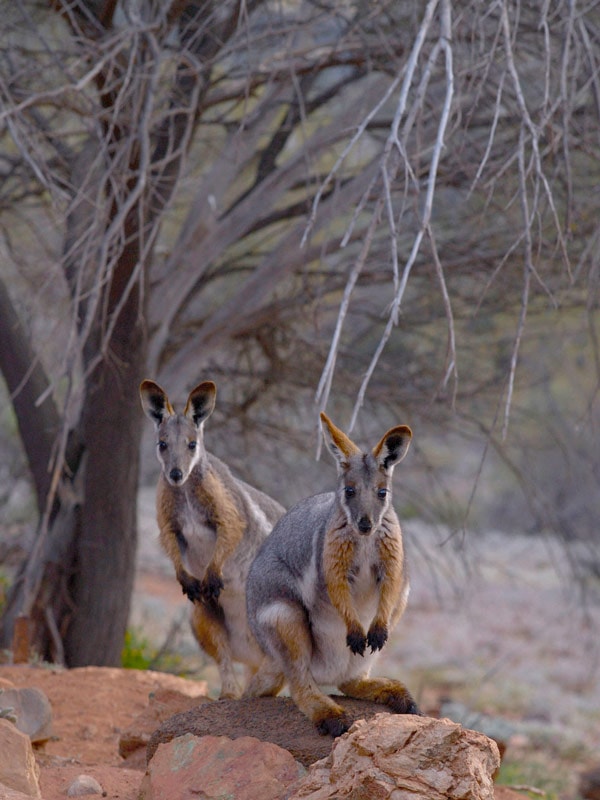
two rock wallabies sitting side by side
The distinctive rock wallabies reside in the outback. (Image: Jonathan Cami)

Weekly travel news, experiences
insider tips, offers, and more.

Last-minute tips and reminders

  • Carry plenty of drinking water (three litres per person per day, as a guide).
  • Buy in bulk beforehand.
  • Check current and recent weather conditions. As a rule, don’t plan outback trips in peak summer or after heavy rain.
  • Never cross a flooding river.
  • Tell someone where you are going and when you’re due to arrive. Update them about sudden itinerary changes.
  • Take your sweet time and drive to the conditions. The outback can quickly turn small mistakes into serious ones.
  • Give road trains a very wide berth, at least for your windscreen’s sake.
  • Pack a ‘what-if ’ kit for longer trips: basic spares, jerry can, first-aid kit etc.

Want to see more stories from Australian Traveller in your Google search results?

  1. Click here to set Australian Traveller as a preferred source.
  2. Tick the box next to "Australian Traveller". That's it.
hero media

Can’t handle the cold? Hamilton Island serves a slice of summer in winter

(Image: Hamilton Island)

When the winter chill settles in, an escape to Hamilton Island’s year-round tropical shores is the only acceptable coping mechanism.

As a heliophile with the cold tolerance of a Mediterranean house cat, the arrival of winter tends to spark a particular panic. How will I survive? Must I really start layering? What do you mean, Aperol season is over? But there are far better ways to spend the cooler months than sulking in the depths of your doona.

Enter, Hamilton Island. With its year-round sunshine and permanent on-holiday atmosphere, this Whitsundays favourite promises a veritable slice of summer in winter.

Think salt-stiff hair and the smug pleasure of devouring seafood beside the water while friends back home are defogging their windscreens. Here’s why Hamilton Island should figure into your winter plans.

1. Year-round summer weather

A woman hiking along the Passage Peak trail on Hamilton Island.
Hike under sunny winter skies on Hamilton Island. (Image: Andrew Caitens)

In the crisper months, Hamilton Island offers perfectly mild, sunny weather (17-24°C) that lends itself to morning swims and afternoon spritzes. Better still, you can enjoy the island’s outdoor adventures – from hiking to mountain biking – without the humidity or rain you’ll often find in summertime. With direct flights from most major Australian cities offering ease of access, Hamilton Island is the ideal place to flee the cold.

2. Getting active without the humidity

A buggy parked overlooking Hamilton Island’s golf course, with sweeping views of the sea at Whitsundays in winter.
Zip around Hamilton Island by buggy. (Image: Hamilton Island)

Whether you’re hiking up to Passage Peak or exploring the island by buggy, tropical Queensland humidity is nobody’s friend. The one way to guarantee you will avoid the inevitable stickiness and fluffy hair? Visit during winter. There’s plenty to be enjoyed, from sunrise yoga at The Sundays (exclusive to guests of The Sundays) to playing golf on Dent Island.

3. Hamilton Island Race Week

Yachts racing across the sparkling Whitsundays during Hamilton Island Race Week.
Feel the thrill of Hamilton Island Race Week. (Image: Salty Dingo)

Taking place in August, Hamilton Island Race Week is a destination in its own right that attracts spectators and racers from around the globe. Boating enthusiasts and thrill-seeking holidaymakers flock to the island, which is palpably energetic as the first yachts set off for Dent Passage from Hamilton Island Yacht Club. The annual action-packed week, taking place from 15 to 22 August in 2026, offers an exciting calendar of on- and off-water events – spanning everything from celebrity chef dinners to golfing comps and wine tastings.

4. Best time for snorkelling

A woman snorkelling in the crystal-clear waters of the Great Barrier Reef.
Explore Hamilton Island’s winter waters. (Image: Andrew Caitens)

While the crowds on Hamilton Island may disperse with the cooler weather, the marine life certainly doesn’t. Winter is widely considered one of the best times to snorkel and dive in the Whitsundays.

It’s down to a number of reasons: excellent water visibility, higher chances of seeing whales as they migrate north and – best of all – no nasty stingers. This means no need to wear those notoriously unflattering full-body wetsuits visitors have to wear in warmer months. On top of all this, you’ll find calm seas ideal for sailing and Great Barrier Reef tours.

5. Fewer crowds

People kayaking.
Experience a quieter Hamilton Island on a kayaking adventure. (Image: Hamilton Island)

Winter is often the quietest time to visit Hamilton Island, with the peak season crowds thinned to a relaxed trickle. You can snorkel or dive straight off the reef-laced waters of Catseye Beach, then swap fins for a buggy and zip between One Tree Hill, the marina and sunset cocktails without the usual summer queues. Active days stretch from kayaking, sailing and jet skiing to hopping over to famous Whitehaven Beach to witness those breathtaking white swirls of silica sand. You won’t have to elbow your way to the front of the crowd to get a good snap.

6. Delicious dining

The interiors of Bommie Restaurant, featuring modern coastal design with warm lighting and elegant detailing.
Treat yourself to Bommie Restaurant’s fine dining featuring fresh, seasonal Aussie produce. (Image: Nikki To)

The food on Hamilton Island tastes just as good any time of year, and winter is still perfect weather for sundowners. Start with an iced tea Negroni at harbourside Bommie Deck, before transitioning to Bommie Restaurant for a fine-dining feast centering on seasonal Aussie ingredients. Or perhaps enjoy a more casual poolside evening at Sails Restaurant, where plates of chermoula chicken skewers, baked cauliflower steak and crispy sumac squid come served with ocean views. From family-friendly pub meals to elevated wine tastings, there’s something for everyone.

5. Clear skies for idyllic views

The golden hour across the Whitsundays in winter.
End your day with golden Hamilton Island sunsets over the water. (Image: Hamilton Island)

Never let a cloud rain on the parade of Hamilton Island’s spectacular scenery. Winter brings clearer skies and more stable weather to the Whitsundays, meaning your picture-perfect sunset at One Tree Hill is likely to remain that way. And after putting in the legwork to hike to a scenic lookout, the last thing you want is a vista hidden behind low cloud and haze.

To learn more about travelling to the Whitsundays in winter, visit hamitlonisland.com.au.