The news comes after lithium-ion batteries have caused a series of onboard fires.
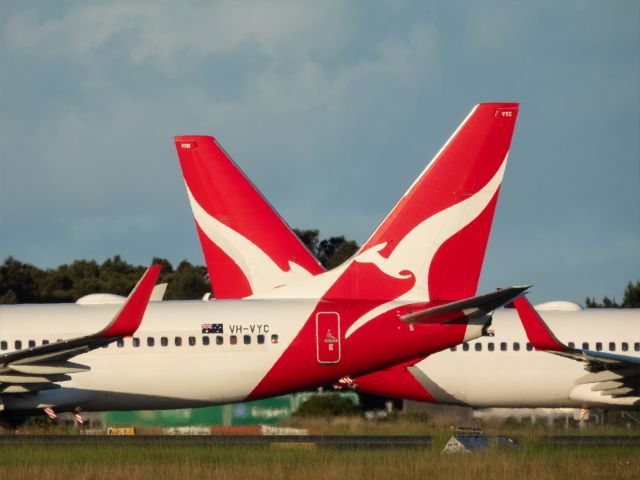
The days of using power banks on flights will soon be behind us with Qantas and Virgin Australia set to implement a usage ban from this summer due to the risk of uncontrollable fires. It follows a host of airlines that have already enforced the rule, including Singapore Airlines, Emirates and Cathay Pacific.
What are the rules for power banks on planes?
Qantas to ban the use of power banks on board its aircraft. (Image: Getty/SCM Jeans)
A portable power bank is a rechargeable battery pack carrying lithium-ion batteries.
From December 1 2025, power bank usage will be banned from Virgin Australia flights and from December 15 2025, they will be banned from Qantas and QantasLink flights.
Travellers will still be allowed to take power banks on planes, but the new rules stipulatee that they will need to be kept in sight and easily accessible – not in overhead bins or checked luggage – and cannot be used at any time on domestic and international flights.
Most aircraft are fitted with in-seat charging, but many airlines, including Qantas and Virgin Australia, still operate with aircraft that do not have USB-C ports. This means travellers will now need to bring a USB-A to USB-C cable or adapter to charge their handheld devices on the ports provided onboard.
Across both airlines, passengers are limited to carrying two power banks per person. Qantas enforces a maximum of 160 Wh per power bank, while Virgin Australia limits power banks to 100 Wh, with airline approval needing to be made to carry power banks with 100–160 Wh.
Why are these rules being enforced?
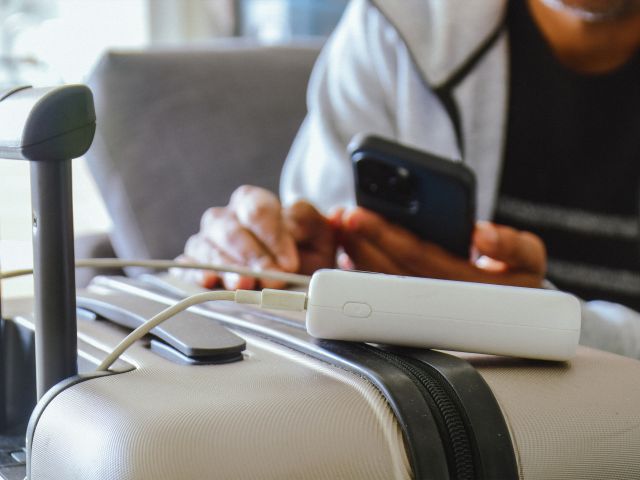
Power banks to be kept in sight and easily accessible. (Image: Getty/Debalina Ghosh)
Power banks are generally very safe to use but if they enter thermal runaway, whereby the battery cell short-circuits, and they overheat uncontrollably, it poses a serious fire risk.
The tightening of rules comes after a series of onboard fires occurred as a result of short-circuiting power banks. This past July in Australia, a fire was believed to have been started by a power bank in the overhead locker of a Virgin Australia aircraft flying from Sydney to Hobart. The crew successfully extinguished the fire, but one passenger was treated for smoke inhalation upon landing.
Keeping the batteries in sight – under the seat in front of you, in your seat pocket or on your seat/lap – allows the crew to be able to see smoke immediately and respond quickly and ensure passenger safety.
Want to see more stories from Australian Traveller in your Google search results?
Tick the box next to "Australian Traveller". That's it.
Rachael Thompson is a freelance travel journalist. With a background in design and travel media, Rachael is dedicated to curating content that is as much informational as it is beautiful. She began her career at Belle magazine, before taking up editorial roles at Homes to Love, Bed Threads and Australian Traveller/International Traveller. When she's not writing, editing or optimising content, Rachael enjoys exploring the city's newest restaurants, bars and hotels. Next on her Aussie travel wish list is Lord Howe Island.
Get around the natural beauty and bounty of regional Victoria on a guided tour that reveals extraordinary moments from coast to country.
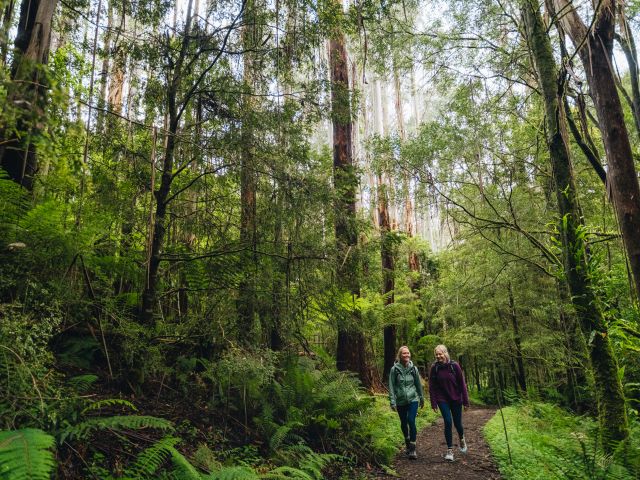
Walk the Great Ocean Road
Swap your car for walking shoes on the Great Ocean Road.
The Australian Walking Co’s immersive three-day, lodge-based walk is absolute bucket-list fodder. The easy-going, guided coastal hike is marked by epic scenery and end-of-day luxury. You’ll have no need for heavy packs or tents, instead expect fresh-caught crayfish, post-walk canapés and local wines. Each day explores the drama of this ocean-facing landscape with an approachable three-hour-ish walk, leaving plenty of time to unwind at the lodge.
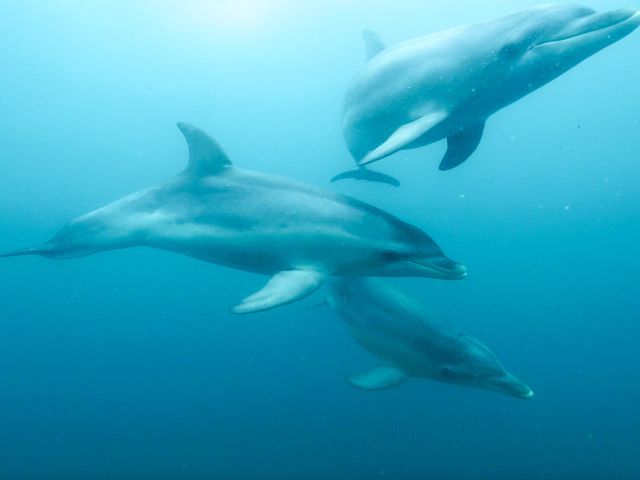
Swim with seals and dolphins at Port Phillip Heads
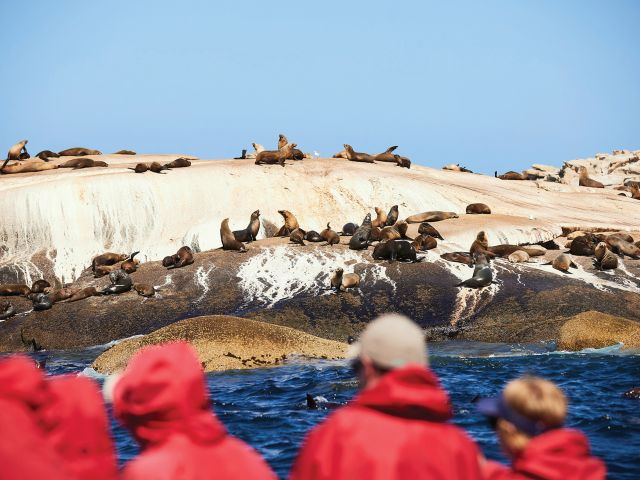
Swim with dolphins in Port Phillip Head Marine Park.
Dive into Popes Eye, within Port Phillip Heads Marine National Park, for this wild swimming experience with mankind’s BFFs of the sea. On the See All Dolphin Swims 3.5-hour experience, departing from Queenscliff, you’ll begin in shallow, calm waters before venturing off to Chinaman’s Hat and beyond to meet seals and dolphins in their own habitat. All gear is provided and all ages are welcome.
Get your ghost on in the Grampians
For those with a penchant for the paranormal, get ready for goosebumps when you embark on the Lantern Tours J Ward Paranormal Investigation excursion that takes place under the moonlight in the west wing of Aradale Lunatic Asylum. As you keep a lookout for supernatural activity, you’ll enjoy tales of the criminally insane inmates that will make the hairs on your neck stand to attention.
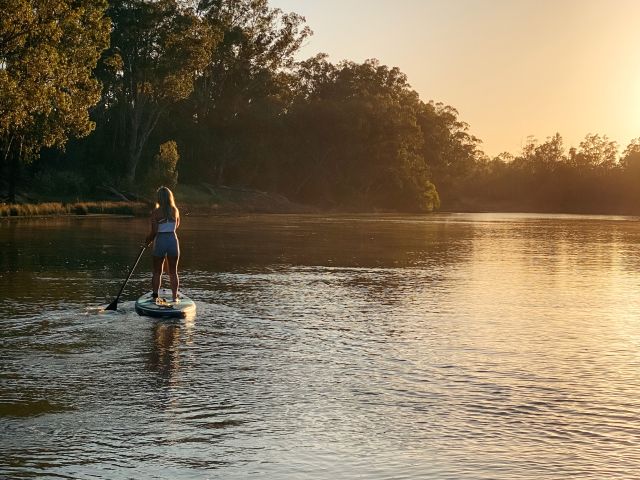
Paddle along the mighty Murray
Glide along the scenic Murray on a stand-up paddleboard.
Swoosh softly through the silky waters of the mighty Murray on a stand-up paddle board with Echuca Moama Stand Up Paddle. This gentle downstream sojourn meanders for one-and-a-half hours covering 4.5 kilometres of the river, taking in the beauty on the banks and the vibrant birdlife.
From Echuca Moama slip under the Moama Bridge and glide beside its iconic paddlesteamers and the historic port.
Sip and cycle in the Yarra Valley
Cycle around Yarra Valley wine country.
Wine and wheels make a great pairing on the Tour De Vines six-hour Yarra Valley tour that weaves through vine-threaded roads. It’s a relaxed pace along 20 kilometres of the Warburton Rail Trail as you spot native birds and stop in at local vineyards and produce stores. You’ll pull in at a local winery for a tasting and enjoy lunch before hitting up a couple of cellar doors. Depending on your pedal power, there may be time to sneak in a visit to a chocolate or cheese factory.
Dig for gold in Bendigo
Think you have what it takes to unearth a gilded treasure? Try your hand at prospecting and learn the art of gold-digging (in the geological sense) on the two-hour Gold Nugget Hunter tour in the Loddon Valley. On the tour, mine the wisdom of locals Shane and Jackie – who have honed their hobby of gold-detecting into an art – to learn how to read the land and use a gold detector. You may even go home with a nugget of your own.
Cruise around Wilsons Promontory
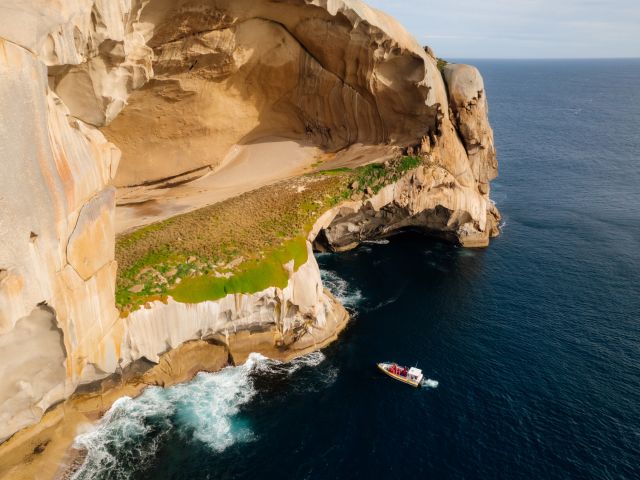
Cruise around Skull Rock in Wilsons Prom. (Image: Connor Vaughan)
It’s a thrill to drive directly from the sand into the waves aboard the Wanderer Adventures’ bright-yellow amphibious boat. On this 2.5-hour tour, you’ll skip along the water to take in Wilsons Prom’s top highlights, such as the imposing Skull Rock, The Glennies, Anderson Islets and Anser Island. Spot seals, penguins and seabirds as you absorb the tranquillity of this stunning environment.
Walk with llamas in the Macedon Ranges
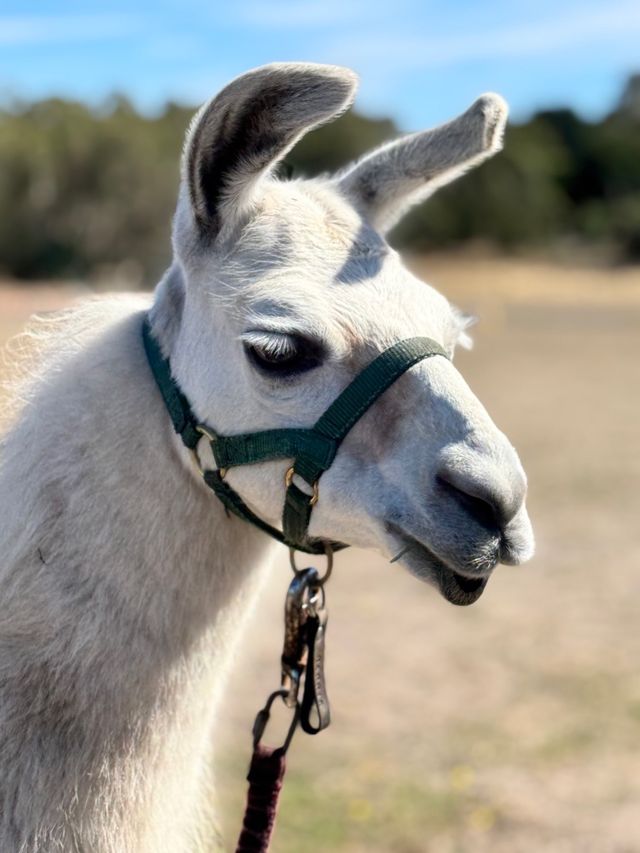
Make friends with a llama in the Macedon Ranges.
If you’ve always felt an affinity for long-lashed camelids, then bonding with a llama on a leisurely walk might just be the thing for you. Opt for either a three-hour, five-kilometre hike or a longer 12-kilometre trek along the Domino Rail Trail paired with a gentle, hooved friend. Things kick off with a llama orientation, where you’ll learn how to lead and look out for your new mate before you hit the track. It’s a lovely way to explore the beauty of the region with a sensitive and curious companion by your side.
Go underground in the Grampians
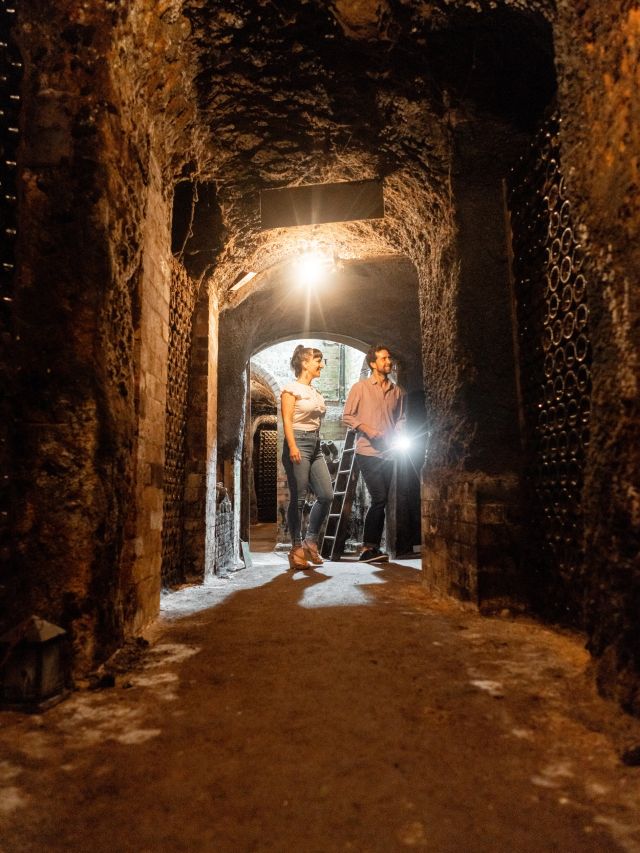
Take a subterranean tour of Seppelt Wines. (Image: Ben Savage/We Are Explorers)
Oenophiles and cave-lovers alike will enjoy going underground at Seppelt’s ‘Drives’. The largest underground cellar in Australia, The Drives were dug by local goldminers in 1868 and meander for three-kilometres – keeping wine treasures at a temperate 16-degrees year-round. A 50-minute tour through the heritage-listed granite tunnels happily conclude with a tasting of the label’s celebrated sparkling wines.
Discover island life in the Mornington Peninsula
Discover the Mornington Peninsula’s flora and fauna on a guided tour of French Island.
Eject from the mainland on a catamaran bound for the wildlife haven of French Island with Naturaliste Tours. Once you disembark from the boat, you’ll hop into a 4WD to explore the pristine flora and fauna, from salt marshes to vast Fairhaven Beach.
Look out for echidnas and koalas and enjoy short walks and historic sites on this half-day tour.
The southernmost tip is a haven for wildlife. (Image: CMcConville)