What’s really behind the end of Australia?

hero media
P&O Cruises Australia drops anchor after 90 years.

To the shock of many dedicated cruisers, the P&O Cruises Australia brand will set sail for the last time in March 2025.
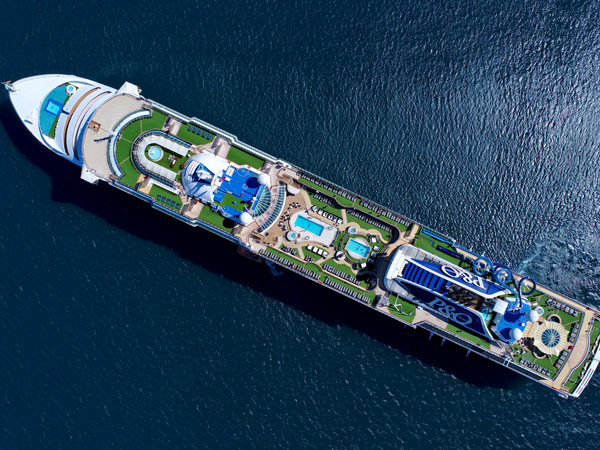
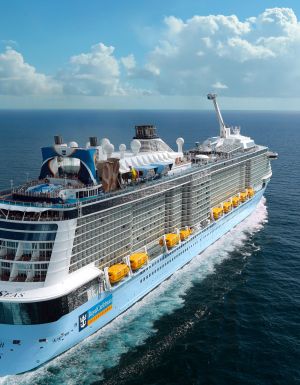
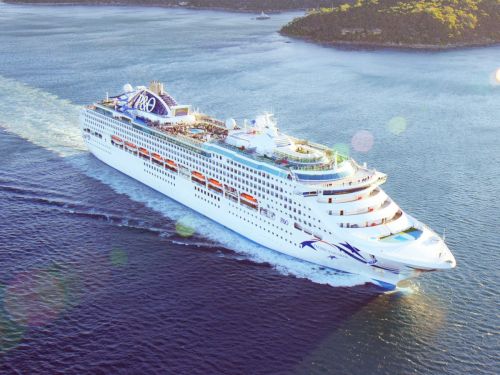
Aerial of P&O Cruises Australia Pacific Explorer ship
P&O Cruises Australia drops anchor after 90 years.

P&O Cruises’ shock exit from Australia

Australia’s most historic cruising brand reached the end of the line when parent company Carnival Corporation announced on Tuesday P&O Cruises Australia will be folded into Carnival Cruise Line’s operations from March 2025.

Two of P&O Cruises Australia’s existing cruise ships (Pacific Encounter and Pacific Adventure) will be transferred into the Carnival fleet, while Pacific Explorer will exit the fleet.
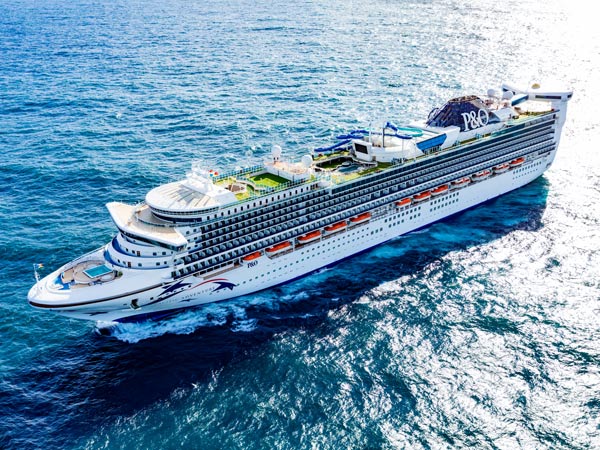
P&O Cruises Australia Pacific Adventure ship
Pacific Adventure will be transferred into the Carnival fleet.

How Carnival Corporation explains the move

Carnival Corporation chief executive officer Josh Weinstein said that while the company is proud of what P&O Cruises Australia has achieved, the costs have become too high to be able to operate the brand in Australia.

“Given the strategic reality of the South Pacific’s small population and significantly higher operating and regulatory costs, we’re adjusting our approach to give us the efficiencies we need to continue delivering an incredible cruise experience year-round to our guests in the region," Weinstein said.

While it’s not clear how many jobs will be lost, the ABC reported that between 10 and 20 jobs will be lost in Australia.
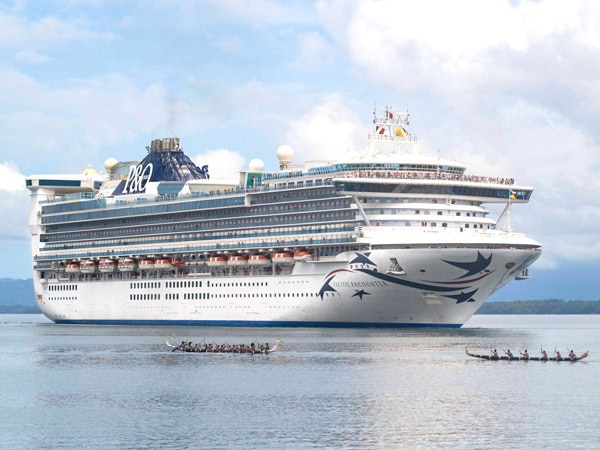
P&O Cruises Australia Pacific Encounter ship
Costs have become too high to be able to operate the brand in Australia.

Need tips, more detail or itinerary ideas tailored to you? Ask AT.

AI Prompt

But what is really behind the demise of Australia’s home-grown cruising brand?

To get some insights we asked Australian Traveller Media’s co-founder and cruise enthusiast Quentin Long what he thinks is going on.

“There are three driving factors I can see," he says.

“The first is pure economic efficiency through cost rationalisation. Running a small regional cruise line without the centralised systems of a huge corporation is a lot of cost on a small revenue base – in other words incredibly difficult to make profitable."

So, cost consolidation would instantly make it a lot easier for P&O to be more profitable. “Well maybe just profitable as the rumour is they have not been profitable for 10 years," he adds.

The second motive follows closely on the first according to Long.

“The Carnival brand has great penetration into the valuable US and global cruise market so now these rebranded ships address a larger source market. To meet that market, you can now easily move the ships to the destinations and develop itineraries to match this demand."
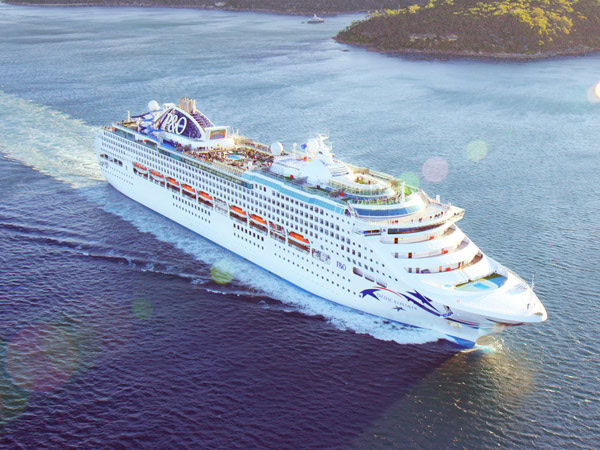
P&O Cruises Australia Pacific Explorer ship
Pacific Explorer will exit the fleet.

So, does that mean we may have fewer or even no cruise ships permanently based in Australia?

“Yes, that is certainly a possibility. It will be purely demand driven whether three, two, one or no ships are here in Australia year-round," Long says.

According to Long, the impact of that outcome will be felt far deeper than just the cruise passengers.

“Sure, a lot of Australians who could really only afford a P&O cruise will be left high and dry which is devastating. But what about the businesses that are serving the ships? They will lose 50 per cent of their business if they are pulled out of the market for the quiet winter season," he says.
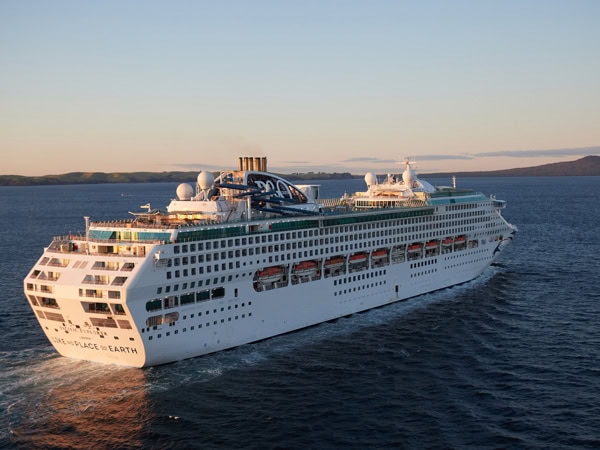
P&O Cruises Australia Pacific Explorer ship
The impact of this decision will be felt across the board.

Weekly travel news, experiences
insider tips, offers, and more.

And dare we ask about the third driving factor?

“Oh, that’s just about modernising and evolving the product to meet the new cruise passengers’ expectations," Long says.

Carnival Cruise Line will implement some technology upgrades and other small changes to the P&O fleet, most notably by introducing Carnival’s HubApp which allows guests to make reservations, get food and drinks delivered and chat with other guests.

“After the initial swift tech upgrade, I expect they will add more contemporary experiences that are in line with the Carnival Cruises brand – more glitz and brash US-style fun. So, more water slides etc," he continues.
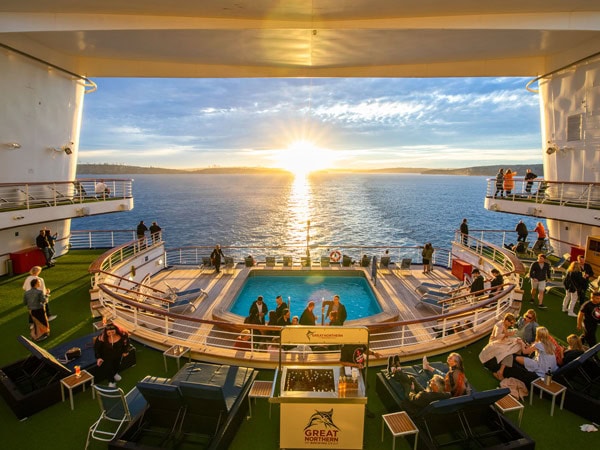
Oasis on P&O Cruise ship
Carnival Cruise Line will upgrade the P&O fleet.

What P&O passengers need to know

Passengers who have booked a P&O Cruise in 2024 won’t be affected.

Guests booked on Pacific Encounter and Pacific Adventure after March 2025 will not be affected in most cases as the itineraries and departures will be maintained. Just a bit more tech when you get on the ships named Carnival Adventure and Carnival Encounter.

Passengers booked on Pacific Adventure will have options for a full refund, future cruise credit and even in some cases onboard credits.
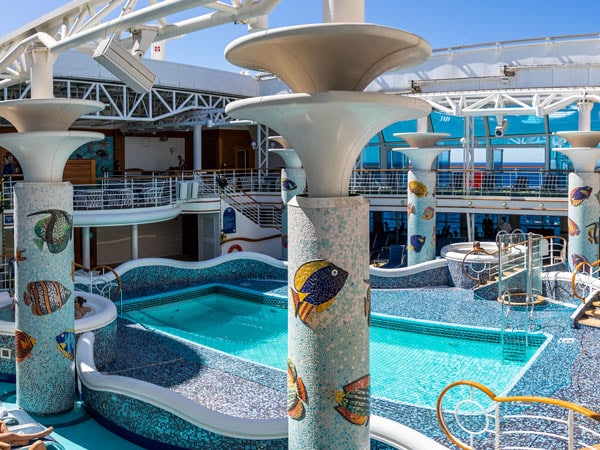
Magrodrome on P&O Cruise ship
At this stage, it’s unclear how many jobs will be lost.
Emily Murphy
Emily Murphy is Australian Traveller's Email & Social Editor, and in her time at the company she has been instrumental in shaping its social media and email presence, and crafting compelling narratives that inspire others to explore Australia's vast landscapes. Her previous role was a journalist at Prime Creative Media and before that she was freelancing in publishing, content creation and digital marketing. When she's not creating scroll-stopping travel content, Em is a devoted 'bun mum' and enjoys spending her spare time by the sea, reading, binge-watching a good TV show and exploring Sydney's vibrant dining scene. Next on her Aussie travel wish list? Tasmania and The Kimberley.
View profile and articles
hero media

Discovering East Arnhem: Australia’s most unique and rewarding corner

    Joanne Millares Joanne Millares

    Hard to reach and harder to forget, East Arnhem offers something rare in modern travel: the chance to slow down and experience Country on its own terms.

    The sky feels bigger in East Arnhem. It stretches wide and uninterrupted above rouged earth, stringybark woodland and beaches so empty they seem to belong to another era. The coastline curves for kilometres without a footprint and the horizon runs on forever.

    For comedian Lou Wall, the scale of the place was the first thing that hit them.

    “The sheer openness,” they say. “The sky feels infinite and the land stretches out endlessly. It’s pretty breathtaking visually.”

    But the physical landscape is only part of the story. The real reward isn’t only the scenery but the shift in perspective the journey brings. Visitors stop trying to tick off the destination and a real engagement takes over.

    “It made me never want to travel again,” Wall jokes. “In that I never wanted to leave East Arnhem.”

    Getting there

    Aerial shot of East Arnhem’s coastline as cars trace the curve of the shore.
    Sail along the remote coastline on an expedition cruise.

    Reaching East Arnhem is part of the adventure. Travellers typically fly into Gove Airport near Nhulunbuy via Darwin or Cairns, or arrive by expedition cruise along the remote coastline. Others make the journey overland along rutted dirt roads that cut through East Arnhem’s small pockets of monsoon forest.

    However you arrive, there’s a distinct feeling of crossing into somewhere different. Permits are required to visit the region, reflecting the fact that this is Yolŋu land where communities and traditional owners maintain deep cultural connections to Country.

    The extra planning becomes part of the experience. By the time visitors arrive, they understand they’re entering a place not just of respect, but also patience and curiosity.

    At one with nature

    East Arnhem’s  landscapes leave a strong imprint. For Wall, one place in particular still lingers in their memory: Ngalarrkpuy, also known as Lonely Beach, near Bawaka Homeland.

    “I genuinely felt like I was living inside an Instagram filter,” they say. “One of the most stunning feats of nature I’ve ever seen. The water was so clear I swear I could see even the fish smiling.”

    Across the region, natural experiences unfold at a slower pace. Fishing, beachcombing and island hopping reveal the rhythm of the coastline. The tides shape daily life and the vastness of the landscape makes even simple moments feel downright cinematic.

    For visitors with limited time, Wall says the Bawaka Homeland experience is unmissable.

    “I just left and I’m already planning when I can get back there.”

    The sense of remoteness is part of the appeal. In a country where many beaches are crowded and well-trodden, East Arnhem’s coastline still feels wonderfully wild.

    Immersing in local culture

    A visitor spends a meaningful moment alongside Yolŋu guides, gaining insight into their deep cultural knowledge and connection to the land.
    Experience authentic moments with the locals.

    Culture is woven through every experience in East Arnhem. Visitors have the opportunity to spend time on Country with Yolŋu guides and knowledge holders who share stories and traditions that have been passed down for generations.

    For Wall, one of the most powerful moments came during a conversation with a Yolŋu elder.

    “I got to meet a traditional elder, Mayalil, in Nhulunbuy,” they say. “Listening to her talk about her home made the land feel alive in ways I couldn’t have imagined.”

    The region is also home to internationally recognised Aboriginal art centres where artists shape works deeply connected to land and family knowledge.

    Music carries the same cultural energy. East Arnhem has produced globally recognised artists such as King Stingray and Baker Boy, blending Yolŋu language, storytelling and contemporary sound.

    Wall experienced this musical spirit first-hand.

    “A jam session around the fire was it for me,” they say. “Letting the deep joy and history of their music wash over me…  and meeting a few of the King Stingray musicians was unreal.”

    These moments of human connection often become the most memorable part of a visit.

    Spotting local wildlife

    An aerial view of the beach shows tiny figures lined up across the white sand, moving as if in a rhythmic dance.
    Step into a world where nature reigns.

    The wildlife of East Arnhem adds another layer to the experience. The region is home to an extraordinary range of animals, from waterbirds and turtles to dugongs, dolphins and the formidable saltwater crocodile.

    Wall admits they didn’t actually spot a croc during their visit.

    “Devastatingly, I didn’t see one,” they laugh. “But with all the stories from the locals I definitely gained a healthy respect for caution.”

    Some of the most memorable wildlife encounters can be surprisingly small., At Banubanu Beach Retreat on Bremer Island, Wall remembers walking along the beach one morning and watching it come alive.

    “As you walk through the sand you see hundreds of crabs scurrying into their holes as you pass by,” they say. “Such a small thing, but it was completely magical.”

    Moments like this reveal the quieter rhythms of East Arnhem, where even the smallest creatures seem to play a part in the landscape.

    Visitors who make the journey soon learn the most important travel tip of all.

    “Go in open-minded with a sense of curiosity,” Wall says. “Be prepared to ditch your plans. The land and the locals will guide you on an adventure no spreadsheets could ever compete with.”

    And most importantly, they add, don’t rush.

    “The land and people deserve your time and attention. You’ll be all the better for slowing down.”

    For more information on visiting East Arnhem, head to eastarnhem.com.au.