The Heysen Trail, Great Walk of SA

hero media
The longest of Australian Traveller’s epic bushwalks, the Heysen Trail is named after Australia’s most famous euculyptus admirer and painter.

The trail’s best sections are its bookends: the northernmost 60km between Parachilna Gorge and Wilpena Pound Resort, and the southernmost 60km between Cape Jervis and the holiday town of Victor Harbor.


The longest and most committing of the four routes is SA’s Heysen Trail, stretching 1200km from Cape Jervis, south of Adelaide, to Parachilna Gorge in the Northern Flinders Ranges.


Constructed throughout the 1970s and 1980s, it takes its name from Sir Hans Heysen, the artist whose paintings so popularised the Flinders Ranges.
Heysen Trail SA
Walk the Heysen Trail in the Flinders Ranges

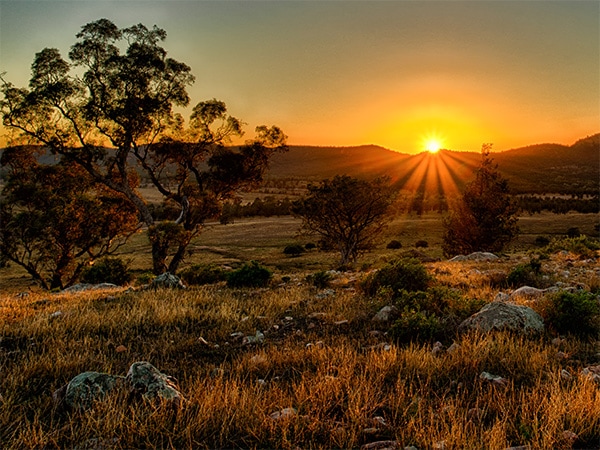
An unforgiving trail, large chunks of it cross through semi-arid lands in and around the Mt Lofty and Flinders Ranges.


Water is scarce, making the hauling of reasonably large volumes of water necessary, and the heat can be brutal, with sections of the track through private land closed to walkers between about November and March.


The nature of the terrain and long sections of road walking mean that the Heysen Trail is the least consistently spectacular of the long-distance routes, though the dry, cleared landscape also makes it perhaps the most representative of the true Australian landmass.


It could be said (for better or worse) to be the full Aussie package, incorporating city views, coast, mountains and vast tracts of outback as it heads north through the Flinders Ranges. Along its course, it crosses many of SA’s major peaks, including Mts Lofty, Remarkable, Brown and the Dutchmans Stern, as well as passing through the flat heart of Wilpena Pound.
Heysen Trail Lookout
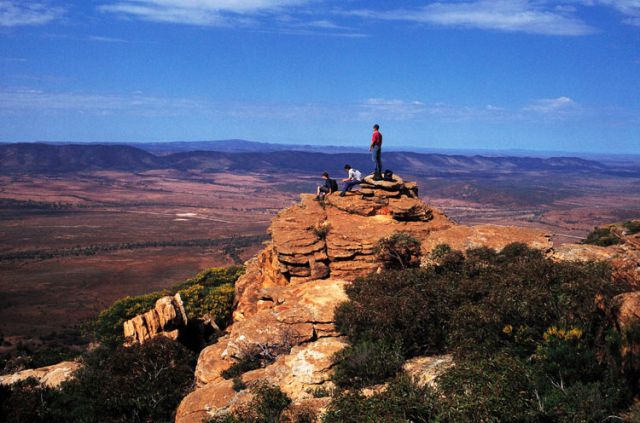
The surroundings are enough to make everyone stop and admire.

Most walkers will take about 60 days to walk the Heysen Trail from end to end, though very few take on this enormous mission in one outing.


For many, the process of walking the Heysen takes years, walking it separate section by separate section. The trail’s best sections are its bookends: the northernmost 60km between Parachilna Gorge and Wilpena Pound Resort, and the southernmost 60km between Cape Jervis and the holiday town of Victor Harbor.


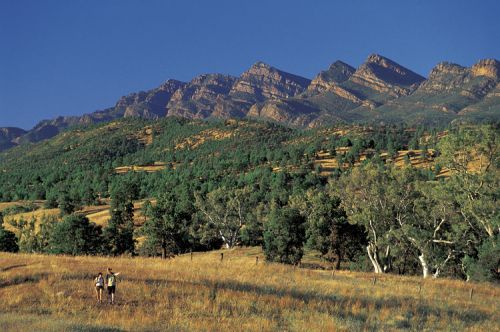
At the northern end, out of Parachilna Gorge, the trail sets out along dry creek beds pinched between the ABC Range and the twisting, swirling rock of the Heysen Range.


Points of interest along this section are many and varied, including the Aroona Valley, where Hans Heysen painted a number of artworks; a variety of lookouts; and wonderfully isolated views across the Bunyeroo Valley, one of the Flinders’ trademark scenes.


This route makes for a comfortable three-day walk, camping at Aroona Valley and beside Yanyanna Hut. It can also be stretched out to four days with a stop at Trezona campground.


By spending a night at Yanyanna you can have the added bonus of setting out above the Bunyeroo Valley at dawn, the finest time of day for this classic view.


The southern end of the Heysen Trail is a picture of contrast.
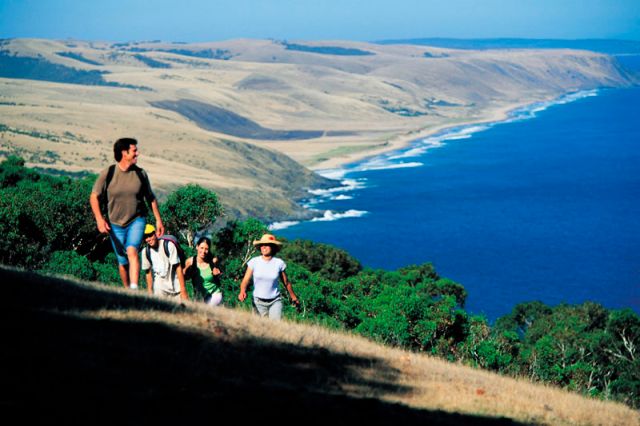
Heysen Trail Coast
The Deep Creek Conservation Park at the coastal end of the Heysen Trail.

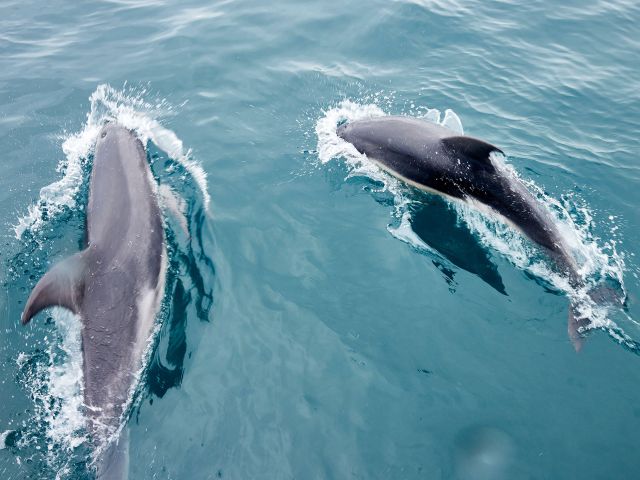
Here, it’s all about the sea and rugged coast, beginning at Cape Jervis and pushing through beautiful Deep Creek Conservation Park, where Blowhole Beach and Boat Harbour Beach stare across Backstairs Passage to Kangaroo Island. Seal and dolphin sightings aren’t uncommon.


Out of Deep Creek there’s a long, sandy haul along Tunkalilla Beach (where the marine sightings are as likely to be sharks) before the track veers inland, returning to the coast at Waitpinga Beach, more famous for its waves than its walking.


Beyond Newland Head, cliff-top roads and tracks lead towards the edge of Victor Harbor, with the cliffs affording seasonal opportunities to spot southern right whales (June to September).This southern section contains no mountains but the severity of the coast means a significant amount of climbing, so it’s worth allowing four days.
 
There are seven campsites along the route, so options are plentiful for breaking up the days.

Need tips, more detail or itinerary ideas tailored to you? Ask AT.

AI Prompt

Want to see more stories from Australian Traveller in your Google search results?

  1. Click here to set Australian Traveller as a preferred source.
  2. Tick the box next to "Australian Traveller". That's it.
Australian Traveller

Australian Traveller

View profile and articles


hero media

7 Lake Macquarie secrets the locals don’t want you to know

Credit: Beau Pilgrim

An untapped side to this popular holiday spot is hiding in plain sight.

Laidback Lake Macquarie draws in holidaygoers and day trippers with its casual coastal allure and raw beauty. But even though it’s just 90 minutes from Sydney, most visitors have only scratched the surface of what this region has to offer.

Foodie hotspots, quaint towns, tranquil waterways and compelling art are all waiting to be discovered. You just need to know where to find them.

1. Most visitors don’t make it to the western side

Explore beyond the western side. (Credit: Beau Pilgrim)

While there’s no harm in walking the well-worn path in this idyllic pocket of the world, the area west of Lake Macquarie is defined by stretches of ancient rainforests and quaint towns with a more local feel. Toronto is the largest town on this side and features a golf course and sailing clubs, while peninsula-based Wangi Wangi is fantastic for bushwalking and swimming.

2. There’s a booming arts scene

Museum of Art and Culture, YAPANG
Discover the Museum of Art and Culture, YAPANG.

Lake Macquarie is a must-visit destination for creatives. Discover the Museum of Art and Culture, YAPANG; this modern gallery is set on a five-hectare sculpture park and showcases a free rotating program of exhibitions and events, with a strong focus on contemporary Aboriginal art. In Wangi Wangi, explore the Wangi Owl Trail, which includes Dobell House, the preserved home of prolific artist Sir William Dobell. And enjoy live music every Saturday evening at the recently renovated Toronto Hotel.

3. It’s a nature lover’s paradise

three people swimming in lake macquarie
In and out of the water, find a natural paradise. (Credit: Beau Pilgrim)

Lake Macquarie is a playground for nature lovers. It’s home to Australia’s largest saltwater lake, a 110-square-kilometre haven for swimming, fishing, boating and sunset views. Another oasis is the Lake Macquarie State Conservation Area, a 761-hectare protected reserve with wildflowers, Second World War heritage sites and spectacular views to Pulbah Island. The upgraded Toronto baths, complete with jetty decking and netting, make for a sheltered spot for a refreshing dip, while the Awaba Mountain Bike Park gives adrenaline junkies their fix.

4. The dining scene is unbeatable

8 at Trinity lake macquarie
Treat yourself to 8 at Trinity.

Gourmands are well looked after in Lake Macquarie. At Emerson’s on the Lake in Toronto, the modern Australian fine dining menu spoils seafood lovers with the freshest ocean produce and stunning lake views. Sitting on Trinity Point’s waterfront, 8 at Trinity is another standout offering, serving Mediterranean fare in an open-air setting. For a more relaxed affair, the microbrewery trail lets craft beer enthusiasts sip on inventive brews from The Yard, Lake Mac Brewing and Bread & Brewery.

5. There are hidden coves and waterways

kayakers on lake macquarie local secrets
Get out onto the lake. (Credit: Beau Pilgrim)

There’s no better way to experience Lake Macquarie than directly on its waters, and in doing so you’ll discover a world of hidden coves and secluded waterways. Jump in a kayak for a tour with the friendly team at School of Yak and paddle to Cockle Creek, Awaba Bay, Green Point and Fennel Bay, discovering underwater life along the way. Or go all in and stay the night on one of Lake Macquarie Houseboats’ spacious vessels or hire a BBQ pontoon boat for the day from Lake Macquarie Boat Hire to enjoy a feast in the sunshine while admiring the marine life and picturesque waterscape.

6. It’s a birdwatcher’s paradise

ll blue wren sitting on a tree branch
Keep an eye out for local birdlife. (Credit: Walter Coppola)

Twitchers are in for a real treat as hundreds of fascinating bird species such as Australian pelicans, black swans, white-bellied sea-eagles and superb fairy-wrens call this area home. Take a self-guided tour around top spots including Bird Cage Point and Lake Macquarie State Conservation Area (near Morisset) or be guided in a clear-bottom kayak through the waterways with Lake Macquarie Kayak Adventures, observing feathered friends as you go.

7. The lake has islands

sail lake macquarie
Charter a boat to see Lake Macquarie’s islands.

Hop on a private boat, kayak or charter around the lake to discover the plethora of small islands peppered around Lake Macquarie. The largest is Pulbah Island, a 69-hectare nature reserve home to goannas and sugar gliders with secluded beaches. Sandy islands such as Spectacle Island and Pelican Island have a tropical lagoon-like look to them as they sit in the tidal path of Swansea Channel, which filters the sand and creates a pristine environment. Stop by for a dip and a picnic.

Start living like the locals at visitlakemac.com.au.