Food photography 101: the good, the bad, the unforgivable

hero media
Ready to go next level with your iPhone food photography but not sure how? We hit up a couple of professional food photographers to get the download on how to find the right angles and style each shot, as well as what to avoid and how not to make a nuisance of yourself.

Remember the days when waitstaff would arrive at your table with a plate of food and you would take a cursory pause to appreciate how nice it looked before getting stuck straight in before it went limp, cold or congealed? Oh, the memories. These days our dining habits are driven by how many likes we can clock up for close-ups of Nutella-oozing doughnuts or jaunty Boomerangs of clinking glasses of Mumm.


In this world, limp lettuce is just accepted as collateral damage on the quest for Insta greatness. How do I know this? Because I, too, am guilty of getting sucked into the addictive frenzy of: “If you don’t ’gram it, it never happened." But as much as I would love my Instagram feed to look like a thoughtfully curated and perfectly shot #sneakpeek into my fantasy foodie exploits, I have to admit that my own attempts at food photography don’t always cut the truffle mustard.


I get to hang out on shoots a lot in my job, so I know that all those elegant flat-lays and perfectly juicy burger close-ups are never just down to good luck and good timing – there’s a lot of skill and some very considered wisdom guiding the way. To find out how to elevate my own humble iPhone pics to double-click-worthy new heights, I decided to grill a couple of my professional food photographer pals for their best tips and tricks.


Peter Tarasiuk is a professional food, travel and lifestyle photographer based in Melbourne. He has worked on cookbooks for major publishers and shoots for a range of leading magazines in Australia and overseas. Shellie Froidevaux started out as a food blogger, back when Instagram was considered fledgling and niche. Today she has over 43,000 Instagram followers and is a professional recipe developer, food stylist and photographer. She also runs her own business teaching regular folks how to style and shoot food like a pro.

Ready to ace your next smartphone shoot? Read on for Shellie and Peter’s top tips, tricks and no-nos.

Light it right

This one was unanimous: natural light is a photographer’s best friend. Shellie and Peter agree that if you can, always try to get a window seat and either back-light the dish (with light coming from behind) or side-light it (have light coming from the side). But prepare to be brutal: if the light isn’t right, maybe don’t take the shot. And never, never, never use a flash – unless, as Peter says, “you’re trying to be the Terry Richardson of food." Using a flash will make your shot look ugly and is a major etiquette no-no in a restaurant. Consider your fellow diners and turn that flash OFF.


*PRO TIP: a white napkin can double as a great light reflector to bounce light into dark shadows.

Need tips, more detail or itinerary ideas tailored to you? Ask AT.

AI Prompt

Keep it simple

Shellie says simplicity is key when setting up and styling your shot. “Try not to include absolutely everything in the shot, you don’t need to show the whole plate, you can just show half the plate," she says.  “And don’t go overboard with too many props – keep it simple." Oh, and a word on filters: just no. No one really wants to see a sepia or retro-toned version of your steak. If you want to create some mood or tweak your images, bypass Instagram’s in-built filters and run them through a more sophisticated photo editing app like VSCO or Afterlight.

Mix it up

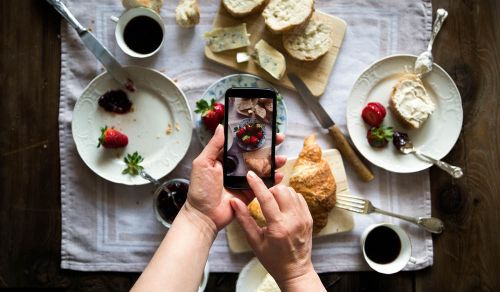
Before you settle on your final image, try a bunch of different angles – overhead, close-up, shot from the side. Play around with the depth of field feature on your iPhone, this allows you to focus in on one item in the shot just by tapping the screen, the background and foreground will fade away to showcase your hero. In terms of styling, Peter says, “Try clean, try messy and don’t be afraid to include crumpled napkins or half-eaten food in your photos."

Style vs substance

“I know it’s only phone photographs, but think about what you are trying to say," says Peter. Do you want the shot to be clean and untouched? Or do you want the dish to look messy and half eaten? Try both and see what works. He also says to use whatever props that are available to you – wine glasses, salt and pepper, cutlery, napkins – to add interest to the shot. “Think about where these might sit on a table (in relation to where you want to place your dish) and place them accordingly. Consider the whole scene and not just the dish. What’s happening in the foreground? What’s happening in the background? Does it add to the shot?"

Be a good human

OK, this is probably the most important bit: iPhone etiquette. Above all, it’s good to remember that you are actually out to eat some food and have a nice time, and if you’re doing so with friends the following points should be taken even more seriously. Unless you’re being paid big bucks by a glossy food mag to get the ultimate angle on a plate of saffron and crab linguine then consider the following golden rules from Peter and Shellie:


1. Be quick and don’t fuss. Snap and eat, people!


2. Never stand on a chair to get an overhead shot. If you need to shoot from overhead just stand up (on the ground) and do it that way.


3. Dear lord, turn off that flash.


4. Never tell other people what to do or ask them to move out of your shot – it’s rude.


5. Always be respectful and mindful of staff and fellow diners and try to keep your styling/angling/snapping fuss to an absolute minimum.


6. Put your phone on silent. Nobody needs to hear the scattergun shower of camera clicks.


7. Remember you are in a public place where people are trying to enjoy their meal and be with friends. If you really want to get good and quick at this, practice at home first.


Weekly travel news, experiences
insider tips, offers, and more.

Want to see more stories from Australian Traveller in your Google search results?

  1. Click here to set Australian Traveller as a preferred source.
  2. Tick the box next to "Australian Traveller". That's it.
hero media

Unforgettable First Peoples tours and experiences in Victoria

    Angela Saurine Angela Saurine
    From ancient aquaculture systems to sacred rock art shelters, Victoria’s First Peoples cultural experiences offer a powerful connection to one of the world’s oldest living cultures – where every site, story and smoking ceremony invites a deeper understanding of the land beneath your feet. 

    Victoria’s sweeping landscapes hold stories far older than any road map can trace – stories etched into stone, sung through generations and woven into every bend of river and rise of hill. From the lava flows of Budj Bim to the ancient middens of Moyjil/Point Ritchie and the volcanic crater of Tower Hill, the state is home to some of the most significant First Peoples cultural sites in Australia. These places, along with other immersive experiences, offer not only a window into a 60,000-year legacy, but a profound way of understanding Country itself. As more travellers seek connection over checklists, guided tours by Traditional Owners offer respectful, unforgettable insights into a living culture that continues to shape the land and the people who walk it. 

    Budj Bim cultural landscape  

    Budj Bim Cultural Landscape
    Budj Bim Cultural Landscape is on Gunditjmara Country. (Image: Visit Victoria)

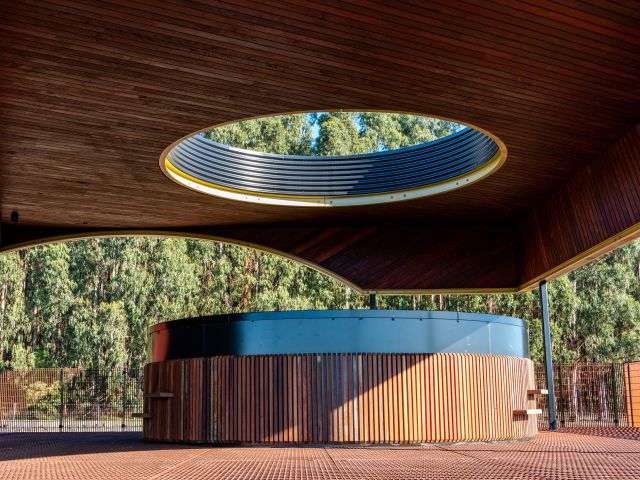
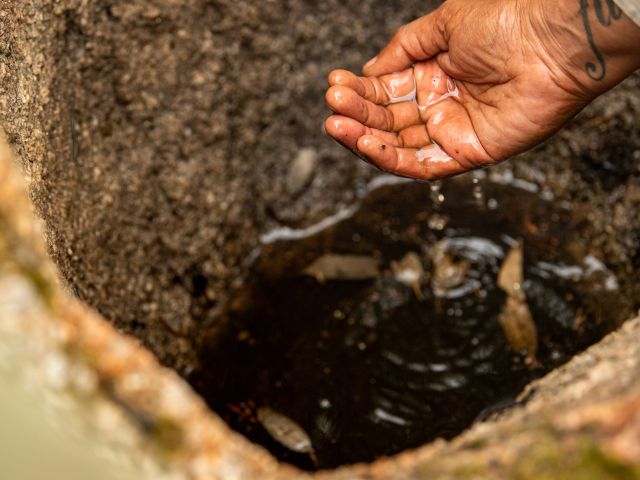
    Venture beyond the surf and sand of the Great Ocean Road to discover a deeper story etched into the volcanic landscape. At Budj Bim, ancient aquaculture channels built by the Gunditjmara people to trap, store and harvest kooyang (short-finned eel) reveal one of the world’s oldest living cultures. While you’re in the area, head over to the state-of-the-art Tae Rak Aquaculture Centre, where you can observe the eels in a special tank, wander the shores of Tae Rak (Lake Condah), and enjoy a bite at the Bush Tucker Cafe. Also nearby is Tower Hill, a dormant volcano reborn as a wildlife reserve, offering trails through bushland teeming with emus and koalas. 

    eel tank
    The kooyang (eel) tank at Tae Rak. (Image: Visit Victoria)

    Dumawul Kooyoora Walking Tour 

    Dumawul walkingtour
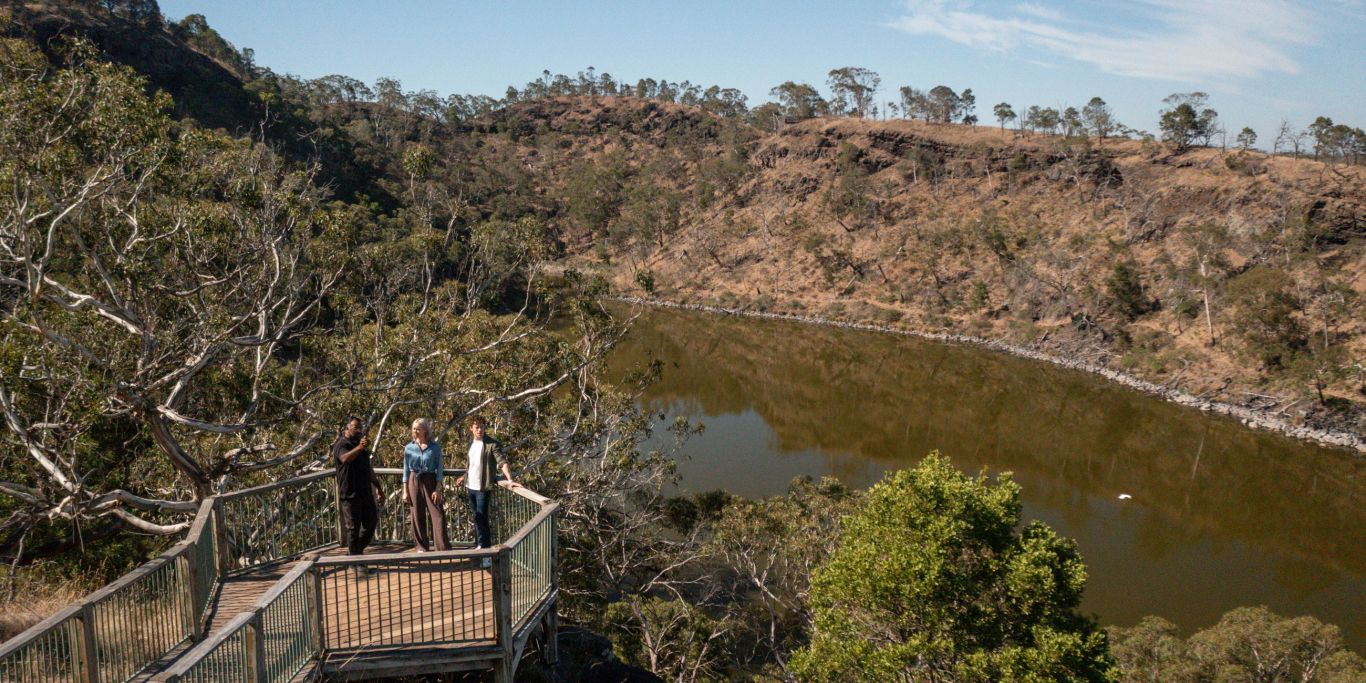
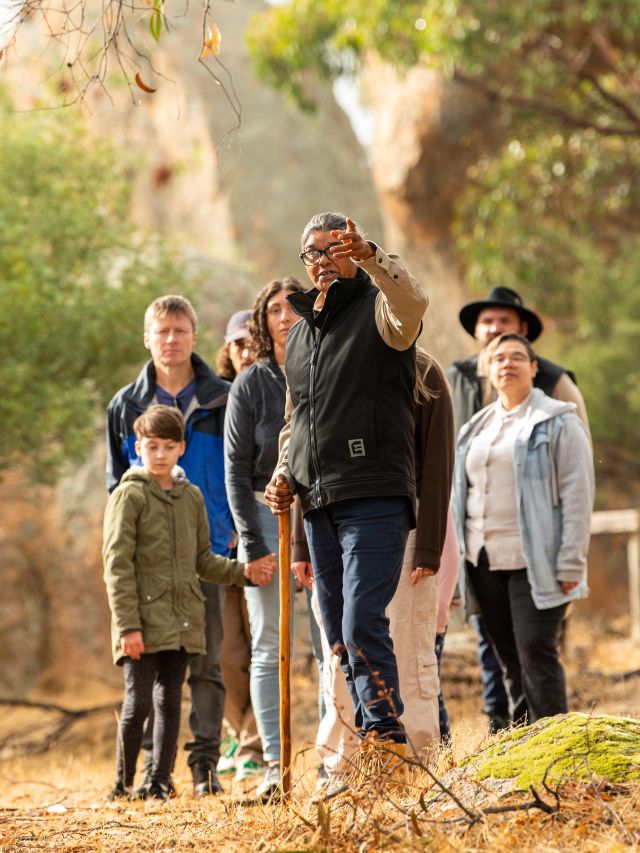
    Guests are guided through Kooyoora State Park on the Dumawul walking tour. (Image: Visit Victoria)

    Step into a timeless landscape with Dumawul’s guided tour through Kooyoora State Park, around an hour’s drive west of Bendigo in north-central Victoria. Led by Djaara guides, this immersive half-day journey breathes life into Country, weaving together stories, bush tucker and ancient rock art. Known to the Dja Dja Wurrung people as Guyura – the ‘mountain of light’ – this dramatic granite range is rich with cultural and spiritual significance.  The adventure begins with a meet-up at the Bridgewater Hotel on the banks of the Loddon River, before guests are welcomed onto Country with a traditional Smoking Ceremony – a powerful ritual that honours ancestors and cleanses those who walk the land. From there, it’s a gentle wander through rugged outcrops and open bushland, with sweeping vistas unfolding at every turn. Along the way, guides share their knowledge of how the Dja Dja Wurrung peoples have cared for and adapted with this land for generations, offering a rare and moving window into an ancient way of life that continues to thrive today.  

    Kooyoora walking tour
    Knowledge of the Dja Dja Wurrung is shared on the trail. (Image: Visit Victoria)

    Kingfisher Cruises  

    Kingfisher Cruises
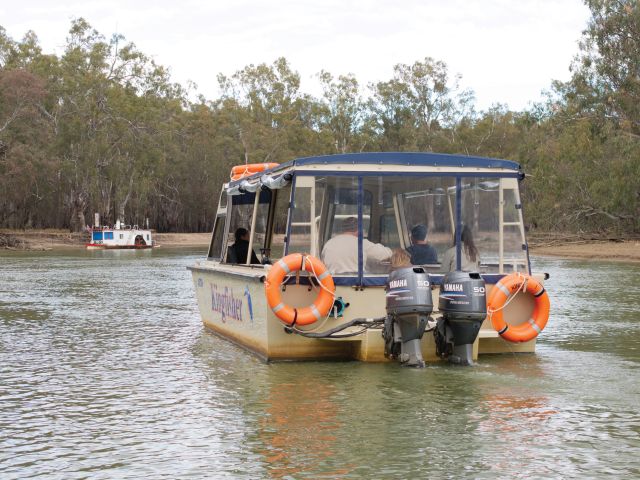
    Cruising the Murray with Kingfisher Cruises. (Image: Visit Victoria)

    Glide quietly through the Barmah-Millewa forest – the nation’s largest river red gum ecosystem – on a scenic journey along the Murray River and into the Barmah Lakes with Kingfisher Cruises. Led by passionate guides who share stories of the cultural significance of this ancient landscape, these cruises reveal the stories, totems and traditional knowledge of the Yorta Yorta people. As you navigate narrow waterways and spot native birds, you’ll gain a richer understanding of how First Peoples have lived in harmony with this floodplain for tens of thousands of years. It’s a gentle, immersive experience that leaves a lasting impression – one where every bend in the river carries echoes of culture, connection and Country.  

    wawa biik 

     Taungurung leaders
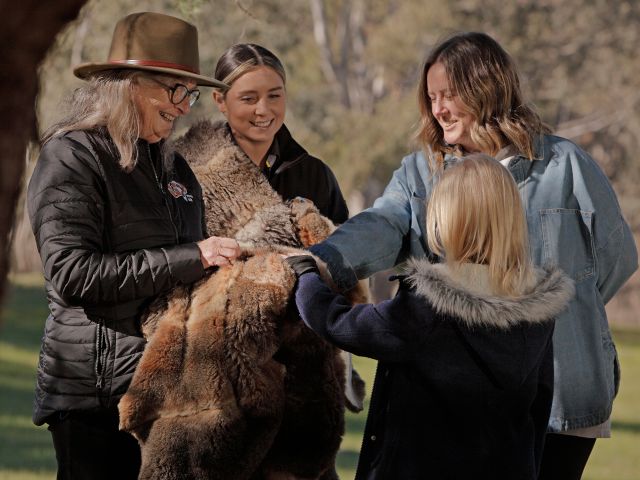
    Exploring Nagambie with Taungurung leaders. (Image: Visit Victoria)

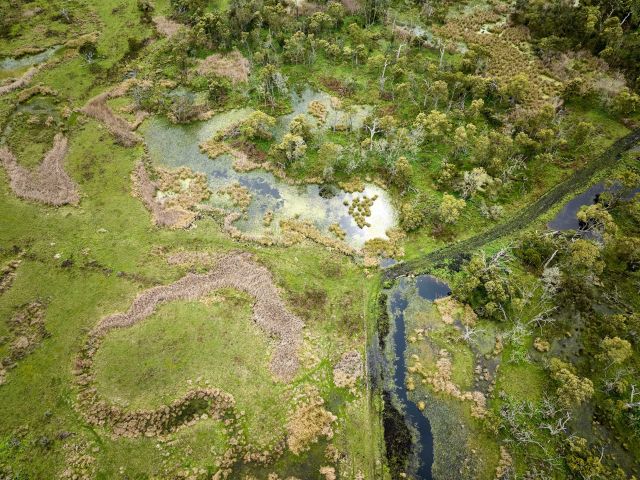
    Translating to ‘hello, Country’ in the language of the First Nations People and Custodians of the rivers and mountains of Taungurung Country in Central Victoria, wawa biik guides a range of authentic and deeply immersive experiences. Leaving from either Nagambie or Euroa, the tours are woven with ancient stories of the Taungurung, telling how a sustained connection and responsibility ensures the continued health of biik – benefitting the people, animals and plants that live in and around the Goulburn River. During the wawa Nagambie experience, guests participate in a Welcome Smoking Ceremony, and enjoy lunch and conversation with two Taungurung leaders as they cruise through the wetlands of tabilk-tabilk (place of many waterholes). The 4.5-hour tour begins at Tahbilk Winery, which is set in the wetlands of Nagambie on Taungurung Country and collaborates with Taungurung Elders to share knowledge of biik. 

    Bataluk Cultural Trail  

    Bataluk Trail
    Cape Conran on the Bataluk Trail. (Image: Visit Victoria)

    The Bataluk Cultural Trail winds through East Gippsland like a thread stitching past to present, tracing the deep connection between the Gunaikurnai people and their land. Starting at the Knob Reserve in Stratford, visitors walk among scarred trees and ancient stone tools once used for survival and ceremony. At the Den of Nargun near Mitchell River, the earth holds stories of women’s sacred spaces, cloaked in myth and legend. Further along, Legend Rock at Metung tells of greed and consequence, its surface etched with ancient lore. At Cape Conran, shell middens lie scattered like breadcrumbs of history – 10,000 years of gatherings, stories and saltwater songs still echoing in the wind.  

    Healesville Sanctuary  

    echidna at Healesville Sanctuary
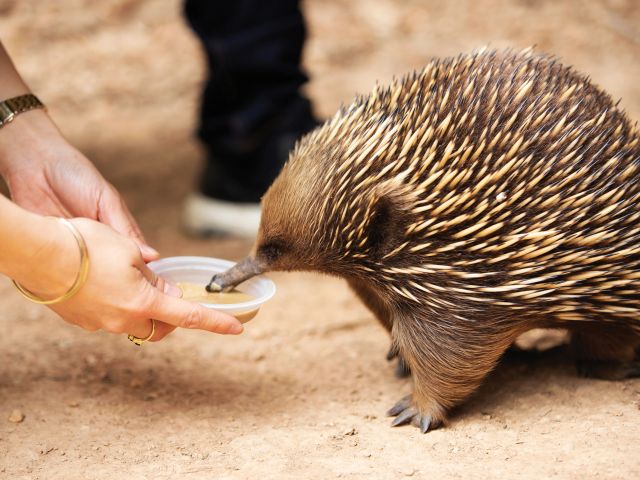
    Get up close with a resident echidna at Healesville Sanctuary. (Image: Visit Victoria)

    Set on the historic grounds of Coranderrk Aboriginal Station, Healesville Sanctuary honours the Wurundjeri people of the Kulin Nation through immersive storytelling and connection to Country. Along Wurundjeri Walk, visitors are invited to reflect on the land’s rich First Peoples history, with native plants revealing their traditional uses. Wurundjeri Elder and educator Murrundindi shares culture in-person with the Wominjeka Aboriginal Cultural Experience every Sunday, and most days during Victorian school holidays. Murrundindi’s smoking ceremonies, storytelling and bush tucker knowledge reveal the sacred relationship between people, animals and the environment. Bird-lovers can’t miss the incredible Spirits of the Sky show featuring native birds daily at 12pm and 3pm. 

    The Grampians 

    Rock art at Bunjil Shelter in The Grampians
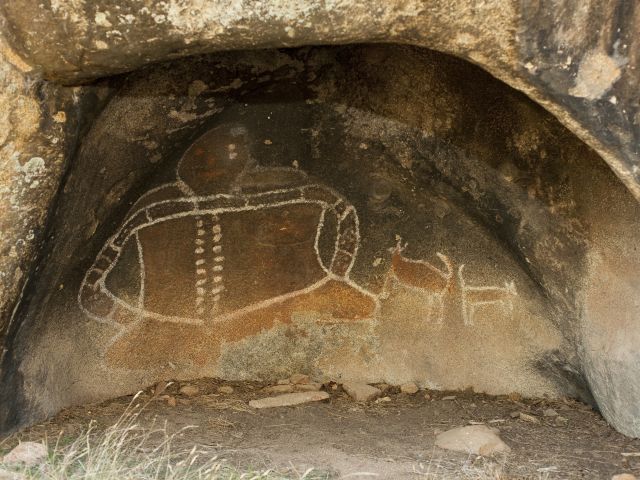
    Rock art at Bunjil Shelter in The Grampians. (Image: Visit Victoria)

    Known as Gariwerd to Traditional Owners, the Grampians is a place of immense cultural and spiritual significance. This rugged landscape holds more than 80 per cent of Victoria’s known First Peoples rock art, offering a powerful window into the region’s deep heritage. Visitors can respectfully explore five remarkable rock art sites: Billimina and Ngamadjidj in the Wartook Valley, Manja Shelter near Hamilton, Gulgurn Manja shelter near Laharum, and the Bunjil Shelter near Stawell, where the creator spirit is depicted. Each site tells a unique story of connection to Country, shared through ancient handprints, dancing figures and Dreaming narratives etched into stone.