6 tips for camping with kids

hero media
It’s great fun, but camping with kids can be a challenge. Caz and Craig Makepeace know this well; the founders of ytravelblog.com recently took an 18-month road trip around Australia with their two daughters. Here they share their camping tips.

1. Nuture nature

Use camping to teach your kids about the natural world, basic survival skills and teamwork. Limit the electronics they can bring; camping is about disconnecting and getting back in touch with nature and family. We choose campgrounds that have a natural bush setting and great facilities for kids.

2. The essentials

Pack baby wipes to clean off the grime and dirt; head torches to help little campers find their way at night; mosquito coils and deet-free repellent to keep the bugs at bay; gum boots for jumping in puddles; and a rug so they always have a place to sit and play.

3. Safety first

Run through campsite safety rules with your children as soon as you’ve set up. We let them know the boundaries of where they can and can’t play. Show them where the amenities are and ensure they know to visit with either Mum or Dad. Also remind them to return to the campsite when it gets dark.

4. Busy bees

Involve your children in exciting camp tasks. Let them collect wood, start the fire and pitch tents. Assign more mundane jobs as well, from washing-up to garbage collection. Our daughters loved winding the legs up and down on our trailer, and building a fire is their speciality.

5. Clean as a whistle

Have a small broom handy to wipe the dirt off before entering the tent. The dewy early morning grass will wreak havoc on your clothes and shoes, and inside your camping home. Kids will love being in charge of sweeping down Mum and Dad before they enter the tent.

6. Room for the whole family

Check to see if the campground has a family bathroom. It makes shower time much easier, especially with little ones. You can clean the whole family at once, the rooms are bigger and sometimes have baby baths. Plus, they are generally much cleaner and less busy!

Want to see more stories from Australian Traveller in your Google search results?

  1. Click here to set Australian Traveller as a preferred source.
  2. Tick the box next to "Australian Traveller". That's it.

This hidden region in Victoria is home to a peaceful lake trail

    Craig Tansley Craig Tansley

    Video credit: Tourism Australia

    From pink salt landscapes to oases fringed by forests of red gums, the lakes of this rural region are astounding. 

    You’re going to find peace and quiet when you take a road trip through the lakes of the Wimmera Mallee region. Whether it’s mirror-like pink salt lakes that look like an inland sea, or lakes fringed by forests of red gums that showcase Victoria’s arid beauty, there’s a lake for you out here somewhere.  

    1. Lake Tyrrell  

    Lake Tyrrell
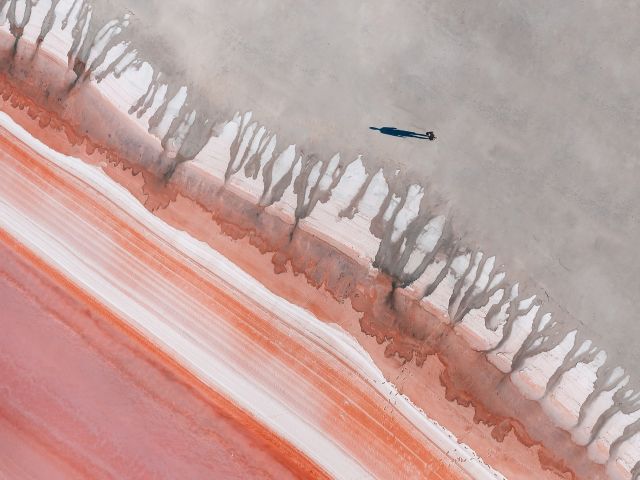
    The colours of Lake Tyrrell blend into the sky. (Image: Visit Victoria/Anne Morely)

    Located in the dead heart of the Mallee, Victoria’s largest salt lake, Lake Tyrrell, is a landscape photographer’s dream – especially at sunrise and sunset when the pink salt flats look like a gigantic mirror. It’s easy to camp or park a caravan nearby, too, though the tiny town of Sea Lake is just south (with accommodation). In winter, shallow water covers the salt, creating surreal reflections of the sky.  

    2. Nhill Lake  

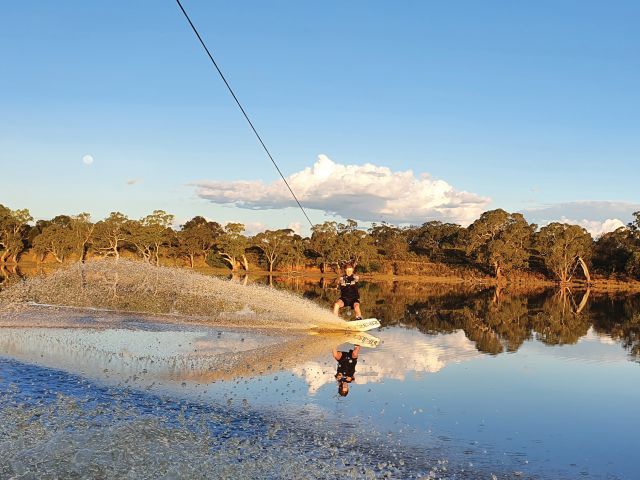
    There’s a permanent water source here, so there’s always plenty of water for water skiing, swimming and fishing (the trout and redfin fishing here is legendary). Located beside the pretty heritage town of Nhill with its main street of historic buildings, there’s options for eating and drinking right next door. There’s also a barbecue area with plenty of shady picnic spots and a boardwalk for walking around the lake.  

    3. Lake Bringalbert  

    Lake Bringalert
    Lake Bringalert is a great spot for aquatic adventures.

    Located south-west of the pretty Mallee town of Kaniva, Lake Bringalbert epitomises the best of ‘outback’ Victoria. It’s ringed by red gums and red mallee and feels completely hidden from the world – you’ll barely ever see another person. There’s basic camping on its foreshore and Kaniva offers more accommodation options. It’s the perfect lake for swimming, kayaking and skiing, and the stars at night come without even a hint of city glow.  

    4. Lake Hindmarsh 

    If you’re a bird fan, you’ll love Lake Hindmarsh. Located north of Dimboola, Victoria’s largest natural freshwater lake is like an inland sea full of pelicans, swans and numerous species of ducks – but it also teems with everything from spoonbills to parrots. Sunsets here will blow your mind – the lake is a mirror for the pinks and golds you’ll see on the horizon. There’s free camping spots along the foreshore if you’d like to really contemplate the magic of the lake.  

    5. Pink Lake 

    pink lake
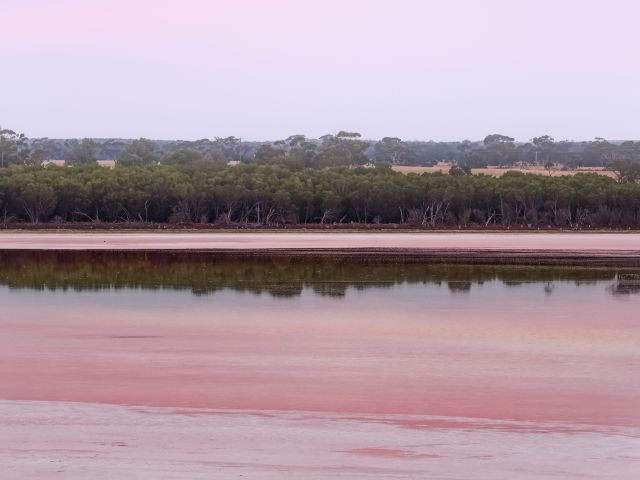
    The Pink Lake is most vivid after rain. (Image: Visit Victoria/Anne Morely)

    Also known as Loch Lel, the summer months offer up some seriously vivid pink water colour at this lake north of Dimboola. The pink varies throughout the year, but is best after rain (hence why summer is the time to visit).

    pink lake
    Pink Lake, also known as Loch Lel, is located near Dimboola in the Grampians. (Image: Tourism Australia)

    There’s plenty of birds, including wedge-tailed eagles, but you’re as likely to spot big lace monitors, kangaroos and echidnas. Nearby, check out the uber-cute heritage town of Dimboola and its eclectic shops, and Little Desert National Park, full of walking trails through mallee heathland. 

    6. Lake Lascelles 

    Lake Lascelles
    You can camp at Lake Lascelles.

    On a hot summer’s day, there’s nowhere better for a cooling dip, kayak or boat ride. You can camp by the lake, or at powered caravan sites – or the pretty town of Hopetoun offers numerous accommodation options a short walk away. At night you’ll see the lights of Hopetoun reflect off the lake. Fish for yellow belly, redfin or catfish, or try water-skiing. There’s also a great walking trail around the lake, where there’s more birds than you can count.