
From bold art to big ideas, these creative communities inspire at every turn.
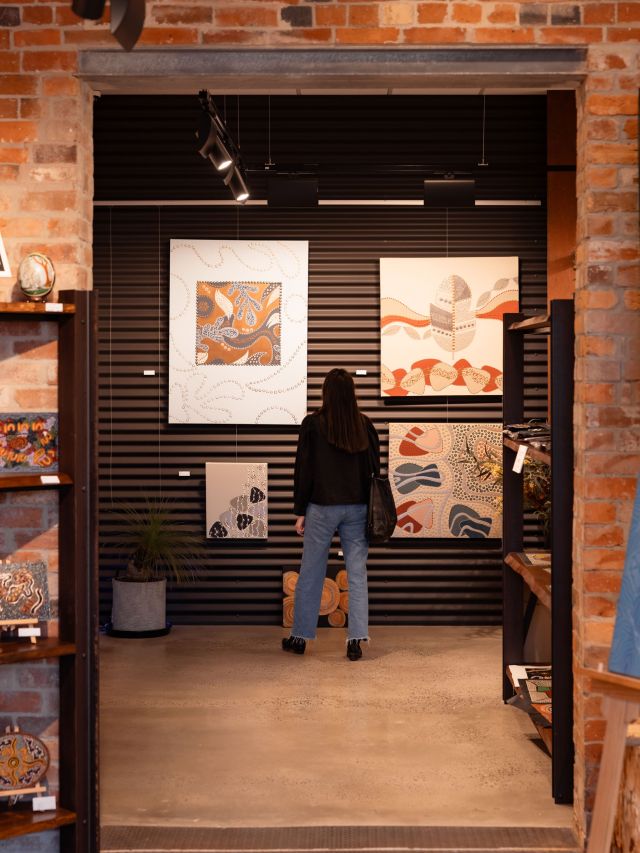
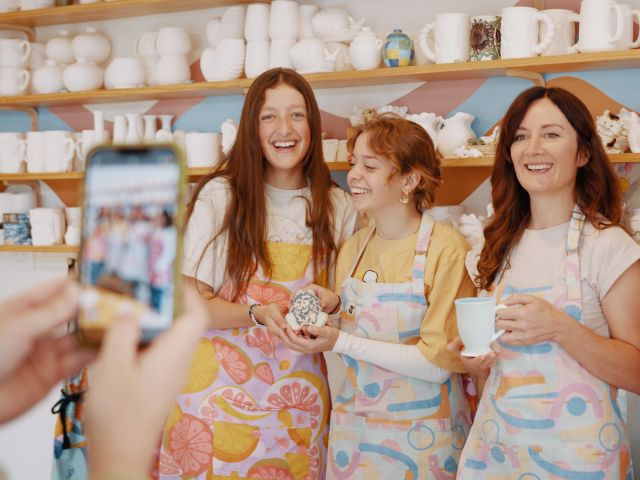
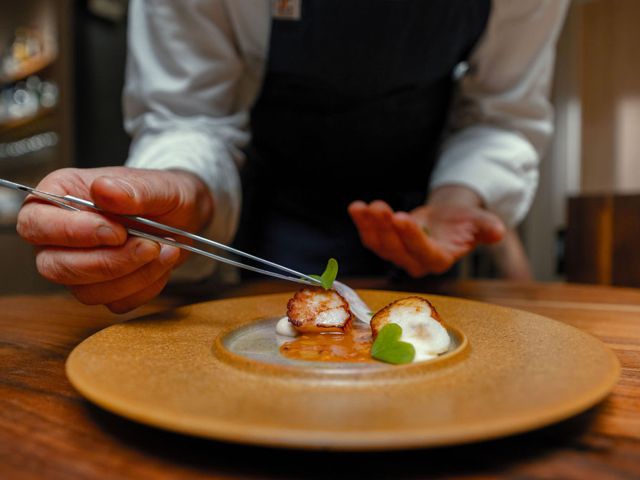
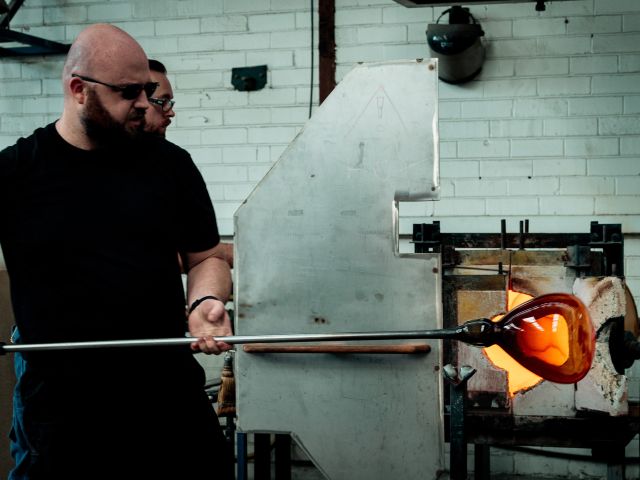
These Australian towns have built identities shaped by art and expression. Here, creativity isn’t confined to galleries, but instead spills into streets, parks, shops, homes and everyday life. For our industry panel, it’s places like these that deserve a spot among Australian Traveller’s 100 best Aussie towns to visit for the way they celebrate artistic and cultural expression.
1. Townsville, Qld
Overall rank: 31/100
Thul Garrie Waja & Gurambilbarra Country
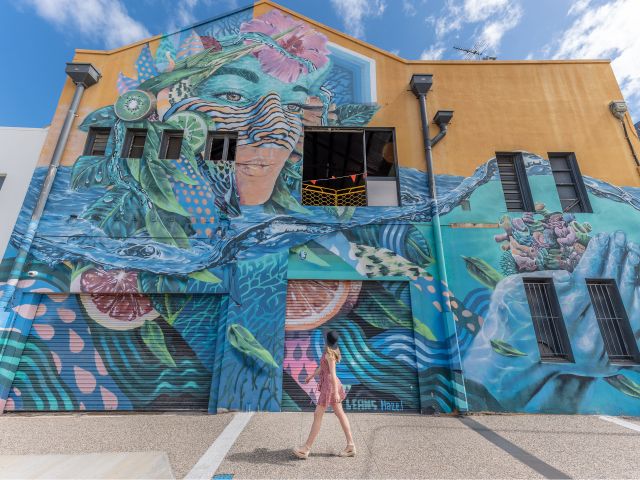
While travellers don’t typically think ‘art’ when considering Townsville, this coastal hub in North Queensland – known as the gateway to Magnetic Island – is flexing a world-class creative scene. Think premier exhibition spaces, such as the Perc Tucker Regional Gallery; Aboriginal-led rock art tours where ancient stories are etched into stone – seek out the Gudjuda Reference Group for its cultural tours in the region; and skilful street art, often playful or political (for the best murals, wander Flinders Street, City Lane and Denham Lane). Add to that the “fantastic foreshore parklands," as praised by panellist Brad Farmer, and it becomes clear why this sunny city is no longer just a stopover.
Don’t miss: Settling in with a bevvie at the newly opened floating pontoon bar, The Docks, at Flinders Street Wharves – because nothing complements culture quite like a drink on the water.
2. Ballarat, Vic
Overall: 50/100
Wadawurrung Country
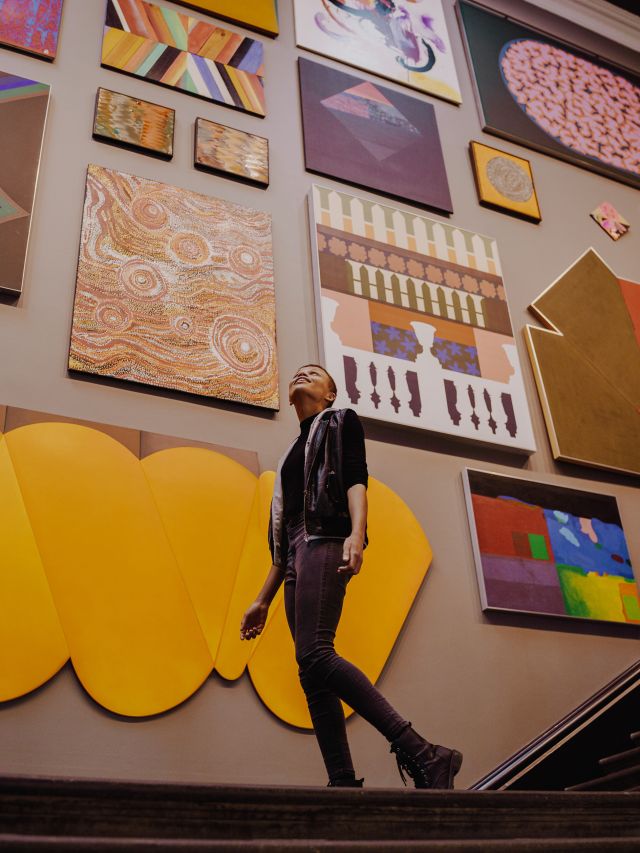
Tucked into Victoria’s gold-rush heartlands, heritage streetscapes meet a rebellious arts streak in Ballarat, a regional city shaped by its history of political defiance during the 1854 Eureka Stockade. This UNESCO City of Craft and Folk Art is home to the country’s oldest regional gallery. Victorian-era homes dot the boulevards, maintaining a charm you won’t find in many other Aussie towns. “All praise to the locals who fought to retain the heritage features of this town – now they’re hauling in hospitality gold," notes panellist Catriona Rowntree. While the Art Gallery of Ballarat is currently undergoing a renovation, the team has cleverly decamped to a pop-up on Mair Street, keeping the creative pulse alive.
Don’t miss: Panning for gold at nearby Sovereign Hill, stargazing at the Ballarat Municipal Observatory and Museum, and a gin masterclass at Kilderkin Distillery.
3. Albany, WA
Overall rank: 47/100
Menang Noongar Country
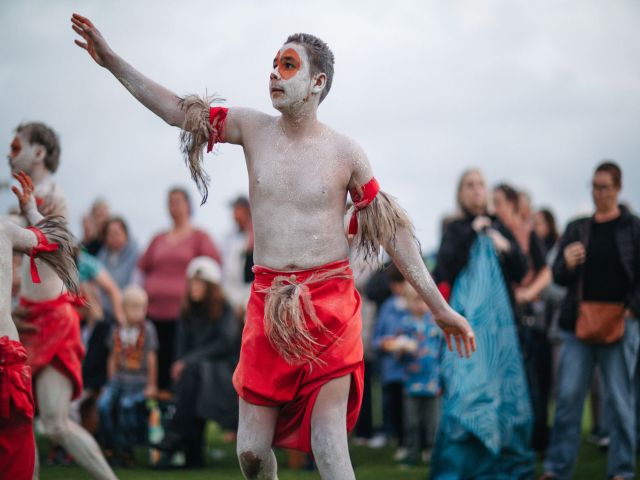
A year-long party is marking the 200-year milestone of Albany, Western Australia’s first European settlement. Balgang Albany anchors the city’s bicentenary with a landmark series of events running across 2026. Balgang, meaning ‘together’ in Noongar culture, grounds the program, which features immersive soundscapes and community-led events, in connection. Expect bold ideas, dual cultural histories and a city – traditionally celebrated for surfing and whale-watching – rewriting its own story.
Don’t miss: “Those sheer cliffs and pounding Southern Ocean swell are proper dramatic! Great walking tracks, powerful history and a genuinely excellent kebab in town seal the deal for me," says panellist Rae Johnston.
4. Nhulunbuy, NT
Need tips, more detail or itinerary ideas tailored to you? Ask AT.
AI Prompt
Overall rank: 58/100
Yolŋu Country
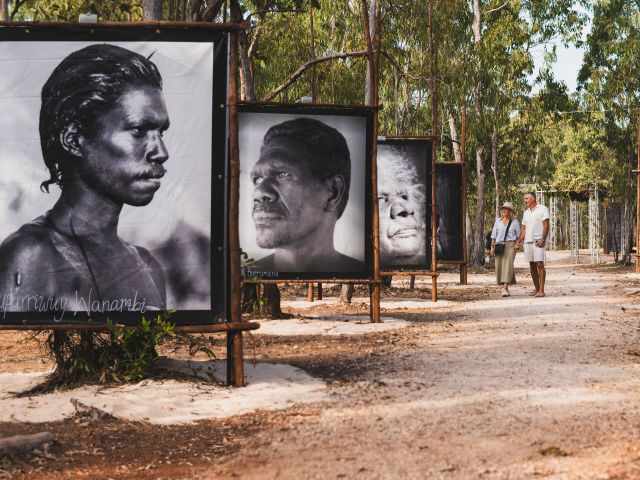
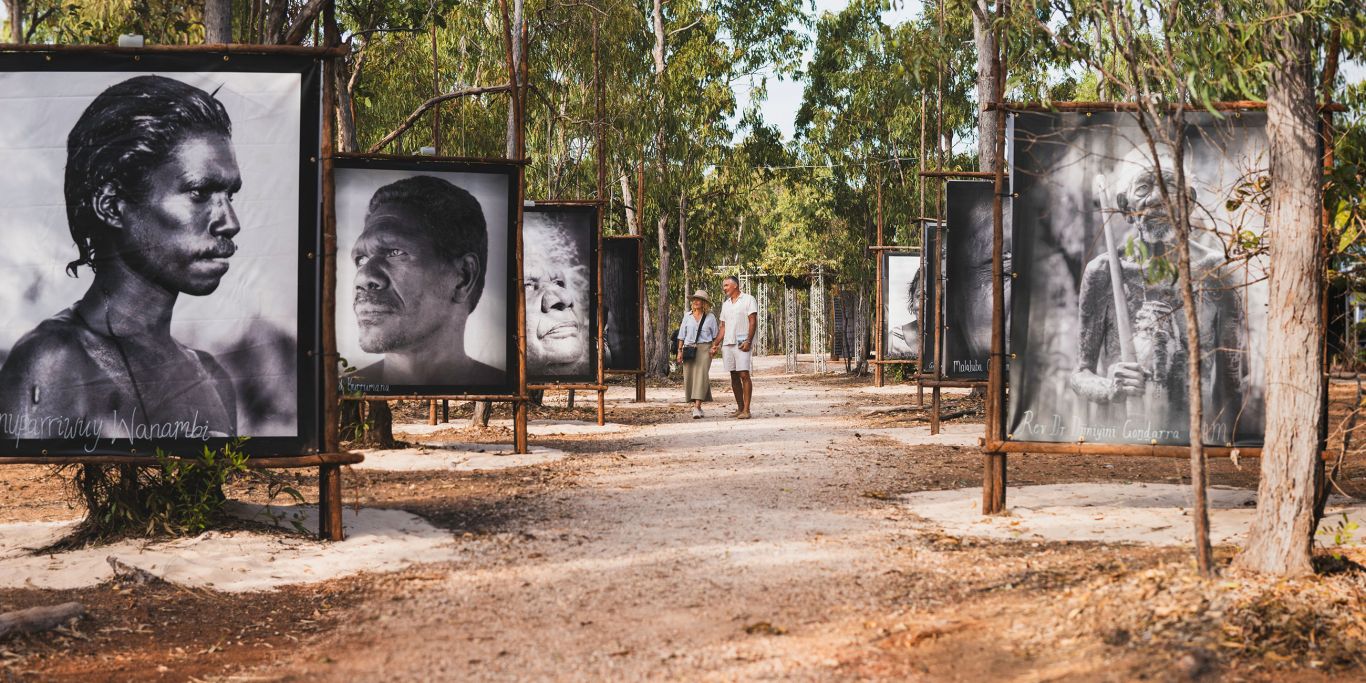
Where the road eases its grip on the bitumen, East Arnhem begins – all salt-edged and rich in story. The coastal town of Nhulunbuy is the front door to the Garma Festival each August, drawing Indigenous leaders, policymakers and artists to a four-day program of song, ceremony and debate. It’s also an introduction to Yolŋu culture, with nearby Buku-Larrnggay Mulka Centre in Yirrkala offering authoritative art: bark, print and film grounded in Yolŋu law.
Don’t miss: This slow-paced spot delivers nature in spades: world-class fishing, deserted beaches, striking red cliffs and show-off sunsets. “I spent the better part of a month in Nhulunbuy while filming for Back Roads, and spent hours walking there every day," says panellist Rae Johnston. “It’s probably the most relaxed I’ve ever felt."
5. Murwillumbah, NSW
Overall rank: 59/100
Bundjalung Country
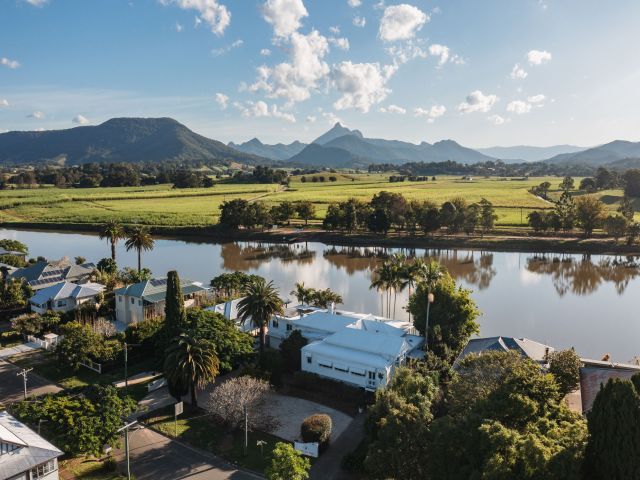
Murwillumbah’s arts scene has well and truly arrived. The Tweed town’s creatives are reshaping the region into something formidable. Galleries are prominent, studios open by appointment, cafes host community arts events and the economy hums with artisan intent. Weekend farmers’ markets burst with colour, their homegrown produce and handcrafted wares forming part of a thriving localisation movement that keeps creativity – and commerce – rooted in place. Nearby, Mt Warning/Wollumbin looms majestically in the distance, while the shimmering Tweed River skirts around the town; a reminder that creativity here grows as naturally as the macadamias and mangoes.
Don’t miss: “A rare glimpse into the world of one of Australia’s most loved painters at the Margaret Olley Art Centre, which recreates areas of her home studio in all their creative, visceral, messy glory," suggests panellist Imogen Eveson.
6. Mount Gambier, SA
Overall rank: 61/100
Boandik Country
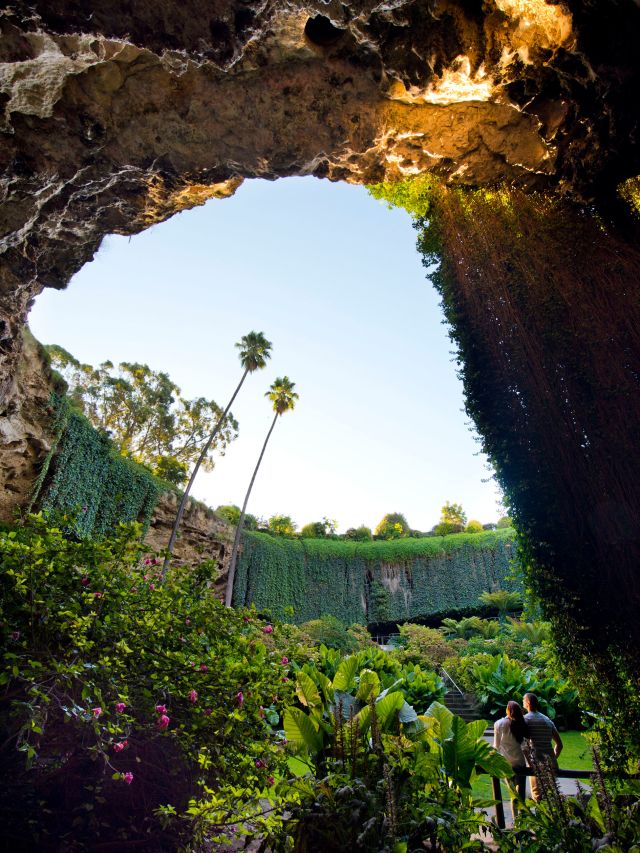
This Limestone Coast hub is famous for its sinkholes and volcanic craters. “Blue lakes and underground surprises," rhapsodises panellist Irene Jones. But Mount Gambier’s arts scene is a worthy understudy. The Riddoch Arts and Cultural Centre is South Australia’s largest regional gallery, with an ever-evolving roster of national, regional and local exhibitions. Its permanent collection celebrates the culture of the region that is lived every day: stretching out beyond town to vineyards planted in rich terra rossa soil and rolling beaches.
Don’t miss: Tide be runnin’… a solo exhibition of painting, drawing and sculptures by multi-award-winning artist Dagny Strand, running from 29 August to 8 November at The Riddoch.
7. Bendigo, Vic
Overall rank: 74/100
Dja Dja Wurrung Country
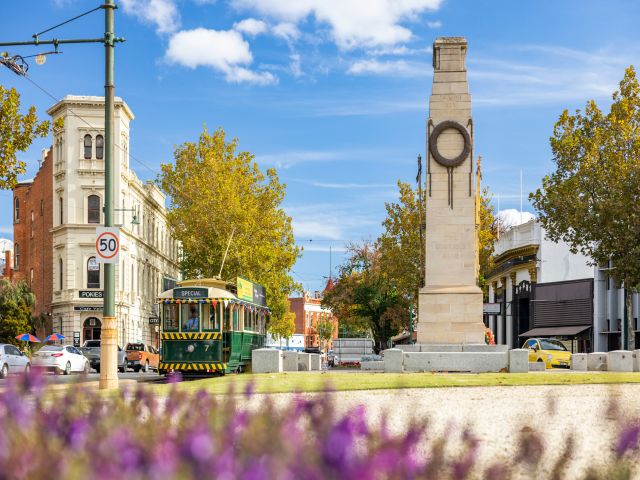
Recognised as a City of Gastronomy, Bendigo is a full-bodied cultural experience. You’ll find plenty to sink your teeth into, literally, but also first-rate galleries, such as the Bendigo Art Gallery and Post Office Gallery; architecture from the gold-rush era; and a thriving festival calendar. “Bendigo is becoming cool," affirms panellist Paul Hamra. “It’s also a great base to visit smaller local tourist towns like Kyneton, Castlemaine and Heathcote." Then there’s Dumawul Tours, which explores the city through the lens of First Nations storytelling. Bendigo is both composed and – thanks in part to La Trobe University’s Bendigo campus – unexpectedly lively; come for the food, stay for the art, and plot your return.
Don’t miss: DJs at the Babylon Lounge & Garden Bar, which keep the tunes spinning until 3am.
Weekly travel news, experiences
insider tips, offers, and more.
8. Sheffield, Tas
Overall rank: 86/100
Palawa/Tasmanian Aboriginal Country
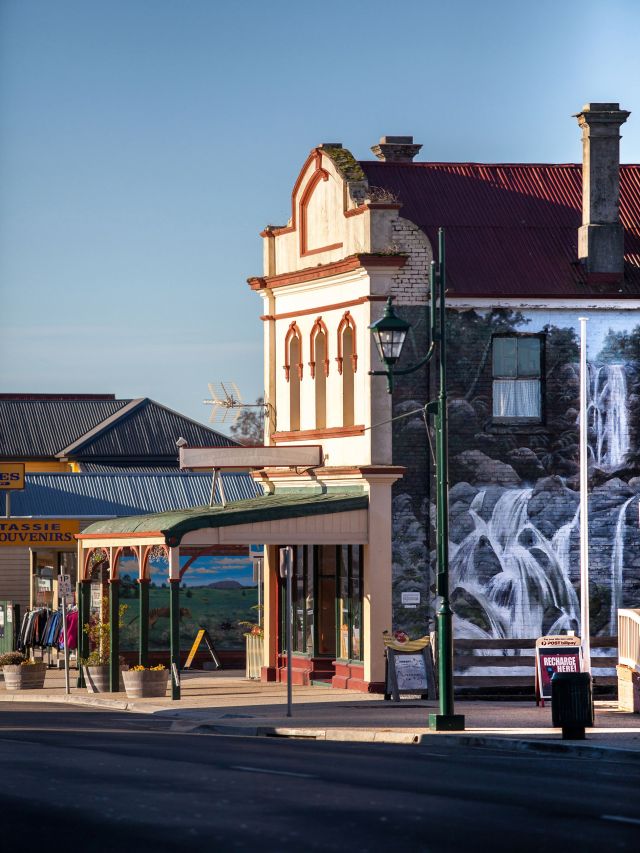
Dubbed the Town of Murals, the once-workaday hydro hub of Sheffield now trades turbines for artistic talent, its streets a curated collision of pastoral nostalgia and contemporary narratives. Set in Tasmania’s west-by-north-west, the town has reinvented itself with street art, galleries that attract blockbuster exhibitions, including the annual Mount Roland Art Prize, and cafes that take their coffee seriously. Nearby mountains, Roland and Cradle, keep a steady watch over it all. “I based myself in Sheffield to explore Cradle Mountain-Lake St Clair National Park and I was so glad I did," says panellist Katie Carlin. “Loop Dove Lake for an easy option – it’s up there as one of the prettiest hikes I’ve ever done."
Don’t miss: The town’s mural trail, then detour to lakes, trails and farm gates that prove Sheffield’s renaissance extends well beyond its walls.
9. Mildura, Vic
Overall rank: 95/100
Latji Latji, Ngintait & Nyeri Nyeri Country
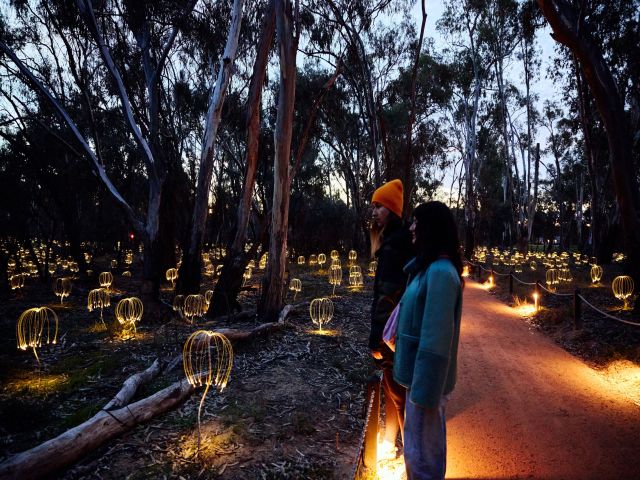
Along the banks of the Murray, Mildura brims with creative energy. This “cute rural town with plentiful orange groves and strawberry picking," according to panellist Anna Polyviou, leans into its cultural mix: part orchard pantry, part regional gallery circuit, part festival hotspot. Renowned artist Bruce Munro’s Trail of Lights on Lock Island threads 12,500 firefly lights and Gone Fishing sculptures along the riverfront, blending art with landscape. Across the water in Wentworth, his Fibre Optic Symphonic Orchestra (FOSO) installation adds immersive sound and light spheres.
Don’t miss: A visit to Mildura Arts Centre for both its dynamic contemporary galleries and Rio Vista Historic House to inspect the glorious period details of its interiors.
10. Wurrumiyanga, NT
Overall rank: 96/100
Tiwi Country
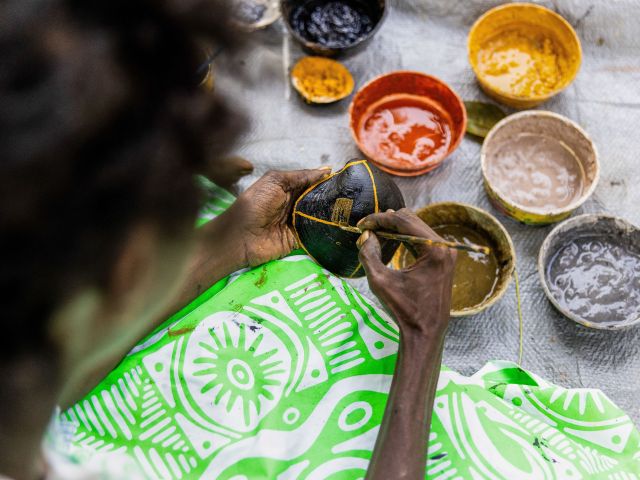
Art, craft and culture flourishes in Wurrumiyanga on Bathurst Island, the largest Tiwi Islands community. You’ll find it in lacquered bowls, carved masks and printed fabrics, as well as the laughter spilling from community life where AFL reigns supreme. Panellist Ben Hall describes a visit as a “once-in-a-lifetime opportunity to visit a modern-day Aboriginal community." Beyond the village, the sea and sky stage exhibitions of their own: mangroves frame the tide, beaches double as Mother Nature’s art and electric sunsets demand applause.
Don’t miss: The unique Ngaruwanajirri Art Centre. Known as the Keeping Place, or the Tiwi Sistine Chapel for its remarkable ceiling panels, this unique art centre provides a daily workspace for a small group of artists.
This article is part of Australian Traveller’s 100 best Aussie towns to visit, as chosen by a panel of industry experts, well-known Aussies and travel insiders. See our full list of 100 best Aussie towns here and visit the special 100 best Aussie towns hub here.
Want to see more stories from Australian Traveller in your Google search results?
- Click here to set Australian Traveller as a preferred source.
- Tick the box next to "Australian Traveller". That's it.

Australian Traveller
View profile and articles