hero media

Good food, beautiful nature & history: your guide to a long weekend in West Gippsland

(Credit: Rob Blackburn)

From rainforest walks and scenic drives to historic gold-rush towns and standout regional dining experiences, you can find it all in West Gippsland.

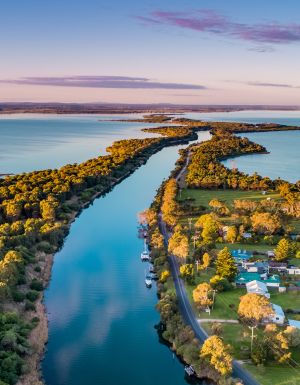
Hover over West Gippsland on Google Earth and you’ll see vast tracts of land spread out like green velveteen around the Toorongo Falls Reserve. It’s a landscape that feels almost impossibly lush for a region sitting little more than an hour from Melbourne.

Track southeast in late autumn and early winter and you’ll see pockets of the Mt Baw Baw Plateau dusted in snow. In addition to the forests of mountain ash veined with creeks and rivers, there are pastures and farmland cross-stitched together to form pretty patchworks.

But West Gippsland isn’t defined by scenery alone: in addition to its awe-inspiring nature, a Venn diagram of the region includes gold-rush history and great culinary experiences.  Spend a long weekend here and it quickly becomes clear how often these three overlap.

Getting there
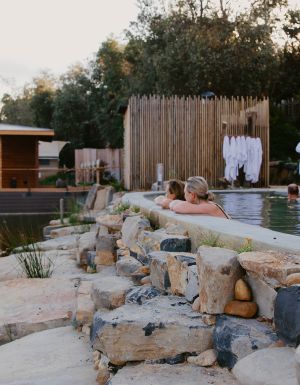
Messmates Dining west gippsland
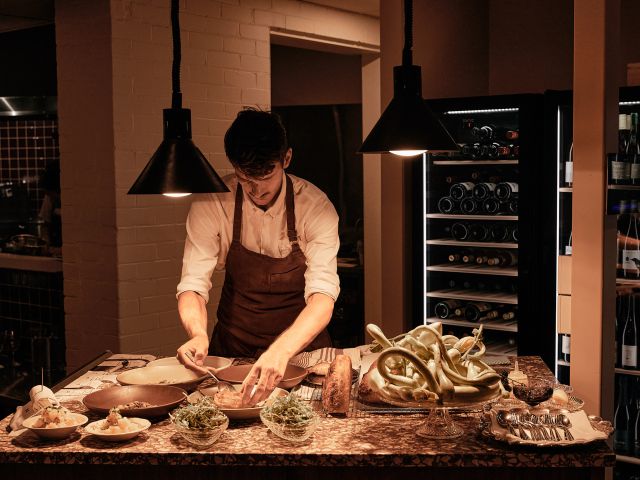
Spend the weekend eating and exploring in West Gippsland. (Credit: Messmates Dining)

Getting to West Gippsland involves as easy drive – it’s just over an hour out of Melbourne along the Monash Freeway.

Not driving? Catch the train from Melbourne on the Gippsland line, terminating at either Traralgon or Bairnsdale, and hop off at Warragul or Drouin.

Visit historic villages
Walhalla historic township
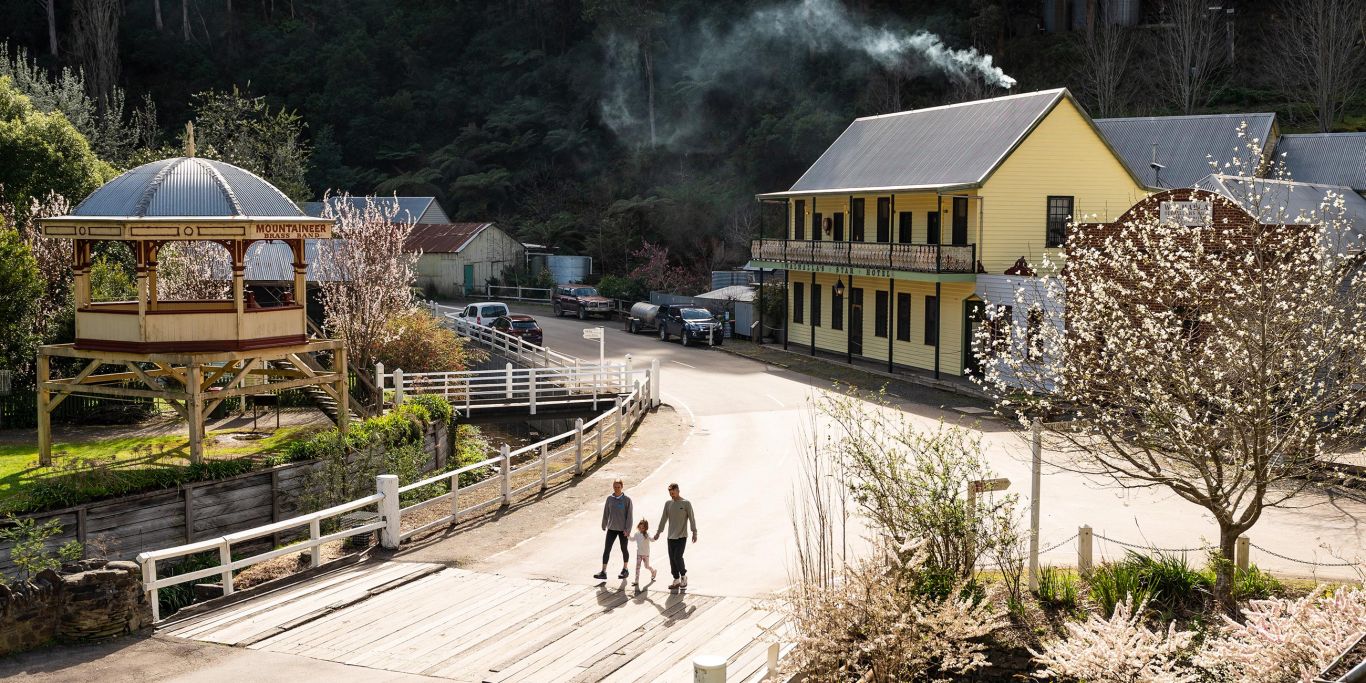
Wander into Australia’s Gold Rush history at Walhalla. (Credit: Rob Blackburn)

The West Gippsland region is on the Traditional Lands of the Kulin and Kurnai nations, specifically linked to the Bunurong, Gunaikurnai and Wurundjeri Peoples, whose connection to Country stretches back thousands of years.

European settlement occurred in the 19th century as timber cutters, farmers and gold seekers pushed into the region’s dense forests. Small towns grew around sawmills and railway lines, and many of those gold rush settlements, timber towns and railway villages still shape the character of the region today.

The most evocative of these is Walhalla Historic Township, a remarkably preserved gold-rush township tucked deep in the mountains. In the late 1800s, it was one of Victoria’s richest goldfields. Today visitors can step inside that history at the Long Tunnel Extended Gold Mine, where underground tours reveal the scale of the mining operation that once powered the town’s prosperity. Nearby, the Walhalla Goldfields Railway retraces part of the original narrow-gauge line through the valley, offering a slow journey past forest and river scenery.

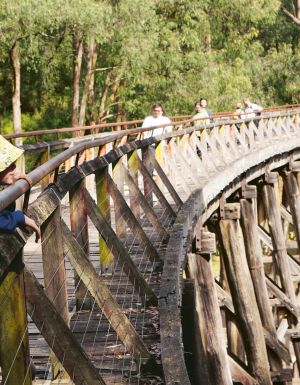
Further west, Noojee is a classic mountain village. It’s surrounded by dense forest and waterfalls and has become a natural base for exploring the Baw Baw region. Just outside town, Noojee Trestle Bridge stands as one of West Gippsland’s most striking relics of the rail era. The towering wooden structure is the tallest surviving trestle bridge in Victoria and today forms the centrepiece of an easy scenic walk with wide views across the valley.
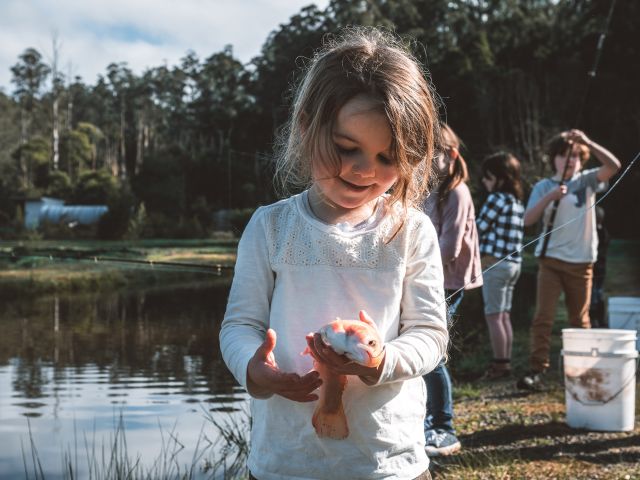
Alpine Trout Farm west gippsland
Catch your own lunch at Alpine Trout Farm. (Credit: Nicky Cawood)

At Alpine Trout Farm near Noojee, visitors can fish for trout in mountain-fed ponds before enjoying the catch prepared fresh onsite. It’s a simple experience that reflects the area’s long connection to the surrounding waterways.

Back in Warragul, the region’s main service town, the story shifts from heritage to modern regional life. With galleries, restaurants and sweeping views across the rolling farmland of Gippsland, the town has become a lively hub linking the district’s past with its evolving food and cultural scene. Drive through the town and you’ll find heritage buildings, old pubs and weatherboard cottages that hint at the area’s early days as a frontier landscape.

In other towns the past survives in quieter ways – a historic hall here, a century-old bakery there.

Need tips, more detail or itinerary ideas tailored to you? Ask AT.

AI Prompt

Walks, waterfalls and wild places
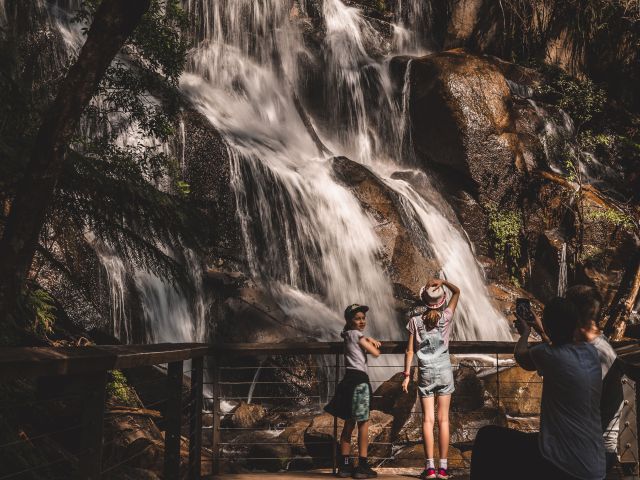
Toorongo Falls in west gippsland
Stroll Toorongo Falls Reserve. (Credit: Nicky Cawood)

Even simple roadside stops can feel cinematic in West Gippsland. The region also delivers plenty of opportunities to lace up your walking shoes.

One of the region’s most rewarding nature escapes lies just outside Noojee at Toorongo Falls Reserve. A network of walking tracks winds through the cool-temperate rainforest where towering mountain ash trees filter the light and the air smells of rich, damp earth. The 2.2-kilometre trail to the viewing platform overlooking Toorongo Falls is short, but spectacular, as the water cascades down over moss-covered rock faces into a cool, green gully in Little Toorongo River.

Further north, the Mount Baw Baw Alpine Resort offers year-round adventures. In winter, the mountain attracts skiers and snowboarders. The warmer months are just as compelling, with scenic drives to see alpine wildflowers, mountain bike trails and panoramic hiking routes that open across the plateau.

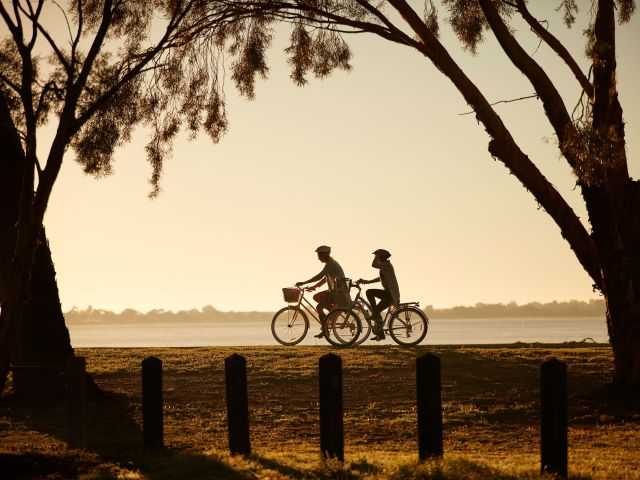
Cyclists and walkers looking for a more relaxed pace can follow the Rokeby Neerim Rail Trail, which traces a former railway line through farmland and small Gippsland villages. The mostly flat trail passes rolling paddocks, creeks and historic bridges, making it an easy way to drop it down a gear when exploring the countryside.

Taste the best eats of West Gippsland
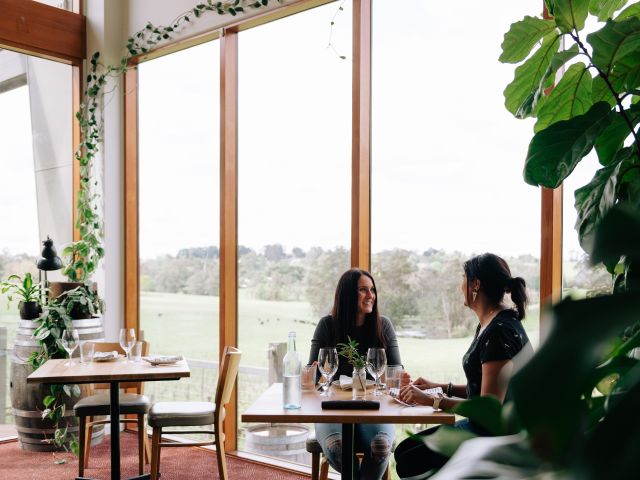
Hogget Kitchen west gippsland
Taste the best of the region at Hogget Kitchen.

For many travellers, the real drawcards of West Gippsland are the food and wine. The region sits in the heart of Victoria’s fertile dairy country, and that agricultural backdrop has helped shape a dining scene where seasonal produce and local provenance take centre stage.

Hogget Kitchen has helped put Warragul firmly on the radar for serious regional dining in West Gippsland. Here, head chef and owner Trevor Perkins runs the kitchen alongside well-known winemakers William (Bill) Downie and Pat Sullivan. Hogget Kitchen lives up to its promise of exceptional destination dining; what lands on the table depends largely on what nearby farms have harvested that week as well as a wine list from Wild Dog Winery and other Gippsland producers.

Warragul is also where you’ll find Messmates Dining where the kitchen team is led by Michelin-trained chefs. The Euro-leaning bistro and wine bar brings a polished edge to the local dining scene using produce sourced from across West Gippsland.

For something more casual, the century-old Noojee Hotel is the kind of hub that every traveller dreams of finding after a long drive. Expect generous pub classics served on the sunny deck in summer or beside the crackle of a log fire in winter.  Nearby, rustic Toolshed Bar, Bistro & Cabins is the place to go for a wood-fired pizza topped with smoked local trout paired with Gippsland wine, making it a rewarding stop for lunch or an overnight stay.

Weekly travel news, experiences
insider tips, offers, and more.

Time your visit with the Truffle Festival

Food lovers visiting in winter should consider timing their trip to coincide with Noojee Truffle Festival, running from 10 July to 2 August 2026. The inaugural event celebrates the region’s emerging truffle industry with tastings, special menus and events built around one of winter’s most prized ingredients.

Start planning your long weekend in West Gippsland at visitgippsland.com.au.

Want to see more stories from Australian Traveller in your Google search results?

  1. Click here to set Australian Traveller as a preferred source.
  2. Tick the box next to "Australian Traveller". That's it.
Carla Grossetti
Carla Grossetti has written across print and digital for Australian Traveller and International Traveller for more than a decade and has spent more than two decades finding excuses to eat well and travel far. A prestigious News Corp cadetship launched her career at The Cairns Post, before a stint at The Canberra Times and The Sydney Morning Herald gave way to extended wanders through Canada, the US, Mexico, Central America, Asia and Europe. Carla was chief sub editor at delicious and has contributed to Good Food, Travel & Luxury, Explore Travel, Escape. While living in London, Carla was on staff at Condé Nast Traveller and The Sunday Times Travel desk and was part of the pioneering digital team at The Guardian UK.
View profile and articles
hero media

Meet the makers shaping Ballarat’s new era of creativity

    Margaret Barca Margaret Barca
    Makers, bakers, artists, chefs, crafters – Ballarat and its surrounds are overflowing with creative spirits. All dedicated to keeping traditional skills alive for a city that is humming with artful energy.

    Modern makers: a new generation of artists and artisans

    “Keeping craft alive is a noble cause,” says Jess Cameron-Wootten, a charming and passionate master leathercrafter and cordwainer, who handmakes traditional leather boots and shoes in Ballarat’s old Gun Cotton Goods Store.

    Ballarat was recognised in 2019 as a UNESCO Creative City of Craft and Folk Art, and today it’s a place where craft traditions converge with contemporary needs. Nothing quite captures this convergence as a visit to Wootten, the workshop and store of Jess Cameron-Wootten and his partner Krystina Menegazzo.

    heritage buildings in Ballarat
    Ballarat’s streets are lined with heritage buildings. (Image: Matt Dunne)

    Jess’s father was an artisan bootmaker, or cordwainer. Now Jess and Krys and their small team of artisans continue the tradition, but with a modern spin. The company’s boots and shoes, made completely from scratch, are renowned for their quality and longevity. Wootten also craft shoes, bags, belts, leather aprons, wallets and more.

    Cosy beanies, gloves, alpaca socks, “unbreakable” shoelaces and various other goods – many from local craftspeople and small-scale makers – fill the shop’s shelves. “We’re always happy to support a mate,” says Jess. “People love to see the workshop and where things are made. Our clients care about quality and sustainability,” Krys comments. The company slogan ‘Made for generations’ says it all.

    Ruby Pilven’s ceramics at Ross Creek Gallery
    Ruby Pilven’s ceramics at Ross Creek Gallery. (Image: Tara Moore)

    For Ruby Pilven, craft is also in the DNA – both her parents were potters and with her latest porcelain ceramics, Ruby’s young daughter has been helping add colour to the glazes. “I grew up watching my parents in the workshop – I’ve always been doing ceramics,” she says, although her Visual Arts degree was in printmaking. That printmaking training comes through particularly in the rich layering of pattern. Her audacious colour, unexpected shapes and sudden pops of 12-carat gold are contemporary, quirky – and joyful.

    You can see Ruby’s handcrafted ceramics, and work by other local and regional artists, at Ross Creek Gallery, a light-filled space surrounded by serene bushland, across from the mudbrick house her parents built in the 1980s. A 10-minute drive from Ballarat, it’s a tangible link to the region’s well-established craft traditions.

    How Ballarat is preserving the past

    artisans making crafts at the Centre for Rare Arts and Forgotten Trades, Ballarat
    The Centre for Rare Arts & Forgotten Trades holds workshops to preserve crafts and skills.

    While tradition is ongoing, there’s a danger that many of these specific type of skills and knowledge are fading as an older generation passes on. Step forward the Centre for Rare Arts and Forgotten Trades.

    The seven purpose-built studios occupy a fabulous modern building adjacent to Sovereign Hill, with state-of-the-art facilities, enormous windows and landscape views across to Warrenheip and Wadawurrung Country.

    artisanal works at the Centre for Rare Arts and Forgotten Trades, Ballarat
    Check out artisanal works at the Centre for Rare Arts and Forgotten Trades.

    Practising artisans run hands-on workshops. Fancy making your own medieval armour? Or trying your hand at blacksmithing, spinning wool, plaiting leather, weaving cane or craft a knife? Book a class and learn how. “It’s about creating awareness and also sharing knowledge and skills before they are lost,” explains Deborah Klein, the centre manager.

    A city steeped in food and flavours

    Chef José Fernandez preparing American streetfood at Pancho
    Chef José Fernandez creates vibrant South American street food at Pancho. (Image: Ballarat Tourism)

    One skill that hasn’t been lost is that of cooking. Ballarat’s burgeoning gastronomy scene runs the gamut from an artisan bakery (the atmospheric 1816 Bakehouse) to cool coffee shops, speakeasy cocktail bars and distilleries to fine-dining venues. But I’m still surprised to find Pancho, José Fernandez’s South American street food restaurant, serving fried cheese tequeños, fiery fish tacos, Argentinian grilled chicken.

    The room is as lively as the food – a whirl of colour filled with gifted and thrifted paintings, photos, tchotchkes (trinkets), plants. There’s a Mexican abuela aesthetic going on here. Even before the music and mezcal kick in, it’s fun. Heads up on the drinks menu – an authentic selection of mezcal, tequila, South American wines and Mexican cerveza.

    a cocktail at Itinerant Spirits, Ballarat
    Enjoy a cocktail at Itinerant Spirits. (Image: Ballarat Tourism)

    The spirit is willing, so after lunch we head towards the gold rush-era Ballarat train station and across the line to the old 1860s Goods Shed for Itinerant Spirits. At one end, a massive German copper still looms behind a wall of glass. The fit-out embraces deep olive-green tones, original bluestone walls, steamer trunks as coffee tables, heritage timber floors, oversized lamp shades and cognac-hued modernist leather seating.

    the Itinerant Spirits Distillery & Cocktail Bar, Ballarat
    The distillery operates from an old goods shed. (Image: Ballarat Tourism)

    Gallivanter Gin, Vansetter Vodka and Wayfarer Whiskey – the key spirits distilled – star at the bar. The spirits are crafted using grains from the Wimmera Mallee region, and native botanicals foraged in the Grampians. Seasonal cocktails are inspired by local people and places (I loved The Headland, inspired by Sovereign Hill and flavoured with old-fashioned raspberry drops). Sample the spirits, and join a cocktail masterclass or a distillery tour. It’s a seductive setting – you’ll likely find yourself ordering a charcuterie platter or pizza as the evening progresses.

    The Ballarat stay combining history and luxury

    one of the rooms at Hotel Vera, Ballarat
    The rooms at Hotel Vera have a contemporary style. (Image: Ballarat Tourism)

    New lives for old buildings keeps history alive. Vera, Ballarat’s boutique five-star hotel, has taken it to the next level: it’s a palimpsest, a subtle layering of early 1900s and 1930s Art Deco architecture with a sleek new wing. There are seven spacious suites, each a dramatically different colour, with designer chairs, blissful bathrooms. High-end pottery and hand-picked artworks imbue the spaces with personality.

    Vera’s intimate, award-winning restaurant, Babae, is subtly theatrical with sheer drapes and gallery lighting, its bespoke timber furniture and brass-edged marble bench setting the stage for food with a sharp regional focus. “We have goat’s cheese from a local supplier, handmade granola from local Vegas & Rose, truffles from nearby Black Cat Truffles, fresh food from our garden, and regional wines,” says joint owner David Cook-Doulton.

    Celebrating the local makers, bakers, growers and producers, and the master chefs who work their magic is all part of the rich tapestry that links Ballarat’s history to its vibrant present.

    A traveller’s checklist

    Getting there

    It’s 90 minutes from Melbourne, either on the Western Freeway, or hop on a V/Line train from Southern Cross Station.

    Staying there

    Hotel Vera is a centrally located Art Deco boutique hotel. Consider Hotel Provincial, which feels like a sleek country house, but with its own restaurant, Lola.

    a contemporary room at Hotel Provincial, Ballarat
    Hotel Provincial has country house vibes.

    Eating there

    dining at Mr Jones, Ballarat
    The table is set at Mr Jones. (Image: Tony Evans/ Visit Victoria)

    Culinary whiz Damien Jones helms Chef’s Hat winner Mr Jones Dining with quiet assurance. His modern Asian food is deceptively simple with deep, intense flavours. Low-key, laid-back ambience, lovely staff, thoughtful wine list.

    Cocktails are definitely a thing in Ballarat. Reynard (fox in French) is foxy indeed, a clubby space with top-notch cocktails and small bites. Grainery Lane is extravagantly OTT with its massive 1880s bar, myriad chandeliers, brass gin still, Asian-inspired food and lavish cocktails.

    dining at Grainery Lane, Ballarat
    Dining at Grainery Lane.

    Playing there

    a laneway filled with artworks in Ballarat
    An artful laneway in the city. (Image: Ballarat Tourism)

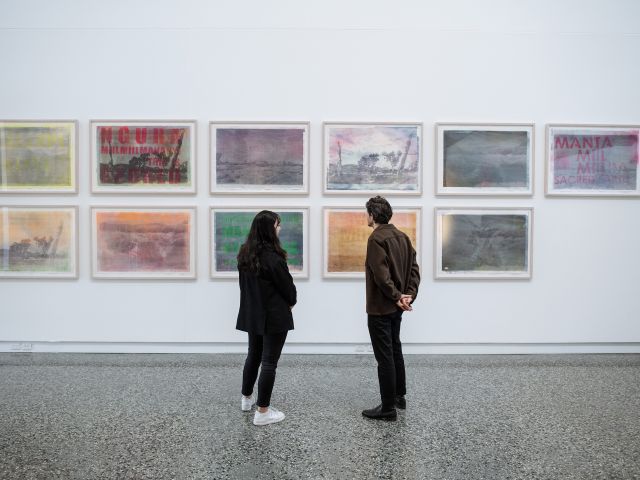
    Check out local design legend Travis Price’s wall murals in Hop Lane with its colourful canopy of brollies, or in Main Street. The Art Gallery of Ballarat’s off-site Backspace Gallery showcases early-career artists in a stylish, contemporary space. First Nations-owned and run Perridak Arts connects people to place, bringing together art and crafts in this gallery/shop.

    a woman admiring artworks at Perridak Arts Gallery
    Perridak Arts is a First Nations-run gallery. (Image: Tony Evans)

    The wineries of the Pyrenees are close at hand with their welcoming cellar doors and robust reds. Join a behind-the-scenes tour at the Centre for Gold Rush Collections.

    Dalwhinnie Wines in the Pyrenees
    Dalwhinnie Wines in the Pyrenees.

    Don’t forget the giant bluestone Kryal Castle, ‘the land of adventure’, for a little medieval magic, and not just for the kids: get ready for Highland-style feasting, jousting, even overnight stays.