The longest silt jetties in the Southern Hemisphere are hidden in Victoria.
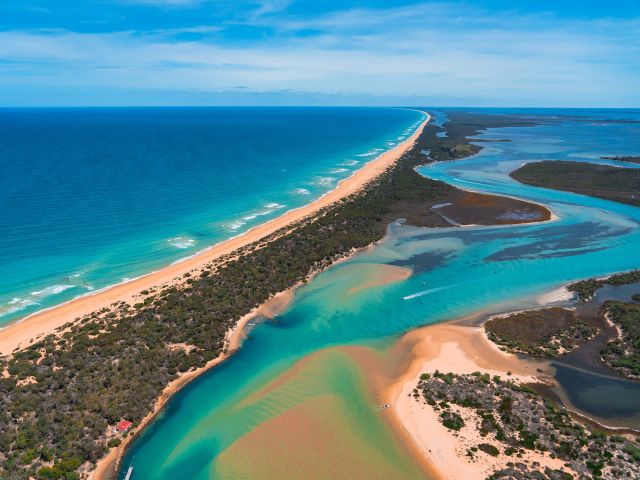
A silt jetty isn’t something you hear of every day, but it’s a striking sight to behold. Stretching out into the distance – just like long, thin, natural jetties – these finger-like formations are rare to find around the world. Yet, Australia not only has them, tucked away into a quiet part of Victoria, but the Mitchell River silt jetties happen to be the second largest silt jetties in the entire world, and the longest in the Southern Hemisphere.
How to find the Mitchell River silt jetties
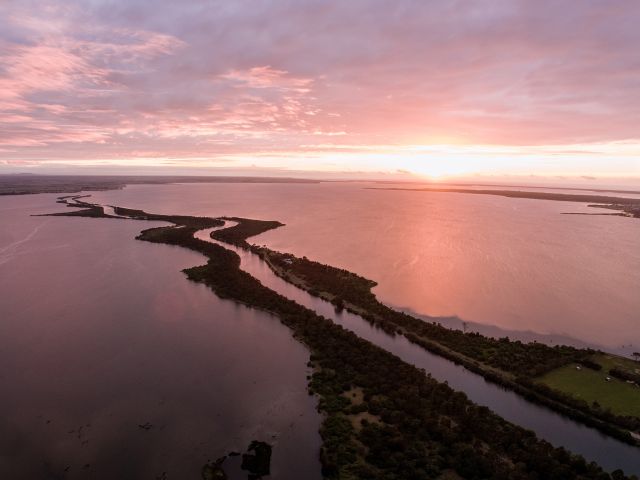
Catch the jetties under beautiful sunset colours. (Credit: Visit Vic)
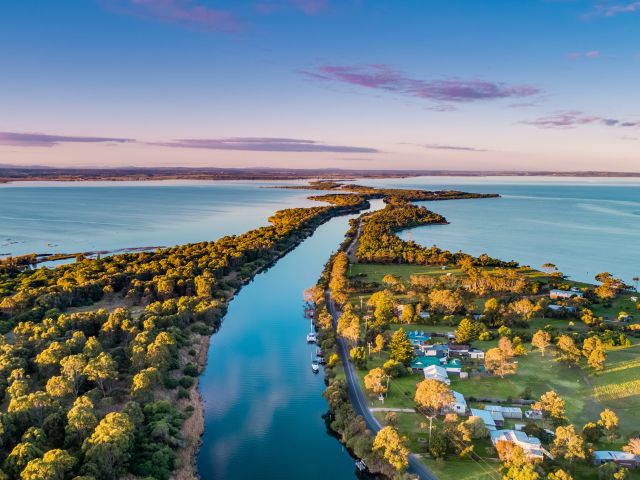
One of the quiet, wild places left in this country, the Mitchell River silt jetties stretch over eight kilometres along the Mitchel River in Victoria’s Gippsland, towards the northeastern shores of Jones Bay. Drive about 3.5 hours from Melbourne to Eagle Point, where the silt jetties begin.
Once here, drive along the gravel road that stretches along the jetties themselves. Not only are there gorgeous water views of the river on one side and the lake on the other to enjoy, but it’s so close to water level that it almost feels like you’re driving on the lake itself. Of course, that does mean that this road can be very narrow in places, so drive cautiously. Or, park the car and go for a walk along a section of the road instead.
For an extra dramatic viewing, time the visit for early morning or late afternoon to enjoy the sight in golden hour.
How were the Mitchell River silt jetties formed?
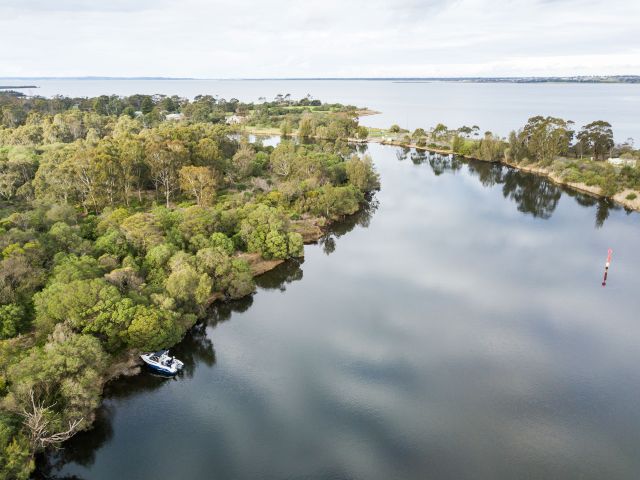
Get up close to this thriving wetland.
They create a striking feature along the horizon these days, but it took thousands of years for the Mitchell River’s silt jetties to become what they are. River currents carried fine silt, sand and clay into this calm, low-tidal body of water, where freshwater meets the salt, depositing the minerals along the banks until these long, narrow protruding landforms slowly built up.
The result? A thriving wetland, teeming with birdlife above and fish life below – in fact, if you stay for long enough, you’ll almost certainly see a fish jumping.
What else to see in Gippsland
Drive along the jetties, then explore more of Gippsland.
While the Mitchell River silt jetties can certainly be enjoyed on a day trip from Melbourne, it would be a shame to miss out on the surrounding Gippsland delights.
Tick the box next to "Australian Traveller". That's it.
Kassia Byrnes is the Native Content Editor for Australian Traveller and International Traveller. She's come a long way since writing in her diary about family trips to Grandma's. After graduating a BA of Communication from University of Technology Sydney, she has been writing about her travels (and more) professionally for over 10 years for titles like AWOL, News.com.au, Pedestrian.TV, Body + Soul and Punkee. She's addicted to travel but has a terrible sense of direction, so you can usually find her getting lost somewhere new around the world. Luckily, she loves to explore and have new adventures – whether that’s exploring the backstreets, bungee jumping off a bridge or hiking for days. You can follow her adventures on Instagram @probably_kassia.
Rest and recuperate in the East Gippsland region, a haven of natural hot springs, seasonal festivals and really tasty things to eat.
It’s about this time of year that the buzz of the summer holidays is well and truly behind us, and the pressures of the day-to-day are starting to pile up. The solution? A proper weekend escape, ideally one with a focus on rest, relaxation and total reset.
East Gippsland delivers all three in spades. Here, you’ll find charming towns, natural scenery alive with wildlife and easygoing experiences – think steamy hot springs and idyllic lakefront stays that practically force you to unwind.
The Gippsland Lakes are one of the region’s highlights, a sprawling network of glassy waterways with a seriously calming atmosphere. Spend a few days here, and you’ll be well and truly recharged.
Here’s where to eat, stay, explore and unwind for a wellness-focused weekend in this gorgeous region.
Getting there
Visit lakeside villages like Lakes Entrance.
East Gippsland is a patchwork of towns, each with its own personality: coastal gems like Marlo and Mallacoota, lakeside villages including Metung, Paynesville and Lakes Entrance and a smattering of inland communities.
From Melbourne, getting to each is easy. The region can be reached by car in around four hours, just a smooth drive along the Princes Highway.
If you’re driving to or from Sydney, many of the towns sit along the legendary Sydney to Melbourne coastal drive, which winds its way through Lakes Entrance, Orbost, Marlo and Mallacoota.
Having a car makes exploring the region a breeze, as you can pull over at farm gates, take scenic detours and go at your own relaxing pace.
Winter delights
Experience that East Gippsland Winter Festival. (Credit: Naomi Rahim)
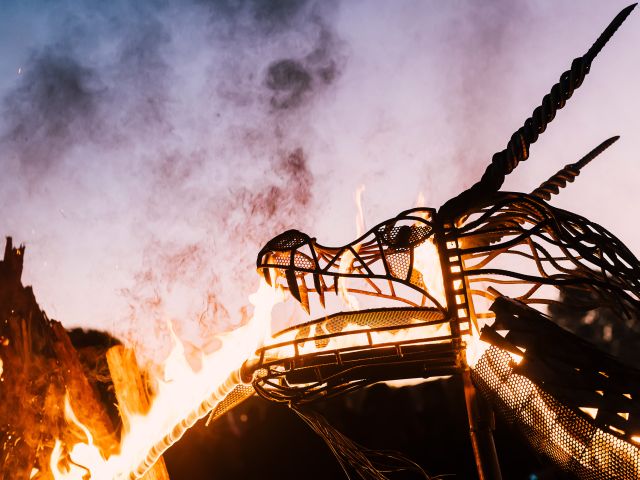
Winter is a particularly good time to visit. The East Gippsland Winter Festival is a raucous celebration of wintery food, drink, music and experiences, taking place over an entire month and in different towns.
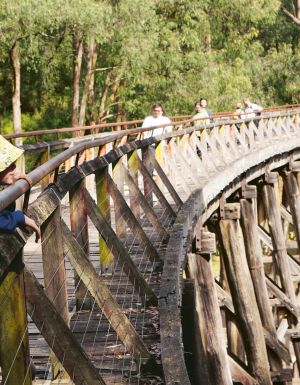
Expect re-enactments, games, roving performances and fiery displays at the Bruthen Medieval event. Feast your way through regional bites and watch live wood carving and a hotly contested dumpling-eating competition in the waterside town of Metung. Head to Lakes Entrance for one of the festival’s signature events, Lakes Lights: Gardens of the Galaxy – a slightly cosmic and totally mesmerising display of lights. Or book a seat at the Nicholson River Trestle Bridge Long Lunch. This long-table feast stretches across the entire bridge, with sweeping river views and top-tier local produce.
Where to stay
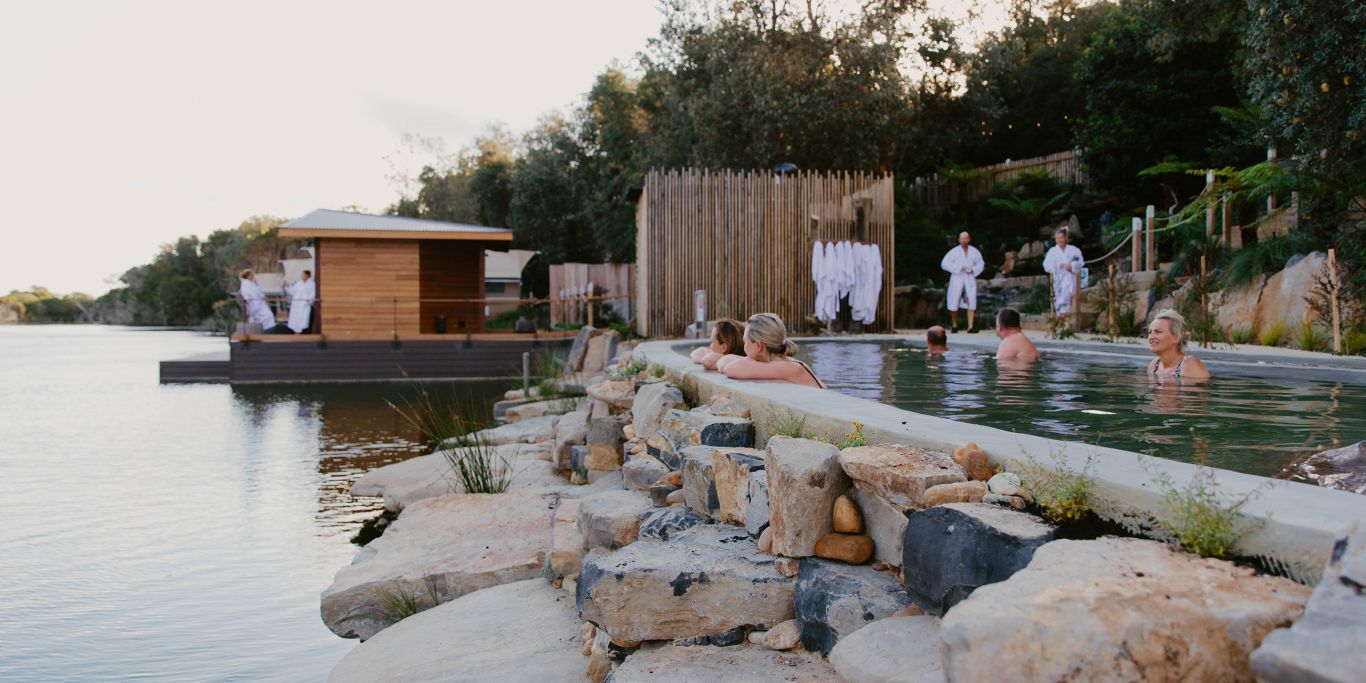
Rejuvinate at Metung Hot Springs.
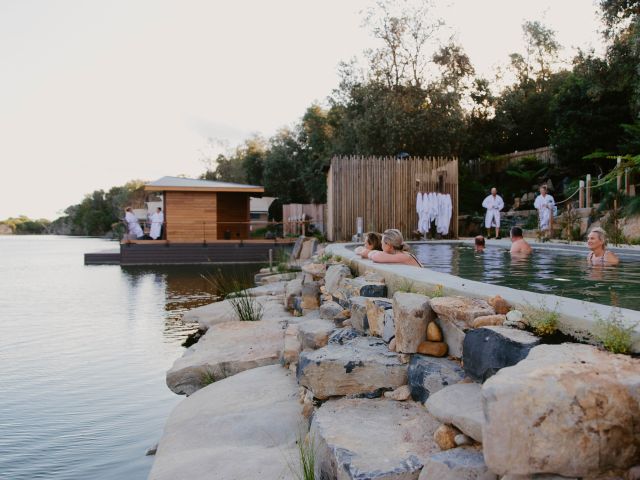
Metung is also a much-loved destination for natural hot springs – warm mineral pools believed to restore and detoxify the system. Here, you’ll find a network of tranquil springs fed with water sourced 500m below the surface, all at varying temperatures but with a healthy mix of soothing minerals and trace elements. Each looks over the stunning surrounding lakes, only adding to the sense of serenity.
Extend the relaxation by booking into Metung Hot Springs. The property is home to a collection of glamping tents – either perched on the hillside or overlooking the lagoon – that deliver after-hours access to the springs. These are no ordinary tents; expect plush linens, beautifully curated furnishings, warm service and a complimentary gourmet breakfast delivered daily.
Alternatively, book a night or two at Idle Lake House – a gorgeously appointed hideaway in Lakes Entrance. The aesthetic is moody, modern and very cool, and the property is situated right on the water’s edge with floor-to-ceiling windows that immerse you in the surroundings.
Where to eat
Sit down at the floating restaurant, Sodafish. (Credit: We Are Explorers)
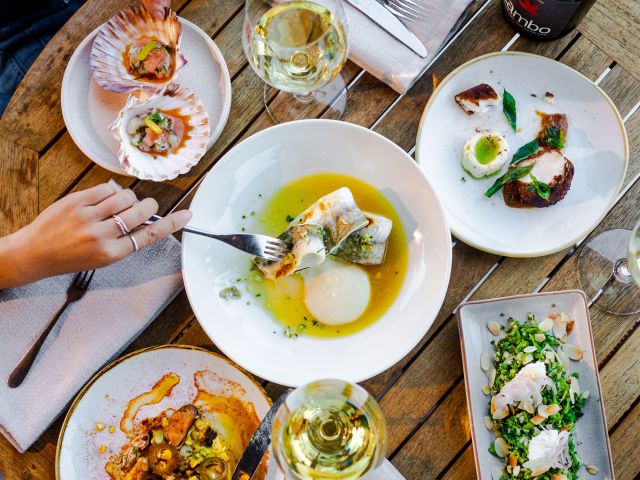
Given its wealth of fresh seafood and exceptional produce, East Gippsland is home to a vast selection of eateries, with options to suit all tastes and budgets.
For something a little bit fancy, Sardine Dining in Paynesville is a must-visit. The hatted restaurant serves a seasonal seafood-focused menu made with premium local ingredients, while the adjoining wine bar is a top spot for a regional drop and a light snack.
If you’re after a relaxed bite, Sodafish in Lakes Entrance is your best bet. This floating restaurant sits right atop the water, with a vibrant and fresh menu centred on locally caught seafood. Anything off the menu is delicious, but the whole roasted snapper and locally sourced fish and chips are standouts.
Or luxuriate with a long afternoon at the nearby Slipway. This waterfront dining precinct hosts a mix of vendors serving casual food, craft drinks and regionally made goods.
Exploring the great outdoors and local culture
Keep an eye out for the locals. (Credit: Tyson Mayr)
No wellness weekend would be complete without immersing yourself in the beauty and tranquillity of East Gippsland’s outdoors.
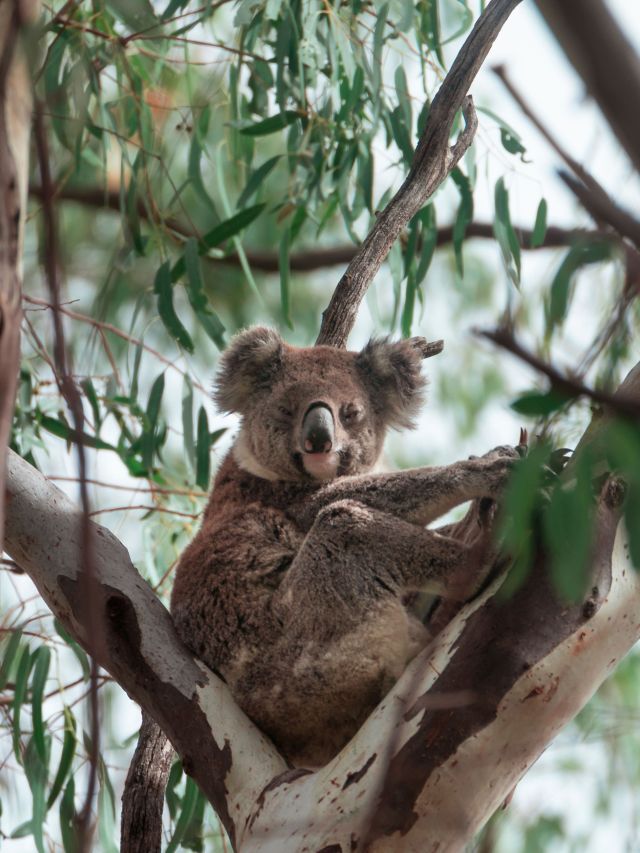
Head to Raymond Island – a small island just off Paynesville – to spot local koalas along the Koala Trail. This two-kilometre stretch is one of the few places where you can see koalas doing their thing in their natural habitat, with more than 200 living on the island. Leave the car in Paynesville; the trail can only be accessed on foot.
Next, explore the Gippsland Lakes Discovery Trail, which starts in Colquhoun and ends in Lakes Entrance. Across 23 kilometres, you’ll spot native flora and fauna (including lace goannas) and pass by remnants of the tramway that once serviced timber workers in the area.
Finish up your East Gippsland jaunt with a visit to Gunaikurnai Cultural Hub. The centre houses an Aboriginal Art Gallery displaying contemporary works by Aboriginal artists, and a Bush Cafe serving breakfast and lunch classics and excellent cakes. Pick up a slice and a coffee for your trip back to the city.