5 animals you need to see in the wild at least once

hero media
How many of these cuties have you seen?

Australia’s top five animals might not be ‘big’ but they are mighty. And seeing these iconic animals in the wild on beautiful beaches or bush walks is as awe-inspiring as it gets.

1. Koala, Magnetic Island, Qld

Spot wild koalas high in the veil of branches against a blue sky in the gum trees lining the picturesque Forts Walk. Magnetic Island (Yunbenun) is home to northern Australia’s largest colony of wild koalas.

You can see them here curled up like rolls of carpet, asleep in the crooks of trees. Or moving slowly in single-minded grace to graze on gum leaves. While local star Rod the Cod is a draw for divers visiting Magnetic Island, fans of the Netflix series Izzy’s Koala World will be hoping it’s the herbivorous marsupials making cameos.
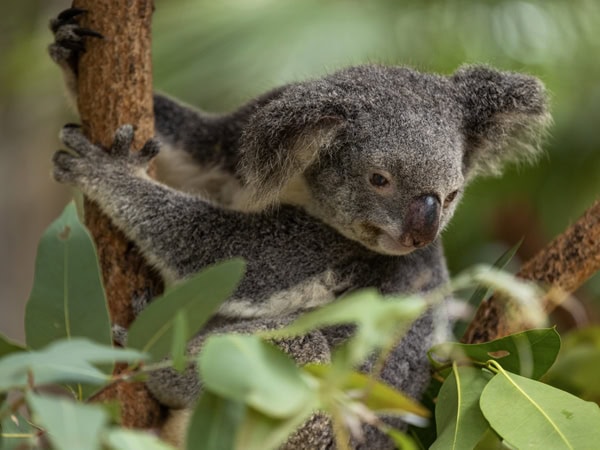
Koala in gum tree on Magnetic Island
Spot wild koalas high in the veil of gum tree branches. (Image: Tourism Australia)

2. Quokka, Rottnest Island, WA

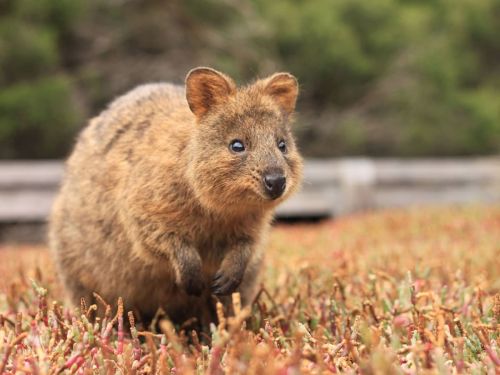
It’s simply not possible to reach peak quokka. The world’s happiest animal remains a beacon for visitors to Wadjemup (Rottnest Island) who come for the cute marsupials and stay for the carefree (and car-free) Rotto vibes.

These adorable animals are only found off the coast of Perth and are best known for becoming a social media sensation, posing with a cute grin for the camera.

The ultimate main character move in 2024 is to go to Rotto and clock a quokka without posting it to your Insta feed. Go on, we dare ya.
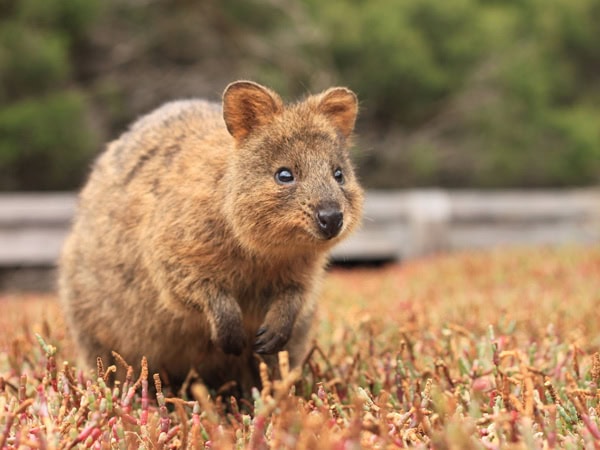
Quokka on Rottnest Island
Meet the world’s happiest animal on Rottnest Island. (Image: Tourism Australia)

Need tips, more detail or itinerary ideas tailored to you? Ask AT.

AI Prompt

3. Wombat, Maria Island, Tas

Did you know that wombats can sprint up to 40 kilometres an hour? Or that they produce cube-shaped poo?

You will feel like you’re in an episode of BBC’s Planet Earth when wandering around Maria Island’s chiselled landscape looking for the endemic Tasmanian wombat. This species is smaller than its mainland mates and has a diverse habitat that stretches from the coast to the alpine areas of Australia’s most southern state.
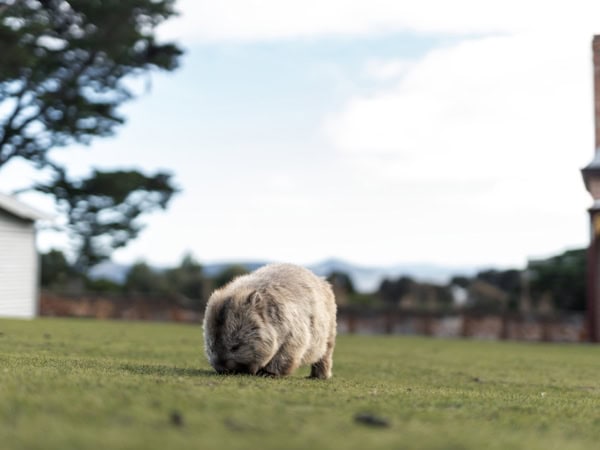
Wombat eating grass on Maria Island in Tasmania
Wombat’s are faster than you think… (Image: Tourism Australia)

4. Kangaroo, Pebbly Beach, NSW

Spotting roos through the canvas mesh of your tent at Pebbly Beach Campground is as iconic as it gets. It’s easy to spot the resident herbivores hunched over the grass that encircles the beach in Murramarang National Park.

The best time to see kangaroos on NSW’s Pebbly Beach is at dawn and dusk when the sea and the sky become one. Sometimes you will see the macropods using their long muscular tails and hind legs to bound across the sand. Other times you will see a baby Joey cradled in a mother’s pouch.
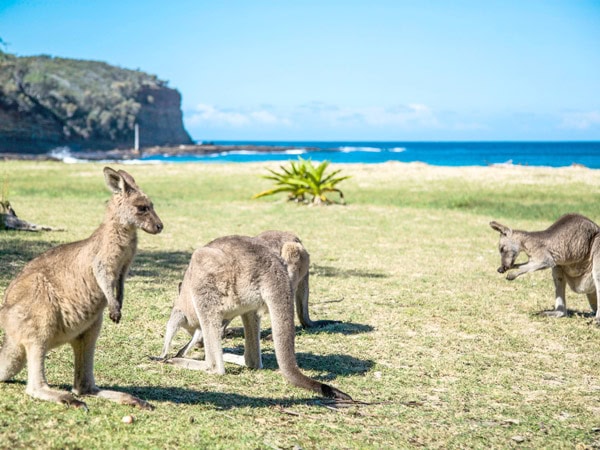
Kangaroos on Pebbly Beach in NSW
It’s easy to spot the resident herbivores on Pebbly Beach. (Image: Destination NSW)

5. Platypus, Great Otway National Park, Vic

When British scientists first saw the platypus in the late 18th century, some of them were said to have thought the specimen was a hoax. Yes, this native Australian monotreme appears most extraordinary, with the beak of a duck seemingly grafted onto the head of a four-legged animal.

It’s one of many reasons why spotting these endangered creatures in Victoria’s Great Otway National Park is such a thrill. While your ecologist guide at Otway Eco Tours can’t guarantee you will see platypuses in the wild on a canoeing tour, they have a 95 per cent success rate.

Platypus swimming in water
This native Australian monotreme appears most extraordinary. (Image: Getty Images/phototrip)

Want to see more stories from Australian Traveller in your Google search results?

  1. Click here to set Australian Traveller as a preferred source.
  2. Tick the box next to "Australian Traveller". That's it.
Carla Grossetti
Carla Grossetti has written across print and digital for Australian Traveller and International Traveller for more than a decade and has spent more than two decades finding excuses to eat well and travel far. A prestigious News Corp cadetship launched her career at The Cairns Post, before a stint at The Canberra Times and The Sydney Morning Herald gave way to extended wanders through Canada, the US, Mexico, Central America, Asia and Europe. Carla was chief sub editor at delicious and has contributed to Good Food, Travel & Luxury, Explore Travel, Escape. While living in London, Carla was on staff at Condé Nast Traveller and The Sunday Times Travel desk and was part of the pioneering digital team at The Guardian UK.
View profile and articles
hero media

A must-visit list of Victoria’s most iconic spots

From natural wonders to historical sites, we’ve rounded up Victoria’s most epic icons that deserve a place on your itinerary.

Grampians (Gariwerd) National Park

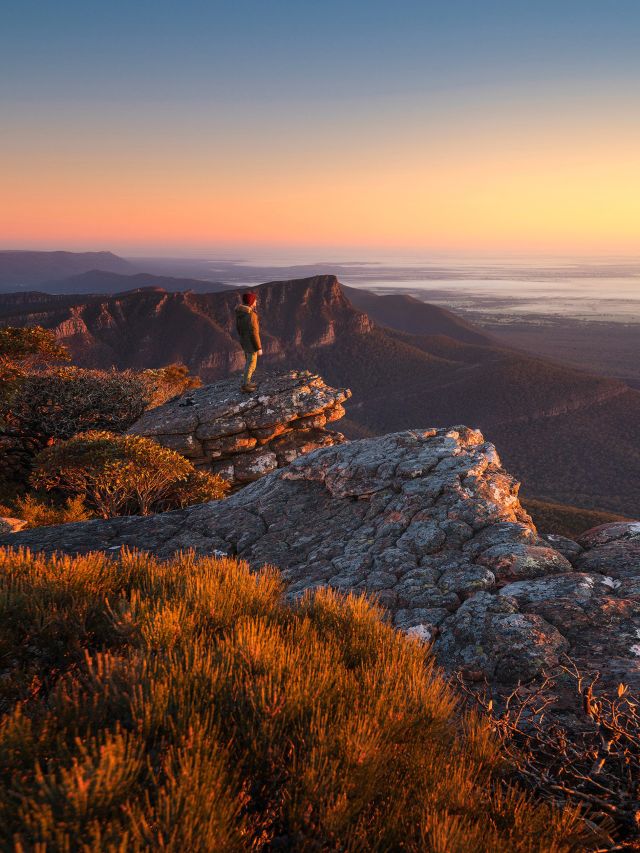
Mount William peak in Grampians (Gariwerd) National Park
Mount William is the highest peak in the Grampians (Gariwerd) National Park. (Image: Matt Donovan)

From towering mountains to crystal cascades and ancient rock art sites, the Grampians (Gariwerd) National Park is a playground for both outdoor adventurers and nature lovers. Don’t miss the views from the highest peak Mount William or the iconic Pinnacle.

Murray River

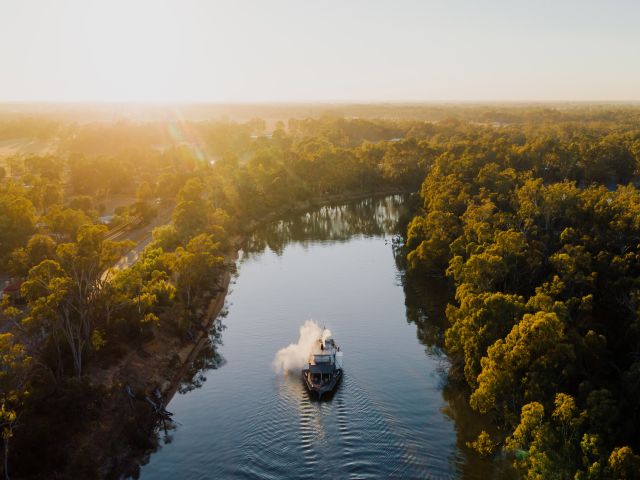
A paddle steamer down the Murray in Echuca
The wonders of the Murray are best experienced on board a paddle steamer. (Image: Visit Victoria)

A natural icon of majestic proportions, the Murray River flows for a staggering 2700 kilometres, making it one of the world’s longest navigable rivers. Meandering through Victoria before flowing out to sea at Goolwa in South Australia, the river is home to diverse wildlife, picturesque towns and secluded creeks and beaches.

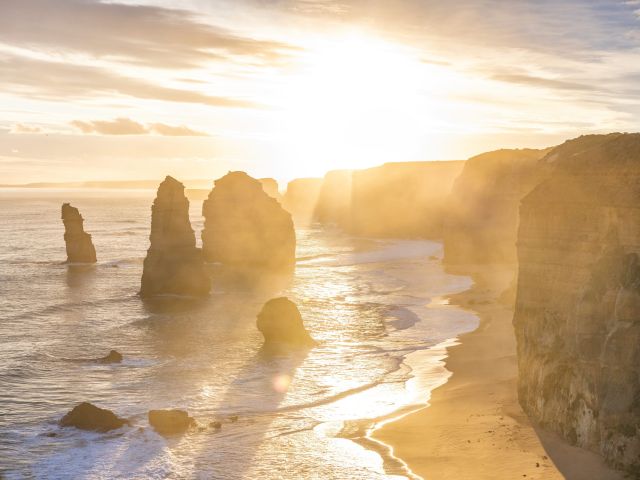
Twelve Apostles, Port Campbell

the Twelve Apostles, Great Ocean Road
The Twelve Apostles are a star attraction on the Great Ocean Road. (Image: Tourism Australia/Two Palms/Harry Pope)

These limestone sea stacks are arguably Victoria’s most famous icon. After an $8-million upgrade to its lookout, The Blowhole near Loch Ard Gorge/Poombeeyt Kontapool (meaning breath of the whale) has recently reopened. A brand-new Twelve Apostles Visitor Experience Centre, complete with rooftop lookout, will open in 2026.

You Yangs, Geelong

kangaroos in You Yangs
Kangaroos enjoy dusk in the You Yangs. (Image: Tourism Australia)

Rising 300-plus metres from the flat volcanic plains between Melbourne/Naarm and Geelong, the You Yangs are massive granite boulders named for the local Wadawurrung word ‘Youang’, meaning ‘big hills’. Hiking, biking, rock climbing and horse-riding are popular within this regional park.

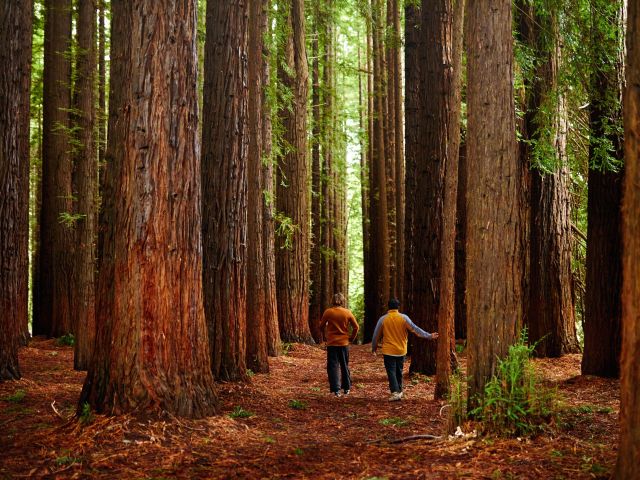
Redwood Forest, Yarra Valley

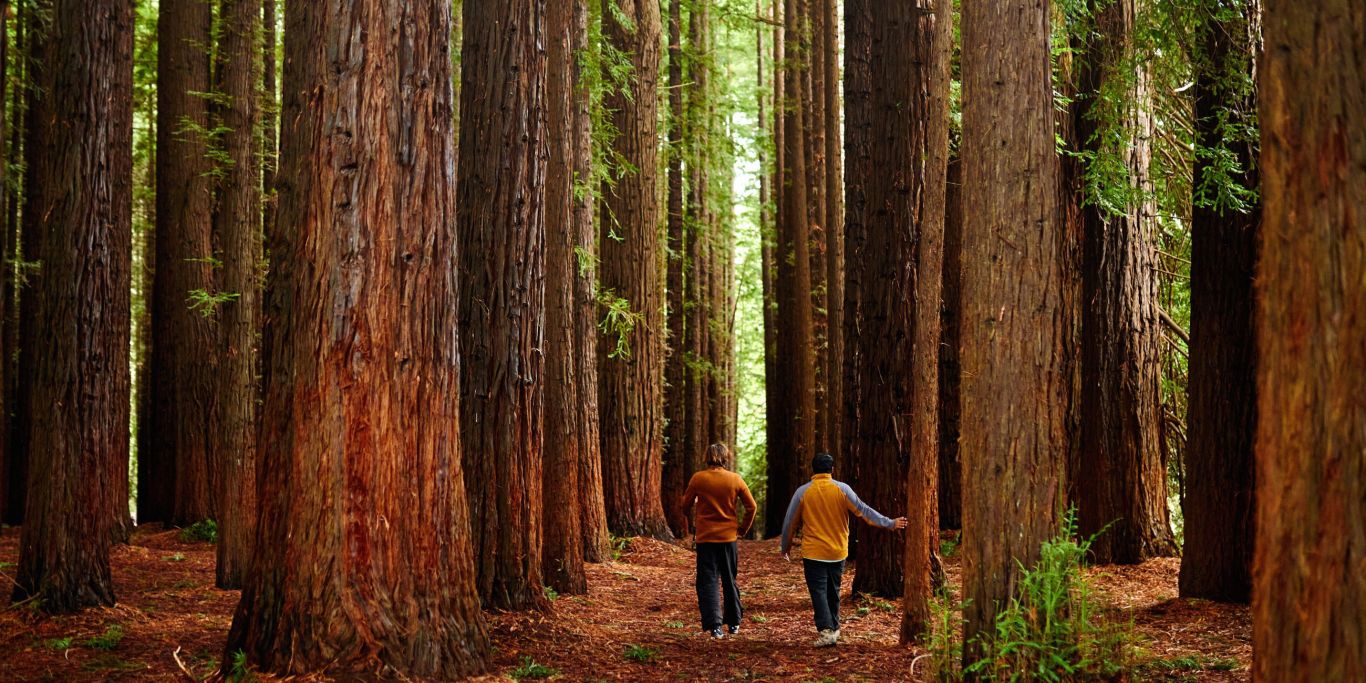
Redwood Forest, Yarra Valley
Yarra Valley’s soaring Redwood Forest. (Image: Tourism Australia)

Near the town of Warburton, an extraordinary forest of some 1500 Californian Redwoods stands among native orchids, eucalypt trees and rich birdlife. Planted in the 1930s, these 55-metre-plus trees can live for 2000 years and will grow to be some of the world’s tallest.

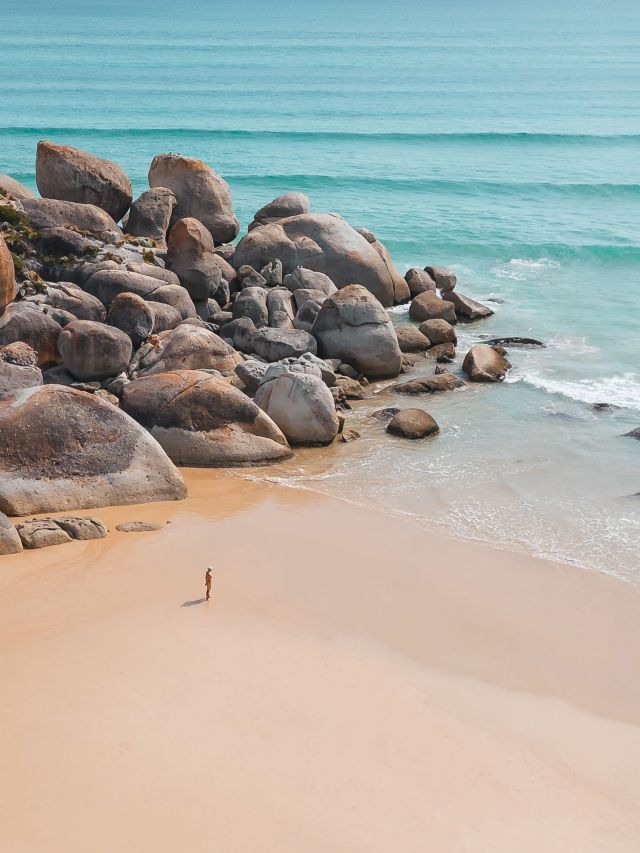
Wilsons Promontory, Gippsland

the Wilsons Promontory
Wilsons Promontory is home to the incredible Skull Rock formation. (Image: Tourism Australia)

The Prom, as it’s known locally, is the southernmost tip of mainland Australia. This 50,000-hectare reserve comprises granite mountains and forest, fringed by sandy beaches and surrounded by a marine park rich in marine biodiversity. It’s also home to the incredible and imposing Skull Rock formation.

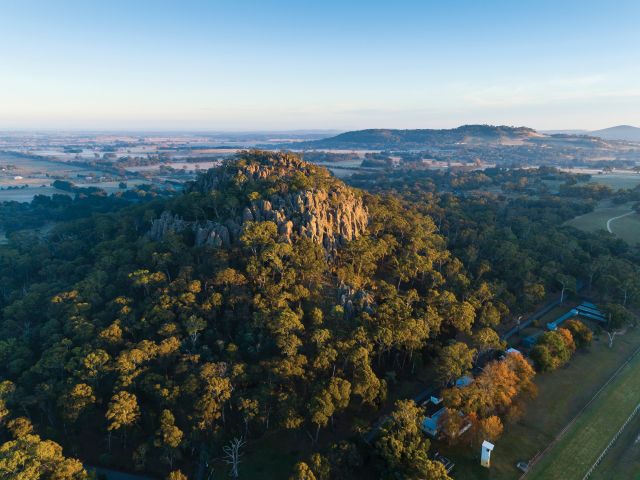
Hanging Rock Reserve, Macedon Ranges

the Hanging Rock Reserve, Macedon Ranges
Enigmatic Hanging Rock. (Image: Visit Victoria/ Rob Blackburn)

This six-million-year-old volcanic rock was thrown into the national spotlight thanks to the 1967 novel and consequent 1975 film based on the fictional disappearance of schoolgirls in 1901. Mystery aside, visitors can walk the steep 105-metre summit, fish for trout and go twitching.

Sovereign Hill, Ballarat

exploring Sovereign Hill
Step back in time at Sovereign Hill. (Image: Tourism Australia)

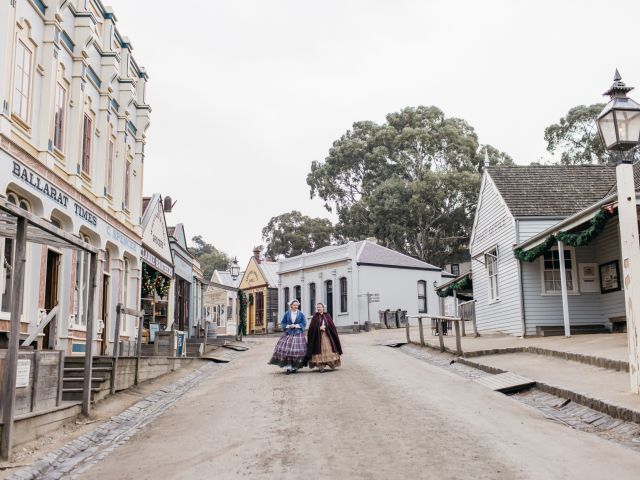
Cry ‘eureka!’ at Sovereign Hill, a living museum to the prosperous Gold Rush era of the 1850s, during which Ballarat produced the most gold in the world. Visitors to this much-loved attraction can walk historic  streets, enter a gold mine and try panning for the good stuff, too.

The Great Stupa, Bendigo

Great Stupa, Bendigo
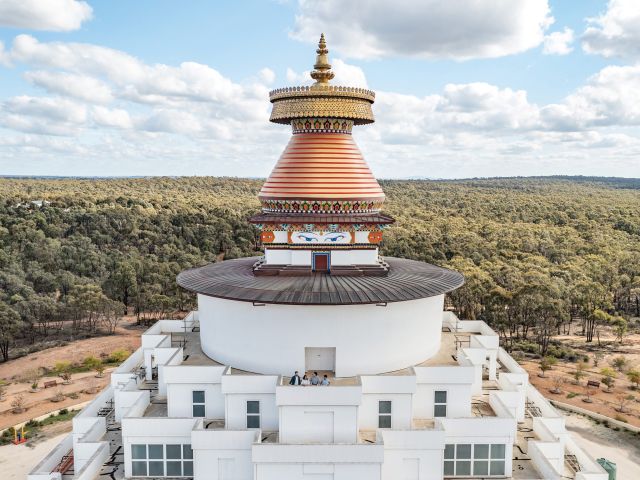
The Great Stupa in Bendigo. (Image: Tourism Australia)

Who’d have thought the largest Buddhist temple in the Western world would be tucked away in Bendigo’s bushland? Welcoming visitors to explore, this sacred Buddhist pagoda is an epicentre for Tibetan culture, architecture, art and interfaith harmony.

Cape Schanck Lighthouse, Mornington Peninsula

the Cape Schanck Lighthouse from above
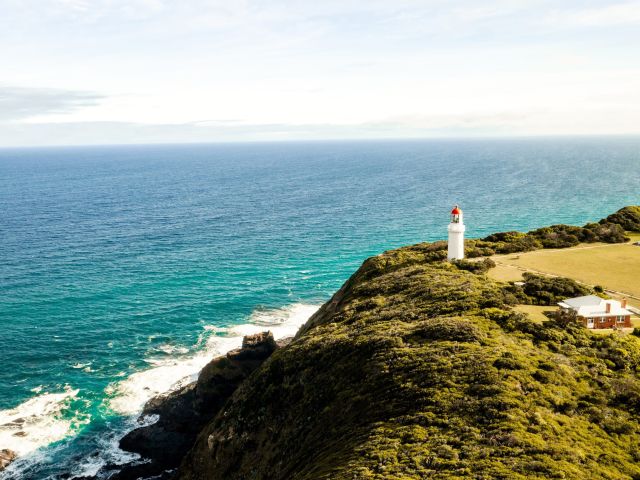
Heritage-listed Cape Schanck Lighthouse. (Image: Tourism Australia/Two Palms/Harry Pope)

Ensuring the safe passage of ships in the notoriously treacherous Bass Strait since 1859, this heritage-listed lighthouse overlooks dramatic volcanic coast and wild beaches. The surrounding reserve is home to a plethora of wildlife including little penguins, seals and echidnas.