hero media

A record-breaking whale-watching season has begun. Here’s where to spot them

(Credit: Jordan Robins)

Whale migration in Australia is a magical time. Here is where to join in.

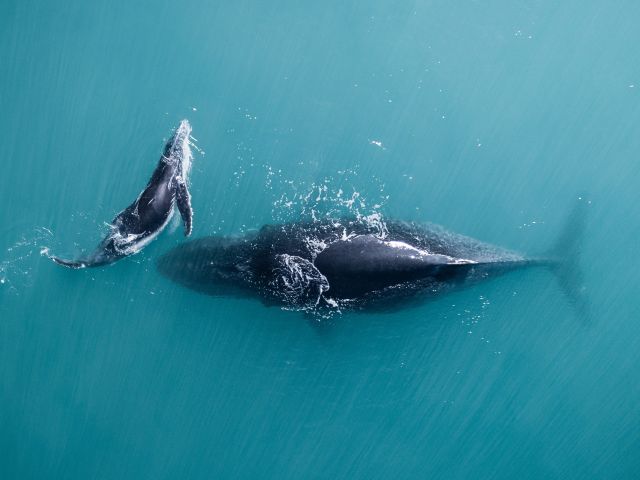
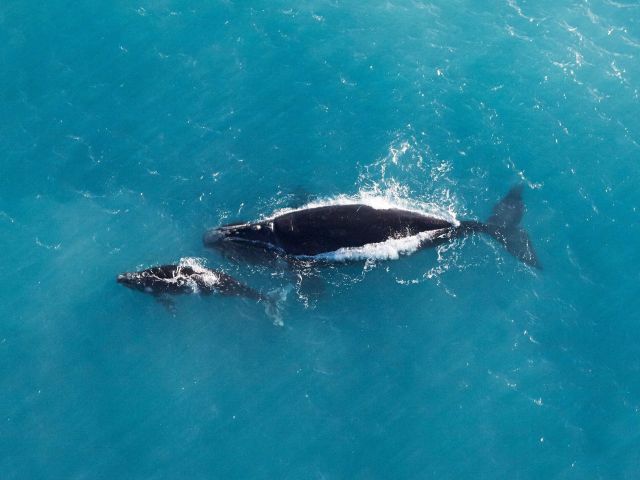
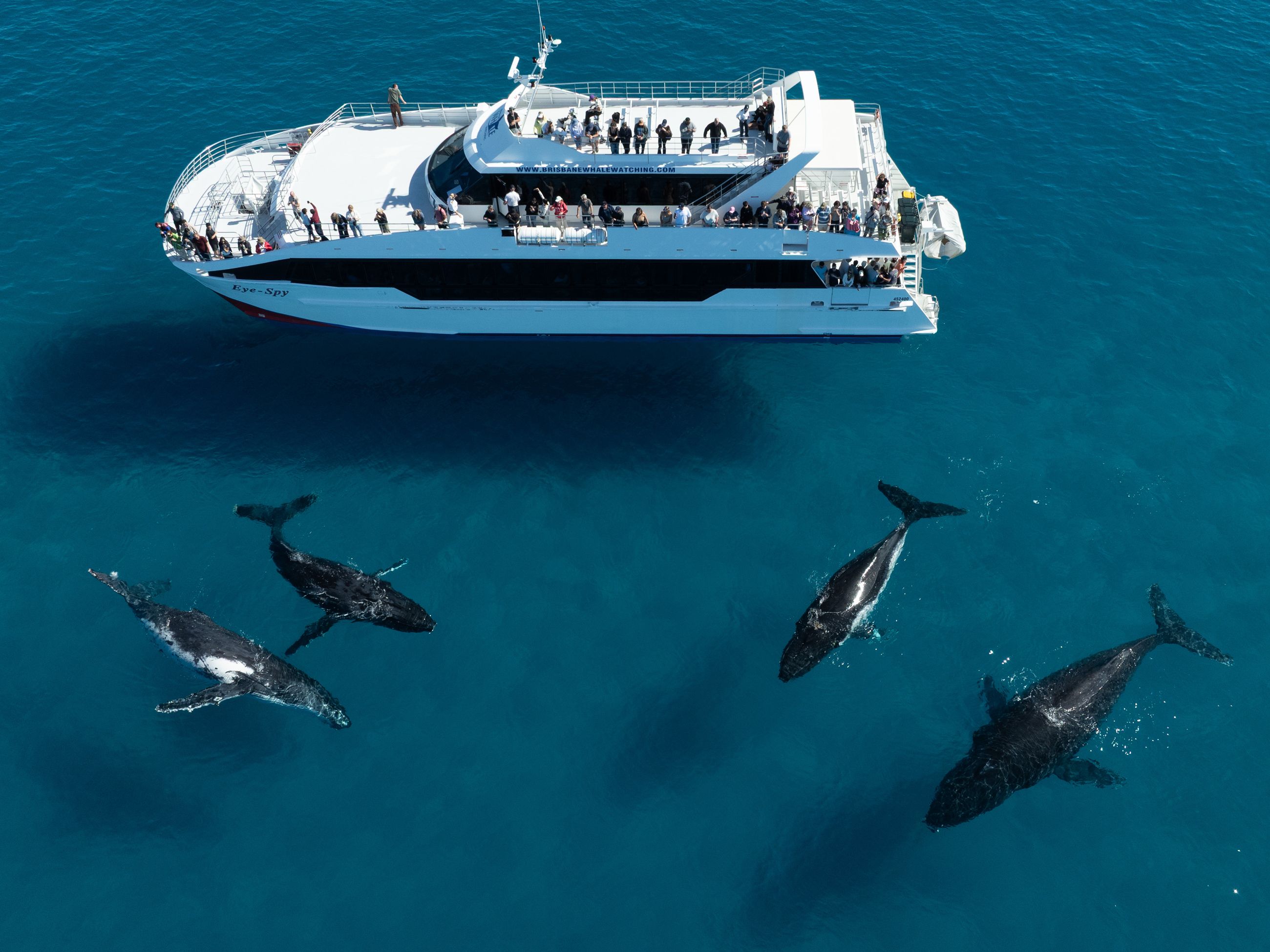
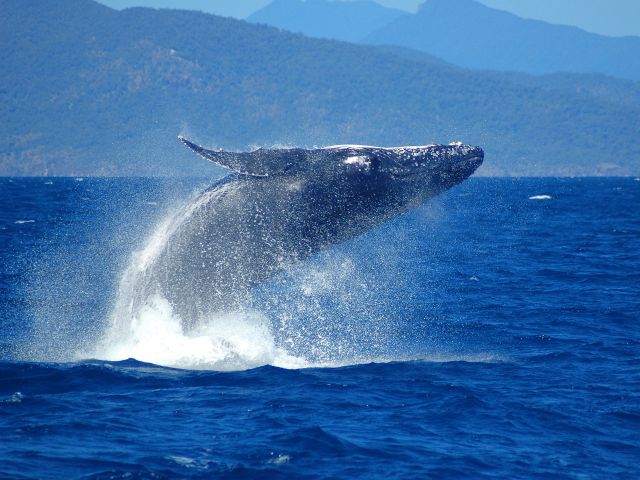
Humbling and fascinating, locals and tourists head out in droves to whale-watching locations, both on land and on whale-watching tours during the season. And in 2026, the famous ‘Humpback Highway’ – stretching along Australia’s East Coast – will welcome record numbers of whales. In fact, Marine scientists have estimated that over 50,000 eastern Australian humpback whales will migrate, which is 20,000 more than the estimated pre-whaling population of the early 1900s.

But where are the best places to go to see the breaches and water spouts of thousands of migrating whales? Here are the top whale-watching locations in Australia.

1. Hervey Bay, Qld
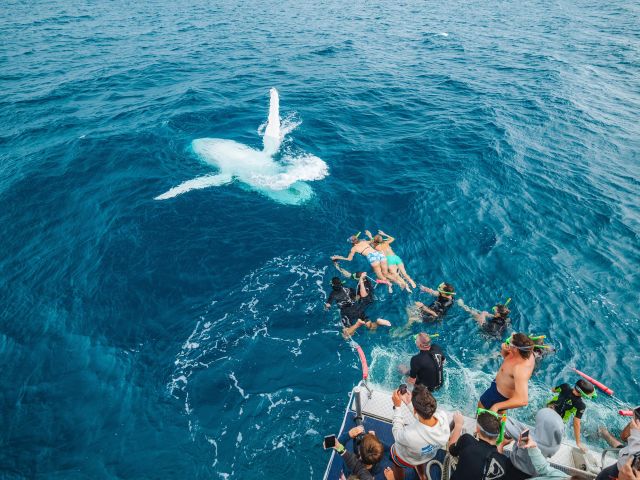
a whale watching tour swimming with humpback whale in hervey bay queensland
You might even get a chance to swim with humpback whales. (Credit: Reuben Nutt)

Every winter, pods of humpback whales can be spotted off the east coast of Australia. They make their way up from Antarctica to the Great Barrier Reef to mate and give birth, then take their calves out of the nursery and head back south.

It is for this reason that the warm and sheltered waters of the Great Sandy Marine Park on the Fraser Coast and nearby K’gari make for the ideal rest area for migrating whales.

Hervey Bay was the world’s first Whale Heritage Site, named by the World Cetacean Alliance, and is one of the most popular places in Australia to observe the mighty tail slaps of these peaceful creatures.

2. South Coast, NSW
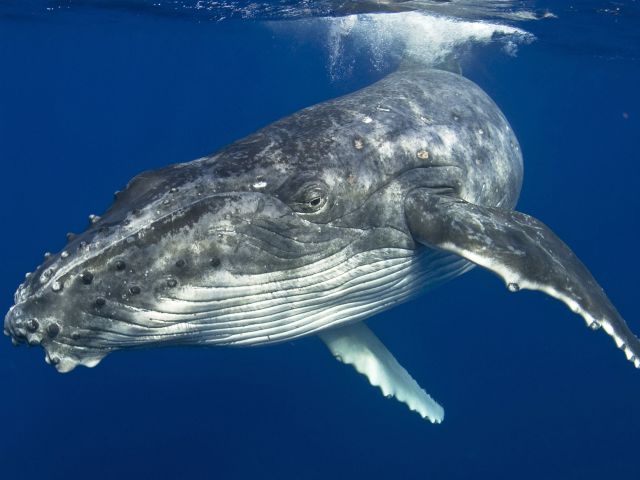
humpack whale underwater at Merimbula South Coast nsw
Spot humpback whales while on the South Coast. (Credit: Destination NSW)

Whales are a regular fixture of the NSW South Coast during the colder months – in particular, close to the Sapphire Coast. From the waters of Bermagui to Eden, you will be able to see travelling humpback whales and southern right whales as they rest and feed in the waters.

There is also a fascinating history of whale and human collaboration here. Up until the early 20th century, it was rumoured that orcas would even help whalers to catch baleen whales – that is, until whalers killed and maimed some of their pod.

3. Bremer Bay, WA
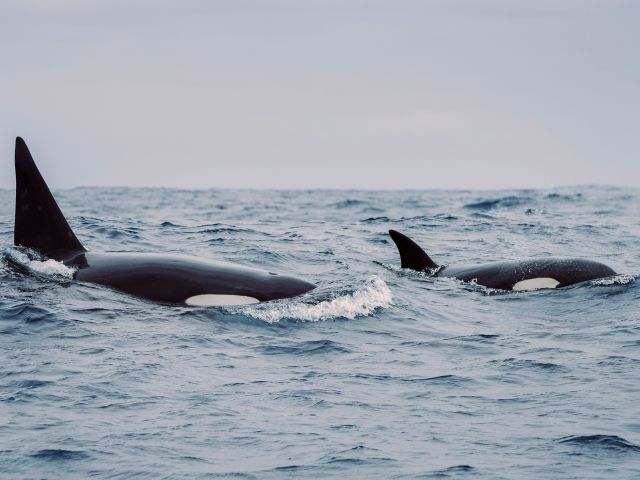
orcas at bremer bay western austrlaia
Get a chance to spot orcas up close. (Image: Tourism WA)

From early in the year until April, family pods of orcas (also known as killer whales) begin turning up to Bremer Bay in the south of Western Australia. Why do they come here? It is still not 100 per cent certain. But whatever the reason, avid whale watchers can make their way out to watch them hunting in groups, stalking squid and other prey.

In autumn, you might also recognise sperm whales and pilot whales. In winter, keep an eye out for southern right whales, who arrive to raise their calves in the sheltered waters of Bremer Bay.

Need tips, more detail or itinerary ideas tailored to you? Ask AT.

AI Prompt

4. Victor Harbor, SA
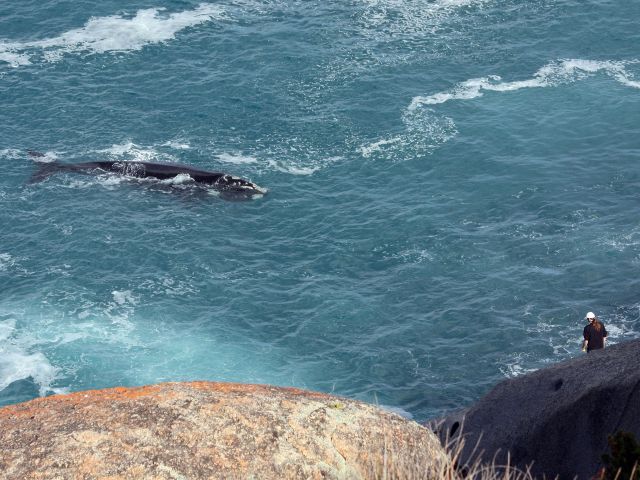
woman watching humpback whale in victor harbour
Catch the annual whale migration from Victor Harbor. (Image: South Australian Tourism Commission)

Perched up on a lookout or steaming out to sea, from May to October, you’ll likely get a sighting of the southern right whale on South Australia’s Fleurieu Peninsula. Each year, they make their annual migration from Antarctica along the coast of southern Australia. This means that if you keep an eye out, you can catch a glimpse of them in beachside towns like Victor Harbor.

Chances are you will also experience other impressive marine wildlife sightings, like common and bottlenose dolphins, as well as New Zealand fur seals and Australian sea lions on a trip out – a bonus not to be sniffed at.

5. Freycinet National Park, Tas
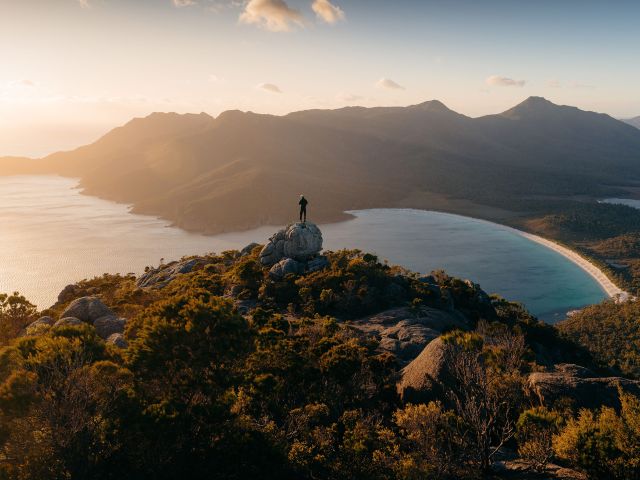
hiker looking over Wineglass Bay
Go whale-watching at the picturesque Wineglass Bay. (Credit: Roady)

Today, Freycinet National Park on Tasmania’s east coast is known as one of the best places in the island state to see southern right whales. But this was not always the case. During the early 19th century, whales found here were mercilessly hunted for their oil-rich blubber and useful bones.

In fact, the lovely Wineglass Bay was named because of the way its blue waters were transformed into a gory ‘red wine glass’ when the blood of whales would fill it. A beautiful name for a gruesome practice.

6. Whitsundays, Qld
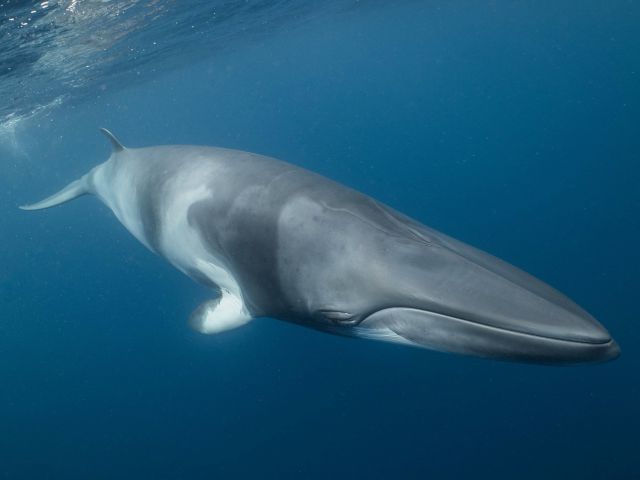
minke whale
Have a chance to see a dwarf minke whale. (Credit: Mike Ball)

The tropical waters of the reef in the Whitsundays are some of the best places to find whales and have also been named a Whale Heritage Site. So, keep an eye out for breaching and playing calves with their mothers here.

If you’re careful (and very, very lucky), you might even identify a female dwarf minke whale.

Weekly travel news, experiences
insider tips, offers, and more.

7. The Kimberley, WA

Humpback Whale with clave in western australia
See new calves along the Dampier Peninsula. (Image: Tourism WA)

The dry season from May to October is the best time to explore the red rock formations and dusty roads of the enormous Kimberley region.

It’s also when humpback whales make their annual journey from Antarctica to this remote corner of Western Australia. Calves and adults alike are protected by islands and reefs for the breeding season.

8. Eyre Peninsula, SA

mother and calf humpback whale on Eyre Peninsula
Spot mothers and calves playing together. (Image: SA Tourism Commission)

A 12 or so-hour drive in the opposite direction of Victor Harbour will take you to the high cliffs of the Head of Bight. Near the Nullarbor Plain on the Eyre Peninsula, the high vantage point offers another excellent location to see whales.

Southern right whales give birth near here, meaning you will also make out calves playing with their mothers in the relatively safe waters. The best time to come to spot them here is in August.

9. Jervis Bay, NSW
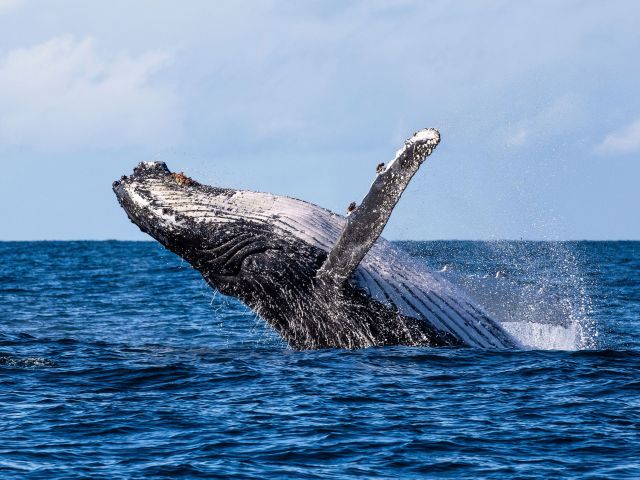
a whale breaching out of the water in Hervey Bay
See humpbacks on a tour, or from a surrounding headland. (Credit: Jordan Robins)

Shoalhaven’s coastline becomes a grandstand for the annual humpback migration, particularly around Jervis Bay. Find guided cruises and swim-with encounters to get closer to these magnificent creatures. But there’s no need to even enter the water to spot them. Grab the binoculars and pop over to Ulladulla or Mollymook headlands, where sightings during peak migration are a near-daily occurrence.
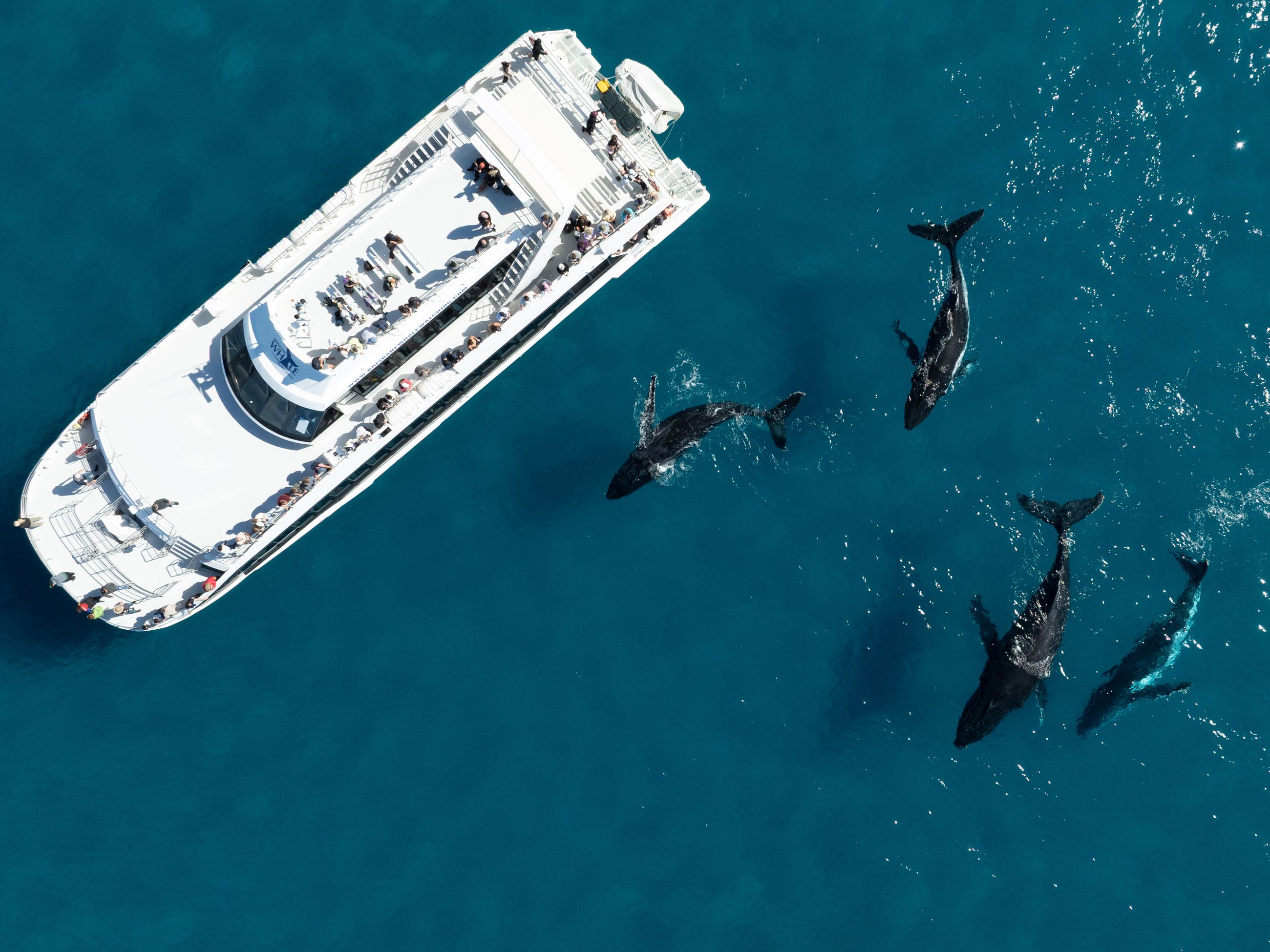
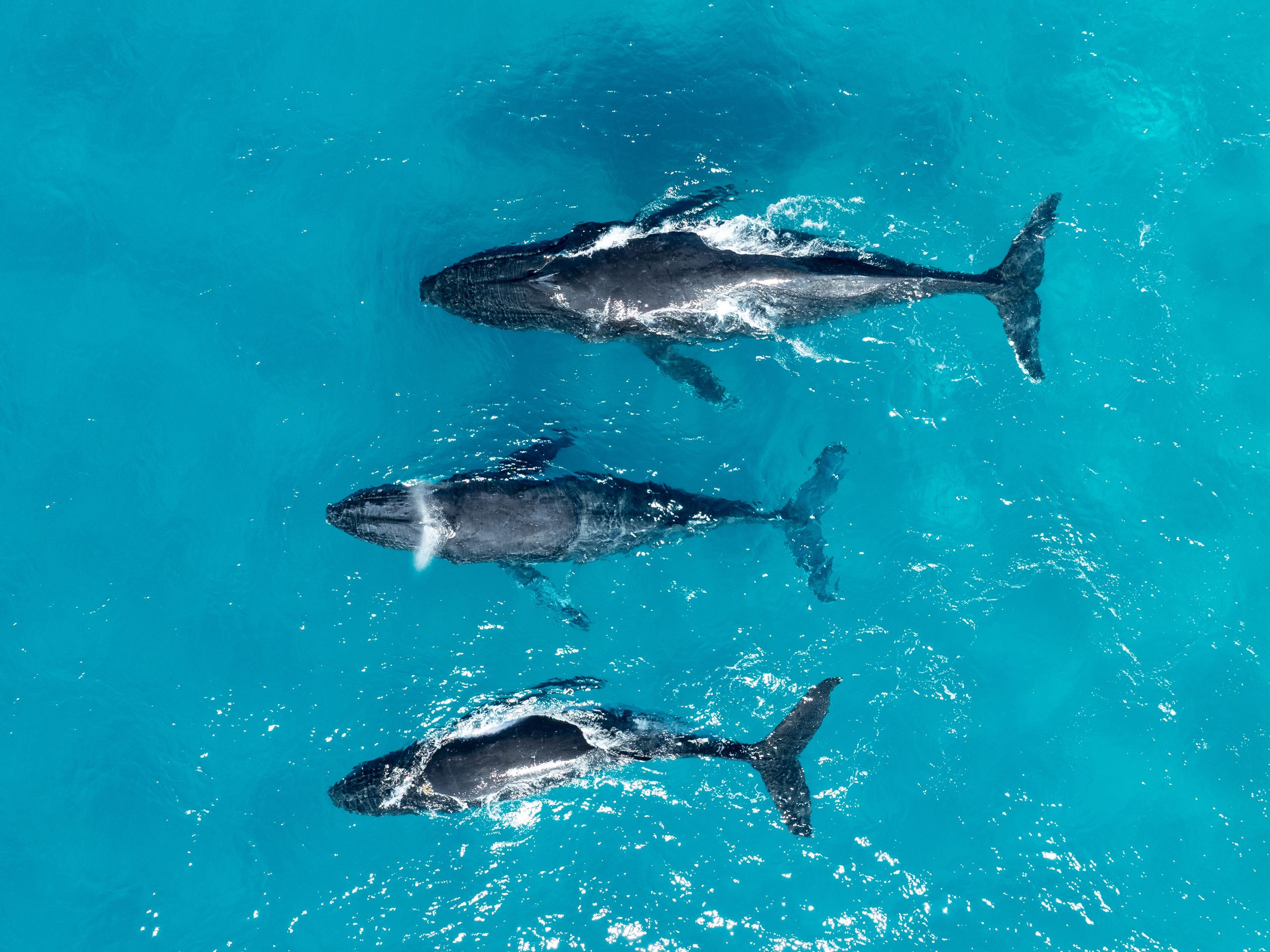
For more whale-watching inspiration, see our in-depth whale-watching guides to Sydney, Port Stephens, the Gold Coast and Merimbula.

Kate Bettes
Kate Bettes is a freelance travel writer. Whether having a picnic in Vietnamese jungle with new friends, or partying in the back of a limousine in Hollywood, Kate’s experiences have left her with the sneaking suspicion that the best travel memories...
View profile and articles
Kassia Byrnes
Kassia Byrnes is the Native Content Editor for Australian Traveller and International Traveller. She's come a long way since writing in her diary about family trips to Grandma's. After graduating a BA of Communication from University of Technology...
View profile and articles
hero media

8 incredible hikes just outside of Melbourne

Just over an hour from Melbourne, spectacular walking and hiking trails encompass ancient landscapes, forested ridgelines and volcanic peaks.

Just a short drive from the city, the urban sprawl gives way to rolling hills, mineral springs, and lush forests that will have you feeling like you’re in the bucolic countryside of France. Encompassing Daylesford, the Macedon Ranges, Castlemaine and the Central Goldfields, this pocket of Victoria is a region where nature, art, and wellness intertwine. Heritage towns hum with creativity, good food and wine, and welcoming locals. While Daylesford hikes, and those nearby, offer the chance to take a pause and reconnect with nature.

1. Hanging Rock Summit Walk

Hanging Rock Summit Walk
Take in views across the Macedon Ranges.

Etched into folklore, few places in Australia carry as much mystique as Hanging Rock. Rising dramatically from the plains near Woodend, this volcanic mamelon offers a beautiful nature walk. The walk begins at a gentle pace, weaving through shaded woodland before it gets a little steeper as the path starts to climb and twist to the summit. From here, you’ll have views that stretch across the Macedon Ranges. The walk is roughly 1.8 kilometres return, but the real reward lies in standing among the weathered boulders, feeling the age and energy of the earth beneath your feet.

2. Macedon Ranges Walking Trail

Macedon Ranges Walking Trail camel's hump lookout
Walk to Camel’s Hump. (Image: Clair Derwort)

The Macedon Ranges Walking Trail traverses around 19 kilometres of forest and mountain landscapes. The full trail is a six-hour circuit, with most of the walk being a grade three; however, you don’t have to tackle it all at once. There are shorter walks that will take you through the tall mountain ash forests, to tranquil picnic areas, and sweeping views from Camels Hump and the Memorial Cross. The best times of year to head out are autumn, when the mountain turns into a tapestry of crimson and gold, and spring, when wildflowers brighten the trail.

3. Mount Alexander Traverse

Mount Alexander Traverse
Take in the serenity.

Towering above the goldfields near Castlemaine, Mount Alexander is a granite giant that offers some great bushwalking trails. The Mount Alexander Traverse winds along the mountain’s rocky spine through dry eucalypt forest that opens up in sections to reveal beautiful panoramas across Loddon Valley and all the way to the distant Grampians. Once a site of ancient volcanic activity (and later a gathering place for the Dja Dja Wurrung people), the mountain’s granite tors are now quiet and create a beautiful, serene atmosphere for a moment of reflection while walking.

4. Murmuring Walk

Murmuring Walk daylesford hikes
Circle the picturesque Sanatorium Lake.

Located an easy drive from Daylesford, Murmuring Walk offers something a little different. Circling Sanatorium Lake, this free audio-guided walk aims to immerse you in the rhythms of Dja Dja Wurrung, Taungurung and Wurundjeri Woi Wurrung Country by blending the sounds of nature with a multi-layered soundtrack. There are two routes to explore while you listen: a shorter loop around the lake itself and a longer circuit that extends deeper into the woodland.

5. La Gerche Forest Walk

La Gerche Forest Walk
Walk into history on the La Gerche Forest trail.

Located in Creswick, the La Gerche Forest Walk honours the legacy of John La Gerche, a 19th-century forester who championed the regeneration of the then gold-rush-ravaged land. Today, over 100 years later, his replanting efforts have grown into a living cathedral of towering pines, oaks, and native gums. As you meander along the 2.2-kilometre circuit, you’ll find interpretive panels along the way that help tell the story of La Gerche’s vision, so you can learn as you wander.

6. Sailors Falls Loop

Sailors Falls Loop
See these spectacular falls. (Image: Visit Victoria)

Just outside Daylesford, Sailors Falls tumbles through a fern-lined gorge, fed by mineral springs. Thought to be named after the sailors who jumped ship to seek gold in the area during the 1850s gold rush, the loop walk begins at the car park and descends through a cool, shaded gully to the base of the falls. From here, you’ll make the climb back via the mineral springs. It’s a short but enchanting walk – about 1.5 kilometres in total, so make a day of it by packing a picnic to sit by the springs; you’ll feel worlds away from the city.

7. Paddys Ranges Loop Walk

Further north, the Paddys Ranges State Park loop reveals a different side of Victoria’s Heartland – dry forest, golden light and hints of a gold-rush past. This protected reserve is a stronghold of box-ironbark woodland, providing vital refuge for endangered species. In spring, the forest floor is awash with the colour of over 230 species of wildflowers, so a springtime walk is a must-do. As you walk the 4.5-kilometre loop trail, keep an eye out for remnants of old mine shafts and rusted relics from the prospectors who once sought their fortunes here.

8. Mount Franklin Summit Walk

Mount Franklin Summit Walk
Take in forests and waterfalls along the way to the top of Mount Franklin.

An extinct volcano turned picnic ground, Mount Franklin (known as Lalgambook to the Dja Dja Wurrung people) is one of the region’s quiet marvels. The summit walk follows a narrow, winding path through native forest to the crater’s rim, where you’ll get glimpses of farmland and forest below. It’s a moderate climb – just over an hour return, so it can easily be done if you’re camping in the surrounding reserve for a weekend nature retreat.

The trails of Victoria’s Heartland offer a chance to reconnect with the landscape, local history and yourself. Start planning your next adventure at daylesfordmacedonlife.com.au.