Travel is no longer about ticking off temples or pub-hopping through London. Many of us are looking for experiences that improve our wellbeing, because living longer is not enough; we also want to live better.
Wellness tourism is booming. The sector was worth US$830 billion in 2023, according to the Global Wellness Institute. That same year, the institute reported the ‘Global Wellness Economy’, encompassing tourism, nutrition, exercise, medicine and more, was valued at US$6.3 trillion. The wellness industry is a juggernaut shaping our spending habits and holiday choices.
In the not-too-distant past, wellness was for travellers who frequented luxury resort day spas. The rest of us traipsed to Phuket and Kuta to get massages in ramshackle huts on unkempt beaches. Now, however, wellness tourism has evolved to encompass what we eat, how we move, how we think, our sleeping habits and even how we can slow ageing. Some treatments come with exorbitant price tags and are offered in remote locations, but a growing number are free and can be found in your neighbourhood, allowing many more of us to improve our physical and mental health.
What is wellness travel?
It sounds straightforward: put wellness and tourism together and you have a relaxing holiday filled with swimming, gold facials and smoothies sprinkled with bee pollen. Essentially, we no longer want to drink ourselves silly in Greece nightclubs or overeat at hotel buffets, preferring to stay in destinations that complement the healthy habits we’ve created at home. That’s why we’re seeing run clubs springing up in hot spots such as Queensland’s Hamilton Island, and why there’s been a 51 per cent year-on-year increase in demand for active trips, based on a 2025 report by Explore Worldwide.
Such growth proves that a wellness holiday does not need to feature a medi spa (spa treatments with medical procedures), state-of-the-art gyms or biohacking (e.g. intermittent fasting). A wellness holiday can be your average trip with a dose of fitness on the side, a ski holiday with daily sauna sessions, or even a staycation where there’s no wi-fi. Women’s health is also a growing segment, with new mums booking themselves into postpartum retreats. Clinical Nutritionist Katherine Hay says the rise in postpartum retreats comes down to one simple truth: modern mothers are stretched thin.
“Postpartum retreats offer mothers the chance to press pause in an environment designed for rest and rejuvenation," says Hay, the founder of Kaptured Nutrition. “Many retreats are now integrating holistic care, from postnatal nutritional plans to counselling, pelvic floor therapy, and even newborn sleep support."
When did wellness travel start?
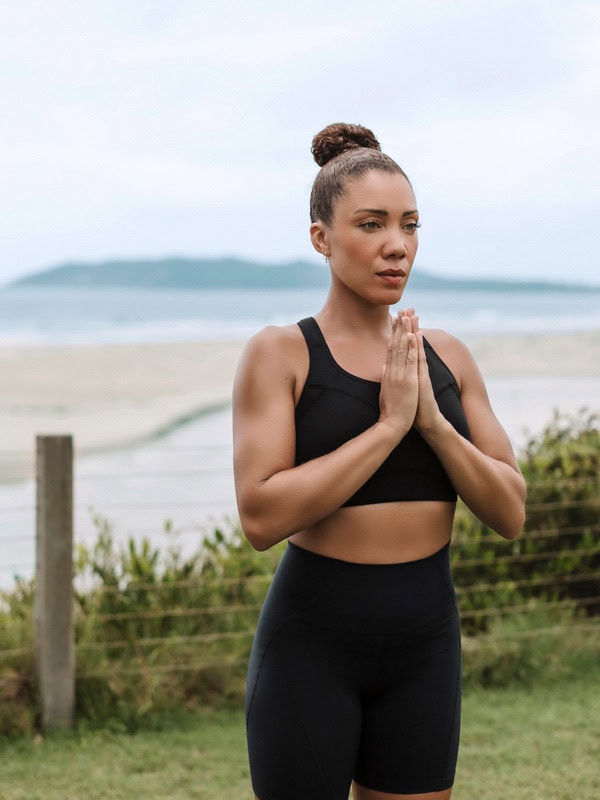
Travelling to improve our health is not a new trend; we’ve been doing it for hundreds of years. As far back as the mid-1600s, UK doctors prescribed sea air and cold-water bathing as a cure for numerous ailments. Fast forward to the 1970s and a desire for non-genetically modified food started a much-needed examination of industrial agriculture. In the last few decades we’ve seen the rise and fall of resort zumba classes and bootcamps, and celebrity endorsement of cosmetic procedures such as ‘vampire facials’, touted for collagen stimulation. Nowadays, spas and retreats are mixing the old (yoga) with the new (vitamin drips) and the trendy (sleep therapy).
Need tips, more detail or itinerary ideas tailored to you? Ask AT.
AI Prompt
What’s driving the growth?
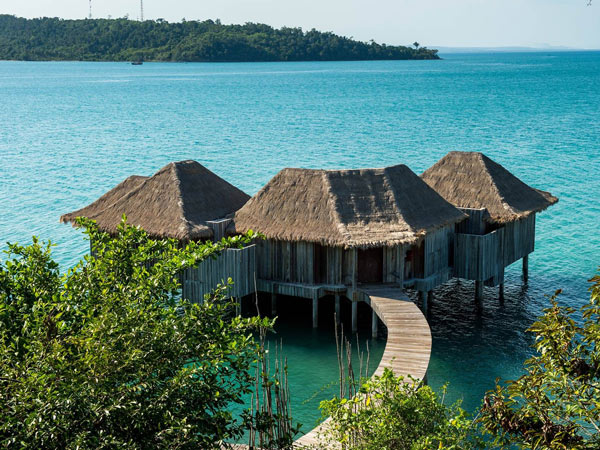
The wellness tourism industry is evolving at an overwhelming rate, most likely as an antidote to a Western lifestyle that values busyness. Melita Koulmadas, CEO of Song Saa Private Island Resort, Cambodia, says the growth of wellness tourism is “a response to disconnection, overstimulation, and the growing realisation that health is not just physical, but deeply emotional, mental, spiritual, and planetary". She says people need more than just rest: “They are seeking remembrance of who they are, of what matters, of how to live in harmony with themselves and the world around them. In that sense, wellness tourism has become a kind of modern pilgrimage."
How is wellness travel evolving?
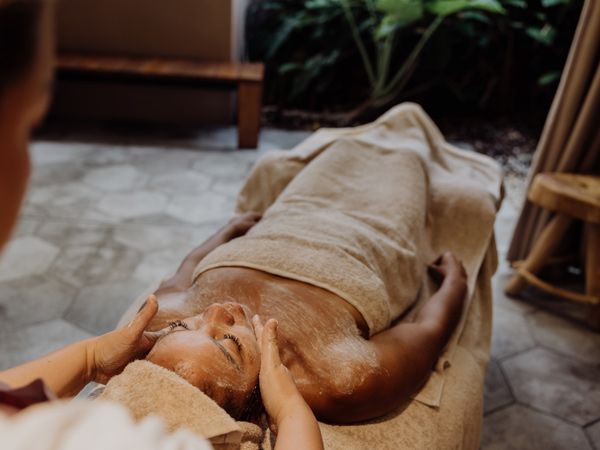
Not only are we seeing more retreats targeting stress, grief, sleep and digital overload, but chain hotels are also integrating wellness into their promotions. Travelodge advertises sleep kits containing ‘pillow mist’ and essential oil, while Hyatt has a Sleep Ritual Pack with an aromatherapy roll-on and herbal tea. It’s not uncommon to see hotel pillow menus and fitness apps for in-room exercise. All of these offerings are a good thing, even if they’re gimmicks created by in-tune marketing teams.
A more authentic wellness holiday is when a resort has a long-time ‘slow stay’ philosophy. This is the case with Elements of Byron, a high-end resort on the outskirts of Byron Bay. Michael Skinner, Elements of Byron General Manager, says wellness travel is shifting away from rigid schedules and intense programs.
“Instead, travellers are seeking environments that naturally support their wellbeing – places where they can move at their own pace, choose what feels good in the moment, and have the freedom to rest or engage as they need," Skinner says.
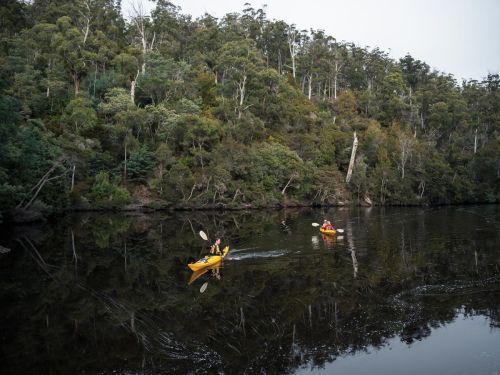
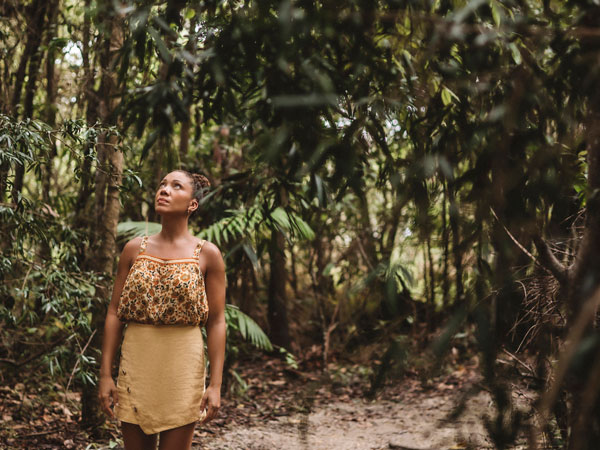
“Guests are gravitating toward experiences like forest bathing, ocean swims, and immersive nature walks – simple yet powerful ways to de-stress and recharge through the rhythms of the environment."
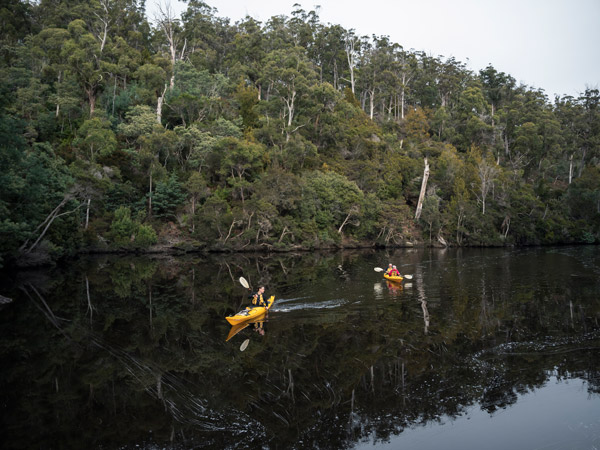
It’s these kinds of accessible and affordable experiences that are helping to drive the wellness tourism sector, and luxury resorts aren’t afraid to lean into this. In Santorini, the five-star Andronis Concept Wellness Resort has introduced a hands-on ‘henhouse experience’ where guests can feed the chickens and enjoy collecting their eggs for breakfast – a simple pleasure too many of us never experience. Even just walking in nature has wide appeal, and multi-day hiking trips don’t have to be out of reach. Tasmanian Walking Company’s Bay of Fires Long Weekend is the perfect example of this; striking a balance of achievable hiking trails and luxury lodge stays that still deliver wine, dessert and spa treatments.

Weekly travel news, experiences
insider tips, offers, and more.
The pitfalls of wellness travel
Aside from our need to slow down and switch off, there’s a growing global interest in alternative therapies over Western medicine, as highlighted in the 2025 Netflix show Apple Cider Vinegar. Yet the TV series, which follows the sad stories of two wannabe influencers, also throws the wellness sector into the spotlight for all the wrong reasons. The show asks the ultimate questions: Can I trust this treatment and will it work? That’s why long-standing, reputable retreats are worth their weight in gold.
Elements of Byron has been integrating nature with the guest experience since its opening in 2016. Native and locally sourced ingredients are used in the resort’s on-site restaurant, while Osprey Spa offers treatments featuring native botanicals, as well as cutting-edge cryotherapy facials using the recently launched Vanessa Megan Naturaceutical skincare range. There are also sunrise yoga classes and rainforest walks.
Another pitfall of wellness tourism is that it can be confused with medical tourism, that is travelling to Thailand to get dental surgery. Some resorts promote wellness treatments alongside cosmetic surgery, blurring the lines between what is good for us and what most certainly isn’t.
What is the future of wellness travel?

Wellness tourism is predicted to only get bigger as more of us seek to address mental health challenges, have more meaningful travel experiences, switch off from devices, and ultimately restore balance to our lives. Song Saa’s Koulmadas says travellers are looking for science-backed programs that promote longevity, mental clarity, and physical resilience, combined with rest, beauty, and experiences that nourish the soul.
“There is a hunger for experiences that awaken and integrate, especially when offered in sacred, beautiful places like ours," adds Koulmadas. “A global return to ancient and indigenous healing is redefining what it means to be well."
*To read the latest report from the Global Wellness Institute, go to globalwellnessinstitute.org
Want to see more stories from Australian Traveller in your Google search results?
- Click here to set Australian Traveller as a preferred source.
- Tick the box next to "Australian Traveller". That's it.