Hike through a forest doused in fresh powdery snow, visit a towering waterfall only accessible on foot in the dry, and idle on a 22-kilometre-long beach in temperatures close to 30°C with these winter escapes.
To many, both at home and abroad, Australia conjures images of infinite summer; of a sun-scorched interior and a balmy, pristine coastline fringed by primeval rainforest. While both are deservedly hallmarks, there is, of course, plenty more to this continent than the heat (or beaches) with which it’s become synonymous. From snowy mountainscapes to deserted island beaches, and arid bushland freckled with swimming holes only accessible in the dry, these winter escapes will have you second-guessing which is the best season to head off on a jaunt.
Discover the beaches
In spite of winter’s cool breath, Australia’s beaches still beckon – if you know where to look. And with next to no jellies, fewer crowds, and some comfortably warm weather up north, dare we say that winter may actually be the better season to throw on your swimmers and make for the coast?
1. Hyams Beach, NSW
This lengthy, bone-white stretch of sand needs little introduction. Come summer, it can be tough to carve out a small parcel of beach to call your own, let alone snare a car park. But in winter, this beach is almost unrecognisable thanks to the dearth of holidaymakers. We propose rocking up early with a coffee in hand and a breakfast picnic, to idle in the serenity and listen to the sound of the sleepy waves lapping inches from your toes.
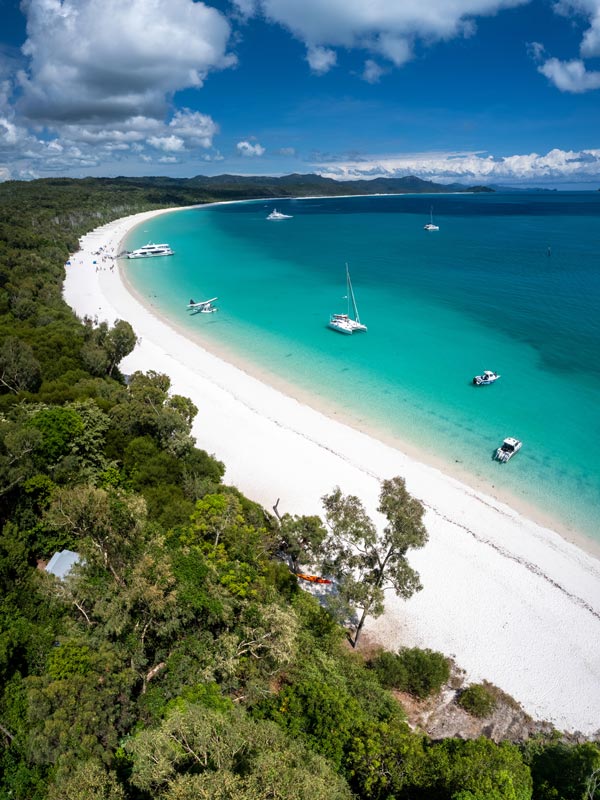
2. Whitehaven Beach, QLD
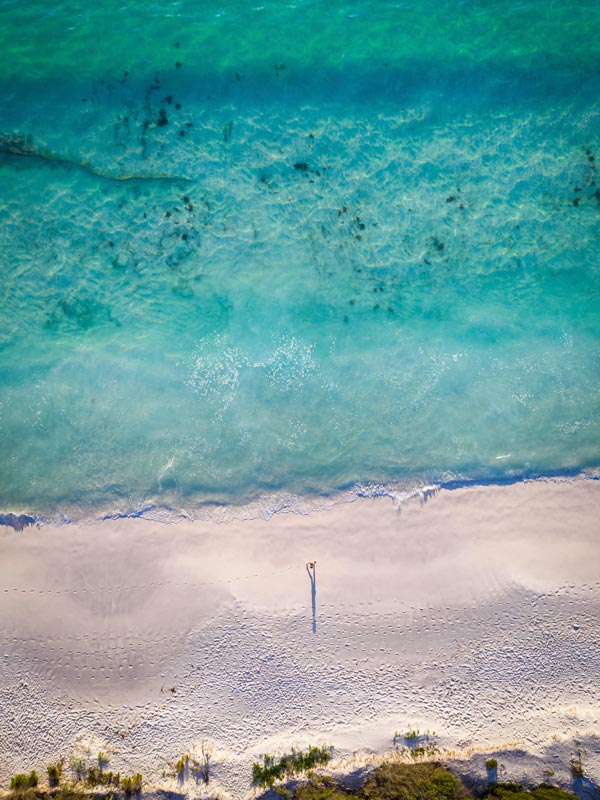
The Whitsundays is not an area shy of impressive littoral landscapes, but Whitehaven Beach is arguably the jewel in the region’s crown. A dreamy seven-kilometre long slice of coastline, marbled with chalky sandbars and neon turquoise waters, it’s understandably busy year-round. Visit between June and November, however, and you can avoid peak stinger season as well as the sticky heat and frequent showers that occur in summer in Tropical North Queensland. Not only that, but the average water temperature in winter is still a highly agreeable 22.4°C.
3. Cable Beach, Broome, WA
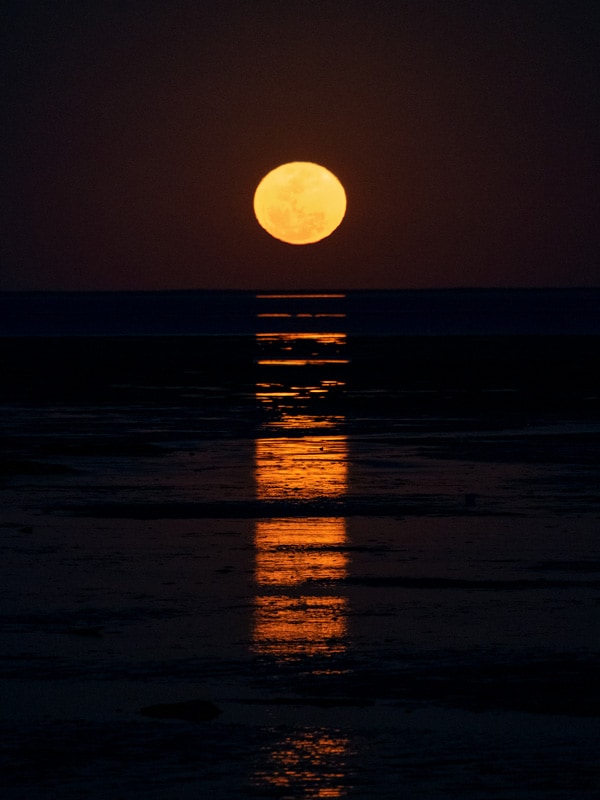
Winter, but not as Southern Australians know it: Broome averages highs of around 29°C in June, July and August, making it the perfect spot for a winter sun getaway. And visiting between May and October also means you’ll avoid the jellies and the tropical downpours.
Time your visit right, and you can even witness the natural phenomenon ‘Staircase to the Moon’, which occurs between March and October when a full moon rises over the exposed tidal flats of Roebuck Bay.
4. Almonta Beach, SA
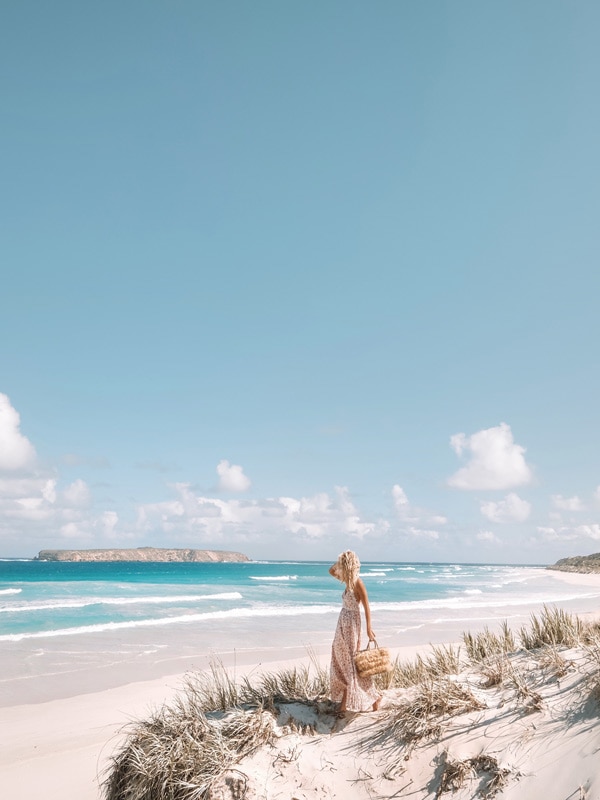
South Australia’s Almonta Beach, located within the Coffin Bay National Park, is as pristine as they come. Despite being accessible by 2WD, and just a short walk through sand dunes, you’ll often find this coastal paradise nigh on deserted; that is, save for the pods of dolphins that routinely patrol the waters and the mobs of kangaroos that bound along the beach’s perimeter.
Moreover, you’re only a short drive from another of the state’s most famed crescents of sand: Coffin Bay. The trump card here, however, is not the sea’s hue, or the softness of the sand, but rather the world-class oyster farms. And come winter, you can enjoy Pacific and Angasi oysters plucked and shucked fresh from the water you’re standing in when they’re at their absolute prime (anywhere from April to early December).
Need tips, more detail or itinerary ideas tailored to you? Ask AT.
AI Prompt
Visit the snow-capped mountains
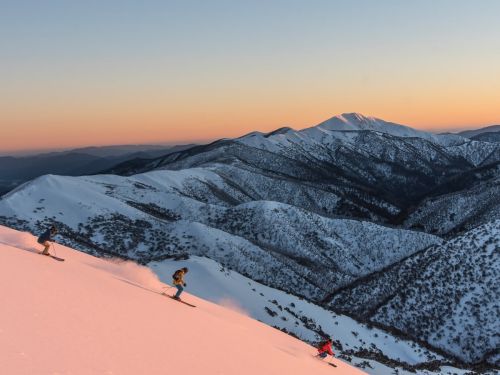
Australia’s snow-capped mountains mightn’t be as well-known as those that grace neighbouring NZ, but that’s not to say there isn’t plenty of dramatic winter beauty to be found right here under our noses. There’s a surprising amount of choice too: pick from 16 ski resorts across New South Wales, Victoria, and Tassie, each with its own unique features.
5. Thredbo, NSW
Home to Australia’s longest ski runs, highest restaurant and highest ‘lifted’ point (where you can even ring a community bell to mark your arrival) Thredbo has some superlative features. The NSW town is also among the country’s most bustling and picturesque, taking its cues from Europe’s mountain resorts, with plenty of apres options on offer.
Yet families will find Thredbo equally accommodating: watch on as your little ones learn to snowplough at the local ski school, demolish a deluxe house hot chocolate on the sun-licked deck at Merritts Mountain House, splash around in the resort’s leisure centre pool, and watch on as fireworks dance across the sky during the weekly winter display.
6. Perisher, NSW
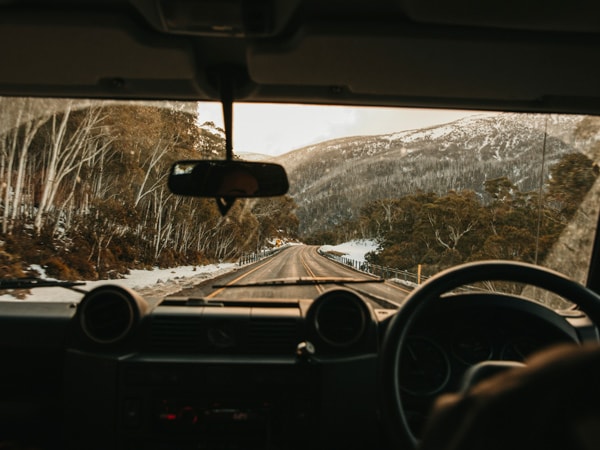
A behemoth, Perisher is not just the largest ski resort in Australia, but the biggest in the entire Southern Hemisphere. There are more than 1,245 skiable hectares to tackle here, (which, by the way, is more than double the area offered by its closest competitor, Thredbo) with a web of 110 trails spinning down from the top of the eponymous mountain. And if, miraculously, it feels as though you’ve exhausted every last run then take to the toboggan park, or go snow tubing instead.
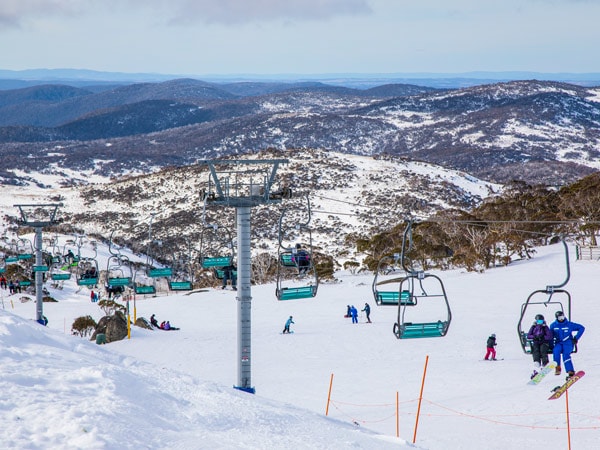
7. Falls Creek, Vic
Two aspects set Falls Creek apart from the rest of the competition: its sizable cross-country terrain (more than 64 kilometres of groomed cross-country trails) and its ski village, which is pedestrian-only, meaning that all the accommodation, dining, day spas and on-piste activities are ski-in/ski-out. As dusk falls and lights flicker on, wander around the snowy streets, and duck into one of the cosy bars for a cocktail; come sunrise, be the first to hit the untouched off-piste cross-country trails in the Alpine National Park, and lap up the tranquillity as the first golden light peeps over the mountaintop.
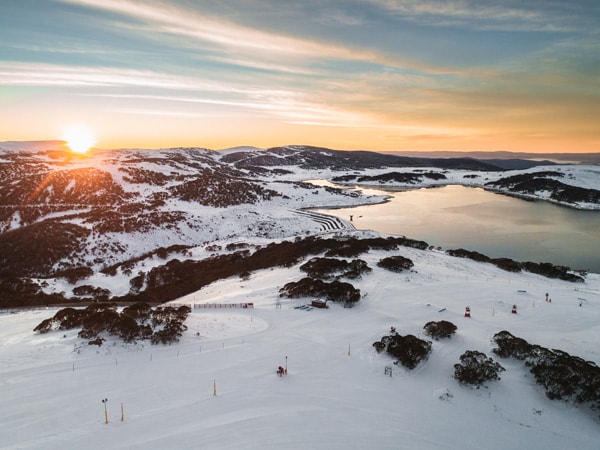
8. Mount Hotham, Vic
Laughing in the face of tradition, Mount Hotham village lies at the top of the mountain, promising visitors panoramic views of a landscape blanketed in snow. And many of the local accommodation offerings have capitalised on this feature, offering their guests bedrooms and living spaces with floor-to-ceiling windows: perfect for watching the sun sink over the crumpled mountains before you, a glass or red in hand, and a log fire crackling in the background.
Weekly travel news, experiences
insider tips, offers, and more.
Explore the National Parks
Encompassing some of the country’s most iconic sights, and showcasing the diversity that this continent has to offer, Australia’s national parks are a failsafe for rewarding holidays in nature. And while many are year-round destinations, a select few come into their prime when cooler climes fall.
9. Uluru-Kata Tjuta National Park, NT
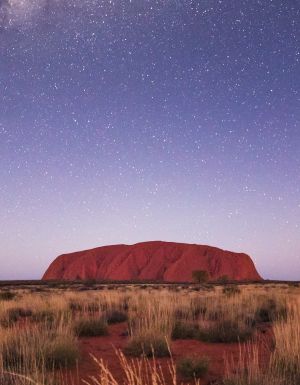
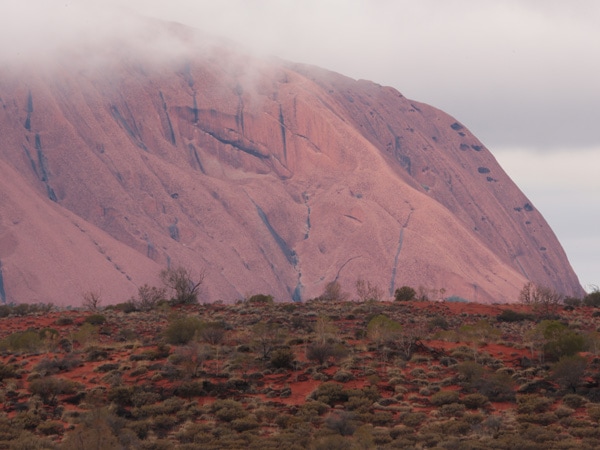
Uluṟu-Kata Tjuṯa National Park is a wonder to behold at any time of year. But winter and spring promise tolerable heat (between 20°C and 30°C) and minimal flies, making it easily the best time to visit. Journey here in the early morning and enter an otherworldly landscape, where mists (kulyar-kulyarpa) may have descended, and morning frosts (nyinnga) have taken hold of the hardy local flora. The Anangu people know the season from late May to July as ‘Wari’.
10. Kakadu National Park, NT
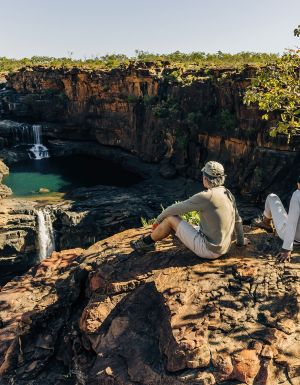
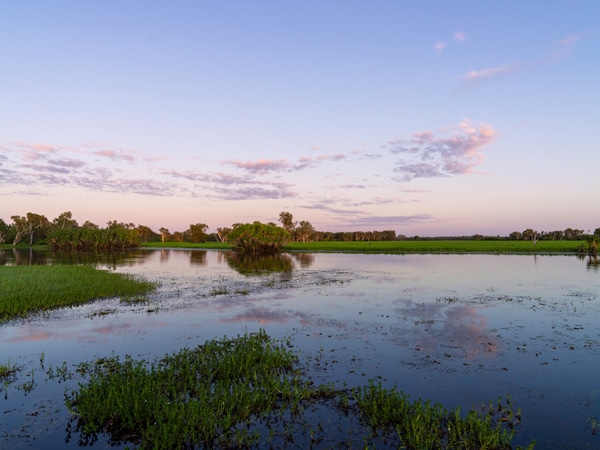
The largest national park in Australia, Kakadu covers almost 20,000 square kilometres, making it larger in size than Fiji. It’s said to house the greatest variety of ecosystems on the continent, featuring savanna woodlands, open forest, floodplains, mangroves, tidal mudflats and coastal areas. But many of the park’s most enticing attractions, such as hikes to billabongs and towering waterfalls, guided walks through Kakadu’s Aboriginal rock art galleries, and cooling dips in the park’s croc-free swimming holes, are only accessible in the dry (between May and October).
11. Dirk Hartog Island National Park, WA
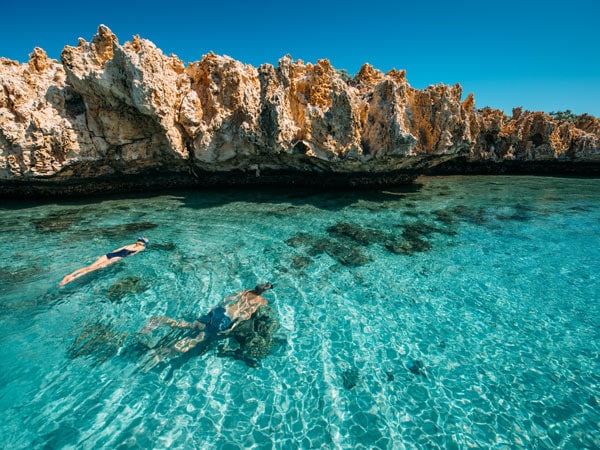
Accessible via a barge that operates solely between March and November, Dirk Hartog is a remote destination awash with dramatic natural beauty that’s an adventurer’s paradise. Think lofty limestone cliffs smashed by untamed ocean swells; crystalline waters teeming with bottlenose dolphins, humpback whales, manta rays, dugongs and turtles; and an arid scrub interior scattered with sand dunes and vivid pink salt lakes.
12. Cradle Mountain-Lake St Clair National Park, Tas
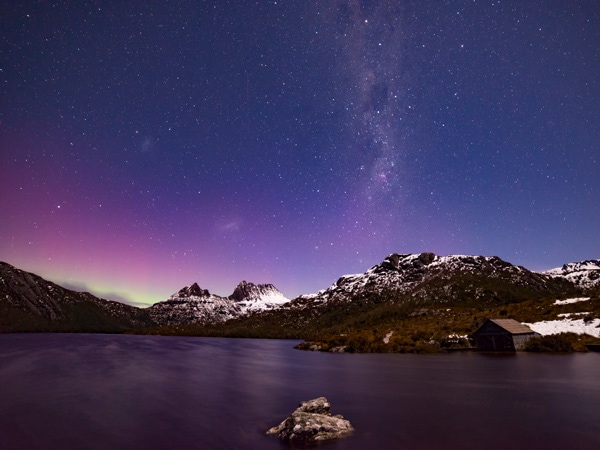
Winter in Tassie? The prospect may alarm some, but the Apple Isle possesses a surprisingly hearty share of wintry attractions. Beyond the obvious (Dark Mofo, Willie Smith’s Mid-Winter Fest, Tasmanian Whisky Week) the island state also offers the chance to spy Aurora Australis (the Southern Lights) fleeting through the steely night skies, and to wander through snow-dusted scenery. And Cradle Mountain-Lake St Clair National Park offers an opportunity to do both, as well as dabble in snowshoeing or even tackle the Overland Track. You’ll encounter quiet trails, frozen lakes and mossy forests anointed with frost.
Want to see more stories from Australian Traveller in your Google search results?
- Click here to set Australian Traveller as a preferred source.
- Tick the box next to "Australian Traveller". That's it.