hero media

6 years after Black Summer, this popular Blue Mountains lookout is back

Credit: Destination NSW

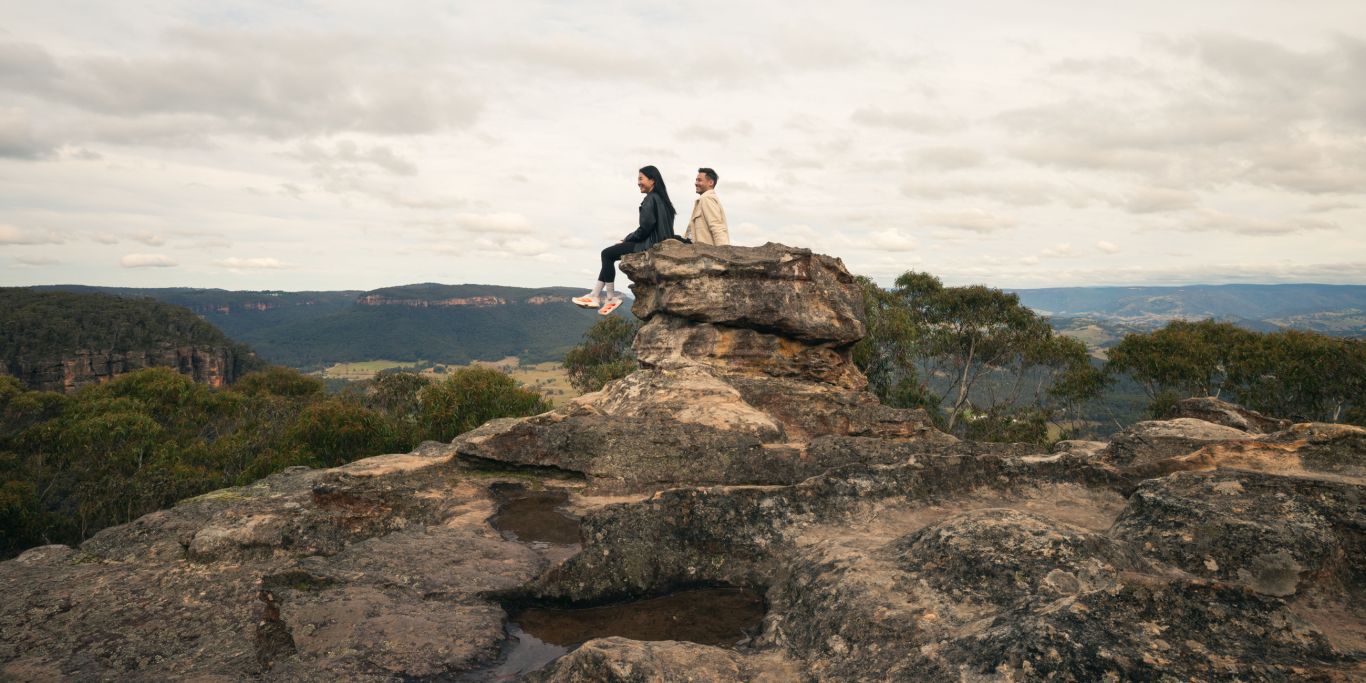
Fire took everything at Pulpit Rock near Blackheath. Now, it has reopened, rebuilt in stone.

Pulpit Rock was off limits for nearly seven years after the Black Summer fires destroyed every piece of visitor infrastructure on the site. Now, the Blue Mountains lookout, sitting on a narrow blade of rock high above the Grose Valley, has reopened. It had been closed for public safety since the 2019–2020 summer.

The Gospers Mountain fire burned for 79 days that season. In December 2019, it swept through the Grose Valley and climbed the cliffs to the reserve. By Blue Mountains City Council’s count, the fire took 250 metres of safety fencing, 400 timber steps, the signs, the seating, the picnic shelter and the toilet.

What’s changed at Pulpit Rock
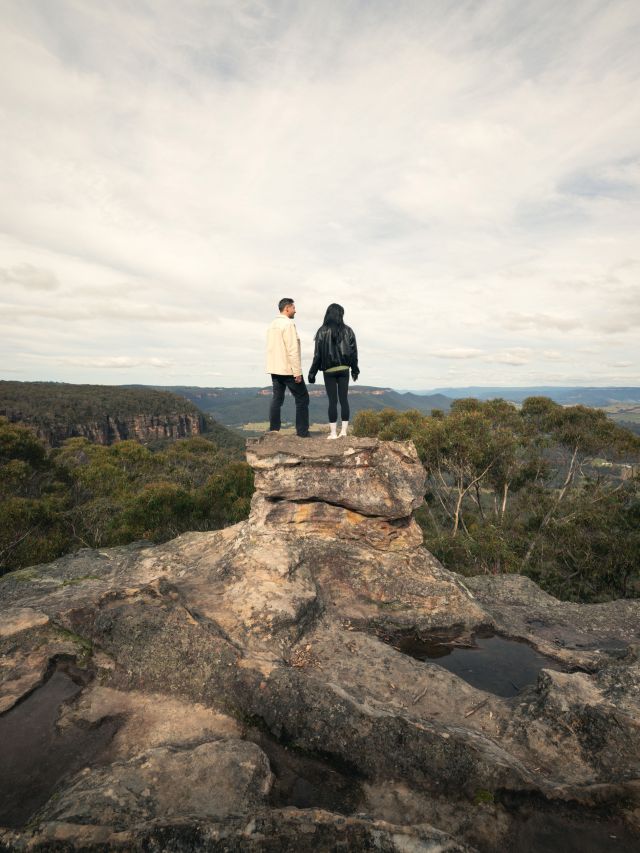
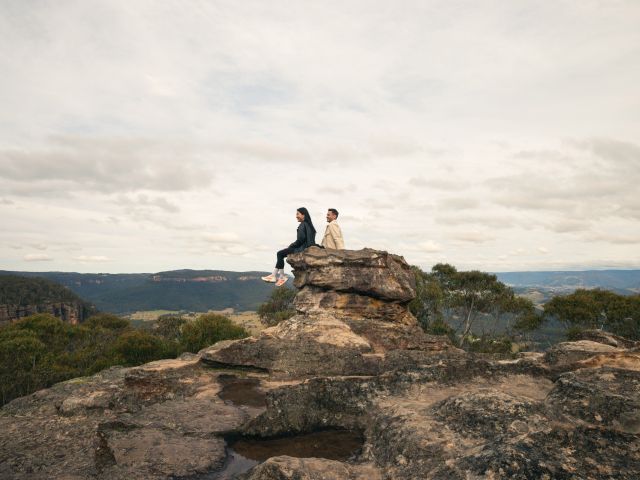
Couple enjoying the views from Pulpit Rock
The lookout is now more accessible. (Credit: Destination NSW)

The council delivered the restoration in stages as funding came through. The federal Black Summer Bushfire Recovery Grants Program contributed $957,985. The NSW government contributed $3.7 million, although Member for Blue Mountains Trish Doyle says that figure also covered other Upper Blue Mountains landmarks.

The biggest change is who can now get there. A new accessible day-use area has its own lookout, along with an accessible toilet, parking, shelters and picnic facilities. The council says the design has older visitors and people with mobility impairments in mind.

“The Australian Government is proud to support the restoration of this iconic destination, helping locals and visitors reconnect with the natural beauty of the Grose Valley while improving accessibility and resilience for the future," Federal Minister for Emergency Management Kristy McBain said.

Further out along the rock, three lookouts have been upgraded. Each has new Australian Standard-compliant safety barriers, new furniture and signage, and better walking track connections. A fourth lookout, the lowest, is gone for good because geotechnical investigations found it couldn’t be safely reinstated.

From the platforms that remain, the view is the one that made Pulpit Rock a favourite. It is an almost 360-degree sweep across the Grose Valley to Govetts Leap and the Blue Gum Forest, with cliff lines stretching out to Mt Banks.

Need tips, more detail or itinerary ideas tailored to you? Ask AT.

AI Prompt

Why the timber became sandstone

The timber infrastructure at Pulpit Rock had been replaced several times over recent decades because of bushfire damage. Black Summer was just the latest round of a cycle.

This time, the old timber has been rebuilt in sandstone to make it more resilient to future fires. The test comes soon, because the reserve reopens as the bushfire season approaches, and the Bureau of Meteorology forecasts this El Niño could be one of the strongest on record.

Couple enjoying the views from Pulpit Rock
Pulpit Rock has been rebuilt in sandstone. (Credit: Destination NSW)

Here’s the catch. Blue Mountains City Council has installed paid parking at the lookout: $12 an hour, or $38 for a day pass. The day pass is the better deal for half-day and full-day visitors, but it only pulls ahead once you stay past three hours.

Blue Mountains Mayor Mark Greenhill says that local ratepayers are funding visitor infrastructure for a region he says is approaching six million visitors a year. In his view, visitors who don’t want to contribute are welcome to stay away.

Before you go

Pulpit Rock Reserve is reached from Blackheath via Hat Hill Road, and the council has upgraded Pulpit Rock Road as part of the works. NSW National Parks and Wildlife Service (NPWS) has previously warned that the unsealed approach can turn boggy after rain, so check conditions if it’s been wet. Bring water, a hat, sunscreen and binoculars.

The clifftop Pulpit walking track to Govetts Leap lookout starts here. NPWS partially closed the track on 18 September, so check park alerts before planning a walk.

Want to see more stories from Australian Traveller in your Google search results?

  1. Click here to set Australian Traveller as a preferred source.
  2. Tick the box next to "Australian Traveller". That's it.
Emily Murphy
Emily Murphy is Australian Traveller's Email & Social Editor, and in her 4+ years at the company she has been instrumental in shaping its social media and email presence, and crafting compelling narratives that inspire others to explore Australia's vast landscapes. Her previous role was a journalist at Prime Creative Media and before that she was freelancing in publishing, content creation and digital marketing. When she's not creating scroll-stopping travel content, Em is a devoted 'bun mum' and enjoys spending her spare time by the sea, reading, binge-watching a good TV show and exploring Sydney's vibrant dining scene. Next on her Aussie travel wish list? South Australia and The Kimberley.
View profile and articles
hero media

7 Lake Macquarie secrets the locals don’t want you to know

Credit: Beau Pilgrim

An untapped side to this popular holiday spot is hiding in plain sight.

Laidback Lake Macquarie draws in holidaygoers and day trippers with its casual coastal allure and raw beauty. But even though it’s just 90 minutes from Sydney, most visitors have only scratched the surface of what this region has to offer.

Foodie hotspots, quaint towns, tranquil waterways and compelling art are all waiting to be discovered. You just need to know where to find them.

1. Most visitors don’t make it to the western side

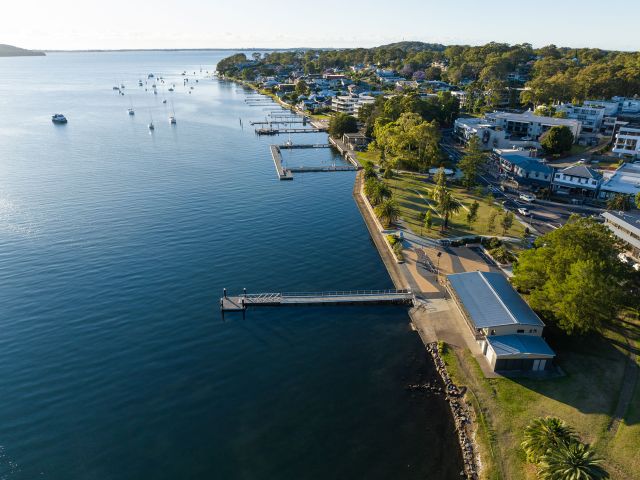
Explore beyond the western side. (Credit: Beau Pilgrim)

While there’s no harm in walking the well-worn path in this idyllic pocket of the world, the area west of Lake Macquarie is defined by stretches of ancient rainforests and quaint towns with a more local feel. Toronto is the largest town on this side and features a golf course and sailing clubs, while peninsula-based Wangi Wangi is fantastic for bushwalking and swimming.

2. There’s a booming arts scene

Museum of Art and Culture, YAPANG
Discover the Museum of Art and Culture, YAPANG.

Lake Macquarie is a must-visit destination for creatives. Discover the Museum of Art and Culture, YAPANG; this modern gallery is set on a five-hectare sculpture park and showcases a free rotating program of exhibitions and events, with a strong focus on contemporary Aboriginal art. In Wangi Wangi, explore the Wangi Owl Trail, which includes Dobell House, the preserved home of prolific artist Sir William Dobell. And enjoy live music every Saturday evening at the recently renovated Toronto Hotel.

3. It’s a nature lover’s paradise

three people swimming in lake macquarie
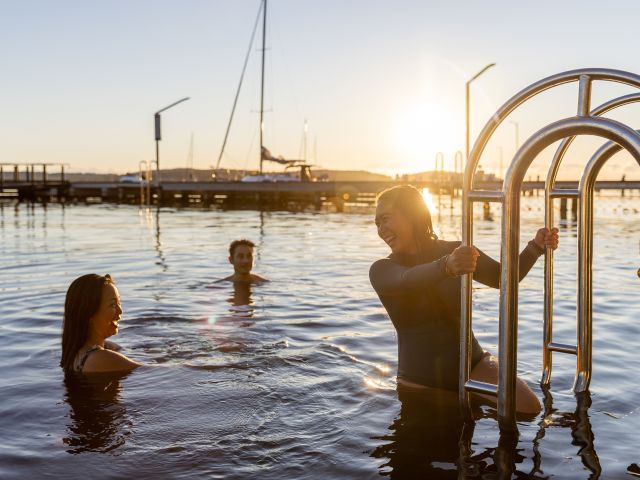
In and out of the water, find a natural paradise. (Credit: Beau Pilgrim)

Lake Macquarie is a playground for nature lovers. It’s home to Australia’s largest saltwater lake, a 110-square-kilometre haven for swimming, fishing, boating and sunset views. Another oasis is the Lake Macquarie State Conservation Area, a 761-hectare protected reserve with wildflowers, Second World War heritage sites and spectacular views to Pulbah Island. The upgraded Toronto baths, complete with jetty decking and netting, make for a sheltered spot for a refreshing dip, while the Awaba Mountain Bike Park gives adrenaline junkies their fix.

4. The dining scene is unbeatable

8 at Trinity lake macquarie
Treat yourself to 8 at Trinity.

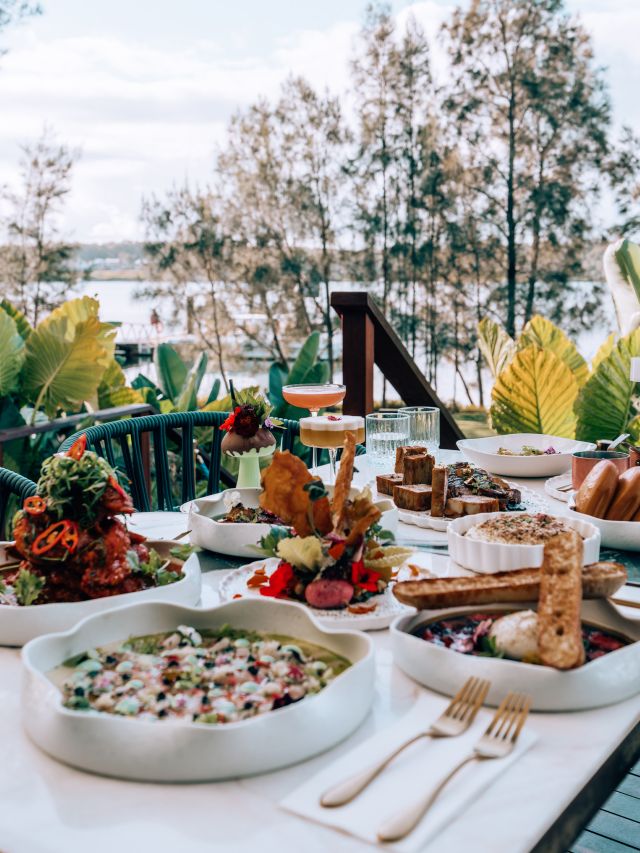
Gourmands are well looked after in Lake Macquarie. At Emerson’s on the Lake in Toronto, the modern Australian fine dining menu spoils seafood lovers with the freshest ocean produce and stunning lake views. Sitting on Trinity Point’s waterfront, 8 at Trinity is another standout offering, serving Mediterranean fare in an open-air setting. For a more relaxed affair, the microbrewery trail lets craft beer enthusiasts sip on inventive brews from The Yard, Lake Mac Brewing and Bread & Brewery.

5. There are hidden coves and waterways

kayakers on lake macquarie local secrets
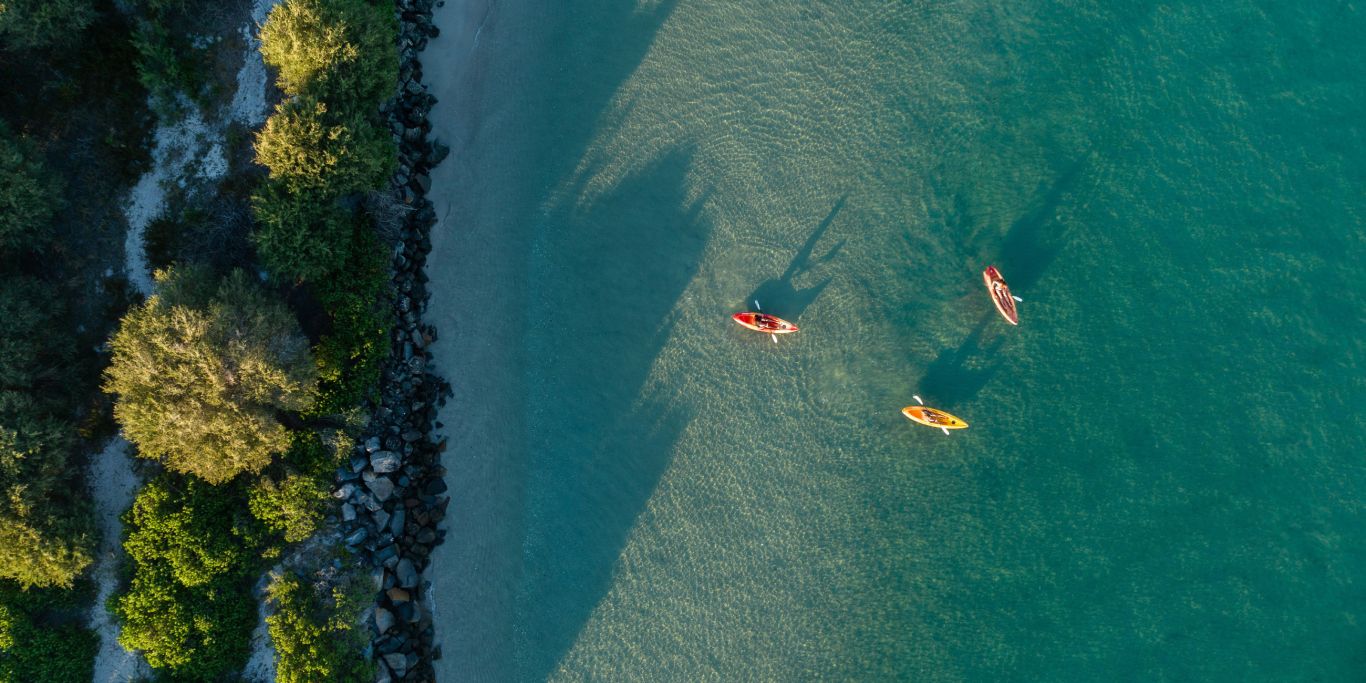
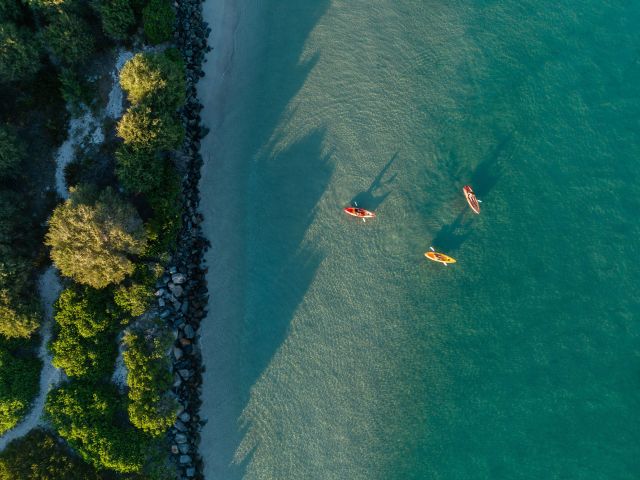
Get out onto the lake. (Credit: Beau Pilgrim)

There’s no better way to experience Lake Macquarie than directly on its waters, and in doing so you’ll discover a world of hidden coves and secluded waterways. Jump in a kayak for a tour with the friendly team at School of Yak and paddle to Cockle Creek, Awaba Bay, Green Point and Fennel Bay, discovering underwater life along the way. Or go all in and stay the night on one of Lake Macquarie Houseboats’ spacious vessels or hire a BBQ pontoon boat for the day from Lake Macquarie Boat Hire to enjoy a feast in the sunshine while admiring the marine life and picturesque waterscape.

6. It’s a birdwatcher’s paradise

ll blue wren sitting on a tree branch
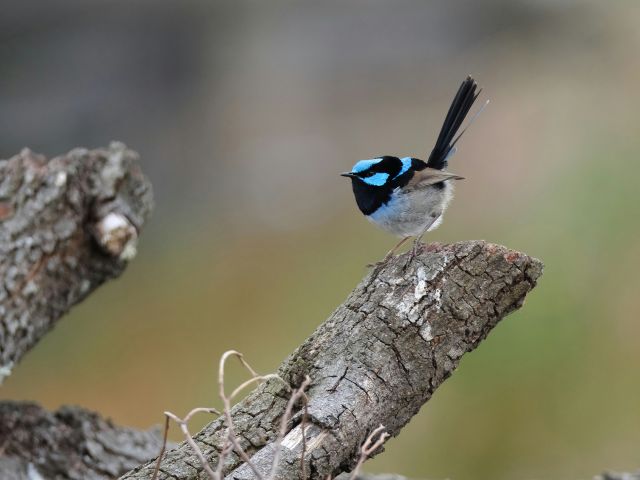
Keep an eye out for local birdlife. (Credit: Walter Coppola)

Twitchers are in for a real treat as hundreds of fascinating bird species such as Australian pelicans, black swans, white-bellied sea-eagles and superb fairy-wrens call this area home. Take a self-guided tour around top spots including Bird Cage Point and Lake Macquarie State Conservation Area (near Morisset) or be guided in a clear-bottom kayak through the waterways with Lake Macquarie Kayak Adventures, observing feathered friends as you go.

7. The lake has islands

sail lake macquarie
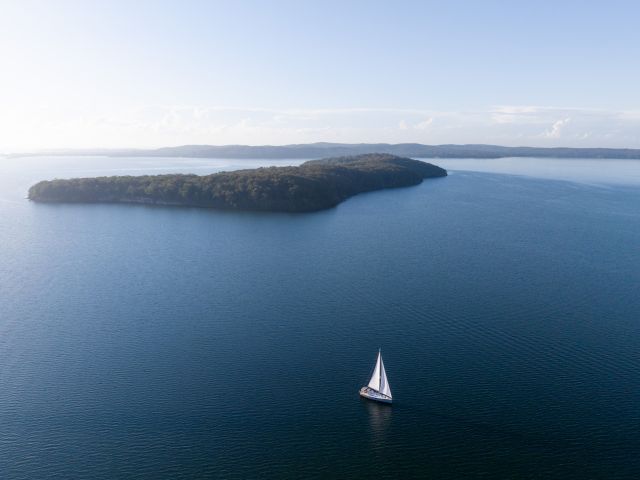
Charter a boat to see Lake Macquarie’s islands.

Hop on a private boat, kayak or charter around the lake to discover the plethora of small islands peppered around Lake Macquarie. The largest is Pulbah Island, a 69-hectare nature reserve home to goannas and sugar gliders with secluded beaches. Sandy islands such as Spectacle Island and Pelican Island have a tropical lagoon-like look to them as they sit in the tidal path of Swansea Channel, which filters the sand and creates a pristine environment. Stop by for a dip and a picnic.

Start living like the locals at visitlakemac.com.au.