There are possibly no two terms that are more emblematic of the Australian outback than heading at the ‘back o’ Bourke’ or going past the Black Stump.
Both of these have become colloquial shorthand for the remoteness and otherworldly allure of the outback experience as a whole and can be found on one majestic roadtrip through the heart of New South Wales.
The Kidman Way cuts a swath through central NSW from Jerilderie in the south to Bourke in the north and hides some rather fascinating offbeat and quintessentially outback towns. Here is our guide to finding the best on one of the state’s best road trips.
The 644-kilometre Kidman Way was named for pastoralist Sir Sidney Kidman, who in 1899 founded S. Kidman & Co, which would eventually become one of the world’s largest pastoral companies with land holdings estimated at anywhere between 220,000 kilometres square and 280,000 kilometres square – roughly the size of the entire United Kingdom, give or take – and long nurtured a vision for opening up the country’s vast inland.
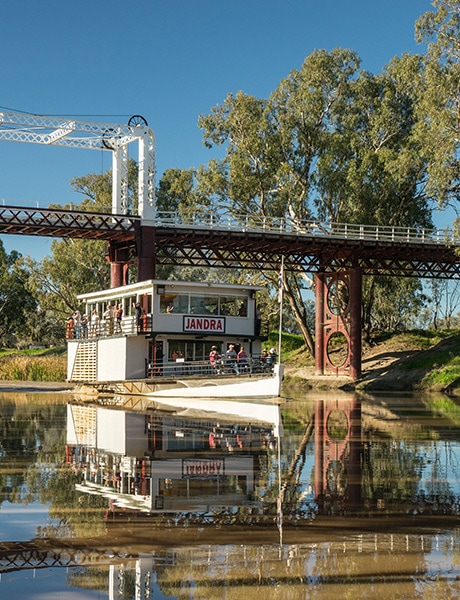
Largely devoid of the ‘enterprise traffic’ of large trucks that clog many of Australia’s bitumen arteries, the Kidman Way is recognised as one of the country’s great outback drives.
Taking in the shires of Murrumbidgee, Griffith, Carrathool, Cobar and Bourke, the journey from one end to the other is best approached at a leisurely pace (plan on it taking at least five days), all the better to allow for ample time to appreciate the fascinating, quirky and largely undiscovered elements along the way.
Murrumbidgee & Surrounds
Quirky fact: Coleambally is the youngest town in New South Wales, having been founded in June 1968, and getting its very own post office on April 1, 1970.
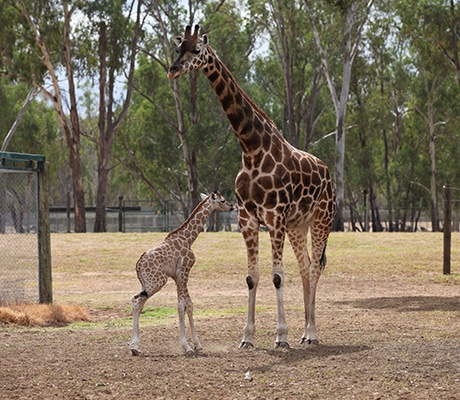
The passion project of the Altin family, Altina Wildlife Park is a Nationally Accredited Exotic and Native Animal Breeding Facility dedicated to bringing endangered animals back from the brink of extinction. Set out across 207 hectares of land on the banks of the Murrumbidgee River, the inhabitants here include everything from African crested porcupine to cheetah to red pandas to African lions, with plans for glamping and an expanded visitors centre well on their way. The personalised (and passionate) tour of the park on a horse-drawn carriage with staff leaves you in more awe of the ambition and work of this underappreciated Aussie gem.
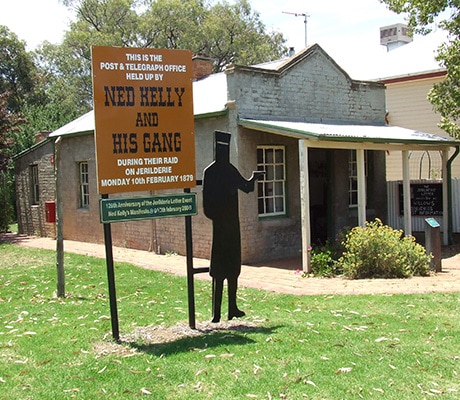
Jerilderie holds the distinction of being the only town in New South Wales raided by Ned Kelly in 1879 when, over a three-day stretch, he robbed the bank of more than £2000, locked the local police in their own cells, and held more than 30 hostages while shouting the bar at the Royal Mail Hotel, among other things. You can walk in Kelly’s shoes by taking the self-guided Ned Kelly Raid Trail around the town, beginning at the Post and Telegraph Office and taking in 16 sites around town.
Need tips, more detail or itinerary ideas tailored to you? Ask AT.
AI Prompt
Griffith & Surrounds
Quirky fact: Griffith’s City Park is home to the tallest climbing frame in the Southern Hemisphere (as well as a double flying fox and water splash park).
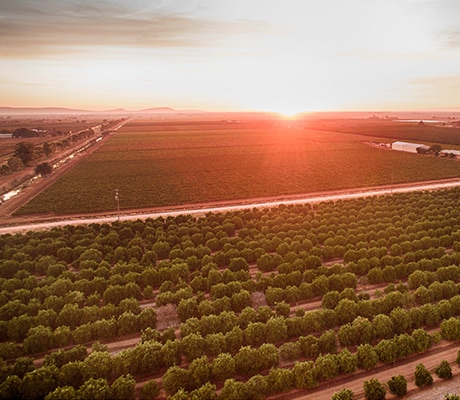
Water is the lifeblood of Griffith. John Oxley, an explorer back in 1817 dismissed the Griffith region as being ‘uninhabitable and useless to civilised man’. The Murrumbidgee Irrigation scheme was established in 1912 following construction of the Burrinjuck Dam, Berembed Weir and 139 kilometres of irrigation canals. This enabled Griffith to become a thriving oasis and the food bowl of Australia.
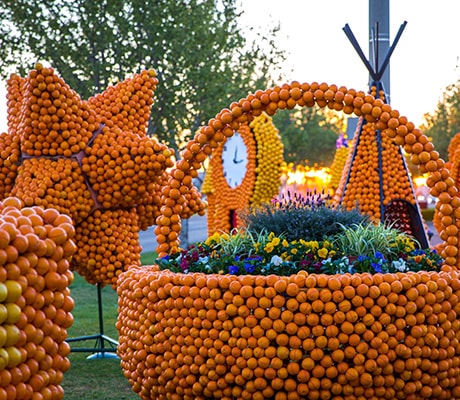
Life in Griffith revolves around food and wine. The town holds many festivals throughout the year showcasing the fruits of their labour. One of the quirkiest displays is the annual citrus sculptures during Spring Fest where more than 100,000 oranges and rubber bands are used to make these amazing works of art.
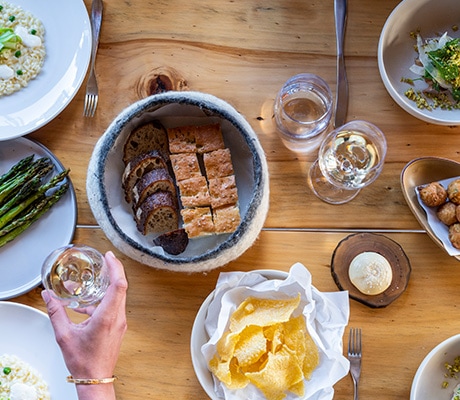
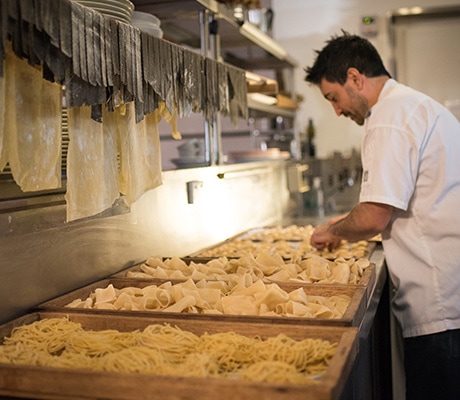
Griffith is one of Australia’s most vibrant cosmopolitan centres. With a population over 26,000, Griffith exudes a rich blend of culture and traditions, today more than 70 nationalities make up its cultural tapestry which includes Italian, Indian, Afghani and Pacific communities. Your tastebuds can travel the world, no passport required all whilst in the main street of Griffith. You can’t leave without enjoying a ‘rocket toppa’ pizza, a bowl of gnocchi and a cannoli. Leaving hungry is never an option.
Carrathool & Surrounds
Quirky fact: The Black Stump Hotel in Merriwagga has the tallest bar in the Southern Hemisphere; in a precursor to the traditional drive through, the bar here was a ride through, said to be built so that local stockmen could ride their horses up to the bar and order a drink without dismounting.
Part outdoor gallery, part junkyard, Wally’s Junk Art Gallery at Rankins Springs, 75 kilometres from Griffith, is the domain of local artist Raymond Lamont, known to all as Wally.
His totally unique sculptures, everything from animals and airplanes to life-sized people, are created using all manner of vintage bits and pieces, from tractor and machinery parts to old railway plates to disused gas bottles and light bulbs. There’s a $6.50 entry fee, but you get a cup of coffee and a chat with Wally for free!
Situated in a valley of the Cocoparra Ranges in Rankins Springs, Selby is a 3000 hectares-plus certified-organic farm owned by Ron and Andrea Finch, located near Rankins Springs.
You can stay the night in The Shack, the renovated shearers’ quarters, arriving to home-baked goodies (courtesy of Andrea) and feasting on a breakfast that includes farm fresh eggs (when the resident hens oblige). Spend your days walking, relaxing and feeding the sheep, and at night gaze at the sky to your heart’s content.
Cobar & Surrounds
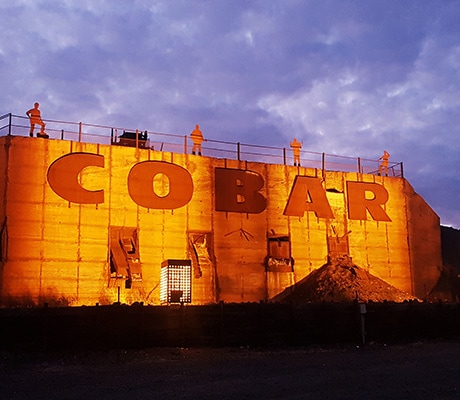
Quirky fact: There are 99 countries in the world that are smaller than Cobar (total land size 45,609 kilometres square) including Switzerland, Denmark and Lebanon. Perhaps fittingly, Cobar also has its very own currency, the Cobar Quid, a minted medallion that can be exchanged for goods and services at participating local businesses to encourage residents to shop local.
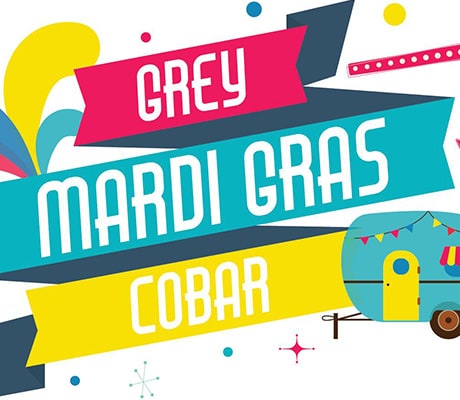
Held in Cobar every April, the Grey Mardi Gras celebrate everything 1950s, ’60s and ’70s, with live music, fashion, food and entertainment. The roster of events includes a buffet dinner dance, picnic concert, markets, Sunday fun day and, of course, a parade. Dressing up is strongly recommended.
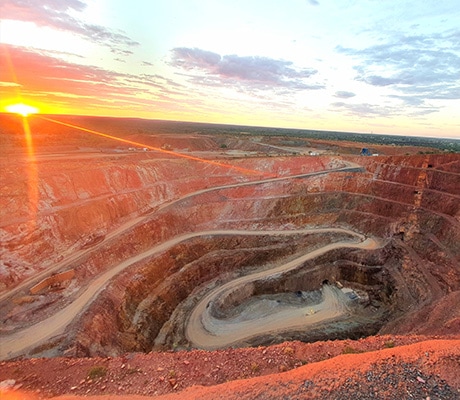
In its heyday, the Great Cobar Copper Mine was processing ore at a staggering rate of 1000 tons per day, employed 2000 people and provided lighting for the whole town via its electric generators. There’s a museum to visit at the now retired site, and you can see the main mine shaft nearby (now fenced off) which plunges down to 430 metres.
Weekly travel news, experiences
insider tips, offers, and more.
Bourke & Surrounds
Quirky fact: It was the Scottish/Australian poet Will Ogilvie, a contemporary of Banjo Paterson and Henry Lawson (and friend of Harry ‘Breaker’ Morant), who coined the now iconic term ‘back o’ Bourke’ in his poem, At the back o’ Bourke.
The grave of the bushranger Midnight, who was shot and killed on 2 October 1878, can be found to the west of the village of Enngonia. Midnight, also known as Thomas/Alexander Law, George Gibson and Henry Wilson, was responsible for the murder of Senior Sergeant Thomas Wallings, a father of eight children, who was shot while attempting to capture the bushranger after his escape from Parramatta Gaol.
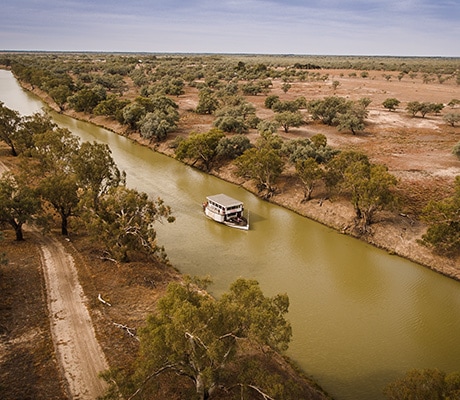
But this wasn’t the first shoot out to take place in Enngonia; on October 6, 1868 the notorious bushranger Captain Starlight (real name Frank Pearson) was involved in a gun fight at the Shearer’s Inn during which he shot Constable John McCabe after the trooper confronted him and fellow bushranger Charles Rutherford.
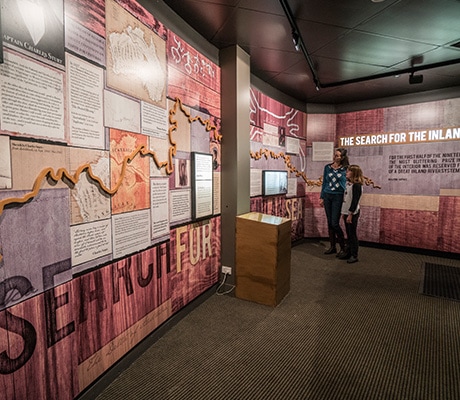
The officer died almost a month later from his injuries, and Pearson was found hiding in cave in December; the details of this story (and many more) are recounted at the interactive Back O’ Bourke Exhibition Centre.
Get out of the car and stretch your legs at Gundabooka National Park. The headliner here is the Mulgowan (Yappa) Aboriginal Art site walking track, with stunning rock paintings by the local Ngemba and Paakandji people depicting animals, dancers, hand stencils and hunting tools.
Having conquered the track, spend a little extra time to check out the nearby Gundabooka Range and Mulareenya Creek, where traditional ceremonies were once held.
It’s not an Aussie drive worth writing about if there isn’t something ‘big’ to wonder at along the way.
Given its reputation as a top quality yabby fishing spot, it was only a matter for time before a giant version of the crustacean cropped up on the landscape, specifically on the Warrego River at Fords Bridge.
Stop for a photo and then grab lunch at the nearby Warrego Hotel, built in 1913 from mud brick, the only pub of its type thought to be still standing.
Want to see more stories from Australian Traveller in your Google search results?
- Click here to set Australian Traveller as a preferred source.
- Tick the box next to "Australian Traveller". That's it.

Australian Traveller
View profile and articles