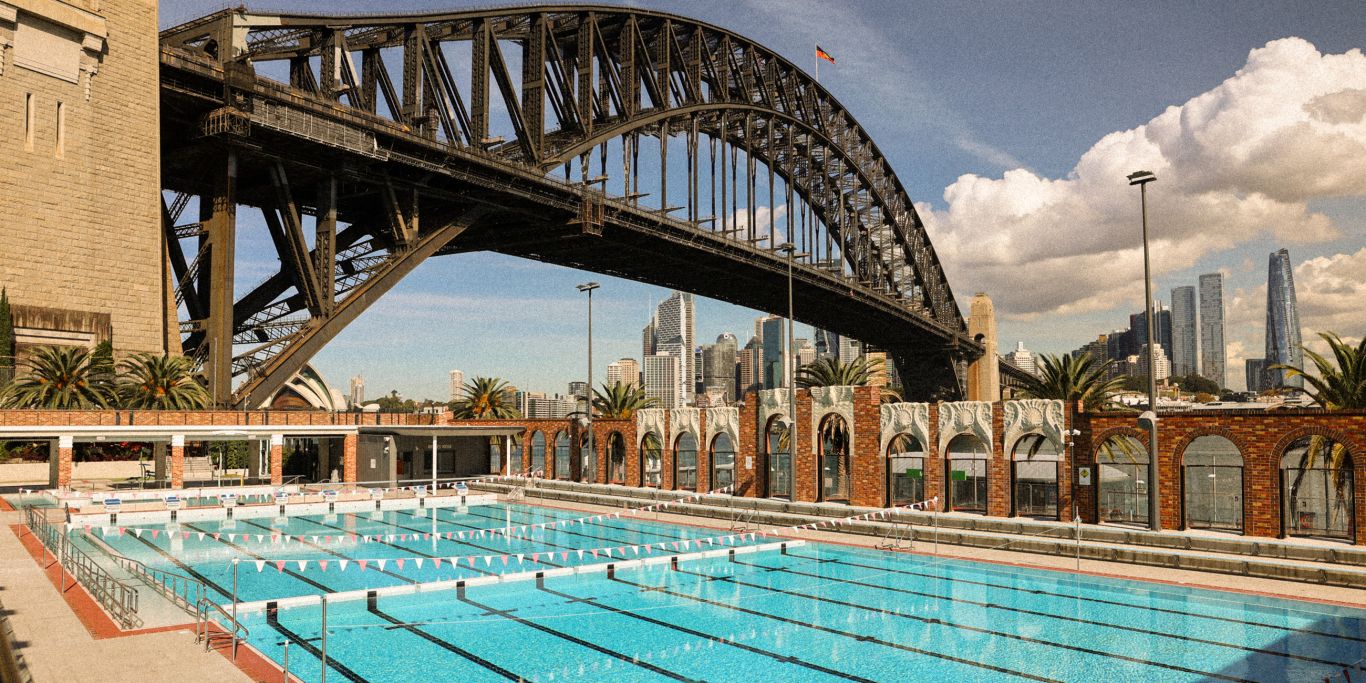
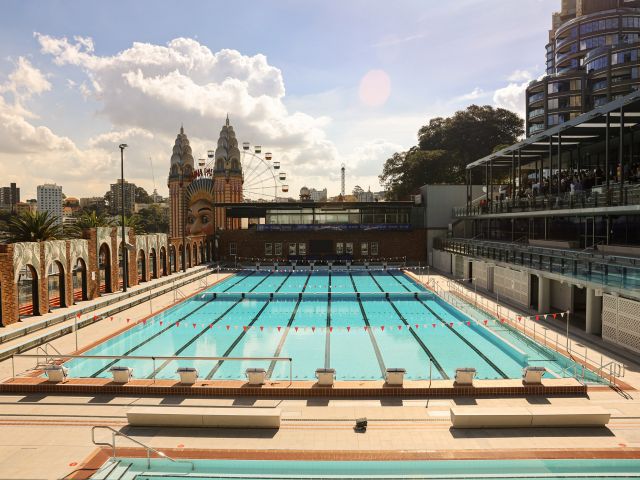
North Sydney Olympic Pool has thrown open its doors, ending the long wait for one of Sydney’s most photographed stretches of water.
The harbour-side North Sydney Olympic Pool, which first opened on 4 April 1936, welcomed swimmers back on 8 August, with extended opening weekend hours. It has now moved to standard hours: 5.30am to 9.30pm on weekdays, 7am to 7pm on weekends, and 8am to 5.30pm on public holidays. Pools close 30 minutes before the facility does.
A pool with a serious record collection
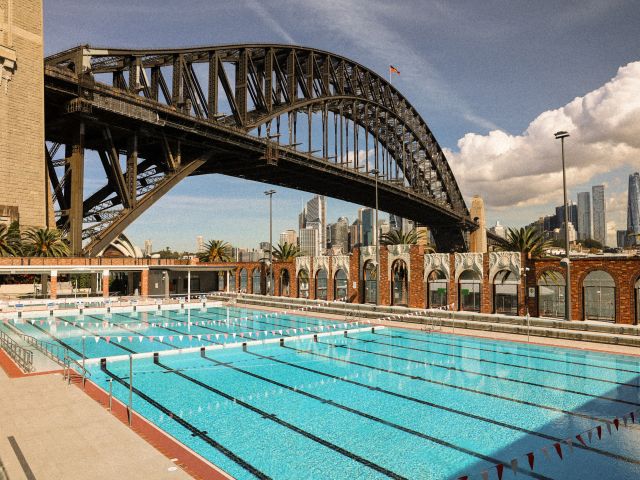
The views are hard to beat.
If the venue feels like hallowed ground, that’s because it is. 86 world records have been broken in the Olympic Pool, including Shane Gould’s famous 100-metre freestyle swim in January 1972, which toppled Dawn Fraser’s long-standing world record. Fraser herself swam here, as did Murray Rose, Frank O’Neill, Michelle Ford, Jon and Isla Konrads and Lorraine Crapp. The site hosted the fourth British Empire Games – now the Commonwealth Games – in February 1938.
It remains the only surviving example in Australia of a harbour-side Olympic pool built in the neo-classical style of the 1930s, and is heritage listed.
What’s new
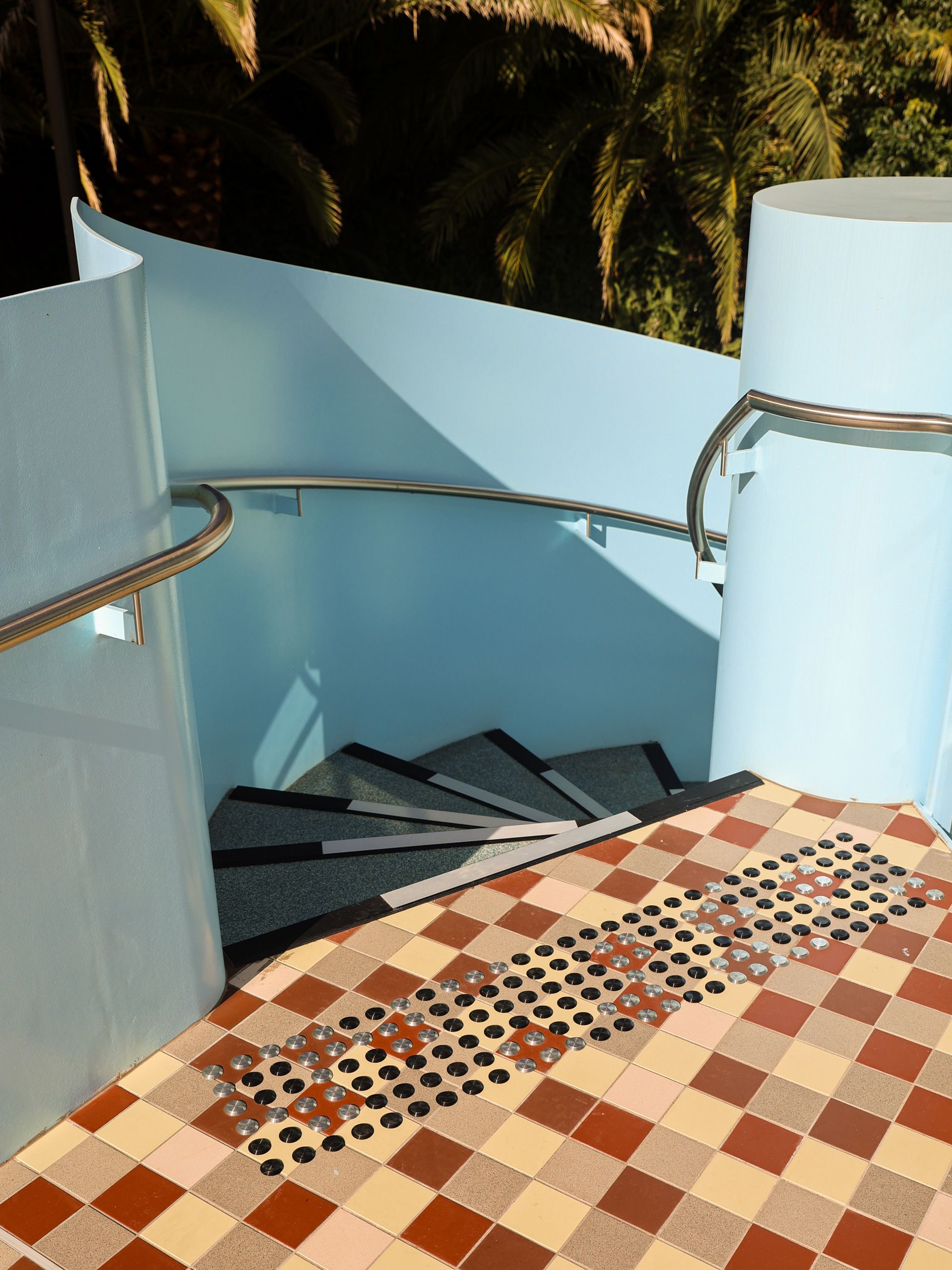
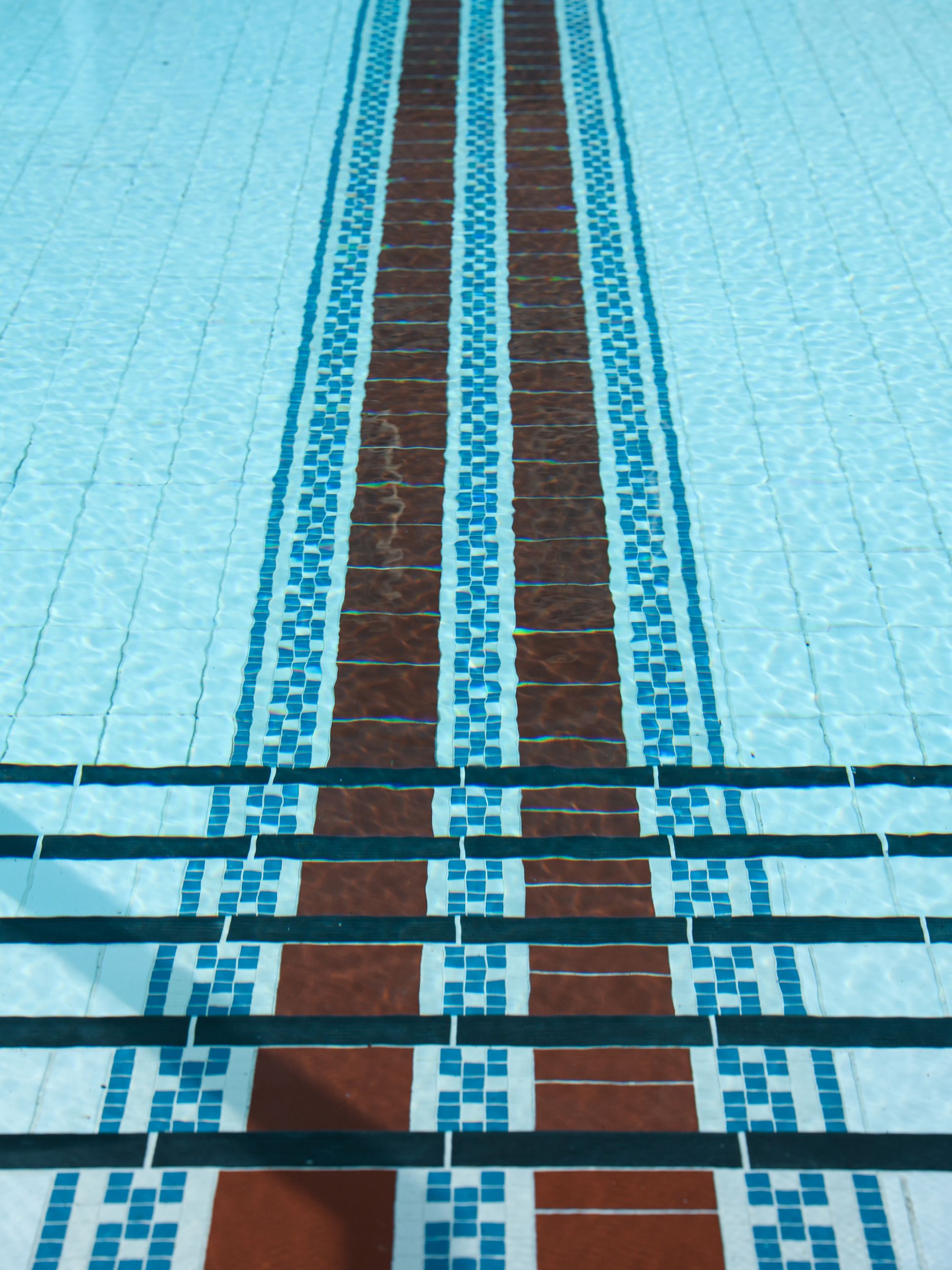
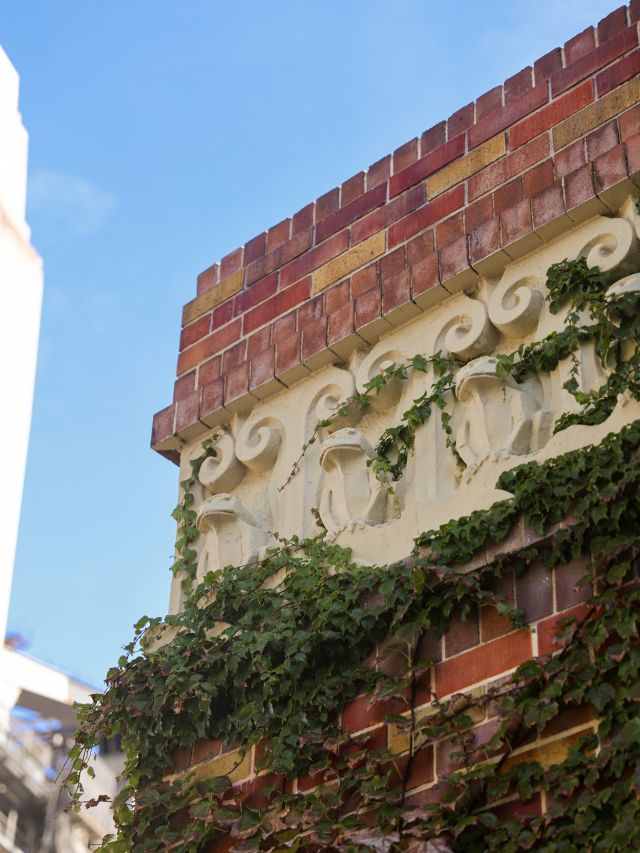
Focus on all the little details.
86 world records have been broken here.
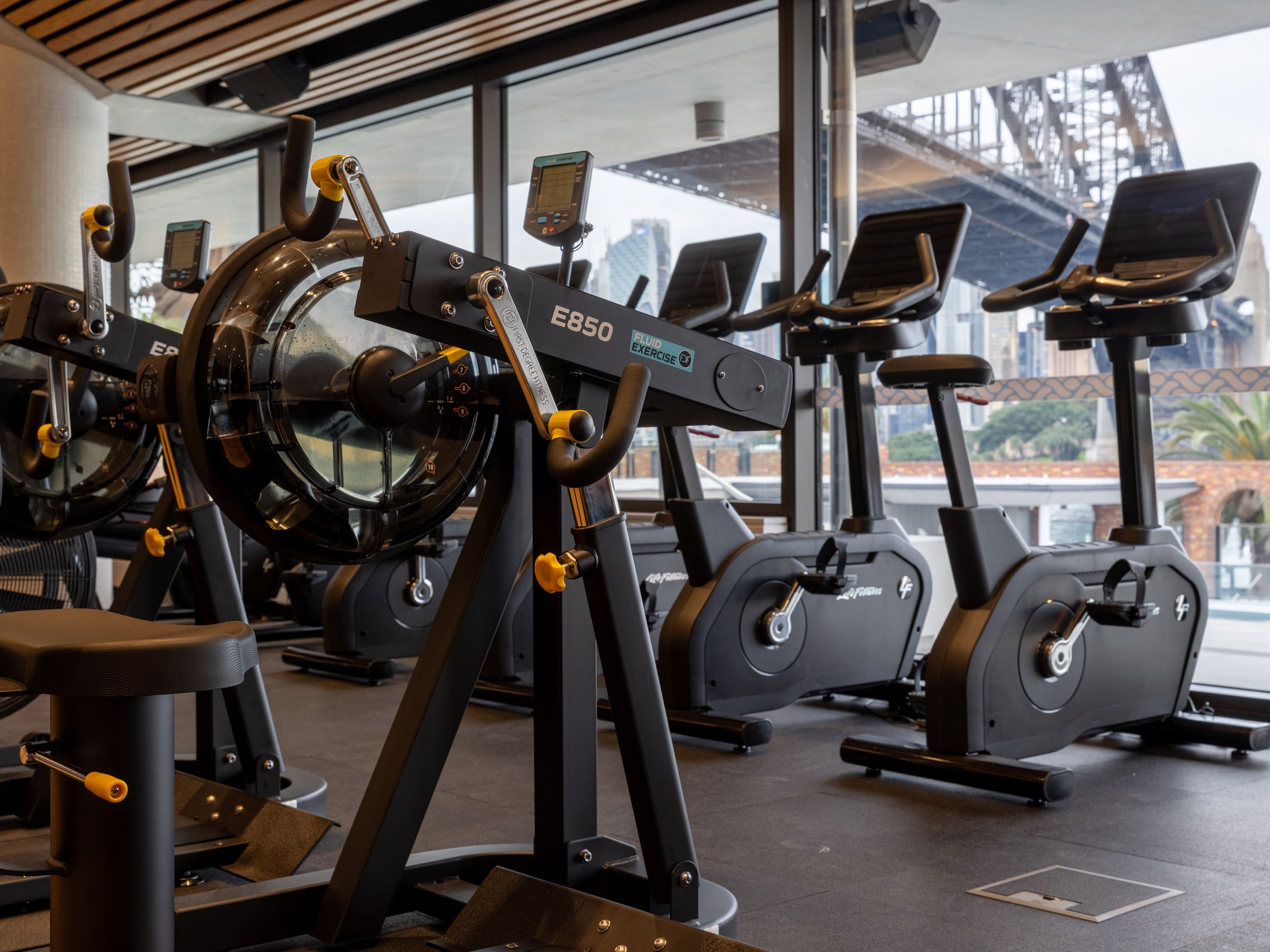
The gym covers about 500 square metres.
Quite a lot. The refurbished outdoor 50-metre program pool now has a boom that splits it into halves or quarters, so carnivals, squads, lap swimmers and birthday parties can all run at once. Indoors there are two more pools – a 25-metre lap pool and a program pool – plus a spa, sauna and steam room.
Families get a children’s outdoor splash pad and a creche with indoor and outdoor play spaces, catering for children from eight weeks to six years at $7 per hour.
The gym has moved to Level 2, covering roughly 500 square metres with floor-to-ceiling views of the harbour, bridge and CBD. It’s kitted out with 42 cardio machines, 21 pin-loaded resistance machines and 92 pieces of free-weight equipment. The old Lane 9 gym space has been converted into a group fitness studio, and a new Reformer Pilates studio on Level 1 houses 12 beds.
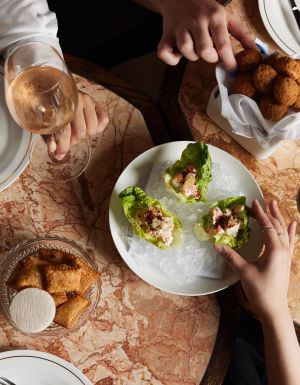
Then there’s the cafe serving Campos coffee, a gelato bar on Level 2, and an upgraded sun deck with astro turf and new sun lounges.
A temporary animated artwork, Whale Dreaming by Saltwater Elder Uncle Bryce Moran, is on display against the downstairs living sandstone wall. Described as a Dreamtime story of the Cammeraygal Nation told through the whale’s journey to the Headland and north for mating season, the painting was animated by First Nations creative consultation company Dark Lightning, with cultural consultation from Auntie Jeanie Moran. A permanent commissioned work is expected to be announced in early September, with installation late this year.
Need tips, more detail or itinerary ideas tailored to you? Ask AT.
AI Prompt
The old bones are still there
The North Sydney Olympic Pool still has its heritage charm.
Four heritage walls and structures remain, including the Eastern Stair Tower and the Southern Heritage Wall with its restored neoclassical stucco motifs. Original 1930s bricks were salvaged and reused where possible, with replacements hand-painted to match. Look out for the brass frogs scattered through the facility – a nod to the original frog motifs on the heritage walls – and the children’s pool sign, recreated as an exact replica from a plaster cast of the original.
Details
North Sydney Olympic Pool first opened in 1936.
Casual entry is $11 for adults, $8.80 for children and $8.25 for concession.
Weekly memberships start at $37 for a Legends adult membership, with Legends Plus at $65 including unlimited Reformer Pilates and hybrid run club.
Learn to Swim lessons start at $24 and squads from $42.50.
Cafe-only visitors can wander in free of charge, provided they’re not dressed for swimming or carrying a swim bag.
Want to see more stories from Australian Traveller in your Google search results?
Tick the box next to "Australian Traveller". That's it.
Emily Murphy is Australian Traveller's Email & Social Editor, and in her 4+ years at the company she has been instrumental in shaping its social media and email presence, and crafting compelling narratives that inspire others to explore Australia's vast landscapes. Her previous role was a journalist at Prime Creative Media and before that she was freelancing in publishing, content creation and digital marketing. When she's not creating scroll-stopping travel content, Em is a devoted 'bun mum' and enjoys spending her spare time by the sea, reading, binge-watching a good TV show and exploring Sydney's vibrant dining scene. Next on her Aussie travel wish list? South Australia and The Kimberley.
The Southern Highlands earns its title as Australia’s top country town in the cooler months, and it’s worth every minute of the 90-minute drive from Sydney.
Many Sydneysiders head to the Southern Highlands in spring for the tulips. It’s one of the most stunning spring carnivals in Australia. But the ones in the know come to Bowral in winter.
The first thing you notice at this time of year is the quality of the light. It catches the tangled limbs of the gums and tints the fields, farms and forests a pretty shade of Granny Smith green. And then, a world-class art museum, an impressive network of walking trails, great shops, cosy restaurants and bars and luxury accommodation take centre stage, making Bowral a place you want to linger as the mercury drops.
Just 90 minutes south of Sydney, a Bowral winter getaway is the coolcation city folk desperately need. Here are eight reasons to pack a good coat and head for the Southern Highlands.
1. Check in
Check in to the gorgeous Ardour Milton Park Bowral. (Credit: Destination NSW)
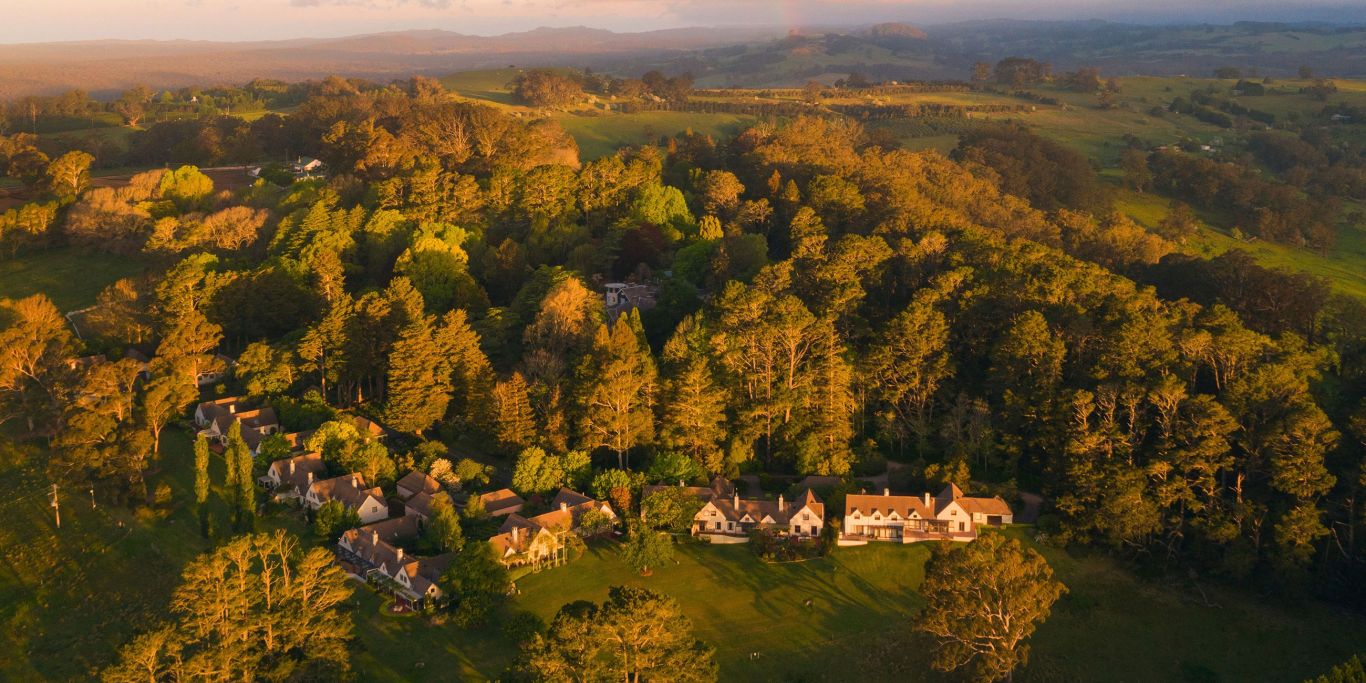
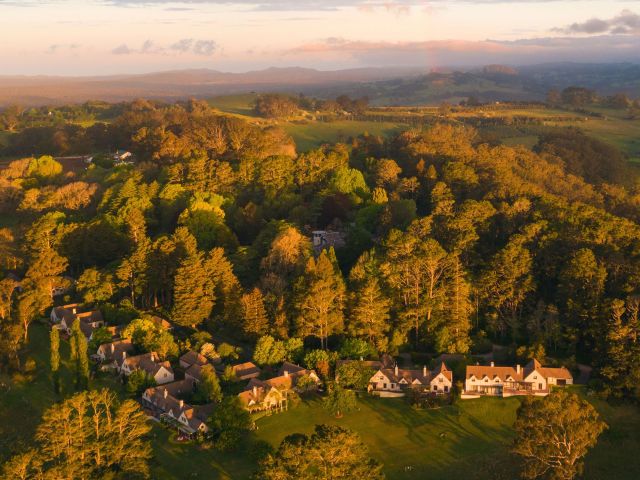
Ardour Milton Park Bowral rises like a hologram in the hazy green light as you turn onto Horderns Road. A $10 million refurbishment of the grand 1910 estate was completed in early 2026, and the beautifully restored hotel now includes 44 guest rooms washed in sage green, cobalt blue and dusty blush. The dining room at Horderns Restaurant continues with a botanical theme – earthy banquettes, floral touches throughout – and a menu that moves with the seasons.
After enjoying slow-braised Cowra lamb and a second glass of red, move to the Polo Bar, which has a fireplace and views across the estate gardens. Build a grazing board from the dedicated Charcuterie Room and take it outside while the light lasts. If the sky clouds over, use this as your cue to enjoy a next-level spa experience at Èliva.
2. Hunt for treasure
Find vintage treasures in Dirty Janes. (Credit: Destination NSW)
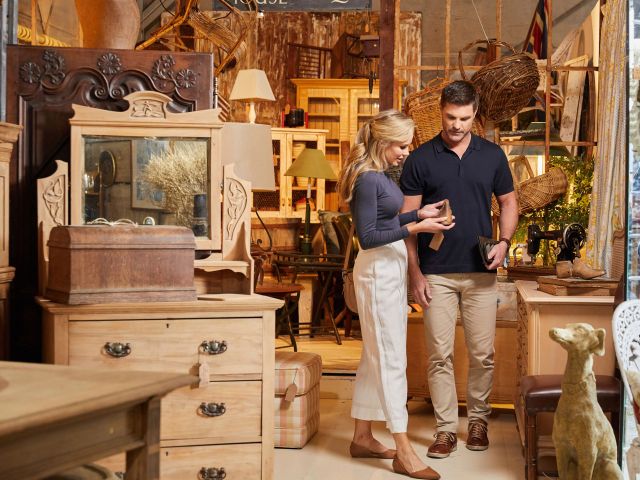
Winter is the perfect season to lose an afternoon inside Dirty Janes Bowral. Over 1600 square metres of covered space houses 90 individual sellers of everything from mid-century furniture to industrial lighting, antique silverware, vintage clothing and objects whose previous lives you can only imagine. Enjoy a bit of off-the-cuff banter with your fellow fossickers in between searching for that must-have military jacket or vintage silk scarf.
Around the corner, find the Instagram-famous front door of FoundAntiques, though the real finds are deeper inside. Bring cash, wear comfortable shoes and leave some room in the boot.
3. Slow down in a beautiful gallery
Learn about an Aussie legend at The Bradman Museum. (Credit: Destination NSW)
Ngununggula – meaning ’belonging’ in the language of the Gundungurra First Nations people – is the region’s first dedicated regional gallery, housed inside the sustainably transformed old dairy building at historic Retford Park. The onsite White Cottage Gallery and restored grounds of the former Fairfax estate reward a slow wander. Find a spot to sit in the courtyard filled with rivulets of winter light and enjoy the plaintive call of a currawong carrying across the heritage-listed grounds. It’s one of the best things to do in Bowral.
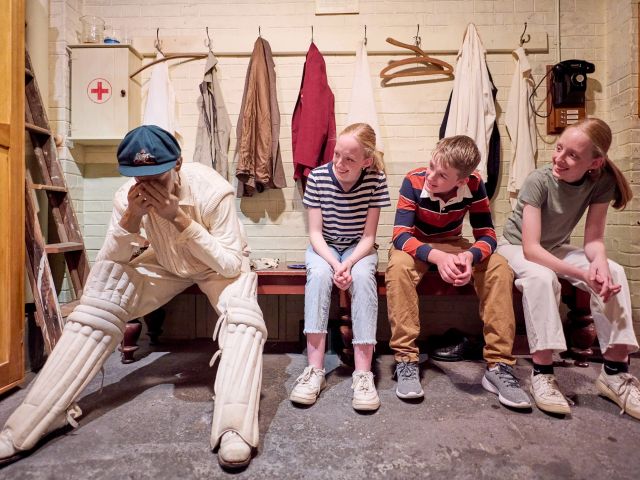
Add Bowral Honey Farm for a hands-on harvest experience, then continue into town to the Milk Factory Gallery to admire eclectic works by local artists in a converted industrial space. The Bradman Museum also knocks it out of the park. Australia’s largest dedicated cricket museum sits beside the heritage-listed Bradman Oval, where a young Sir Donald Bradman first picked up a bat.
4. A taste of France
Enjoy a taste of France at Lucette.
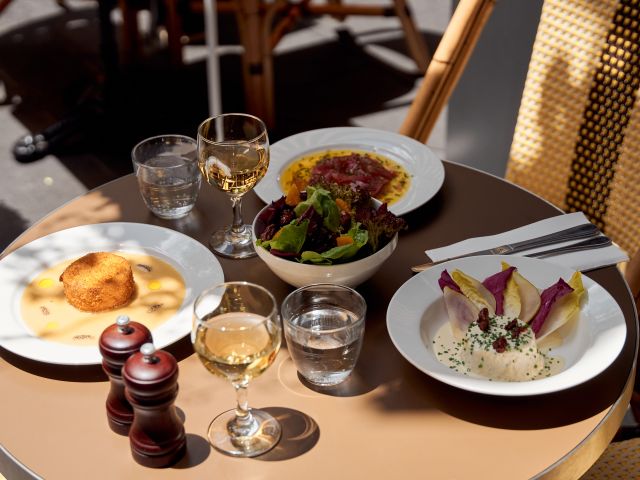
For a taste of France without the airfare, husband-and-wife team Julien and Romy Besnard – of long-loved Franquette Crêperie – have opened Lucette, a French cafe-bistro with Paris-born chef Guillaume Dubois at the helm. Dubois brings serious pedigree from Michelin-starred kitchens in France and Sydney’s former two-hatted Monopole, and it shows. Start your day with pastries for breakfast and bookend it with boeuf bourguignon for dinner. The chocolate mousse, freckled with Guerande Salt, is the kind of dish that will make you feel smug about the decision to drive south. Join the Sydneysiders dressed in charcoal coats, boots and black tights who’ve already worked this out; the whole scene is worthy of splicing it into an Instagram reel.
Francophiles should also be across Julien’s Bowral Brasserie – led by Frenchman Julien Viel, who also found his way to the Southern Highlands and stayed.
5. Indulge in a tipple
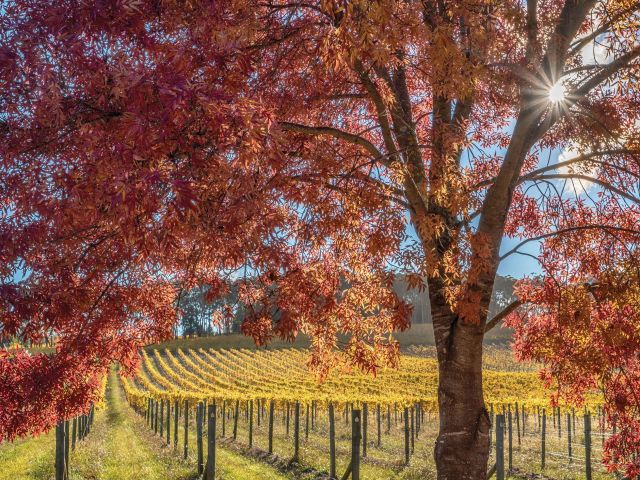
Spend time amongst the local vines. (Credit: Destination NSW)
The drive to Centennial Vineyards passes through a beautiful woodland idyll, the countryside a fuzz of green all around. Inside the Barrel Room, a tasting flight of cool-climate pinot noir, chardonnay and reserve shiraz viognier flaunts how well the Southern Highlands does winter.
This is a region that takes its cool-climate wines seriously, and the pinot noir is one of the stars – a gentle, easy-drinking style with red cherry aromas. Follow your tutored cellar door tasting with another glass of wine in the Terrace Bar, which overlooks the vineyard and manicured grounds.
6. Blend your own gin
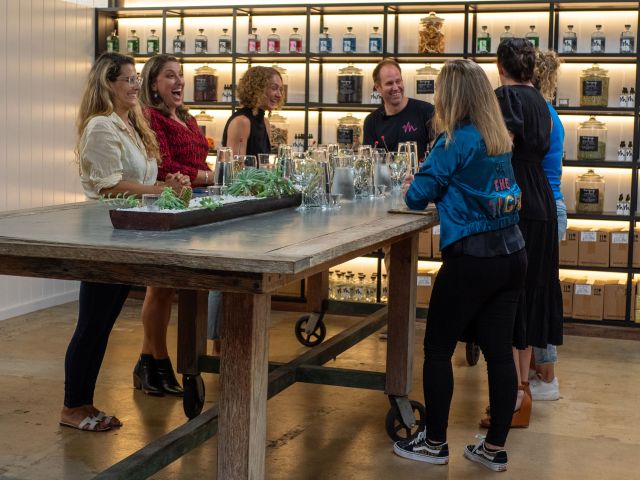
Pop into Millsheds Distillery & Bar. (Credit: Mattia Panunzio)
Millsheds Distillery & Bar is somewhat of a local secret. The award-winning small-batch operation produces gin, vodka and liqueurs using Australian botanicals and has picked up silver medals at both the London Spirits Competition and International Wine & Spirit Competition. Beyond the tasting paddle, the hands-on blending masterclass – where you design and leave with two bottles of your own custom gin – is the experience to book, while the terrace bar that wraps around the courtyard is a fine place to settle in afterwards.
7. Go for a walk at dawn
Switch your phone off sleep mode and set your alarm to early. Mt Gibraltar rises to 864 metres just east of Bowral’s main street and offers the best views in town. You will pass a raggle-taggle bunch of hikers on the way up to the summit, all making the same quiet pilgrimage into the crisp high-altitude air. On a clear morning, the bony ridges of the ranges come into sharp relief against the light. The return loop takes roughly 90 minutes. A flat white in Bowral tastes considerably better after completing one of the scenic walking trails.
8. Cosy up by the fireplace
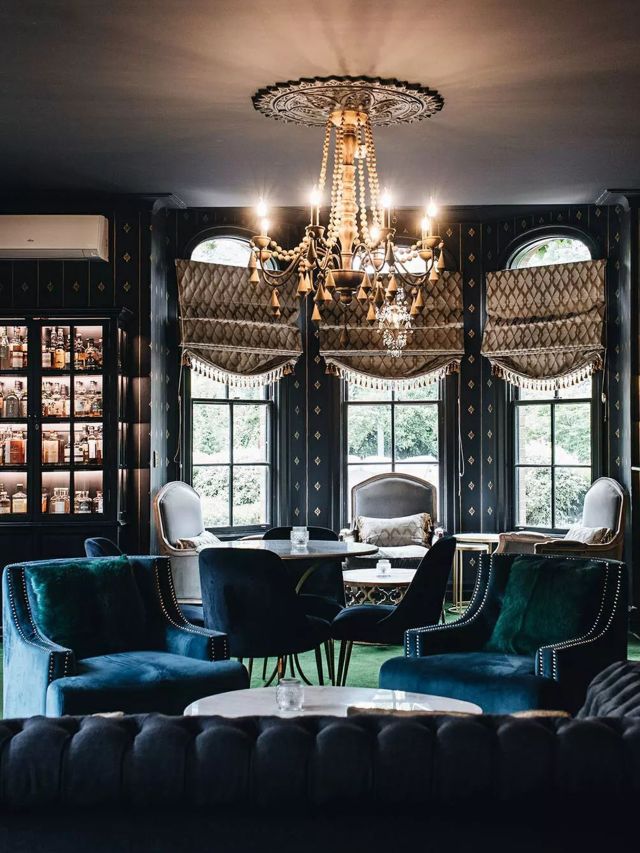
Get cosy in the Berida Hotel’s whiskey bar.
A cosy bar is the perfect complement to winter in Bowral, and there are a few worth committing to. Aspinalls Whisky Bar & Lounge at the Berida Hotel is built for long, languorous evenings. Take a seat beside the fireplace laden with gnarled logs and work your way through a few whiskies and bar bites like Rangers Valley beef tartare, or salt cod and potato croquettes.
At Hickory’s within Peppers Craigieburn, well-dressed waiters in denim and leather move quietly between tables, and the cosy fireplace in the adjoining guest lounge attracts an Escape to the Country crowd.