If you’re in search of a holiday without the crowds, consider these lesser-known gems of NSW.
With so many beautiful beaches, world-renowned wine regions, charming country towns, boundless snowfields and the state’s magnificent outback hogging the spotlight in NSW you could be forgiven for thinking there is nowhere left to discover. But if you break away from the caravan convoy you’ll find a range of fascinating places that even the most seasoned traveller hasn’t heard of. Here are our picks.
Jugiong
Why should you visit?
It’s primed to become the state’s newest foodie hotspot.
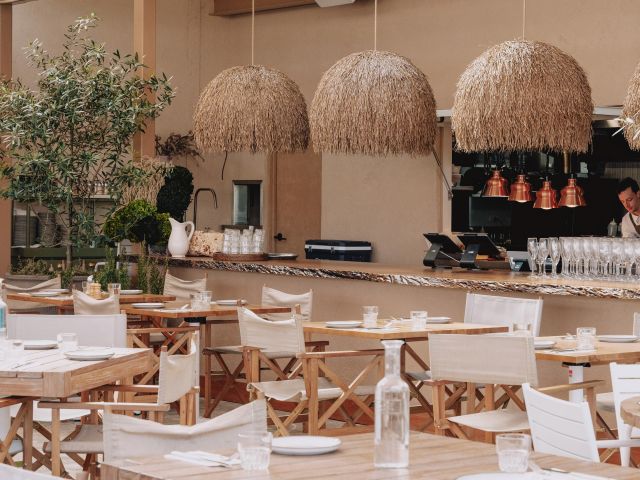
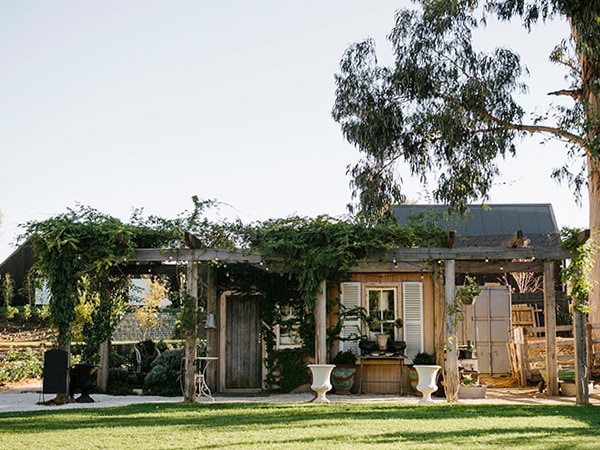
Sydneysiders who can sniff out a trend are driving 300 kilometres away to the country town of Jugiong on the banks of the Murrumbidgee River, just to eat lunch at the swanky Sir George Pub.
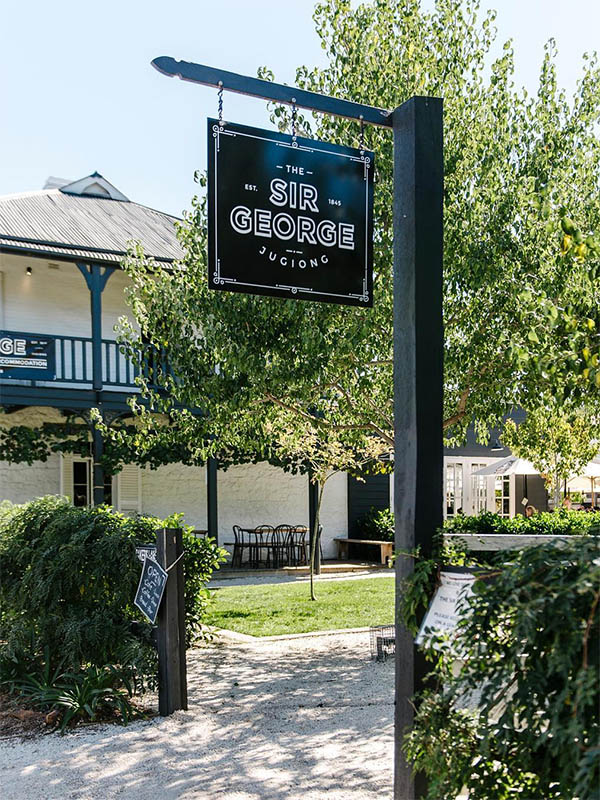
After two years’ worth of renovations, the pub (which was built in 1852 and had been in the same family for 165 years before the handover) reopened, and the reimagined venue now houses a restaurant, sourdough bakery and beer garden. Heritage-listed accommodation (even older than the pub — dating back to 1845) is attached for those eager to rest their head among history.
Add to this The Long Track Pantry, the award-winning store, cafe and cooking school next door; and the Curators Collective, a fashion, homewares and furniture store located just above the pub; and we’re sensing a hint of Merivale vibes in the Hilltops Region of NSW, especially with its convenient position just off the Hume Highway.
Mungo National Park
Why should you visit?
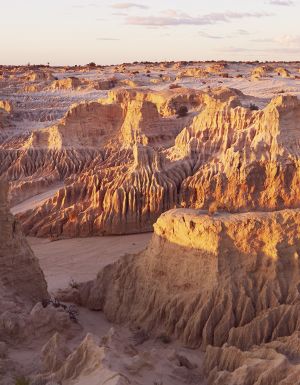
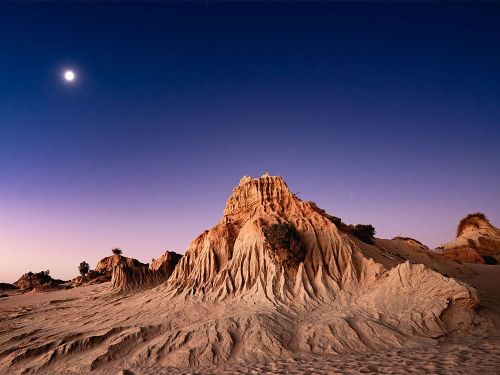
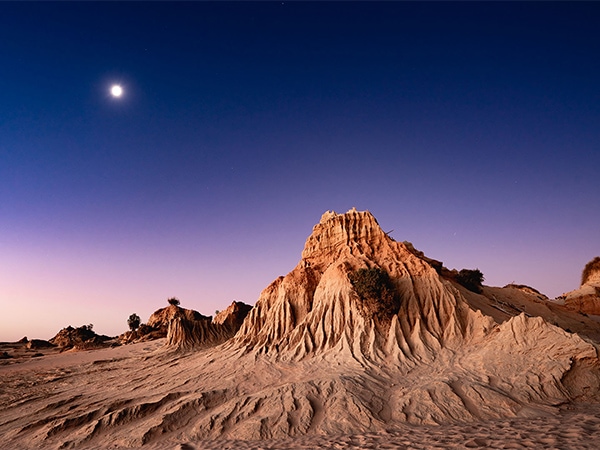
For the otherworldly beauty of the landscape and fascinating ancient history.
Mungo National Park, located within the Willandra Lakes Region (a World Heritage area in far Outback NSW), provides a tantalising glimpse into the earliest years of white settlement in Australia – and, importantly, even further back to the beginning of the Paakantji, Ngiyampaa and Mutthi Mutthi peoples heritage. The park’s cultural legacy paints a vivid picture of Australian Ice Age environments, and the people who lived and died during those ancient times.
It’s an eerie place, but a fabulous one in which to dream of the first civilisations to occupy this country. In fact, the park is home to Mungo Lady and Mungo Man, who both date back 42,000 years and are considered to be the oldest human remains found outside of Africa.
If you make the trip with lake-clad fantasies in mind, you’ll certainly be left a little confused. Having long since dried up, the once 135-square-kilometre stretch of water is believed to have evaporated some 10,000 – 15,000 years ago. Instead, guided walks with NSW National Parks and Wildlife Indigenous rangers can be arranged at the Mungo Visitor Centre (July through October).
Need tips, more detail or itinerary ideas tailored to you? Ask AT.
AI Prompt
Bungonia National Park
Why should you visit?
To immerse yourself in nature, get your adrenalin pumping and feel refreshed.
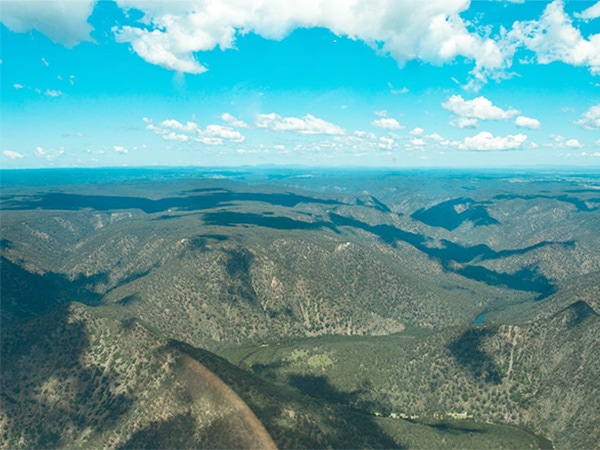
You don’t need to drive far from civilisation to find a pristine national park in NSW. Just a 2.5-hour drive southwest of Sydney or 1.5 hours from Canberra lies Bungonia National Park, also known as the adventure capital of the NSW Southern Tablelands and the Country of the Njunawal people.
This mini-Eden can be explored in myriad intrepid ways. On-foot is an obvious one; find over 10 hiking, walking and lookout trails on offer for visitors. A popular walk is the 6.7-kilometre Green Track (allow 2.5 to 3.5 hours to complete the loop). Multi-day guided adventure treks are also available.
Thrilling opportunists can also abseil, rock climb, go canyoning or caving in Bungonia. Many of the caves are steep and precipitous and should only be explored by well-equipped and experienced cavers.
Before you head out, read up on safety during adventure sports in NSW national parks.
White Cliffs
Why should you visit?
To dig for opals and experience a night sleeping underground.
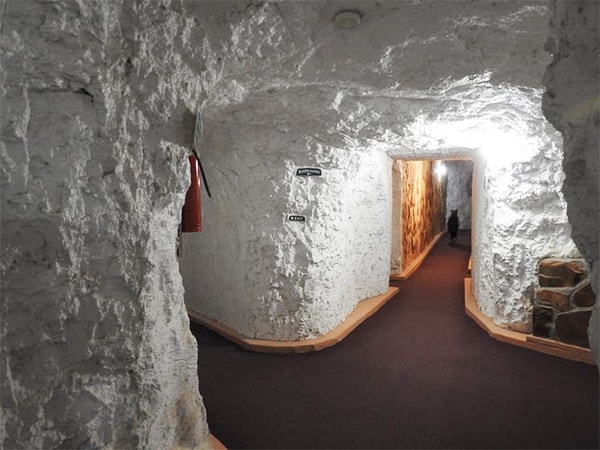
Often mentioned in the same breath as her more famous South Australian cousin in Coober Pedy, White Cliffs also lays claim to a slice of Australia’s underground. Located in the Central Darling Shire, the town is around 255 kilometres northeast of Broken Hill and 93 kilometres north of Wilcannia.
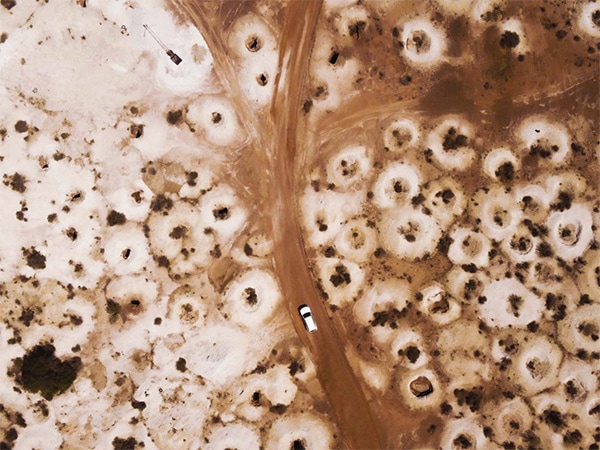
Ever since kangaroo shooters stumbled across the precious white opal here, a tight community of quirky dreamers have called this deserted town home. We’re not sure how often they see each other, however, with an estimated two-thirds of the 100 or so residents living underground to escape the lunar-level extremes.
While you’re in town, go underground into a working mine with the Red Earth Opal Mine Tour and try your hand at uncovering a glittering gem. And you can’t go past a stay at the Underground Motel, with its rabbit warren of ever-expanding dugouts that will have little ones running amok for hours.
Weekly travel news, experiences
insider tips, offers, and more.
Brewarrina
Why should you visit?
To learn about one of the oldest human-made structures on Earth.
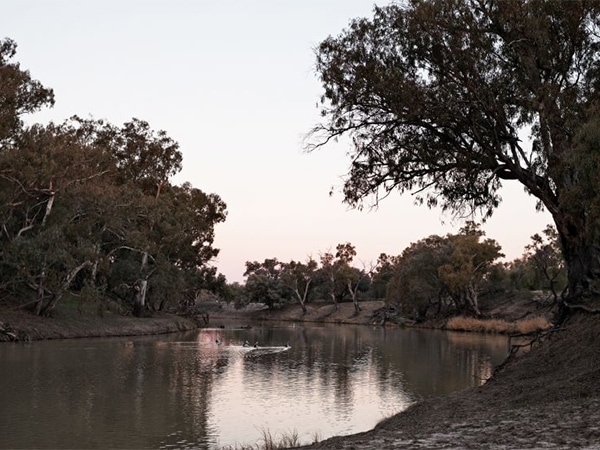
Brewarrina Fish Traps, on the banks of the Barwon River in northwest NSW, are among the oldest human-made structures on Earth – and we bet you’ve never even heard of them.
Forty-thousand years is a long time to be sitting in the same riverbed, but the engineering prowess of early indigenous Australians is evident from the Brewarrina Fish Traps, a system of stone weirs and pools that are still intact all these years later.
The fish traps are about half a kilometre long and were devised to catch fish as they swam upstream. They once served as a major meeting place for the region’s First Peoples and were added to the Australian heritage list back in 2005.
They’re a remarkable example of ancient innovation, and exploiting the natural landscape to one’s advantage – in an entirely environmentally-friendly way. Head up to the museum to learn more.
Cameron Corner
Why should you visit?
To see how big the world’s biggest fence really is.
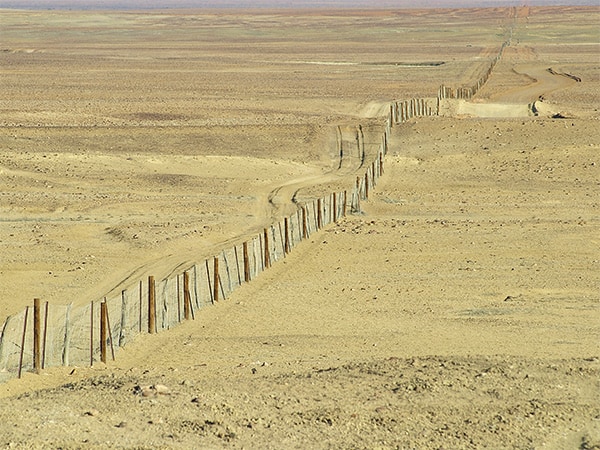
Eager to catch a glimpse of the biggest fence in the world? That may just seem like just another “biggest" claim, but to give you a feel for just how big we’re talking, consider this: drive from Melbourne to Sydney and back. You’re not even close. Now drive to Perth. You’ve almost driven as long as this fence stretches. (You’ve driven 5133 kilometres. Only 187 kilometres to go.)
Playing an important role in Australia’s agricultural development, and well-known by its cinematic adage, the ‘Rabbit Proof Fence’ has kept sheep safe from dingoes since its erection in 1901. The fence explains why you don’t really see many dingoes across Australia’s southeast – except the pure breeds on K’gari, of course.
The best place to see and feel the scope of it is out at Cameron Corner, at the intersection of SA, Qld and NSW. Here the fence is “one chain" (22 yards, or exactly one cricket pitch) from the post that marks the meeting point of the three states.
Want to discover more of NSW? Read to our ultimate holiday guide to NSW here.
Want to see more stories from Australian Traveller in your Google search results?
- Click here to set Australian Traveller as a preferred source.
- Tick the box next to "Australian Traveller". That's it.

Australian Traveller
View profile and articles