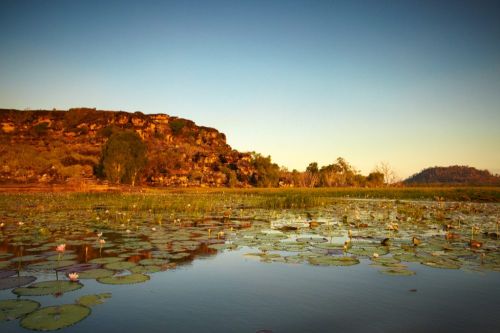
Mount Borradaile’s Authentic Experience

hero media
If you’re searching for a “real" outback experience, you can’t get much more authentic than Mount Borradaile. It’s a safari camp run by Max Davidson, who came to Arnhem Land in search of buffalo and instead found a strong affinity with the land and its traditional owners. By Ewen Bell
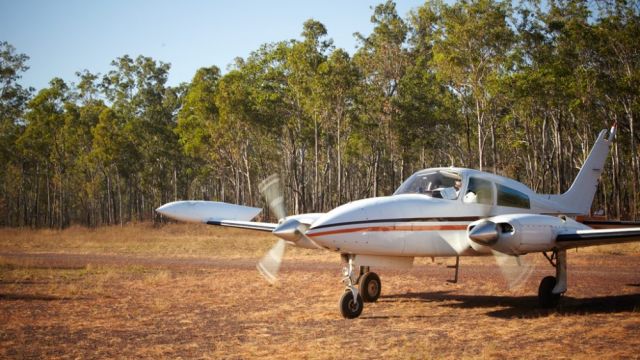
 

Mount Borradaile, Arnhem Land, Northern Territory
Light aircraft arriving at Mount Borradaile


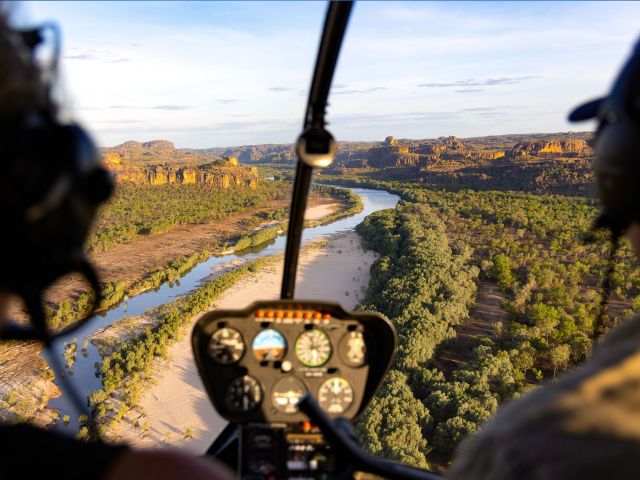
It’s a 350km drive from Darwin to Mount Borradaile, but most arrivals here are by light aircraft. A dirt strip has been hacked out of the scrub; a dusty red runway lined by a dozen species of flowering trees.


Frogs and snakes loiter in the foliage, usually keeping out of harm’s way, while the dreaded green ants build nests from the leaves.
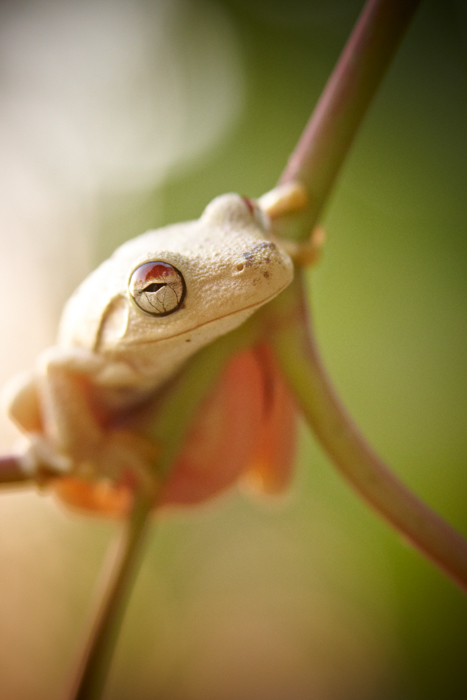
 

Mount Borradaile tree frog, Arnhem Land, Northern Territory
A Tree Frog at Mount Borradaile


These aggressive little critters will take on anything, able to mobilise en masse and deliver an acidic bite. The traditional people of Arnhem Land know how to handle them, quickly.


Crushing a green-ant nest will release a chemical concoction that purges the sinuses if you have a cold, but sometimes a treatment is worse than your troubles. Green ants are, at least, industrious, and it’s a trait shared by Max Davidson. Living in a remote part of Arnhem Land means you have to sort out your own problems, like fixing a vehicle or repairing a roof.
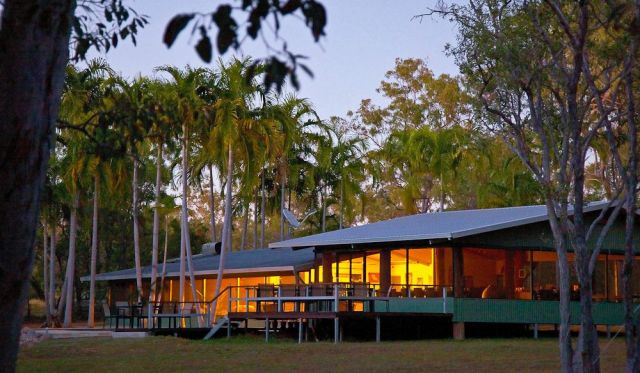
 

Davidson's Arnhem Land Safaris, NT
The camp at Davidson’s Arnhem Land Safaris, NT


But given a few years and the cooperation of the local Bunidj clan, Max managed to sort out an entire safari camp, a cosy little place in the bush that offers shelter from the elements and nourishment for the soul.


Safari Mount Borradaile, Arnhem Land, Northern Territory
Safari vehicle Mount Borradaile, Arnhem Land, Northern Territory


Max understands that places have spirit, they have stories to tell, and since the 1980s he’s been learning those stories at Mount Borradaile. Some are handed down through generations and others are his own.


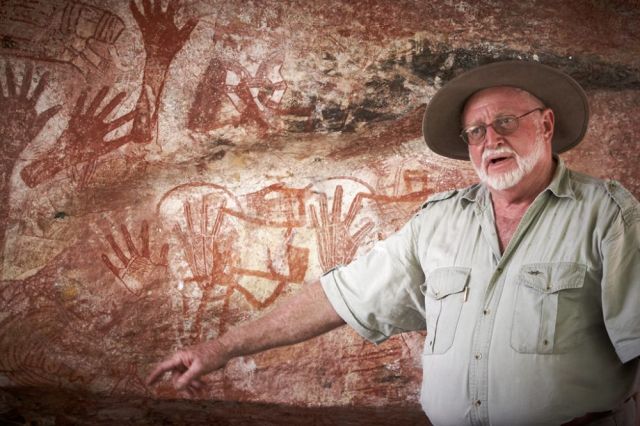
A 6m-long ochre painting of a rainbow serpent stretches across the roof of one local cave, sheltered from the elements for about 8000 years. Aburga is the local name for the serpent and he has a central role in the stories of creation here, having been responsible for the current position of rivers and mountains.
 

Mount Borradaile, Arnhem Land, Northern Territory
Max Davidson showing rich Rock Art


Seeing the rock art of Mount Borradaile through Max’s eyes gives insight into the traditional stories of the art, plus a wider understanding of how remarkable these sights are.


Dozens of secluded rock galleries exist around the billabongs, often reflecting the wildlife of the billabong and how it changes through the seasons. This collection of art is more impressive than Kakadu’s, and without the crowds.


Wildlife is more than just bush tucker here. Decades ago, the local clan put a stop to hunting with rifles, and the result has been the wildlife’s growing tolerance for humans as you tour the wetlands.


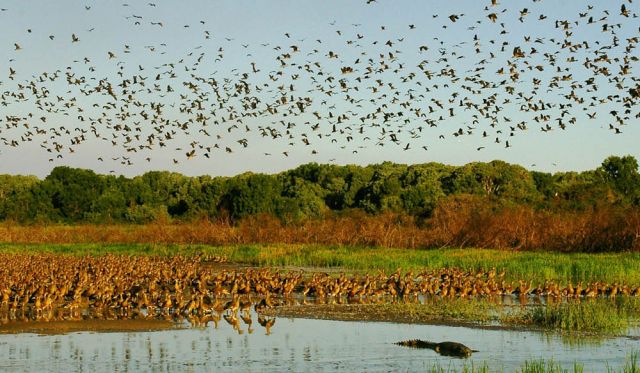
Cooper Creek runs through the land a few kilometres from the safari camp, and forms two major billabongs that flood in the wet season. Jabiru, brolga, eagles, ibis, herons and about 270 other species of birds thrive in the area. Max has a few small boats to get out on the water and up close to the birds.
Arnhemland Safaris
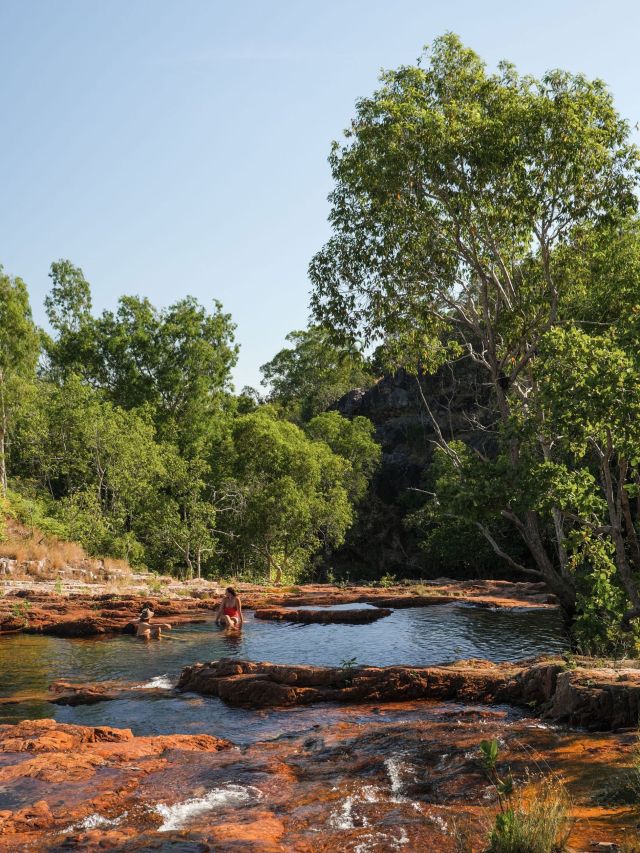
This landscape of rugged ranges is fringed by idyllic billabongs, boasting a stunningly beautiful wilderness.

Having an entire wetlands ecosystem to yourself, with an experienced and enthusiastic guide and a bottle of bubbly for sunset, is a very modern story for this ancient landscape.


At day’s end, guests can watch the last light set across the flood plains, the sun turning red from smoke in the atmosphere. Lighting fires is part of the traditional land management process.


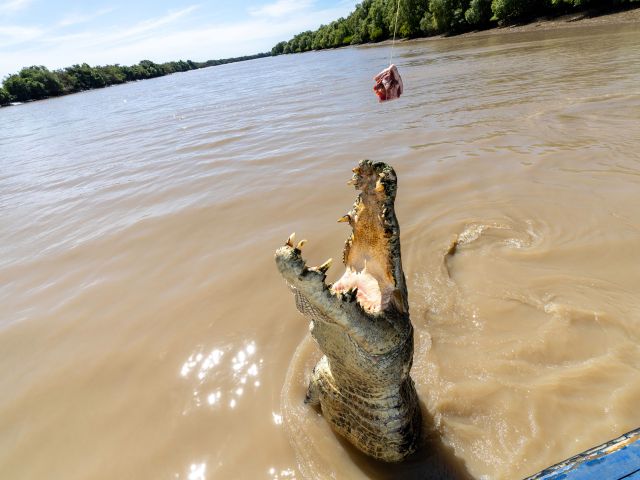
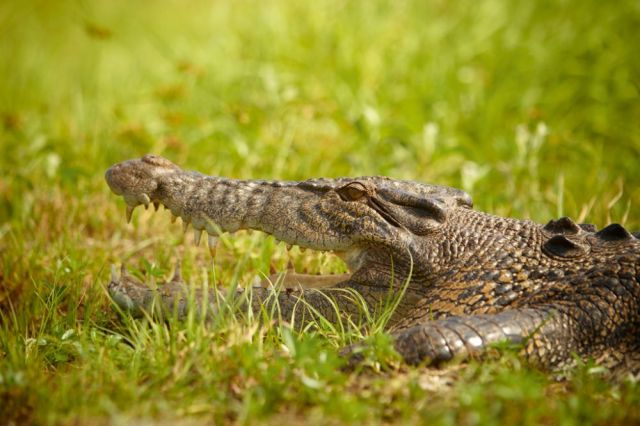
Crocodiles have been a feature of the Mount Borradaile landscape for even longer than burn-offs and rock art. The prehistoric predators glide through the reeds in search of barramundi and flop themselves onto mud banks to warm in the sun.


Max may look a little weathered by the elements up here, but he’s nowhere near as leathery as a big adult saltwater crocodile.
 

Saltwater crocodile, Mount Borradaile, Arnhem Land, Northern Territory
Saltwater Croc at Mount Borradaile, Arnhem Land


Max has an eye for the little creatures too. His favourite surprise near the camp is the Leichhardt’s grasshopper, a brilliant orange and blue insect that spends most of its life bound to a single bush.


I had heard stories about these creatures from Indigenous tribes in Kakadu; a legend says the grasshoppers are the children of the Lightning Man, Namarrgon. When you see them on the wing then you know lightning will arrive soon.


Even standing within a few metres of the grasshoppers I still couldn’t spot them, but Max could. These little guys are one of his stories really, one of many discoveries he made for himself and enjoys sharing with travellers.


The safari camp is a place of luxury and comfort, with fine cooking and recently upgraded cabins, but the story of Mount Borradaile is one of fine art and wild creatures. Hidden gems such as Leichhardt’s grasshoppers or the black-footed rock wallabies add even more colourful details to the wild landscape. With the help of Max Davidson, anyone can share in the treasures of Arnhem Land.

Need tips, more detail or itinerary ideas tailored to you? Ask AT.

AI Prompt

Davidson’s Arnhem Land Safari details

Where? Davidson’s Arnhemland Safaris eco-lodge is at Mount Borradaile in Arnhem Land, NT.

Notes: The camp offers small-group guided tours including rock-art viewing, bush tucker and Indigenous cultural tours, billabong cruises, bird watching, catacomb tours and freshwater barramundi fishing at Cooper Creek (included in tariff). If you’re a keen angler, come in April or May, as the run-off from the wet season makes this prime fishing time.

Contact: (08) 8927 5240; www.arnhemland-safaris.com

For more information on Arnhem Land & things to do in the NT, visit the official Northern Territory website at northernterritory.com

Australian Traveller

Australian Traveller

View profile and articles
hero media

Discovering East Arnhem: Australia’s most unique and rewarding corner

    Joanne Millares Joanne Millares

    Hard to reach and harder to forget, East Arnhem offers something rare in modern travel: the chance to slow down and experience Country on its own terms.

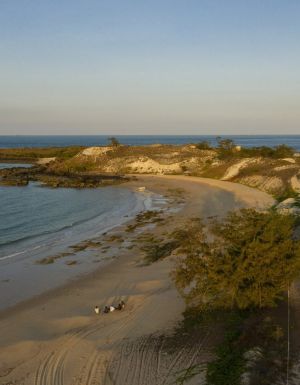
    The sky feels bigger in East Arnhem. It stretches wide and uninterrupted above rouged earth, stringybark woodland and beaches so empty they seem to belong to another era. The coastline curves for kilometres without a footprint and the horizon runs on forever.

    For comedian Lou Wall, the scale of the place was the first thing that hit them.

    “The sheer openness,” they say. “The sky feels infinite and the land stretches out endlessly. It’s pretty breathtaking visually.”

    But the physical landscape is only part of the story. The real reward isn’t only the scenery but the shift in perspective the journey brings. Visitors stop trying to tick off the destination and a real engagement takes over.

    “It made me never want to travel again,” Wall jokes. “In that I never wanted to leave East Arnhem.”

    Getting there

    Aerial shot of East Arnhem’s coastline as cars trace the curve of the shore.
    Sail along the remote coastline on an expedition cruise.

    Reaching East Arnhem is part of the adventure. Travellers typically fly into Gove Airport near Nhulunbuy via Darwin or Cairns, or arrive by expedition cruise along the remote coastline. Others make the journey overland along rutted dirt roads that cut through East Arnhem’s small pockets of monsoon forest.

    However you arrive, there’s a distinct feeling of crossing into somewhere different. Permits are required to visit the region, reflecting the fact that this is Yolŋu land where communities and traditional owners maintain deep cultural connections to Country.

    The extra planning becomes part of the experience. By the time visitors arrive, they understand they’re entering a place not just of respect, but also patience and curiosity.

    At one with nature

    East Arnhem’s  landscapes leave a strong imprint. For Wall, one place in particular still lingers in their memory: Ngalarrkpuy, also known as Lonely Beach, near Bawaka Homeland.

    “I genuinely felt like I was living inside an Instagram filter,” they say. “One of the most stunning feats of nature I’ve ever seen. The water was so clear I swear I could see even the fish smiling.”

    Across the region, natural experiences unfold at a slower pace. Fishing, beachcombing and island hopping reveal the rhythm of the coastline. The tides shape daily life and the vastness of the landscape makes even simple moments feel downright cinematic.

    For visitors with limited time, Wall says the Bawaka Homeland experience is unmissable.

    “I just left and I’m already planning when I can get back there.”

    The sense of remoteness is part of the appeal. In a country where many beaches are crowded and well-trodden, East Arnhem’s coastline still feels wonderfully wild.

    Immersing in local culture

    A visitor spends a meaningful moment alongside Yolŋu guides, gaining insight into their deep cultural knowledge and connection to the land.
    Experience authentic moments with the locals.

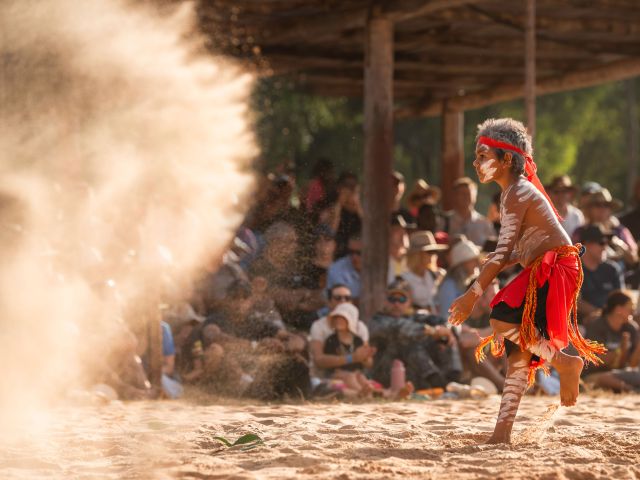
    Culture is woven through every experience in East Arnhem. Visitors have the opportunity to spend time on Country with Yolŋu guides and knowledge holders who share stories and traditions that have been passed down for generations.

    For Wall, one of the most powerful moments came during a conversation with a Yolŋu elder.

    “I got to meet a traditional elder, Mayalil, in Nhulunbuy,” they say. “Listening to her talk about her home made the land feel alive in ways I couldn’t have imagined.”

    The region is also home to internationally recognised Aboriginal art centres where artists shape works deeply connected to land and family knowledge.

    Music carries the same cultural energy. East Arnhem has produced globally recognised artists such as King Stingray and Baker Boy, blending Yolŋu language, storytelling and contemporary sound.

    Wall experienced this musical spirit first-hand.

    “A jam session around the fire was it for me,” they say. “Letting the deep joy and history of their music wash over me…  and meeting a few of the King Stingray musicians was unreal.”

    These moments of human connection often become the most memorable part of a visit.

    Spotting local wildlife

    An aerial view of the beach shows tiny figures lined up across the white sand, moving as if in a rhythmic dance.
    Step into a world where nature reigns.

    The wildlife of East Arnhem adds another layer to the experience. The region is home to an extraordinary range of animals, from waterbirds and turtles to dugongs, dolphins and the formidable saltwater crocodile.

    Wall admits they didn’t actually spot a croc during their visit.

    “Devastatingly, I didn’t see one,” they laugh. “But with all the stories from the locals I definitely gained a healthy respect for caution.”

    Some of the most memorable wildlife encounters can be surprisingly small., At Banubanu Beach Retreat on Bremer Island, Wall remembers walking along the beach one morning and watching it come alive.

    “As you walk through the sand you see hundreds of crabs scurrying into their holes as you pass by,” they say. “Such a small thing, but it was completely magical.”

    Moments like this reveal the quieter rhythms of East Arnhem, where even the smallest creatures seem to play a part in the landscape.

    Visitors who make the journey soon learn the most important travel tip of all.

    “Go in open-minded with a sense of curiosity,” Wall says. “Be prepared to ditch your plans. The land and the locals will guide you on an adventure no spreadsheets could ever compete with.”

    And most importantly, they add, don’t rush.

    “The land and people deserve your time and attention. You’ll be all the better for slowing down.”

    For more information on visiting East Arnhem, head to eastarnhem.com.au.