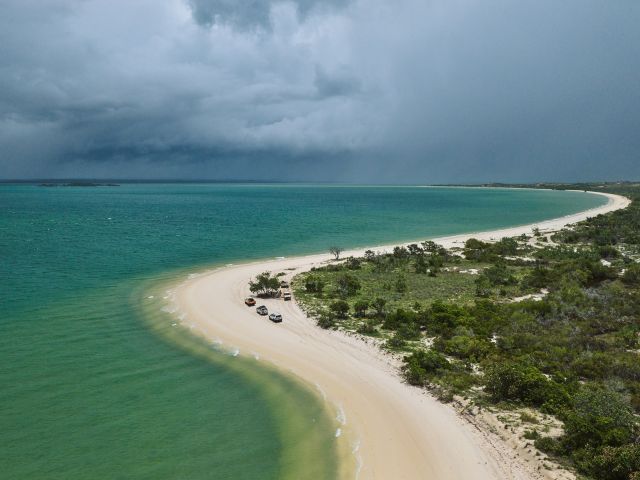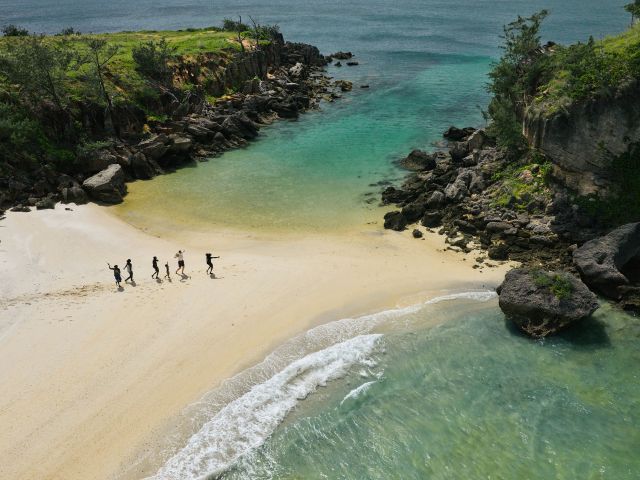
Famously Compact, Darwin is not only easy for families to get around, it’s entirely possible to enjoy its ‘best of’ attractions in little more than a long weekend.
Day one
Morning
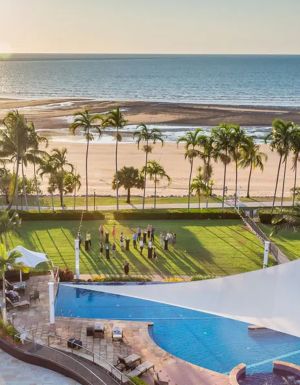
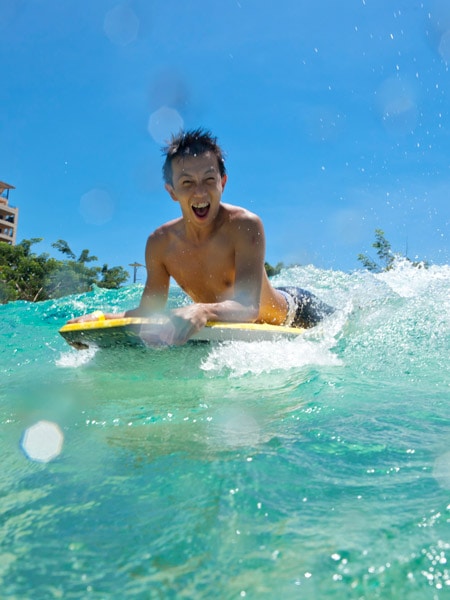
Acclimatise to the tropics by spending your first full day down at the Darwin Waterfront Precinct , a wonderland of swim spots, restaurants and cafes located a mere five-minute walk from the city. Before you get wet, make your first port of call the World War II Oil Storage Tunnels , followed by a visit nearby to the Royal Flying Doctor Service Darwin Tourist Facility , an attraction devoted to bringing the history of the service to life through touchscreens, holograms and virtual reality displays. You’ll have plenty of time to debrief at the Wave Lagoon , a man-made wave pool where kids will enjoy taking on the range of waves (everything from gentle to 1.2 metres high) as much as you will enjoy the shaded sun loungers and nearby cafes.
Midday
After a bite – and a post-lunch ice-cream – at any number of eateries along the waterfront, burn off sugar at the Waterfront’s impressive, custom-rope playground. The fun doesn’t end there of course; you’re only steps away from both the Recreation Lagoon (a man-made beach patrolled by lifeguards and free of marine creatures, including salties) and Aqua Park . A series of large inflatables, the attraction provides 50-minute sessions of sliding, bouncing and jumping fun. Suitable for ages six and up (children between six and nine must be accompanied by a paying adult).
Evening
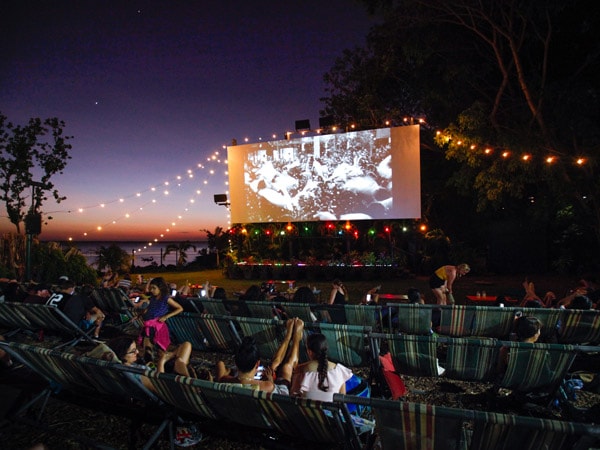
After a long, hot day of sun, surf and sand, join the laid-back locals for an evening Deckchair Cinema session around the corner. Movies screen from 7pm seven nights a week during dry season; you can either purchase dinner from local caterers or pack your own picnic to enjoy on some of the 250 deckchairs set up.
Day two
Morning
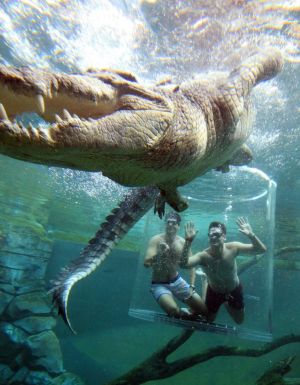
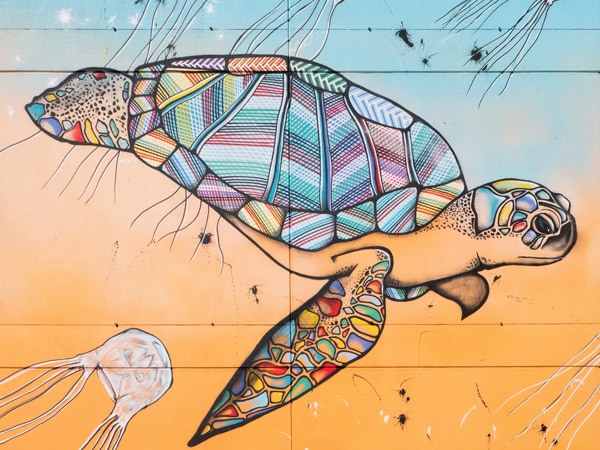
Characterised by wide streets, leafy parks and a wealth of street art, Darwin City lies in wait for exploration. Make the most of the city’s street art before the sun lifts its sleepy head by downloading a public art map at darwin.nt.gov.au and setting off on a self-guided walk of 11 public artworks and spaces. Once finished, take a wander through Smith Street Mall to buy souvenirs and gifts before making your way to Crocosaurus Cove. Although general entry takes in displays, presentations and shows, the 1.5-hour VIP TOUR includes croc feeding and baby croc handling.
Midday
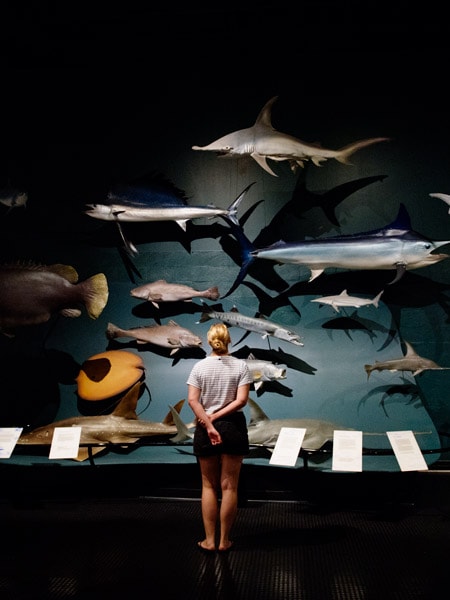
Enjoy a bite in town before driving out to the Museum and Art Gallery of the Northern Territory (MAGNT) , where a bevy of family-friendly exhibitions await. Check out the permanent Cyclone Tracy, Unruly Days: Territory Life 1911–1921, and Sweetheart the crocodile exhibitions as well as the temporary programs, then take the short drive back over to Mindil Beach Sunset Market by 4pm to peruse the stalls and road test the children’s entertainment.
Need tips, more detail or itinerary ideas tailored to you? Ask AT.
AI Prompt
Evening
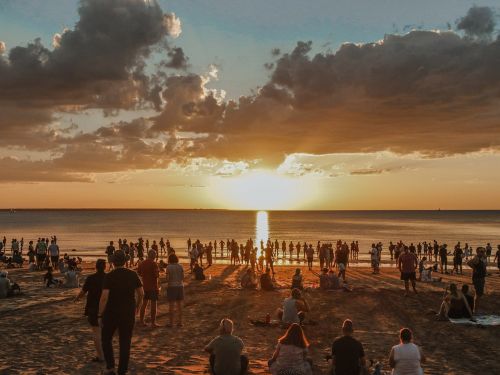
Head back across town to Stokes Hill Wharf for a 6pm sailing aboard Darwin Harbour Cruises’ Charles Darwin Sunset Dinner Cruise . The 2.5-hour sailing includes dinner plus front-row seats to the world’s most spectacular sunset, so have your cameras ready.
Day three
Morning
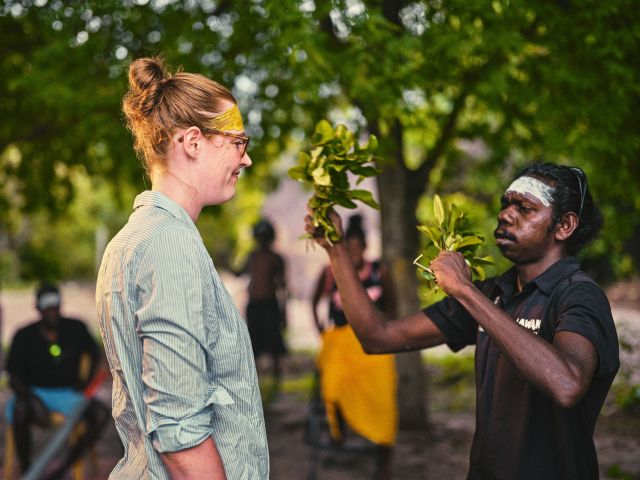
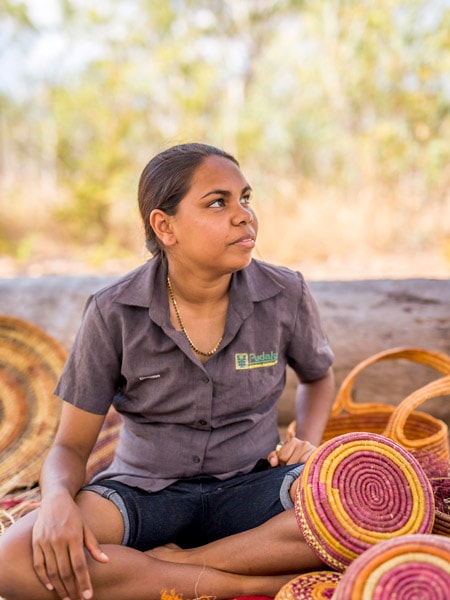
Today is all about taking a step back in time to discover 65,000-plus years of Darwin’s Indigenous culture. It’s an early start so grab a quick bite at your hotel before you catch your Pudakul Aboriginal Cultural Tours transfer for its popular Culture & Jumping Crocs tour, a 50-minute drive along the Arnhem Highway. Kicking off with an hour-long educational cruise in croc-infested waters, the tour includes a further two hours of cultural activity and storytelling before lunch is served in a scenic bushland setting.
Midday
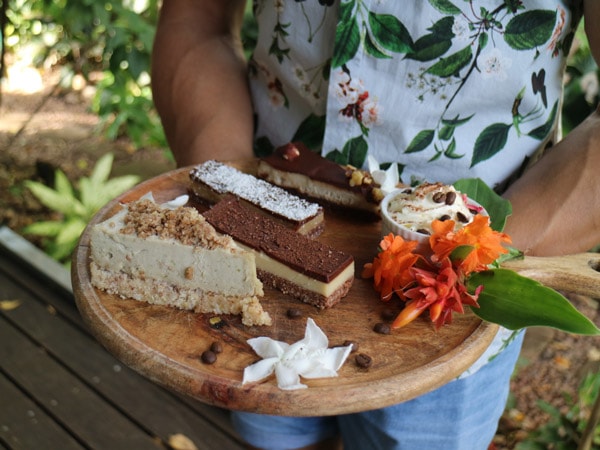
After an afternoon drop-off back at your hotel, freshen up, pick up some barbecue or picnic supplies from the supermarket in town and enjoy a late afternoon walk in George Brown Darwin Botanic Gardens , where 42 hectares of north Australian and other sub-tropical plant species lie in wait for your careful appraisal. The kids will make great use out of the children’s playground which includes a treehouse, and if you get there early enough you can pick up a coffee and cake from Eva’s Botanic Gardens Cafe to help you unwind.
Evening
Get to know the local gilled residents by taking a drive over to Aquascene , a local marine sanctuary in Doctors Gully known to attract all manner of wild rays, bream and more, and enjoy the meditative qualities of feeding fish in their hundreds. At this point you might notice your own tummy rumbling, so take the short drive up the Esplanade, set up at one of the many picnic tables or barbecues along the beachfront and relax alongside all the other families making the most of the view.
Day four
Morning
Put the pedal to the metal and get the in-car karaoke blasting for the 45-minute drive south of Darwin to Berry Springs , where a visit to Territory Wildlife Park gifts visitors a plethora of authentic and up-close encounters with the wild, woolly and wild of the NT. Combining the beauty of natural bushland with zoo-style exhibits, follow the six-kilometre loop around the park to discover crocs, birds and everything in between. Aim to be there when the park opens at 9am to make the most of your time.
Midday
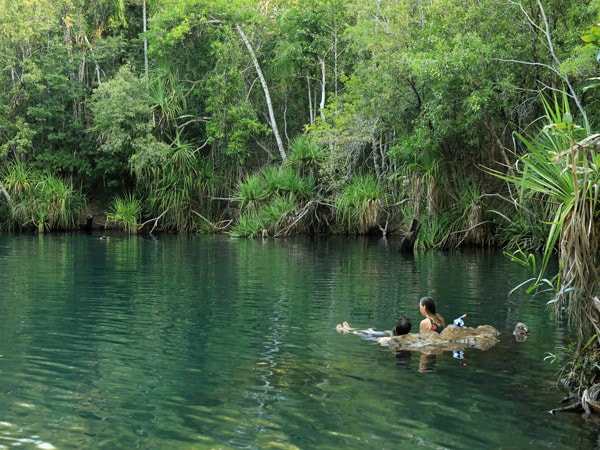
Feeling peckish? It’s a quick drive around the corner to Berry Springs Nature Park , home to a wealth of crystal-clear swimming holes, shaded picnic and barbecue areas and remnants of Second World War history. Have a bite and a quick swim before pulling in at Palmerston Water Park on your journey back to Darwin. The park is free and features a six-lane racer slide, a shallow pool with splash area for little ones, a wet play area for older kids and a skate park.
Weekly travel news, experiences
insider tips, offers, and more.
Evening
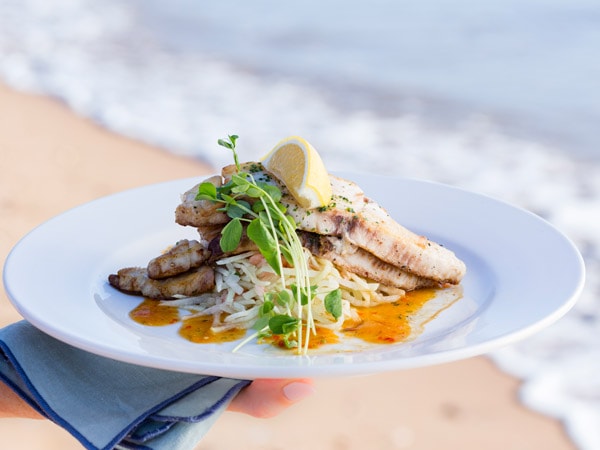
There’s no better way to enjoy your last night in Darwin than by committing to a seaside institution such as the Darwin Trailer Boat Club , where the kids can swim and play as you enjoy a meal – and a well-deserved drink as you toast another stunning Top End sunset.
Neighbourhoods
Leanyer
You’ve checked out Palmerston and Berry Springs, but be sure to take some time to look around Leanyer, another of the region’s most family-friendly suburbs. Home to Leanyer Recreation Park , a free playground which includes a swimming pool, waterslides, paddling pools, cycle path and sports courts, it’s well worth a day trip.
Fannie Bay
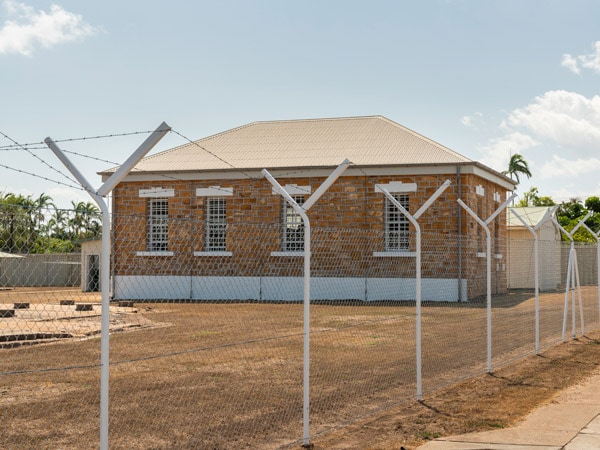
The suburb of Fannie Bay is home to some of the city’s star attractions including MAGNT and Darwin Trailer Boat Club ; linger longer here by visiting the important historic site of Fannie Bay Gaol , which operated from 1883 until 1979, and includes such inauspicious points of interest as gallows. Then lighten things up with ice-cream sundaes all round at Fannie Bay Coolspot .
Nightcliff
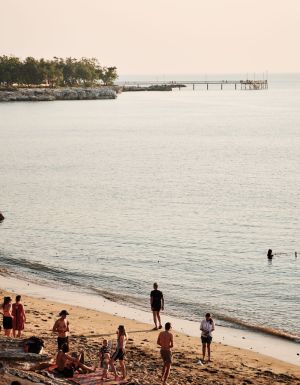
Home to famous Nightcliff Markets, this inner Darwin suburb is popular with families for its swimming pool, jetty (the perfect sunset fishing spot) and seaside eateries. Aim to visit on a Sunday morning when the weekly market is on.
Getting from A to B
Darwin might be a compact city, but to avoid schlepping distances in the heat – and, if you’d like to venture outside city limits – it’s worth hiring a car. That said, Uber, taxis and other public transport options are readily available.
Up here, buses are the main mode of public transport with most travelling between bus interchanges. The route 4 bus stops by popular attractions such as MAGNT, Crocosaurus Cove and Mindil Beach Sunset Market. The Big Bus Tours hop-on, hop-off bus is another great way of checking out the city’s top attractions.
Don’t Miss
The Ultimate parents’ guide to our amazing Aussie cities and How to keep the family happy on a holiday in the Top End.