Wet season or dry season? Kids or no kids? Walk or drive? Kakadu Tours or self guided? These are just some of the most frequent Kakadu questions we have answered.
How long should I spend here?
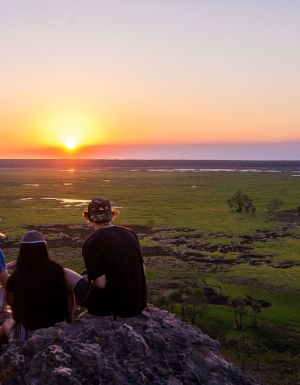
Kakadu is about one third the size of Tasmania. Some ‘do’ Kakadu in a daytrip from Darwin; others spend two weeks here and still don’t see as much as they’d like. We reckon any length of time from three days onwards will help you feel like you’ve ‘done’ the park properly.
What’s the weather like?
Although the year can be roughly divided into two seasons, the dry (May–October) and the wet (November–April), the six seasons, used by Kakadu’s indigenous people for millennia, will give you a much better idea of what to expect and when:
Gudjewg: January to March, 24–34ºC: Monsoon season. Expect blue skies each morning, late afternoon thunderstorms and high humidity levels, when waterfalls thunder, greenery explodes and a third of the park becomes floodplains.
You can still cruise, fly and drive to many of the park’s attractions; special wet seasons cruises operate at this time of year, too.
Banggerreng: April, 23–34ºC: Storm season. Expect the last of ‘knock-em-down’ rains among clearing skies.
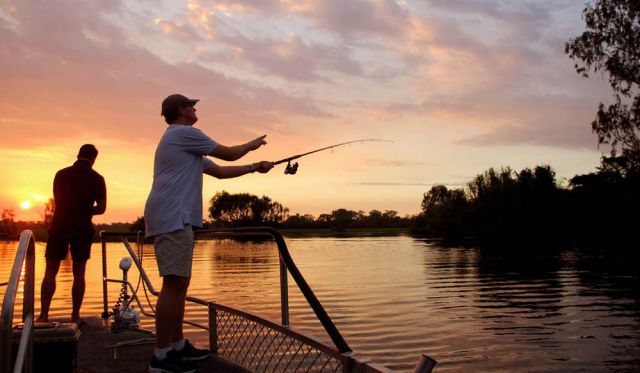
Landscapes remain lush, while receding waters – also known as the ‘run-off’ – cause fish to congregate in certain areas, making this a fantastic time of year to join one of Kakadu’s fishing tours.
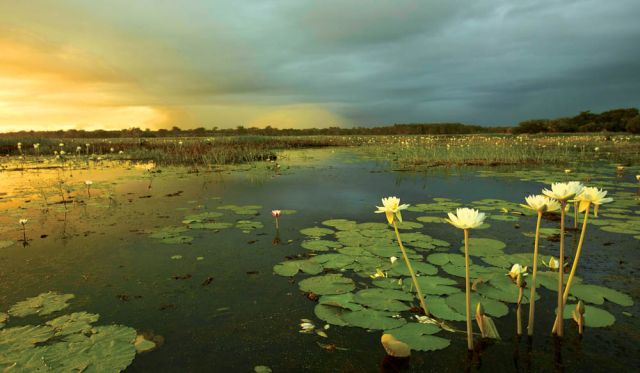
Yegge: May to June, 21-33ºC: Cooler but still humid season. A lovely time to visit, when storms have finished and wetlands are carpeted with water lilies (make sure you take a cruise). Cooler breezes bring morning mists and respite from humidity.
Previously flooded roads open up, offering access to different areas of the park.
Wurrgeng: Mid June to mid August, 17–30ºC: ‘Cold’ season. As waterways and floodplains have dried up, some wet season cruises are unavailable, but more open roads mean more access via car instead. Meanwhile magpie geese, fat and heavy from weeks of feasting, flock to billabongs, resulting in fantastic bird-watching.
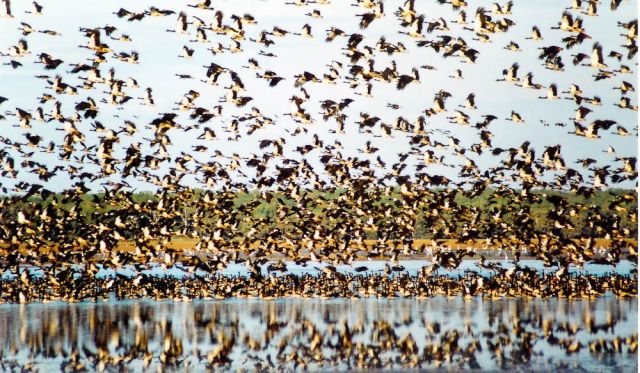
Gurrung: Late August to September, 23–37ºC: Hot dry season. Heat returns and clouds start to gather, but humidity keeps its distance. Billabongs remain crowded with birds (including those magpie geese), ensuring great birdwatching; the majority of the park remains accessible by road.
Gunumeleng: October to December, 24–37ºC: Pre-monsoon season. Gunumeleng can last from a few weeks to several months, with dazzling lightning shows that hint at storms to come. Almost all roads are still accessible at this time of year, but watch for early rains.
What kind of accommodation is available?
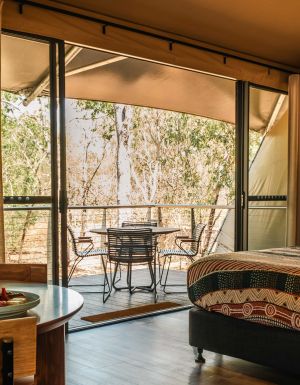
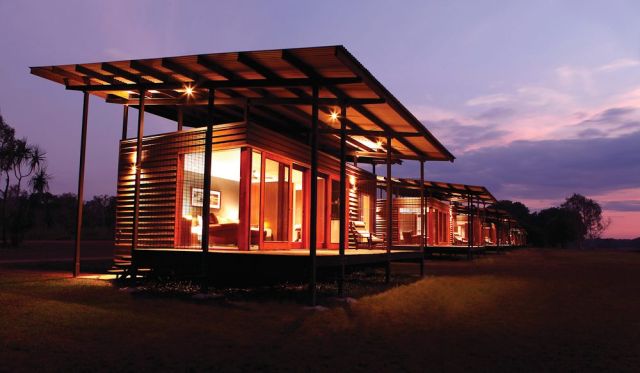
There are so many more choices than we have room for here: designated bush camping sites, camping grounds and caravan parks, motel-style lodges, resorts, wilderness retreats… Check out our ‘Best places to stay in Kakadu’ accommodation page for all options.
Note that some camping sites require a permit and others ban alcohol.
Do I really need a 4WD?
Like many other national parks, general access around Kakadu is by regular sealed roads and walking tracks, so a 4WD isn’t strictly necessary.
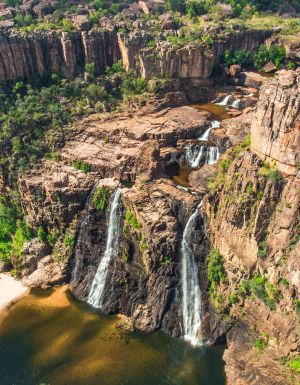
Be warned, though, that a couple of the park’s most spectacular sites, such as Jim Jim Falls, are only accessible by 4WD.
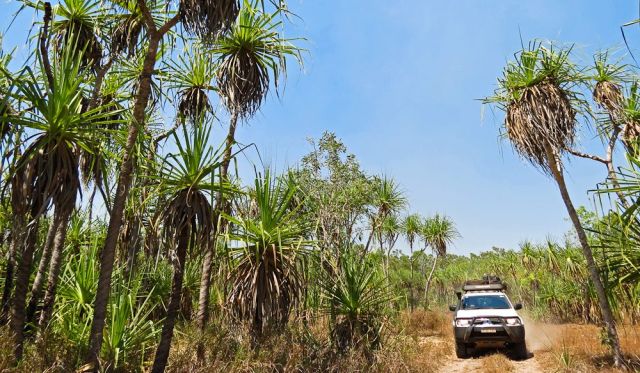
The good news is that Kakadu is a brilliant place for first-time four-wheel drivers, particularly in the dry when well-travelled tracks mean you won’t entirely be heading off into the wilderness alone. If you’re not that keen on driving, you can also take a 4WD tour.
Should I do a Kakadu tour?
Probably. To get the most out of the experience you will need some interpretation of the landscape, the flora, the fauna and most definitely the culture.
We have taken the guess work out with our guide to which Kakadu tours would suit you.
Need tips, more detail or itinerary ideas tailored to you? Ask AT.
AI Prompt
Is there mobile reception?
Not outside the main areas of Jabiru, Cooinda and the Bowali Visitors Centre – but there is wi-fi in the Jabiru town library and many hotels. Remember to tell someone where you are going each day, especially if you happen to be travelling alone (which we don’t recommend).
Is Kakadu any good with and for kids?
Kakadu is brilliant for kids, but there are a couple of things you’ll need to keep in mind.
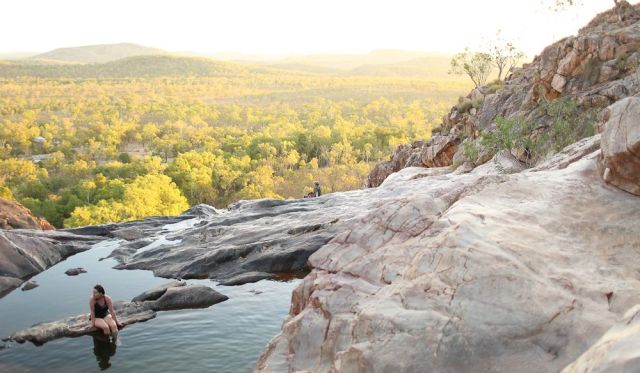
Firstly, walking paths tend to be well-cleared and sometimes boardwalked but there are usually no barriers, so a close eye will be needed for little ones near waterholes where crocs may lurk.
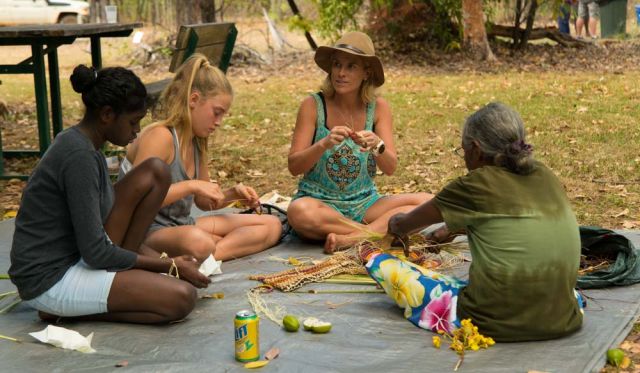
Very little legs will probably only make it to easily accessible sites like Nourlangie and Ubirr and your best bet just might involve a cruise or two. You should also check out the free cultural activities available seasonally through Bowali Visitors Centre.
What should I pack when visiting Kakadu?
Aside from the obvious, such as hat, sunscreen, mozzie repellent and good walking shoes? Extra camera batteries. Also, if like us you’re prone to losing sunglasses and dropping brand new phones, we’d suggest picking up a waterproof disposable camera.
Finally, you’ll want a big, reusable water bottle – it’s recommended you drink four litres a day here, with a minimum of two litres to carry on a walk. You can refill at most managed campsites, hotels and major sights.

Let’s talk about crocodiles.
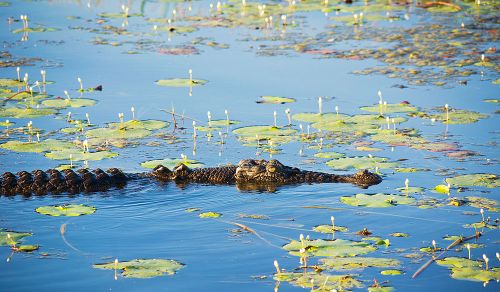
In the Territory, you soon learn that living with crocs is like living with stingers in, say, Cairns – have respect and awareness, and you’ll be fine.
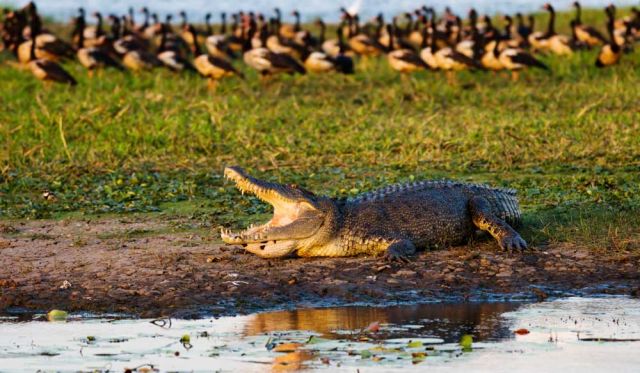
At Kakadu, according to Parks Australia, that means you should always assume there are crocodiles in any body of water you see.
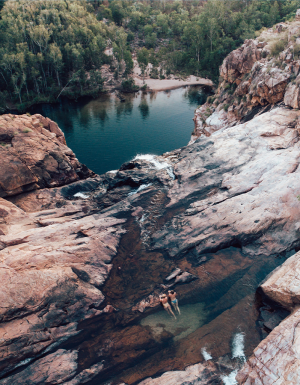
However, there are areas that are designated safe to swim in. As those areas can change, however, your best bet is to check with local park rangers or at a visitors’ centre, before you jump in.
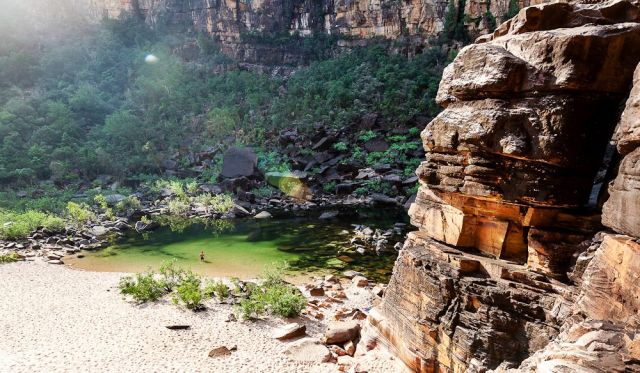
Walking Kakadu: is it suitable for old knees?
Well, yes – and no. You’ll be stoked with the accessibility of popular sites likes Nourlangie and Ubirr – they’re short, easygoing walks, with Ubirr even partially wheelchair/pram-accessible (not bad for a remote wilderness park that’s a third of the size of Tasmania).
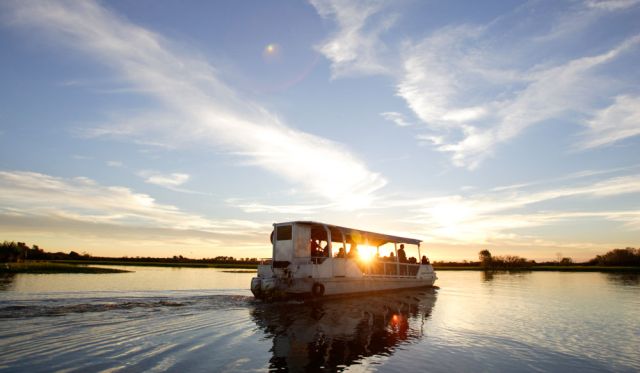
Cruises, such as the Yellow Water and Guluyambi are likewise great options – road access to these boat ramps is 2WD so you can pull up, sit back and enjoy.
Not all sites are easy going. Hiking to the top of waterfalls such as Jim Jim Falls can be moderately challenging, thanks to the steep inclines. Check our story on the best walking in Kakadu and check out National Parks walks page for more.
Best visitors’ centres?
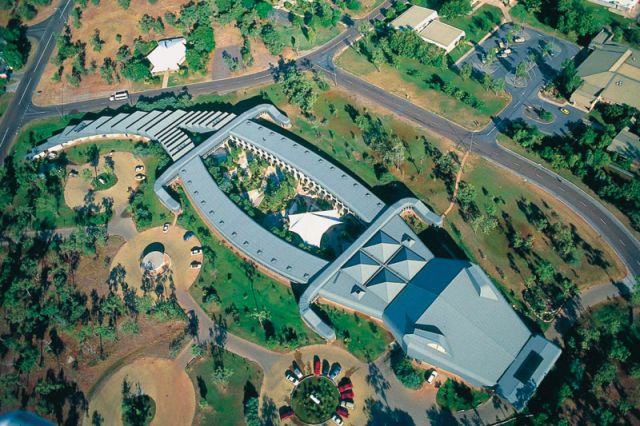
The Warradjan Aboriginal Cultural Centre at Cooinda (gagudjudreaming.com) presents Aboriginal culture the way the local Aboriginal community want it displayed and you’ll find it’s engaging, challenging and fascinating.
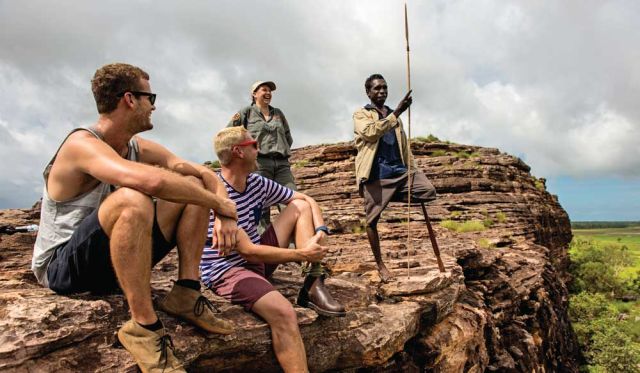
Pudakul Aboriginal Cultural Tours is further afield and operating out of Adelaide River. Completely Aboriginal-owned and operated, it offers you a two-hour immersion in culture and nature including finding bush tucker and making baskets and bags as well as the art of playing the clapstick and didgeridoo. (Thursday–Monday from April to November) (pudakul.com.au).
The Bowali Visitor Centre in Jabiru is a pleasant, cool place with a small library and display area and a most helpful information desk. There’s even a coffee shop.
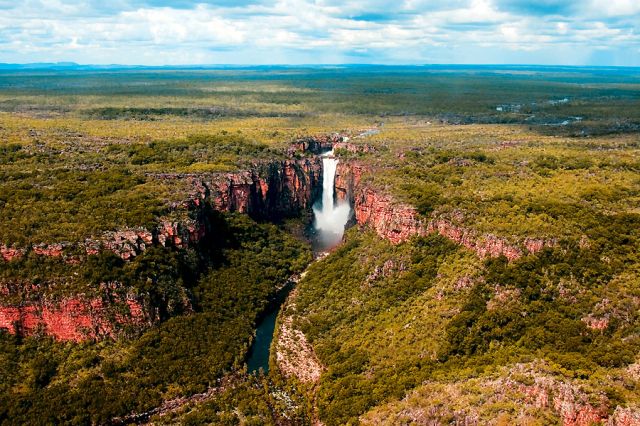
Visiting Kakadu in the Wet Season?
Honestly? We’d argue that seeing Kakadu in the Wet is almost better than in the dry.
This park is home to Australia’s ‘true’ wet season, where heat and humidity generate an explosion of colours and life.
Dramatic thunderstorms, lightning and flooding allow spear grass to grow to over two metres tall, flushing the woodlands with a silvery-green hue; magpie geese nest in the sedgelands; native rats, snakes and goannas seek refuge in the trees, and waterfalls gush with huge force. A third of the park becomes floodplains you can explore by boat.
The end result is one of Earth’s great marvels… even better, it’s crowd-free.
Weekly travel news, experiences
insider tips, offers, and more.
Yes, but I’m not a huge fan of spending my holidays in the rain.
Then we’ve got good news – you won’t.
A typical day during wet season is typical of anywhere in the tropics: mornings are lovely and clear, and then storm clouds will build until around 4pm, when warm, fat raindrops will be unleashed, fast and furious, for a good hour or two.
Occasionally, there might be a week or two where light rain will set in due to a tropical low sitting off the coast, but there can also be weeks at a time with no rain.
The main thing you’ll have to deal with is humidity. Locals plan their lives around weather reporting on the Bureau of Meteorology website (bom.gov.au) and recommend you plan your activities the same way. You can also download the BOM app from app stores.
So what is there to do in the Wet at Kakadu?
Drive through it: You can still road-trip through the park: the Arnhem and Kakadu highways remain open, as do the roads to Nourlangie, Ubirr and Cooinda, although they may occasionally close after big storms.
The roads to Jim Jim and Twin Falls, however, will be closed – best way to see these is on a scenic flight.
Old Jim Jim Road, Gunlom, Maguk and Sandy Billabong are also out of action. Many minor unsealed roads are closed; those that remain open are 4WD-only and some bush campgrounds are closed – you’ll find details at kakaduroadreport.wordpress.com .
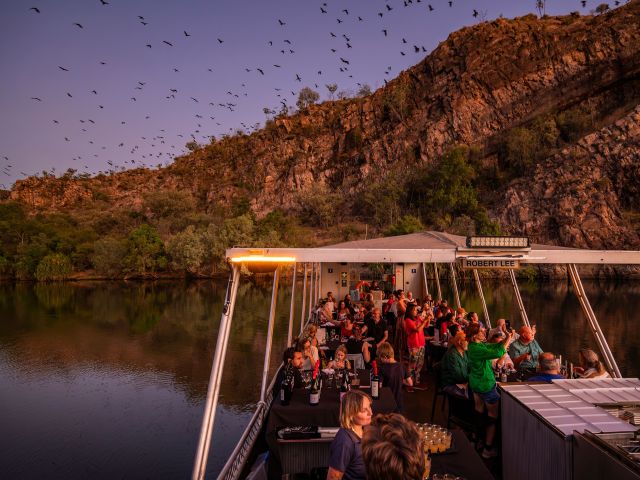
Cruise the floodplains: The iconic Yellow Water cruise still operates during the Wet; if anything, we think the experience is better this time of year. Guluyambi cruise operators are also open, but they move from their dry season home on the East Alligator River to the flooded Magela Wetlands.
Crossing the Magela also gives you access to the normally popular Ubirr rock art site even when road access is closed – consider it your backstage pass to the art.
Go fishing: Generally, the ultimate time to go fishing is actually at the end of the Wet (mid-March to April), when waters start to recede and fish collect in certain areas, though there are some areas where the fishing is better towards the middle of the season. See top fishing spots.
Take a scenic-flight: Kakadu Air, North Australian Helicopters and The Scenic Flight Company all offer scenic flights over the falls in the wet.
As you’d expect, seeing the waterfalls from above, operating at full force, is something else.
See rock art: Popular rock art site Nourlangie is not only accessible during the Wet but was, in the past, a home base for indigenous people during the wet months. You can also take the moderate six-kilometre walk to nearby Gubara Pools for a lovely, cooling swim.
That walk also includes a turn-off to lesser-known rock art site Nanguluwur – bonus! Visit Mamukala Wetlands: Mamukala is generally open year-round and is home to a bird hide, from which you can watch egrets, darters, herons and forest kingfishers undisturbed across the pandanus, paperbark tree and lily pad-strewn waters.
There is more to see and do than this, mind you: check out our page on Kakadu rock art.
For more information on Kakadu & things to do in the NT, visit the official Northern Territory website at northernterritory.com

Editor
View profile and articles