Ready for summer? It’s already arrived in the Northern Territory and there’s plenty to do in the Top End.
In the Northern Territory, the arrival of spring in September is when things get spicy, sweet and sensational. From slurping laksa with chilli at the festival to carving up baskets of sugary mangoes, northern Australia in spring and summer is delicious and lush – with sarong weather guaranteed.
If it’s a little chilly where you are, then pack the bathers and boots, a big appetite and some summer reading and head north. Here are 14 reasons why you need to plan a trip to the Northern Territory this spring/summer.
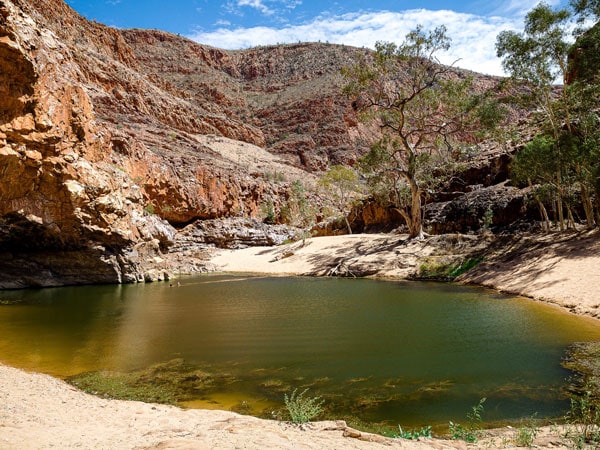
1. Dive into Ormiston Gorge
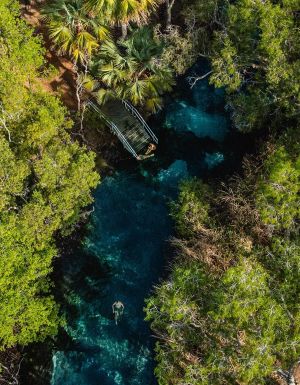
A huge inviting pool surrounded by sandy verges, Ormiston Gorge is the ultimate year-round swimming spot, just 135 km west of Alice Springs. Whether you’re diving in on a summer scorcher or taking a cool dip in the milder months, the water is always refreshingly swimmable. To earn your splash, tackle the 8km Ormiston Pound Walk – a scenic loop that kicks off from the car park and winds its way up to a ridge-top lookout. Up here, you’ll gaze over Ormiston Pound, a striking ring of peaks that pops out against the otherwise endless flat lines of the West MacDonnell Ranges. Ready for that dip now?
2. Fly high at the Darwin Kite Festival
Held annually in late September, this high-flying extravaganza turns Darwin into a kaleidoscope of kites, with everything from quirky shapes to majestic, giant creations dancing in the breeze. Whether you’re a kite enthusiast or just looking for a fun day out, the festival’s lively atmosphere, cool music and family-friendly activities make it a blast for everyone. Pack a picnic, grab your camera, and join the kite-flying frenzy—there’s no better way to spend a day soaking up the sun and watching these fantastical airborne artworks take flight.
3. Take a tour to the Tiwi Islands
Carvings, fabrics, paintings, murals, football, fishing, friendly people… if you love any of these things you should take a ferry ride across the azure waters from Darwin for a window into Tiwi Aboriginal culture and friendliness. One of the best tours on offer, Tiwi By Design , operates until the end of November and it’s even better without the dry season crowds. The tour includes a trip to Bathurst Island (one of the two main islands), where you will meet a local guide and explore the Tiwi Design Art Centre . On the walking tour, pull out the iPhone for a selfie at the gorgeous wooden Catholic Church featured in the ‘Top End Wedding’ movie and wrap yourself in some local Tiwi Islands screen printed fabric to recreate the wedding dress worn by Miranda Tapsell.

4. Eat at the Darwin International Laksa festival
For laksa lovers, October is the stuff of dreams. An entire month is dedicated to eating this sour and spicy noodle broth traditionally topped with meat or seafood. In Darwin, every weekend, locals head to Parap, Rapid Creek and Nightcliff markets to line up for their favourite dish. But in October, this laksa obsession kicks into another gear. An enormous shrine to laksa is placed in the city’s mall and nearly every restaurant, eatery and stallholder participates in the laksa-making competition. Noodle broth lovers can embark on the laksa trail, eating and voting for their favourite bowl until it culminates in a full day of celebrations and the winning dish is crowned.

Need tips, more detail or itinerary ideas tailored to you? Ask AT.
AI Prompt
5. Heat up at the Territory Bar-BQ Festival
The Territory Bar-BQ Festival in October is where the Top End’s love for smoky grills and big flavours sizzles into full swing. Picture this: massive slabs of ribs, juicy briskets, and snags of every size getting that perfect char while the air fills with the mouth-watering aroma of slow-cooked goodness. But it’s not just about the food – there is live music to keep the party vibes rolling and plenty of ice-cold bevvies to wash it all down.
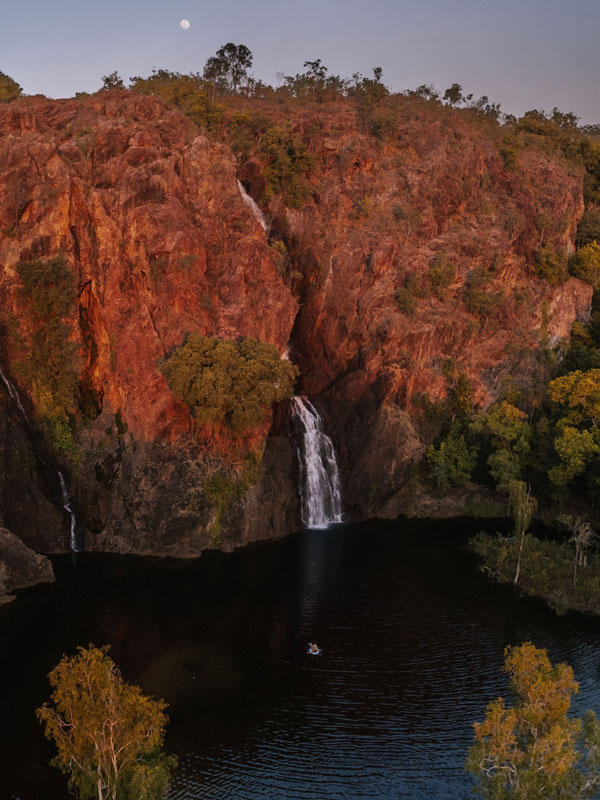
6. Admire Litchfield National Park
One perk of the wet season is that Litchfield National Park‘s waterfalls look fantastic. Here, red rocks set off white plunging water and deep emerald, green pools, making this Top End spot – just a one-hour drive south from Darwin – worth the road trip. Make a beeline for Wangi Falls, a 50m high fall that is the jewel in the crown of Litchfield – and accessible all year round. The more it rains, the better it looks. Take the hiking books as there’s a three-kilometre loop trail that takes you up and over the top of the waterfall, giving you a fabulous view.
7. Explore the Museum and Art Gallery of the Northern Territory (MAGNT)
MAGNT is a treasure trove of wonder and it’s about to get even more dazzling. The much-anticipated reopening of the Cyclone Tracy exhibition in early December marks an exciting new chapter for this cultural gem. After a major facelift, this revamped exhibition promises to captivate visitors with an immersive journey through one of Darwin’s most defining moments. Expect to be wowed by cutting-edge displays and interactive features that bring the story of Cyclone Tracy to life like never before.
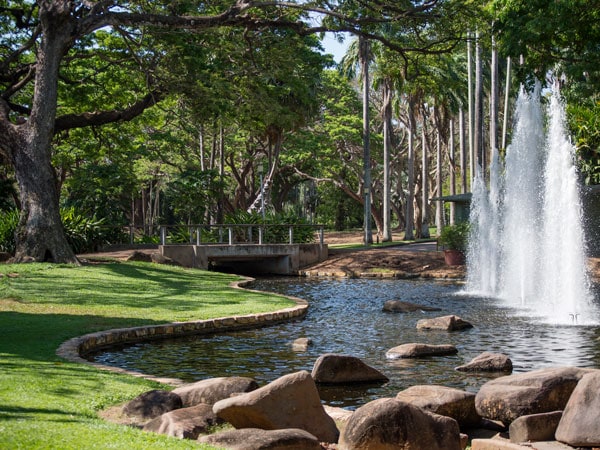
8. Meander through the Darwin Botanic Gardens
Bursting with colourful blooms and lush greenery, the gardens are totally dazzling during the rainy season. Kick things off at the chill lily pond, then dive into the orchid house, marvel at the waterfall, and get your nature fix in the mangrove area. When you’re ready to escape the downpour, make a beeline for Eva’s Botanic Gardens Cafe in the cool, heritage Wesleyan Church for Darwin’s top-notch coffee and breakfast vibes.
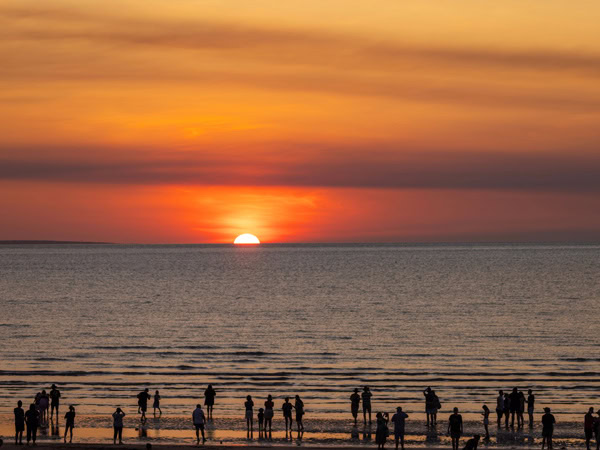
9. Warm the toes at sunset at Mindil Beach
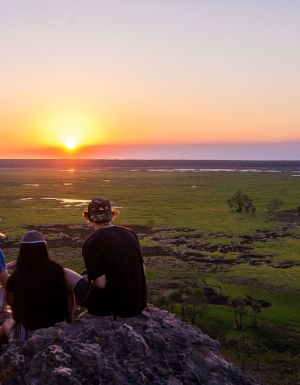
Mindil Beach in spring and summer is a local’s favourite – witness the giant orange sun setting over the ocean while your toes feel cosy and warm in the sand. Take the Larrakia Coastal Walk for a stroll that kicks off at Mindil Beach, winds its way over a boardwalk through a mangrove forest and ends with dreamy views at Bullocky Point. In the wet season, keep your eyes peeled for crabs scuttling around.
10. Catch a millon dollar barra
From October to December, the Top End is prime territory for fishing enthusiasts, with the build-up months delivering some of the best barra action of the year. As the clouds gather and rainfall increases, saltwater estuaries and lower tidal rivers become hotspots for these elusive fish. When the monsoon rains arrive from January to mid-March, catching barra can be a bit more challenging, but they’re still active in the mangrove creeks and estuaries around Darwin Harbour. Fishing during the wet season not only promises thrilling catches but also a shot at fame and fortune, thanks to the Northern Territory Government’s Million Dollar Fish competition.
Weekly travel news, experiences
insider tips, offers, and more.
11. Eat mangoes at Darwin’s markets
Even though it’s summer, the markets are still buzzing with excitement. Swing by Rapid Creek Markets on the weekend to savour tropical fruits and sip on freshly squeezed juice. If you’re in the mood for something spicy, Parap Village Markets offers Mary’s legendary laksa soups.
Over at Nightcliff Markets, locals are hooked on warm Nutella crepes and fresh rice paper rolls. And come late October, mangoes are in full swing—just a heads-up, those mango smoothies and mango sticky rice might become your new obsession.

12. Cool down in the WW2 Tunnels Darwin
Dive into a cool piece of history by exploring the WWII oil storage tunnels, an epic adventure when the rain’s pouring down. These underground passages near Darwin’s Waterfront Precinct were a hidden gem until 1992, when one of them was unveiled to mark 50 years since the Darwin bombings. Today, the tunnels still have a bit of a leak from the underground water supply, adding an extra splash of excitement to your visit.
13. Stay at Nitmiluk National Park
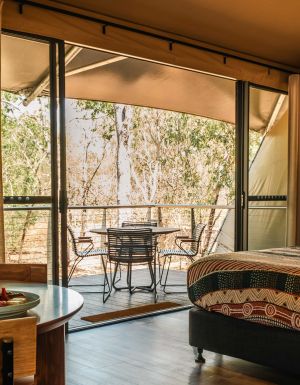
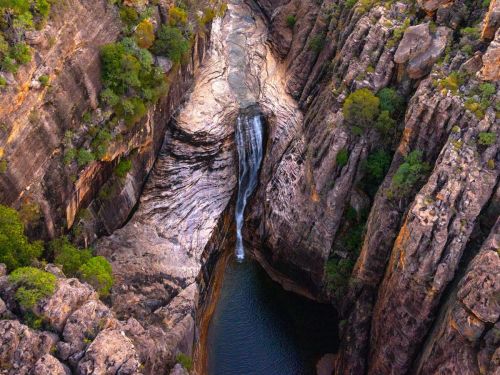
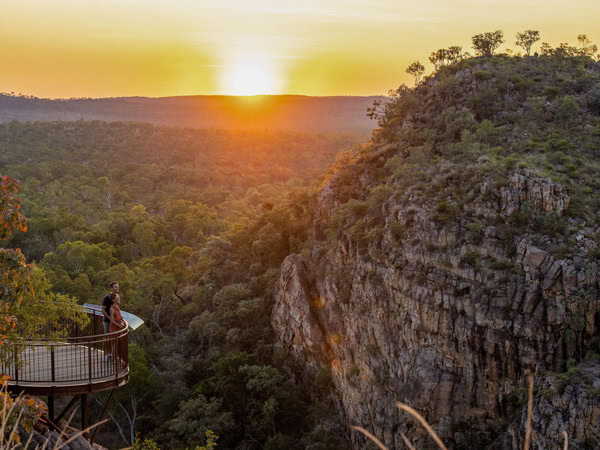
A world-class national park, Nitmiluk National Park near Katherine boasts sandstone cliffs and gorges, Aboriginal rock art, the swanky Cicada Lodge and boat and helicopter rides and cultural tours. The traditional homeland of the Jawoyn people, in the wetter seasons visitors to this spectacular park can witness impressive electrical storms, sun showers and waterfalls in full flow. Helicopter flights over Nitmiluk Gorge are offered all year round, and if you visit over spring and summer, you can see the park at its most vibrant.
14. Fly over Kakadu National Park
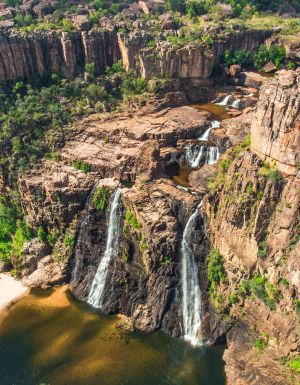
During the wet season, Kakadu National Park transforms into a stunning spectacle of cascading waterfalls and lush, vibrant landscapes. As the heavy rains sweep in, the falls come alive, reaching their most dramatic and awe-inspiring heights, especially from November onwards.
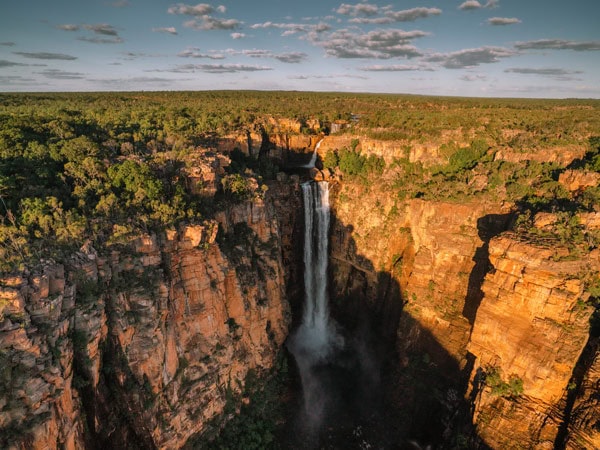
For an unforgettable view of this natural marvel, hop on a scenic flight. From the sky, you’ll get an epic perspective of the roaring waterfalls and the lush, sprawling wilderness that defines Kakadu’s wet-season glory.
Here are the top 12 Darwin city hotels to suit every budget.