Is this Australia’s most beautiful festival?

hero media
It may not be as famous as Denver’s Red Rocks Amphitheatre, but a small resort hidden in the East MacDonnell Ranges is just as deserving of the name and reputation.


On one side of me a hijab-clad dominatrix leads her partner around on a chain, while on the other a glittering gold pharaoh dances wildly. Techno is blaring from a set of speakers but I can barely see the DJ through the haze pouring from a smoke machine and the reflected glare of the desert sun.


This is not a mirage, it’s the Saturday pool party at Wide Open Space and I’ve never been so aware of the complete lack of sequins in my wardrobe. When the music ends a line of revellers snakes up the hill behind the pool, their costumes flashing in the sunlight like fireflies.


There are some incredible outfits but the pick of the bunch is undoubtedly a trio of fiery orange frill-necked lizards created by Sydney artistic collective Deep Sea Astronauts. They show none of the shyness of their reptilian counterparts, strutting around and sticking their blue tongues out as they flash their broad frills.


They are just one of the many unexpected delights of Wide Open Space, a festival that takes place at the Ross River Resort. Approximately 80 kilometres east of Alice Springs, the ‘resort’ is little more than a few buildings clustered on either side of a broad, sandy river bed but for a few days it hosts an ephemeral republic of dancers and dreamers dedicated to celebrating inclusivity.
Wide Open Spaces Festival, Alice Springs, Northern Territory
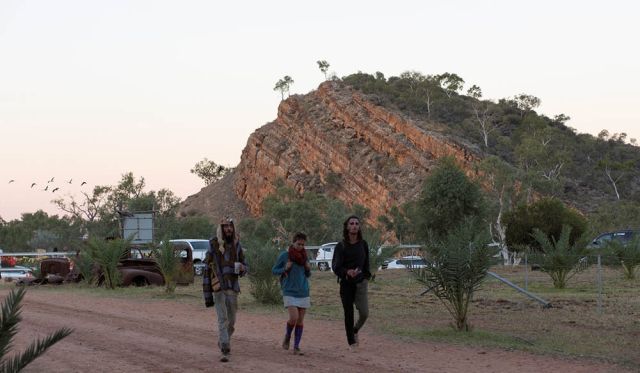
Arriving at Wide Open Space Festival, Alice Springs

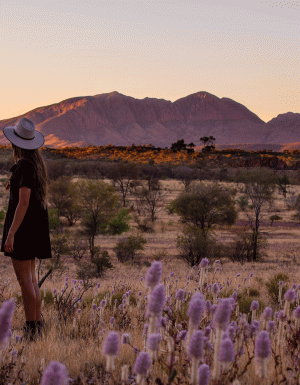
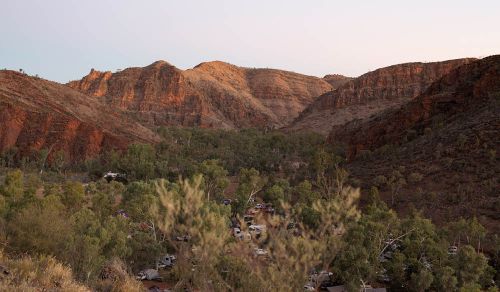
Escarpments of bright red rock studded with dry grasses rise steeply around the site, and the sheltered gorge is a spectacular setting for a program of music, cabaret, panels and workshops that is best described as eclectic.


Apakatjah take their name from a pejorative Luritja word for a person of mixed race heritage and their lyrics talk about being caught between two cultures. But their message is one of acceptance, and this extends to the catchy music that blends reggae, rock and even heavy metal influences.


Other acts include Quebecois psych rock sleaze funk with caustic social commentary and a very modern girl group whose choreographed dance moves and chanted vocals underpin fun, danceable songs that tackle issues like privilege and gender inequality.


Between musical acts, a sound tech delivers a deadpan comedy set as free range children roam around. In the shaded workshop area, a seated group learns traditional basket weaving techniques while a flash mob of bright blue and green fish dances their way around the site in a school.


Panels discuss the state of the arts in the Northern Territory and the ongoing impact of The Intervention on Indigenous communities.


At several points during the festival, Arrente traditional owners lead ceremonies that help us connect to country but Wide Open Space also has plenty of traditions that are all its own. The most spectacular is the sunset ceremony on the final evening, which gives us a literal overview of the festival site from a hilltop vantage point.


The tiny cluster of stages, tents and campervans pales into insignificance with the view over the other side; a flood plain crowded with trees is a burst of life in this desert landscape and leads up to a long ridge of sawtooth peaks.


Closer at hand, hundreds of dusty and bedraggled festivalgoers are lit up by the setting sun in a symphony of colour. We crowd together to make room as more arrive and when someone reaches the summit with a bass drum held aloft, a band strike up a tune. Those of us who’ve attended choir rehearsal each morning start to sing the three part harmonies to Whitney Houston’s I Want To Dance With Somebody.


I have no idea who chose the song, but the setting and sense of community combine to make it a euphoric moment. As we finish, cheers and whistles ring out and high fives are exchanged. The costumes are a little worse for wear and the crowd weary but I am grinning incessantly, as are most of the people around me. A man who looks like a cross between Mad Max and Carmen Miranda turns to me.


“This has got to be the most beautiful festival in the country" he says, and it’s hard not to agree.

Need tips, more detail or itinerary ideas tailored to you? Ask AT.

AI Prompt

Wide Open Space, Alice Springs

Get information on tickets and upcoming dates, visit wideopenspace.net.au

Check out our pick of NT festivals and events and Parrtjima – A festival of light.

Images via Ross McNaughtan

For more information on festivals & things to do in the NT, visit the official Northern Territory website at northernterritory.com

Want to see more stories from Australian Traveller in your Google search results?

  1. Click here to set Australian Traveller as a preferred source.
  2. Tick the box next to "Australian Traveller". That's it.
Alexis Buxton-Collins
Alexis Buxton-Collins spent his twenties working as a music journalist and beer taster before somehow landing an even dreamier job as a freelance travel writer. Now he travels the world from his base in Adelaide and contributes to publications including Qantas, Escape, The Guardian and Lonely Planet. Alexis has never seen a hill he didn't want to climb and specialises in outdoor adventures (he won the 2022 ASTW award for best nature/wildlife story for a feature on Kangaroo Island). When he's not scouring South Australia for the newest wineries and hikes, he's looking for excuses to get back to spots like Karijini and Ningaloo.
View profile and articles
hero media

8 reasons why the low season is the best time to explore the Northern Territory

Credit: Tourism and Events NT

September to April in the Northern Territory rewards those who seek adventure.

Sure, the Northern Territory shines during the high season, but did you know it transforms into lush magnificence in the summer low season? From September to April, hundreds of waterfalls roar into action, vegetation flourishes and natural pools swell, all thanks to spectacular storms. This is when some of the country’s best arts and cultural events hit the calendar, too.

Travelling at this time of year means you’ll also be rewarded with off-peak travel pricing on accommodation, tours and experiences, and can even enjoy many of the top sites all to yourself.

1. Kings Canyon is transformed

Kings Canyon Rim Walk Garden Of Eden in the rain
Kings Canyon transforms in the low season. (Image: Kassia Byrnes)

Kings Canyon’s towering sandstone domes and crevasses are a sight to behold year-round, but during the low season you can witness a rare phenomenon. This ancient outback wonder’s arid landscape bursts to life when it rains, temporarily transforming it with waterfalls that thunder down the cliffs. At the base of the canyon is the verdant Garden of Eden and its permanent watering hole.

2. John Hayes Rockhole is a natural wonder

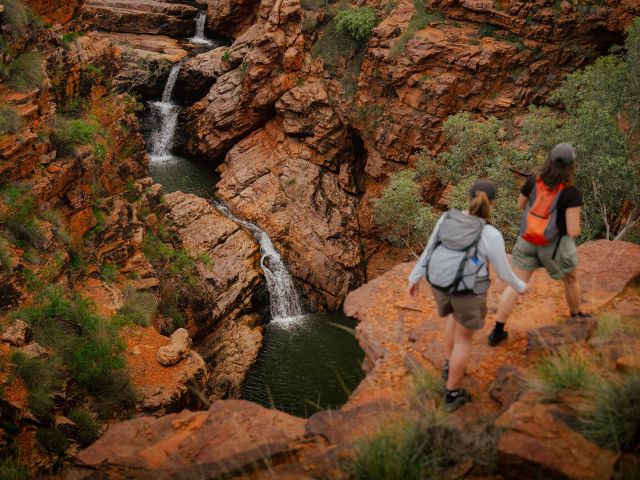
Two women hiking to John Hayes Rockhole, one of the unforgettable experiences during the best time to explore the NT.
Hike to a desert oasis. (Credit: Tourism and Events NT)

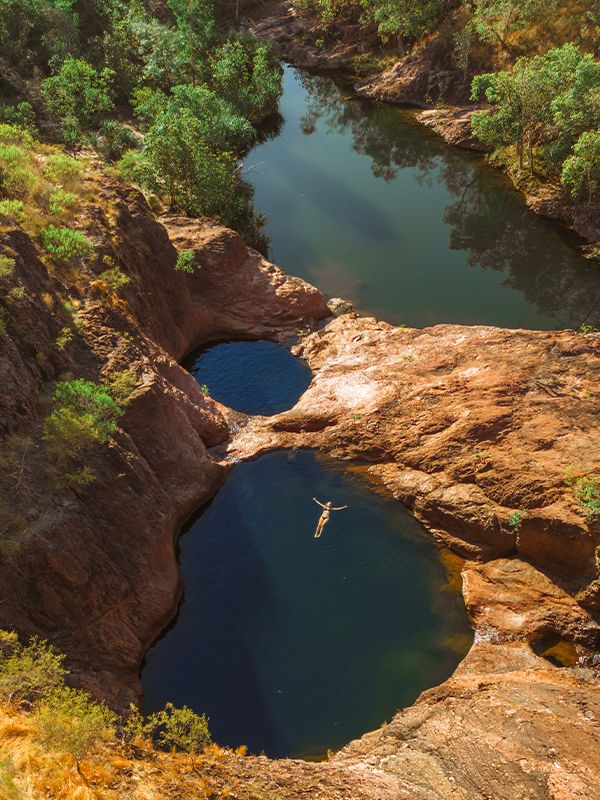
Hidden in the Trephina Gorge Nature Park in the East MacDonnell Ranges, John Hayes Rockhole is an oasis waiting to be discovered. Visit the narrow canyon during the high season, and you may see only a sandy creekbed, but after rain in the low season the pool is full of cool water. It’s accessible via a 4WD-only track off the Ross Highway, or you can set out early and join the nine-kilometre Trephina Ridgetop Walk. The reward for undertaking the hike is worth every step, and there’s a dedicated, tent-only campground for those who’d like to soak up the serenity overnight.

3. The Red Centre Light Trail shines bright

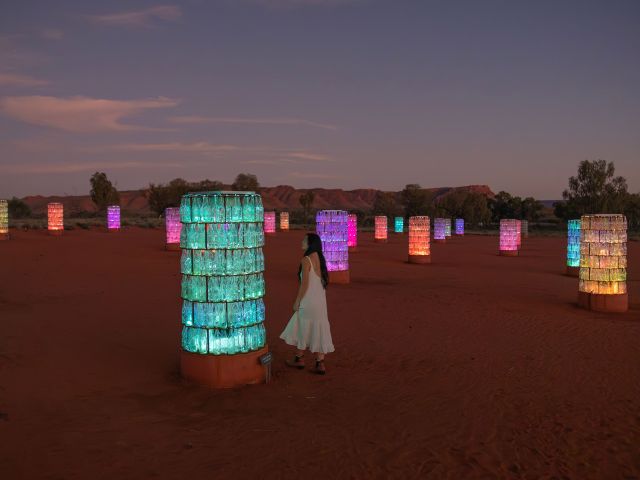
A woman admiring The Light Towers, one of the must-see attractions during the best time to explore the NT.
Watch the Outback light up after sunset. (Credit: Tourism and Events NT)

The Red Centre’s rich cultural heritage and lack of light pollution make it the ideal setting for immersive light shows, and you can experience the most iconic ones on an epic six-day road trip in April. Witness the Parrtjima cultural festival in Mparntwe (Alice Springs) before heading to Kings Canyon for Bruce Munro’s Light-Towers, where 69 glowing towers shine to a celestial soundscape. At Uluṟu, Munro’s Field of Light blankets the red soil with glowing frosted-glass stems, and the Wintijiri Wiru drone show lights up the sky in front of the sacred cultural site. Along the way you’ll witness the changing landscapes of the desert from the West MacDonnell Ranges to the Valley of the Winds.

4. The Parrtjima festival lights up the Red Centre

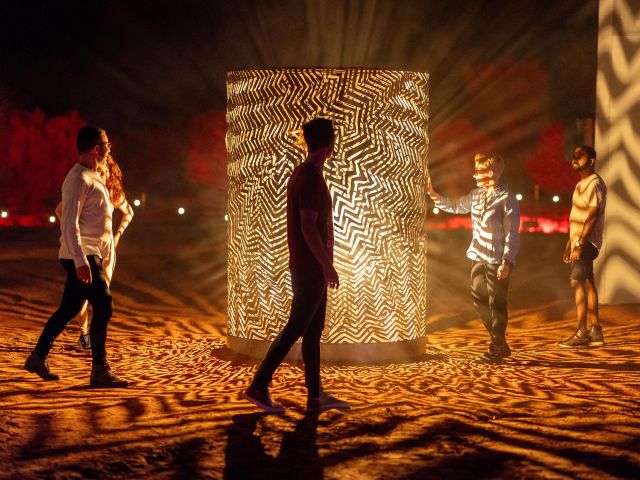
Festival lights illuminating the Northern Territory, showing why the best time to explore the NT is during festival season.
Witness the magic of Parrtjima. (Credit: Tourism and Events NT)

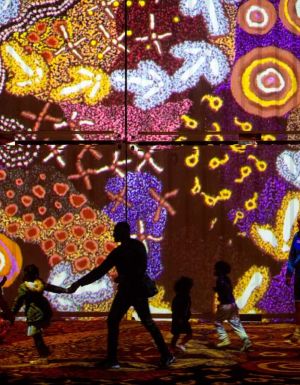
For 10 days every April, the Red Centre turns into a dazzling display of colour for the Parrtjima festival. Held at Alice Springs Desert Park, the unmissable celebration shines a spotlight on the world’s oldest living culture using modern technology. Artworks by local Aboriginal artists are transformed into large-scale illuminated installations with accompanying soundscapes, offering a unique opportunity to see the spectacular sunburnt landscapes, night skies and 300-million-year-old West MacDonnell Ranges in a new light. The jam-packed line-up of art and cultural events also includes workshops, markets, short films, talks and live music.

5. Cruising along Nitmiluk Gorge is breathtaking

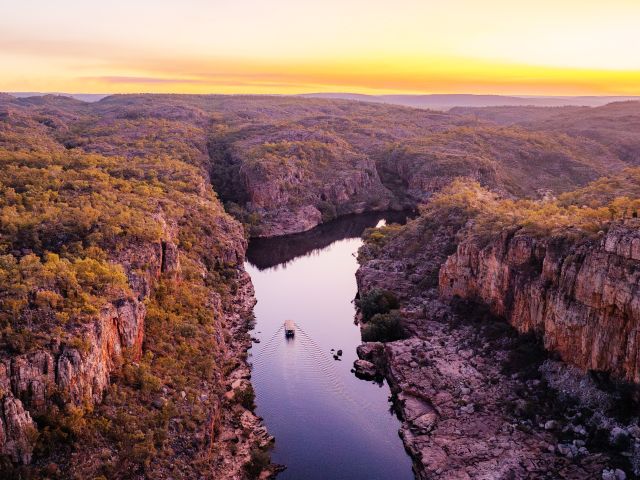
Aerial view of Nitmiluk Gorge, showcasing its dramatic cliffs and waterways.
Sail between towering sandstone cliffs. (Credit: Tourism and Events NT/Nic Morley)

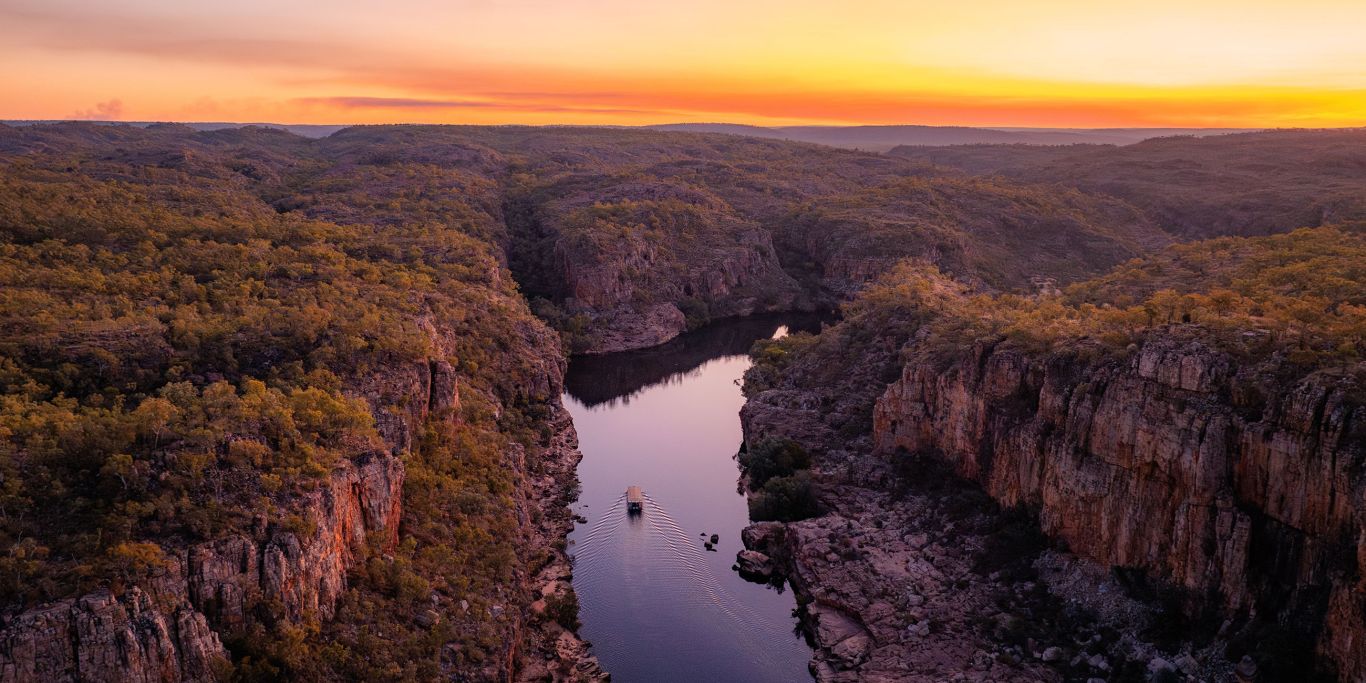
Drifting down the emerald waters of Nitmiluk (Katherine) Gorge between towering red sandstone cliffs carved over millions of years, all while waterfalls stream down around you, is an experience like none other. Nitmiluk Katherine’s two-hour NitNit Dreaming Two Gorge Tour sails through gorges past ancient rock art while a local guide imparts knowledge about the Jawoyn culture and significance of the landscape.

6. You can explore local culture on the Tiwi Islands

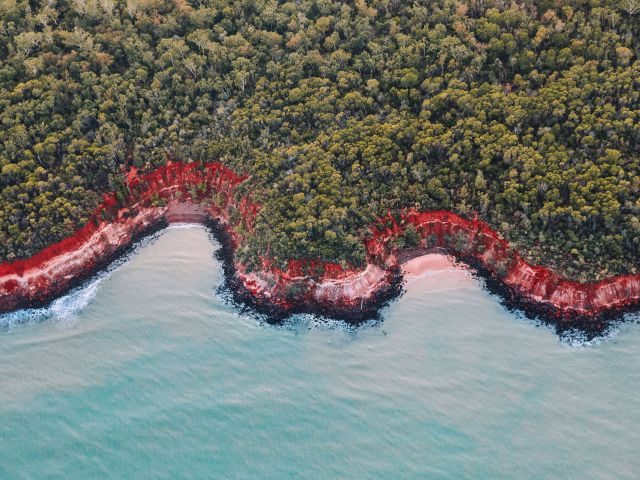
A quick boat ride from Darwin lies the peculiarly pink shores of Melville Island, Tiwi Islands. Populated by the hilariously cheeky Indigenous Tiwis, stepping onto the Islands is like stepping back in time. Sweeping rusty dirt roads meander through the eucalypt forest and are interspersed only by small communities and freshwater springs.
Immerse yourself in Tiwi culture. (Credit: Tourism and Events NT/Elise Cook)

Take an 80-kilometre ferry ride from Darwin to arrive at the Tiwi Islands, an archipelago of 11 picturesque islands and a haven for art lovers and anglers. On the Tiwi By Design walking tour you’ll be guided to the Tiwi Design Art Centre, one of Australia’s oldest art centres, to observe local artists in action and join a screen printing workshop.

If you’re more partial to sinking a line, book a stay at Tiwi Island Retreat in April. It’s one of the best months to fish for barramundi, and their world-class fishing adventures are your best chance at reeling in a prized catch.

7. Scenic flights over Kakadu’s waterfalls are jaw-dropping

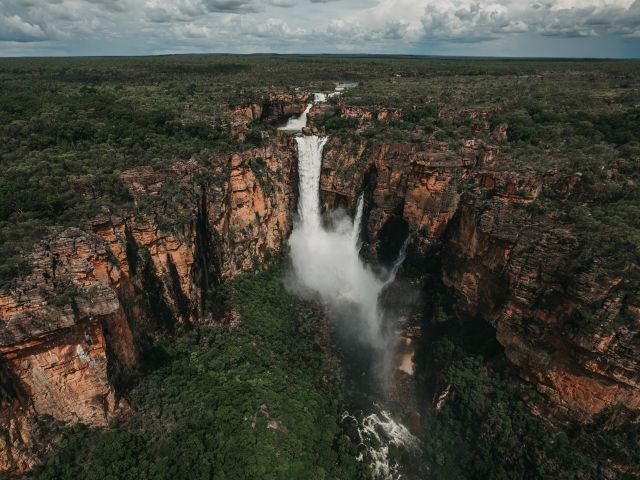
Jim Jim Falls from above during a wet season helicopter tour. Covering nearly 20,000 square kilometres, Kakadu National Park is teeming with wildlife, home to important Aboriginal rock art sites, and takes in diverse and exotic landscape.
Soar above Jim Jim Falls. (Credit: Tourism and Events NT/Jarrad Seng)

Seeing Kakadu National Park’s gushing waterfalls and dramatic escarpments from above offers a dose of unparalleled beauty – and it’s all best witnessed in the low season.

Taking flight from Darwin, Kakadu Air Services offers an unforgettable experience, with doorless helicopters revealing unobstructed views of the 1.8-billion-year-old landscape. Soar above the untouched savannah that turns into a tropical green paradise, marvel at the thunderous Jim Jim Falls and Twin Falls, and whiz through ancient sandstone canyons. If you’re lucky, the scenery will look all the more dramatic with rolling tropical storm clouds in the distance.

8. Litchfield National Park is an amazing place to cool off

Litchfield National Park
Dive into natural swimming holes. (Image: Tourism NT/Joshua Griffen)

Litchfield National Park is peppered with stunning natural swimming pools for you to beat the heat in. Take a refreshing dip in pristine, crocodile-free spots such as Buley Rockhole, a series of spring-fed cascading pools, and the nearby Florence Falls, which is enveloped by monsoon rainforest and features a crystal-clear plunge pool fed by a 15-metre-high waterfall. Be sure to check the Northern Territory Parks & Reserves website for closures before you go.

Start planning your low season adventure of a lifetime at northernterritory.com.

Is 'Wide Open Space' Australia's Most Beautiful Festival?