hero media

The one thing more than half of Uluṟu visitors wish they’d done differently

Credit: Unsplash/photoholgic

As revealed by a new study. 

You wouldn’t wolf down a gourmet three-course meal in five minutes. So why, when it comes to travel, do we routinely try to cram days of discovery into a few whirlwind hours? 

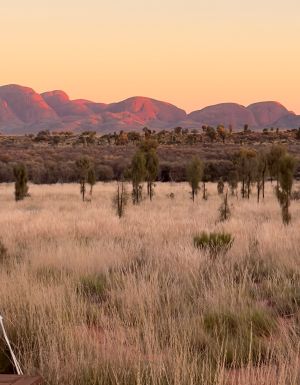
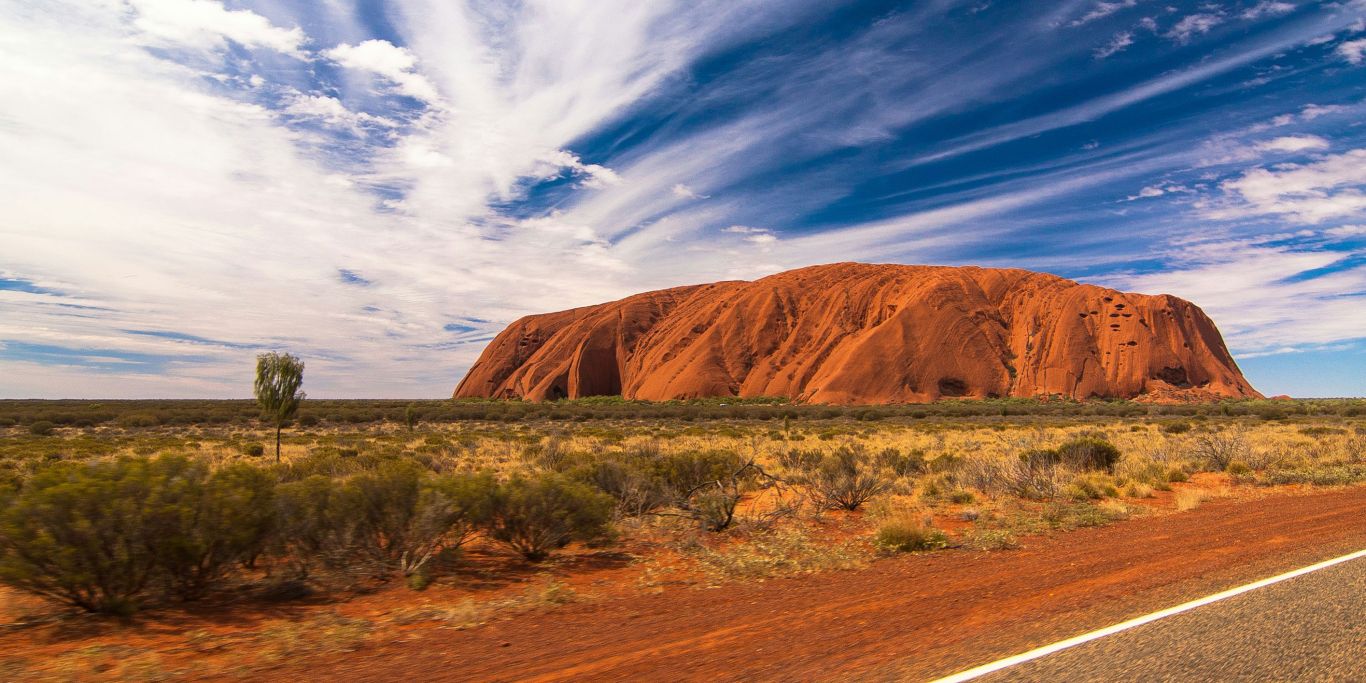
Few places are less suited to a whistle-stop visit than Uluṟu, the Northern Territory’s 500-million-year-old, incredibly special sandstone monolith that’s laden with Aṉangu culture. Yet a new study suggests most visitors underestimate just how much time the region warrants.  

Ayers Rock Resort, operated by Voyages Tourism Australia, surveyed 250 guests and found 52 per cent would stay longer if they were to plan their trip again. A further 72 per cent of respondents said Uluṟu offered more to do than they had expected. 

“Many Australians still think of Uluṟu as a destination you can see in a day or two, but our guests consistently tell us they’ve underestimated both the scale of the landscape and the range of experiences on offer," said Ana Sofia Ayala, Chief Marketing Officer at Voyages Tourism Australia.  

The appeal of the UNESCO World Heritage-listed landscape extends well beyond the famous rock itself, encompassing the domed formations of Kata Tjuṯa, striking desert scenery and rich Aṉangu cultural and arts experiences. In fact, there are more than 100 bookable experiences and tours near Uluṟu to explore. 

How long should I spend at Uluṟu?
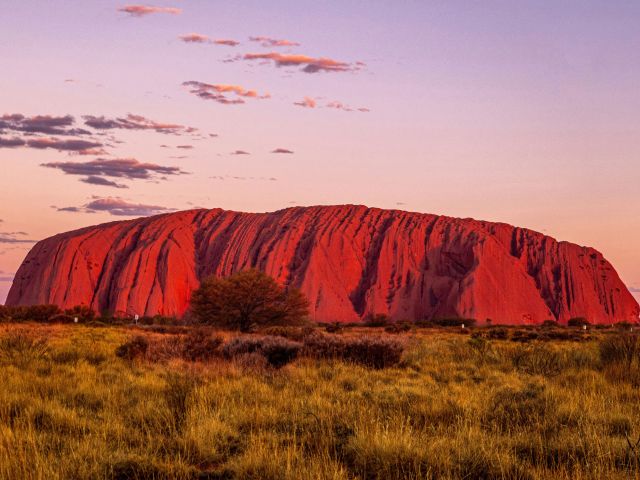
Uluṟu sunset
Past visitors regretted trying to fit too much into a short stay and not staying longer. (Credit: Unsplash/Danny Lau)

The typical Uluṟu tourist stay lasts two to three nights, but those who’ve visited have a different recommendation. According to Ayer Rock Resort’s survey, 68 per cent of past visitors would advise first-timers to stay at least four nights in Uluṟu-Kata Tjuṯa National Park to fully appreciate the area’s breadth and depth of experiences.

“I spent three days at Uluṟu in 2023, and I packed in as much as I could. Field of Light, sunrise at Talinguṟu Nyakunytjaku, the ranger-guided Mala walk and of course the wonderful Wintjiri Wiṟu Sunset Dinner," says Emily Murphy, Australian Traveller’s Email & Social Editor.

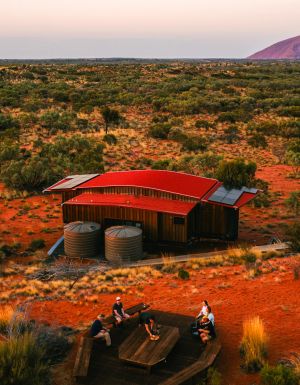
“But I flew home with a list of everything I’d missed: dinner under the stars at Tali Wiṟu, Kata Tjuṯa, the full base walk. And if I’m dreaming, a night at Longitude 131˚ [a bucket-list luxury lodge with incredible views of Uluṟu]. Three days gets you the highlights, but it doesn’t give you time to slow down and fully take the place in." 
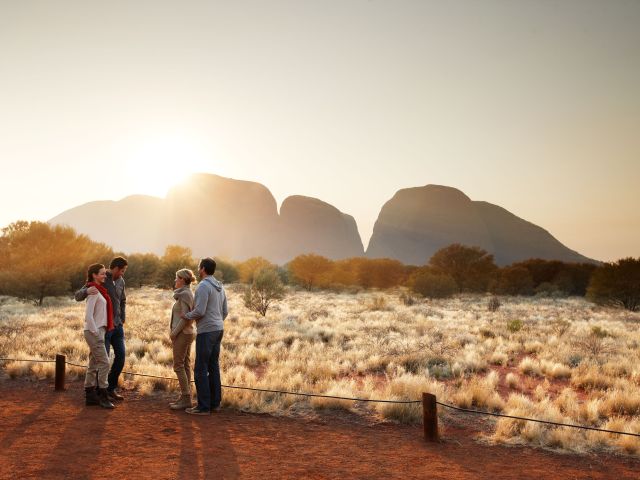
Kata Tjuṯa
Discover the incredible Kata Tjuṯa domes with Voyages Tourism Australia.

Ayers Rock Resort survey respondents similarly urged other visitors to budget extra time to experience all the wonderful tourism offerings available.  

“Do as much as you can, but don’t rush it. Give yourself time to take it all in," says Judy from South Australia’s Grange.  

Angelimar of Maribyrnong, Victoria, agrees it’s not worth speeding through your stay. “Allow at least five days, four nights so you are not rushing." 

And for Kay from Elland, NSW, pre-planning is key: “Do your homework before you go! There’s so much more [to do] than we thought." 

Need tips, more detail or itinerary ideas tailored to you? Ask AT.

AI Prompt

Is 3 nights in Uluṟu enough? 

Bush Food Experience with Ayers Rock Resort
Leave enough time to try the Bush Food Experience by Ayers Rock Resort.

Three nights in Uluṟu is sufficient for witnessing just the highlights, but doing so is likely to feel rushed. Many visitors who’ve done three nights or less leave feeling like they’ve barely scraped the surface.

Moreover, the region’s tourism offerings continue to expand. Some visitors return time and again, watching Uluṟu evolve through the decades – and discovering that its magic never seems to fade. 

What can I do in Uluru in 5 days? 
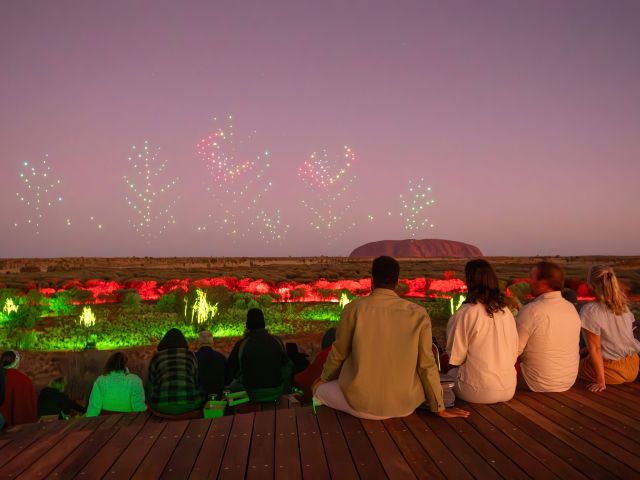
Wintjiri Wiru
Pre-book the mesmerising Wintjiri Wiru experience.

The short answer… so much! From amazing dining experiences to cycling the rock’s base, below are some of our top picks of things to do in the region.  

For art and culture

For nature 

  • Sunrise at Talinguṟu Nyakunytjaku viewing point
  • Outback Sky Journeys stargazing
  • Kata Tjuṯa domes

For active adventures  

For food 

Sally from Bulimba, Queensland, recommends trying a range of experiences. “Do it all: walk around, Segway around, do all the walks, eat the special dinners, seek the sunsets, meet the locals." 

Weekly travel news, experiences
insider tips, offers, and more.

More takeaways from the survey

When asked about the biggest mistakes when planning and experiencing an Uluṟu trip, the most common answers – beyond trying to fit too much into a short visit, not staying long enough and not realising how much there is to do – included visiting at the wrong time of year (May to September is usually the best time) and not booking experiences far enough in advance.

Both are fair pieces of advice for a destination that continues to enchant, educate and captivate visitors time and time again.

Want to see more stories from Australian Traveller in your Google search results?

  1. Click here to set Australian Traveller as a preferred source.
  2. Tick the box next to "Australian Traveller". That's it.
Eleanor Edström
Eleanor Edström is Australian Traveller’s Associate Editor. Previously a staff writer at Signature Luxury Travel & Style and Vacations & Travel magazines, she's a curious wordsmith with a penchant for conservation, adventure, the arts and design. She discovered her knack for storytelling much earlier, however – penning mermaid sagas in glitter ink at age seven. Proof that her spelling has since improved, she holds an honours degree in English and philosophy, and a French diploma from the University of Sydney. Off duty, you’ll find her pirouetting between Pilates and ballet classes, or hunting down Sydney's cosiest cafes.
View profile and articles
hero media

8 reasons why the low season is the best time to explore the Northern Territory

Credit: Tourism and Events NT

September to April in the Northern Territory rewards those who seek adventure.

Sure, the Northern Territory shines during the high season, but did you know it transforms into lush magnificence in the summer low season? From September to April, hundreds of waterfalls roar into action, vegetation flourishes and natural pools swell, all thanks to spectacular storms. This is when some of the country’s best arts and cultural events hit the calendar, too.

Travelling at this time of year means you’ll also be rewarded with off-peak travel pricing on accommodation, tours and experiences, and can even enjoy many of the top sites all to yourself.

1. Kings Canyon is transformed

Kings Canyon Rim Walk Garden Of Eden in the rain
Kings Canyon transforms in the low season. (Image: Kassia Byrnes)

Kings Canyon’s towering sandstone domes and crevasses are a sight to behold year-round, but during the low season you can witness a rare phenomenon. This ancient outback wonder’s arid landscape bursts to life when it rains, temporarily transforming it with waterfalls that thunder down the cliffs. At the base of the canyon is the verdant Garden of Eden and its permanent watering hole.

2. John Hayes Rockhole is a natural wonder

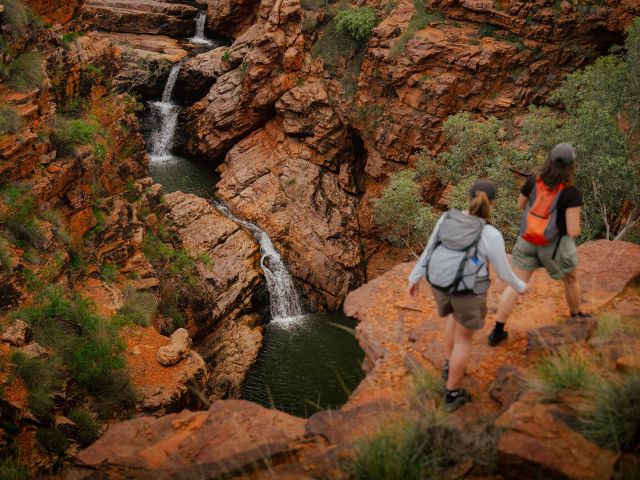
Two women hiking to John Hayes Rockhole, one of the unforgettable experiences during the best time to explore the NT.
Hike to a desert oasis. (Credit: Tourism and Events NT)

Hidden in the Trephina Gorge Nature Park in the East MacDonnell Ranges, John Hayes Rockhole is an oasis waiting to be discovered. Visit the narrow canyon during the high season, and you may see only a sandy creekbed, but after rain in the low season the pool is full of cool water. It’s accessible via a 4WD-only track off the Ross Highway, or you can set out early and join the nine-kilometre Trephina Ridgetop Walk. The reward for undertaking the hike is worth every step, and there’s a dedicated, tent-only campground for those who’d like to soak up the serenity overnight.

3. The Red Centre Light Trail shines bright

A woman admiring The Light Towers, one of the must-see attractions during the best time to explore the NT.
Watch the Outback light up after sunset. (Credit: Tourism and Events NT)

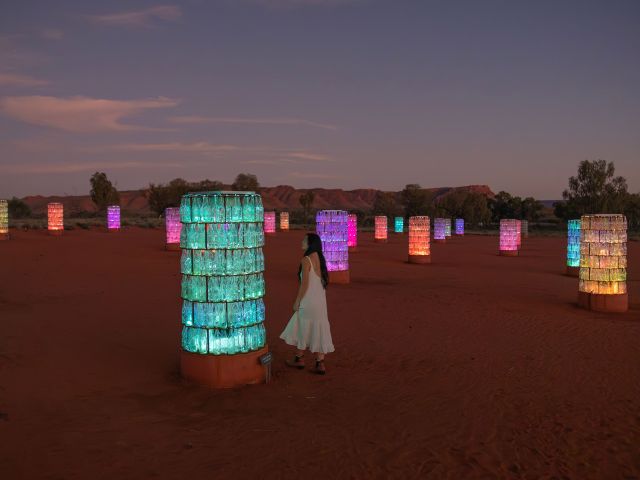
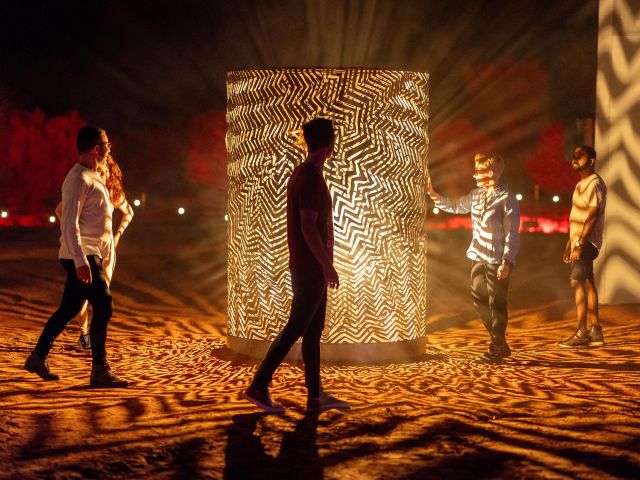
The Red Centre’s rich cultural heritage and lack of light pollution make it the ideal setting for immersive light shows, and you can experience the most iconic ones on an epic six-day road trip in April. Witness the Parrtjima cultural festival in Mparntwe (Alice Springs) before heading to Kings Canyon for Bruce Munro’s Light-Towers, where 69 glowing towers shine to a celestial soundscape. At Uluṟu, Munro’s Field of Light blankets the red soil with glowing frosted-glass stems, and the Wintijiri Wiru drone show lights up the sky in front of the sacred cultural site. Along the way you’ll witness the changing landscapes of the desert from the West MacDonnell Ranges to the Valley of the Winds.

4. The Parrtjima festival lights up the Red Centre

Festival lights illuminating the Northern Territory, showing why the best time to explore the NT is during festival season.
Witness the magic of Parrtjima. (Credit: Tourism and Events NT)

For 10 days every April, the Red Centre turns into a dazzling display of colour for the Parrtjima festival. Held at Alice Springs Desert Park, the unmissable celebration shines a spotlight on the world’s oldest living culture using modern technology. Artworks by local Aboriginal artists are transformed into large-scale illuminated installations with accompanying soundscapes, offering a unique opportunity to see the spectacular sunburnt landscapes, night skies and 300-million-year-old West MacDonnell Ranges in a new light. The jam-packed line-up of art and cultural events also includes workshops, markets, short films, talks and live music.

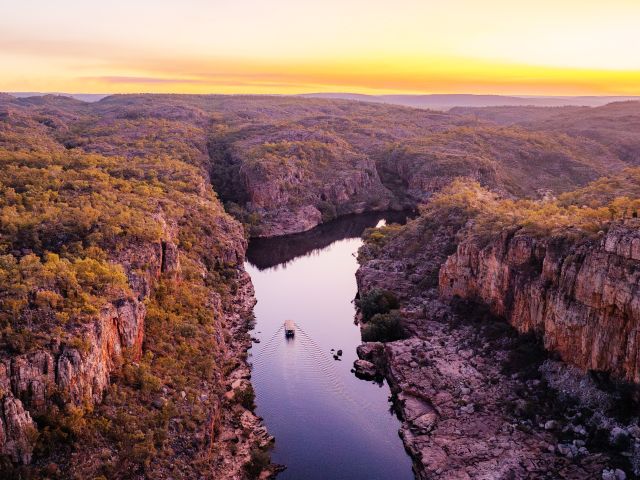
5. Cruising along Nitmiluk Gorge is breathtaking

Aerial view of Nitmiluk Gorge, showcasing its dramatic cliffs and waterways.
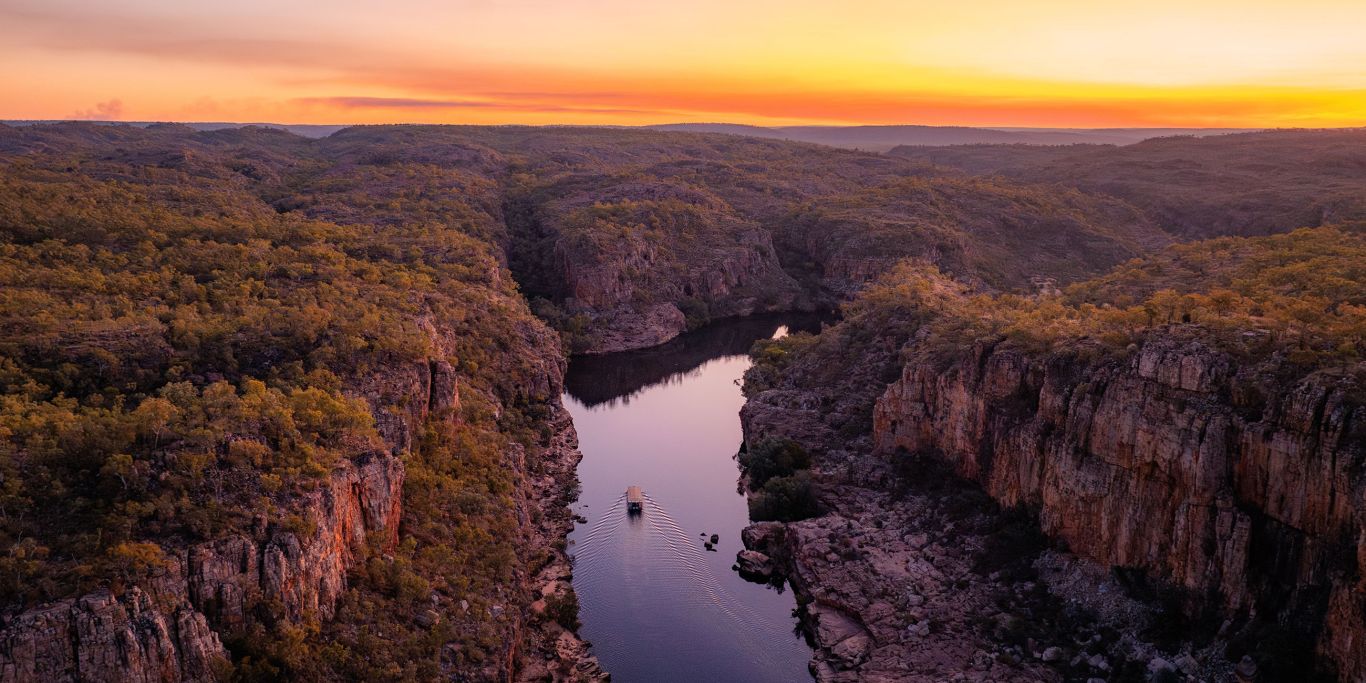
Sail between towering sandstone cliffs. (Credit: Tourism and Events NT/Nic Morley)

Drifting down the emerald waters of Nitmiluk (Katherine) Gorge between towering red sandstone cliffs carved over millions of years, all while waterfalls stream down around you, is an experience like none other. Nitmiluk Katherine’s two-hour NitNit Dreaming Two Gorge Tour sails through gorges past ancient rock art while a local guide imparts knowledge about the Jawoyn culture and significance of the landscape.

6. You can explore local culture on the Tiwi Islands

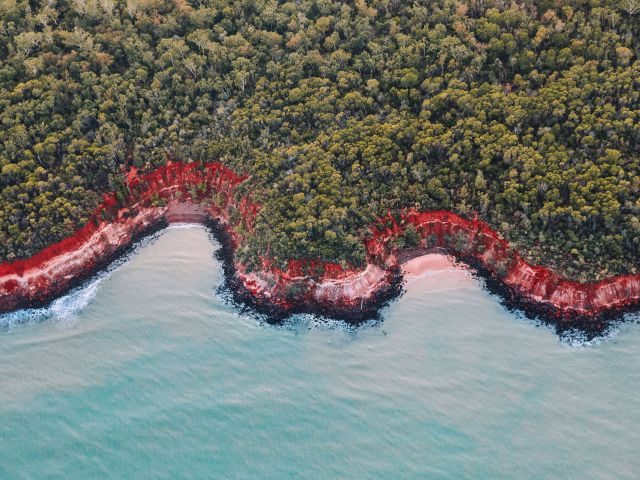
A quick boat ride from Darwin lies the peculiarly pink shores of Melville Island, Tiwi Islands. Populated by the hilariously cheeky Indigenous Tiwis, stepping onto the Islands is like stepping back in time. Sweeping rusty dirt roads meander through the eucalypt forest and are interspersed only by small communities and freshwater springs.
Immerse yourself in Tiwi culture. (Credit: Tourism and Events NT/Elise Cook)

Take an 80-kilometre ferry ride from Darwin to arrive at the Tiwi Islands, an archipelago of 11 picturesque islands and a haven for art lovers and anglers. On the Tiwi By Design walking tour you’ll be guided to the Tiwi Design Art Centre, one of Australia’s oldest art centres, to observe local artists in action and join a screen printing workshop.

If you’re more partial to sinking a line, book a stay at Tiwi Island Retreat in April. It’s one of the best months to fish for barramundi, and their world-class fishing adventures are your best chance at reeling in a prized catch.

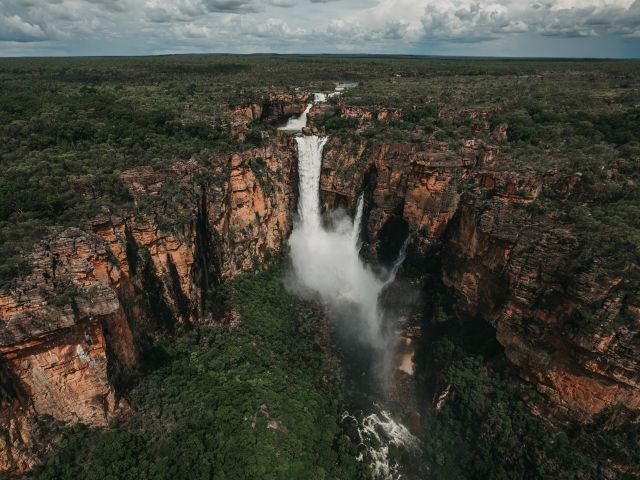
7. Scenic flights over Kakadu’s waterfalls are jaw-dropping

Jim Jim Falls from above during a wet season helicopter tour. Covering nearly 20,000 square kilometres, Kakadu National Park is teeming with wildlife, home to important Aboriginal rock art sites, and takes in diverse and exotic landscape.
Soar above Jim Jim Falls. (Credit: Tourism and Events NT/Jarrad Seng)

Seeing Kakadu National Park’s gushing waterfalls and dramatic escarpments from above offers a dose of unparalleled beauty – and it’s all best witnessed in the low season.

Taking flight from Darwin, Kakadu Air Services offers an unforgettable experience, with doorless helicopters revealing unobstructed views of the 1.8-billion-year-old landscape. Soar above the untouched savannah that turns into a tropical green paradise, marvel at the thunderous Jim Jim Falls and Twin Falls, and whiz through ancient sandstone canyons. If you’re lucky, the scenery will look all the more dramatic with rolling tropical storm clouds in the distance.

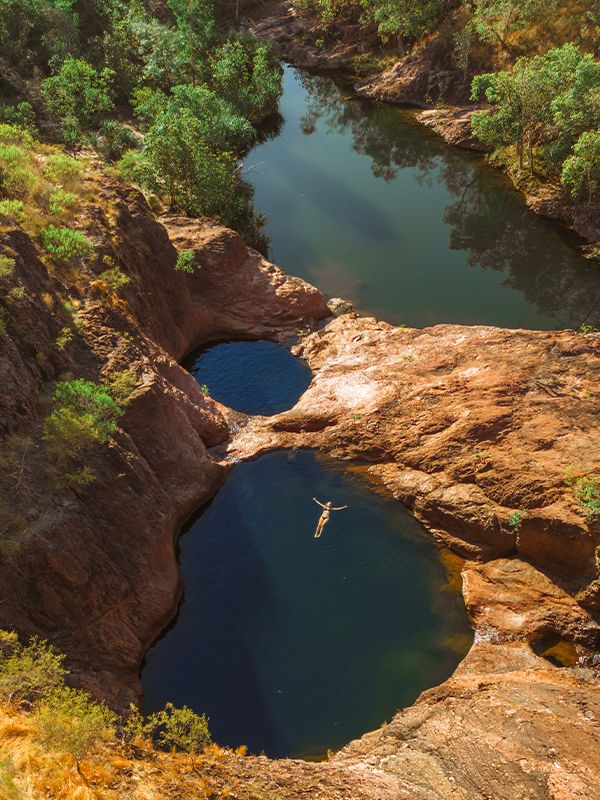
8. Litchfield National Park is an amazing place to cool off

Litchfield National Park
Dive into natural swimming holes. (Image: Tourism NT/Joshua Griffen)

Litchfield National Park is peppered with stunning natural swimming pools for you to beat the heat in. Take a refreshing dip in pristine, crocodile-free spots such as Buley Rockhole, a series of spring-fed cascading pools, and the nearby Florence Falls, which is enveloped by monsoon rainforest and features a crystal-clear plunge pool fed by a 15-metre-high waterfall. Be sure to check the Northern Territory Parks & Reserves website for closures before you go.

Start planning your low season adventure of a lifetime at northernterritory.com.