
From benchmark riesling producers to quietly brilliant cellar doors made for long lunches, these are the Clare Valley wineries worth slowing down for and building an entire trip around.
Clare Valley doesn’t reward rushing. Just 90 minutes north of Adelaide, this historic wine region unfolds gradually, through cool mornings and warm afternoons, slate-strewn soils, winding backroads and cellar doors where hospitality still feels personal. It’s a place where riesling has achieved global reverence, shiraz shows both muscle and restraint, and many of Australia’s most respected wines are made without fuss or fanfare.
What truly distinguishes the best Clare Valley wineries isn’t just what ends up in the glass, but how visitors are welcomed. Expect tastings that lean into conversation rather than sales pitches, shaded lawns that invite you to linger, food worth planning your day around, and winemakers or long-serving staff who speak fluently about site, season and sub-region. This is a region where knowledge runs deep, but ego is refreshingly absent.
We’ve scoped the Clare Valley carefully, focusing on wineries that are visitor-ready, consistently excellent and genuinely memorable, whether you’re dropping in for a day trip, planning a long weekend, or tracing the Riesling Trail at a slower, more indulgent pace.
In short
If you only visit one winery in the Clare Valley, make it Jim Barry Wines, for its iconic labels, deep family history and a cellar door experience that captures the region’s past, present and future in one stop.
1. Jim Barry Wines (Clare)
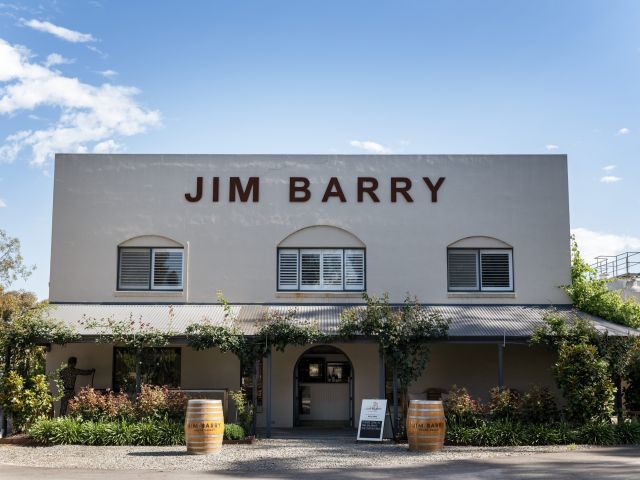
Few names are as inseparable from Clare Valley as Jim Barry Wines. Established in 1959 by Jim Barry (the region’s first qualified winemaker) this family-owned winery has shaped not only Clare’s reputation, but Australia’s broader understanding of what cool-climate riesling and age-worthy shiraz can be.
The cellar door, set just outside Clare township, strikes a thoughtful balance between contemporary polish and regional storytelling. Tastings are structured but unpretentious, often beginning with introductory wines before moving into single-vineyard expressions that reveal Clare’s subtle sub-regional shifts, Watervale’s lime and florals versus the more taut, mineral drive of Polish Hill River.
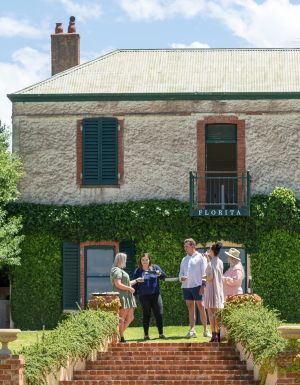
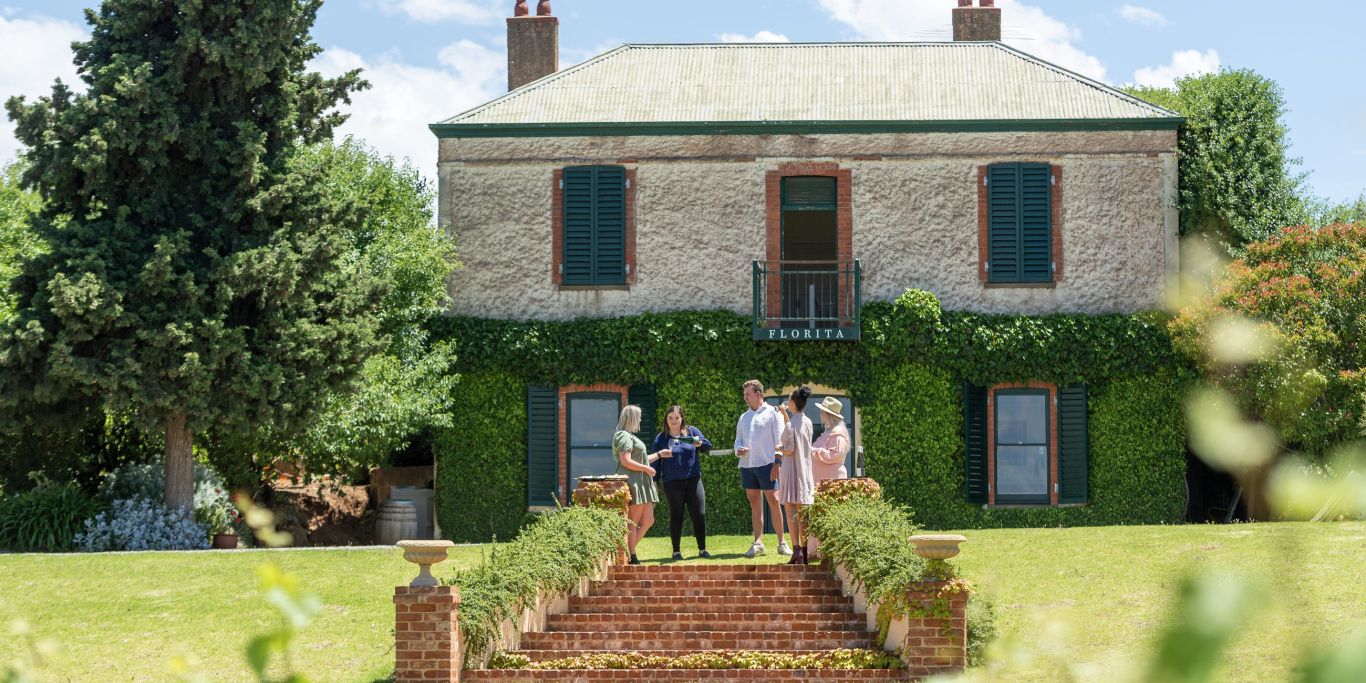
The Florita Riesling remains the headline act: grown on a single vineyard planted in 1946, it’s a masterclass in restraint, texture and longevity, showing lemon curd, talc, wet stone and a line of acidity that carries seemingly forever. At the other end of the spectrum, The Armagh Shiraz is one of Australia’s most revered reds, think powerful yet composed, with dark fruit, spice, savoury oak and decades of cellaring potential.
Premium tastings often unlock back vintages, providing rare insight into how Clare wines evolve with time which remains a highlight for serious wine lovers.
Visitor tip: Ask about vintage variation; staff here excel at explaining how season shapes style.
Tasting cost: Standard tastings from $20pp; premium experiences higher.
Address: 33 Craig Hill Road, Clare
2. Tim Adams Wines (Clare)
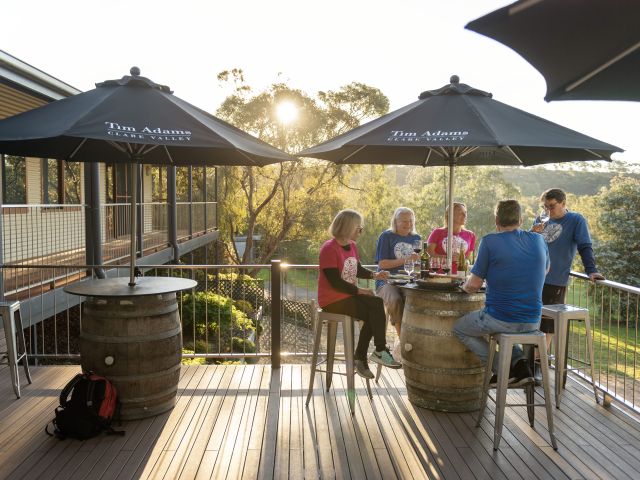
Set among towering gums just outside town, Tim Adams Wines feels immediately calm and grounded, a winery that reflects its founder’s philosophy of letting vineyards speak without embellishment. The cellar door overlooks vineyards and rolling hills, with a relaxed balcony that’s particularly inviting on warm afternoons. And relax…
Tim Adams built his reputation on riesling, and the wines here show precision without austerity. Expect citrus blossom, lime pith and gentle minerality rather than overt power while limited-release single-vineyard bottlings reward closer attention. Shiraz and pinot gris round out the range, offering softer, more approachable expressions of Clare fruit.
Tastings often include thoughtful cheese pairings sourced from South Australia, chosen to enhance rather than overpower the wines, a detail that elevates the experience beyond a standard flight.
Visitor tip: Book ahead during peak season or festival weekends.
Tasting cost: From $35pp with cheese pairing.
Address: 156 Warenda Road, Clare
3. Sevenhill Cellars (Sevenhill)
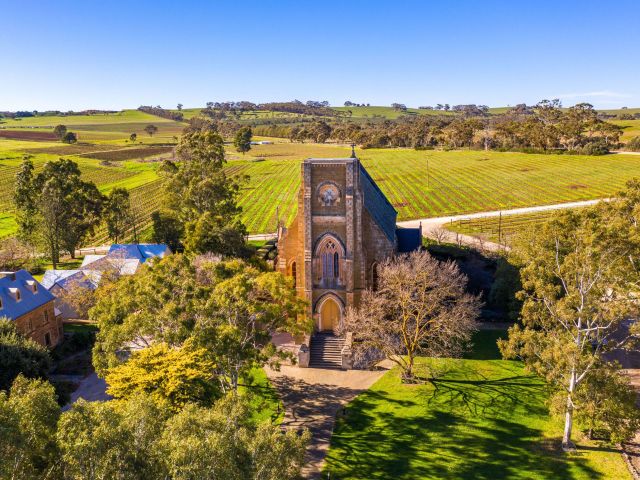
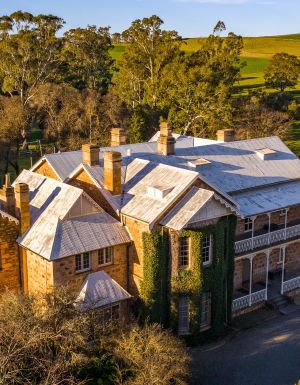
Sevenhill Cellars is Clare Valley history made tangible. Founded in 1851 by Jesuit priests, it’s Australia’s oldest winery and still produces sacramental wine alongside contemporary table wines (a rare continuity that adds depth to every visit).
The experience extends well beyond the tasting bench. Visitors can wander manicured gardens, step inside the bluestone St Aloysius Church, explore the crypt, then return to the cellar door for a guided tasting that blends history with modern winemaking.
The wines themselves span traditional Clare varieties, riesling, shiraz and cabernet, with a style that favours balance and approachability, a lot like the region itself. While not chasing extremes, they offer consistency and context, particularly for first-time visitors wanting to understand the region’s foundations.
Visitor tip: Allow at least an hour to explore the grounds between tastings.
Tasting cost: $10–$20pp depending on selection.
Address: 111C College Road, Sevenhill
4. Pikes Wines (Sevenhill)
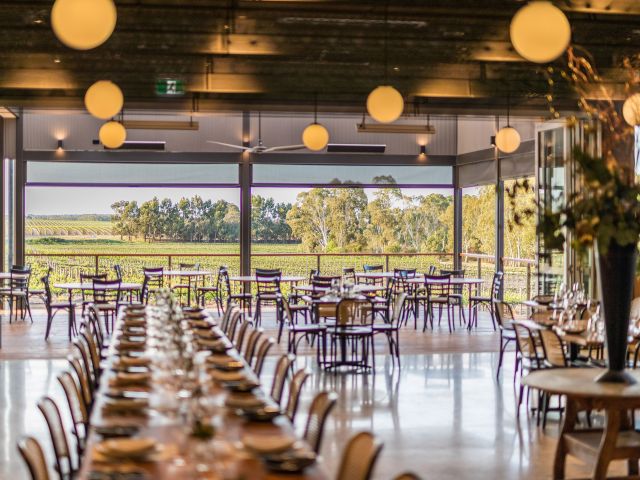
Pikes is one of Clare Valley’s most complete winery experiences, award-winning, polished yet personable, with wines, food and hospitality all working in harmony. Tastings are seated and guided, encouraging focus rather than distraction, and are especially strong when exploring riesling across multiple expressions.
The Traditionale Riesling is a regional benchmark: dry, linear and driven by citrus and slate. More textural styles add contrast, while shiraz and cabernet reveal a savoury, structured side of Clare fruit.
Lunch at the on-site restaurant is a major drawcard, pairing seasonal dishes with estate wines in a way that encourages hours upon hours of sublime lingering. Yet, even without dining, Pikes remains one of the Valley’s most consistently rewarding cellar door stops.
Visitor tip: Book tastings and lunch in advance as walk-ins are limited.
Tasting cost: From $20pp.
Address: 233 Polish Hill Road, Sevenhill
5. Skillogalee Wines (Sevenhill)
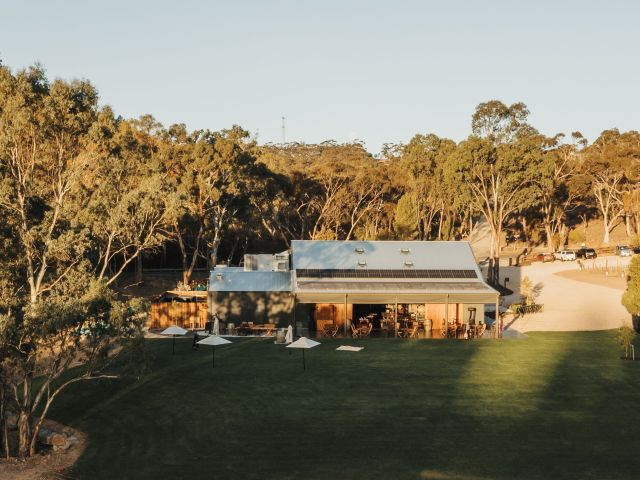
Skillogalee is where Clare Valley seduces even the most wine-indifferent traveller. Set among gardens and vineyards, the cellar door flows seamlessly into a much-loved restaurant, The Barrel House, making it dangerously easy to lose an afternoon here.
The wines lean into generosity without excess. Rieslings show lifted aromatics and gentle texture, while shiraz offers plush fruit balanced by savoury spice. Tastings feel relaxed rather than rushed, often becoming the prelude to long, seasonal lunches showcasing local produce. For couples, groups or anyone travelling with mixed interests, Skillogalee is a failsafe stop.
Visitor tip: Book lunch well ahead on weekends.
Tasting cost: From $15–$20pp (often redeemable).
Address: 23 Trevarrick Road, Sevenhill
Need tips, more detail or itinerary ideas tailored to you? Ask AT.
AI Prompt
6. Kilikanoon Wines (Leasingham)
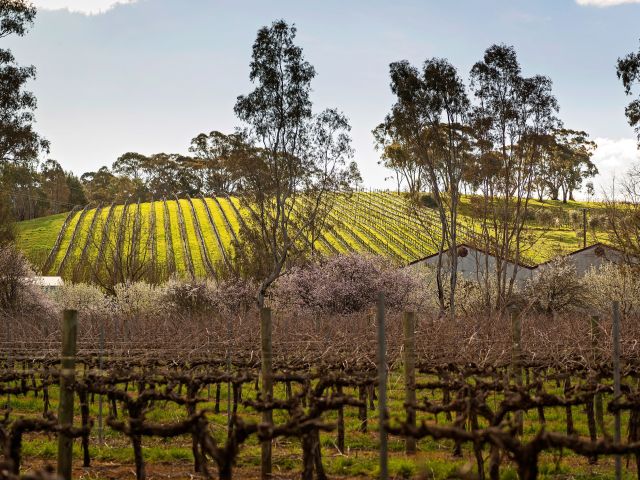
Housed in heritage stone buildings surrounded by lawns and vineyards, Kilikanoon offers a classic Clare Valley experience with a premium edge. Tastings range from introductory flights to deeper explorations of flagship wines and sub-regional differences.
The shiraz program is particularly strong (structured, age-worthy and expressive) while rieslings retain brightness and length. There’s space here to relax, making it one of the Valley’s more premium stops.
Visitor tip: Opt for extended tastings if you’re curious about terroir.
Tasting cost: $10-$20pp; while the premium The Revelation experience is higher.
Address: 30 Penna Lane, Penwortham
7. Mr. Mick Cellar Door (Clare)
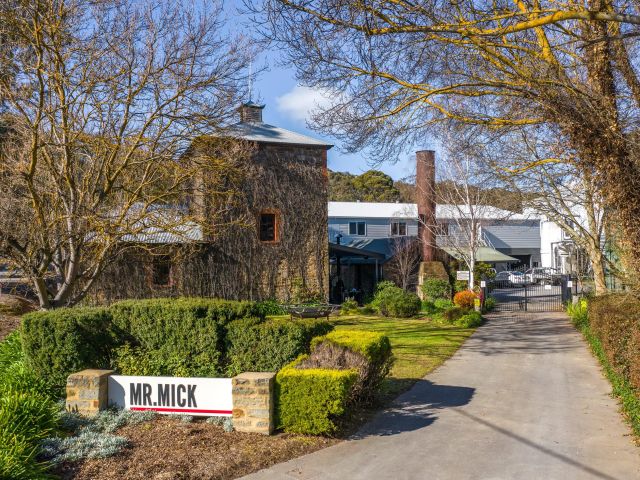
Named for legendary winemaker K.H. “Mr Mick" Knappstein, this vine-covered cellar door sits conveniently in Clare township. Owned by Tim Adams Wines, it offers a more casual, food-forward experience ideal for midday stops.
The wines are approachable and modern, designed to pair easily with food rather than demand contemplation. Grazing plates and local produce options make this a natural lunch stop, particularly if you want to minimise driving.
Visitor tip: Ideal when you want quality without ceremony.
Tasting cost: From $10pp.
Address: 7 Dominic Street, Clare
8. O’Leary Walker Wines (Leasingham)

Sleek, confident and contemporary, O’Leary Walker appeals to visitors who enjoy structured tastings with a creative twist, ranging from classic varietals to playful pairings, even including chocolate matches that work better than expected.
The wines show polish without losing Clare’s regional identity, with rieslings offering clarity and drive, and reds leaning elegant rather than heavy. Food is available, encouraging visitors to stay rather than rush on.
Visitor tip: Great option for groups wanting wine and food in one stop.
Tasting cost: From $15–$20pp.
Address: 7093 Horrocks Highway, Leasingham
9. Shut the Gate Wines (Clare)

Shut the Gate is where Clare Valley loosens its tie and pours something a little unexpected. Set just north of Clare township, this relaxed, vine-framed cellar door is known for its generous hospitality and willingness to look beyond the region’s headline varieties. Alongside crisp riesling and supple shiraz, you’ll often find Italian varietals such as fiano and barbera, wines that suit Clare’s climate beautifully but still feel like a discovery.
Tastings here are unhurried and conversational, often led by staff who encourage questions and personal preferences rather than ticking through a rigid flight. The wines lean approachable: think bright acidity, food-friendly structure and enough texture to keep things interesting without overwhelming the palate.
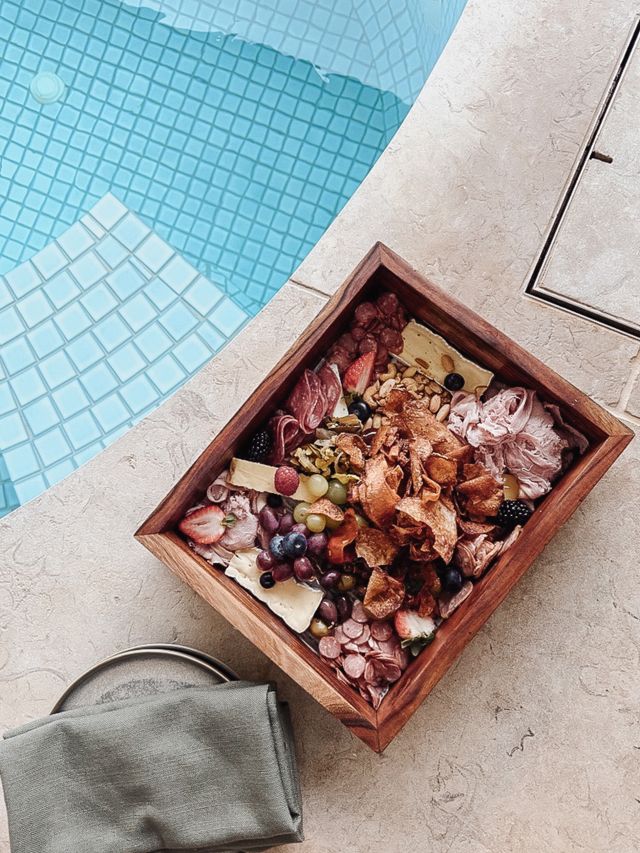
A standout feature is the on-site providore, which allows visitors to build their own grazing platters using local cheeses, cured meats and condiments – ideal for turning a tasting into an informal lunch. It’s a favourite with locals and return visitors who value warmth over ceremony.
Visitor tip: A great palate refresher if you’ve been tasting more traditional styles all morning.
Tasting cost: Often complimentary.
Address: 8453 Main North Road, Clare
10. Jeanneret Wines (Sevenhill)
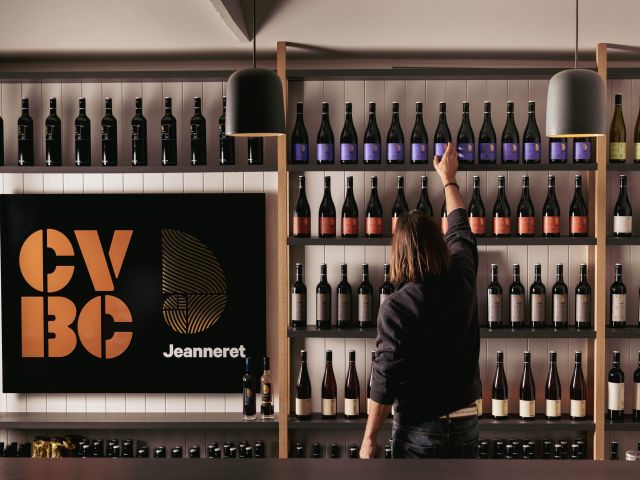
A study in restraint, Jeanneret Wines is a family-run and quietly confident estate. It reflects the cooler pockets of the Clare Valley with wines that prioritise finesse, clarity and line over power. The cellar door experience mirrors this philosophy: calm, unforced and best enjoyed slowly.
Riesling is the calling card here, showing lifted citrus aromatics, subtle florals and a chalky, mineral finish that speaks clearly of site. These are wines that reward attention, less about immediate impact and more about precision and balance. Reds follow the same logic, offering elegance rather than weight.
Tastings are often conducted outdoors when weather allows, with vineyard views and a sense of space that encourages conversation. It’s a refreshing contrast to busier cellar doors and particularly appealing for visitors seeking a quieter, more contemplative stop.
Visitor tip: Save this for late afternoon when temperatures cool and the wines really shine.
Tasting cost: From $10pp.
Address: 22 Jeanneret Road, Sevenhill
11. Reilly’s Wines (Mintaro)

Reilly’s Wines turns a Clare Valley tasting into a half-day experience. Located in the beautifully preserved heritage town of Mintaro, this historic property combines cellar door, restaurant and accommodation, making it an easy place to settle in rather than rush through.
The wine range is broad and approachable, spanning sparkling, whites, structured reds and fortified styles. Tastings are relaxed and informative, but it’s the restaurant that elevates the visit. Long lunches are the norm here, with seasonal menus designed to pair seamlessly with estate wines.
After lunch, it’s worth wandering Mintaro’s historic streets, where stone cottages and quiet lanes add to the sense of stepping back in time. For travellers who enjoy pairing wine with place, Reilly’s offers one of the Valley’s most complete experiences.
Visitor tip: Plan this as your lunch anchor rather than a quick tasting stop.
Tasting cost: From $10pp.
Address: Corner Hill Street & Leasingham Road, Mintaro
Weekly travel news, experiences
insider tips, offers, and more.
12. clos Clare (Watervale)
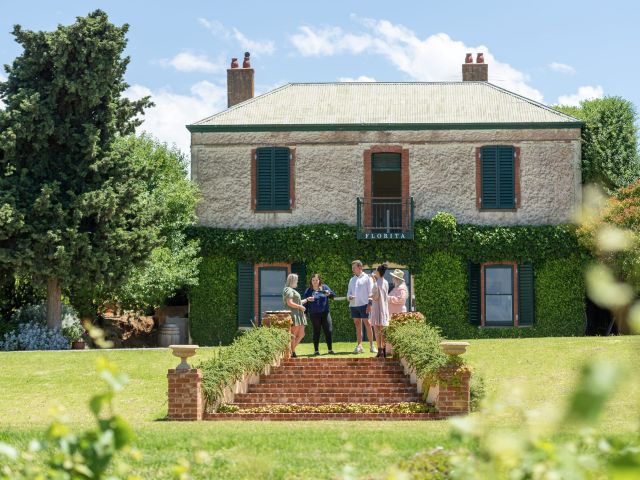
Intimate and boutique by design, enter clos Clare. Open primarily on weekends, this small-scale, homestead-style cellar door offers seated tastings that feel more like a private appointment than a public visit. Wines are produced in limited quantities, with a sharp focus on site expression and seasonal nuance.
Rieslings here often show Watervale’s signature generosity, soft citrus, gentle florals and a rounded mouthfeel while the reds remain finely structured rather than overtly bold. Tastings are guided with care, offering insight into vineyard choices and winemaking decisions that larger producers often gloss over.
For travellers who value conversation, connection and a sense of discovery, clos Clare is quietly compelling, the kind of place you’re tipped off about rather than stumble upon.
Visitor tip: Best suited to wine lovers who enjoy depth over spectacle.
Tasting cost: From $20pp.
Address: 45 Old Road, Watervale
13. Claymore Wines (Leasingham)
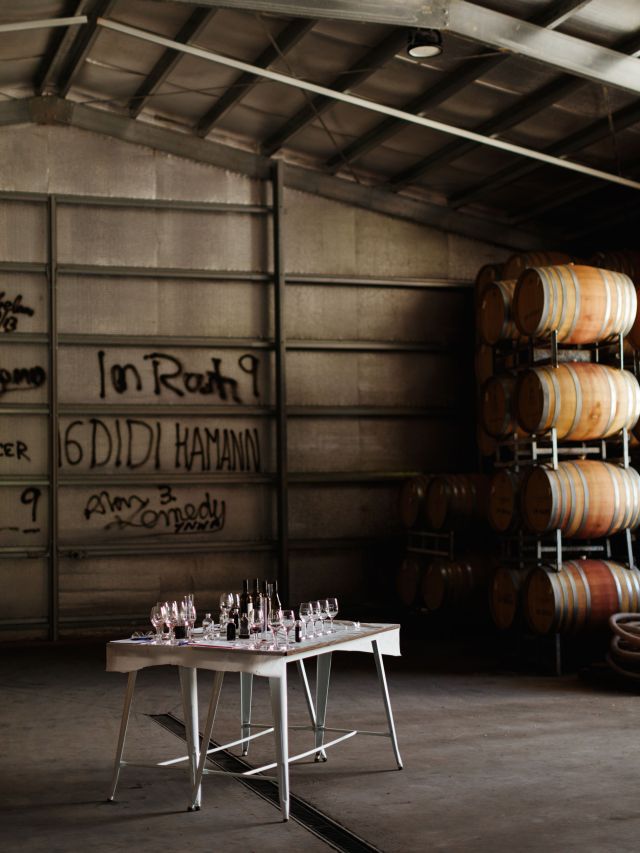
Claymore Wines brings personality to the Clare Valley. Known for its music-inspired labels and relaxed, inclusive vibe, this is a cellar door where playlists, footy fans, dogs and kids are as welcome as serious wine discussion.
The wines lean generous and crowd-pleasing, particularly the shiraz, which offers ripe fruit, savoury spice and immediate appeal. Rieslings are clean and accessible, designed to be enjoyed now rather than tucked away for decades.
The cellar door itself feels casual and friendly, a good reset after more formal tastings, and it’s a reliable stop for mixed groups with varying levels of wine interest.
Visitor tip: Ideal if you’re travelling with family or friends who prefer relaxed experiences.
Tasting cost: From $10pp.
Address: 7145 Horrocks Highway, Leasingham
14. Taylors Wines (Auburn)
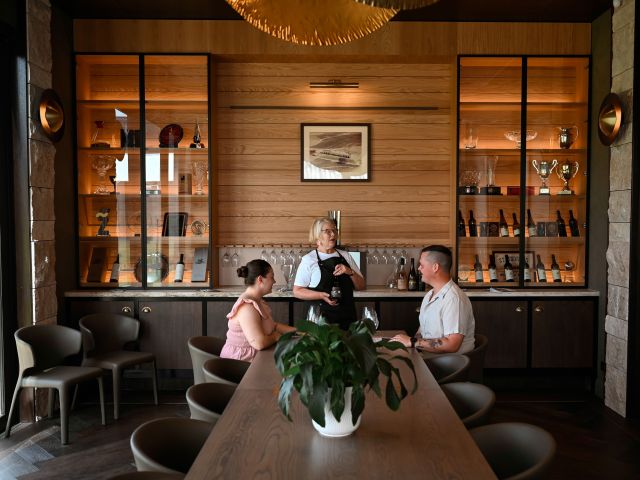
One of the most polished and professional cellar door experiences in the Clare Valley, Taylors Wines is set just outside Auburn and often the first stop for visitors entering the region and a strong introduction to Clare’s diversity.
Multiple tasting flights cater to different interests, from classic varietals to premium and museum selections. Wine by the glass and well-considered grazing options make it easy to linger, while knowledgeable staff tailor the experience to suit first-timers and seasoned tasters alike.
The wines themselves are consistent and well-crafted, making Taylors a dependable choice for groups with varying palates and expectations.
Visitor tip: A smart starting point if you’re new to the region.
Tasting cost: $5–$40pp depending on flight.
Address: 89A Winery Road, Auburn
15. Grosset Wines (Auburn)
Understated, meticulous and quietly revered, Grosset Wines is one of Clare Valley’s most compelling stops, a place where site, season and precision take precedence over hospitality theatrics.
Tastings are focused and educational, often highlighting single-vineyard rieslings that have become benchmarks for the region. Expect taut acidity, mineral drive and remarkable ageing potential, with explanations that delve into soil types, altitude and vineyard management.
This is not a place for rushing or distraction. Grosset rewards a fresh palate and an engaged visitor, offering insight into why Clare Riesling holds such esteem internationally.
Visitor tip: Visit early in the day when your palate is sharpest.
Tasting cost: From $10–$20pp.
Address: Corner Archer & Stanley Streets, Auburn
16. Matriarch & Rogue
Boutique, heartfelt and utterly compelling, Matriarch & Rogue is Clare Valley’s small-batch winery with serious soul. Born from winemaker Marnie Roberts’ love of family and of climate-savvy grapes, this cellar door honours the strong women (the matriarchs) and their “rogue" husbands who shaped its story, and its quirky, delicious wines.
Tastings here are personal and unpretentious, often led by Marnie herself, where you’ll explore flavours that reflect both vineyard personality and thoughtful winemaking techniques. Expect both classic Clare favourites and rare varietals that show off purity of fruit and an adventurous spirit.
Visitor tip: Tasting fees (typically around $10) are redeemable with wine purchases, so go ready to sip and stash.
Tasting cost: From $10pp (redeemable with purchase)
Address: 11 Hector Road, Mintaro
Want to see more stories from Australian Traveller in your Google search results?
- Click here to set Australian Traveller as a preferred source.
- Tick the box next to "Australian Traveller". That's it.

Rebecca Foreman
View profile and articles