
From pedalling between cellar doors to settling in for long regional lunches, wandering heritage towns and sleeping among vines, the Clare Valley rewards travellers who slow down and look twice.
Yes, riesling made Clare famous. But arriving here and doing nothing beyond wine tasting is like visiting the coast and never turning toward the water.
The real pleasure of the Clare Valley is how seamlessly its experiences knit together. A morning coffee becomes a cycle ride. A tasting becomes lunch. A scenic detour becomes an entire afternoon lost (or found) depending on how you frame it. History, landscape, produce and creativity all sit within easy reach of each other, which means the days unfold gently, without logistical drama.
Just over two hours north of Adelaide, the region offers that rare travel equation: depth without difficulty. You can arrive late, sleep well, wake curious and still feel like you’ve achieved something meaningful by sunset. The trick is not to rush. Clare rewards those who leave room for serendipity.
In short
If you do one thing – truly, properly – give a full day to the Riesling Trail and let it choreograph everything else.
Follow the spine of the valley along the Riesling Trail
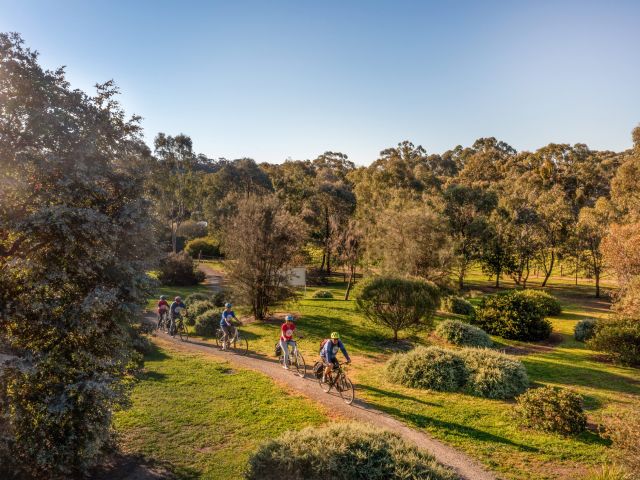
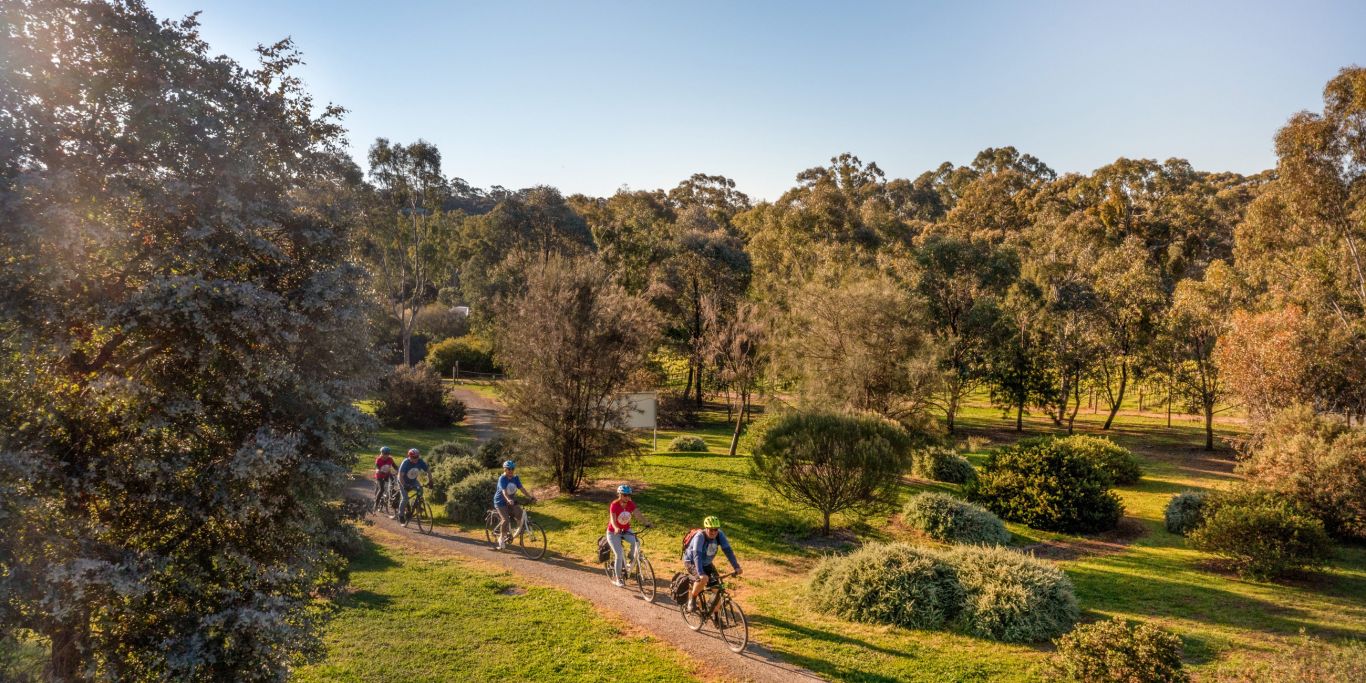
What used to be a railway line is now Clare’s most generous invitation. Stretching around 35 kilometres between Auburn and Clare, the trail slips past vineyards, stone cottages, quiet sidings and some of the region’s most beloved cellar doors, all at a pace that encourages stopping rather than striving.
Early light is transformative. Vines glow silver-green, the air carries that cool-country clarity and riders drift by in companionable silence. Even at its busiest, the trail rarely feels crowded; the space absorbs everyone.
It’s the accessibility that makes it special. Families tow kids. Couples amble. Weekend athletes clip in for bigger mileage. Walkers carve off manageable sections and call it victory. You don’t need Lycra or ambition, just curiosity and perhaps a plan for where lunch might occur.
The beauty lies in its temptations here. Coffee appears when you need it. A tasting room materialises just as thirst strikes. A bench under a gum tree suggests you sit a while and consider how fortunate you are. Locals will tell you the trail is not about distance; it’s about discovery. They’re right.
Learn the region through its cellar doors
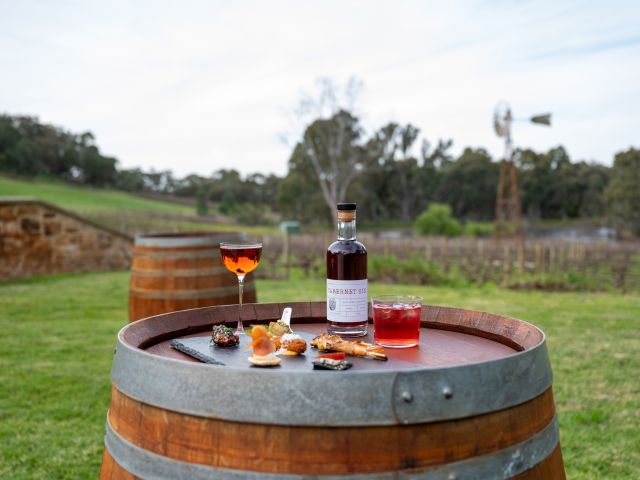
After a few cellar doors, a pattern emerges: hospitality here runs on warmth, not volume. Even the bigger names feel intimate, more chat than checkout.
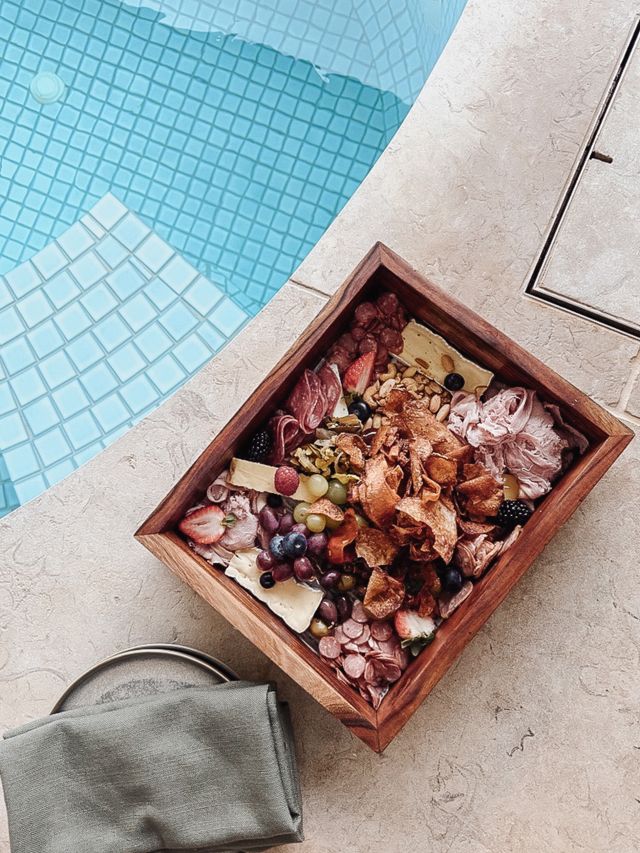
In Auburn, Mr Mick is all easy confidence. You might arrive for a quick tasting, then suddenly you’re settled in the courtyard with a platter, cancelling whatever you thought came next. A short drive away, Sevenhill Cellars offers a mood shift. Founded by Jesuits in the 1850s, the grounds carry real weight; wander the church or crypt and it’s hard not to feel connected to something bigger than the glass in your hand.
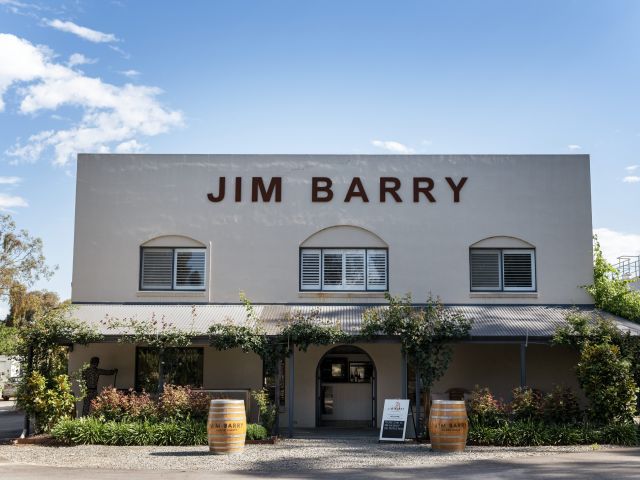
Precision without pomp defines Pikes Wines. The rieslings are pure and energetic, the explanations thoughtful and welcoming. At Jim Barry Wines, you taste the story of a region that helped shape modern Australian wine, each pour adding another layer of understanding about land, altitude and season.
And just when you think you’re done with tastings, Clare changes gears.
At Clare Valley Distillery, gin arrives with country ease plus the option to stay over, which neatly removes the need for restraint. Expect vibrant botanicals and passionate makers happy to talk you through every note. Sawmill Gin brings a slightly edgier feel, its spirits aromatic and beautifully balanced, with a nod to local heritage woven through the experience. Then Three Little Birds Distillery swoops in with creativity and charm, offering tastings that feel personal, playful and just different enough to keep things interesting.
If you want the valley to really open up, pull back on the schedule. Stay put. Ask questions. The best discoveries tend to arrive mid-conversation, usually just after you said you were about to leave.
Need tips, more detail or itinerary ideas tailored to you? Ask AT.
AI Prompt
Dedicate real time to lunch
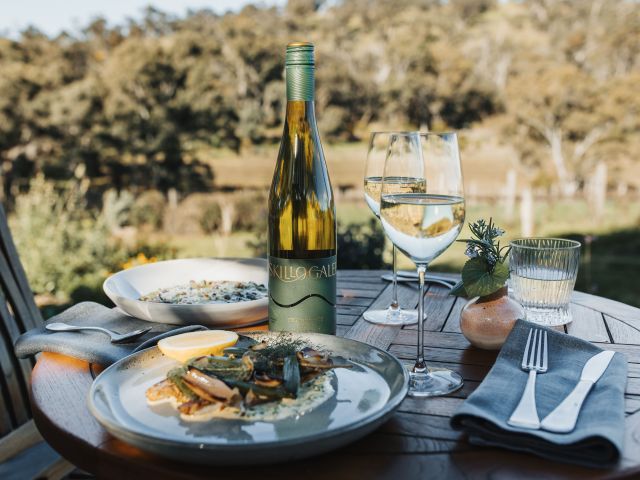
Visitors often underestimate lunch in Clare. They shouldn’t.
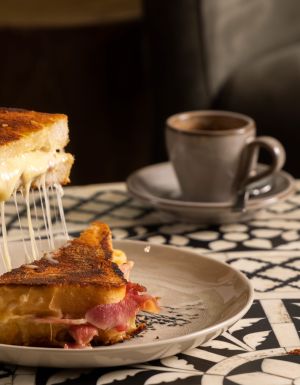
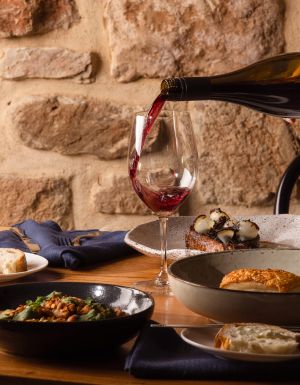
Meals here aren’t refuelling stops; they are the day’s anchor, shaped by farmers, winemakers and kitchens that understand flavour comes from patience. Plans dissolve, bookings stretch, and afternoons lengthen in the best possible way.
At Watervale Hotel, ingredients sourced from surrounding producers arrive with quiet clarity – thoughtful, grounded, deeply satisfying. You expect a tidy meal; what you get is a slow drift into evening. Nearby, Skillogalee Restaurant delivers vineyard immersion at its most persuasive, with seasonal plates, generous pours and that unmistakable feeling of having chosen correctly.
Elsewhere, polish comes courtesy of Slate Restaurant at Pikes, where precision cooking meets wines that demand attention, while Bush deVine offers a structured, native-ingredient experience that feels properly occasion-worthy. Over in Mintaro, Reillys Wines Restaurant turns lunch into ceremony with a heritage backdrop, celebratory mood, time happily abandoned. What visitors remember isn’t theatrics but harmony. Wine, food and landscape, beautifully aligned.
Let where you stay shape what you feel
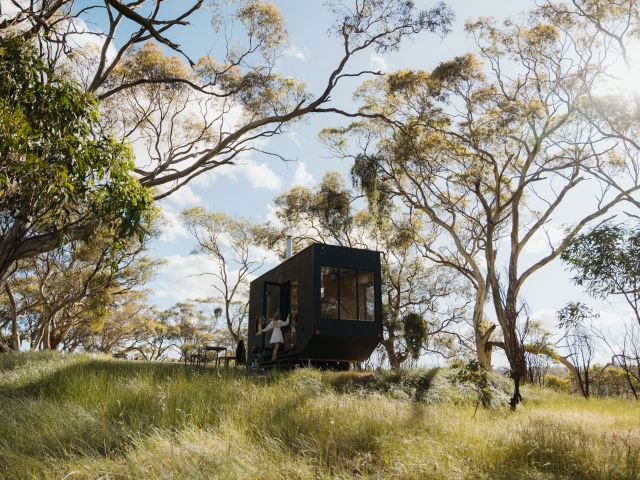
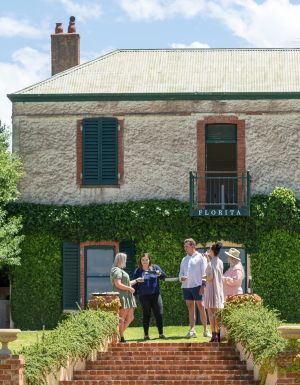
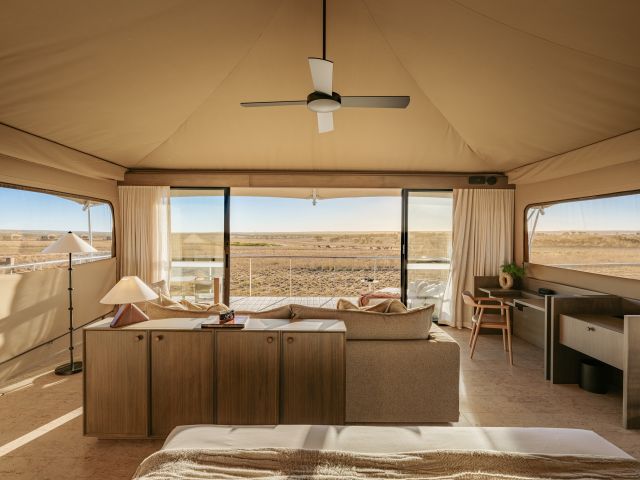
Where you sleep in the Clare Valley isn’t an afterthought; it’s part of the pleasure. Grandeur seekers gravitate to Anlaby Station, a vast pastoral estate where heritage cottages, gardens and sweeping history set a cinematic tone. Couples craving privacy slip into an outdoor tub in a Kybunga Tiny Home, while design-minded escapees make a beeline for the clean lines and vineyard views of CABN Clare Valley.
Travelling with a crew? Clare Country Club delivers pools, tennis courts and room to spread out after a day of tastings. And for families or road-trippers who like their stays flexible, Discovery Parks – Clare brings cabins, campsites and kid-pleasing facilities. Different budgets, different moods, same result: mornings you won’t want to rush and nights that stretch deliciously long.
Dust down your walking boots
For travellers who prefer to earn their indulgences, the Clare Valley Wine and Wilderness Trail turns vineyards, native scrub and storybook villages into one long, deeply satisfying wander. Multi-day routes pair moderate hikes with generous lunches, polished cellar-door visits and comfortable beds waiting at day’s end. Join a fully guided three- or five-day itinerary with transfers, maps and local knowledge stitched in, or cherry-pick shorter self-guided sections that conveniently conclude somewhere pouring something cold.
While the vines may dominate the postcards, it’s the surrounding bush that completes the picture. Paths through Spring Gully Conservation Park climb toward lookouts revealing the region’s folds and contours, a gentle reminder of how much richness is packed into such a compact pocket. Up at Neagles Rock Lookout, a little elevation delivers perspective, camera-worthy views and the pleasant certainty that whatever awaits at the table later will taste even better.
Step into Australia’s mining narrative in Burra
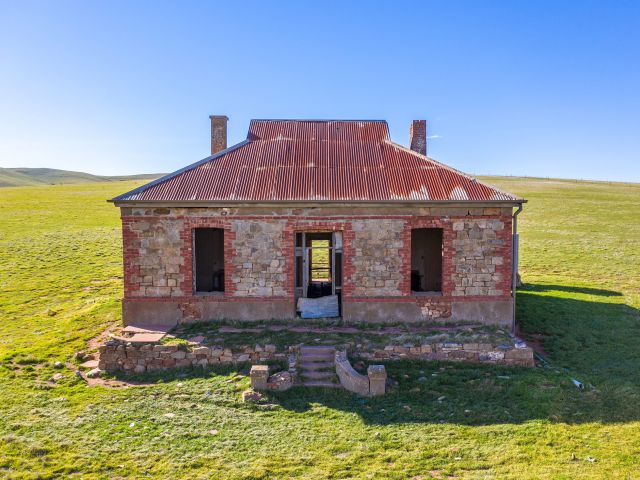
A short drive north, Burra Heritage Passport transforms history from display into exploration. With key in hand, visitors unlock buildings that would otherwise remain closed: engine houses, gaol cells, mine sites. Stories of Cornish migrants, boom years and hardship come vividly alive.
Burra’s streets are astonishingly intact, lending the entire experience a cinematic quality. One wanders, imagines, learns. Give yourself time and the town rewards it.
Weekly travel news, experiences
insider tips, offers, and more.
Where art meets earth
Regional South Australia has leaned confidently into large-scale public art, and the silos scattered through the Mid North stop traffic in the very best way. Once purely functional, these giants now hold sweeping portraits and layered stories, tributes to resilience, memory and local characters who shaped the land.
Not far away, the weathered cottage known as Midnight Oil House carries a quieter gravity. Recognisable from an album cover, it hums with solitude. Travellers arrive chatty, then soften while cameras click, as if the building has asked for indoor voices.
This creative thread doesn’t end on the highway. Back among local cafes, hotels, restaurants and cellar doors, studios and small galleries add another register to the journey. The Clare Valley Art Trail links makers tucked along backroads, inviting visitors to step inside, talk process and see how horizon lines and ochre soils filter into canvas, metal and clay.
Trade tasting notes for tee shots
Right beside town, Clare Golf Club offers another way to engage with the landscape. The 18-hole public course meanders through open country, where kangaroos frequently outnumber players and the rhythm is far removed from city life.
Hiring clubs is simple; adding a spontaneous round between tasting appointments is easier than expected. The shift in focus can be refreshing; consider it a reset before returning to wine.
Bring the children – truly
The Clare Valley works remarkably well across generations, and by that we also mean the littlies. Cycling is flat, distances are manageable, wildlife is plentiful and cafes welcome muddy shoes without drama. Adults pursue tastings while children roam; afternoons conclude happily. Clare Valley is a region comfortable with shared enjoyment.
Choose your season, then embrace the colour
Spring’s wildflowers brighten dusty roads. Autumn burnishes the vineyards gold. Summer rewards early movement and late lunches. Winter wraps visitors in fireside intimacy. Whatever the weather, each version of Clare feels authentic.
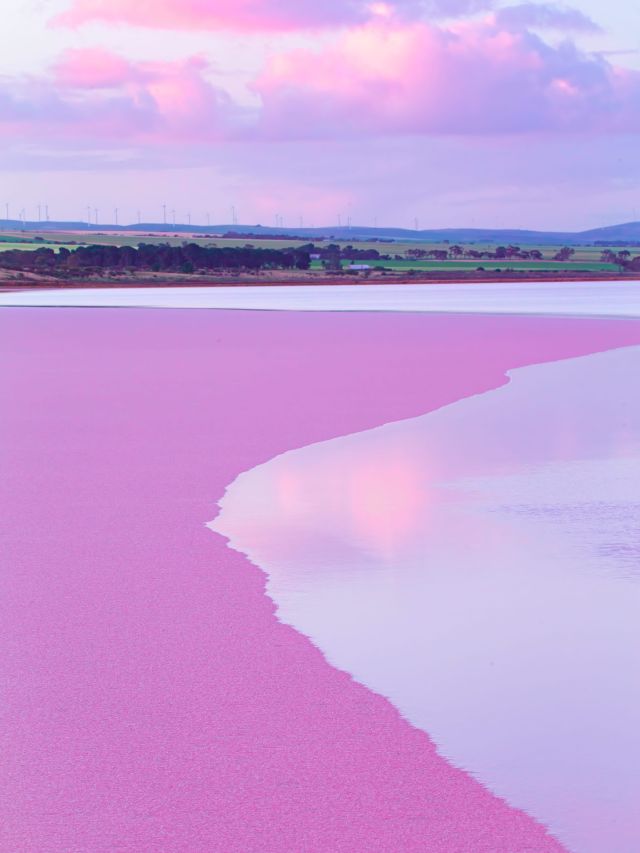
A short half an hour east of Clare, the landscape flicks from vineyard greens to something that looks suspiciously like a scoop of fairy floss dropped by the universe. Lake Bumbunga is the colour-shifter that keeps photographers, drone pilots and the occasional fashion shoot in business, sliding between pink, chalky white and soft blue as salinity and season perform their quiet science experiment. Some days it glows; others it whispers but either way, it’s gloriously strange. Locals know prolonged dry weather usually turns up the pink, yet a single change in conditions can rewrite the palette by morning. Scroll recent snaps before you set off, then embrace whatever hue you get because when the glare starts to bounce, point the bonnet back toward the vines. Within a short drive you can be clinking glasses lining up a rosé that feels thematically on point.
Why travellers return
For those seeking authenticity without austerity, richness without complication, Clare Valley offers a rare promise: slow down, and you will be richly rewarded.
Want to see more stories from Australian Traveller in your Google search results?
- Click here to set Australian Traveller as a preferred source.
- Tick the box next to "Australian Traveller". That's it.

Rebecca Foreman
View profile and articles