Record-breaking rainfall is sending water toward one of Australia’s most extraordinary natural spectacles – and tours are already selling fast.
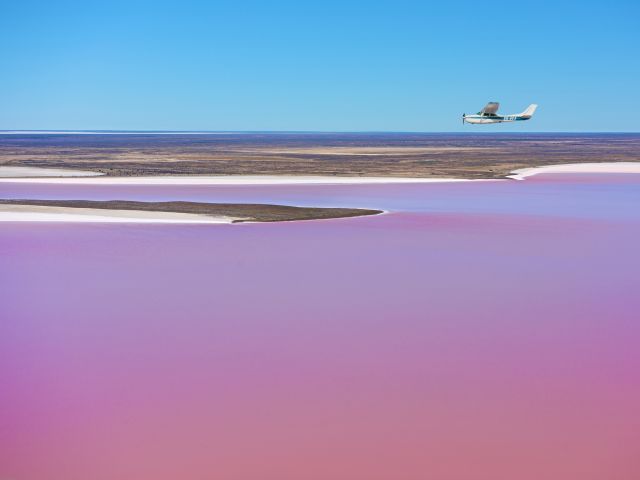
Australia’s largest salt lake is on the verge of a once-in-a-generation event. Following record-breaking rainfall across the interior, experts suggest Kati Thanda–Lake Eyre could reach full capacity for the first time in decades – and only the fourth time in its 160-year recorded history.
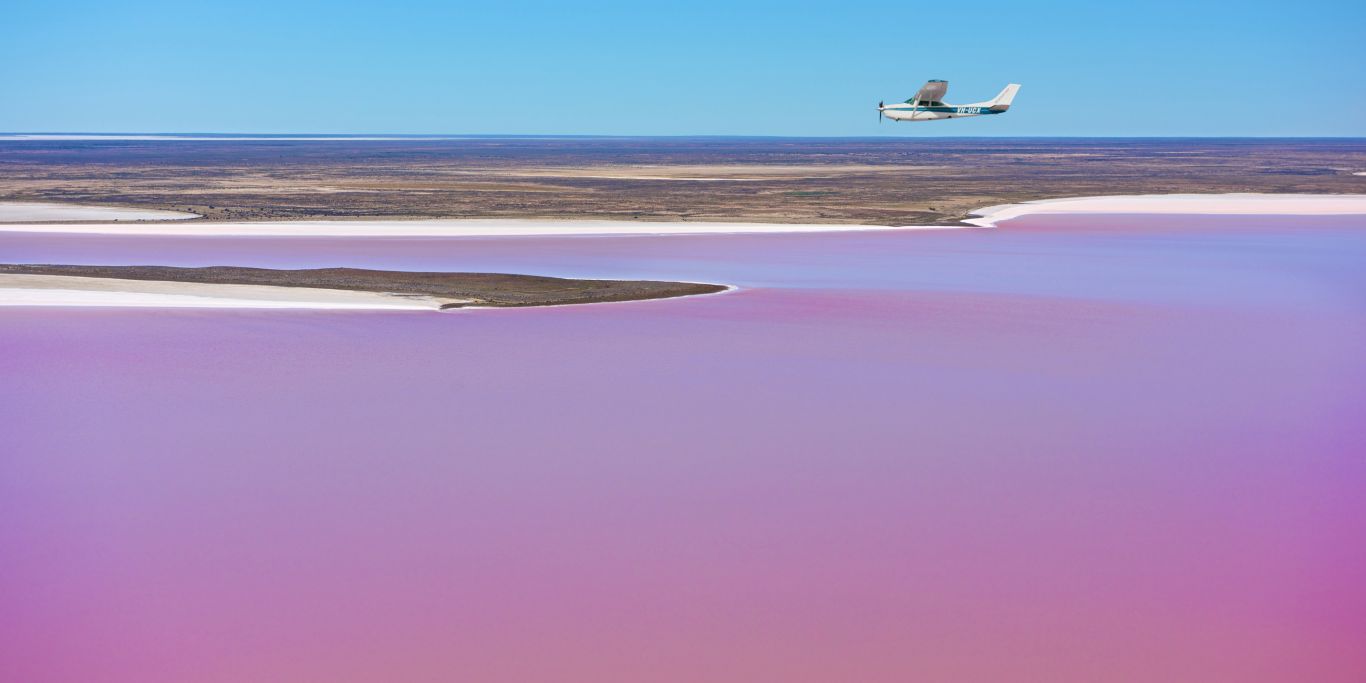
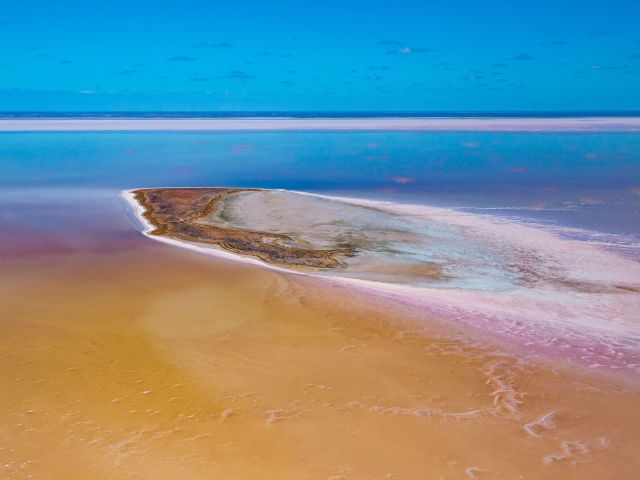
Vast volumes of water are currently moving steadily toward the South Australian lake, with forecasts indicating levels could surpass those of previous major flood events. When the normally bone-dry landscape fills, the transformation is total: rivers, channels and floodplains converge across Kati Thanda–Lake Eyre National Park, drawing prolific birdlife to a desert that bursts into colour and life.
“Words can’t describe how beautiful Kati Thanda–Lake Eyre really is during flood years," Journey Beyond executive general manager, touring Cesar Piotto, said.
Seeing Kati Thanda-Lake Eyre is a surreal experience. (Credit: South Australian Tourism Commission)
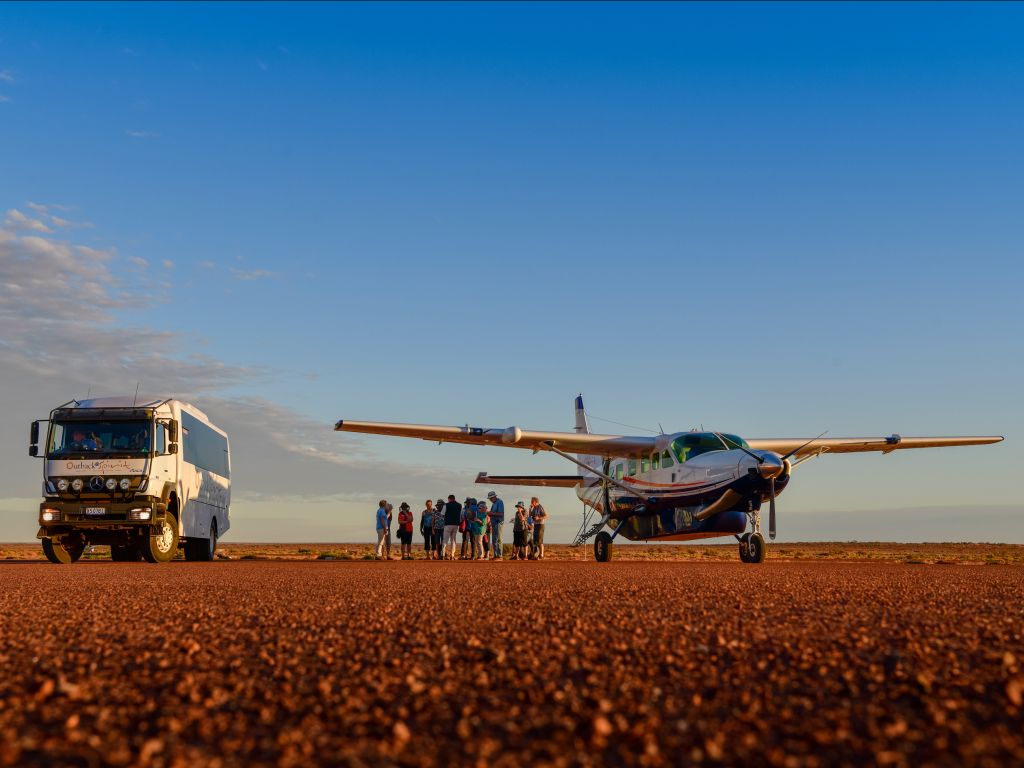
Journey Beyond’s small-group touring arm, Outback Spirit, has opened bookings for a new 2026 season to coincide with the flood event. The operator launched a brand-new seven-day itinerary specifically in response to this year’s extraordinary conditions. The all-inclusive tour departs 13 times between May and August 2026, travelling aboard a five-star all-terrain Mercedes-Benz coach with a maximum of 26 guests.
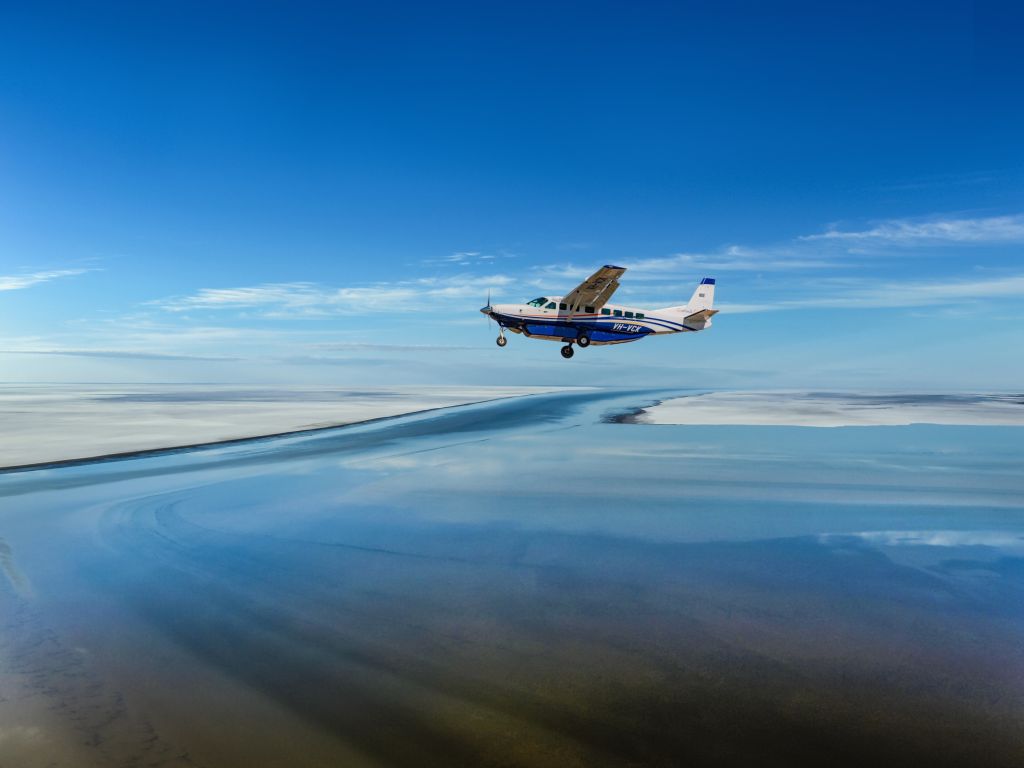
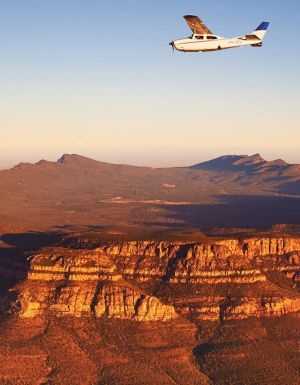
Highlights include two scenic flights over the lake and surrounding stations, including Clifton Hills Station, Goyder Lagoon and the Simpson Desert, a guided walk into Wilpena Pound in the Flinders Ranges, travel along the historic Old Ghan Railway Line and Oodnadatta Track and a closing night at Monarto Safari Resort with a dawn wildlife safari.
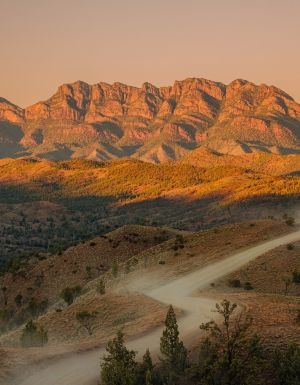
Outback Spirit has opened bookings for a new 2026 season. (Credit: Outback Spirit)
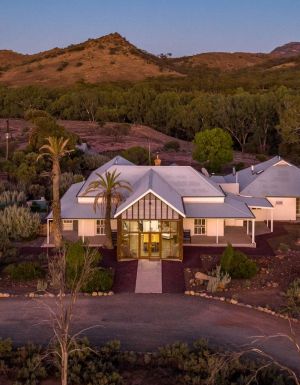
A maximum of 26 guests will be on each tour. (Credit: Outback Spirit)
On average, a one-and-a-half-metre flood occurs every three years, a four-metre flood every decade, and a fill or near fill a few times a century. Kati Thanda–Lake Eyre completely filled in 1950, 1974 and 1984 . Journey Beyond executive general manager, sales and partnerships, Alicia Triggs, said you never truly know when it will be a flooding year.
“We were fortunate last year to witness fantastic water levels, and 2026 is already proving even more remarkable. It presents a truly exceptional opportunity for travellers, and we’re proud to offer guests a front‑row seat to this extraordinary natural phenomenon," she said.
Travellers eager to witness the spectacle are urged to act quickly. Previous special flood seasons have sold out well in advance, and with a limited number of departure dates available, places are expected to go fast.
Details
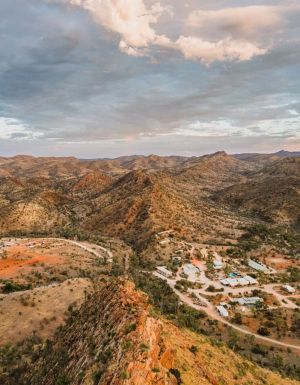
Kati Thanda-Lake Eyre is Australia’s largest lake. (Credit: Grant Hunt Photography)
Tour name: Kati Thanda–Lake Eyre & Flinders Ranges Price: From $6490 per person twin share Length: 7 days Where: Adelaide to Adelaide via Port Augusta, Wilpena Pound, Lyndhurst, William Creek and Monarto Safari Resort Dates: 13 departures on 18 May, 26 May, 3 June, 11 June, 19 June, 26 June, 4 July, 12 July, 20 July, 28 July, 5 August, 15 August and 23 August 2026 Website:Outback Spirit
Emily Murphy is Australian Traveller's Email & Social Editor, and in her time at the company she has been instrumental in shaping its social media and email presence, and crafting compelling narratives that inspire others to explore Australia's vast landscapes. Her previous role was a journalist at Prime Creative Media and before that she was freelancing in publishing, content creation and digital marketing. When she's not creating scroll-stopping travel content, Em is a devoted 'bun mum' and enjoys spending her spare time by the sea, reading, binge-watching a good TV show and exploring Sydney's vibrant dining scene. Next on her Aussie travel wish list? Tasmania and The Kimberley.
From the moment you arrive in Moreton Bay, stunning natural vistas, fresh and tasty dining, history and more invite you to stay and play.
Untouched national park, mirror-like lagoons and endless stretches of beaches all make Moreton Bay experiences feel like you’ve stumbled across a secret Queenslanders collectively vowed not to tell. Yet it’s easily accessible. Explore further and discover hinterland farms, ancient rainforest, fresh seafood and more: there’s something on offer for every pace, interest and generation.
Just 20 minutes from Brisbane Airport, it’s hard to believe how underrated this Queensland getaway is. Here’s your ultimate guide to rediscover play with unmissable experiences in Moreton Bay.
1. G’Day Adventure Tours, Bribie Island
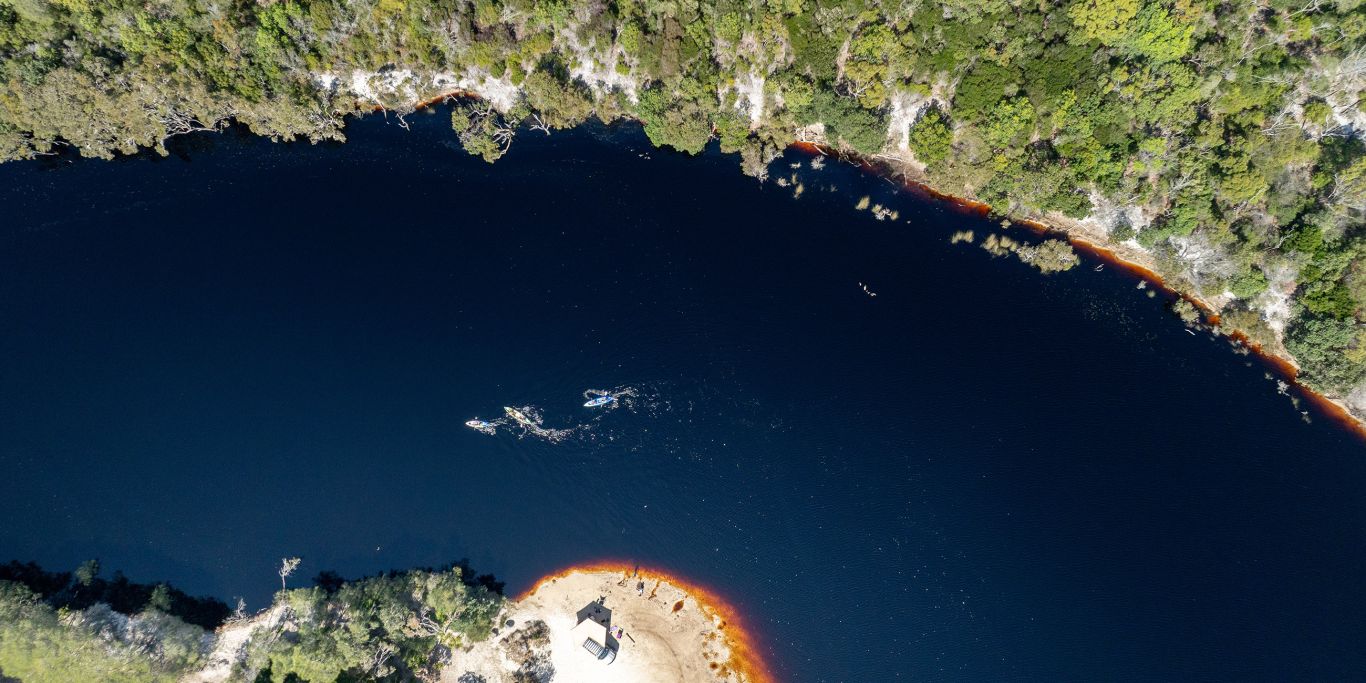
Explore Bribie Island with G’Day Adventure Tours.
G’Day Adventure Tours’ Sea to Table Experience should be your first agenda item in Moreton Bay. Take a 4WD journey through the sandy tracks of Bribie Island’s beaches to the still, glassy waters of the island’s lagoons. Glide over perfect replicas of paperbarks and fluffy blue clouds mirrored in the lagoon waters in your kayak. Listen as native birdsong echoes around you.
Then, it’s on to Fort Bribie. During the Second World War, these concrete bunkers – now slowly being enveloped by the dunes – were the last line of defence for Moreton Bay.
End the day with a sun-dappled beach picnic of locally caught Queensland prawns and famous Moreton Bay bugs. As you head home, watch the dolphins playfully dart in and out of the surf.
2. Morgan’s Seafood at Scarborough
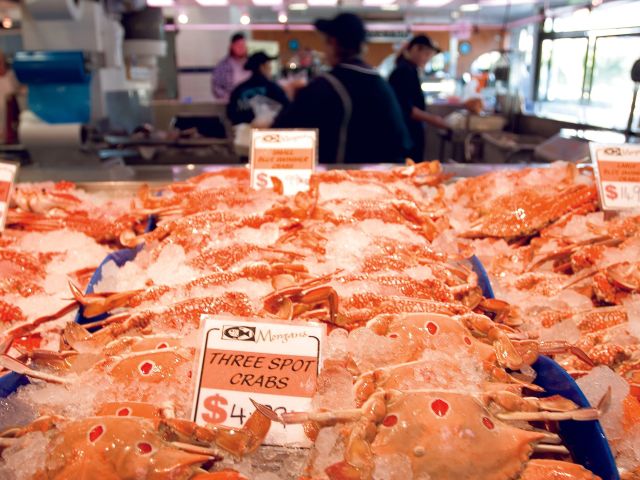
It doesn’t get fresher than Morgan’s Seafood. (Image: Ezra Patchett)
Right on the Scarborough Boat Harbour, you’ll find Morgan’s Seafood . Between the luxury yachts, you’ll also spot trawlers and fishermen delivering their day’s catch right to Morgan’s. The family-owned and operated spot is one of the best places to try the region’s eponymous Moreton Bay bug. Or, sample more of the area’s direct-from-the-boat seafood fresh at their oyster and sushi bar. If you’re lucky, your visit might coincide with a day they’ve caught tuna.
Picture fish caught that day, prepared and then served to you as fresh sashimi as the sun sets over the unique silhouette of the Glasshouse Mountains.
3. Woorim Beach, Bribie Island
Hang 10, or relax, on Woorim Beach.
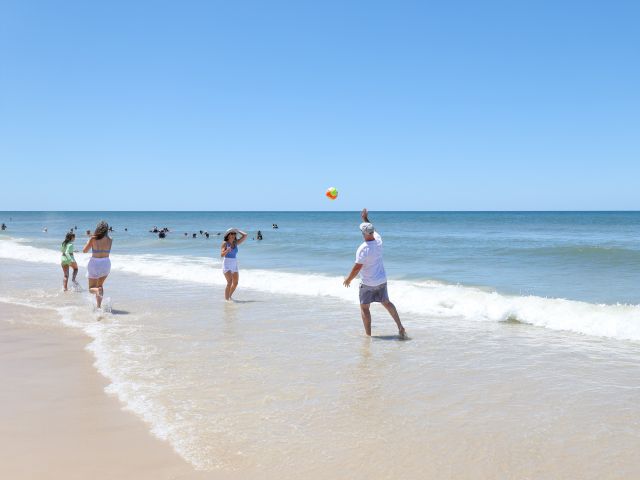
On Bribie’s eastern coastline, you’ll find Woorim Beach : aka the closest surf beach to Brisbane. Find a place on the sand by the patrolled area or wander further south to find a quiet spot and while the day away between the shaded dunes, the pages of your book and the peaceful sound of rolling waves.
Ask any local where to grab lunch, and they’ll direct you to Bribie Island Surf Club Bistro . Tuck into a fresh, local seafood platter, just metres from the beach.
4. D’Aguilar National Park
Admire the landscapes of D’Aguilar National Park.
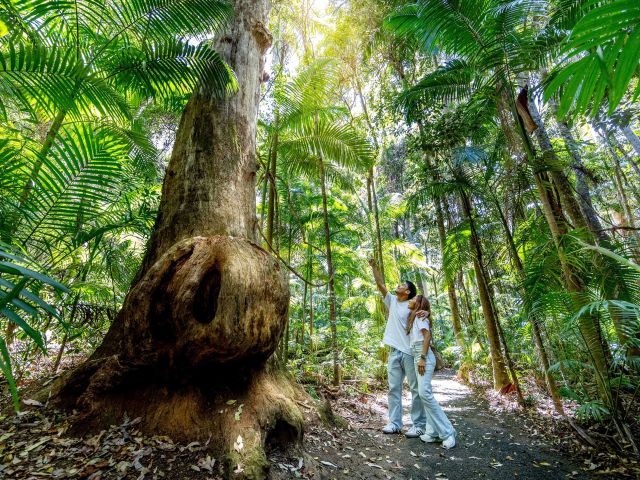
D’Aguilar National Park is a 40,000-hectare slice of greenery that stretches from urban Brisbane right up to Woodford (home of the Woodford Folk Festival). The vast expanse of park is home to ancient rainforests, eucalypt forests and shaded swimming spots hidden within gorges and under waterfalls. The area is significant for the Jinibara and Turrbal people, with ceremonial bora rings and dreaming trails all found within the park.
Carve out some time in your itinerary to explore the park’s many trails. The Maiala day-use area is the perfect starting point for walks for all levels of ability.
5. Arcade Wine Bar
Sit down to a menu inspired by Italy.
Opposite the Redcliffe Jetty and down a laneway, you’ll find an unassuming wine bar. Venture inside and quickly fall in love with Arcade Wine Bar , one of the region’s most beloved local haunts.
Owners Danilo and Matt have a combined 50 years of sommelier experience, which they have poured into the menu, styling and wine list. More than just a hole-in-the-wall wine bar, Arcade Wine is an enoteca (a wine repository), whose walls are lined with bottles upon bottles of Italian wine varietals from every corner of Italy.
Settle in with a wine and work your way through the menu inspired by Danilo’s native Italy: traditional meatballs, their quick-to-sell-out terrine, or a selection of Italian cheeses, charcuterie and arancini.
6. Wamuran & Loop Rail Trail
Away from the ocean, tucked in the hinterland, is the Wamuran & Loop Rail Trail . Perfect for cyclists or walkers, the trail was built to showcase the history of the Caboolture to Kilcoy rail corridor (last operating in 1964) and makes for the perfect family day out. The trail runs for 10.5km and connects Wamuran and Caboolture via an accessible path.
Pass through former railroad, bridges and shaded bushland as you cut from A to B. Plus, visit in winter for a detour along the way to one of the many pick-your-own strawberry farms.
7. Farm Visits
Beaches, mountains and history make an enticing combination. But Moreton Bay also brings hinterland, family-friendly farms to the table. Trevena Glen is one of the area’s most loved, with bunnies, ponies, sheep, alpacas (and more) available to visit for the kids. For the adults, book a horse-riding session and be treated to a grazing platter as you watch the sun set over the mountains of D’Aguilar National Park.
At White Ridge Farm , find camels, putt-putt, train and tractor rides and all kinds of animals. The entire farm is paved, making it accessible for all.
8. Miss Sprinkles
Pick your scoop at Miss Sprinkles Gelato.
An ice cream at the beach is one of life’s most perfect pleasures. While in town, stop by Miss Sprinkles for the locals’ pick of homemade gelato on the Scarborough foreshore.
The gelato here is made the authentic Italian way and scooped up just across from the beach. Or, settle in at their kitschy pink wooden tables for traditional gelato in the sunshine. Aside from the homemade gelato, you’ll also find tarts, pies and even doggie gelato.