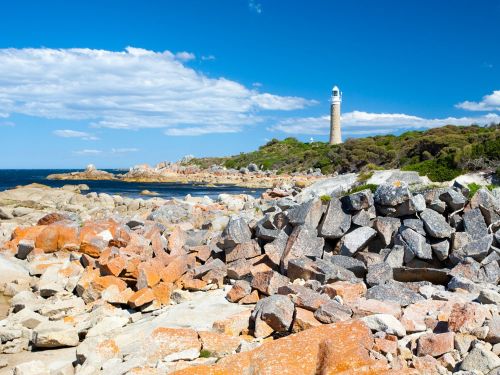
Find Tasmania’s (not so) hidden Indigenous culture

hero media
Vernacular Indigenous Australian architecture is not something we hear about often. Yet it existed, and vestiges remain. On the west coast of Tasmania, you might come across depressions – large circular hollows dug into the top of small hills, dunes or middens – that were once Aboriginal huts: large beehive-shaped structures of wood and bark that would accommodate up to 14 people.

This is just one fascinating example of the Indigenous culture that is hidden in plain sight in a state where a pervasive myth throughout much of the 20th century did its best to erase it. Today, the word palawa refers to Tasmanian Aboriginal people as a whole, but encompasses the many different groups from all around Tasmania, or lutruwita, in the revived palawa kani language. Here are ways you can experience this culture through both a contemporary and historical lens today.

On tour
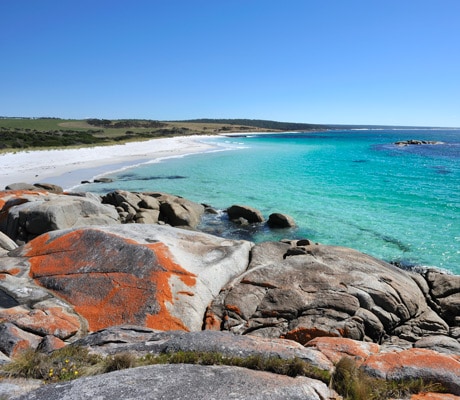
bay of fires larapuna tasmania
Larapuna/Bay of Fires.

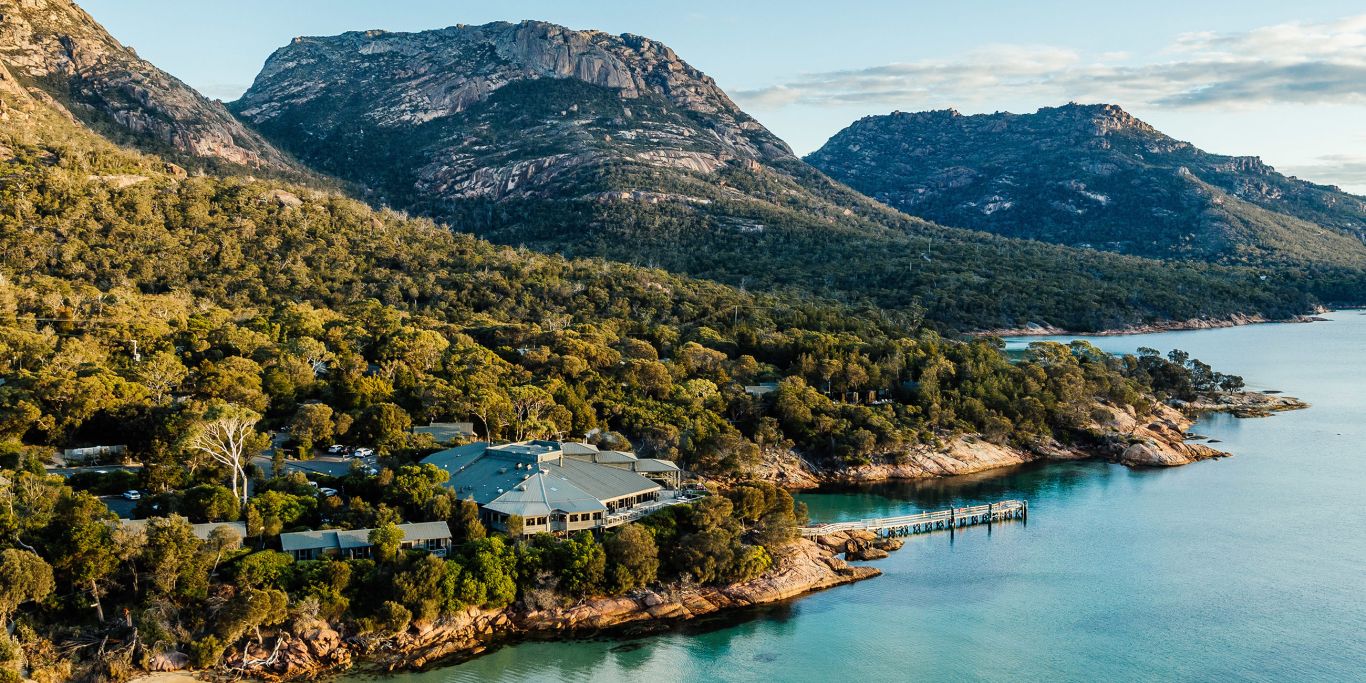
The Wukalina Walk was a quiet revolution when it launched in early 2018 as Tasmania’s first Indigenous owned and operated tourism venture. A four-day walk in the state’s north-east, around the spectacular landscapes of the larapuna/Bay of Fires and wukalina/Mt William areas, it invites guests to reacquaint themselves with this land as the cultural homeland of the palawa.


Two nights of the trip are spent at the bespoke camp, krakani lumi, which means place of rest; these award-winning communal huts are directly influenced by traditional Aboriginal Tasmanian domed architecture.
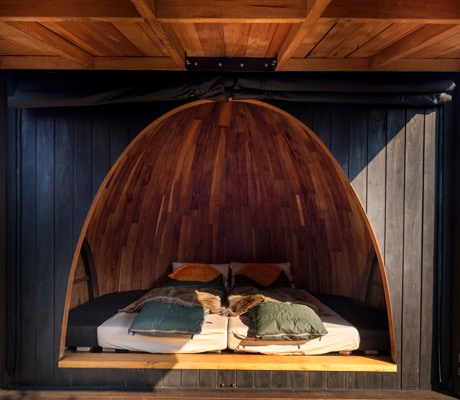
krakani lumi tasmania
Krakani lumi.

Local and family-owned Kooparoona Niara Tours runs bespoke day trips through the Meander Valley near Launceston that combine visits to Aboriginal cultural sites and a view of contemporary Indigenous culture with a taste of the region’s standout produce – think truffles, salmon and wine.


Local outdoor educator and cultural adventure tour operator Ben Rea, of Tasmanian E-Bike Adventures, has paired with Sheldon Thomas, a Tasmanian Aboriginal healer, cultural and ceremonial guide to create one of the most unique Indigenous experiences you’ll find in Tasmania.


Their Nohoiner Adventure is a day-long Aboriginal on-Country adventure on the Forestier Peninsula in the state’s south-east – a remarkable historic place in the cultural story of Tasmania and Australia’s settlement history. Here, guests are immersed in cultural lore and healing ceremonies, are treated to a seasonal picnic of local bush foods, and visit the site of original contact and conflict between Tasmanian Aboriginal people and European explorers.
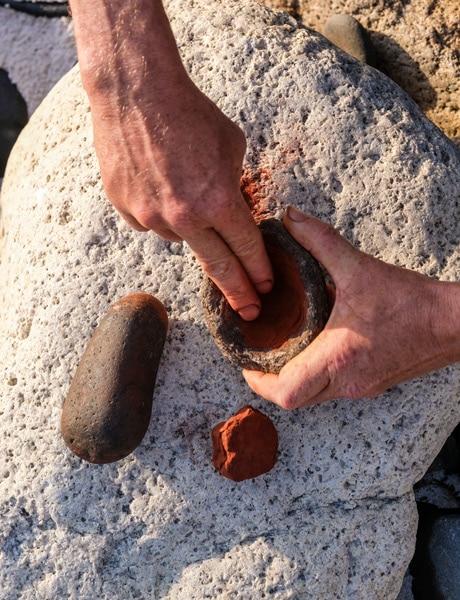
nohoiner adventure tasmania
The Nohoiner Adventure.

“Sheldon and I co-created the Nohoiner Adventure to empower an authentic experience for guests to connect with the Tasmanian Aboriginal story through a cultural immersion that deepens guests’ understanding of Aboriginal perspectives in a wild Tasmanian natural setting," says Rea. “It shines light on the spiritual healing knowledge and wisdom of our first people and their sacred connection to Country. Through conversation and story sharing framed with ceremony and ritual, guests gain insight and understanding that inspires personal growth and a deep appreciation of the cultural, historic and spiritual values of our island home, Tasmania." Watch this space for further joint ventures.

Need tips, more detail or itinerary ideas tailored to you? Ask AT.

AI Prompt

At museums and galleries

The always-engaging Tasmanian Museum & Art Gallery (TMAG) is a good introduction to Tasmanian Aboriginal culture, heritage and current perspectives. As well as hosting
contemporary exhibitions such as Julie Gough’s Past Tense, part of Dark Mofo’s lineup last year, it has two permanent exhibitions dedicated to engaging visitors on all things palawa.


The newly refreshed ningina tunapri (‘to give knowledge and understanding’) presents 40,000 years of Tasmanian Aboriginal culture in a highly engaging way and Our land: parrawa, parrawa! Go away! is an affecting exhibition in the old Bond Store Galleries that tells the story of Aboriginal people and colonists following the invasion of lutruwita, focusing on the Black War.


Not far from TMAG, a stone’s throw from Hobart’s waterfront, ART MOB is a gallery that specialises in Tasmanian Aboriginal art with a number of rare pieces as well as prints and paintings by well-known Tasmanian Aboriginal artists.

In your hotel

Check into MACq 01 – on the traditional lands of the Mouhenneener people – for an immersive portal into Tasmania’s Indigenous history. This slickly designed hotel on Hobart’s waterfront is a storytelling hotel that brings together the tales of real-life characters who have played a role in Tasmania’s past, palawa inspirations among them, including resistance fighter and chieftain of the Plangermaireener people, Mannalargenna, and his granddaughter Dolly Dalrymple, who became a hero in her own right.
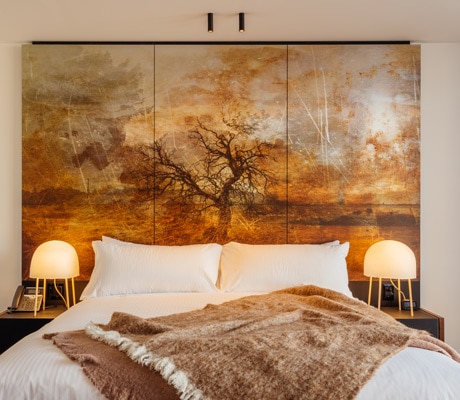
macq 01 hobart
Check into the MACq 01.

“Our Indigenous stories are some of our most powerful," says MACq 01’s storyteller Justin Johnstone, “and although tragedy is woven through their stories, the thing that keeps coming up and up in so many is a sense of grounded determination and resilience." One hundred and fourteen tales are told throughout the rooms and suites, and spill out beyond. “When you walk in the front door of MACq 01, the first thing you see are the palawa artefacts and stories," says Johnstone. “That’s as it should be. They’re our first stories."


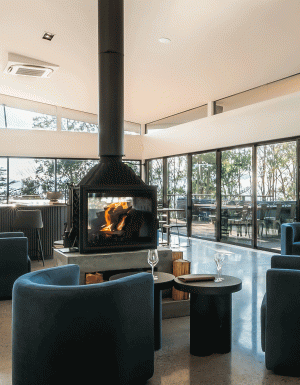
The Lounge in particular is an ode to the palawa: centred around a fire pit, the original storytelling nucleus, and cast in light that represents the kelp forests of the Derwent River. “The kelp was a significant resource for the palawa in the coastal regions," explains Johnstone. “It could be worked like leather or shaped and hardened into carrying and storage vessels with an almost a Bakelite-like texture. The kelp also attracted aquatic life, providing many other sources of nutrition."

Weekly travel news, experiences
insider tips, offers, and more.

In the wild

Tasmania’s wilderness areas are living cultural landscapes that preserve the heritage of the palawa, who have lived in, used, managed and modified this landscape for more than 42,000 years.


The Takayna/Tarkine region of Tasmania’s north-west is a particularly interesting place that takes its name from the ancient culture of the Tarkiner people, who once occupied the coastal region near Sandy Cape.
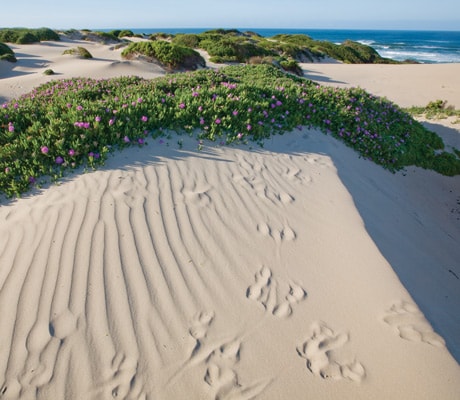
tarkine region tasmania
The Tarkine coast.

Today, the coastal area of this rainforest wilderness area is strewn with middens, hut sites and other artefacts that make this coastline one of the richest human archaeological zones on the planet. Follow the Tarkine Drive, packed with walking tracks, lookouts, cultural sites and picnic spots, or join a six-day walk of the Tarkine Coast with Tarkine Trails.


Discover the other destinations and experiences that made it into our Top 100 Ways to Holiday Here This Year special edition of Australian Traveller.

Want to see more stories from Australian Traveller in your Google search results?

  1. Click here to set Australian Traveller as a preferred source.
  2. Tick the box next to "Australian Traveller". That's it.
Australian Traveller

Australian Traveller

View profile and articles
hero media

What to expect from the Tamar Valley’s newly renovated cellar door

    Angela Saurine Angela Saurine
    Overlooking the winding Tamar River, the Tamar Ridge & PIRIE Cellar Door is where two of Tasmania’s most acclaimed wine labels come together. Sip award-winning cool-climate wines and world-class sparkling while soaking up the vineyard views in one spectacular setting.

    The fire crackles softly as you settle into a comfortable armchair, a glass of Tamar Ridge Reserve Pinot Noir warming your hands. Outside, rows of vines stretch across the Tamar Valley, their gentle contours framed by rolling hills and ever-changing skies. Or perhaps it’s a sunlit afternoon, and you’re on the terrace with a flute of PIRIE Vintage sparkling in hand, watching the valley shimmer beneath you as each crisp sip captures the freshness of Tasmania. At the Tamar Ridge and PIRIE Cellar Door, the setting in one of Australia’s most celebrated cool-climate wine regions is every bit as special as the wines.

    The two brands now share a beautifully refurbished cellar door, giving visitors the opportunity to sample both still and sparkling wines from the Brown Family Wine Group’s luxury portfolio in a single stop. Alongside the shared tasting space, they’ve also introduced a range of premium experiences tailored to each brand.

    Tamar Ridge’s story began in 1994, when vines were planted at Kayena in Tasmania’s Upper Tamar Valley. Guided by renowned viticulturist Dr Richard Smart – the “Flying Vine Doctor” – the vineyard quickly gained a reputation for quality, with a new winery established in 1998 and the Tamar Ridge label born.

    sitting on the lawn of Tamar Ridge & Pirie Cellar Door
    Sit outside to soak in the sun as you enjoy Tamar Valley views. (Credit: Natasha Mulhall)

    Today, New Zealand-born head winemaker Tom Wallace leads the cellar, brings his passion for cool-climate winemaking to help shape Tamar Ridge’s reputation for elegant, expressive wines.

    Founded by Dr Andrew Pirie in 1995, PIRIE helped prove the island’s potential for world-class cool-climate sparkling.

    Crafted in the traditional method from hand-picked Pinot Noir and Chardonnay grown in the Valley, PIRIE Tasmania sparkling wines are celebrated for their fine beads, depth and elegance. With a collection of trophies, gold medals and top honours behind them, these rare vintages showcase the very best of the state’s sparkling wine.

    Brown Brothers – now known as the Brown Family Wine Group – acquired Tamar Ridge, PIRIE and Devil’s Corner on the island’s east coast in 2010, extending the legacy of a family wine company founded in 1889 at Milawa in Victoria’s King Valley. The company has continued its pursuit of exceptional cool-climate vineyards, recognising Tasmania’s unique potential in a changing climate.

    Location

    roaring fireplace inside Tamar Ridge & Pirie Cellar Door tamar valley
    Get cosy by the roaring fireplace. (Credit: Natasha Mulhall)

    Tamar Ridge & PIRIE Cellar Door is set on the west bank of the Tamar River, just 20 minutes north of Launceston and around two and a half hours’ drive from Hobart near the riverside village of Rosevears in northern Tasmania. Stretching more than 60 kilometres along the river, from the mouth near Launceston north towards Bass Strait, the Valley is a vast patchwork of vineyards, orchards, farmland and historic townships.

    Style & decor

    interior of Tamar Ridge & Pirie Cellar Door tamar valley
    Come for a regular tasting, or book an experience. (Credit: Natasha Mulhall)

    Floor-to-ceiling windows showcase panoramic views, while outdoor decks make the most of the surrounding scenery. Inside, the refined contemporary interiors strike a balance between modern luxury and the natural surrounds, with a double-sided fireplace to linger by. A Tamar River view creates a warm focal point. Natural wood accents add a sense of place, including a handcrafted 12-seat Tasmanian oak table that anchors the space with understated elegance.

    Wine experiences

    The cellar door’s curated wine experiences pair award-winning wines with local produce and the stories behind them. For those who prefer a leisurely visit without a set itinerary, the cellar door also offers cheese platters and small plates, best enjoyed with a glass in hand while taking in those Tamar River views.

    Come for a taste, stay for an experience.

    PIRIE & Oyster Experience

    PIRIE & Oyster Experience
    Taste the best of PIRIE matched with oysters. (Credit: Natasha Mulhall)

    A true taste of Tasmania comes to life in the PIRIE & Oyster Experience, created in partnership with Tasmanian Oyster Co. Exploring the connection between merroir and terroir – the influence of the sea and soil on flavour – this guided tasting pairs three premium oysters from different Tasmanian growing regions with three expressions of PIRIE sparkling wine: the NV, 2021 Vintage and Blanc de Blanc.

    As each oyster and wine pairing is revealed, guests discover how Tasmania’s unique landscapes shape flavour, from the mineral freshness of the ocean to the elegance and precision of cool-climate sparkling wine.

    Pinot Noir Blending Experience

    Pinot Noir Blending Experience
    Try your own hand at mixing. (Credit: Natasha Mulhall)

    For those who want to step behind the winemaker’s bench, the Pinot Noir Blending Experience offers a hands-on journey into the art of creating great wine.

    Guests taste through three to four individual Pinot Noir clones from the previous vintage, each revealing its own personality through aroma, structure and character. Guided by the cellar door team, visitors explore how these individual components come together to create balance and complexity – before attempting their own blend.

    Will you recreate the house style, or create something entirely original? This immersive experience offers a fascinating insight into the craft, creativity and precision that goes into every bottle.

    Supreme Indulgence

    Tamar Ridge & PIRIE Cellar Door
    Settle in for true indulgene. (Credit: Natasha Mulhall)

    The most elevated experience at the cellar door, the Supreme Indulgence (PIRIE Sparkling with Caviar tasting) is a celebration of luxury, refinement and Tasmania’s exceptional produce.

    Priced at $99 per person, the tasting pairs PIRIE Tasmania’s most distinguished sparkling wines with carefully selected sturgeon caviar, chosen to enhance the elegance, texture and finesse of each cuvée. Hosted by an expert member of the team, the experience unfolds as a thoughtful exploration of fine bubbles, delicate flavours and the craftsmanship behind every bottle.

    Start planning at tamarridge.com.au and pirietasmania.com.au.