Tempting as it may be to exclusively explore Melbourne’s tapestry of shops, restaurants, cafes, laneways and culture, there is plenty waiting outside the border of the city.
A day trip is the perfect way to relax from the inner-city grind. Wineries, spas, national parks and secluded beaches – Victoria is brimming with marvel and the opportunity to enjoy it all is a mere stone’s throw from Melbourne.
Driving is the best way to maximise your time as it means you can town hop on the way to your destination, take in the views from the many roadside lookouts, and make a few popular detours. We opted for a Ford Puma. Open the sunroof and pump the speakers, how you fill in the blanks is up to you.
Here, find a collection of the best day trips from Melbourne.
Great Ocean Road
There’s a reason they call it the ‘Great’ Ocean Road. It’s one of the world’s most scenic coastal drives, but it also offers adventure, natural beauty, culinary delights and wildlife aplenty.
Located on the south-west coast of Victoria, the route – which starts in Torquay and ends in Allansford – was built by returned soldiers between 1919 and 1932. Its 255 kilometres makes it the world’s longest war memorial, and it also boasts plenty to see and do on a day trip.
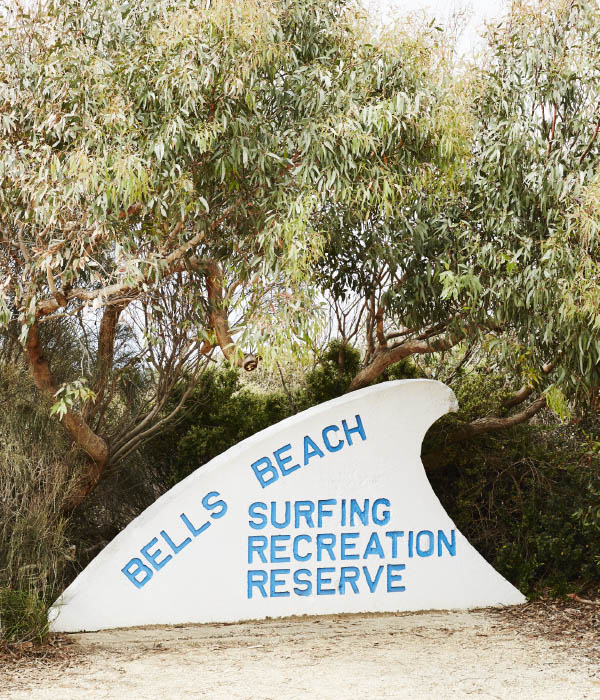
Torquay is the Great Ocean Road’s official launch point. It’s a pretty little town and a must-stop for surfing aficionados. Check out Bells Beach, to visit the home of the Rip Curl Classic Surf competition, as well as the nearby National Surfing Museum.
Lorne is another favourite day trip haunt for Melbourne residents. Here you’ll find Art Deco style buildings, sea baths, safe swimming spots, surfing and paddle boarding as well as loads of cafes and shops to peruse. From Lorne it’s a short drive to Teddy’s Lookout and Cape Patton Lookout, both are heavy hitters if views are your thing.
Make the Twelve Apostles your final stop. The time of day you visit is of course up to you, however, there is something pretty darn special about seeing it at sunset. They’re a highlight of the Great Ocean Road and well worth waiting around for. After the sun goes down penguins come ashore each evening at the base of the 70-metre cliffs. If you want to get to the water’s edge yourself, the nearest access is via Gibson’s Steps, one kilometre to the east.
Getting there: Head west along the West Gate Freeway, across the West Gate Bridge, and then the Princes Freeway. Take the Anglesea Road exit off the freeway and follow this road for around 14 kilometres until you reach the Great Ocean Road.
Phillip Island’s Penguin Parade
Speaking of Penguins, you’d be hard-pressed to find a more famous place to spot them than the nightly Phillip Island parade.
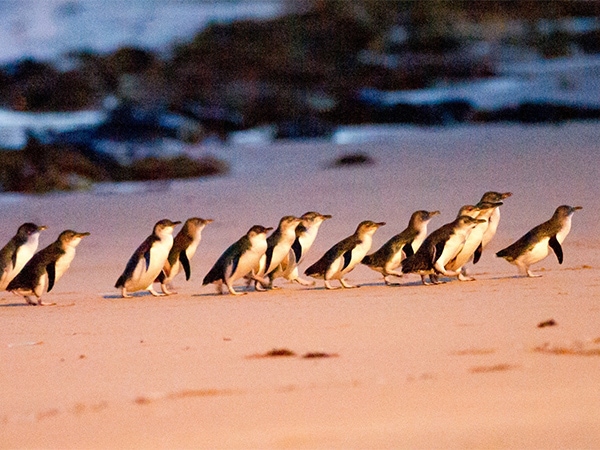
You’ll find Phillip Island stretching out into the Bass Strait nestled between San Remo and the Mornington Peninsula. Connected to the mainland via the San Remo Bridge, its location (combined with the Ford Puma’s agility) makes for an easy day trip. Its most famous residents are the fairy penguins – who waddle their way up to their burrows around Summerland Beach.
While there is plenty of merit in packing a picnic and watching the magic from viewing platforms and boardwalks, Phillip Island Nature Parks offer an intimate experience with their Ultimate Adventure Tour. Groups of less than 10 people can sit on the beach, equipped with specialty torches and infrared goggles, and watch on as these clumsy but cute critters venture past, calling out to their waiting families. Despite full bellies and tiny legs, they somehow manage to climb sand dunes and walk up to two kilometres each night.
Getting there: Phillip Island is located 90 to 120 minutes from Melbourne. Allow a further 20 minutes from the bridge to get to the Penguin Parade. There is free car parking on site.
Need tips, more detail or itinerary ideas tailored to you? Ask AT.
AI Prompt
A wine tour of Red Hill
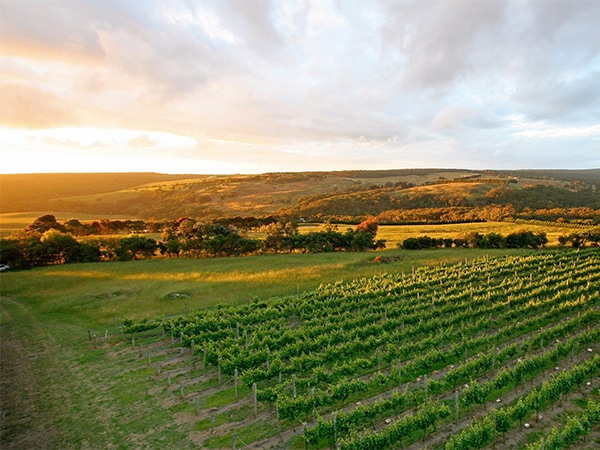
Mornington Peninsula is a labyrinth of wineries and a foodie haven. It’s home to more than 50 boutique cellar doors and renowned for their pinot noir. The hinterland villages of Main Ridge and Moorooduc, as well as the coastal spots of Merricks, Balnarring and Dromana should all make your hit list. But it’s in Red Hill where the day trip opportunities really shine.
Red Hill lays claim to a number of the best wineries in the region. Staindl is a biodynamic winery that is open by appointment only. Indian winemakers at Nazaaray Estate produce pinot noir and pinot gris and their cellar door is housed within a 1930s red rattler. Polperro’s premium, single vineyard label specialises in pinot noir, chardonnay and pinot gris. Foxey’s Hangout is a more modest fitout, with scenic views and a farm-to-table eatery. Red Hill Brewery provides excellent pale ales, wheat beer and bohemian pilsner. Cellar & Pantry is a great place to grab picnic supplies, including local drops.
The best way to construct your own tasting schedule is to go to Mornington Peninsula Vignerons website and download a wine-touring map which shows all the cellar doors.
Getting there: Red Hill is just over one hour’s drive from Melbourne via the M1 and Mornington Peninsula Freeway.
Colonial charm in Sovereign Hill
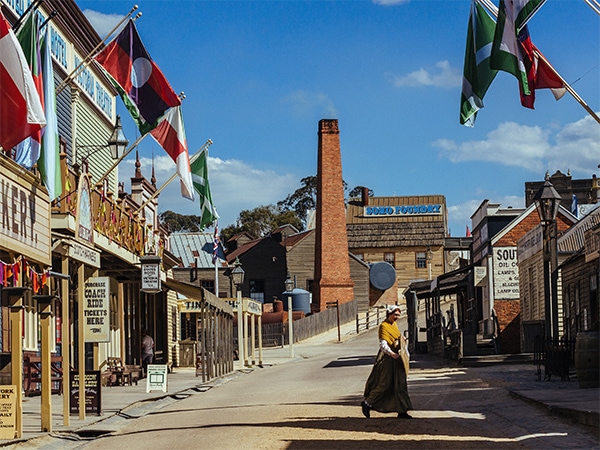
Visiting the living outdoor museum of Sovereign Hill is a rite of passage for all Melburnians. Since 1970 the town has been replicating life in 1850s Ballarat, taking visitors back to the greatest gold rush the world has ever seen.
This Victorian icon is built on a former gold-mining site and features costumed characters, horse-drawn carts alongside shops, hotels, a theatre, schools, factories, gold digging and underground mines.
Adding to the magic is Aura, an immersive theatre experience that launched in 2019. The light and sound show projects hundreds of stories that follow the town’s connection to gold from its inception, incorporating the Wadawurrung creation story.
Pan for gold in the diggings, enjoy a coach ride, stock up at the lolly shop, watch the live street performances and get your picture taken in full Victorian costume.
Getting there: Take the 110-kilometre journey along the Western Freeway. Sovereign Hill is just one hour and 15 minutes west of Melbourne.
Have a picnic at Hanging Rock
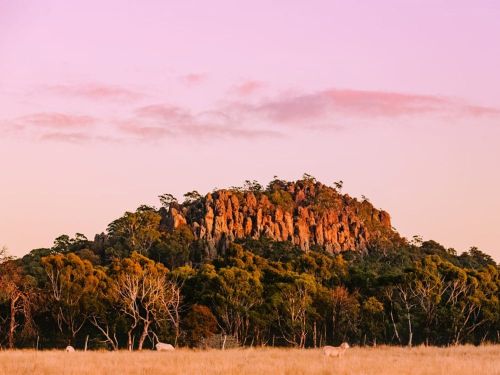
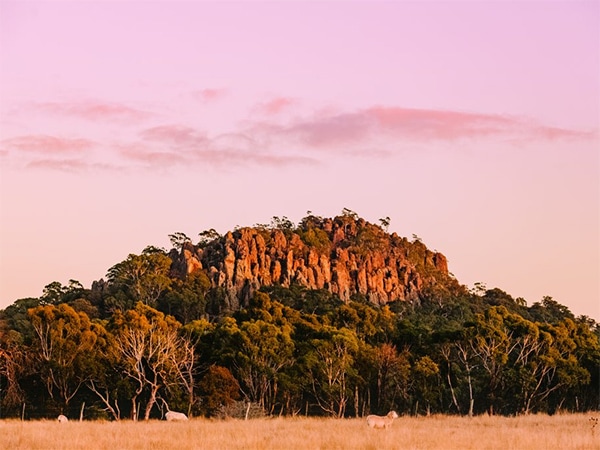
Immortalised in book and screen, Hanging Rock is as evocative today as it was in Joan Lindsay’s novel and Peter Weir’s film. Picnic at Hanging Rock tells the haunting tale of the disappearance of a group of school girls at the site on Valentine’s Day in 1900.
Hanging Rock is located around 80 kilometres north of Melbourne in the Hesket Plains near Mt Macedon. It is 718 metres above sea level, and is the perfect place for a picnic.
From the main town of Woodend, follow the walking trail to the summit at Hanging Rock. Numerous picnic tables and 13 free-to-use barbecues are located throughout the reserve.
Hanging Rock Café is a great option for a light snack, meal, ice cream or beer. There are also a few nearby pubs, including the Lancefield Hotel and Mount Macedon Hotel.
Getting there: Hanging Rock is a 60-minute drive north-west of Melbourne.
Weekly travel news, experiences
insider tips, offers, and more.
Bellarine’s Black Lighthouse
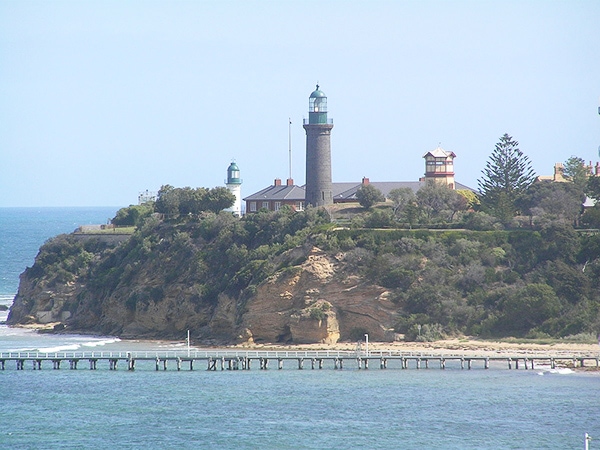
Travel one hour south of Melbourne, past Geelong and onto the Bellarine Peninsula to find Queenscliff. Grand Victorian-era buildings line its main street, providing a snapshot into the town’s past.
Historic Fort Queenscliff guards the coast; it was originally built during the 19th-century gold rush to protect laden ships from privateers. The Fort fired its last gun in WWII and now displays an outstanding war memorabilia collection.
Inside the Fort lives one of only three black lighthouses in the world – and the only one in the Southern Hemisphere. Also known as the High Light, the structure played an important role in turning Queenscliff into a significant trading town.
While you’re there, dedicate some time to exploring the surrounding Bellarine. It’s a treasure trove of charming seaside villages, award-winning cool climate wineries, towns with rich maritime history and some of the best seafood you’ll find in Australia.
Getting there: The Bellarine Peninsula begins 106 kilometres (one hour) southwest of Melbourne.
Treat yourself in Daylesford
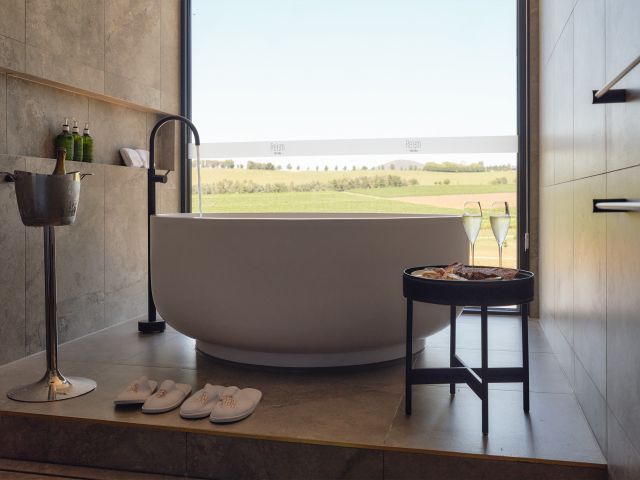
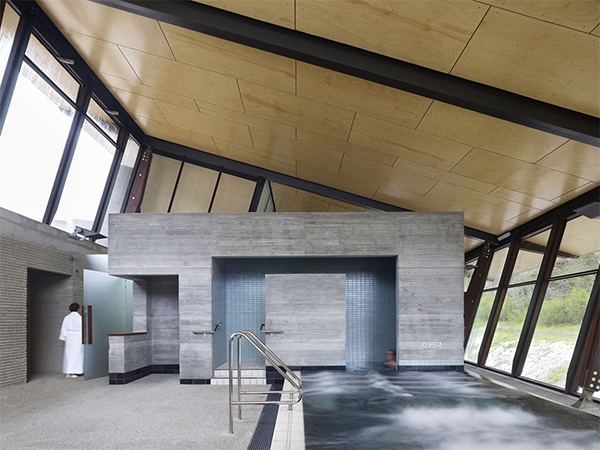
Nestled in the foothills of the Great Dividing Range, Daylesford (and adjoining Hepburn Springs) has a charming mix of rural and urban attributes. Cafes and farm gates neighbour lavender crops, boutique wineries, mineral springs and local spas; the latter has earned the town the title of Australia’s spa capital. Most of the town’s bathhouses, spas and retreats incorporate the local mineral water into the treatments in some way.
The recently renovated Hepburn Springs Bathhouse has been operating since 1895, and an obvious choice for day dwellers. Alternatively, head to The Mineral Spa at Peppers Springs Mineral Retreat – a multi-award-winning retreat offering shared (but intimate) mineral water baths overlooking beautiful gardens. Salus Spa at The Lake House is a light, white, traditional spa set amongst various David Bromley paintings.
After you’ve blissed out on spa treatments make your way to Lavandula lavender farm, it’s one of the loveliest spots for a wander and a bite to eat. The farm, set on six to seven acres and trawling with photo opportunities, features rambling vines, manicured gardens, sweet little picnic spots and, of course, plenty of lavender.
Getting there: Daylesford is about 110 kilometres north-west of Melbourne – approximately an 80-minute drive from the city or airport.
Want to see more stories from Australian Traveller in your Google search results?
- Click here to set Australian Traveller as a preferred source.
- Tick the box next to "Australian Traveller". That's it.

Australian Traveller
View profile and articles