
No trip to Daylesford is complete without a visit to its famous ornamental lake.
Lake Daylesford is a much-loved centrepiece of Daylesford’s tourism, and often the first stop for travellers visiting the area. From its peaceful loop trail and birdwatching to indulgent lakeside restaurants and a spa, the lake is a dynamic attraction boasting natural beauty and a rich history.
Here’s your guide to visiting Lake Daylesford, one of the best things to do in the Victorian spa town.
Where is Lake Daylesford? A visitor’s guide to its location
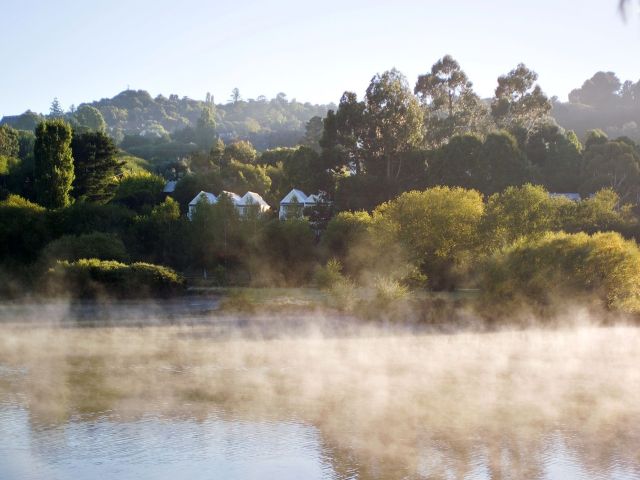
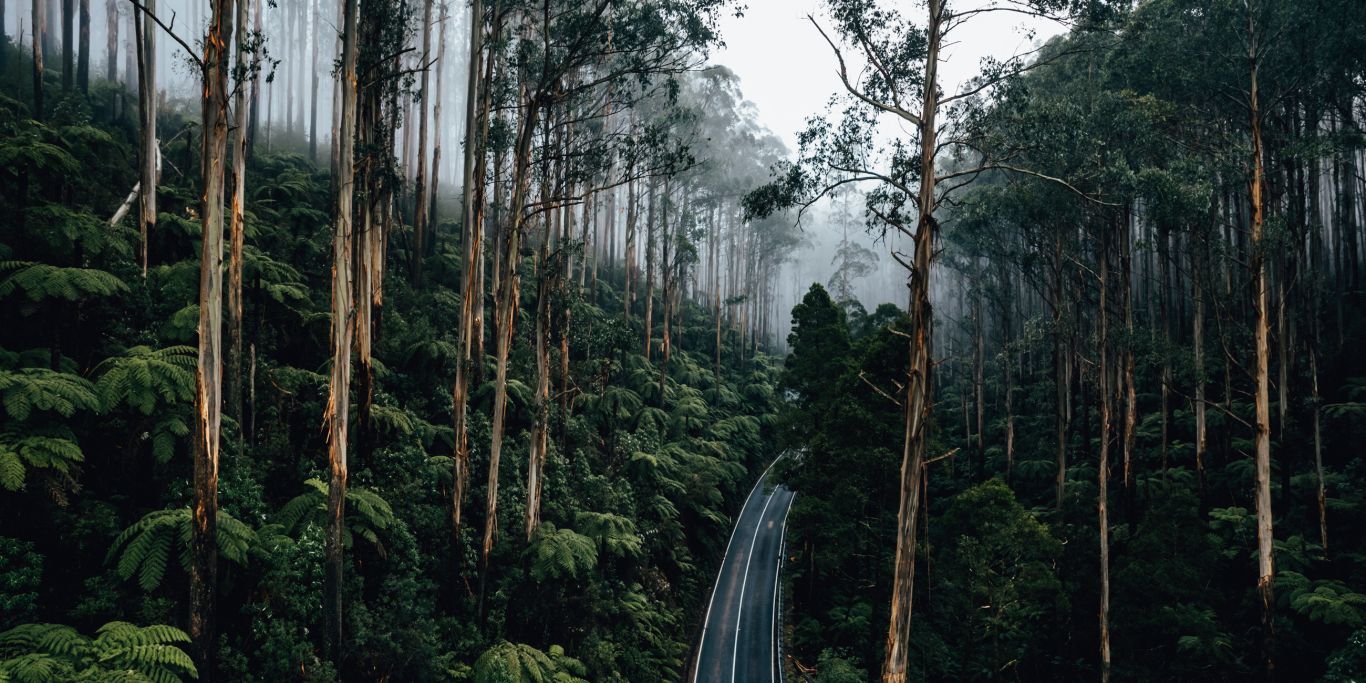
Daylesford is a popular country town nestled in the foothills of the Great Dividing Range in northwest Victoria, about halfway between the gold rush towns of Ballarat and Castlemaine. At a 90-minute drive from Melbourne, it makes for an easy day trip or weekend getaway. Lake Daylesford is just a five-minute drive south of the town centre (or around a 12-minute walk).
A brief history of Lake Daylesford and the surrounding region
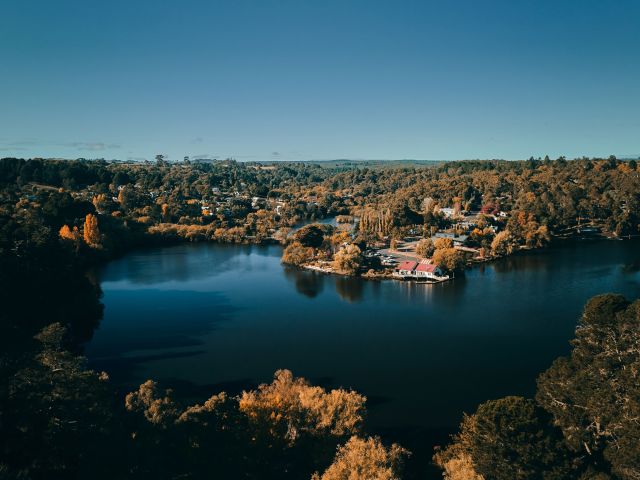
Prior to European settlement, the area where Lake Daylesford sits was a creek valley, fed by mineral springs and Wombat Creek. The local Dja Dja Wurrung people used it for hunting and fishing before they were displaced by settlers in the 1840s. Following the discovery of gold in the area in 1851, the subsequent population growth and mining activity drastically damaged the landscape.
The first proposal for an ornamental lake dates back to 1893, as Daylesford’s reputation as a spa town grew and locals wanted to improve the town, covering the damage done from the mines. Construction eventually began in 1927, and in 1930, the lake was officially opened.
Over the years it’s been a hotspot for recreational activities, from boating and swimming to diving competitions. There was once a swimming pool and diving tower, but now only the historic change rooms remain (which are inaccessible). Today, the lake is still a drawcard for both locals and visitors who want to enjoy its many attractions, or simply admire the beautiful scenery.
Things to Do at Lake Daylesford: Activities, Dining, and Attractions
Best swimming spots
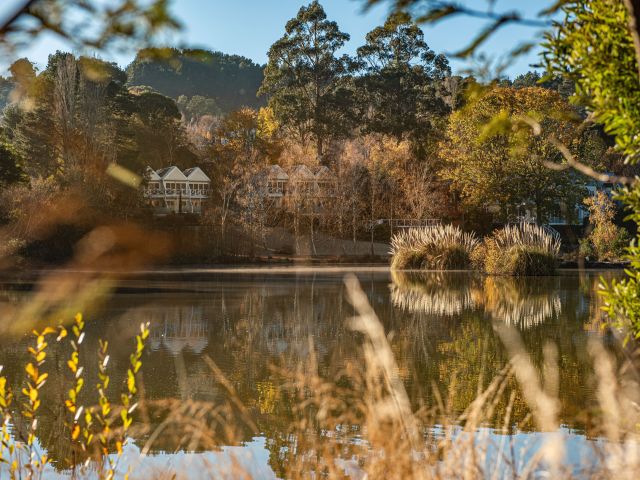
The best place to go swimming in Lakes Daylesford is by the historic change rooms, which are a short walk from the main car park off Leggatt St. Here, you have two options: you can enter the lake from a small, sandy beach – great for kids to splash around in the shallows – or skip the sand and mud and slip straight into the water from the concrete terrace in front of the old bleachers.
The water depth is variable and the lake isn’t patrolled, so it’s best for experienced swimmers. There are public toilets and a kiosk near the main car park, and grassy, shaded areas for picnics – everything you need to linger for the afternoon.
Need tips, more detail or itinerary ideas tailored to you? Ask AT.
AI Prompt
Scenic walking trails
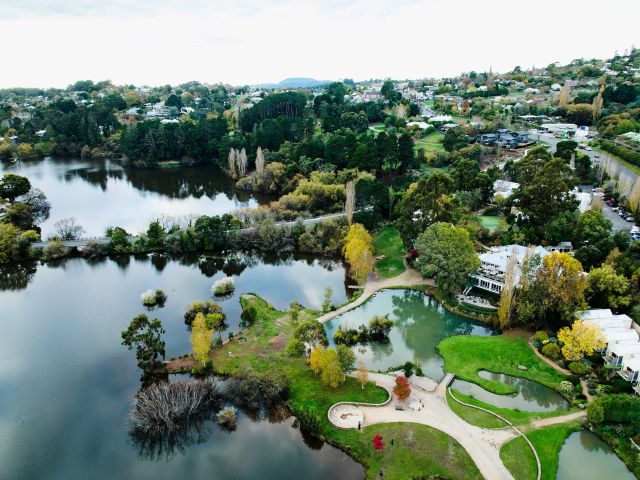
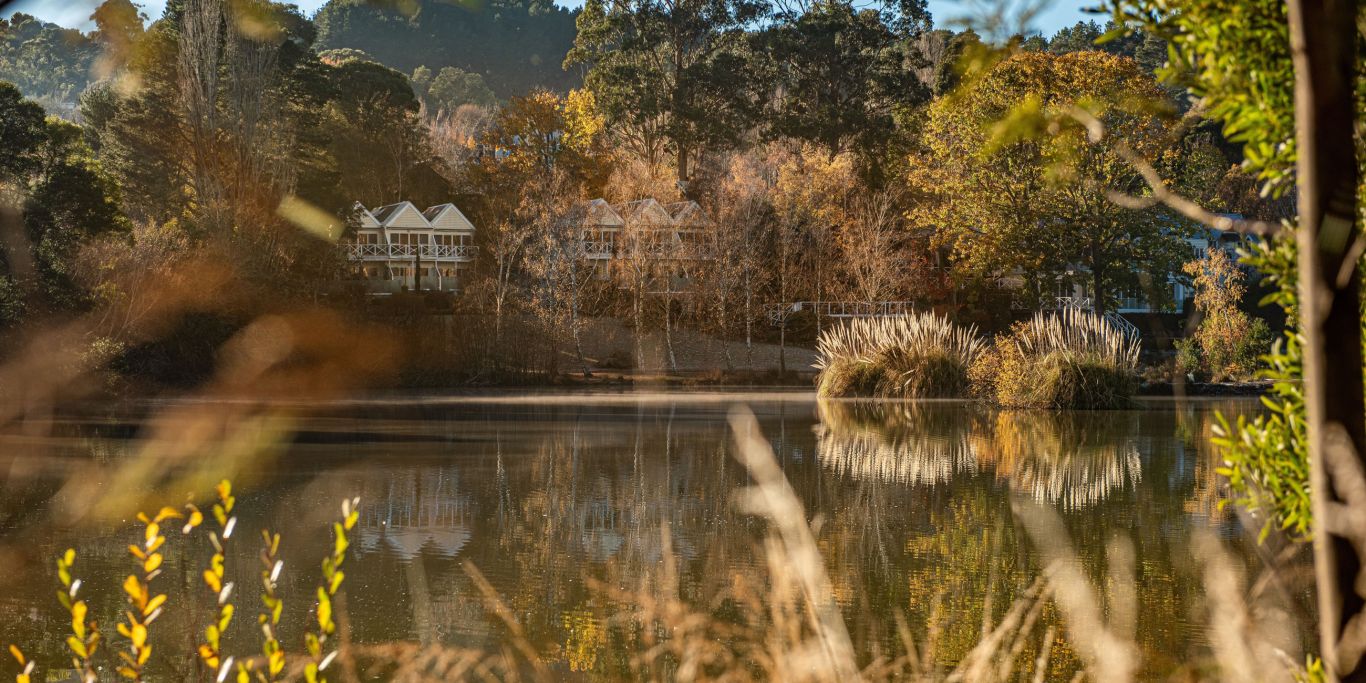
Whenever I visit Daylesford, I always make time for the Peace Mile Loop Walk. This 2.8-kilometre loop around the lake takes 40-60 minutes, and it’s as peaceful as it sounds. Whatever the season, from misty mornings to sunny blue skies, you’ll be treated to delightful views of the water, the boathouse and the surrounding wooded area.
Points of interest include the small jetty/lookout directly opposite the boathouse; Wombat Flat Mineral Spring, where you can taste the natural mineral water; and the spillway, historic change rooms and remnants of the old swimming pool, where you can appreciate the lake’s rich history. It’s an easy enough walk, although strollers and wheelchair users should note it’s a gravel track and there are some inclines. Dogs are welcome on leads.
If you’re up for a longer walk, you can continue to a section of the Goldfields Track, the 210-kilometre hiking and cycling trail that weaves through historic towns of Central Victoria. From the spillway, follow the signs down to Central Springs Reserve, and keep going along the track that follows Wombat Creek (this section is known as the Dry Diggings Track). After about 20 minutes, you’ll end up at the picturesque Twin Bridges Picnic Area. Alternatively, turn left off of Dry Diggings Track before you reach the Midland Highway, onto Wallaby Track which heads south (simply turn back when you’re ready).
Wellness experiences
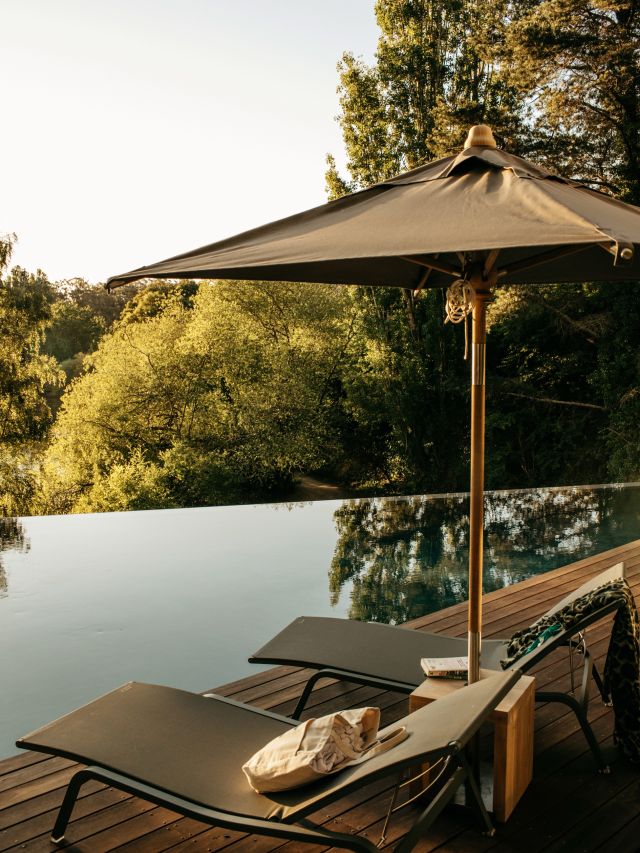
Established in 1984 on the edge of Lake Daylesford, Lake House Daylesford is an icon and one of Victoria’s best-loved regional hotels. It’s also home to a dreamy day spa that celebrates the healing mineral waters of the region and utilises its own line of luxury bath products, which incorporate ingredients from the region.
You’ll start to feel relaxed just from reading the spa’s treatment menu. Choose from signature rituals like Woodland Bliss (a hot stone massage, oil-infused body polish, face and scalp massage, and Hydrostorm experience) or the thermal Grounding Salt & Clay ritual, which includes a pink salt exfoliation and warmed white clay mask to draw out toxins.
Along with a bliss-inducing selection of massages and facials, they also offer a Tree Top Soak; relax in a private tub filled with heated Daylesford mineral water, while looking out through the willow trees to Lake Daylesford. Heaven.
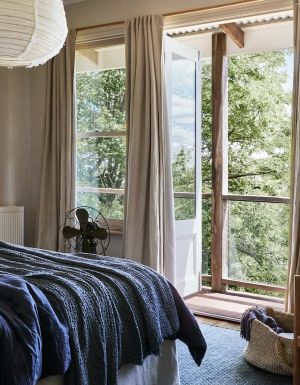
The spa isn’t cheap, but it’s a must-do for wellness lovers if you’re visiting the area. Be sure to book ahead, and consider staying in one of the hotel’s gorgeously decorated rooms (check the website for available packages).
Kayaking
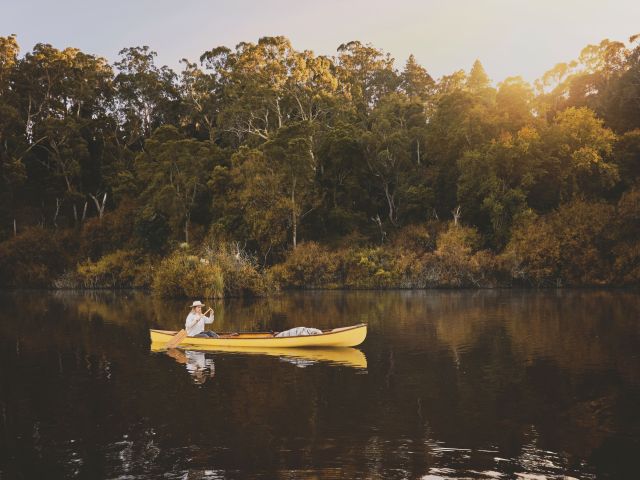
Imagine enjoying the scenic views and tranquillity of Lake Daylesford from the water itself. The calm lake is ideal for canoeing or kayaking; you can launch from the sandy beach near the old change rooms.
If you don’t have your own equipment, head to the nearby Jubilee Lake, just a six-minute drive away. Here, you can hire canoes and paddleboats from the kiosk (you can also buy birdseed if you want to try feeding the peacocks!).
Weekly travel news, experiences
insider tips, offers, and more.
Birdwatching and photography
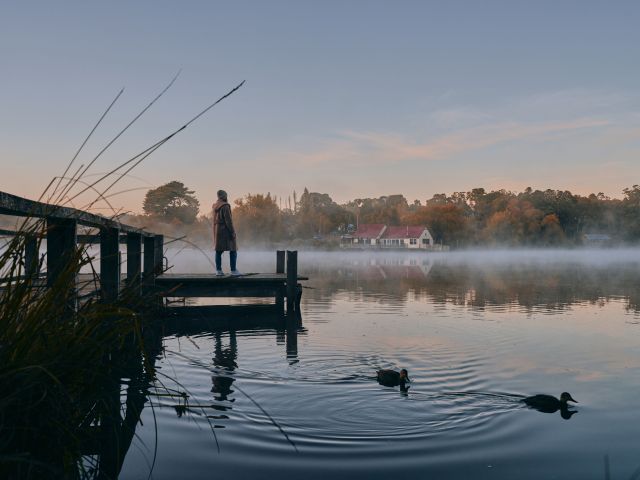
Lake Daylesford is a paradise for photographers and birdwatchers alike, due to its natural beauty and abundant feathered wildlife.
The lake is home to a diverse range of both woodland and water birds, including ducks, cormorants, wrens, honeyeaters, rosellas, moorhens and cockatoos. Early morning or late afternoon is often the best time for birdwatching – be patient as you make your way around the Peace Mile Loop Walk, and bring binoculars for easier identification.
Photographers are also spoiled for choice around the beautiful lake, with views shifting with the seasons and time of day. Calm mornings, the golden hour of late afternoons and moody overcast days all create different lighting for photographers to work with, while the seasons offer variations in foliage and activity on the lake. Some of the best spots for snaps are near the jetties and the bridge decorated with padlocks (inspired by the Pont des Arts Bridge in Paris); while the old swimming area is great for history-meets-nature shots.
Lakeside cafes and restaurants
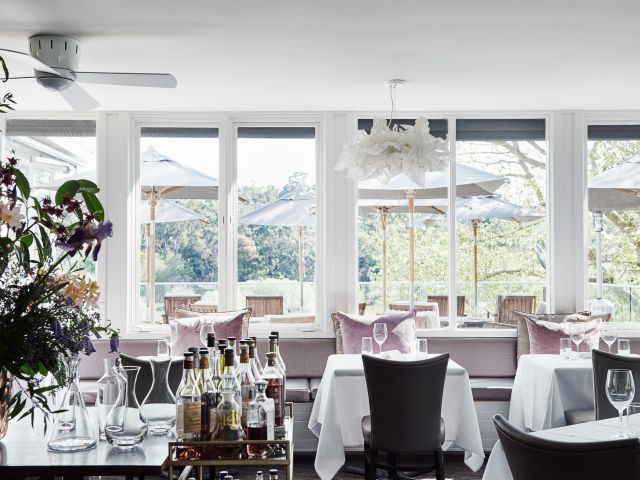
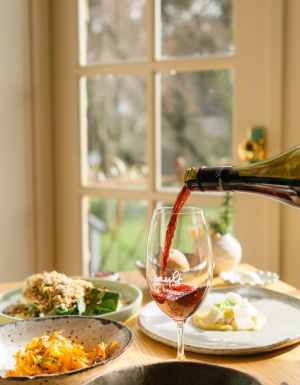
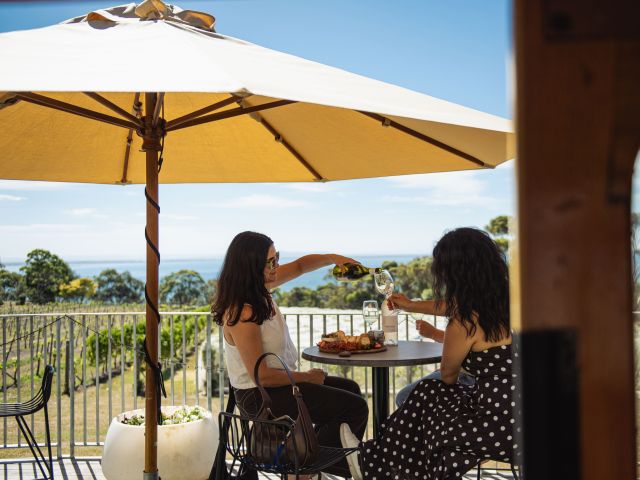
There’s an old-world romance to lakeside dining that speaks to a bygone era. Savour the views from the indoor dining area or outdoor deck of the Boathouse Restaurant, open Wednesday to Sunday, while enjoying a sophisticated Modern Australian menu. Choose from 2, 3 or 4 courses, or a special 7-course menu only available on Saturday nights; the duck breast main, with maple orange glaze, fig confit, beetroot purée and port jus is a standout.
The Lake House restaurant offers an even more elevated dining experience, with two Chefs Hats from the Good Food Guide. It’s perfect for a special occasion, but we say don’t wait for one; book into the elegant light-filled space with tree and lake views, and prepare to enjoy a multi-course à la carte menu. It features local, seasonal produce, some of which is from their own regenerative Dairy Flat Farm just down the road (if you’re dining Monday lunch in peak season, you can join a free farm tour beforehand). There’s also a spacious outdoor deck which beckons at aperitivo hour.
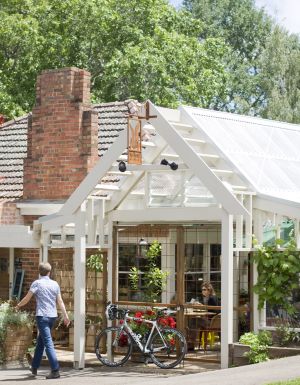
For a much more casual and wallet-friendly option, Walters 3460 is a cheerful cafe and kiosk right by the main car park. Come here to get a takeaway coffee before walking the loop trail, or for something more substantial, they serve smoothies, toasties, pies and pastries. On hot days, their ice cream hits the spot. Sit on the outside tables facing the lake or take away to your own picnic.
Want to see more stories from Australian Traveller in your Google search results?
- Click here to set Australian Traveller as a preferred source.
- Tick the box next to "Australian Traveller". That's it.