6 must-see natural attractions in Geelong and the Bellarine Peninsula

hero media
From scuba diving an aquatic playground so biodiverse it rivals even the Great Barrier Reef, through to hitting the trails of a national park that boasts the state’s richest wildflower habitat, these six natural attractions offer more than enough reason to visit Geelong and the Bellarine Peninsula.

1. Brisbane Ranges National Park

Abundant with native flora and fauna and located some 50 kilometres north-west of Geelong, Brisbane Ranges National Park is popular with hikers and birdwatchers alike. Hit one of its many walking trails and you’re sure to encounter a bird or two and likely even a koala; up to 180 species of birds frequent the park, which is also home to the greatest density of koalas in Victoria.
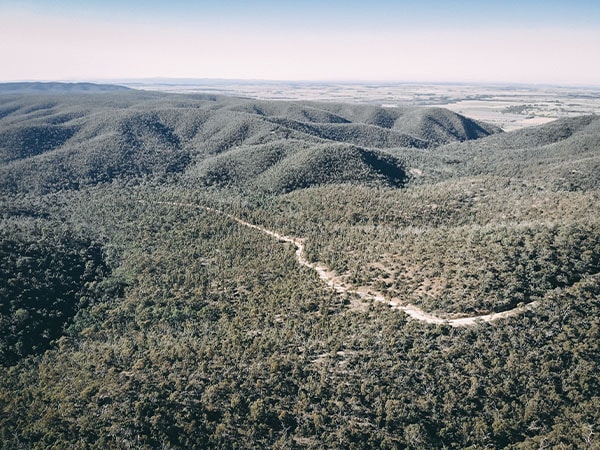
Moorabool Valley, Brisbane Ranges National Park, Geelong and the Bellarine Peninsula, VIC, Australia
Hit one of its many walking trails and you’re sure to encounter a bird or two. (Image: Megan Winden)

Come spring, this hinterland pocket is awash with wildflowers (you’ll find more here than anywhere else in the state). Explore the sharp rocky cliffs and gullies, populated with rare wattles, grevilleas, gum trees and bush peas, and soak up the serenity.
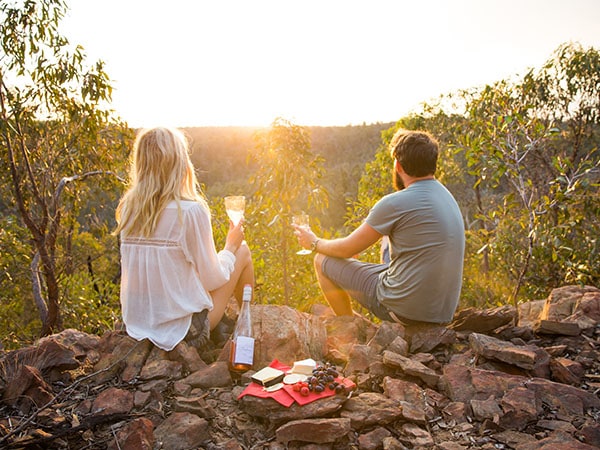
Brisbane Ranges National Park, Geelong & The Bellarine, VIC, Australia
Bring your loved ones to witness the abundant native flora and fauna in Geelong. (Image: Visit Geelong & The Bellarine)

2. Port Phillip Heads Marine National Park, Point Lonsdale

Situated at the mouth of Port Phillip Bay, not far from the urban sprawl of Melbourne, Geelong and the two peninsulas that flank it, you’d be forgiven for assuming these waters wouldn’t promise much of interest. In fact, that couldn’t be further from the truth.
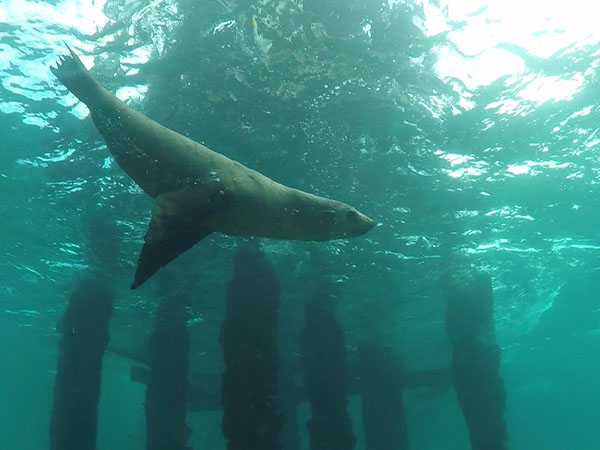
Underwater life, Geelong & The Bellarine Peninsula, VIC, Australia
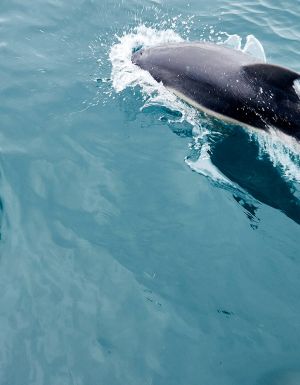
Snorkel or scuba dive and you’ll uncover waters teeming with life. (Image: Visit Geelong & The Bellarine)

Above water, explore the Ramsar Convention-listed wetland of Swan Bay, a habitat that supports nearly 200 bird species. Each summer, some 10,000 migratory waders, such as plovers and curlews, call these intertidal mudflats home. There are also sizable rock pools to investigate at Point Lonsdale during low tide, plus reef breaks to surf and crystalline waters to swim in.

The surprises keep coming underwater. Not only are there more than 30 shipwrecks to dive, but the variety of marine life that inhabits the Port Phillip Heads Marine National Park is so vast it’s said to rival that of the Great Barrier Reef. Go scuba diving and you’ll uncover kaleidoscopic sponge gardens and soft corals, thick forests of kelp and huge seagrass beds, all teeming with life. Take a dive at the reefs of Pope’s Eye or Lonsdale Wall and you might spy nudibranchs, Gulf wobbegongs, or shoals of western blue devils, leather jackets, dusky morwongs, giant Australian cuttlefish and southern hulafish, to name but a few.

Need tips, more detail or itinerary ideas tailored to you? Ask AT.

AI Prompt

3. Barwon River

Originating in the Otway Ranges, and meandering east through Forrest and Birregurra before joining the Moorabool River in Geelong and entering the sea at Barwon Heads, this 160-kilometre-long river is located on Wadawurrung country. It was once a rich source of food for the Aboriginal community, who would catch eels and fish for trout and perch off its banks.
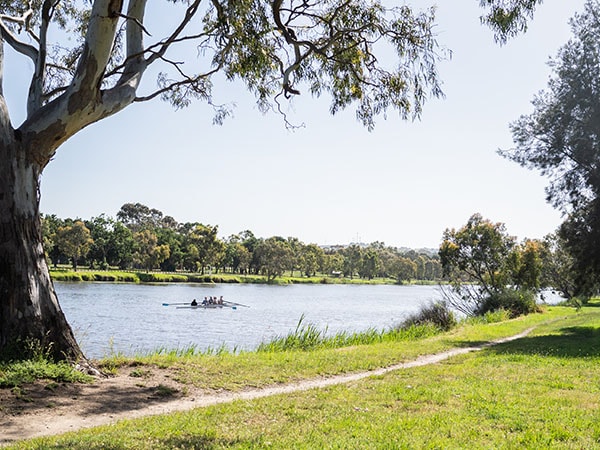
Barwon River, South Geelong, Victoria, Australia
Trace this waterway from start to finish and you’d find a plethora of native vegetation lining its banks, making it a dendrophile’s delight. (Image: Visit Geelong Bellarine)

Trace this waterway from start to finish and you’d find a plethora of native vegetation lining its banks, making it a dendrophile’s delight: there are river red gums, Australian blackwoods, silver wattles, woolly tea trees, drooping sheoaks, and even the nation’s floral emblem, the golden wattle. Wildlife also finds refuge in the river and on its banks, from the elusive nankeen night heron and platypus to swamp wallabies and native water rats.
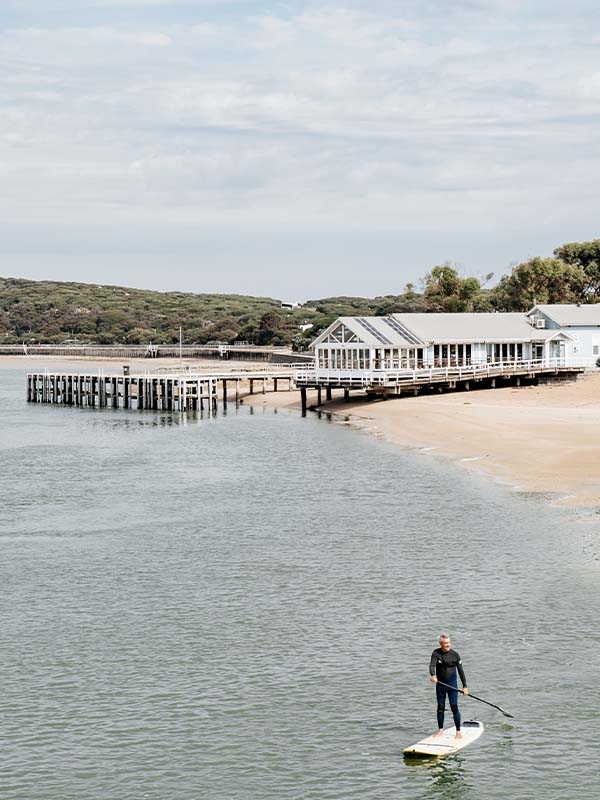
Paddle boarding at the Barwon River, Geelong, VIC, Australia
Go paddle boarding on Barwon River. (Image: Visit Geelong & The Bellarine)

Geelong is home to a number of peaceful parks and reserves that capitalise on the river’s beauty and natural features, such as Buckley Falls, Fyansford Common and Zillah Crawcour Park. The riverside Balyang Sanctuary is arguably the pick of the bunch; once a swamp, this park now encompasses nine hectares of lake and native bushland, often visited by pelicans, pied cormorants and Eurasian coots.
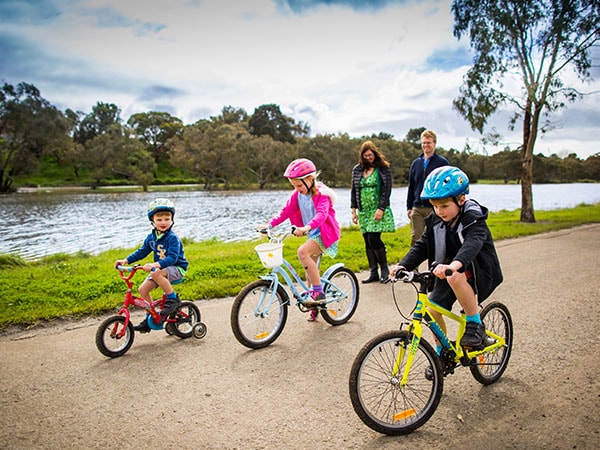
Children riding bikes at Barwon River and Park, Victoria, Australia
Geelong is home to a number of peaceful parks and reserves that capitalise on the river’s beauty and natural features. (Image: Visit Victoria)

4. Geelong Botanic Gardens, Geelong

The city’s green lung, Geelong Botanic Gardens has been going strong since 1851. Not only is it home to your more typical botanic garden fare – from rose gardens to plentiful lawns fit for picnicking, and a conservatory that houses a collection of tropical plants – it’s also home to more than a dozen ‘heritage’ trees.
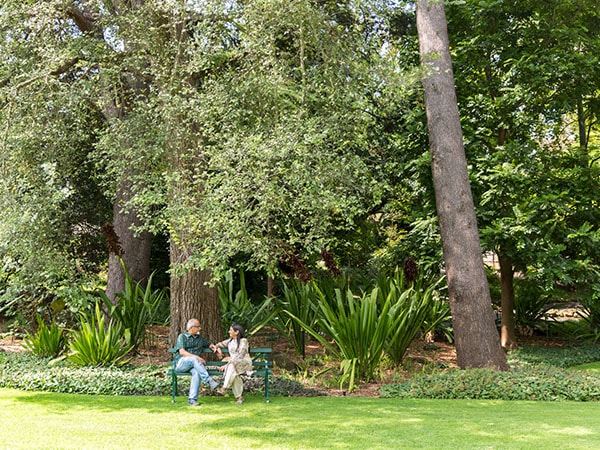
Geelong Botanic Gardens, VIC, Australia
Geelong Botanic Gardens is known as the city’s green lung. (Image: Visit Geelong & The Bellarine)

These specimens are so important they’re listed on the National Trusts of Australia’s Register of Significant Trees, and they include a positively huge Chilean wine palm and a maidenhair tree native to China.
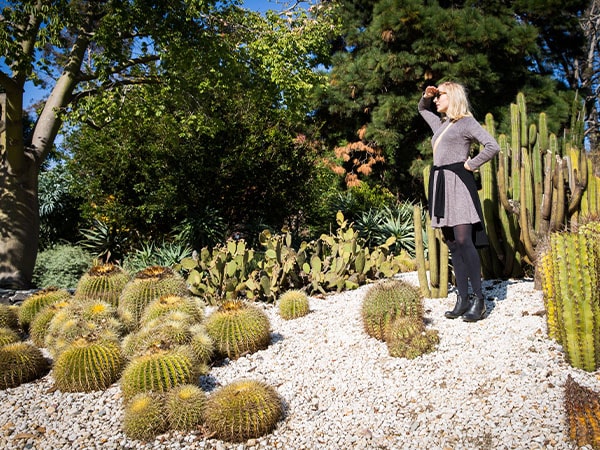
Geelong Botanic Gardens, VIC, Australia
See the home to more than a dozen ‘heritage’ trees. (Image: Visit Geelong & The Bellarine)

Weekly travel news, experiences
insider tips, offers, and more.

5. You Yangs Regional Park

The granite peaks of this mountain range rise just 320 metres high, but they cut a striking silhouette against the pancake-flat Werribee Plain.
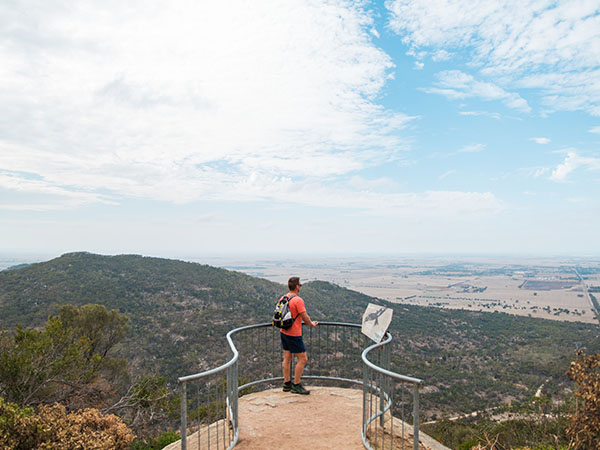
You Yangs Regional Park, Geelong & The Bellarine Peninsula, VIC, Australia
Whip out your binoculars, as there’s a wealth of birdlife to spy. (Image: Visit Victoria)

Whip out your binoculars, as there’s a wealth of birdlife to spy among the You Yangs Regional Park’s scrub and gum tree-flecked slopes. From the park’s summit you can also gorge on sweeping views of the surrounding countryside.
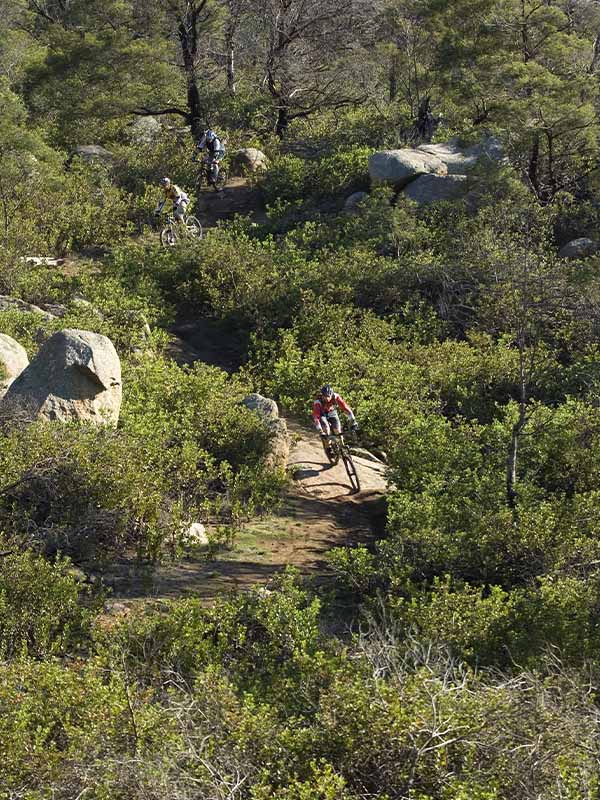
You Yangs Regional Park, Geelong & The Bellarine Peninsula, VIC, Australia
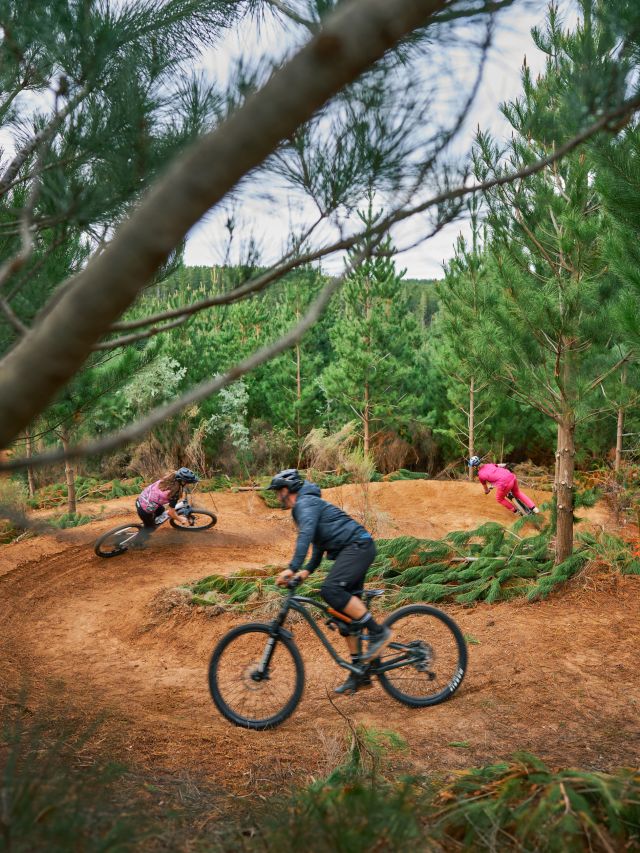
The You Yangs is fantastic mountain biking terrain. (Image: Visit Victoria)

6. Serendip Sanctuary, Lara

A haven for all manner of creatures big and small, Serendip Sanctuary is ground zero for animal lovers. Run by Parks Victoria, the sanctuary is located among the open grassy woodlands, marshlands and wetlands of the volcanic Western Plains, and is home to more than 150 animal species, from kangaroos, wallabies and emus to bearded dragons and spotted-tail quolls. Don’t leave without retreating to one of the bird hides to spy on the plethora of birdlife: among the 150 different species that visit this wildlife park, you might see black kites, Cape Barren geese, bush stone-curlews or the endangered masked owl.

Chloe Cann
Chloe Cann is an award-winning freelance travel and food writer, born in England, based in Melbourne and Roman by adoption. Since honing her skills at City St George's, University of London with a master's degree in journalism, she's been writing almost exclusively about travel for more than a decade, and has worked in-house at newspapers and travel magazines in London, Phnom Penh, Sydney and Melbourne. Through a mixture of work and pleasure, she's been fortunate enough to visit 80 countries to date, though there are many more that she is itching to reach. While the strength of a region's food scene tends to dictate the location of her next trip, she can be equally swayed by the promise of interesting landscapes and offbeat experiences. And with a small person now in tow, travel looks a little different these days, but it remains at the front of her mind.
View profile and articles
hero media

Explore historic wine towns and sculpture trails on a 3-day self-guided Murray River cruise

    Ricky French Ricky French
    Slow down and find your rhythm on a Murray River journey through time and place. 

    Trust is a funny thing. It seems not that long ago that my mother was insisting on pouring the milk into my cereal bowl, because she didn’t trust me not to slosh it over the table, and yet here I am on the Murray River at Mildura in far north-west Victoria, being handed the keys to a very new and very expensive luxury houseboat. 

    After a crash course in how not to crash, I’m at the wheel of the good ship Elevate – pride of the All Seasons fleet – guiding her upstream past red-ochre cliffs as pelicans glide above the rippled river and kookaburras call from reedy banks. There’s a brief moment of breath-holding while I negotiate a hairpin turn around a jagged reef of skeletal, submerged gum trees, before a cheer rings out and calm descends as the timeless river unfurls in front of us.    

    Murray River
    The Murray River winding through Yarrawonga. (Image: Rob Blackburn)

    Setting sail from Mildura 

    Murray River birds
    Home to a large number of bird species, including pelicans. (Image: The Precint Studios)

    A journey along the Murray River is never less than magical, and launching from Mildura makes perfect sense. Up here the river is wide and largely empty, giving novice skippers like myself the confidence to nudge the 60-tonne houseboat up to the riverbank where we tie up for the night, without fear of shattering the glass elevator (the boat is fully wheelchair accessible) or spilling our Champagne.  

    My friends and I spend three days on the water, swimming and fishing, sitting around campfires onshore at night, and basking in air so warm you’d swear you were in the tropics. The simplicity of river life reveals an interesting dichotomy: we feel disconnected from the world but at the same time connected to Country, privileged to be part of something so ancient and special.  

    Stop one: Echuca  

    19th-century paddlesteamers
    A historic 19th-century paddlesteamer cruises along the Murray River. (Image: Visit Victoria)

    The six-hour drive from Melbourne to Mildura (or four hours and 20 minutes from Adelaide) is more than worth it, but you don’t have to travel that far to find fun on the river. Once Australia’s largest inland port, Echuca is the closest point on the Murray to Melbourne (two hours 45 minutes), and you’ll still find a plethora of paddlesteamers tethered to the historic timber wharf, a throwback to the thriving river trade days of the 19th century. The PS Adelaide, built in 1866 and the oldest wooden-hulled paddlesteamer operating in the world, departs daily for one-hour cruises, while a brand-new paddlesteamer, the PS Australian Star , is launching luxury seven-night voyages in December through APT Touring.  

    The town is also a hot food and wine destination. St Anne’s Winery at the historic Port of Echuca precinct has an incredibly photogenic cellar door, set inside an old carriage builders’ workshop on the wharf and filled with huge, 3000-litre port barrels. The Mill, meanwhile, is a cosy winter spot to sample regional produce as an open fire warms the red-brick walls of this former flour mill.  

    Stop two: Barmah National Park 

    Barmah National Park
    Camping riverside in Barmah National Park, listed as a Ramsar site for its significant wetland values. (Image: Visit Victoria/Emily Godfrey)

    Just half-an-hour upstream, Barmah National Park is flourishing, its river red gum landscape (the largest in the world) rebounding magnificently after the recent removal of more than 700 feral horses. The internationally significant Ramsar-listed wetland sits in the heart of Yorta Yorta Country, with Traditional Owners managing the environment in close partnership with Parks Victoria. Walkways weave through the forest, crossing creeks lined with rare or threatened plants, passing remnants of Yorta Yorta oven mounds and numerous scar trees, where the bark was removed to build canoes, containers or shields.  

    The Dharnya Centre (open weekdays until 3pm) is the cultural hub for the Yorta Yorta. Visitors can learn about the ecological significance of the Barmah Lakes on a 90-minute river cruise, led by a First Nations guide, or take a one-hour, guided cultural walking tour along the Yamyabuc Trail.  

    Stop three: Cobram 

    Yarrawonga MulwalaGolf Club Resort
    Yarrawonga Mulwala Golf Club Resort. (Image: Visit Victoria)

    Continue east to Cobram to find the southern hemisphere’s largest inland beach. Swarming with sun-seekers in summer, the white sand of Thompson’s Beach is shaded by majestic river red gums and dotted with hundreds of beach umbrellas, as beachgoers launch all manner of water craft and set up stumps for beach cricket. But the beach is at its most captivating at sunset, when the crowds thin out, the glassy river mirrors the purple sky, and the canopies of the gum trees glow fiery orange. 

    The region is also home to some fine resorts and indulgent retreats. Yarrawonga Mulwala Golf Club Resort has two riverside championship golf courses, luxury apartments and self-contained villas. While not strictly on the Murray, the historic wine town of Rutherglen is rife with boutique (and unique) accommodation, including an exquisitely renovated red-brick tower in a French provincial-style castle at Mount Ophir Estate. Fans of fortified wines can unravel the mystery of Rutherglen’s ‘Muscat Mile’, meeting the vignerons and master-blenders whose artistry has put the town on the global map for this rich and complex wine style.  

    Stop four: Albury-Wodonga 

    First Nations YindyamarraSculpture Walk
    First Nations Yindyamarra Sculpture Walk is part of the Wagirra Trail. (Image: Carmen Zammit)

    Follow the river far enough upstream and you’ll arrive at the twin border cities of Albury-Wodonga. The Hume Highway thunders through, but serenity can be found along the five-kilometre Yindyamarra Sculpture Walk – part of the Wagirra Trail that meanders through river wetlands just west of Albury in Wiradjuri country. Fifteen sculptures by local First Nations artists line the trail, conveying stories of reconciliation, enduring connection to culture, local Milawa lore and traditional practices. It feels a long way from Mildura, and it is, but the pelicans and kookaburras remind us that it’s the same river, the great conduit that connects our country. 

    A traveller’s checklist  

    Staying there

    New Mildura motel Kar-rama
    New Mildura motel Kar-rama. (Image: Iain Bond Photo)

    Kar-Rama is a brand-new boutique, retro-styled motel in Mildura, with a butterfly-shaped pool and a tropical, Palm Springs vibe. Echuca Holiday Homes has a range of high-end accommodation options, both on the riverfront and in town. 

    Playing there

    BruceMunro’s Trail of Lights in Mildura
    Bruce Munro’s Trail of Lights in Mildura. (Image: Imogen Eveson)

    Artist Bruce Munro’s Trail of Lights installation, comprising more than 12,000 illuminated ‘fireflies’, is currently lighting up Mildura’s Lock Island in the middle of the Murray. Murray Art Museum Albury (MAMA) is a hub for contemporary art, with a rotating roster of exhibitions, and is a major outlet for young and First Nations artists. 

    Eating there

    Mildura’s diverse demographic means it’s a fantastic place to eat. Andy’s Kitchen is a local favourite, serving up delicious pan-Asian dishes and creative cocktails in a Balinese-style garden setting. Call in to Spoons Riverside in Swan Hill to enjoy locally sourced, seasonal produce in a tranquil setting overlooking the river.