hero media

This surprising city has dethroned Adelaide as Australia’s happiest

Move over, big smoke – a Victorian goldfields city has just claimed Australia’s top spot on the world’s largest happiness ranking.

Ballarat isn’t just pretty on a postcard. According to the Institute for Quality of Life’s 2026 Happy City Index – the world’s largest community-driven study of urban happiness – it’s the most contented city in Australia, and one of the happiest places on the entire planet.

The Victorian city ranked 16th out of 251 cities worldwide, earning a coveted spot in the index’s gold group: a distinction reserved for the top 50 cities that consistently perform across quality of life, sustainability and long-term development.

What is the happiest city in Australia?
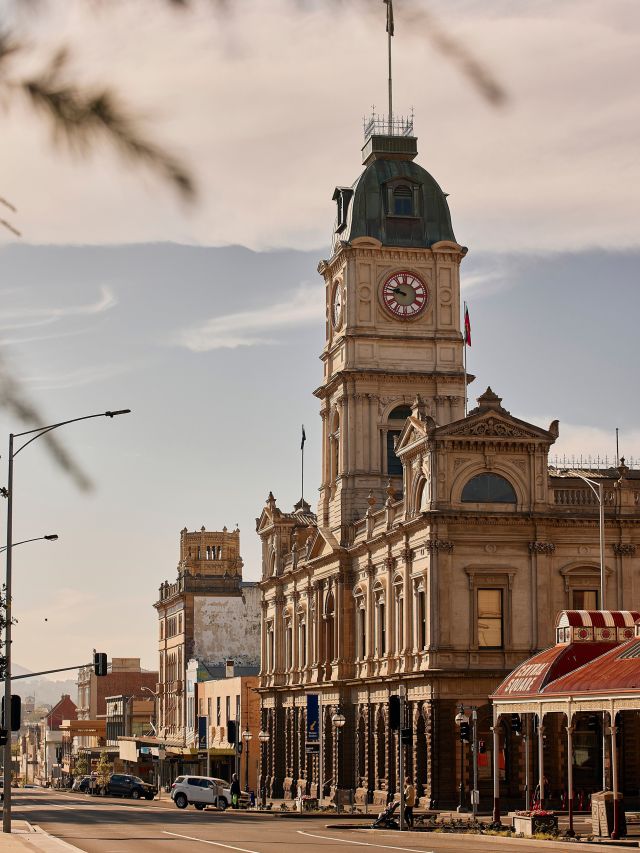
Streetscape of Sturt Street in Ballarat, Victoria
Ballarat is Australia’s happiest city for 2026.

This year, that title belongs to Ballarat – and it might surprise those who’ve never looked past Melbourne when thinking about Victoria.

Ballarat scored 6546 total points across 64 indicators and six dimensions in the 2026 Happy City Index, outperforming the global average in a striking range of areas: its recycling rate sits at 72 per cent against a global average of 44 per cent, its housing affordability ratio is 1.99 compared to the worldwide average of 5.12, and its intentional homicide rate is zero – against a global average of more than 20 per 100,000 residents.

Life expectancy in Ballarat is 82.3 years, and green space per capita comes in at 182.35 square metres – more than double the global average of 72.57. The city also recorded a net internal migration rate of 18.10 per 1000 residents, compared to a global average of 3.58 – meaning people are actively choosing to move there.

How were the rankings determined?
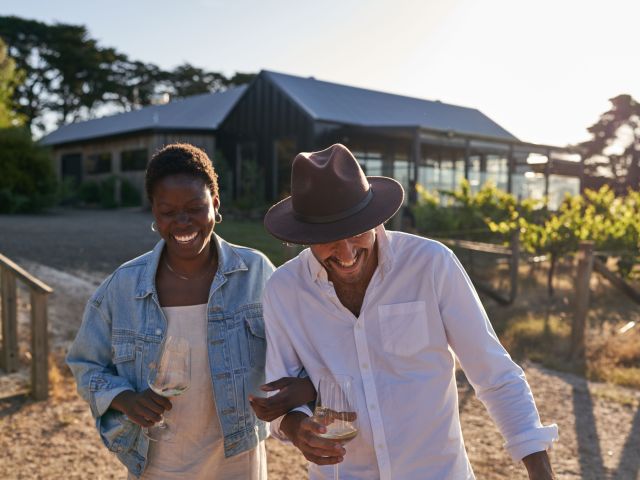
couple laughing at Wayward Winery, Ballarat, Victoria
Visit Wayward Winery near Ballarat.

Happiness, as any philosopher will tell you, is slippery to measure. The Happy City Index approaches it with rigour: covering 251 cities and drawing on 64 indicators across six dimensions – citizens, governance, environment, economy, health and mobility. Over a five-month research period, 466 researchers gathered and validated more than 150,000 data records, looking at everything from voter turnout and air quality to green space, work-life balance and housing costs.

From an initial pool of more than 3400 cities worldwide, nearly 1000 were selected for deeper analysis, so making the final list of 251, let alone landing in the gold group, is no small feat.

Where Ballarat really shines is in the areas that matter most to everyday life. Its average weekly working hours are 38 – below the global average of 40.5 – and its unemployment rate of four per cent sits well below the worldwide average of 5.58 per cent. Annual PM2.5 air pollution sits at just 5.00, less than half the global average of 11.86.

Need tips, more detail or itinerary ideas tailored to you? Ask AT.

AI Prompt

What other Australian cities made the list?
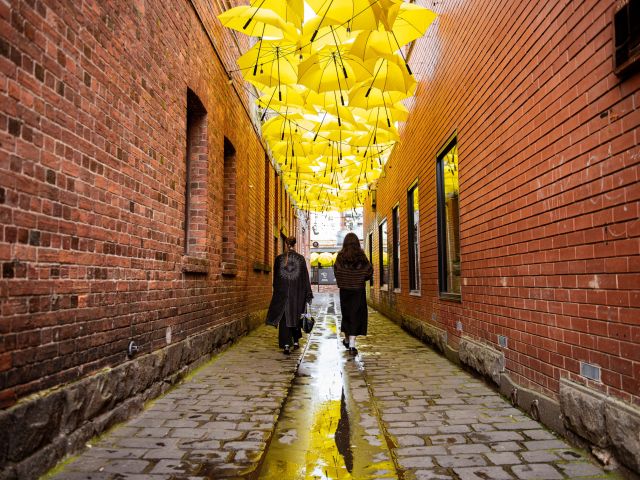
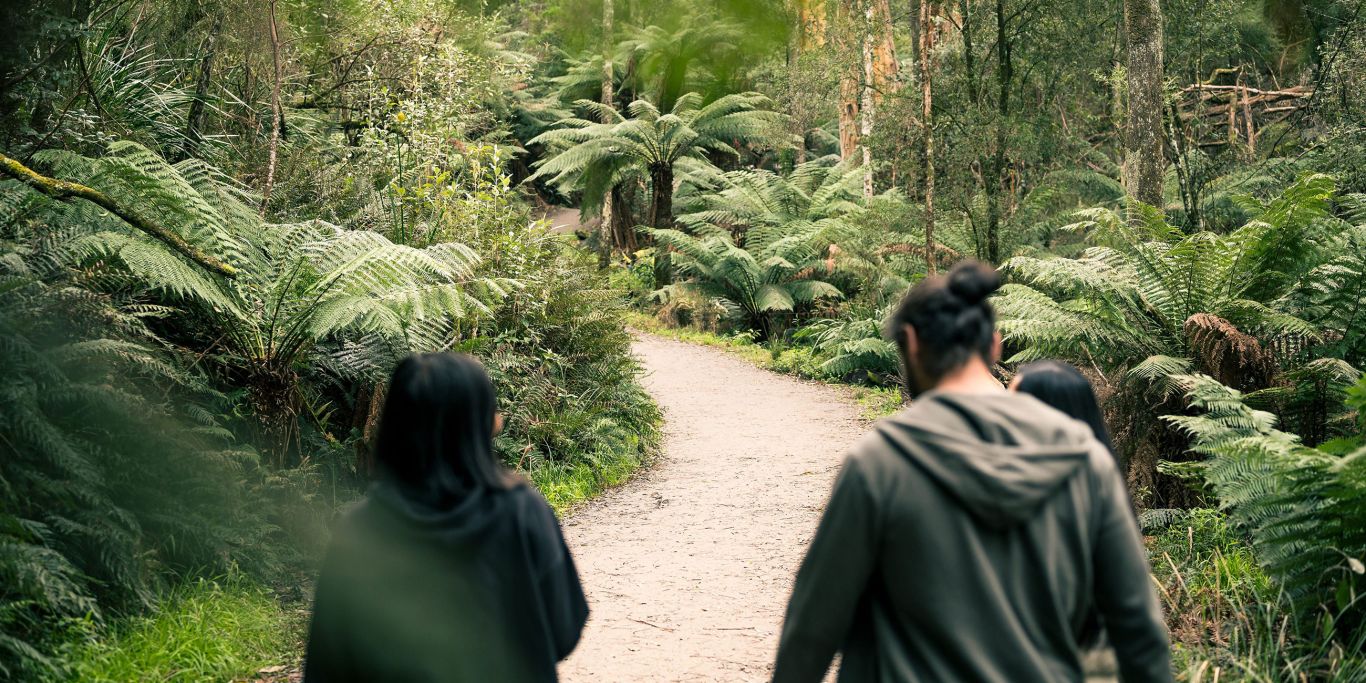
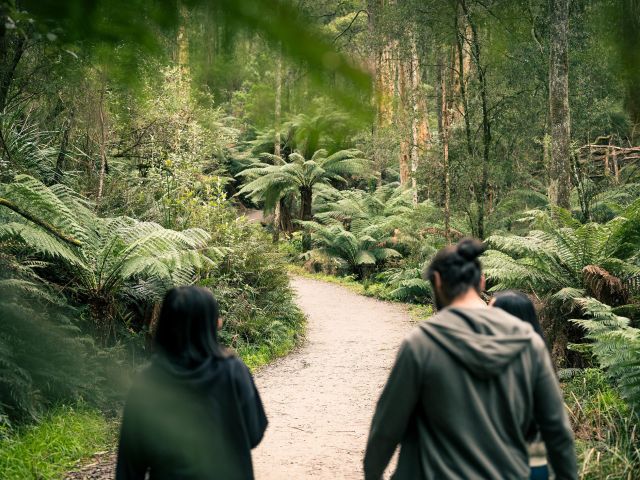
women walking through Hop Lane, Ballarat, Victoria
Ballarat is the 16th-happiest city in the world.

Ballarat wasn’t the only Australian city to perform well. Maitland in NSW’s Hunter region came in at 35th – also earning gold group status – while Adelaide, which topped the Australian rankings in 2025, came in at 71st this year. Melbourne ranked 108th, Geelong came in at 122nd, Hobart was 132nd, and Rockhampton came in at 168th.

Globally, Copenhagen in Denmark took the number one spot, followed by Helsinki in Finland, Geneva in Switzerland, Uppsala in Sweden and Tokyo in Japan, rounding out the top five.

Ready to visit Australia’s happiest city?
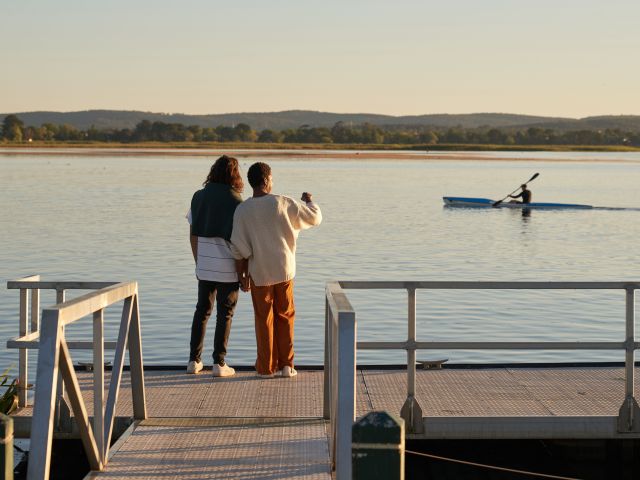
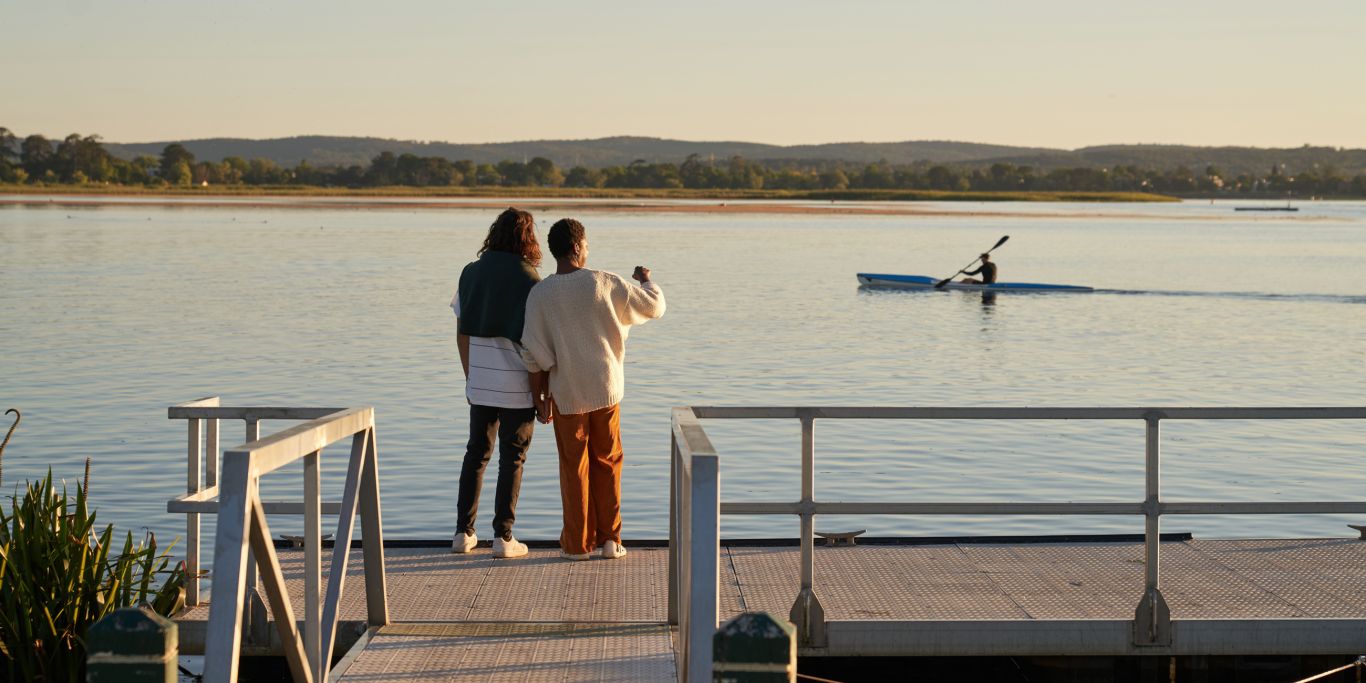
Couple by Lake Wendouree, Ballarat, Victoria
Life expectancy in Ballarat is 82.3 years.

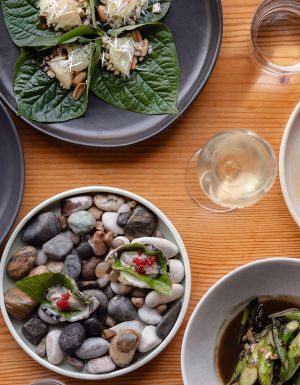
The numbers make a compelling case, but Ballarat has always had a way of winning people over in person. Whether you’re after great food, a cold drink, a Saturday market or a weekend retreat, we’ve got you covered.

Want to see more stories from Australian Traveller in your Google search results?

  1. Click here to set Australian Traveller as a preferred source.
  2. Tick the box next to "Australian Traveller". That's it.
Emily Murphy
Emily Murphy is Australian Traveller's Email & Social Editor, and in her time at the company she has been instrumental in shaping its social media and email presence, and crafting compelling narratives that inspire others to explore Australia's vast landscapes. Her previous role was a journalist at Prime Creative Media and before that she was freelancing in publishing, content creation and digital marketing. When she's not creating scroll-stopping travel content, Em is a devoted 'bun mum' and enjoys spending her spare time by the sea, reading, binge-watching a good TV show and exploring Sydney's vibrant dining scene. Next on her Aussie travel wish list? Tasmania and The Kimberley.
View profile and articles
hero media

A must-visit list of Victoria’s most iconic spots

From natural wonders to historical sites, we’ve rounded up Victoria’s most epic icons that deserve a place on your itinerary.

Grampians (Gariwerd) National Park

Mount William peak in Grampians (Gariwerd) National Park
Mount William is the highest peak in the Grampians (Gariwerd) National Park. (Image: Matt Donovan)

From towering mountains to crystal cascades and ancient rock art sites, the Grampians (Gariwerd) National Park is a playground for both outdoor adventurers and nature lovers. Don’t miss the views from the highest peak Mount William or the iconic Pinnacle.

Murray River

A paddle steamer down the Murray in Echuca
The wonders of the Murray are best experienced on board a paddle steamer. (Image: Visit Victoria)

A natural icon of majestic proportions, the Murray River flows for a staggering 2700 kilometres, making it one of the world’s longest navigable rivers. Meandering through Victoria before flowing out to sea at Goolwa in South Australia, the river is home to diverse wildlife, picturesque towns and secluded creeks and beaches.

Twelve Apostles, Port Campbell

the Twelve Apostles, Great Ocean Road
The Twelve Apostles are a star attraction on the Great Ocean Road. (Image: Tourism Australia/Two Palms/Harry Pope)

These limestone sea stacks are arguably Victoria’s most famous icon. After an $8-million upgrade to its lookout, The Blowhole near Loch Ard Gorge/Poombeeyt Kontapool (meaning breath of the whale) has recently reopened. A brand-new Twelve Apostles Visitor Experience Centre, complete with rooftop lookout, will open in 2026.

You Yangs, Geelong

kangaroos in You Yangs
Kangaroos enjoy dusk in the You Yangs. (Image: Tourism Australia)

Rising 300-plus metres from the flat volcanic plains between Melbourne/Naarm and Geelong, the You Yangs are massive granite boulders named for the local Wadawurrung word ‘Youang’, meaning ‘big hills’. Hiking, biking, rock climbing and horse-riding are popular within this regional park.

Redwood Forest, Yarra Valley

Redwood Forest, Yarra Valley
Yarra Valley’s soaring Redwood Forest. (Image: Tourism Australia)

Near the town of Warburton, an extraordinary forest of some 1500 Californian Redwoods stands among native orchids, eucalypt trees and rich birdlife. Planted in the 1930s, these 55-metre-plus trees can live for 2000 years and will grow to be some of the world’s tallest.

Wilsons Promontory, Gippsland

the Wilsons Promontory
Wilsons Promontory is home to the incredible Skull Rock formation. (Image: Tourism Australia)

The Prom, as it’s known locally, is the southernmost tip of mainland Australia. This 50,000-hectare reserve comprises granite mountains and forest, fringed by sandy beaches and surrounded by a marine park rich in marine biodiversity. It’s also home to the incredible and imposing Skull Rock formation.

Hanging Rock Reserve, Macedon Ranges

the Hanging Rock Reserve, Macedon Ranges
Enigmatic Hanging Rock. (Image: Visit Victoria/ Rob Blackburn)

This six-million-year-old volcanic rock was thrown into the national spotlight thanks to the 1967 novel and consequent 1975 film based on the fictional disappearance of schoolgirls in 1901. Mystery aside, visitors can walk the steep 105-metre summit, fish for trout and go twitching.

Sovereign Hill, Ballarat

exploring Sovereign Hill
Step back in time at Sovereign Hill. (Image: Tourism Australia)

Cry ‘eureka!’ at Sovereign Hill, a living museum to the prosperous Gold Rush era of the 1850s, during which Ballarat produced the most gold in the world. Visitors to this much-loved attraction can walk historic  streets, enter a gold mine and try panning for the good stuff, too.

The Great Stupa, Bendigo

Great Stupa, Bendigo
The Great Stupa in Bendigo. (Image: Tourism Australia)

Who’d have thought the largest Buddhist temple in the Western world would be tucked away in Bendigo’s bushland? Welcoming visitors to explore, this sacred Buddhist pagoda is an epicentre for Tibetan culture, architecture, art and interfaith harmony.

Cape Schanck Lighthouse, Mornington Peninsula

the Cape Schanck Lighthouse from above
Heritage-listed Cape Schanck Lighthouse. (Image: Tourism Australia/Two Palms/Harry Pope)

Ensuring the safe passage of ships in the notoriously treacherous Bass Strait since 1859, this heritage-listed lighthouse overlooks dramatic volcanic coast and wild beaches. The surrounding reserve is home to a plethora of wildlife including little penguins, seals and echidnas.