Board the heritage Grainlander and step back in time for a rail journey discovering silo art, Lake Tyrrell and Victoria’s Mallee region.
One of the best ways to experience Australia is on board a train, and the heritage Grainlader showcases both the beauty of the sprawling Victorian plains and the towering artworks along the Mallee Silo Art Trail.
Below, I take you on a journey to discover what it’s like to spend two nights aboard this iconic locomotive.
What is the Grainlander?
The vintage sleeper train takes patrons on a journey through regional Victoria. (Image: Joanne Karcz)
The Grainlander is a heritage overnight sleeper train in Victoria operated by Slow Rail Journeys, the public tour arm of Seven-O-Seven Operations. It travels through the state’s regional areas, highlights include the Mallee Silo Art Trail (guided off-train tours of the large-scale murals are part of the journey).
Vice President of the volunteer-run not-for-profit organisation, Matt Lucas, says their mission is to “share and restore rail heritage and to promote and increase touring in regional Victoria."
The journey
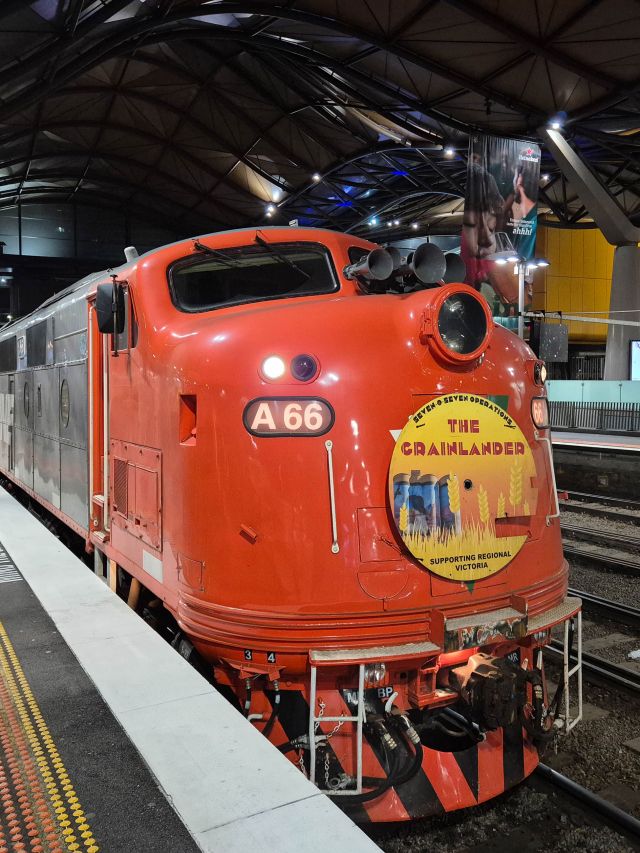
The Grainlander departs Melbourne. (Image: Joanne Karcz)
Travelling from Melbourne to Sea Lake, we rumble through Melbourne’s western suburbs and Bacchus Marsh to Ballarat. We pass through towns I’ve never heard of: Wycheproof, Nullawil and Buckrabanyule.
The quick stops are not conducive to alighting from the train, but there’s time for that on the return journey when I alight at Wycheproof for a brisk walk down the main road to see the tracks tracing parallel lines through the town centre. In Maryborough, I stretch my legs and explore the imposing red brick station.
From Ballarat, we trace a path via Geelong to Melbourne along a line that carried miners and freight to the goldfields in the 1800s, thus providing train enthusiasts with a unique experience.
The guest who is on a mission to ride every railway track in Victoria, is thrilled.
Need tips, more detail or itinerary ideas tailored to you? Ask AT.
AI Prompt
Life on board
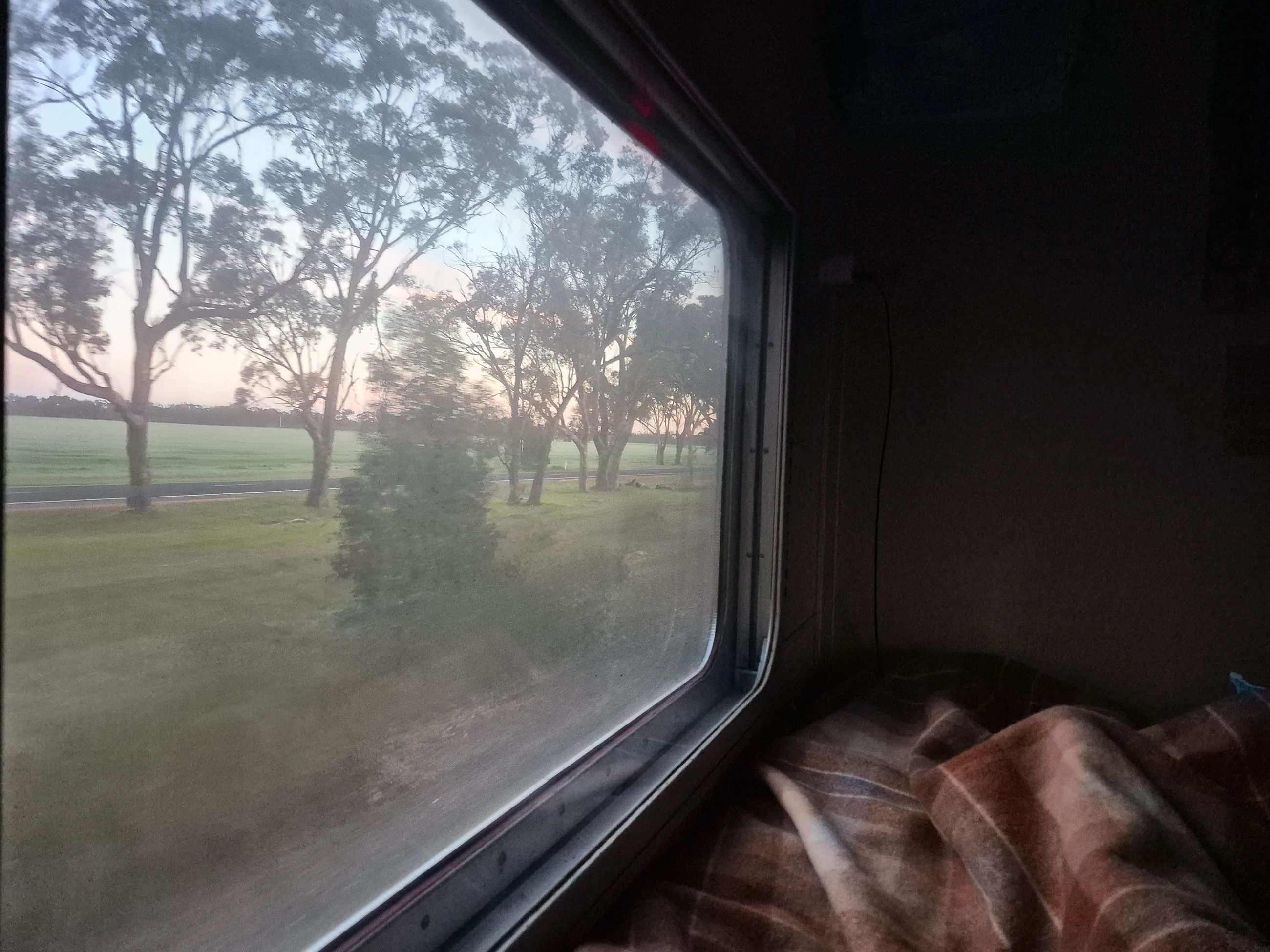
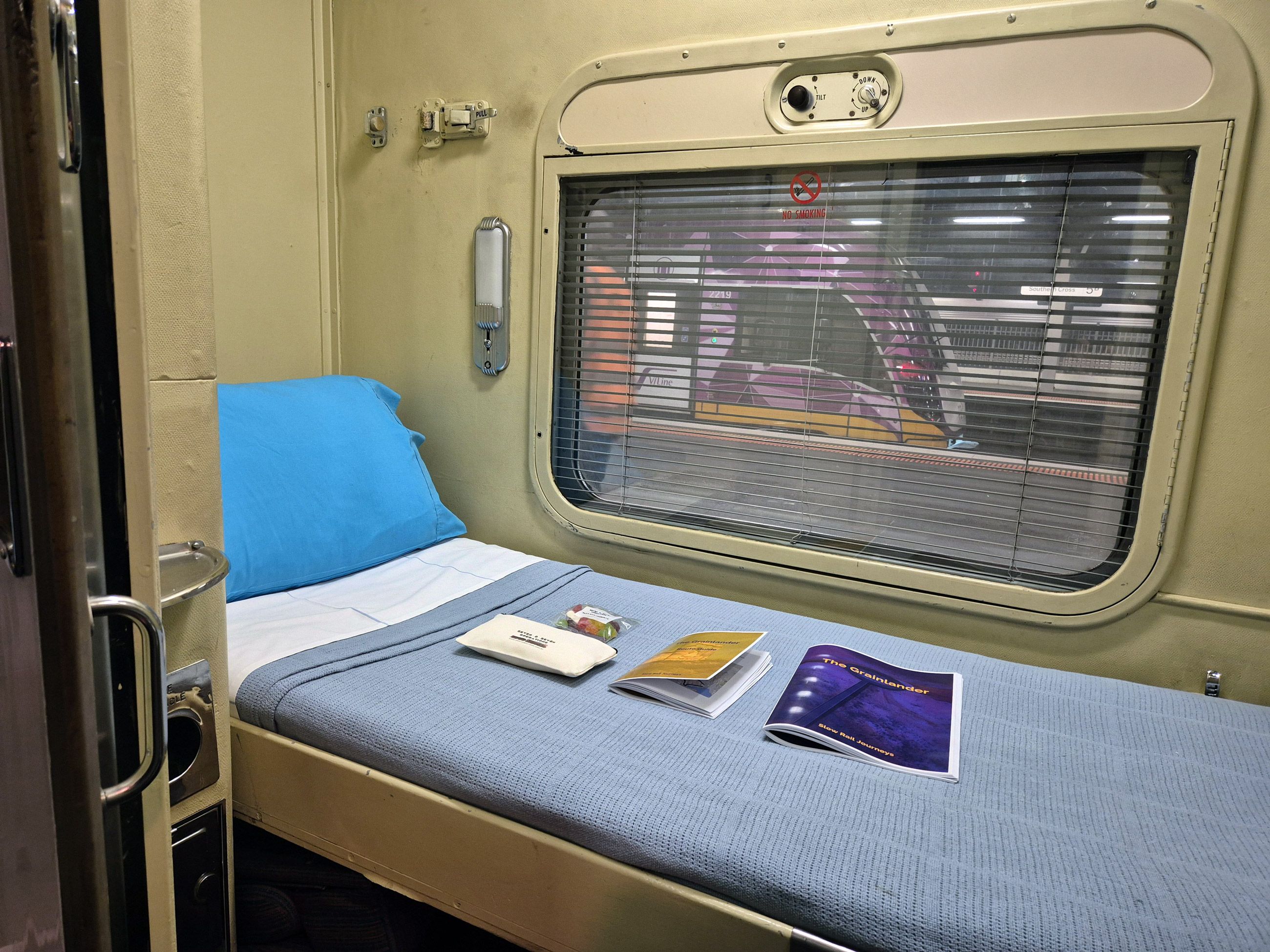
The writer's view from the bed of her Single Premium Cabin. (Image: Joanne Karcz)
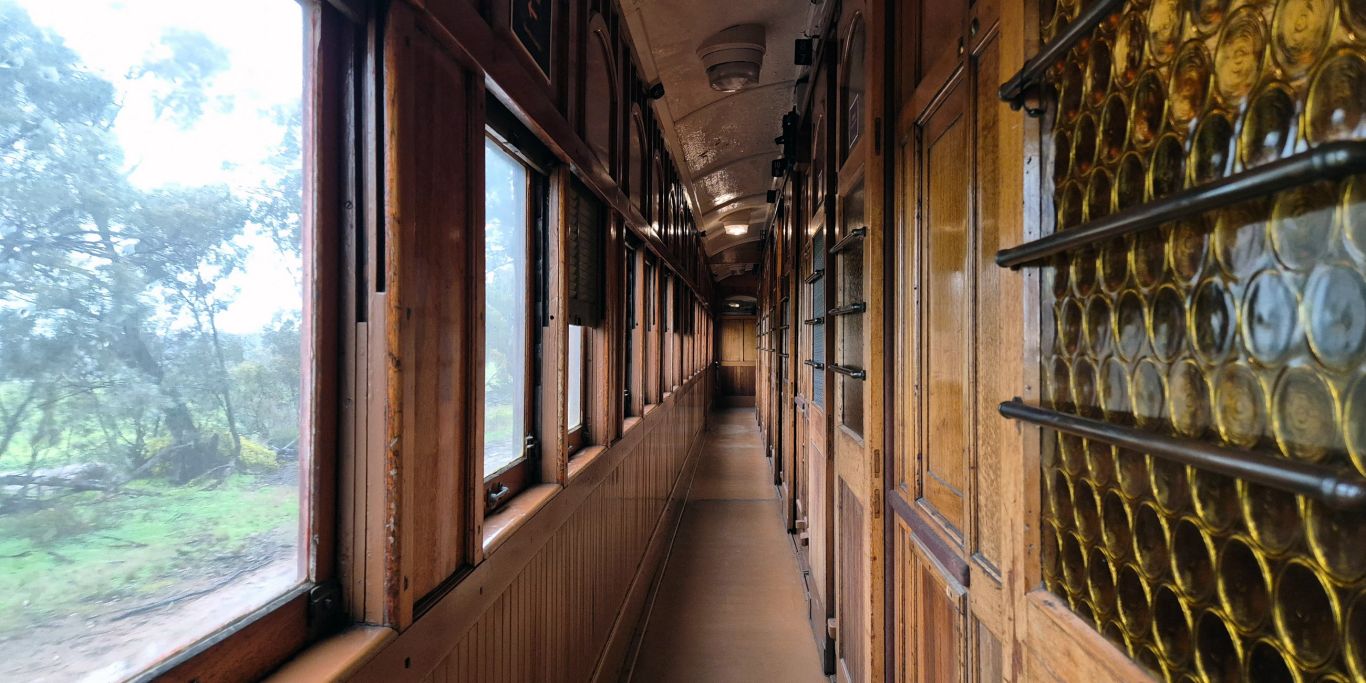
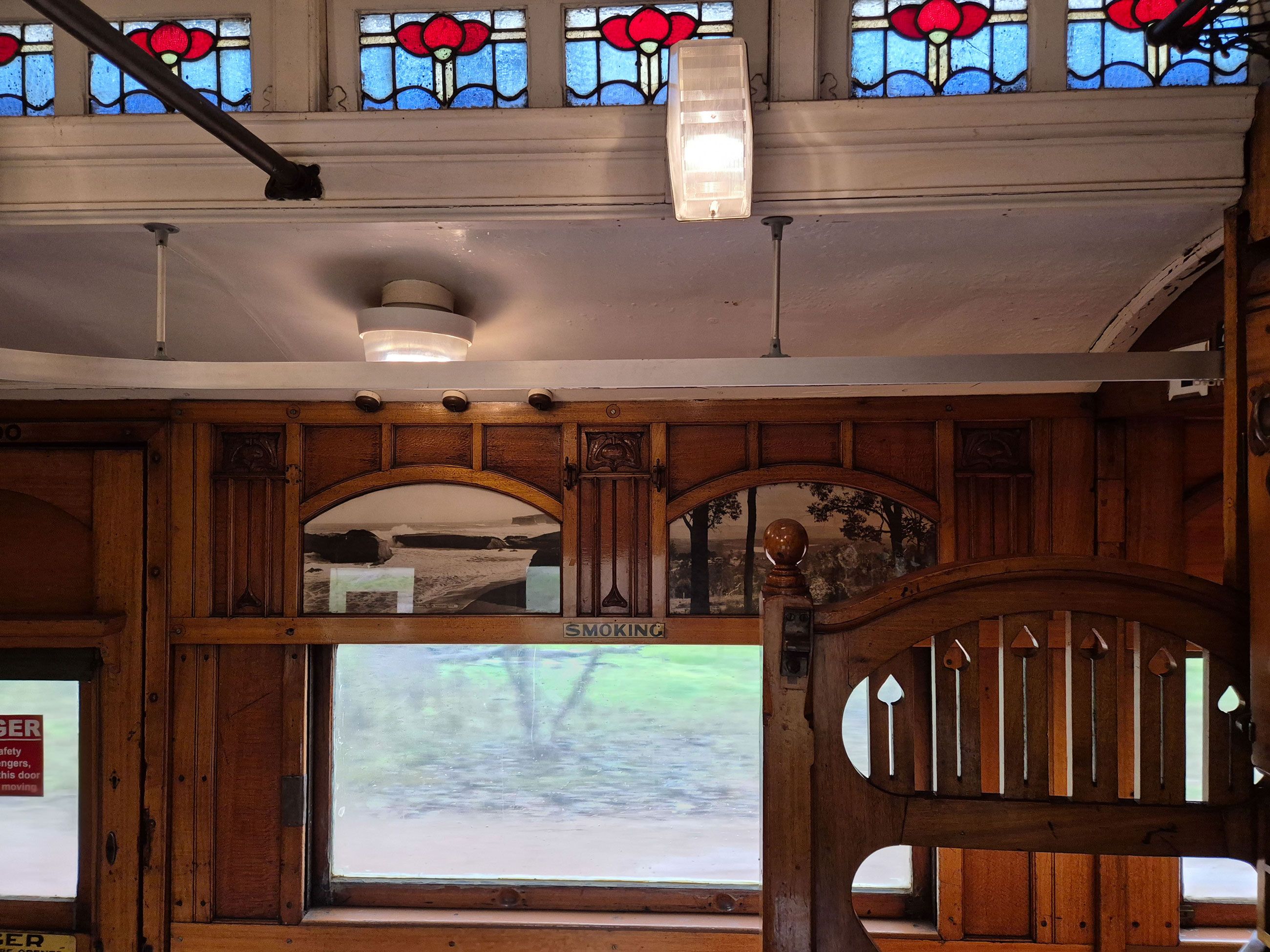
Details inside the wooden heritage car. (Image: Joanne Karcz)
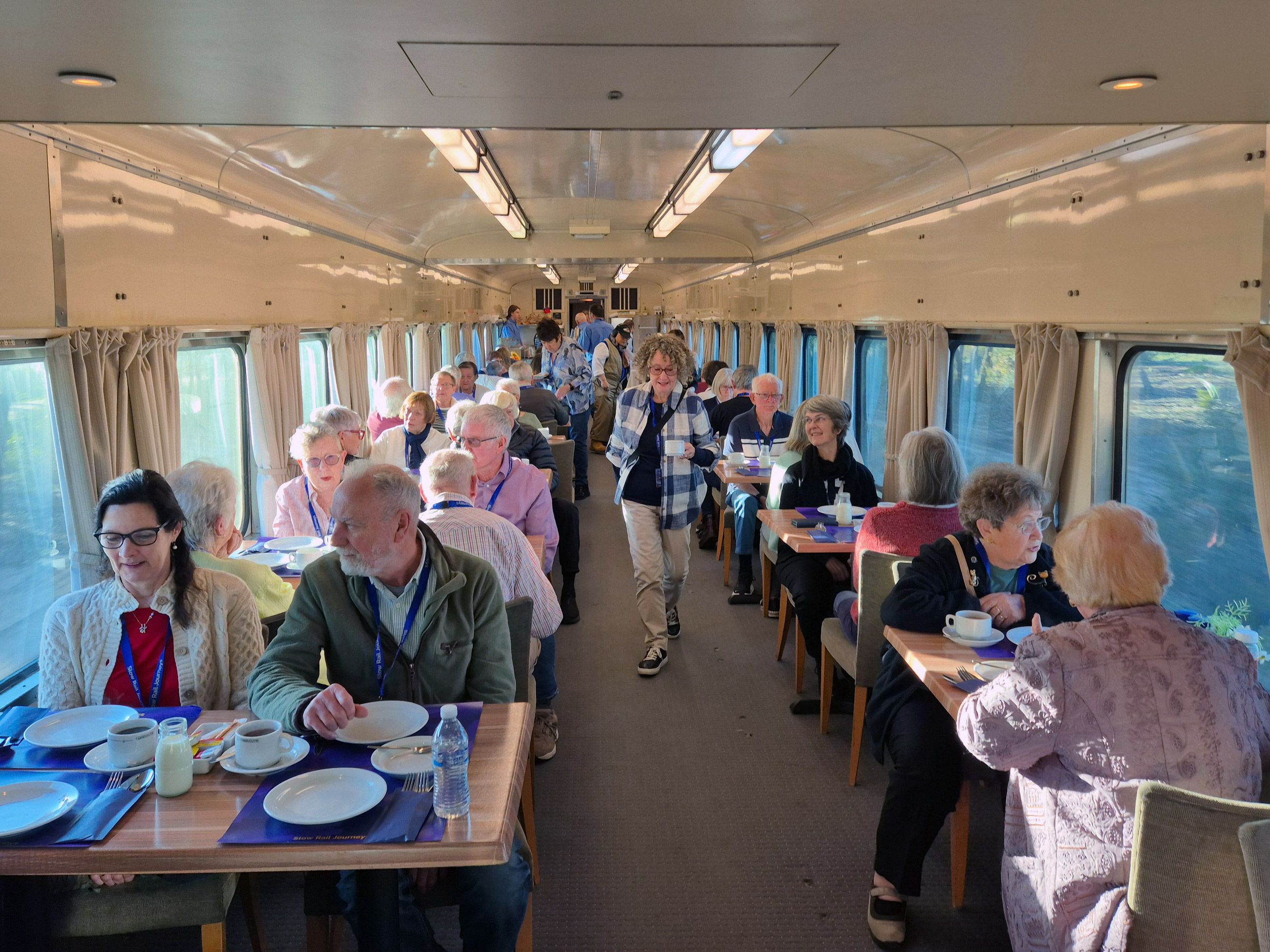
The Dining Car is buzzing. (Image: Joanne Karcz)
Single Premium Cabins have the essentials for a comfortable journey. (Image: Joanne Karcz)
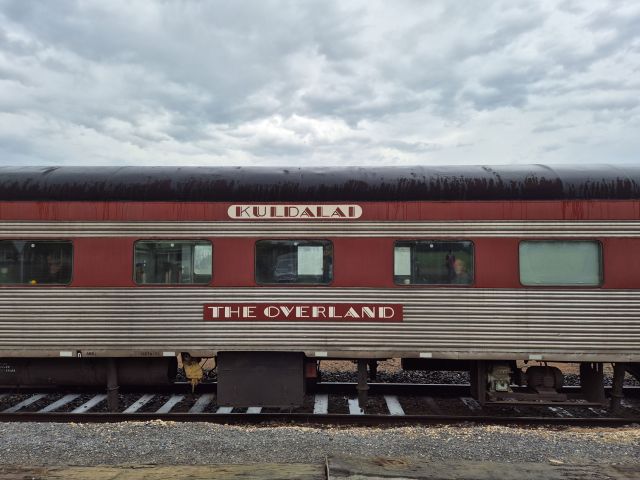
There’s plenty of giggling as guests in the 1962 Southern Aurora Car inspect our cosy single cabins. I open latches, turn a little handle to wind up the venetian blinds and delight at the art deco bed lamp. The drop-down toilet is sealed. That’s fine by me. I’d rather use the facility at the end of the carriage.
Melbourne’s city lights flash past my window. Although it’s after 10pm, I’m not ready to curl into my tightly made-up bed – which folds up during the day.
Wobbling along the narrow passage to the Club Lounge, I steady myself with my hands. The woman ahead of me says she “feels like a pinball ricocheting off the walls."
A group of women have settled in, their wine glasses resting on the marbled green coffee table, its boomerang shape echoing that of the curved brown faux leather couches. They invite me to join them. Already my nerves as a solo traveller have evaporated.
Waking early, I sit in bed sipping tea and watch the passing parade of silhouetted trees as the sky lightens.
Gradually the scene comes to life. Early sunlight brightens a field of yellow canola. Sheep gather under a tree, squawking black crows take off and kangaroos bound across green fields. In Wycheproof, a family standing outside their white picket fence wave, their arms forming big arcs.
Some guests remain in their cabins, reading or perhaps reminiscing about travelling in these very carriages as children. The 1923 heritage wooden sleeper is like stepping back in time with leadlight features, carved detail in the wooden panelling and even a “SMOKING" sign. As in the premium twin cabins, the seats fold into bunk beds at night.
Being a social animal, I prefer to chat with other guests in the club or seating lounge.
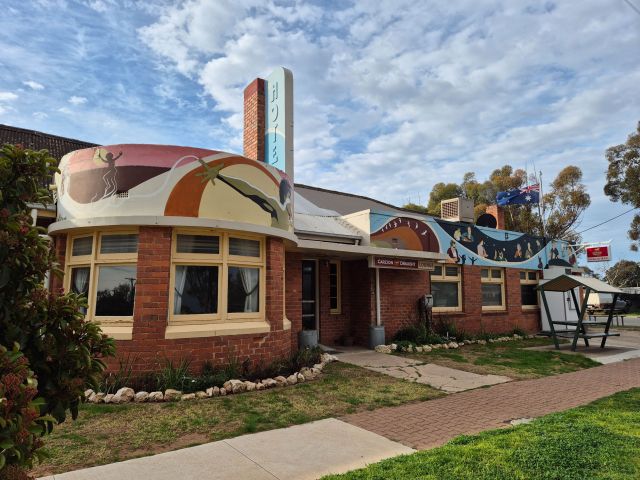
We eat well. Hearty breakfasts and Sunday lunch are served in the dining car. In keeping with the organisation’s mission to support local businesses, a bakery in Wycheproof prepares Saturday’s picnic lunch and dinner is in the Royal Hotel Sea Lake, run by a co-operative of local farmers and investors.
Weekly travel news, experiences insider tips, offers, and more.
Exploring the Mallee and the Silo Art Trail
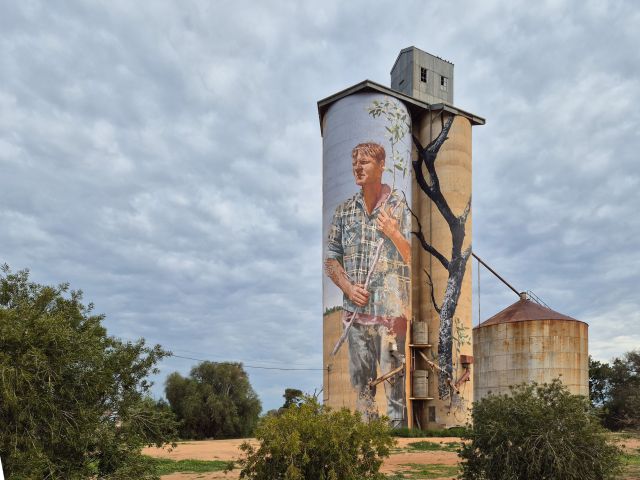
Patchewollock Silo Art by Fintan Magee. (Image: Joanne Karcz)
Stepping off the train at Nulliwal, we view our first silo art. Jimmy, a black and tan kelpie, looks down from the silo wall. As a special treat, we meet Jimmy himself. Retired from farmwork, he revels in our attention.
The train pulls into Sea Lake where a colourful mural depicts a young girl on a swing watching the sky change colour as the sun sets. It’s Saturday. Few shops are open, but I still manage to buy a box of Lake Tyrrell Salt. A fellow traveller discovers a Mother Goose teapot for her collector daughter.
Patchewollock is one of many charming towns to explore on the journey. (Image: Joanne Karcz)
We travel by bus to see silo art in the small communities of Lascelles, Roseberry and Patchewollock. The towering works depict local people and represent the resilience, strength and tenacity of those living in the Mallee.
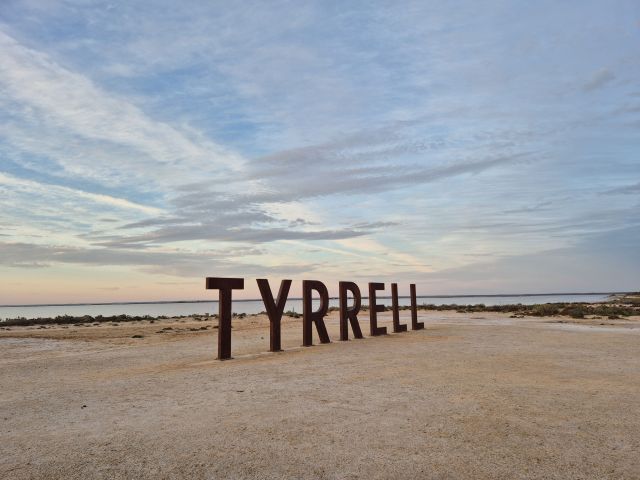
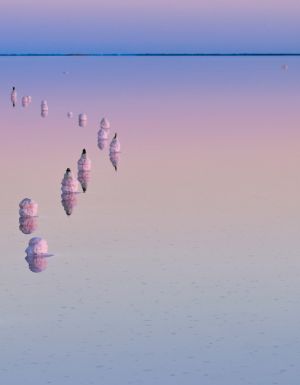
As the sun sets, the sky at Lake Tyrrell, Victoria’s largest salt lake, itself becomes an artwork. Pastel blues and pinks change to orange and grey as a golden beam spreads across the lake.
Stop for sunset at Lake Tyrrell. (Image: Joanne Karcz)
Details
From $1,045 per person, fares include all meals and tours. The two-night Slow Rail Journey operates most months except in the hot summer months.
Guests include rail enthusiasts, couples, solo travellers and mother/daughter duos. The Grainlander is not accessible for wheelchair users. People with mobility issues may have difficulty stepping on board and walking through the train.
Want to see more stories from Australian Traveller in your Google search results?
The Mornington Peninsula blends vineyards, galleries, golf and delicious finds for an unforgettable getaway that indulges all penchants.
Just over an hour from Melbourne, the Mornington Peninsula blends coast and country in a way that feels effortlessly indulgent. It’s a region where vineyard views meet acclaimed dining, art and culture is never far from the sea, and where hot springs bubble alongside rolling fairways. Whether your escape is a long lunch, an immersive art trail or a round of golf, the Mornington Peninsula has an itinerary to match. And there’s always a glass of good local pinot waiting for you at the end of the day.
A creative trail through the Peninsula
The Mornington Peninsula is a haven for artists and creatives. Its coastal views and rolling landscapes have long been a source of inspiration. Stay at the historical InterContinental Sorrento, a grand hotel established in 1875, recently renovated to blend heritage charm with contemporary elegance. With curated art lining the hotel’s corridors and rooms, you could spend hours simply wandering the halls, studying the walls.
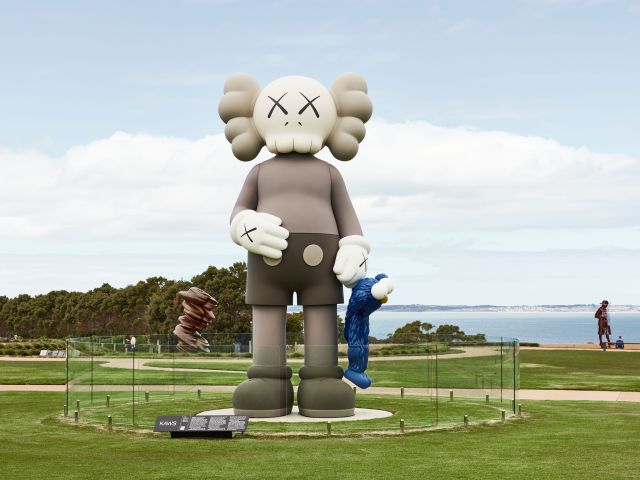
Wander around Pt. Leo Estate’s outdoor gallery. (Image: Visit Victoria/Jesse Hisco)
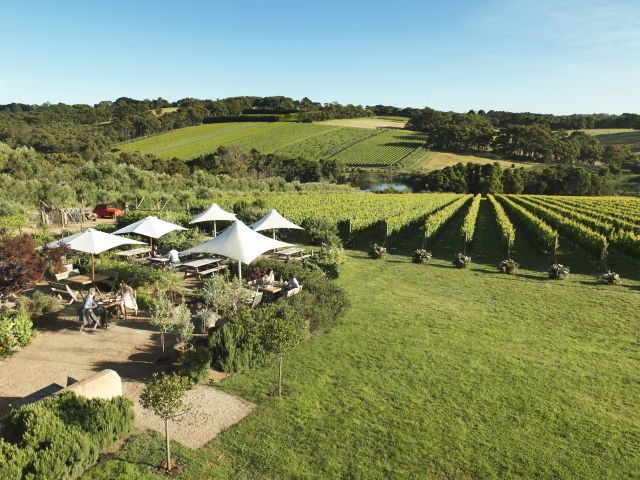
If looking for an outdoor gallery with sea views, head to Pt. Leo Estate, a landscaped vineyard home to a sculpture park featuring more than 70 large-scale works by both local and international artists, all easily accessible by connecting paths. After strolling through the vineyards, there are three dining options: fine dining at Laura, a relaxed meal at Pt. Leo Restaurant or a vino at the Wine Terrace. For something more hands-on, sign up for the Sip & Sketch experience. And if you book directly into the elegant Lancemore at Lindenderry Red Hill, you’ll enjoy free access to the sculpture park.
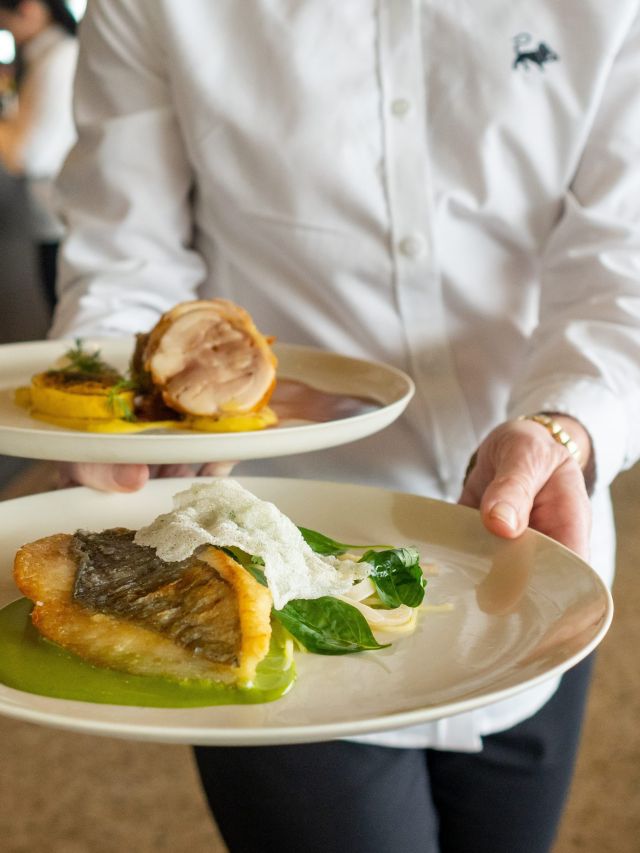
Pt Leo Estate boasts three elegant dining venues. (Image: Visit Victoria/Two Palms/Arianna Harry)
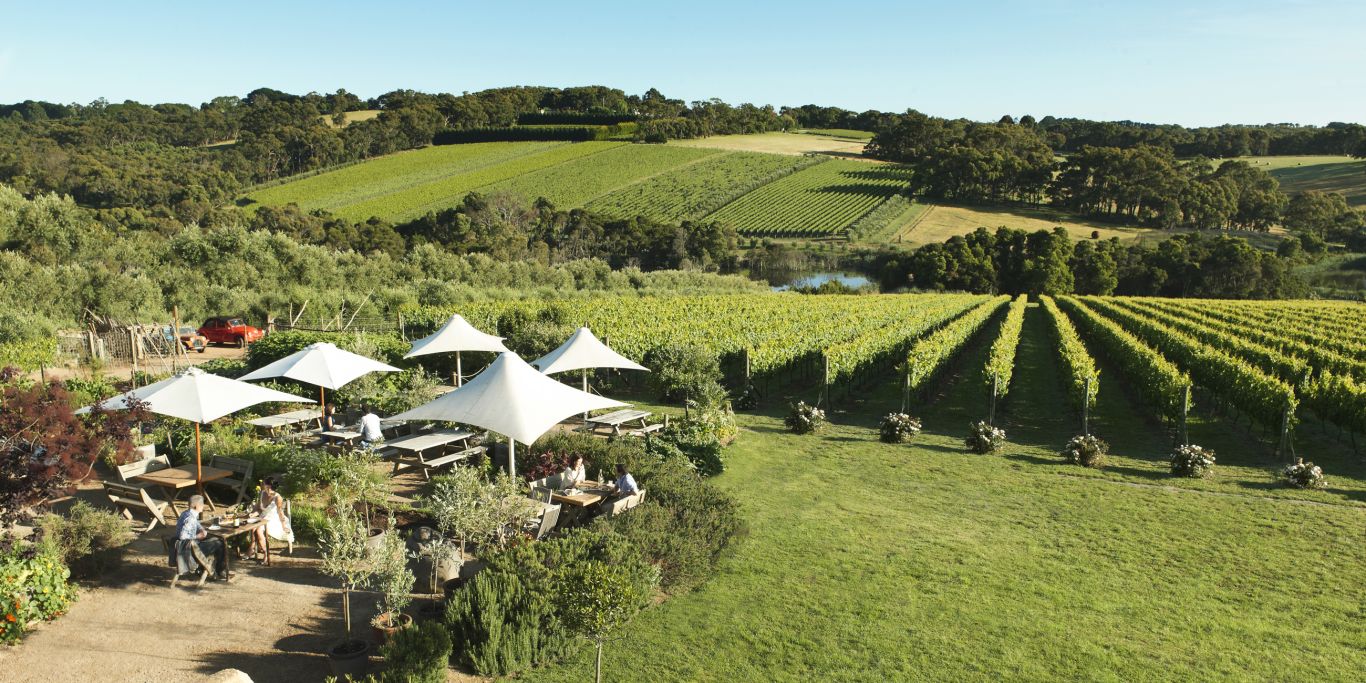
For those who like their art framed by rolling hills, vines and wetlands, Montalto is the place. More than 30 sculptures are dotted throughout the property. The vineyard offers a formal restaurant and casual tables among the seasonal produce in a setting that feels like Mr. McGregor’s Garden from Peter Rabbit. And there’s always the option to picnic on the lawn.
Montalto Vineyard is an idyllic setting for afternoon wining and dining. (Image: Visit Victoria/Robyn Lea)
The Sorrento-Portsea Artists Trail offers a self-guided walk along bush paths and sea cliffs to see the same landscapes that once inspired brushstrokes of some of Australia’s most famous artists. Along the way, interpretive signs share insights into the area’s artistic past. And, if the peninsula’s weather turns a little wild, the region is brimming with galleries, particularly around Flinders, Sorrento and Red Hill. Artisan studios are open by appointment.
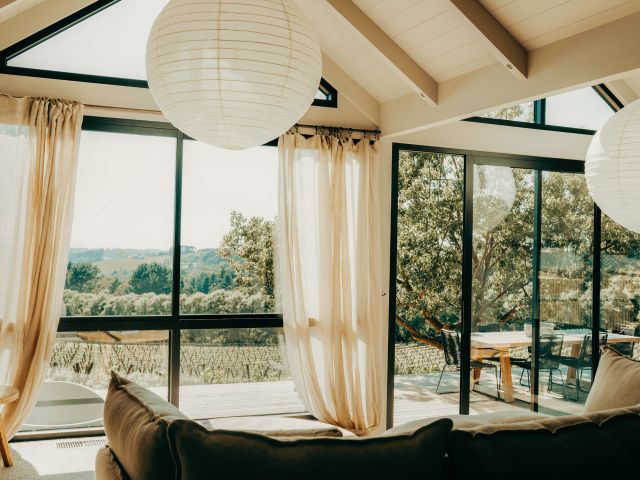
The perfect base for a culinary inclined trip is Cassis Red Hill, where luxury accommodation is tucked between grape vines and olive trees. A quiet nod to the fishing village of Cassis in the south of France, this retreat is all about contemporary elegance – crisp linen, sunlit interiors and a private mineral plunge pool.
Then, for a stand-out lunch, Green Olive at Red Hill offers a delicious way to enjoy the region. Graze on generous tasting plates with house-made relishes, lamb sausages, local cheese and just-picked garden produce. Pair it with a wine flight or order a picnic hamper to enjoy among the olive grove; there’s a picnic option for your dog, too. And for a playful twist, Green Olive is home to what is believed to be Australia’s only pickleball court set within a vineyard or orchard.
Amid the many wineries with open cellar doors, Main Ridge Dairy offers a delicious detour – a goat dairy where you can sample handcrafted cheeses and even meet the resident goats. For a more refined experience, Paringa Estate is one of the peninsula’s most awarded wineries, offering fine dining with sweeping vineyard views and a menu crafted from seasonal, locally sourced ingredients.
If you’re looking to step outdoors before a lingering lunch, during winter Flinders Truffles offer the chance to join their clever dogs and search for the black gold under oak trees. For an authentic taste of the region, time your visit with one of the Peninsula’s vibrant farmers’ markets.
From golf days to spa stays
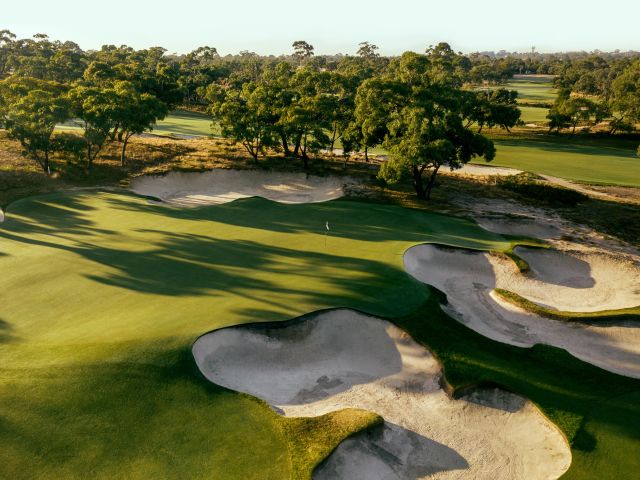
Peninsula Kingswood Country Golf Club. (Image: Visit Victoria)
With its champion courses, the Peninsula is a dream destination not only for those who love to tee off but for those who enjoy the post-golf wind down. Peninsula Kingswood Country Golf Club draws keen golfers from around the world, while Peppers Moonah Links Resort is a course that has hosted both a PGA tournament and two Australian Opens. For a true test of skill, The Dunes Golf Links is one of Australia’s top public courses.Each golf course offers accommodation, and staying onsite means maximum convenience, especially at The Dunes, where premium rooms have you sleeping right next to the fairway. Off-course indulgence is close at hand, too.
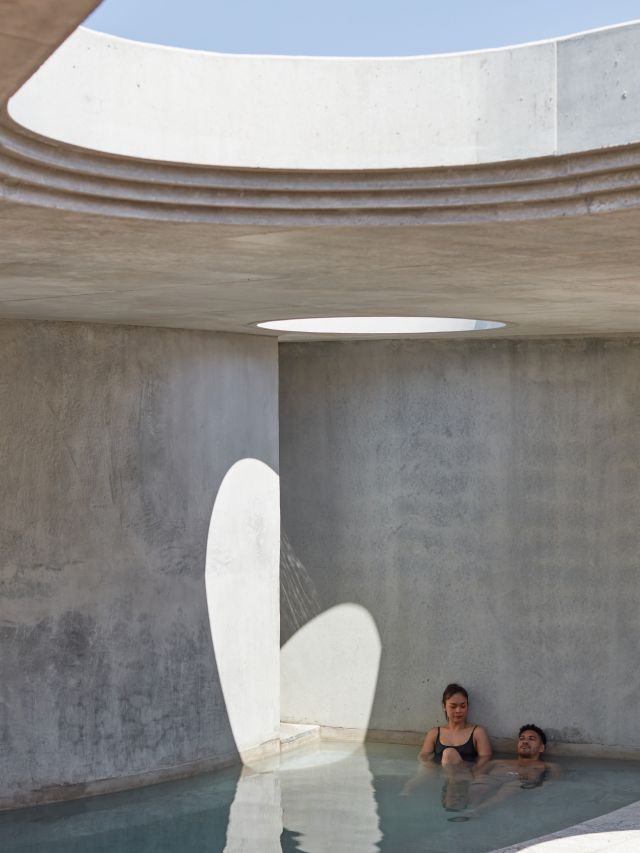
Soaking at Alba Thermal Springs & Spa. (Image: Visit Victoria)
Peninsula Hot Springs and Alba Thermal Springs are just next door, where thermal waters drawn from geothermal mineral springs deep underground provide the ultimate recovery after a day of perfecting your swing. These award-winning wellness sanctuaries offer everything from bathing pools to private plunges and spa treatments.
Jetty Road Brewery.
After sinking the last ball, and the 19th hole beckons, the Peninsula serves up just as many dining options as it does golf courses. Just minutes away and right on the beach, Jetty Road Brewery is a laid-back spot perfect for a round of beers and typical pub fare. For something a little elevated, book a table at Epicurean. Here, a glass of local red pairs beautifully with handmade pastas and woodfired pizza, all served in a historical coolstore and packing shed dating back more than a century.