
It may seem like just another holiday expense, but the new visitor fee at the Twelve Apostles plays an important role in protecting an Aussie icon.
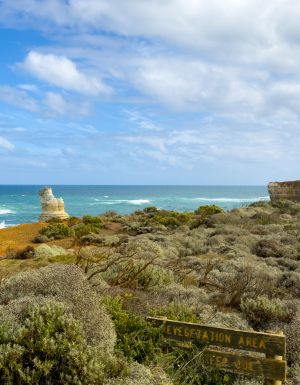
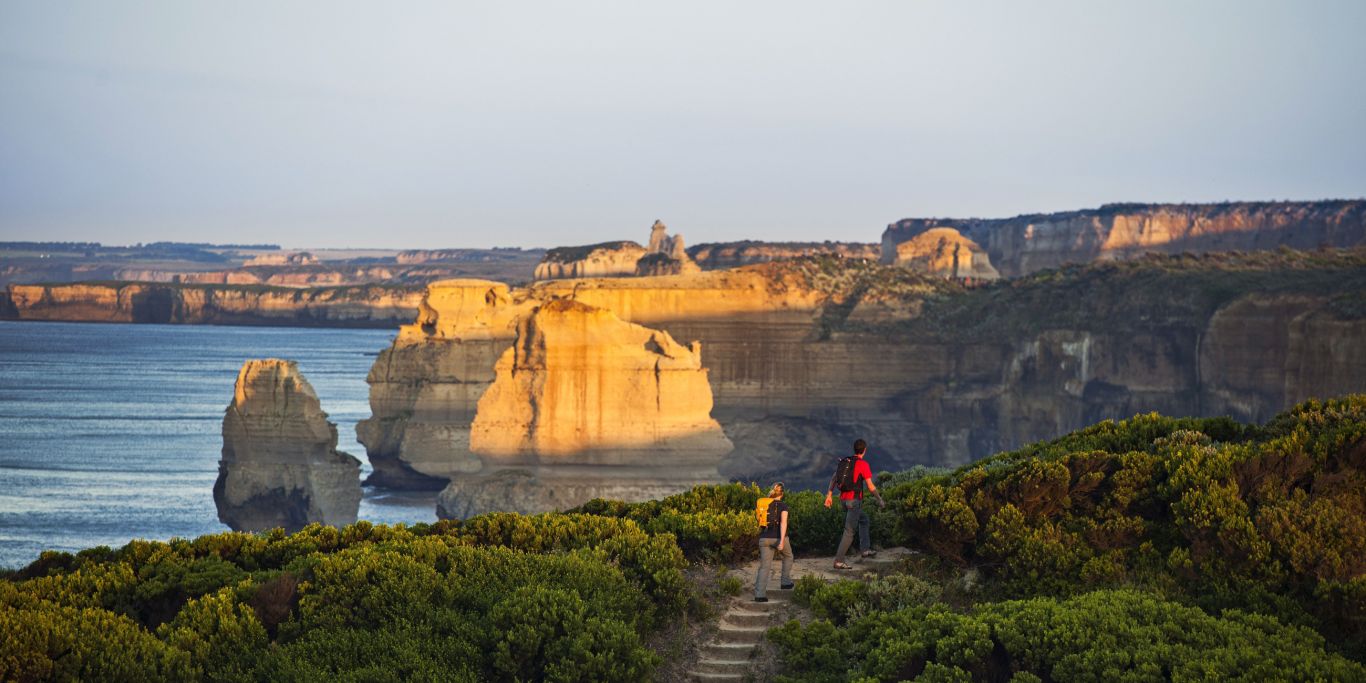
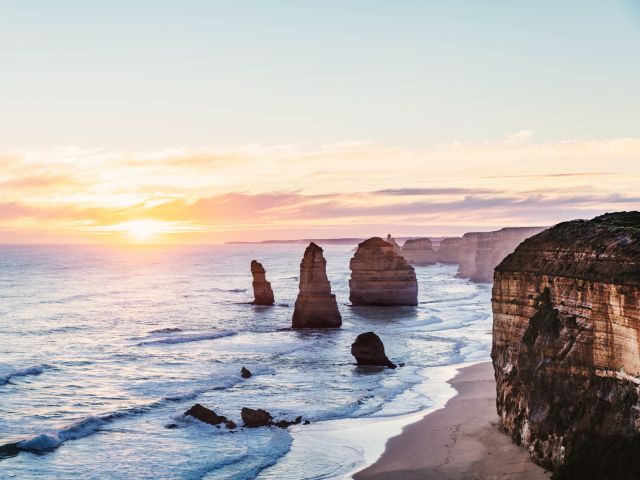
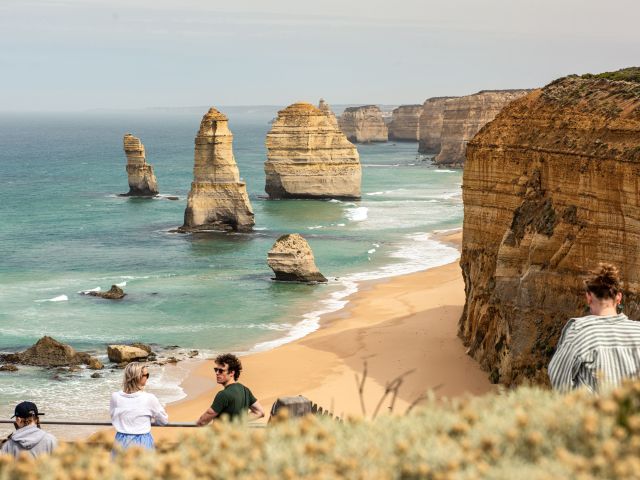
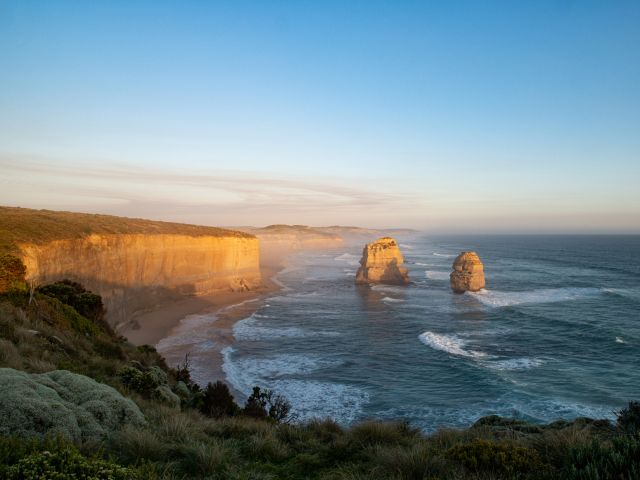
The Twelve Apostles (of which seven remain standing) along Victoria’s rugged coastline have long been recognised as one of Australia’s top natural wonders, attracting more than two million visitors a year. But without the infrastructure to support such numbers, the landscape is beginning to show signs of deterioration.
To prevent further damage, the Great Ocean Road Coast & Parks Authority is introducing a ‘tourist tax’ – a modest fee that visitors will pay upon entry to the site. This is not a profit-driven scheme; it’s part of a major redevelopment initiative that aims to safeguard the region and its icons for generations to come.
Australian Traveller speaks exclusively to Liz Price, General Manager of Great Ocean Road Regional Tourism, on what the new fee is, why it has been introduced and what it means for you.
The tourist tax, explained
Despite some public debate, the new tourist tax at the Twelve Apostles isn’t simply “paying to see the view". Instead, it represents a small but significant step in broader sustainability efforts across the region, including the development of a $126 million Visitor Experience Centre.
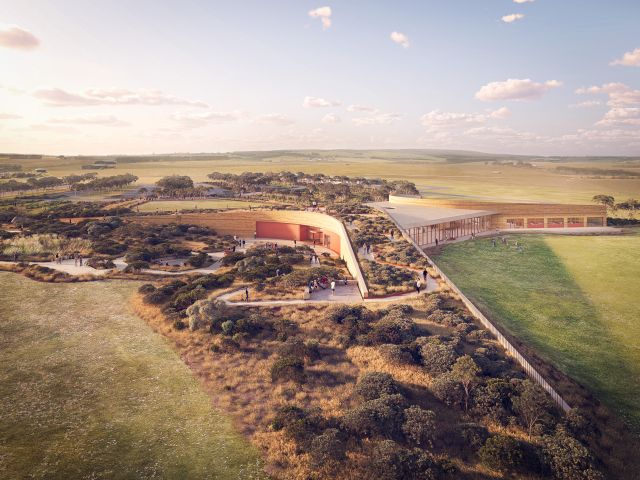
Delivered by Experience Victoria, the new 3074-square-metre facility is expected to open in late 2026 and will operate under the management of the Great Ocean Road Coast & Parks Authority.
“Right now, there is a small building with toilets, a very small kiosk and a bit of parking," Liz says of the current Twelve Apostles site. “There’s really not much there. At the moment, people can get out of their car, have a look at the Twelve Apostles and go home."
“So, they are building new infrastructure – a large carpark, a beautiful rammed-earth Visitor Experience Centre with food and beverage options – all to create a really great visitor experience."
This new-and-improved precinct is what your entry fee will grant access to. And most importanly, the funds will be tunnelled directly back into the region – from supporting local communities to improving conservation work. Details of the charge, including how much it will cost, are yet to be confirmed.
“There will be some sort of charge, whether it’s a booking charge, a carpark fee or entrance cost. But [the Great Ocean Road Coast & Parks Authority] is still going through consultation to work out exactly what that is," says Liz.
While some argue that measures like this risk commercialising natural landmarks, the reality is often the opposite. In many cases, visitor fees are introduced to help governing bodies protect vulnerable environments and ensure they can be enjoyed by future generations.
In fact, similar systems are already in place at sites across Australia, including the Great Barrier Reef and Uluru. These charges go largely unnoticed by tourists, typically built into the overall cost of tours, park passes or visitor permits.
Need tips, more detail or itinerary ideas tailored to you? Ask AT.
AI Prompt
Why it’s being introduced
As one of Australia’s best road trips, the Great Ocean Road welcomes millions of tourists annually. And over the next few years, visitor numbers are only expected to grow.
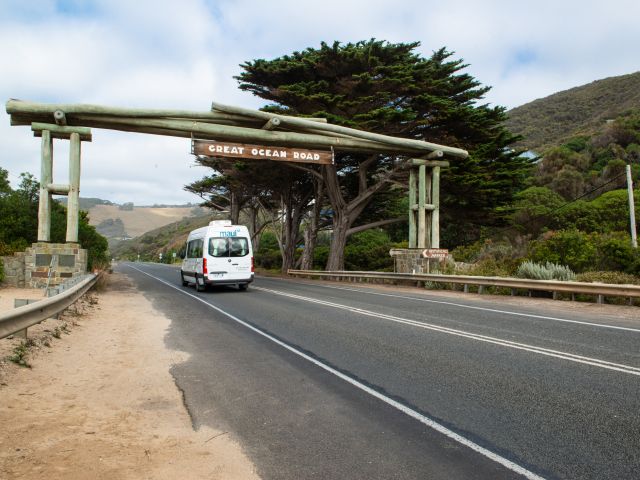
“Pre-Covid, we had nearly three million people at the site. That was predicted to reach between six and eight million pretty quickly, with what was happening in terms of growth," says Liz.
While the pandemic temporarily slowed that trajectory, it also offered a glimpse into what the future could look like without better visitor management. “In 2019, it was a horrific experience at the Twelve Apostles. It was overcrowded. People were parking on the side of the road and walking across the fragile environment. Something had to be done."
Without the appropriate infrastructure to support such tourist activity, environmental decline is inevitable. Everything from heavy foot traffic and overcrowding to littering and illegal parking can accelerate decay and cause irreversible damage – and it’s not just the landscape that suffers.
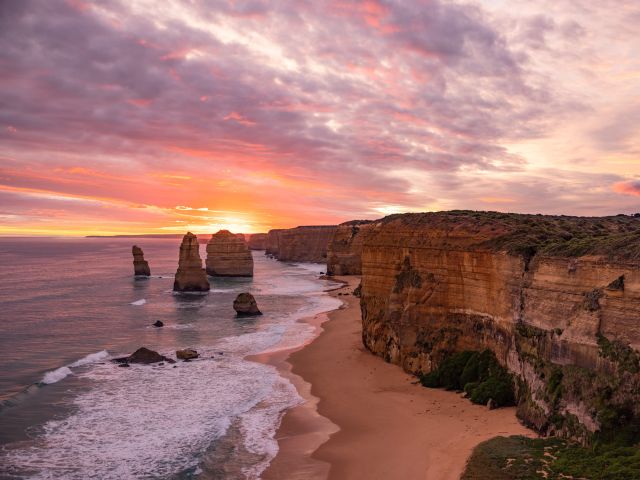
These factors also significantly impact the visitor experience. Uncontrolled crowds lead to jam-packed lookouts, traffic congestion, restricted entry to key areas and potential closure for restoration, turning access into an uncertainty. Left unchecked, this kind of unsustainable tourism threatens to destory the very places people come to see.
“There is a real obligation as the current stewards of this space to make responsible decisions," says Liz. “We have an obligation to ensure that we’re not coming to enjoy a place at the detriment of the environment and the people that live there."
How it will change the visitor experience
The answer to the problem lies in the new Visitor Experience Centre. Not only will it provide the infrastructure this site needs, but it will enhance the time people spend here, too.
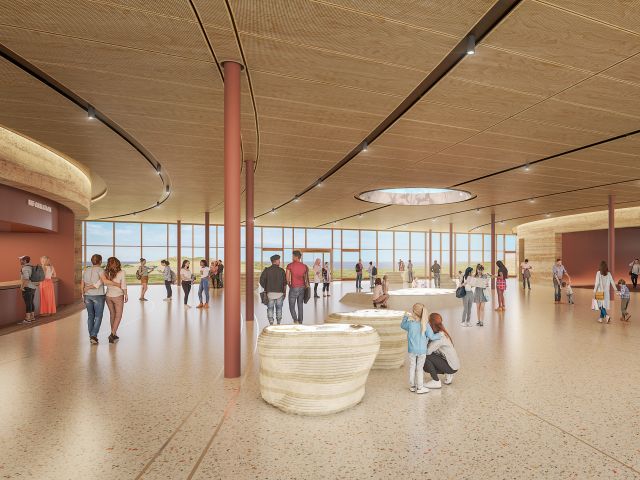
“At the core of it, we’re also trying to slow people down and encourage them to truly enjoy the place they’re visiting," Liz tells us. “If you’re just there to tick it off the bucket list, you’re not really seeing the place. You’re not actually understanding the history, the community and all it offers."
The Visitor Experience Centre will help guests do just that, with a new onsite cafe and restaurant, retail stores, pop-up activations, local markets, exhibition spaces and a welcome garden by the local Indigenous Eastern Maar people.
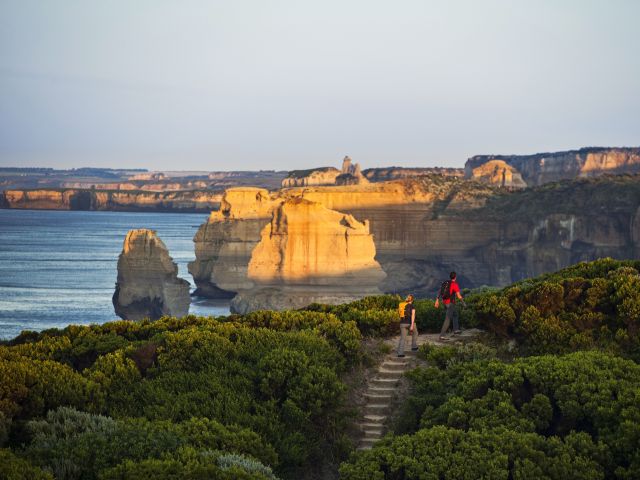
It will also connect to the Great Ocean Walk – a brilliant alternative that showcases the coastline from a completely new angle – alongside a picnic area, activated outdoor areas and access to Twelve Apostles Helicopters for an aerial perspective.
But the Centre – and the entry fee required to access it – is only one half of the solution. The other comes in the form of a new booking system, designed to reduce overcrowding.
“At the moment, crowds come in masses during peak periods, and it can be absolute bedlam. People arriving at that time don’t have a good experience because it just gets so congested and busy," Liz says.
The new system will feature a range of allocated slots throughout the day, enabling guests to book a time that suits them. Once a window is full, another will need to be selected, giving the Great Ocean Road Coast & Parks Authority more flexibility in managing the site.
“It might be free in winter or during the school holidays. You might be able to visit at no cost before 10 in the morning, but pay a premium to go during peak periods." Liz hypothesizes.
“These mechanisms act as levers that allow [the Great Ocean Road Coast & Parks Authority] to better manage visitor behaviour, which is really important in terms of supporting a quality experience and protecting the environment."
According to Liz, this booking system will work in tandem with the new tourist tax to ensure nobody misses out. “People have asked, could you not have a booking system without the charge? But we’ve seen that fail. What happens is people book, but because there’s no fee, they don’t care if they don’t turn up," Liz explains.
“If it’s a free experience, people will book. But if they decide they can’t be bothered or the weather’s not good, they don’t show up and take a spot from somebody else."
Yes, the new entry fee means a small out-of-pocket expense. But the truth is, the value of our country’s natural icons is far greater than saving a couple of dollars.
Visitation to the Twelve Apostles, as well as other historic sites across Australia, will no doubt continue to rise. But it is measures like this that will protect them for years to come – and you can’t put a price on that.
Weekly travel news, experiences
insider tips, offers, and more.
Want to see more stories from Australian Traveller in your Google search results?
- Click here to set Australian Traveller as a preferred source.
- Tick the box next to "Australian Traveller". That's it.