
Melbourne is a patchwork of many different neighbourhoods, all with their own distinctive character and things to offer both locals and visitors alike.
When you think of Australia’s capital of culture, it helps to break it all down to several key Melbourne suburbs. After all, one of the world’s most liveable cities is best thought of as a collection of neighbourhoods, all tied together by an endearingly deep love of good food, even better coffee and a relaxed lifestyle.
We’ve deconstructed our mental map of Melbourne to bring you the ultimate neighbourhood guide, from the CBD and surrounds to the hipster haunts of Fitzroy and Collingwood, and the beachside bliss of St Kilda and Elwood.
1. Melbourne CBD
Key Places: Hosier Lane, Federation Square, Flinders Lane
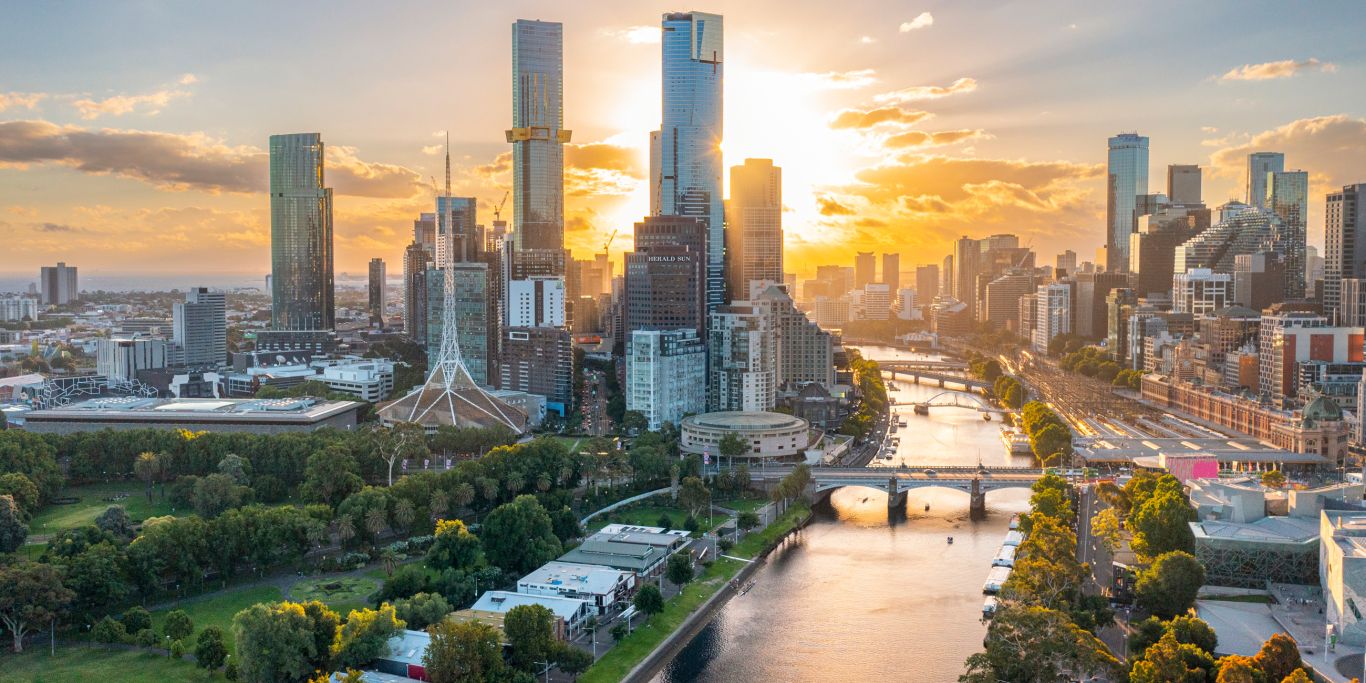
Set on the traditional lands of the Wurundjeri Woi-wurrung people, Melbourne CBD is the heart of this great city and a fine example of how Australia can nail those big, artistic cities while still maintaining its own identity. It’s also where you’ll find the lion’s share of Melbourne’s more luxurious experiences, hotels and restaurants.
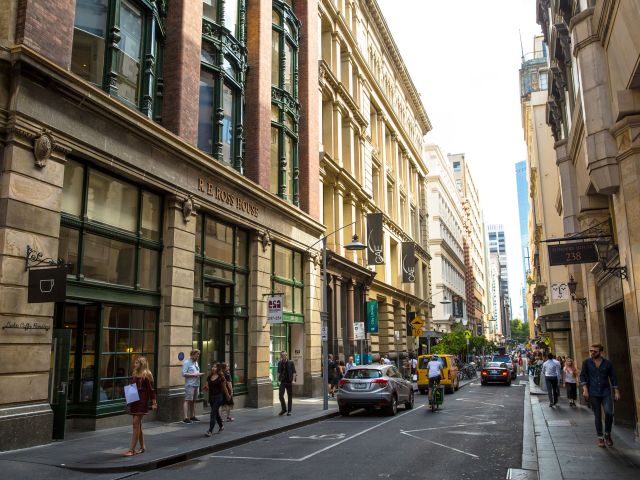
Planned primarily as a grid, the city centre is marked by some of Melbourne’s best restaurants, cafes, bars and pubs, as well as those world-famous laneways covered in street art. If I haven’t visited Melbourne for a while, my first stop in the city is usually Hosier Lane on the southern edge of the city; it’s Melbourne’s most emblematic laneway and always has something new to umm and ahh over.
Popular areas and landmarks in Melbourne CBD include Flinders Lane, the Little Bourke Street Chinatown Street precinct, Queen Victoria Market, Federation Square, and the State Library of Victoria. Many visitors miss the State Library because Melbourne has so many things to do, but it’s well worth seeing the Harry Potter-esque La Trobe reading room.
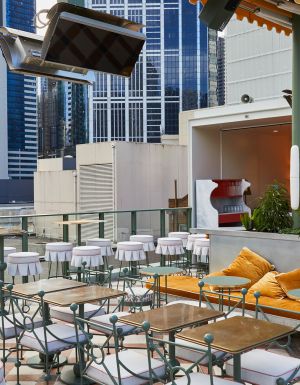
If you’re looking for the best restaurants in Melbourne CBD, you’ll first want to tick off Tipo.00, Supernormal, Gimlet at Cavendish House, and Bar Margaux.
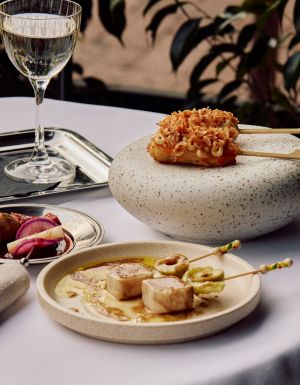
Looking for luxury? Head along to Rialto Towers if you want to splash out on Vue de Monde, and it’s hard to go past the ambitious Reine & La Rue set in the old Melbourne Stock Exchange. The city’s marketing for upscale dining is broad, but these are two of the most reliable names in the game.
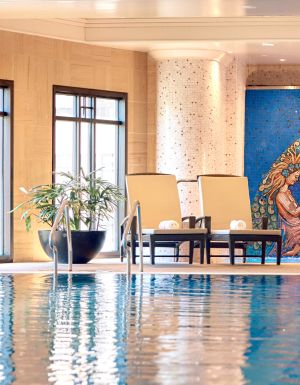
Many of Melbourne’s best hotels are scattered around the CBD, including The Ritz-Carlton Melbourne and QT Melbourne. You might want to check out the fresh-faced 1 Hotel Melbourne as well, given its jaw-dropping biophilic design and lush amenities.
2. Southbank
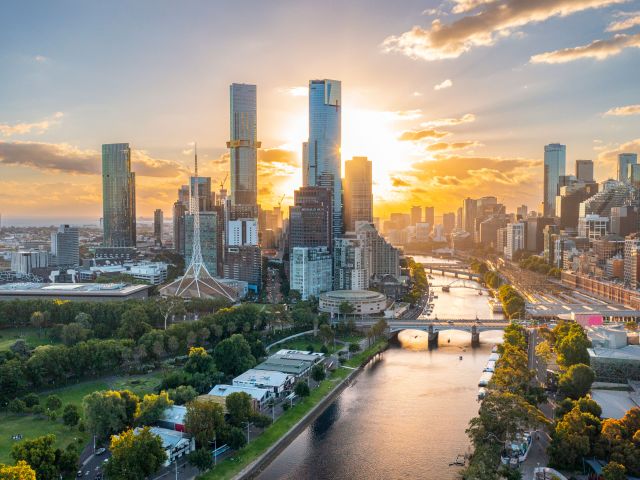
Key places: National Gallery of Victoria, Crown Melbourne, Melbourne Recital Hall
Southbank and South Wharf are known for Crown Melbourne and skyscraping residential buildings. But the area also gets its energy from the Melbourne Arts Precinct.
Across the suburb, you’ll find galleries, theatres, studios, and arts education institutions like the National Gallery of Victoria and Hamer Hall.
You’ll know you’ve entered Southbank when you cross the bridge from Melbourne CBD to the southern side of the Yarra River Birrarung, bounded by St Kilda Road and the West Gate Freeway.
Some of the most popular things to do in Southbank include visiting the National Gallery of Victoria, seeing a show at Melbourne Recital Hall, and enjoying an elegant French feast at Bistro Guillaume. Being able to visit a world-class arts exhibition, tuck into some exceptional steak frites and see a provocative stage show all in the span of a few hours is part of Southbank’s cultural appeal.
Given its proximity to Melbourne CBD, Southbank is a good place to stay with standout luxury accommodations, including The Langham Melbourne, Shadowplay by Peppers, and the swanky Crown Towers.
3. Docklands
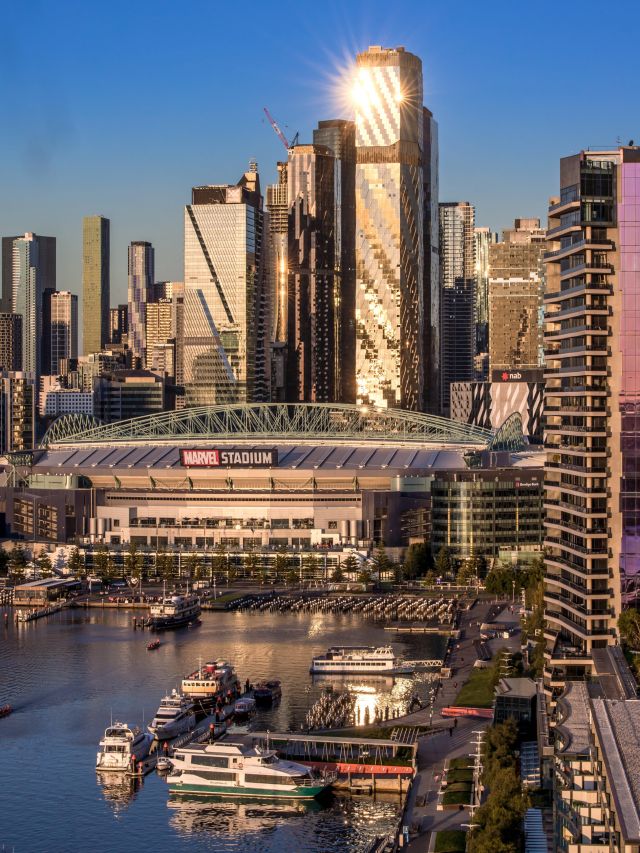
Key Places: The District Docklands, ArtVo, Marvel Stadium
Docklands became a suburb and was incorporated into the City of Melbourne municipality in the 1990s. Sweeping modernity defines the 200-hectare suburb, which clings to Victoria Harbour west of Melbourne CBD.
Docklands is now recognised for its waterfront precinct, touristy restaurants and shopping at The District Docklands, where you can also find the selfie-mecca of ArtVo – an immersive gallery full of trick art and optical illusions – and great views of the harbour.
Some of the most popular things to do in Docklands include seeing an event at the massive Marvel Stadium, which can fit over 50,000 people, taking the family to see trick art at ArtVo, and dipping into some of Melbourne’s best yum cha at Bright Palace Yum Cha. Seasonally, ice skating in Docklands is always popular for anyone looking for things to do with kids.
Southbank and Melbourne CBD are better choices for luxury hotels. Docklands has mostly family-friendly accommodations like Crowne Plaza, Melbourne Marriott Hotel Docklands, and Dorsett Melbourne.
4. North Melbourne
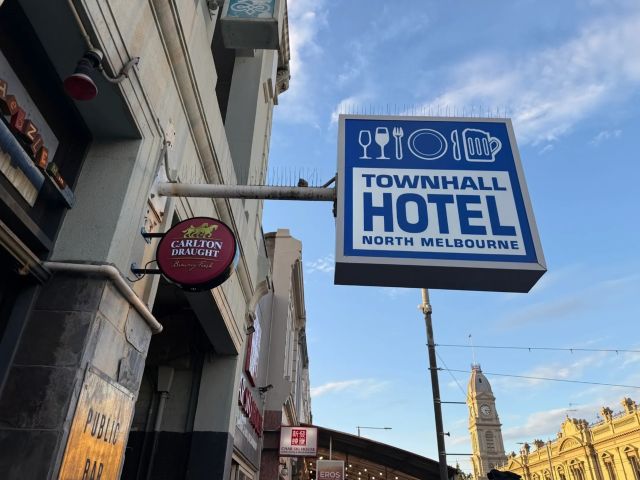
Key Places: Auction Rooms, Town Hall Hotel, Royal Park
North Melbourne is a great place to live with plenty of green spaces, a peaceful village vibe, and some of Melbourne’s best cafes like Auction Rooms and Small Batch Roasting Co. You can also wet your whistle at iconic pubs like Town Hall Hotel and Bobbie Peels.
The generous spread of Victorian-era shopfronts helps give North Melbourne that charming suburban feel, while locals are still close enough to the city to feel that sense of connection and convenience.
Not many out-of-towners would choose to stay in North Melbourne unless they prefer the peaceful accommodation offered by The Larwill Studio, which has 96 designer rooms and backs onto Royal Park. It’s a unique accommodation, feeling a bit isolated from the rest of Melbourne while still offering great connections with a nearby tram stop.
5. Carlton
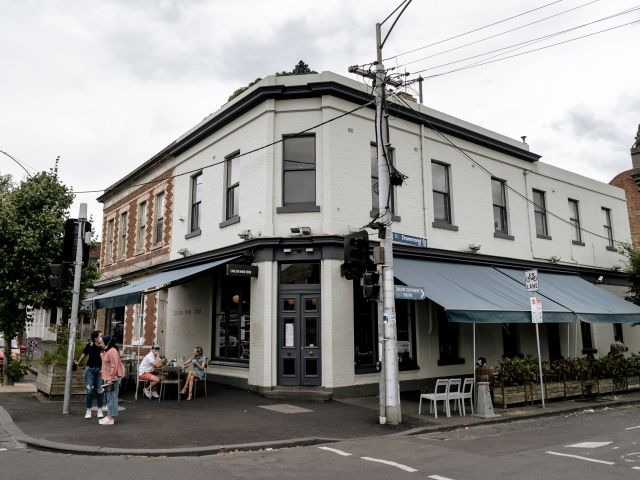
Key Places: Carlton Gardens, Melbourne Museum, Lygon Street
Carlton is one of the most popular inner-city suburbs in Melbourne, given the stretch of quality Italian cafes and restaurants along Lygon Street. This arterial strip is the main attraction for the neighbourhood, alongside the leafy Carlton Gardens and the on-site Melbourne Museum.
Carlton has a strong student population due to its proximity to both RMIT and Melbourne University. Many of Melbourne’s finest cafes, bars, and restaurants are in Carlton. Some popular spots include Carlton Wine Room, Di Stasio Pizzeria, Kazuki’s, Seven Seeds, The Lincoln, and Brunetti Carlton Cake Shop.
Anyone looking for things to do in Carlton will find the suburb’s greatest treasures on Lygon Street. Don’t leave without taking a tour of the 19th-century Royal Exhibition Building, where some of Melbourne’s biggest events and seasonal markets take place.
Although there are few places to stay in Carlton, the best choice is Zagame’s House, a boutique hotel with 97 rooms.
6. East Melbourne
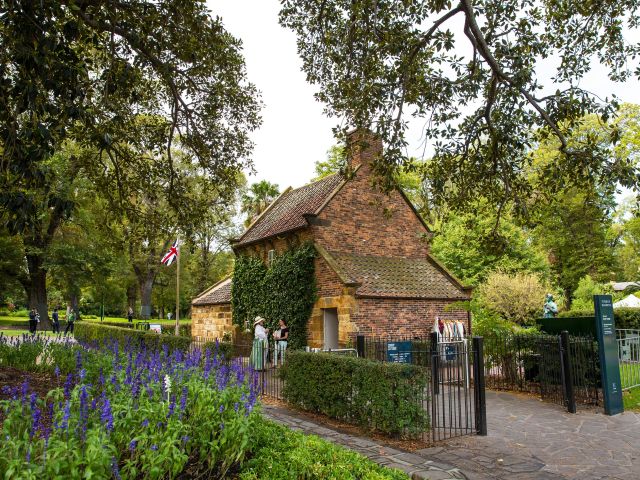
Key Places: Fitzroy Gardens, Melbourne Cricket Ground, Yarra Park
East Melbourne is located between Fitzroy and Collingwood to the north, Richmond to the east, and Melbourne CBD to the south. It is a well-connected suburb and one of the best places to stay and relax.
The popular suburb is marked by wide, tree-lined streets peppered with head-turning Art Deco houses. However, the main points of interest are the Victorian-era Fitzroy Gardens and the Treasury Gardens. Both help make East Melbourne one of the greenest areas in the city.
Sports fans from all over Australia are familiar with East Melbourne since it’s home to the Melbourne Cricket Ground in Yarra Park. This famous sports arena hosts cricket matches, AFL games, rugby matches, soccer games, and sometimes live music concerts by big artists.
Base yourself in East Melbourne by checking into Park Hyatt Melbourne, which is only a short walk from Fitzroy Gardens. If you want to live like a local, grab a meal at Di Stasio Citta, which is a short walk from the eye-catching Old Treasury Building.
7. Elwood
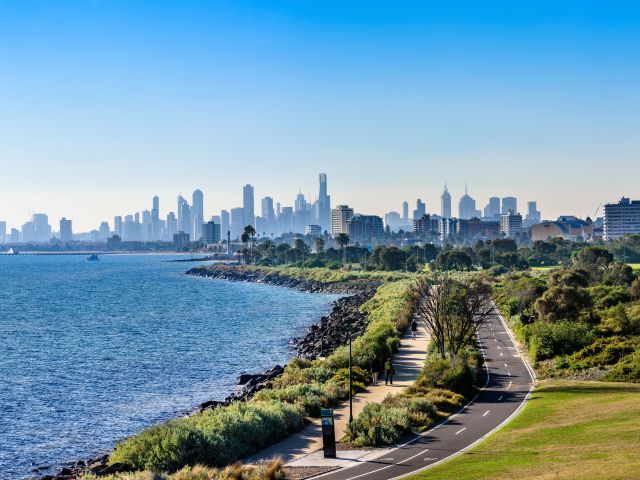
Key Places: Elwood Beach, Repeat Offender, Elwood Farmers Market
Elwood is youthful, spirited and charming. What was once an ugly swamp is now one of Melbourne’s most attractive suburbs, flecked with fascinating Art Deco apartments and capped with a picturesque beachfront promenade.
Known for its tight-knit community and relaxed cafe scene, Elwood represents peace and a respite from the rest of Melbourne. There isn’t much accommodation in the area, but I always try to make it a point to walk around this area whenever I need to get away from the city. It’s a change from the hustle of inner-city living, offering something slower and meditative – often powered by a daily dip at Elwood Beach.
Those looking for the best Elwood cafes should take brunch at Repeat Offender or Little Sunflower Cafe. You can also shop at small boutiques like Muku and South Village Trading. Be sure to take a self-guided architectural tour around the streets, many of which are named after famous poets, and then stock up on fresh produce at Elwood Farmers Market.
To soak up all Elwood has to offer, you’ll want to live like a local and stay in some of these beautiful apartments, like Serene Coastal Haven or Poets Retreat.
8. Footscray
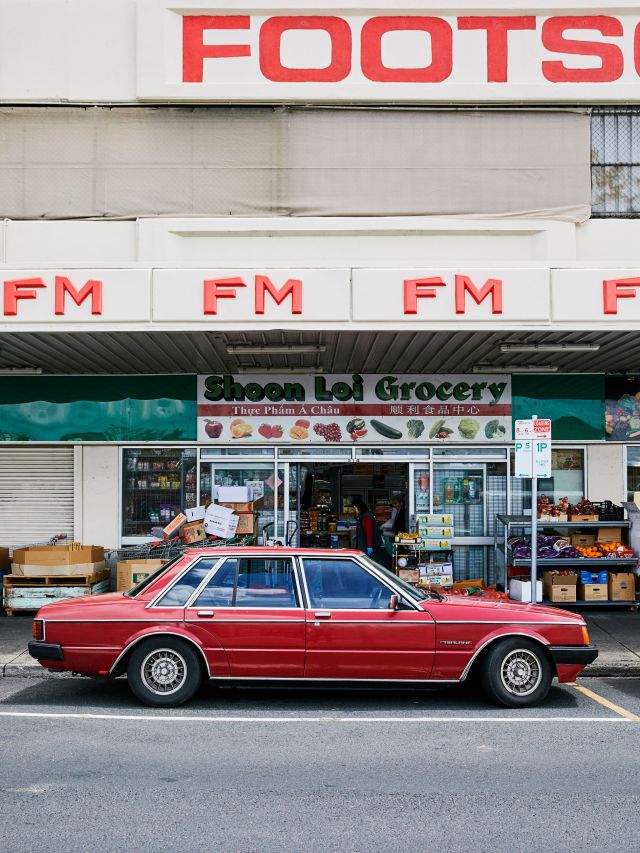
Key Places: Footscray Community Arts Centre, Footscray Market,
Noted for its cultural diversity, the hard-working Footscray Community Arts Centre, and the vibrant Footscray Market, this western suburb is a hub for adventurous foodies who mostly drive out for the area’s exceptional Vietnamese and African restaurants.
A buzzing sense of creativity and culture keeps Footscray front and centre for visitors who want something vastly different in the inner suburbs of Melbourne. Although the hospitality scene out here is every bit as strong as it is in places like Collingwood and Fitzroy, with plenty of cafes, bars, pubs and restaurants to keep visitors busy for days.
Food and drink highlights include Ollie’s Deli and West Footscray Wines, as well as those cheap-and-cheerful Vietnamese restaurants like Co Thu Quan. Although you could pick the first venue you see and still walk away agreeing that Footscray is one of Melbourne’s greatest gifts to both locals and visitors.
Need tips, more detail or itinerary ideas tailored to you? Ask AT.
AI Prompt
9. Fitzroy
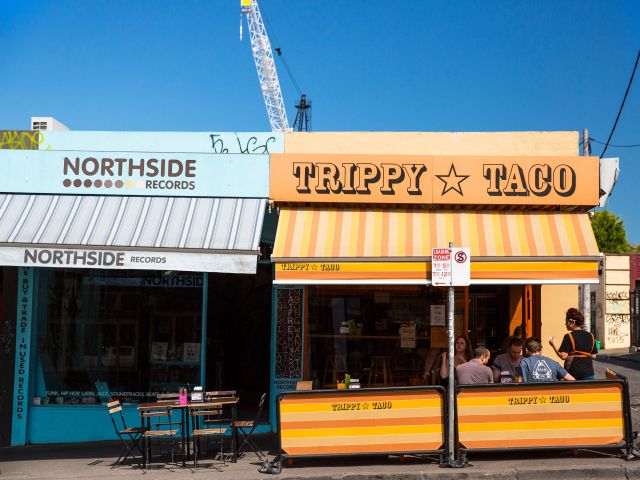
Key Places: Lune Croissanterie, Marquis of Lorne, Gertrude Street
When you think of hipsters in Melbourne, Fitzroy would be the first suburb that comes to mind. This highly influential spot is home to an insatiably creative community, constantly turning the suburb’s red-bricked warehouse spaces into innovative cafes, bars, restaurants and art galleries.
You’ll find the world-famous Lune Croissanterie out here, but there’s much more to Fitzroy’s hospitality scene than superlative almond croissants and exceptional cups of coffee.
The best bars in Fitzroy like The Everleigh and Black Pearl are also some of the world’s most recognised, while pubs like The Napier Hotel and Marquis of Lorne still thrive as icons for Victoria.
Then you’ve got the restaurants and cafes, teasing out a great variety of cuisines and price points from premium like Cutler & Co and Bar Liberty, straight through to more affordable at hotspots like Evie’s Disco Bar and Frankie’s Tortas and Tacos.
If you want to live like a local, stroll down the main hub of Gertrude Street to find many designer shops and independent retailers, take some time out in the historic Fitzroy Gardens (preferably with something from Lune Fitzroy in your hands) and catch a gig at Bad Decisions.
10. Collingwood
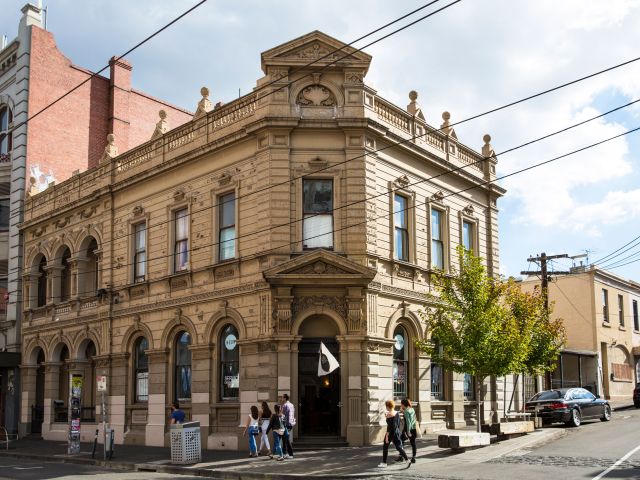
Key Places: Collingwood Yards, Smith Street, Collingwood Children’s Farm
There is a lot to see and do in Collingwood. As one of the most recognised suburbs in Melbourne, this inner-city suburb gets by with its rich industrial heritage clashed with trendy apartments, a swarm of popular galleries, and more cafes, restaurants and bars than visitors would know what to do with.
And yet Collingwood is much more than its vibrant arts and culture scene, sporting some of Melbourne’s most innovative projects, including Collingwood Yards, numerous vegan restaurants, and hipster haunts like Stomping Grounds Brewery.
Looking for something to do with kids? Take them to Collingwood Children’s Farm, which is open from 9:30 am 4:30pm each day. Regular community events are geared towards education and engagement, while the farm experience is beloved by all, split into many different meadows and settings that are home to all types of baby and adult animals.
There’s always something happening in Collingwood, whether it’s a new menu at Smith & Daughters or a party at one of Melbourne’s coolest wine bars, Hope St Radio. And while there are no high-end hotels in Collingwood, there are still many options for accommodation, including Lyf Collingwood Melbourne, Quest Collingwood and Veriu Collingwood.
11. Coburg
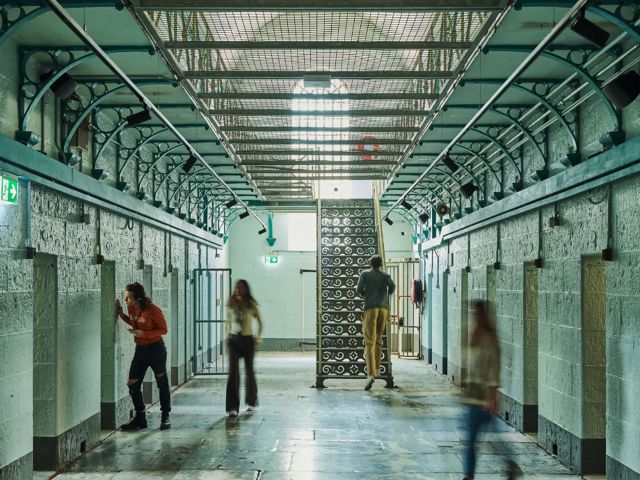
Key Places: Bell Street, Pentridge Prison, Coburg Farmers’ Market
Positioned 30 minutes outside of Melbourne CBD, Coburg is one of the coolest suburbs in Melbourne with plenty of cafes, bars and restaurants lining the main drag of Bell Street.
The infectiously relaxed vibe and interesting developments have drawn plenty of attention to this outer suburb over the past few years, nodding to its distinctive buildings and friendly atmosphere.
Key to this is the development at Pentridge Prison, which has been turned into a lifestyle precinct complete with a venue from BrewDog, a cinema, restaurants, wine bars and a quirky Adina Apartment Hotel.
Yet there’s plenty to do outside of the former prison. Some of the best cafes and restaurants in Coburg include Bluestone American BBQ, Half Moon Cafe, and the Post Office Hotel, which does up some fantastic old-school pub grub. Time your visit to Coburg Night Market or Coburg Farmers Market on the weekends, and then back that up with a visit to the vintage-minded Coburg Drive-In cinema.
12. South Melbourne
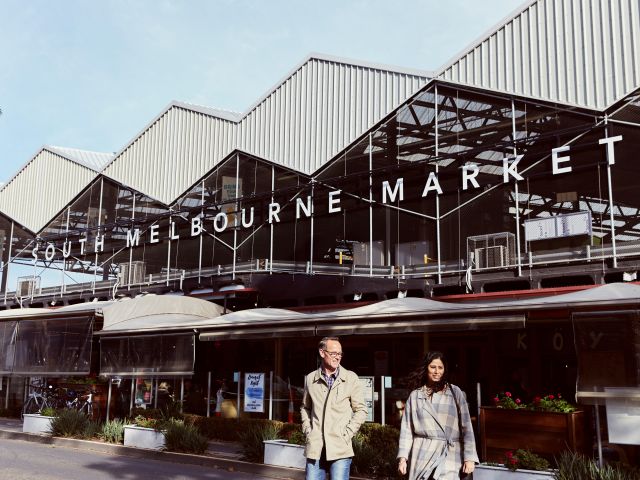
Key Places: South Melbourne Market, St. ALi Coffee Roasters, South Melbourne Beach
South Melbourne sits above Albert Park and just below Southbank, positioned close enough to the CBD for convenience but far enough to form its own identity.
A big part of this is the iconic South Melbourne Market, which is the suburb’s most prized feature and a hub of activity for some of the best independent businesses in town.
Take a dip at the peaceful South Melbourne Beach to start the day, and then check out one of the many cafes that make South Melbourne a bustling hospitality hub. ST. ALi Coffee Roasters has a spot out here, and then you have stalwarts like The Kettle Black and Hector’s Deli taking care of the brunch crowd.
When the sun drops, the tightly packed collection of South Melbourne restaurants has dinner sorted. Favourites like Park Street Pasta & Wine, Woods Yard and Half Acre are all world-class, while underrated gems include Peko Peko and Tempura Hajime.
If you’re looking for accommodation in South Melbourne, the Clarendon is a nice, affordable spot that’s only a few minutes’ walk from where South Melbourne Market is every Wednesday, Friday, Saturday and Sunday.
13. Box Hill
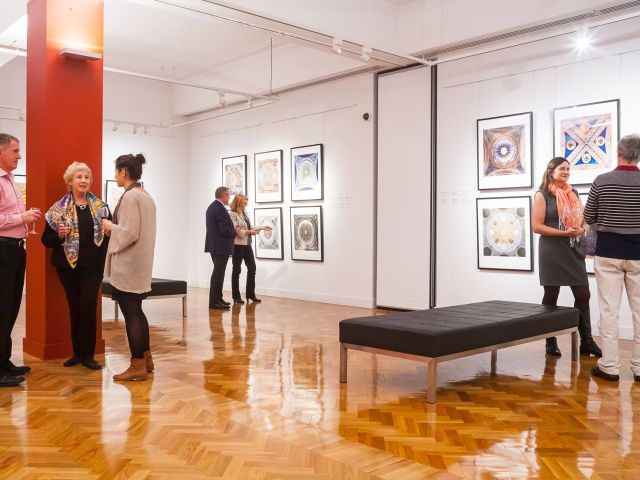
Key Places: Main Street, Whitehorse Artspace Gallery, Bushy Creek Parklands
Box Hill is one of the best suburbs in Melbourne for affordable Asian food, ranging from Vietnamese and Thai to Indian. The strong cultural roots out in this suburb, which is just under a 50-minute drive out of the CBD, give Box Hill a strong sense of identity and a friendly atmosphere.
Head to Whitehorse ArtSpace Gallery at Box Hill Town Hall if you want to see some great local works and, if it’s sunny out, grab some takeaway to eat in the peaceful Bushy Creek Parklands.
It’s worth booking in for a night or two at The Chen and exploring this highly underrated gem. Box Hill restaurants are famously inexpensive, authentic and delicious, so pick just about anywhere and you’re going to have a good night. Highlights include (my personal favourite) Tien Dat, Katori, and David & Camy Dumpling and Noodle Restaurant.
14. Kensington
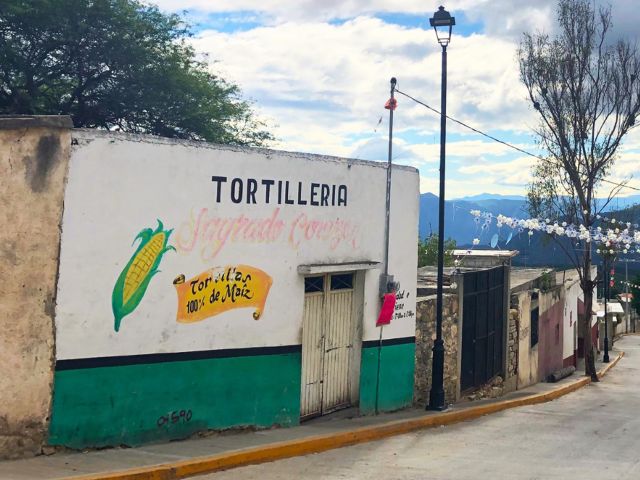
Key Places: Macaulay Road, Women’s Peace Garden, Kensington Market
Kensington lies just 4km north-west of Melbourne CBD with a modest population of just under 11,000 people. The unique inner suburb is most recognised for its distinct heritage character and communal spirit, centred around the village-esque shopping hub near Kensington Station.
The suburb’s charm is credited to the small businesses that line Macaulay Road, Henry Street and Stubbs Street, many of which are well-designed with vibrant exteriors. The bright blue building that hosts La Tortilleria is a great example, not only pitched as one of the best Mexican restaurants in Melbourne but also one of the most beautiful.
Local favourites include the rustic White Rabbit Record Bar and Cassette, the latter being a cafe by day and a wine bar at night with an admirable zero-waste ethos. If you’re there during the day, take a walk in the beautiful Women’s Peace Garden to refresh before heading out for the night.
15. West Melbourne
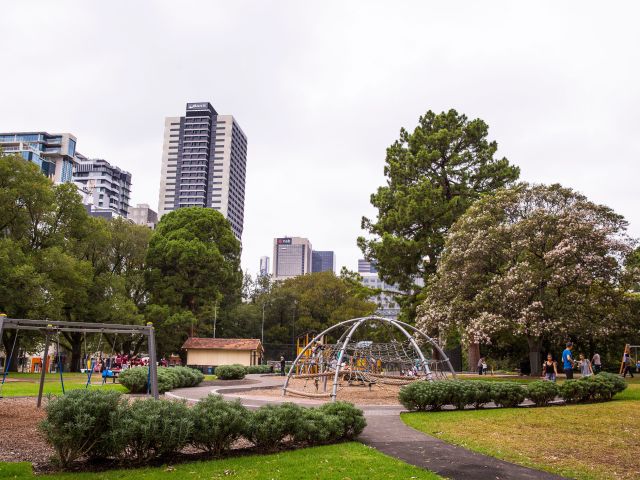
Key Places: Flagstaff Gardens, Monee Ponds Creek, Dudley Street
With the majority of residents living in apartments, you’ll typically find students and young families walking around the pleasant streets of West Melbourne. Shaped by the Maribyrnong River, the Yarra River, and Moonee Ponds Creek, this inner suburb offers great walking trails and a much slower pace than the nearby CBD.
Bring your picnic basket and set up in Flagstaff Gardens before catching a show at Festival Hall or checking out one of many creative spaces found scattered around the streets.
With many parts of West Melbourne still industrial in character, you’ll find many cafes and restaurants carved into mixed-use buildings or re-shaping heritage spaces. Anyone looking to eat in West Melbourne has plenty of options laid in front of them, from the curry-loving haven of Kare to Udom House and 279, which specialises in flavoured rice balls.
16. St Kilda
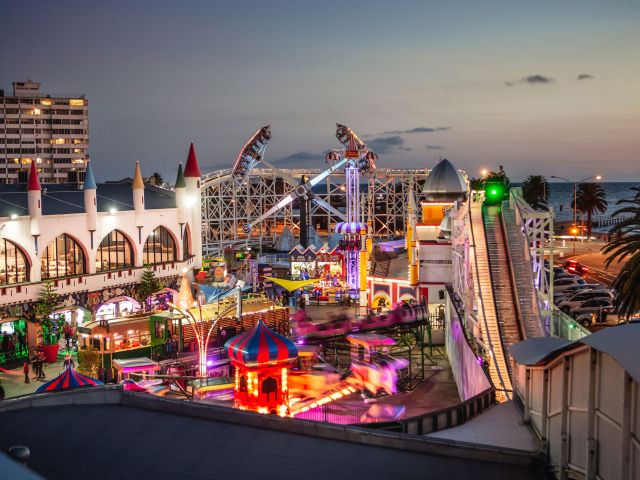
Key Places: The Espy, Palais Theatre, Luna Park
St Kilda is the most beautiful suburb in Melbourne, hinged on the iconic image of St Kilda Beach’s vibrant promenade.
Institutions like The Espy, Luna Park and the heritage Palais Theatre give St Kilda its worldly reputation, while the magnetic communal spirit keeps visitors coming back for more.
Most of the suburb’s vintage-minded lifestyle is centred around St Kilda Beach, near which lie the picturesque St Kilda Sea Baths and the weekly St Kilda Esplanade Market.
Make sure to visit around mid-February for the two-day St Kilda Festival if you want to preview all this glorious suburb has to offer in a short time. It’s the best time to dig into the romance of this seaside neighbourhood and why it’s come to represent Melbourne in ways that few other suburbs can. A timeless picture of Melbourne’s past, present and future.
But if you have a few days, it’s worth checking into some St Kilda Accommodation like the Tolarno Hotel or the Mercure and exploring this proudly unique part of Australia.
Your scope of St Kilda restaurants should extend beyond fine-dining institutions like Stokehouse, Cafe di Stassio and Donovans, with casual charmers including Radio Mexico, Cicciolina and the lively Ichi Ni Izakaya.
Weekly travel news, experiences
insider tips, offers, and more.
17. South Yarra
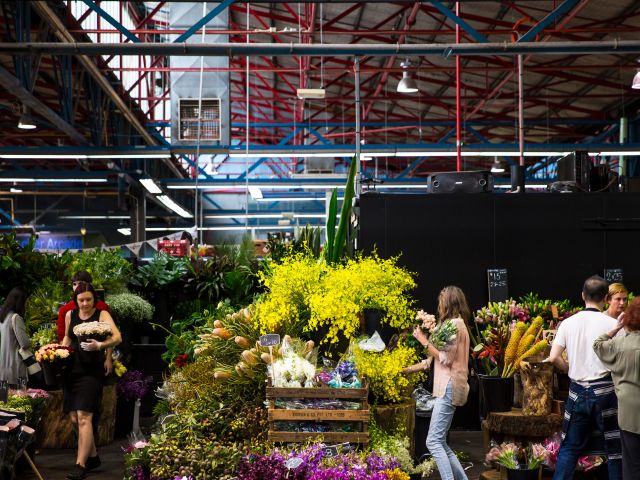
Key Places: Domain Parklands, Sidney Myer Music Bowl, Prahran Market
You’ll find South Yarra to the south of the Yarra River and to the east of leafy St Kilda Road.
Known mainly for its generous spaces like The Domain Parklands and Fawkner Park, the suburb is one of Melbourne’s most idyllic and locals here are known for their very active lifestyle. You’ve got the green lifestyle to thank for that, with locals growing up knowing exactly how restorative nature can be and how it plays such an integral role in day-to-day life.
South Yarra’s most definitive feature is the 123-hectare Domain Parklands, a collection of green spaces and institutions, including the Royal Botanic Gardens, the Shrine of Remembrance, Sidney Myer Music Bowl and the King’s Domain.
Yet there’s also an extensive retail precinct on the South Yarra end of Chapel Street, with everything from designer shops to trendy bars, including two cinemas. Despite its name, you’ll also find Prahran Market in South Yarra, selling a great variety of fresh produce and premade meals with stalls like Maker & Monger and Hagen’s Organic Butcher.
Popular South Yarra restaurants and cafes include Ned’s Bake, Tivoli Road Bakery and The Stables of Como, while there are also plenty of trendy South Yarra hotels such as Ovolo South Yarra and The Olsen, marking this densely populated area as one of Melbourne’s best suburbs.
18. Parkville
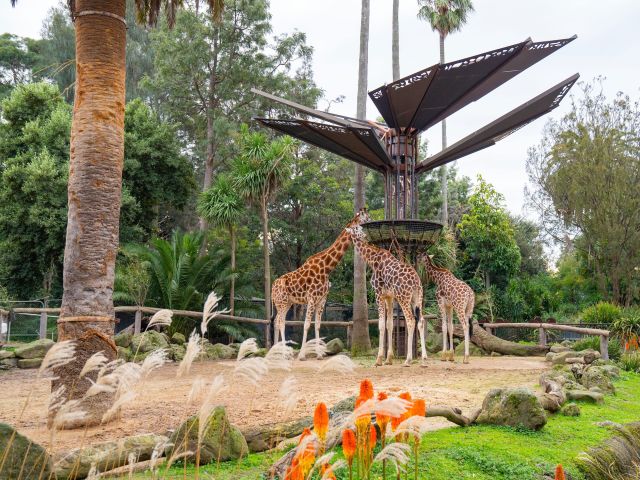
Key Places: Royal Park, Melbourne Zoo, Parkside Cafe
Parkville is home to major hospitals and research facilities like the Royal Melbourne and Royal Children’s Hospital. As such, the pleasant Melbourne suburb has a large student population and is similar in vibe to nearby North Melbourne.
Royal Park is a big reason for this. As Parkville’s defining feature, the access to this large, leafy park is one of the major reasons the suburb is idyllic for both locals and visitors. This is where you’ll find the massive Melbourne Zoo as well, so you’ll likely spot plenty of families pacing around, as well as a small army of picnic enthusiasts when the sun is out.
Parkville is quite bare when it comes to Melbourne’s famed hospitality scene, although cafes Mornin’ Vietnam and Parkside are great choices. For dinner, Moja Duck Restaurant & Bar is one of the more underrated Chinese restaurants this side of Melbourne.
19. Fisherman’s Bend
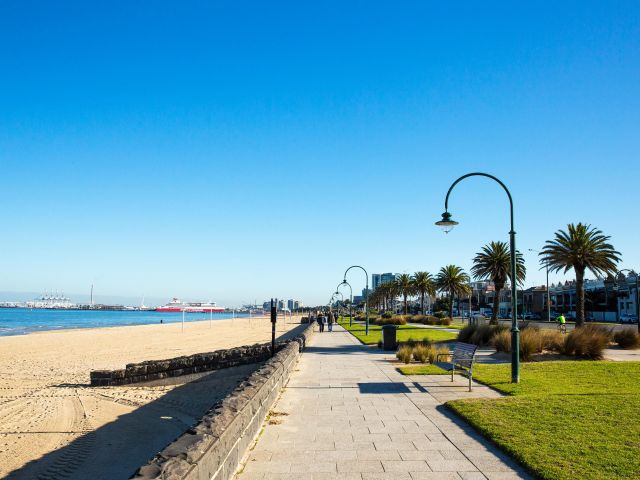
Key Places: Port Melbourne, Starward Distillery, JL Murphy Reserve
Fisherman’s Bend is Australia’s most ambitious urban renewal project, with around 480 hectares of space just a stone’s throw from Melbourne CBD. Located within the suburb of Port Melbourne, it’s often referred to as the best example of Melbourne’s future with university campuses, green spaces and many apartment complexes being planned over the next few years.
As such, you’ll find inklings of progress as development continues to roll on for the suburb. Right now, the suburb is best thought of as an extension of Port Melbourne with standout cafes and restaurants, including Noisette, communal cafe Balderdash, and Rubira’s.
The award-winning Starward Distillery is also located here, so make sure you’re getting your whisky fix before or after a stroll in the nearby JL Murphy Reserve.
20. Brighton
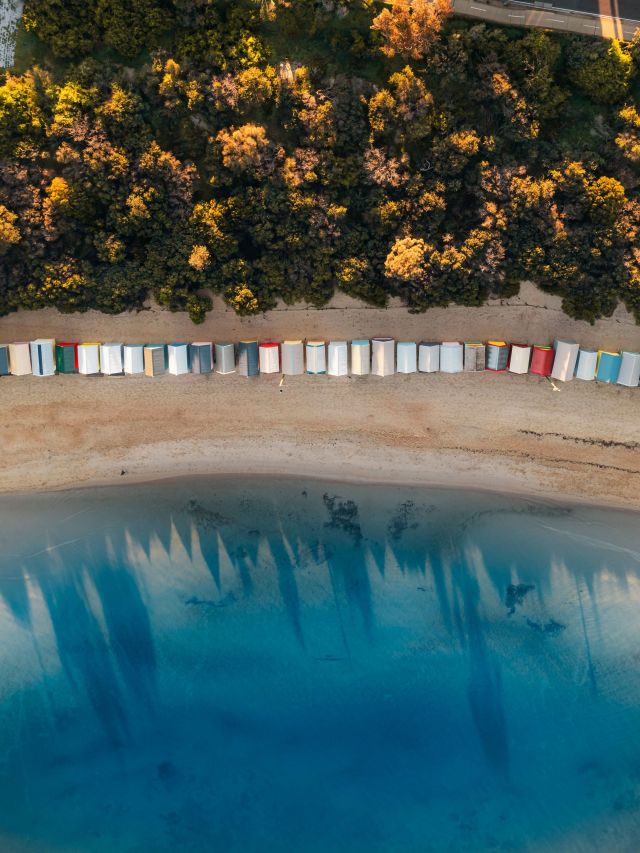
Key Places: Church Street, Brighton Beach, Brighton Bathing Boxes
Aside from seeing those colourful Brighton bathing boxes all over Instagram, many outside of Melbourne know little about this upscale suburb beyond Brighton Beach. While it could be seen as a more boutique alternative to St Kilda, Brighton has a strong sense of identity that’s distinguished by more than just those golden sands and the idyllic Brighton Pier.
Comprising both Brighton and Brighton East, the area provides plenty of pleasant bayside walks. Church Street is my favourite shopping strip in Melbourne simply because it’s so relaxed, packed with luxury boutiques and many chic cafes and restaurants, including The Little Ox, Sons of Mary and Aromi.
I’ve found the best place to stumble across unique gifts in Melbourne isn’t necessarily the endless swarm of weekend markets, but usually these smaller, more bohemian neighbourhoods. Elwood is a big one, but Brighton has just as many of those cute independent boutiques you wouldn’t find elsewhere.
Popular bars in Brighton, such as Mothers Milk and Half Moon, are known for keeping the nightlife afloat. However, the best time to experience Brighton is during the day. The sparkling beachfront vistas make it one of Melbourne’s most inspiring areas.
21. Abbotsford
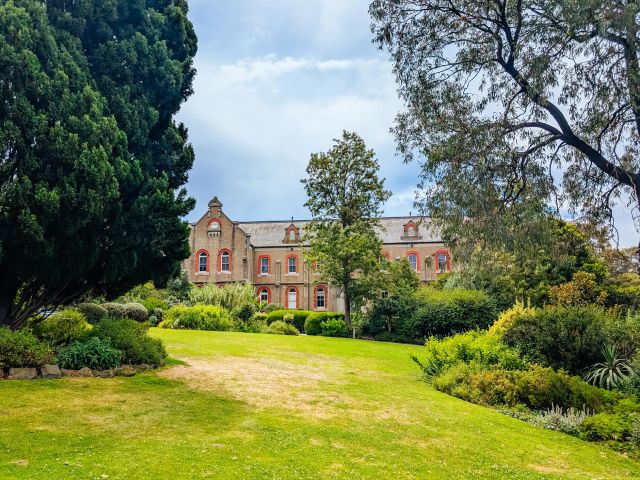
Key Places: Abbotsford Convent, Regional Farmers Market, Main Yarra Trail
Much like Footscray and Box Hill, Abbotsford is renowned for its mix of cultural heritage. However, if you had to pick just one flavour that dominates the streets of this inner-city suburb, it would be Vietnamese.
Some of the best Vietnamese restaurants in Melbourne can be found all around Abbotsford, which lies north-east of the CBD, bounded by Collingwood, Richmond and Clifton Hill.
On weekends, visit the historic Abbotsford Convent or take the whole family to Collingwood Children’s Farm. The range of workshops, exhibitions and markets makes Abbotsford a great place to both live and visit.
If you’re looking for the best cafes and restaurants in Abbotsford, head to Julie, at the Convent, bury yourself in the moody atmosphere of Dr Morse, or relax with an Italian-style brunch at Frankie Says.
22. Northcote
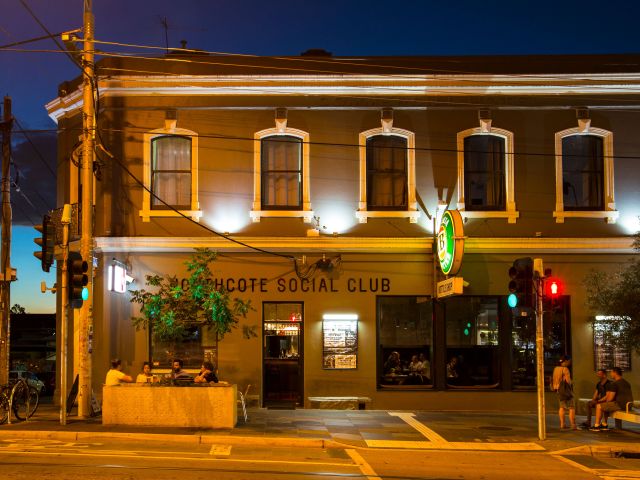
Key Places: High Street, Northcote Social Club, Westgarth Cinema
Northcote’s wellness scene has fast become one of the most appealing features. Walk around High Street and you’ll find the main strip teeming with yoga studios, spas and health food shops.
The locals mirror that sense of serenity, giving Northcote a very calming atmosphere that’s only broken up by the energy of institutions like Northcote Social Club, Open Studio and the Wesley Anne.
The vintage Westgarth Cinema is one of many hidden gems in this suburb, while restaurants tend to favour international cuisines like Ethiopian at Mesob and Indian at Base Camp.
23. Brunswick
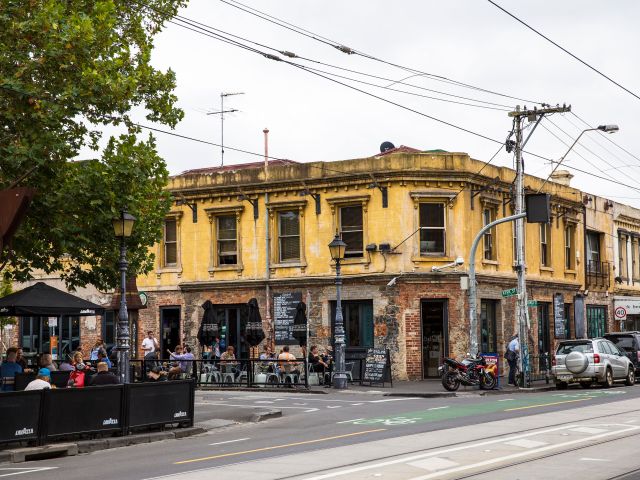
Key Places: Brunswick Baths, CERES Community Environment Park, Sydney Road
Brunswick is known as one of the most hipster areas in Melbourne, at times surpassing both Fitzroy and Collingwood when it comes to a mish-mash of generational trends. The multitude of shops, restaurants, cafes and bars can feel endless from Brunswick East to Brunswick West.
While many neighbourhoods around Melbourne have papered over their gritty, grungy history, it seems like Brunswick locals are the most defiant bunch in the entire city. Gentrification does hit hard, but there’s such a strong sense of identity that this place constantly feels like a time capsule straight to the formative 80s and 90s.
Between the definitive cool factor is one of Melbourne’s most soulful neighbourhoods. Brunswick is known for its friendly locals, community gardens and organic shops, including local institution and perfect chill-out spot CERES Community Environment Park.
Brunswick has a strong Middle Eastern population, reflected in the multitude of eateries like Tibas Lebanese Restaurant and the popular A1 Lebanese Bakery. Between that, it’s all about hitting the pubs for locals, from Howler to The Cornish Arms Hotel on Sydney Road to check out the area’s exceptional live music and craft beer scene.
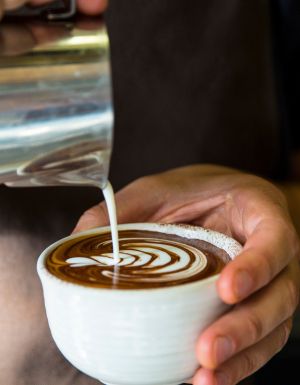
Recover from a big night at Brunswick Baths and hit the more modest cafes like Wide Open Road and Ona Coffee – two of the best coffee shops in Melbourne. If you want to base yourself here for a few days, there aren’t many options for where to stay in Brunswick, although visitors love the Brunswick Tower Hotel for affordable accommodation.
24. Albert Park
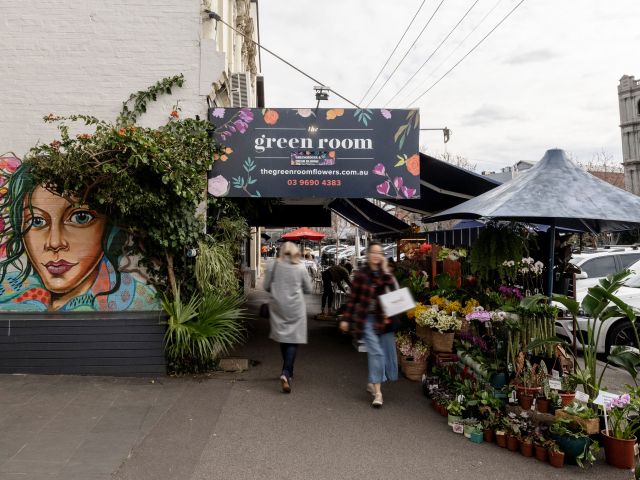
Key Places: Albert Park Circuit, Albert Park Hotel, Bridport Street
Most recently, Albert Park has become world-renowned for the Albert Park circuit – the home of F1 Melbourne. Yet there’s much more to this pleasant bayside suburb, which is sandwiched between Port Melbourne and Middle Park.
Albert Park restaurants have particularly stepped up in the past few years, with charmers like Misuzu’s and Italian Artisans as well as institutions such as the tiny Pipis Kiosk and the 19th-century Albert Park Hotel.
You’ll find mostly young families strolling by the waterside while walking the suburb’s leafy streets, thriving in the peace away from Melbourne’s more exciting neighbourhoods.
When the F1 isn’t on, this suburb is where you’d go to escape the crowds and eat some great food.
Want to see more stories from Australian Traveller in your Google search results?
- Click here to set Australian Traveller as a preferred source.
- Tick the box next to "Australian Traveller". That's it.