20 must-have experiences on the coolest street in the world

hero media
A local’s guide to where to dine, drink and shop in Northcote, Thornbury and Preston.

A bohemian, arty, family- and dog-friendly enclave in Melbourne’s inner north, the High Street corridor that runs between Northcote, Thornbury and Preston is home to a litany of hangouts: record shops, indie cinemas, restaurants with hidden courtyards, bars housed in former churches, hatted restaurants that feature lasagne on speed dial.

Between these newer venues, you’ll find humble unmarked souvlaki joints, retro espresso rooms and Asian grocers, which hint at the Greek, Italian and Chinese communities that have long called the area home.

That High Street is almost entirely devoid of any chains, is perhaps part of the appeal for many local residents, myself included, and might just help explain why this unassuming drag was named ‘the world’s coolest street’ by Time Out in early 2024.
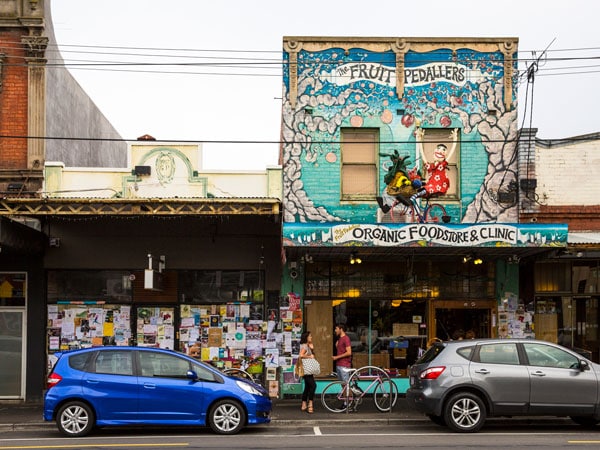
Scenes from High Street in Northcote Melbourne
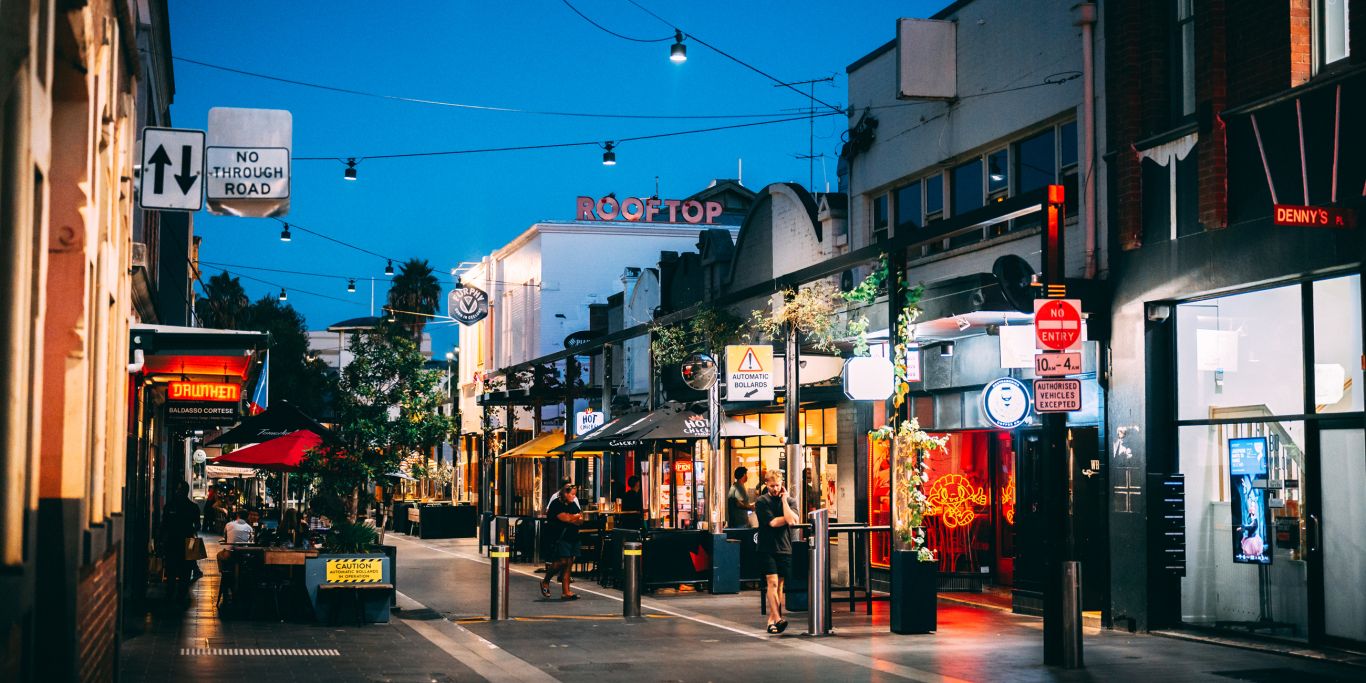
High Street in Melbourne’s Inner North was crowned the world’s coolest street by Time Out in 2024. (Image: Visit Victoria)

Beyond High Street’s bricks and mortar, it’s the welcoming vibe and pumping events scene that makes this little corner of Melbourne feel so alive. On each and every corner it seems as if you can find live music streaming out on a weekend. And festivals such as 2023’s inaugural The Eighty-Six (named after the tram that trundles up and down the street) and Northcote Rise, bring the community, with its shared love of music, even closer together.

If you’re stopping by Northcote, Thornbury or Preston, consider this your little black book of restaurants, bars, bakeries and shops.
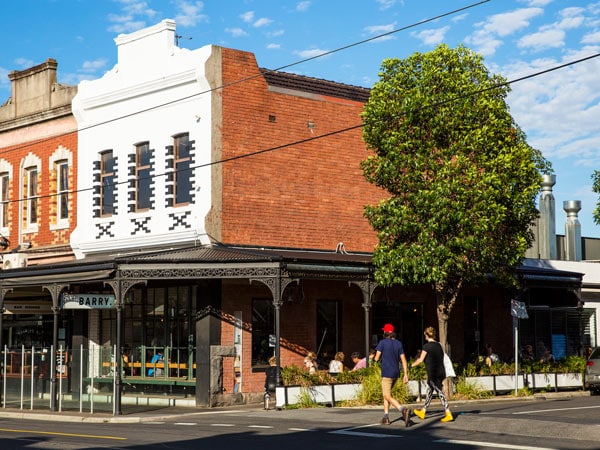
People cross the road on High Street, Northcote
The street isn’t overrun with chains but features everything from record shops and retro espresso rooms to hatted restaurants. (Image: Visit Victoria)

1. 1800 Lasagne, Thornbury

No list would be complete without a nod to this local institution (if it’s good enough for Jamie Oliver…).
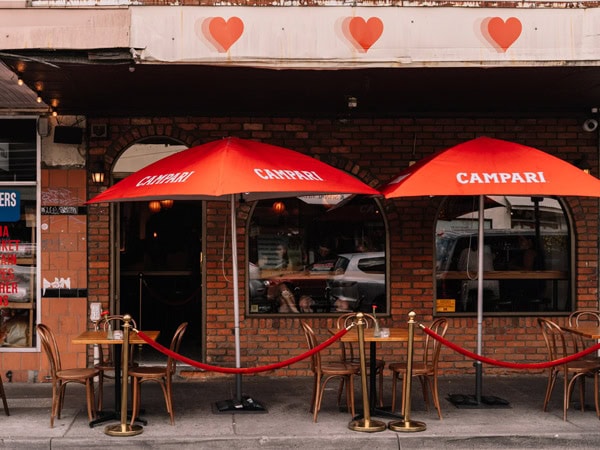
Exterior of 1800 Lasagne on High Street Melbourne, Australia
1800 Lasagne is a vibe. (Image: Phoebe Powell)

Not only is the food at 1800 Lasagne consistently on point, but the dimly-lit space and cosy, ‘70s-esque decor is a vibe, the staff always seem to hit that perfect pitch of down-to-earth and attentive yet not intrusive or overbearing, and the cocktails are oh so moreish.
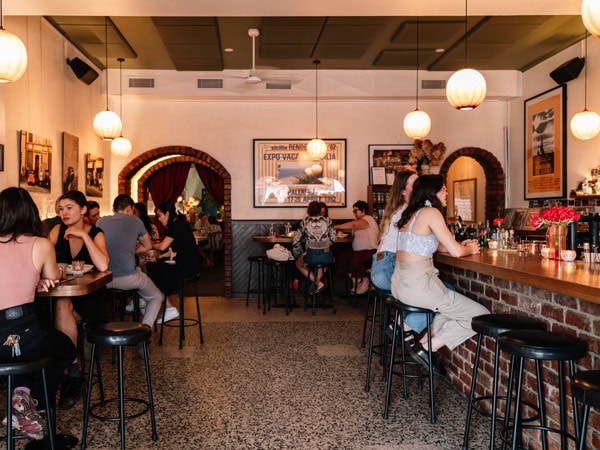
Interior of 1800 Lasagne on High Street Melbourne, Australia
Get comfy inside the dimly-lit, cosy, ‘70s-esque space. (Image: Phoebe Powell)

While lasagne is their signature dish, we’d argue that some of the starters and sides have become icons in their own right (cos wedge salad, we’re looking at you). Trust us, you need to book in advance.
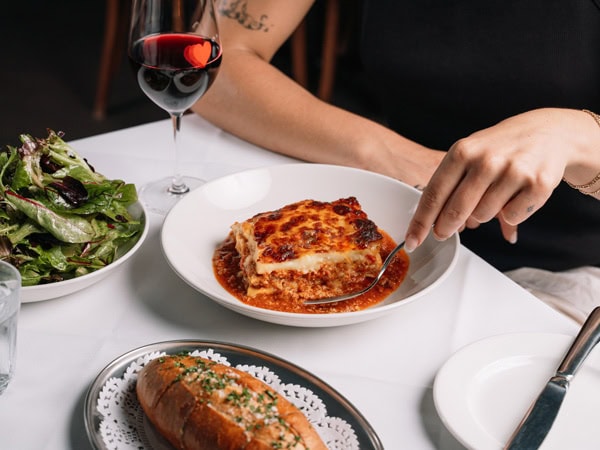
Food spread at 1800 Lasagne on High Street Melbourne, Australia
Lasagne is the signature dish. (Image: Phoebe Powell)

2. Wesley Anne, Northcote

This cavernous, grungy bar and restaurant might look run-of-the-mill from outside, but inside it’s anything but. Cross the threshold and you’ll enter the skeleton of a 160-year-old church, all stone walls, high ceilings and exposed beams. Cosy up by candlelight at one of Wesley Anne’s timber booths in winter, or make a beeline for the eclectically styled courtyard come summer.

3. Thornbury Picture House, Thornbury

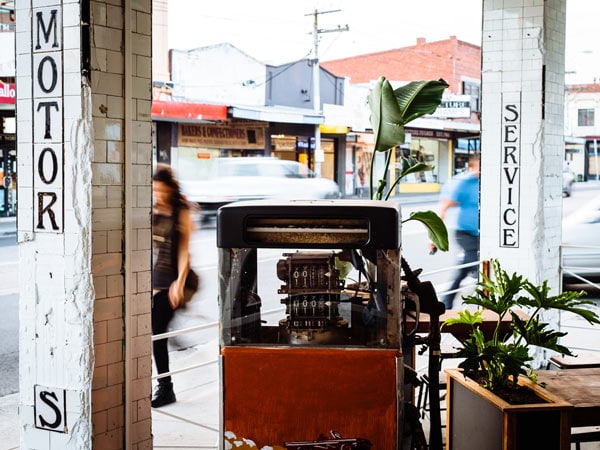
A cute-as-a-button indie cinema, Thornbury Picture House lies within an art-nouveau garage dating to 1919.
Thornbury Picture House on High Street in Melbourne
The indie cinema is housed within an art-nouveau garage dating to 1919. (Image: Gusto Films)

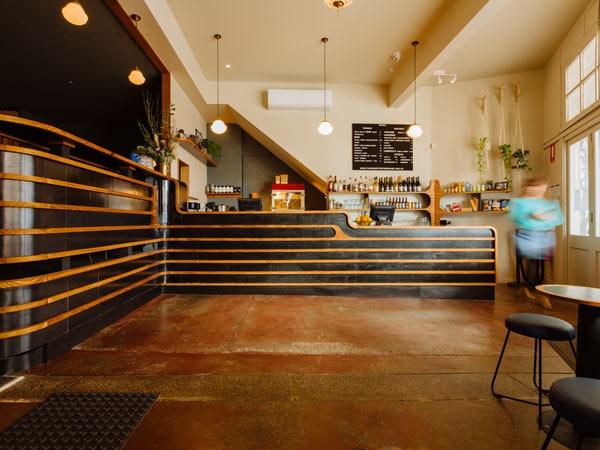
Owners – and husband and wife team – Gus and Lou worked in the film industry for many years before pouring their heart and soul into this characterful venue, which prioritises independent movies, but also shows blockbusters at this single-screen cinema. They’ve even started their very own film festival, Northern Lights, which has a strong focus on local short films.
Inside Thornbury Picture House on High Street in Melbourne
The venue is full of character. (Image: Gusto Films)

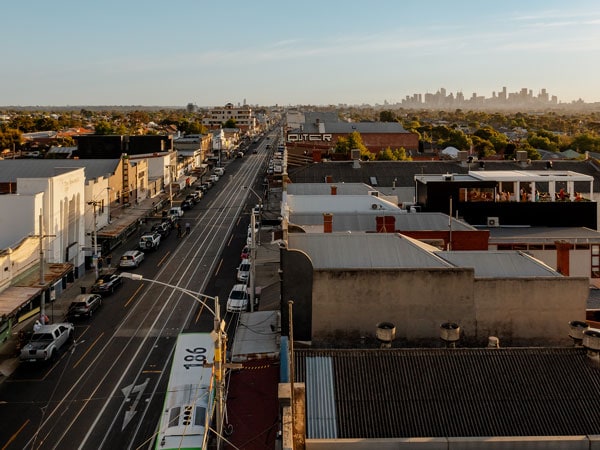
Forget the trailers: come early, take a seat in the old undercover forecourt and tuck into a negroni instead. There are hyperlocal snacks on offer too: think choc-tops from Preston and arancini from across the road at longtime local favourite Umberto’s.
Aerial view of High Street, Northcote in Melbourne's Inner North
Find Umberto’s across the street from the cinema. (Image: @ipixel101)

4. Tinker, Northcote

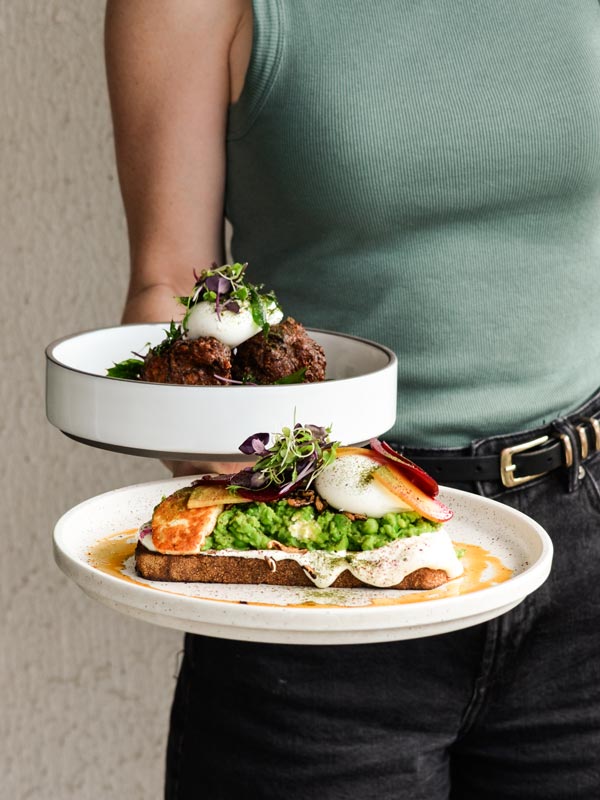
Long a pitstop for Melbourne’s weekend brunch crowd, Tinker remains at the top of its game. The menu changes seasonally and tends to showcase reimagined classics; think zucchini and halloumi fritters with cucumber mint yoghurt and mango chilli relish, and eggs Benny on a cornbread waffle with apple and fennel slaw.
Waitress at Tinker holds two breakfast plates of food
The menu changes seasonally but is always full of delicious options. (Image: Kate Durham)

Doggos are also more than welcome in the courtyard or on one of the pavement tables out front, perfect for people-watching.
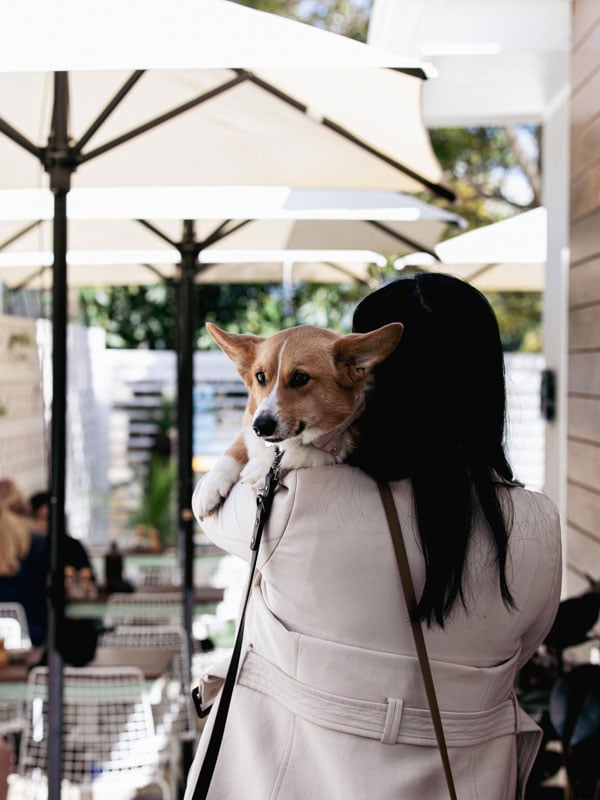
Woman holds her dog at Tinker in Melbourne
Tinker welcomes dogs in its outdoor spaces.

See also: Short Round, Thornbury.

Inside Short Round in Melbourne
Short Round is another standout cafe to visit.

5. Juju’s Deli, Thornbury

Juju’s has quickly become something of a cult classic thanks to its sizable focaccia sandwiches. Choose from a lineup of seven different sangas, two of which are veggie, and be prepared to queue.
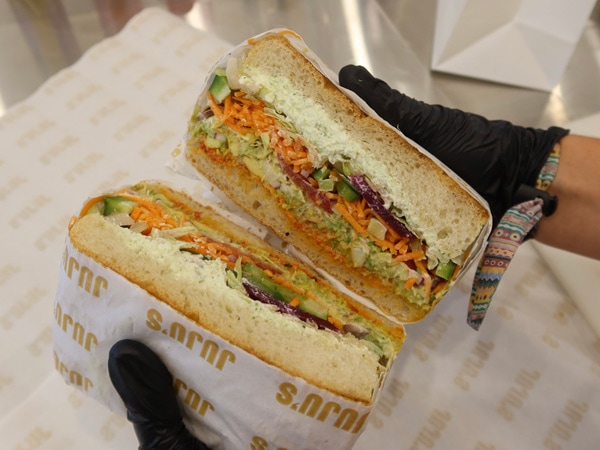
Juju's Deli sandwich shop in Melbourne
The sandwiches at Juju’s Deli can’t be beat.

Need tips, more detail or itinerary ideas tailored to you? Ask AT.

AI Prompt

6. Arepa Days, Preston

Technically speaking this vibrant little Colombian cafe sits on Preston Street, though you’ll only have to take two steps off of High Street to reach it.

A small, homely and bohemian place with just a handful of tables, Arepa Days has its very own ‘lab’ dedicated to making each arepa from scratch, its white corn sourced from Queensland.

The pockets are stuffed with all manner of delectable smallgoods, such as chargrilled chorizo, morcilla (black pudding), and bacon, as well as your regular breakfast fixings (think guacamole, eggs and feta).

But arguably the jewel in the crown of this lovely little establishment is its jars of homemade picadillo and chimichurri that adorn every table and are practically perfect smothered on almost anything.

7. Mali Bakes, Thornbury

Patchanida Chimkire is in the business of custom celebration cakes, and at her Thornbury HQ you can watch the baking team in action from the street, behind shop windows dressed with dried flowers.

Ordinarily, Mali Bakes is not open to the public. But stop by on a Saturday and you can road test cakes by the slice. Pedestrian Victoria sponge is not on the menu here – instead, you’ll find multilayered creations bursting with flavour: orange yoghurt cake filled with roasted strawberry, fresh orange and yuzu buttercream, or olive oil ricotta cake filled with blackberry and fennel jam, sea salt, and honey buttercream, for example.

Patchanida’s cakes are visually arresting too; retro, ornate, pastel-hued works of art, featuring piped icing sashes and swirls, sugar pearls and garnished with cherries.

See also: Holy Sugar.
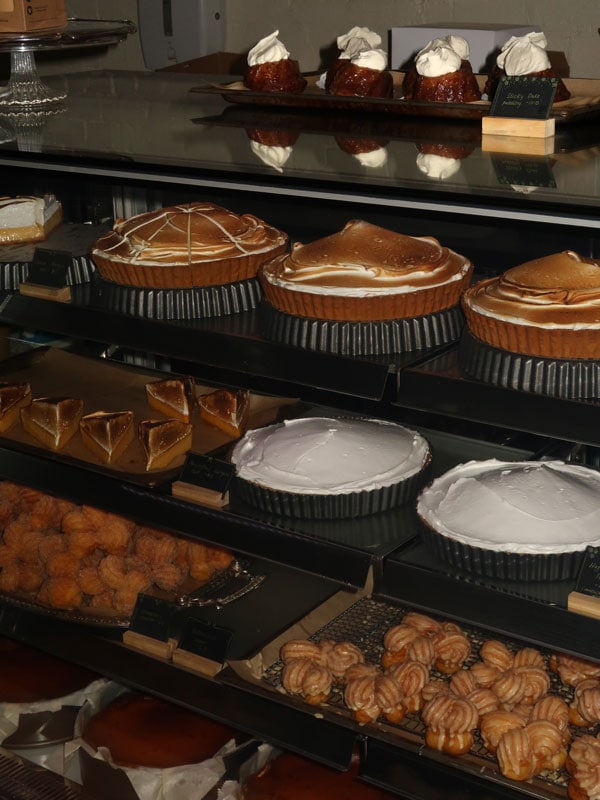
Cakes at Holy Sugar
Holy Sugar is another excellent nearby choice for baked goods.

8. All Are Welcome, Northcote and Thornbury

Such is the clamour for All Are Welcome’s baked goods, that this High Street standout found cause to open another outlet just seven minutes’ drive true north of the original.
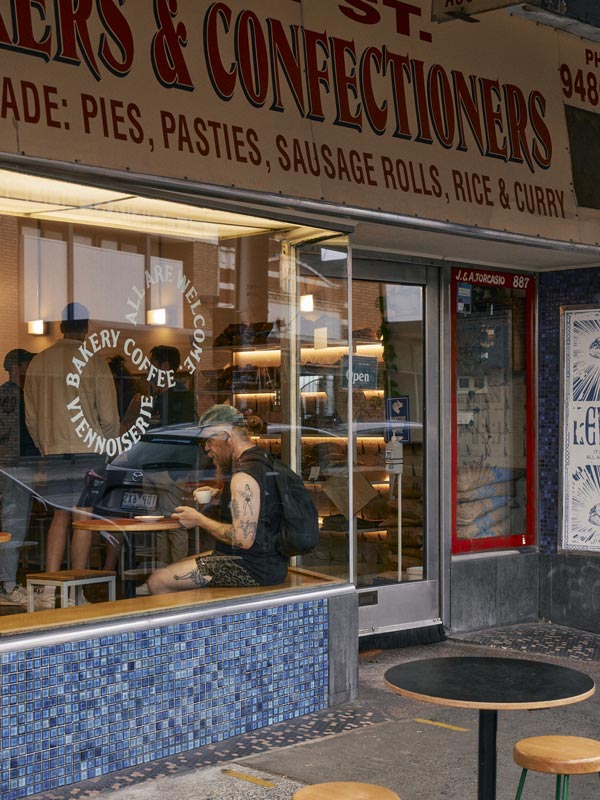
All Are Welcome, Melbourne exterior
All Are Welcome is a High Street standout. (Image: Emily Weaving)

While the latter venue in Thornbury offers the same dreamy smorgasbord of buttery baked goodness, the former, in Northcote, comes up trumps for sitting in. There’s a gorgeous nook featuring tiered timber seating outside and complimentary sparkling water on tap.
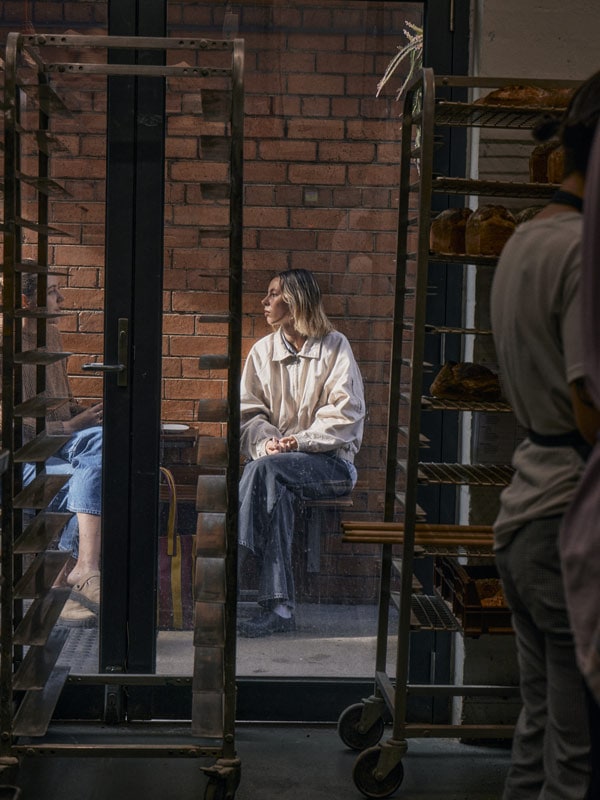
Woman sitting outside All Are Welcome in Melbourne
All Are Welcome is located in Northcote and Thornbury. (Image: Emily Weaving)

Expect a mix of savoury and sweet pastries, with a lean towards recipes from the Caucasus, as well as good coffee and plenty of provisions to take home (think loaves, cheeses, butter and spreads).

It’s owned and run by Russian-American Boris Portnoy, whose CV includes experience at Michelin-starred restaurants where he worked as head pastry chef.
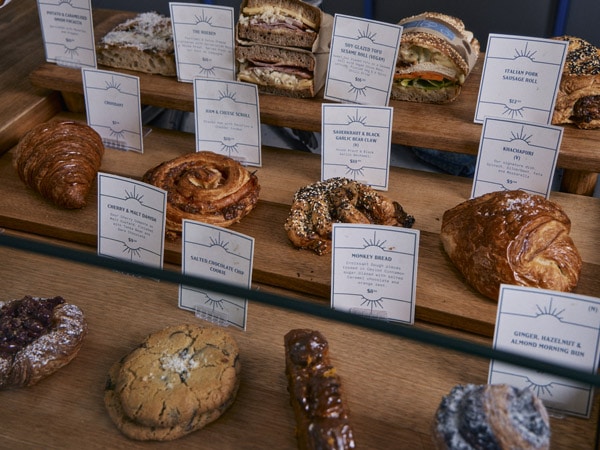
Pastries at All Are Welcome in Melbourne
Expect a mix of savoury and sweet pastries. (Image: Emily Weaving)

9. Before March, Northcote

Sporting a minimalist aesthetic that would look at home in any Scandi capital, Before March is hyper-focused on cultivating a collection of high-end, little-known labels built to last a lifetime, with a focus on classic tailoring and functional clothing.

This small, bright and airy store also zeroes in on brands that embrace the principles of slow fashion by using natural fibres, deadstock fabrics, oeko-tex-certified textiles and recycled materials.
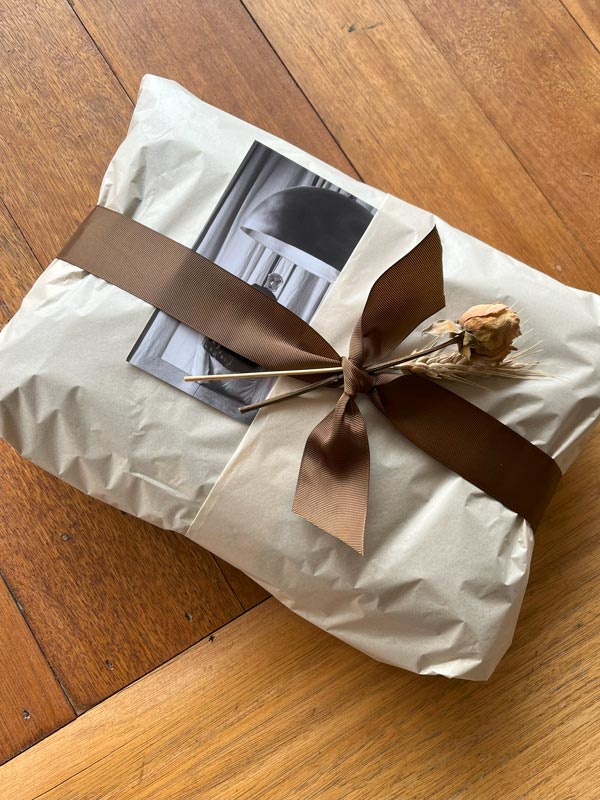
Goods wrapped for sale at Before March
Head to Before March to shop high-end, little-known labels.

10. Green Horse, Northcote

A boutique devoted to organic, sustainable and fair-trade fashion, beauty and homewares, it’s hard to leave Green Horse without finding a little something you ‘need’. The store stocks a coterie of finds from ethical powerhouses, many of which are Australian-owned and operated, such as bags by Bellroy, toiletries by Leif and clothing by Kowtow.
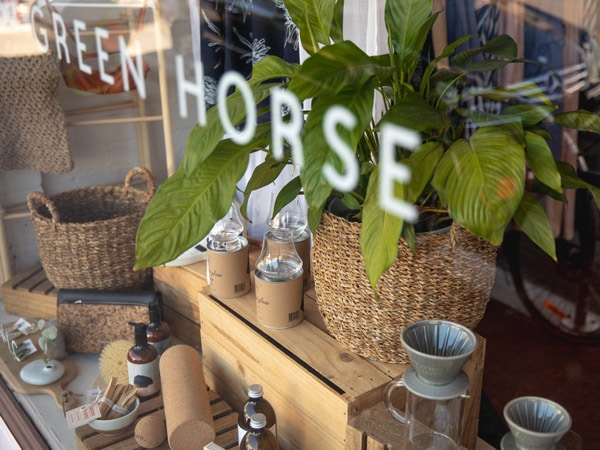
Green Horse on High Street in Melbourne
Green Horse is a boutique devoted to organic, sustainable and fair-trade fashion, beauty and homewares.

Specialising in ethically made Australian pieces, the experience at this High Street store is a far cry from what you’ll find at Melbourne’s malls.
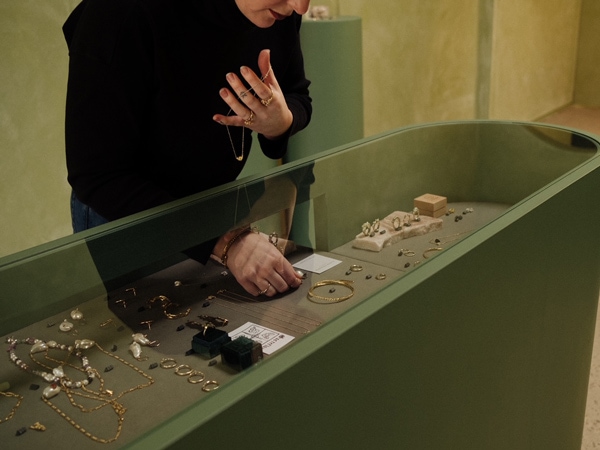
Jewellery from Comune Gallery on High Street, Melbourne
Comune Gallery specialises in ethically made Australian pieces.

The clue is in the name (hint, ‘gallery’), and the ornamental artworks on display are handmade and original, often by local jewellers. Beyond the contemporary fine jewellery exhibited, customers at Comune can also commission bespoke rings, necklaces, earrings and bangles.
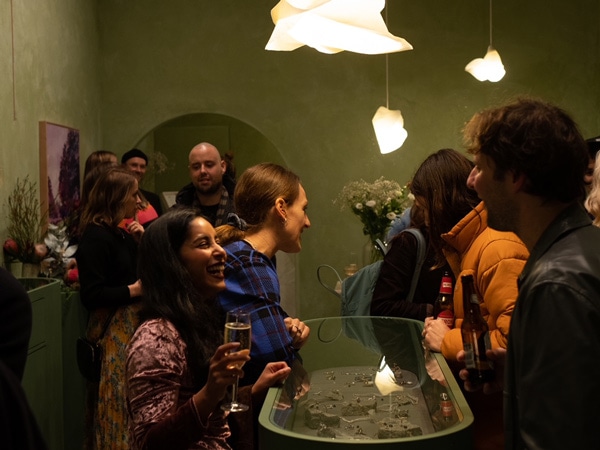
People gathering at Comune Gallery on High Street, Melbourne
Customers can commission bespoke rings, necklaces, earrings and bangles.

12. Mutual Muse, Northcote

This Northcote consignment store regularly wins rave reviews for its inclusive sizing, carefully edited seasonal collection, and refusal to sell anything from a fast fashion chain.

Beyond clothing, you can peruse second-hand sunglasses, jewellery, shoes and accessories.

The shop itself is also a beautiful space to wander: the changing room’s brick walls are doused in a smoky pistachio green; pendant lights hang from the ceiling; and a mesmerising painting by First Nations artist Adam Leng sits in pride of place above the shop counter.
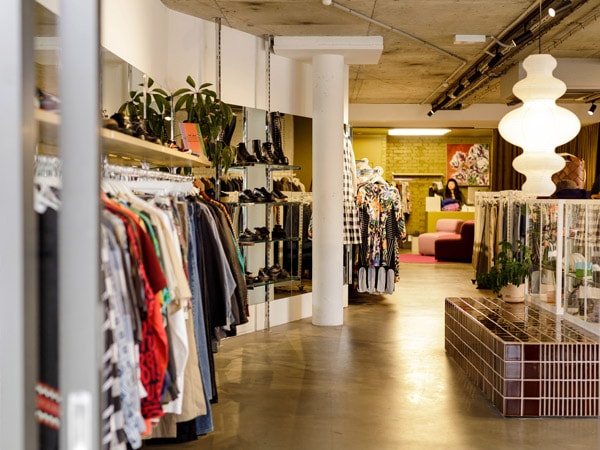
Inside Mutual Muse store
Mutual Muse bans fast fashion from its store.

See also: Use-Ta! a Thornbury store selling pre-loved clothing for babies and kids, as well as maternity wear.

Weekly travel news, experiences
insider tips, offers, and more.

13. Casa Nata, Thornbury

Find me a better Portuguese Tart outside of Portugal and I’ll eat my Akubra.
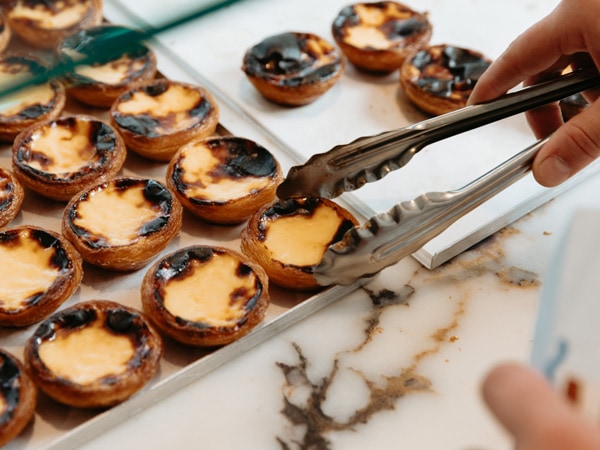
picking up Portuguese tarts using a tong in Casa Nata, Thornbury
Casa Nata serves authentic Portuguese tarts in Melbourne. (Image: Kate Shanasy)

Drinks aside, Casa Nata sells nothing but these moreish little treats, sunny circles of custard freckled with black caramelised sugar and encased in crunchy, yielding shells of puff pastry. Watch the pastry chefs in action from behind the glass, as you devour one (or three).
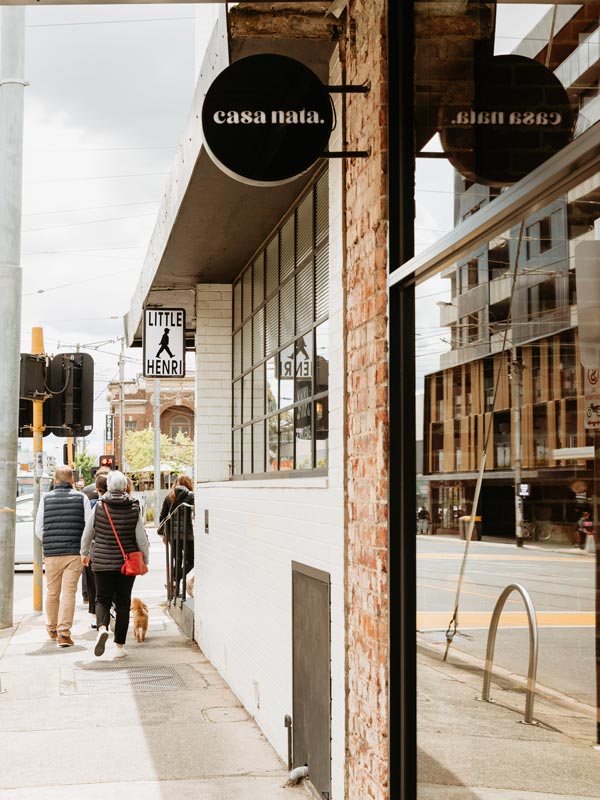
Street view of Casa Nata in Melbourne
You can watch the pastry chefs in action from behind the glass at Casa Nata. (Image: Kate Shanasy)

14. Big Dreams, Northcote

A self-described ‘children’s emporium’, Big Dreams is a wonderland full of toys, clothes, toiletries and books sourced from some of the globe’s best boutique labels. Their curated collection includes eco-friendly names and old-school games.

15. Northcote Social Club, Northcote

A pub for all occasions, is there nothing NSC can’t do? Live music is a defining feature of this Northcote stalwart, but the pub grub served here is well beyond your average boozer, the menu spanning from a classic Angus beef burger to crispy skin barramundi with a lemon and chive butter dressing, to vegan-friendly coconut and eggplant kasundi, plus daily specials and plenty of options for kids.
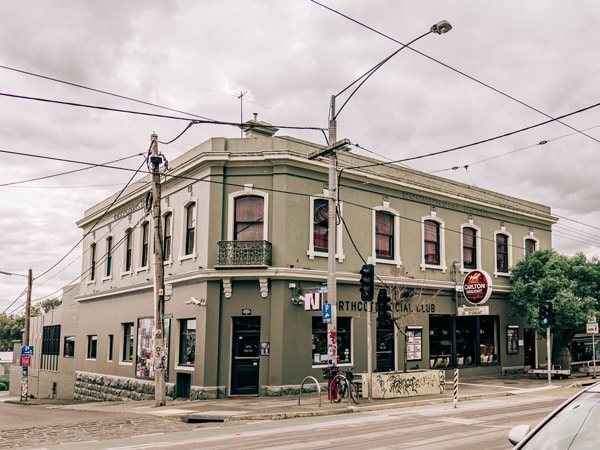
Northcote Social Club exterior
Northcote Social Club is a pub for all occasions.

There are plenty of different areas to settle in for a drink too. A cosy front bar with windows overlooking High Street and a beer garden out the back which features a deck in full sun, a raised little balcony that resembles a treehouse or cubby and a larger undercover area too.
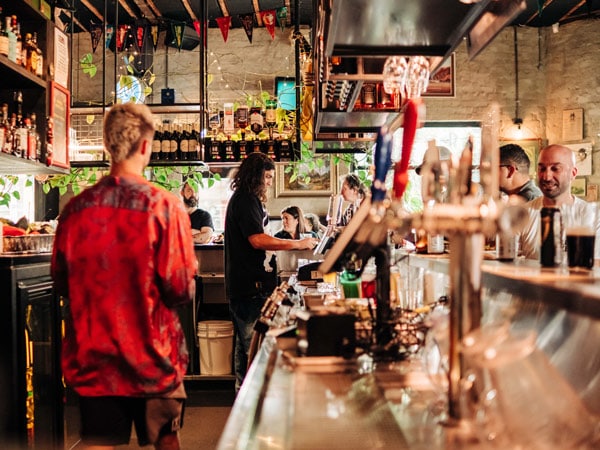
Front bar at Northcote Social Club
The cosy front bar overlooks High Street.

16. Rowdy’s Records, Northcote

There’s certainly no shortage of record shops in this neck of the woods. In fact, you’ll find another four almost within arm’s reach of Rowdy’s Records.

But this little corner store that sells new and used vinyl plus tapes, easily has the most ambience, not to mention plenty of merch, from tees to books. Occasionally you’ll find a live gig happening in the ‘bookstore’ at the back too.

17. Carwyn Cellars, Thornbury

Beer lovers should make a beeline for this independent bottle shop and beer garden, which is something of a northern landmark. Carwyn Cellars has long championed craft producers, purveying both the best in Australian lagers, ales and stouts, as well as hard-to-find international labels across its two dozen-plus taps.
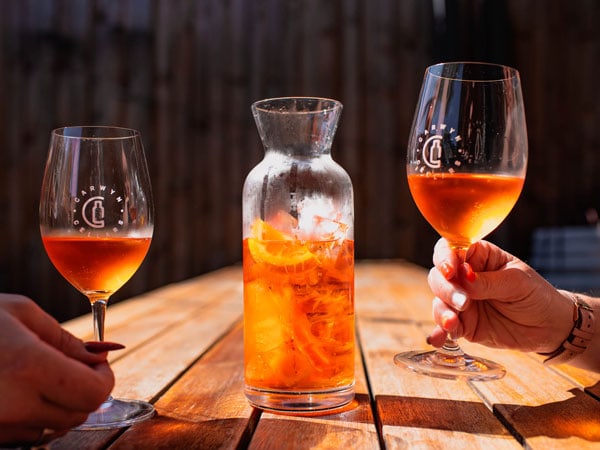
Carwyn Cellars Aperol spritz
Soak up the sun with a spritz. (Image: Carwyn Cellars)

Carwyn frequently runs collabs with local brewers, as well as events and beer subscriptions and gift boxes. While this Thornbury venue is renowned for its beer offering, there’s a fine selection of wine and spirits available too.
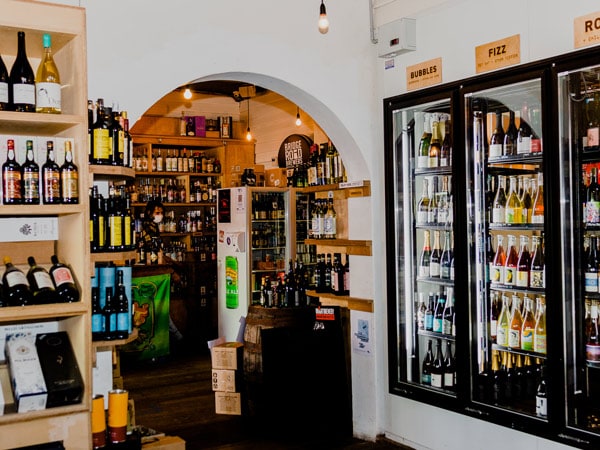
the bottleshop at Carwyn Cellars, Thornbury
Choose from an array of wines and spirits. (Image: Carwyn Cellars)

18. Welcome to Thornbury, Thornbury

A food truck park meets sun-drenched beer garden meets arcade, Welcome to Thornbury is an obvious crowd-pleaser. Kids, dogs, young, old: everyone’s welcome at this inner north oasis, which comes alive on summer evenings.
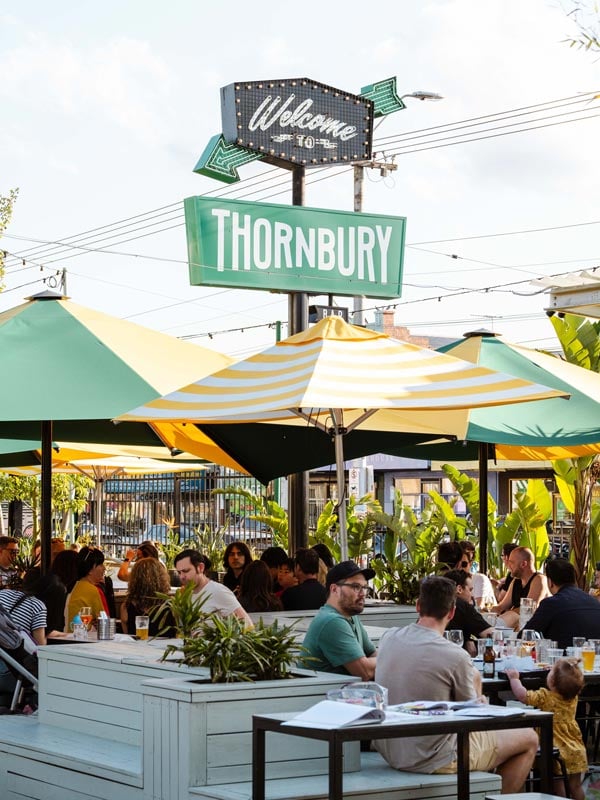
Welcome to Thornbury in Melbourne
Make a beeline for this inner north oasis.

Pull up a pew outside under a striped parasol, pint in hand, and you might enjoy live music as the sun settles below the horizon and the string lights flick on.
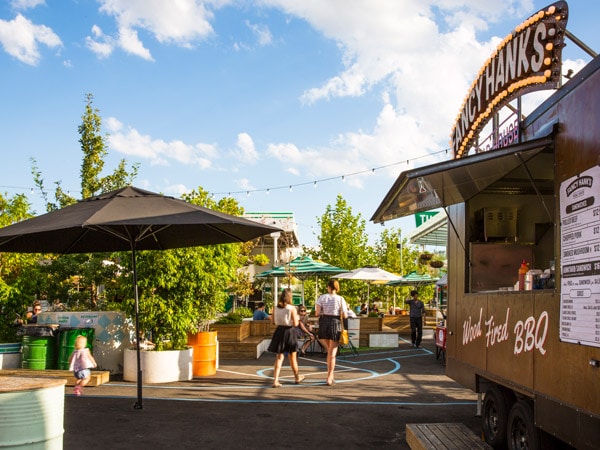
Welcome to Thornbury, Northcote, Melbourne
The food truck park and beer garden is a lively spot to visit in the summer months. (Image: Visit Victoria)

19. Preston Market, Preston

Backing onto High Street, this sprawling indoor market is not some chic, sleek space. Rather, Preston Market is a lively, well-loved local institution that proudly parades the area’s rich multicultural heritage, with most of the traders continuing the legacy of their small family business.

Here you’ll find Croatian-run deli counters, a handful of Asian grocers, a Greek fishmonger as well as Turkish borek, hot jam doughnuts and an Indian stall that turns out devilishly good samosas. Despite repeated threats of redevelopment, locals have banded together to ward off unwelcome change at this rustic spot, which dates back to the 1970s.

20. Field Black, Northcote

You’re never far from a good coffee in this neck of the woods. But if you’re after a consistently great flat white or long black, then you’ve come to the right place.

Owned and run by cousins Andra and Andy, Field Black is a triple threat, delivering on coffee, decadent brunch dishes and a personable, warm welcome.
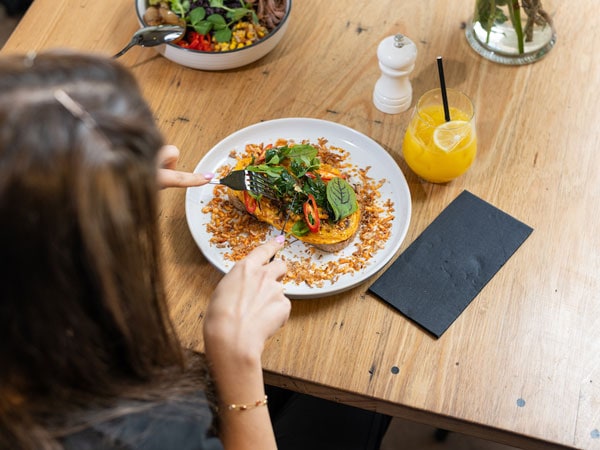
Woman dines at Field Black
The service at Field Black matches the excellent coffee and brunch offerings.

Want to see more stories from Australian Traveller in your Google search results?

  1. Click here to set Australian Traveller as a preferred source.
  2. Tick the box next to "Australian Traveller". That's it.
Chloe Cann
Chloe Cann is an award-winning freelance travel and food writer, born in England, based in Melbourne and Roman by adoption. Since honing her skills at City St George's, University of London with a master's degree in journalism, she's been writing almost exclusively about travel for more than a decade, and has worked in-house at newspapers and travel magazines in London, Phnom Penh, Sydney and Melbourne. Through a mixture of work and pleasure, she's been fortunate enough to visit 80 countries to date, though there are many more that she is itching to reach. While the strength of a region's food scene tends to dictate the location of her next trip, she can be equally swayed by the promise of interesting landscapes and offbeat experiences. And with a small person now in tow, travel looks a little different these days, but it remains at the front of her mind.
View profile and articles
hero media

Inside Geelong’s glow-up from factory town to creative capital

    Chloe Cann Chloe Cann
    Abandoned mills and forgotten paper plants are finding second lives – and helping redefine a city long underestimated. 

    Just 15 years ago, Federal Mills was a very different place. Once among the most significant industrial sites in Victoria, the historic woollen mill was one of a dozen that operated in Geelong at the industry’s peak in the mid-20th century, helping the city earn its title as ‘wool centre of the world’. But by the 1960s global competition and the rise of synthetic fabrics led to the slow decline of the industry, and Federal Mills finally shuttered its doors in 2001. Within a few years, the abandoned North Geelong grounds had become makeshift pastoral land, with cows and goats grazing among the overgrown grass between the empty red-brick warehouses. It was a forgotten pocket of the city, all but two klicks from the bustle of the CBD.  

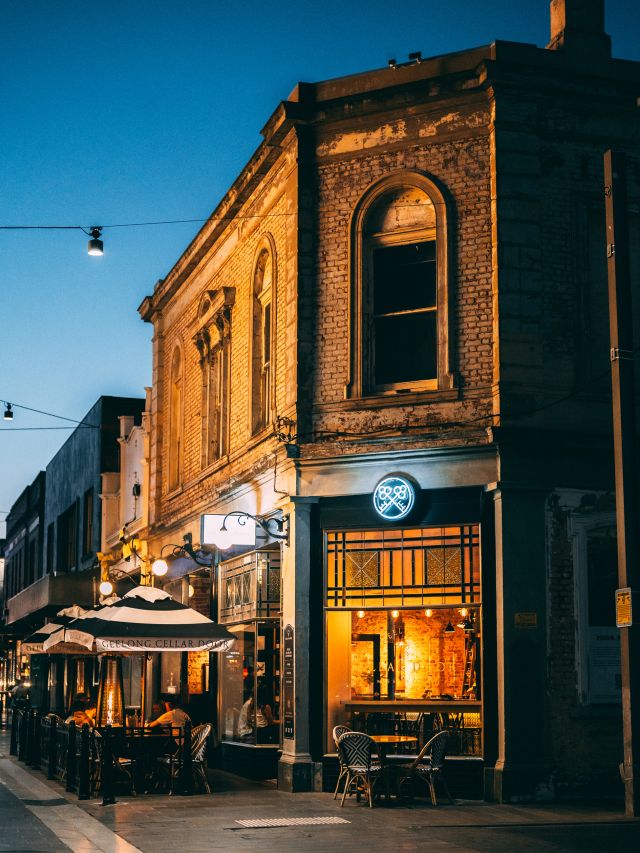
    Geelong cellar door wine bar
    Geelong has shed its industrial identity to become an innovative urban hub with reimagined heritage spaces. (Image: Ash Hughes)

    Federal Mills: from forgotten factory to creative precinct 

    Today, the century-old complex stands reborn. The distinctive sawtooth-roof buildings have been sensitively restored. An old silo is splashed with a bright floral mural, landscapers have transformed the grounds, and the precinct is once again alive with activity. More than 1000 people work across 50-plus businesses here. It’s so busy, in fact, that on a sunny Thursday morning in the thick of winter, it’s hard to find a car park. The high ceilings, open-plan design, and large multi-paned windows – revolutionary features for factories of their time – have again become a drawcard.  

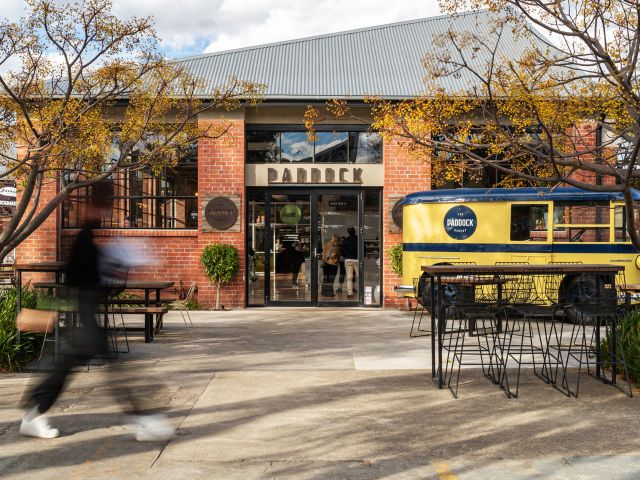
    Paddock Bakery andPatisserie
    Paddock Bakery and Patisserie is housed within the historic wool factory. (Image: Gallant Lee)

    At Paddock, one of the precinct’s newer tenants, weaving looms and dye vats have been replaced by a wood-fired brick oven and heavy-duty mixers. Open since April 2024, the bakery looks right at home here; the building’s industrial shell is softened by ivy climbing its steel frames, and sunlight streams through the tall windows. Outside, among the white cedar trees, families at picnic benches linger over dippy eggs and bagels, while white-collar workers pass in and out, single-origin coffee and crème brûlée doughnuts in hand. 

    Geelong: Australia’s only UNESCO City of Design 

    Paddock Bakery
    Paddock Bakery can be found at Federal Mills. (Image: Gallant Lee)

    “A lot of people are now seeing the merit of investing in Geelong,” says Paul Traynor, the head of Hamilton Hospitality Group, which redeveloped Federal Mills. A city once shunned as Sleepy Hollow, and spurned for its industrial, working-class roots and ‘rust belt’ image, Geelong has long since reclaimed its ‘Pivot City’ title, having reinvented itself as an affordable, lifestyle-driven satellite city, and a post-COVID migration hotspot.  

    And the numbers stand testament to the change. In March 2025, and for the first time in its history, Greater Geelong became Australia’s most popular regional town for internal migration, overtaking Queensland’s Sunshine Coast. Current forecasts suggest Geelong will continue to outpace many other Australian cities and towns, with jobs growing at double the rate of the population.

    Tourism is booming, too. The 2023-24 financial year was Geelong and The Bellarine region’s busiest on record, with 6.4 million visitors making it one of the fastest-growing destinations in the country. It’s not hard to see why: beyond the city’s prime positioning at the doorstep of the Great Ocean Road, Geelong’s tenacity and cultural ambition stands out.  

    As Australia’s only UNESCO City of Design, Geelong is swiftly shaking off its industrial past to become a model for urban renewal, innovation, sustainability and creative communities. The signs are everywhere, from the revitalisation of the city’s waterfront, and the landmark design of the Geelong Library and Heritage Centre and Geelong Arts Centre, to the growing network of local designers, architects and artists, and the burgeoning roster of festivals and events. That’s not even mentioning the adaptive reuse of storied old industrial buildings – from Federal Mills, to Little Creatures’ brewery ‘village’ housed within a 1920s textile mill – or the city’s flourishing food and wine scene.  

    The rise of a food and wine destination  

    boiler house
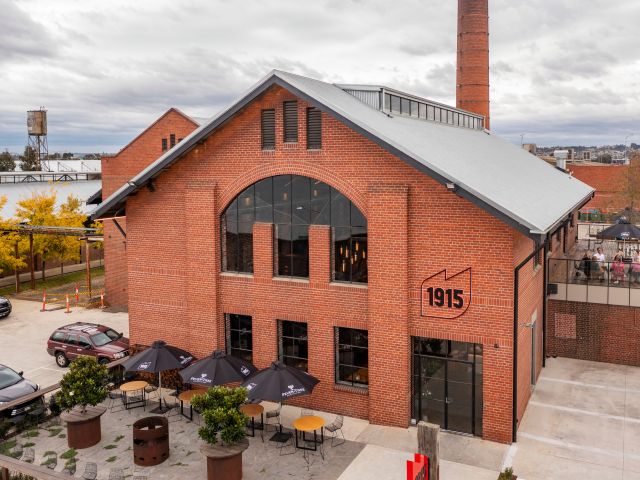
    Restaurant 1915 is housed within a restored former boiler house. (Image: Harry Pope/Two Palms)

    Traynor credits now-closed local restaurant Igni, which opened in 2016, as the turning point for Geelong’s hospo industry. “[Aaron Turner, Igni’s chef-patron] was probably the first guy, with all due respect, to raise the bar food-wise for Geelong,” he says. “People now treat it really seriously, and there’s clearly a market for it.” While Igni is gone, Turner now helms a string of other notable Geelong venues, including The Hot Chicken Project and Tacos y Liquor, all within the buzzy, street art-speckled laneways of the CBD’s Little Malop Street Precinct. Many others have also popped up in Igni’s wake, including Federal Mills’ own restaurant, 1915. Housed within the cavernous boiler house, 1915’s interior is dramatic: soaring, vaulted ceilings with timber beams, exposed brick, a huge arched window. The share plates echo the space’s bold character, playing with contrast and texture, with dishes such as a compressed watermelon tataki, the sweet, juicy squares tempered by salty strands of fried leeks, and charred, smoky snow peas dusted with saganaki on a nutty bed of romesco. 

    Woolstore
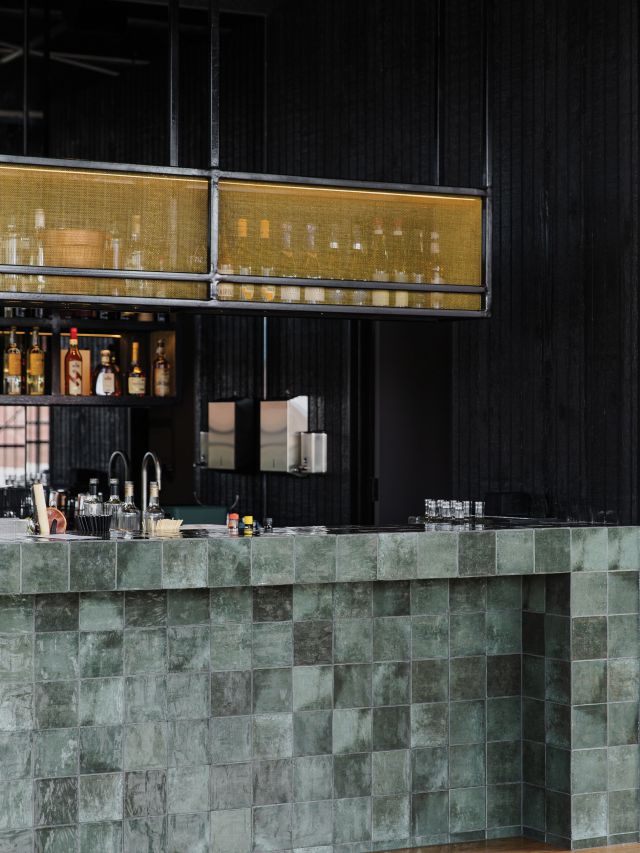
    The Woolstore is a new restaurant and bar housed within a century-old warehouse. (Image: Amy Carlon)

     The Woolstore, one of The Hamilton Group’s most recent hospo projects, opened in February. It occupies a century-old riverside warehouse and exudes a more sultry, fine dining ambience. Much like Federal Mills, the blueprint was to preserve the original brickwork, tallowwood flooring and nods to the building’s former life. That same careful consideration extends to the well-versed, affable waitstaff as well as the kitchen. Head chef Eli Grubb is turning out an eclectic mix of ambitious and indulgent mod Oz dishes that deliver: strikingly tender skewers of chicken tsukune, infused with hints of smoke from the parrilla grill, and glazed with a moreish, sweet gochujang ‘jam’; nduja arancini fragrant with hints of aniseed and the earthy lick of sunny saffron aioli; and golden squares of potato pavé, adorned with tiny turrets of crème fraîche, crisp-fried saltbush leaves, and Avruga caviar, to name but a few stand-out dishes.  

    Woolstore menu
    Woolstore’s menu is designed for sharing.

    Breathing new life into historic spaces  

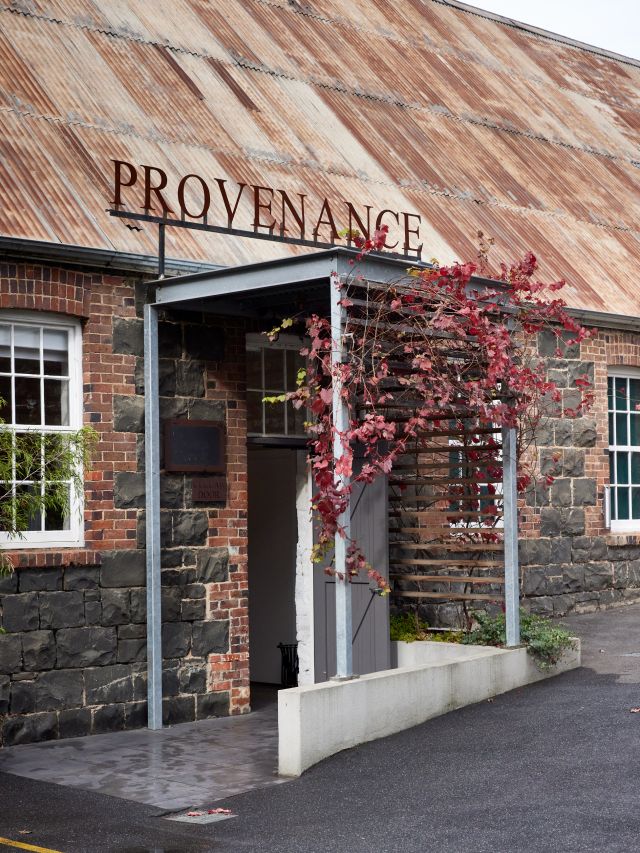
    On the city’s fringe, hidden down a winding side road with little fanfare, lies a long-dormant site that’s being gently revived. Built from locally quarried bluestone and brick, and dating back to the 1870s, the complex of original tin-roofed mill buildings is lush with greenery and backs onto the Barwon River and Buckley Falls; the audible rush of water provides a soothing soundtrack. Fyansford Paper Mill is one of few complexes of its time to survive intact. It feels steeped in history and spellbindingly rustic.  

    “We were looking for an old industrial place that had some charm and romance to it,” explains Sam Vogel, the owner, director and winemaker at Provenance Wines which moved here in 2018. When he first viewed the building with his former co-owner, it was in such a state of disrepair that the tradie tenant occupying the space had built a shed within it to escape the leaking roof and freezing winter temperatures. “To say it was run down would be an understatement,” he notes. “There was ivy growing through the place; the windows were all smashed. It was a classic Grand Designs project.” 

    Provenance Wines
    Provenance Wines moved to Fyansford Paper Mill in 2018. (Image: Cameron Murray Photography)

    The team has since invested more than a million dollars into their new home. Where paper processing machinery once sat, wine barrels are now stacked. Vaulted cathedral ceilings are strung with festoon lights, and hidden in plain sight lies a shadowy mural by local street artist de rigueur Rone – one of only three permanent works by the artist.

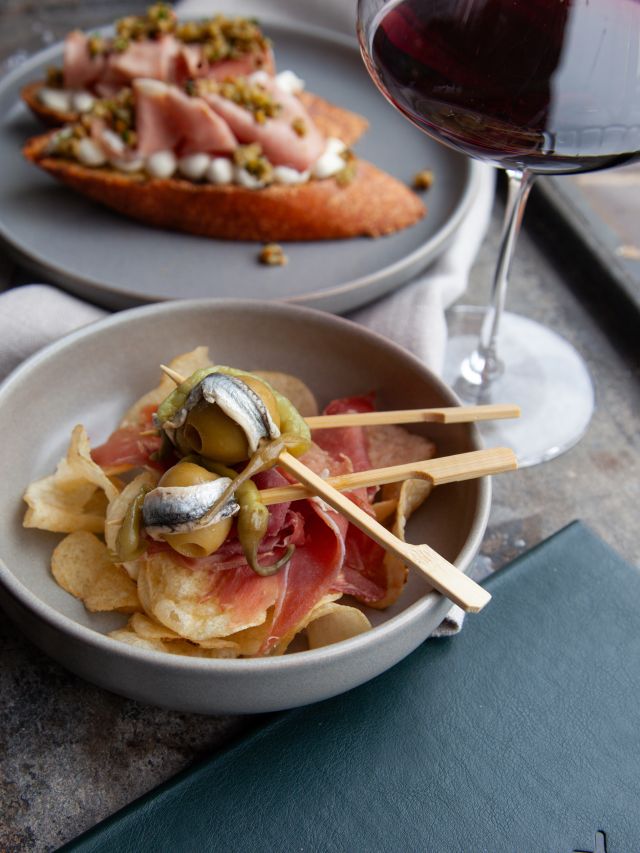
    While the award-winning, cool-climate pinot noir, riesling and chardonnay naturally remain a key draw at Provenance, the winery’s restaurant is a destination in itself. Impressed already by whipsmart service, I devour one of the most cleverly curated and faultlessly executed degustations I’ve had in some time. It’s all prepared in a kitchen that is proudly zero-waste, and committed to providing seasonal, ethical and locally sourced meat and produce under head chef Nate McIver. Think free-range venison served rare with a syrupy red wine jus and a half-moon of neon-orange kosho, shokupan with a deeply savoury duck fat jus (a modern Japanese take on bread and drippings), and a golden potato cake adorned with a colourful confetti of dehydrated nasturtiums and tomato powder, and planted atop a sea urchin emulsion.  

    handcrafted pieces
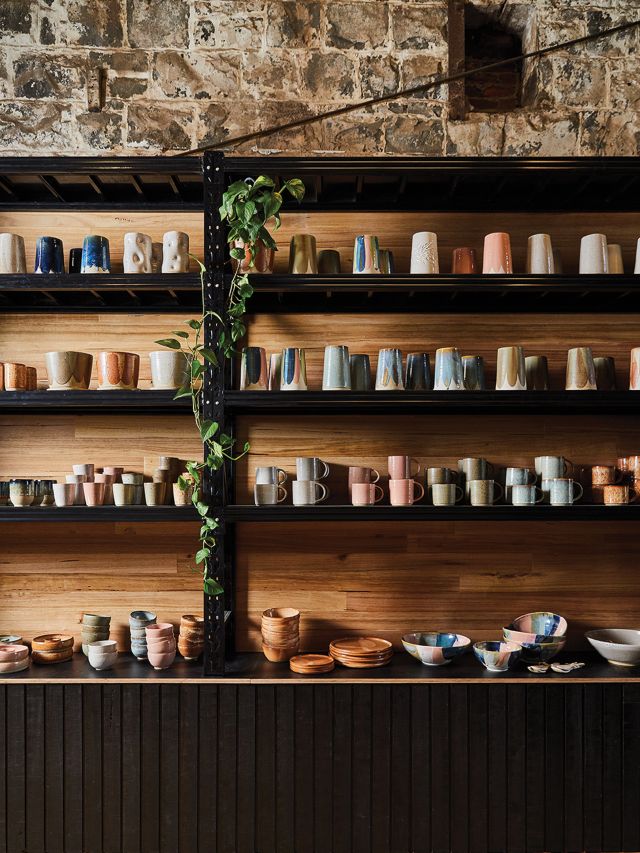
    Bell’s handcrafted functional pieces on display.

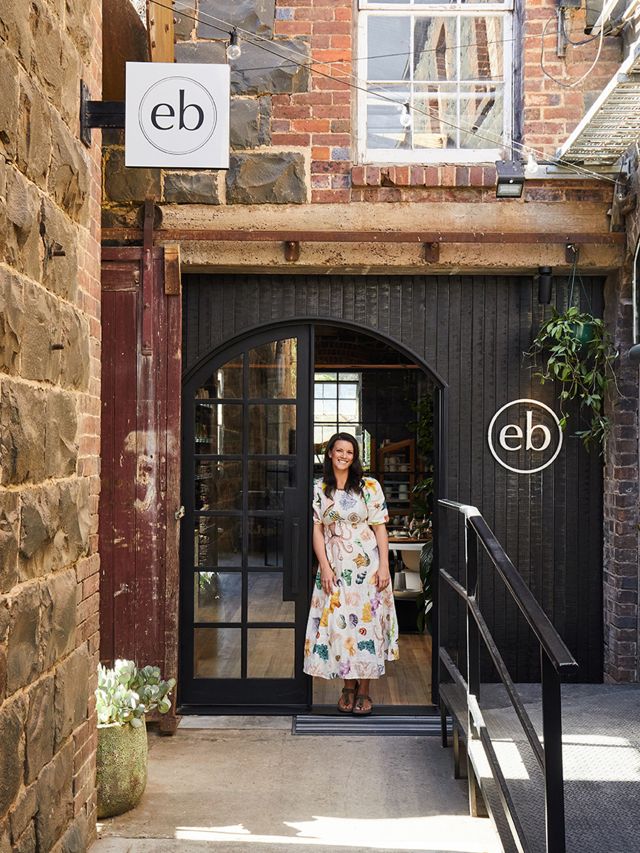
    The complex is home to a coterie of independent businesses, including a gallery, a jeweller, and its latest tenant, ceramicist Elizabeth Bell, drawn here by the building’s “soul”. “There’s so much potential for these buildings to have new life breathed into them,” says Bell, whose studio is housed within the old pump room. “Even people in Geelong don’t know we’re here,” she says. “It’s definitely a destination, but I like that. It has a really calming atmosphere.”  

    A Melbourne transplant, Bell now feels at home in Geelong, which offers something Melbourne didn’t. “If this business was in Melbourne I don’t think it would’ve been as successful,” she notes. “It’s very collaborative in Geelong, and I don’t think you get that as much in Melbourne; you’re a bit more in it for yourself. Here it’s about community over competition.”  

    Elizabeth Bell
    Ceramicist Elizabeth Bell has a store in Fyansford Paper Mill.