11 incredible wonders in Victoria to explore

Editor Editor
hero media
Australia is full of wonders, from icons to the lesser known. Here, we’ve curated 11 wonders from our 100 list that Victoria gets to call its very own.

This article is part of our 100 Australian Wonders series. Throughout the series, we explore our nation’s wonders across culture, nature, food, islands and many more. We hope it inspires your own exploration of Australia’s many wonders.

1. Great Ocean Road

Travelling with: Megan Arkinstall

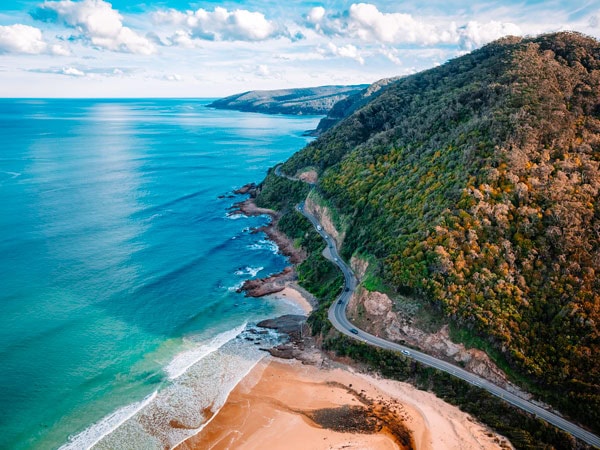
As far as road trips go, Victoria’s Great Ocean Road has earned its icon status. The 240-kilometre stretch that follows the windswept Southern Ocean was built as a utilitarian memorial to First World War servicemen.
the rock stacks at the 12 Apostles
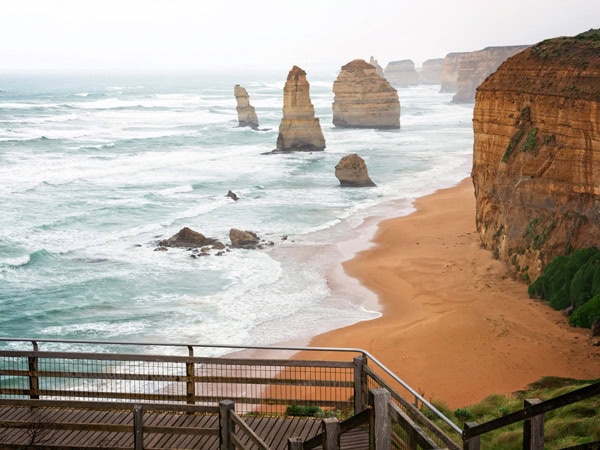
Marvel at the 12 Apostles limestone stacks off the coast of Port Campbell National Park. (Image: Tourism Australia)

Start your road trip in world-renowned surfing mecca Bells Beach, so the ocean is to your left for the best views. Take your time with stops in quaint towns such as Lorne and Apollo Bay. Add in detours to see the lush rainforest and waterfalls of the Otways, before reaching the star attraction, the 12 Apostles.

But don’t stop there: the charming fishing village of Port Fairy and historic Warrnambool on the western Shipwreck Coast are worth the extra kilometres.
an aerial view of the beach by the Great Ocean Road
Wind down the Great Ocean Road for the best views. (Image: Salty Wings)

2. Silo Art Trail

Travelling with: Carla Grossetti

Australia’s largest outdoor gallery bounces between silo towers in Brim all the way to Horsham in the Grampians/Gariwerd (itself prime road trip country). The scale of the structures alone makes the Silo Art Trail one of Victoria’s iconic attractions.

The murals provide visitors with a window into the Wimmera Mallee region. Driving from Melbourne, the trail starts in Rupanyup where Russian mural artist Julia Volchkova depicts youth culture in rural Victoria in a stunning artwork that wraps around the curved walls of concrete.
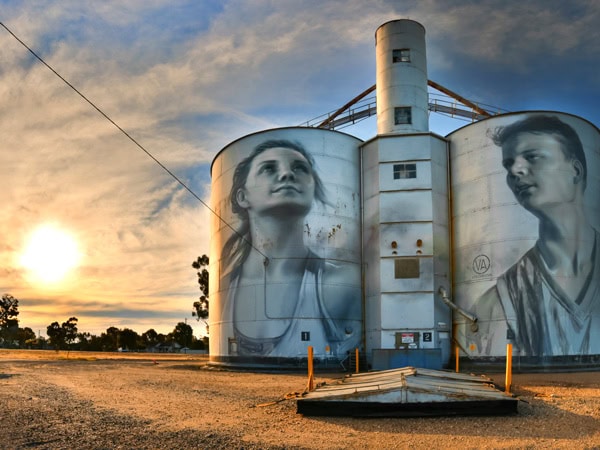
the youth mural of Julia Volchkova in rural Victoria
Russian mural artist Julia Volchkova depicts youth culture in rural Victoria. (Image: Anne Preston)

3. Prosecco Road

Travelling with: Jo Stewart

Fans of drinking Australian fizz would be familiar with the King Valley, the country’s home of prosecco.
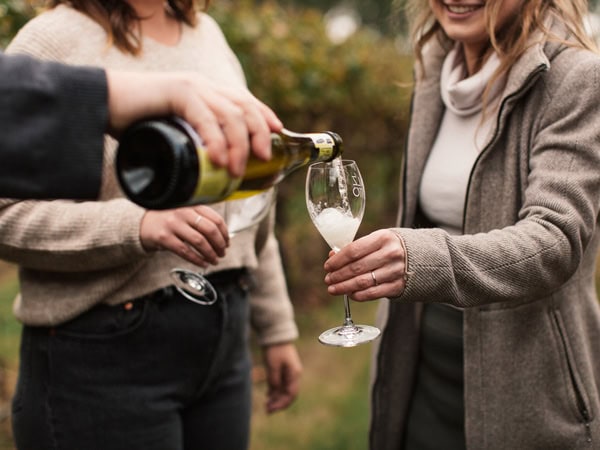
two females wine tasting at Dal Zotto wines on Prosecco Road
Sample Dal Zotto wines on Prosecco Road. (Image: Tourism Australia)

Many of the nation’s most renowned and productive prosecco producers – including Brown Brothers, Dal Zotto and Pizzini Wines – are linked by a picturesque stretch known as ‘Prosecco Road’.

Use your car or hire an e-bike to experience tastings, pairing masterclasses, long lunches or even yoga in the vines in this welcoming corner of Victoria’s High Country, where you’ll be bowled over by cracking-good sparkling wines and old-fashioned Australian hospitality.
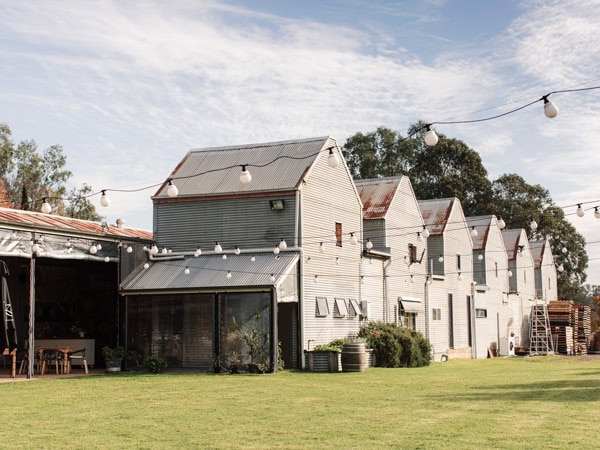
the winery exterior of Pizzini Wines
The family-owned Pizzini Wines specialises in Italian wines. (Image: Tourism Australia)

4. Bendigo’s art scene

Travelling with: Imogen Eveson

Five years ago, Bendigo was designated Australia’s first-ever UNESCO Creative City and Region of Gastronomy. In recent years, the old gold rush town has become an epicentre of art and design, thanks to Bendigo Art Gallery.

The regional art centre has carved a niche for itself by securing blockbuster fashion and design exhibitions including The Golden Age of Couture; Grace Kelly: Style Icon; Marilyn Monroe and Elvis: Direct from Graceland, with activations that percolate throughout town.

In 2024, the city is having a Paris moment. Paris: Impressions of Life 1880-1925 is exclusive to Bendigo Art Gallery and includes a French-inspired program of festivities and experiences, culminating in a Bastille Day celebration on 14 July.
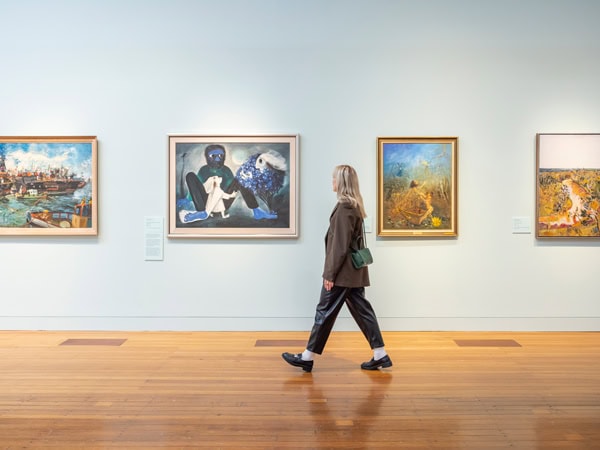
a woman strolling inside the Bendigo Art Gallery
Blockbuster art and design exhibitions are a regular occurrence at Bendigo Art Gallery. (Image: Two Palms Australia)

Need tips, more detail or itinerary ideas tailored to you? Ask AT.

AI Prompt

5. Flinders Street Photo Booth

Travelling with: Jo Stewart

This Melbourne photographic institution has been capturing young love, late-night shenanigans, pet portraits and spontaneous solo shots long before selfies were a thing.

New owners have recently taken over the Flinders Street Photo Booth, previously run by the same man for five decades, to keep the candid, black-and-white print photography tradition alive in the digital age.

A documentary is in the works and an exhibition honouring the beloved booth is due to run at the Centre for Contemporary Photography in Fitzroy. Laying claim to being Melbourne’s oldest photo booth, this accidentally iconic time capsule even has its own Instagram account.
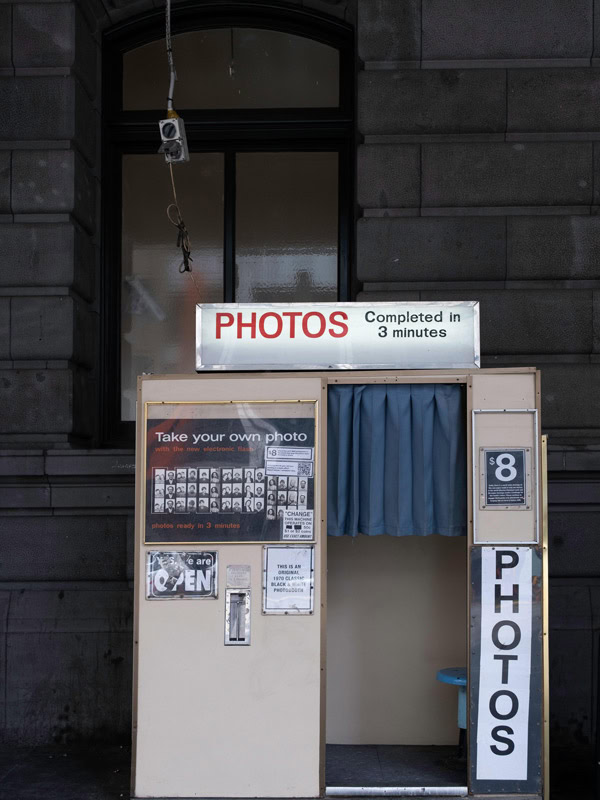
the Flinders Street Photo Booth in Vic
Capture a piece of history in the Flinders Street Photo Booth. (Image: Alamy Stock Photo/Henk Vrieselaar)

6. Melbourne’s laneways

Travelling with: Christine Aldred

Tucked away in Melbourne’s CBD, a myriad of lanes and alleyways overflows with hole-in-the-wall cafes, hidden bars, boutiques, quirky stores and great eats, from steaming dumplings to high-end dining.

These lanes are more than shortcuts, they’re pulsing urban hotspots and destinations in themselves. Living galleries too, their walls provide canvases for artists to make their mark or tell tales of the city’s history and culture: rock’n’roll stories in AC/DC Lane, graffiti scrawled in grungy cobblestoned Hosier Lane and ever-changing murals in Chinatown’s Croft Alley, just for starters.

And we haven’t even mentioned the historic glass-topped arcades. Explore on your own or let a local lead the way.
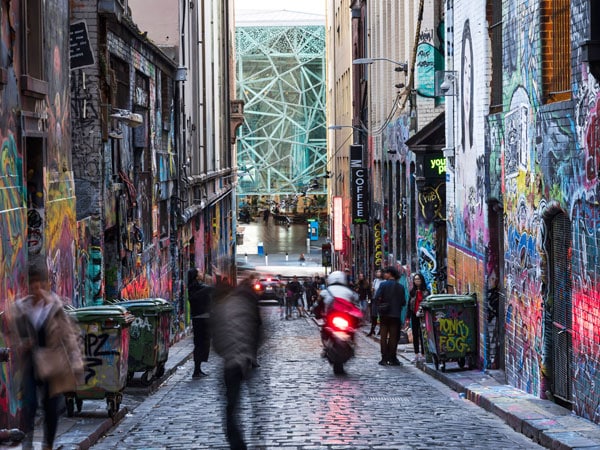
walking along Melbourne’s vibrant laneways filled with graffiti art on walls
Get lost in Melbourne’s vibrant laneways. (Image: Visit Victoria)

7. Little penguins of Phillip Island

Travelling with: Imogen Eveson

Every night at sunset, the Penguin Parade begins on Phillip Island. As the sun paints the sky and limited numbers of hopeful onlookers try not to make a noise, the largest colony of little penguins in the world starts to waddle their way from a day spent roaming the ocean back to their burrows on Summerland Beach.
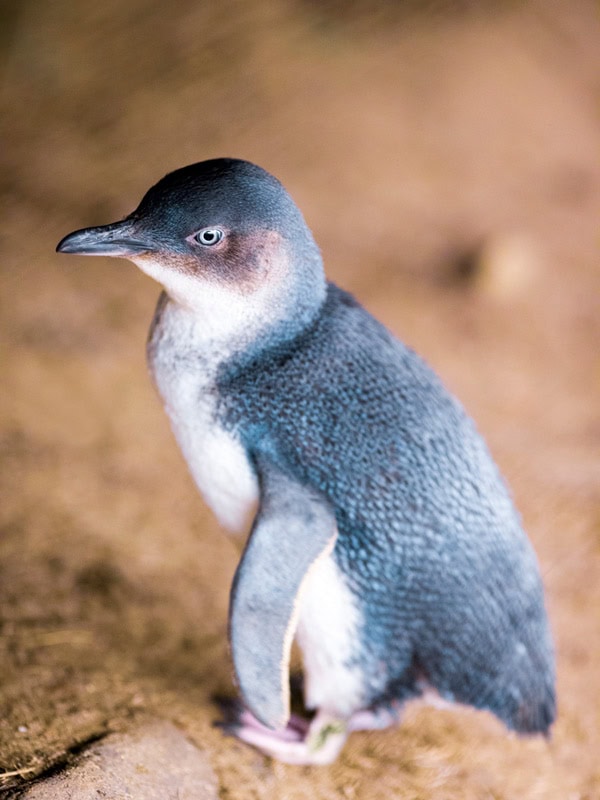
a little penguin on Phillip Island, Vic
See a little penguin on Phillip Island. (Image: Phillip Island Nature Parks/ Visit Victoria)

An hour is quickly over as these tiny seabirds go about their nightly routine, a fun and adorable experience that also contributes to vital conservation, research and education programs that keep little penguins thriving.
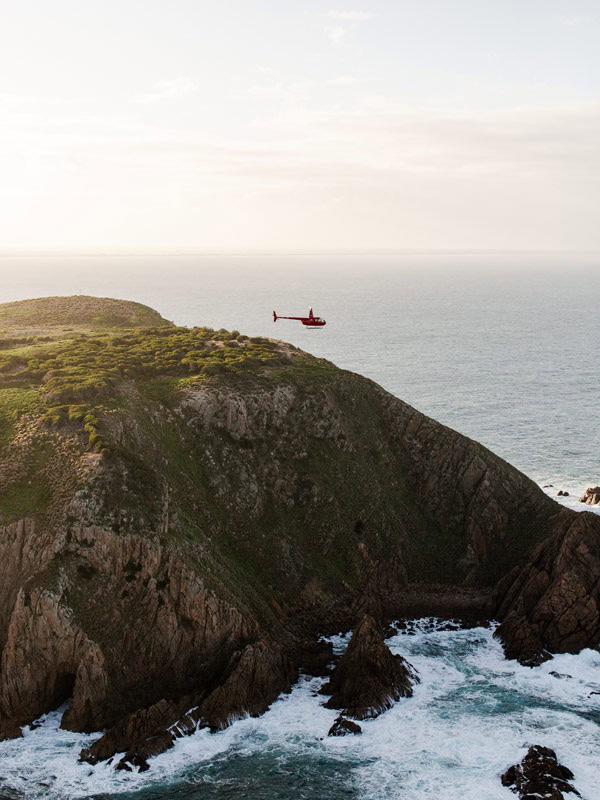
a helicopter above Phillip Island
The wonders of Phillip Island can also be witnessed from above. (Image: Tourism Australia/ The View From Here)

8. Royal Exhibition Building Dome Promenade

Travelling with: Jo Stewart

Melbourne’s UNESCO Heritage-listed Royal Exhibition Building is often admired from afar. But visitors were finally welcomed to experience the incredible Dome Promenade and vistas of Melbourne’s skyline in 2022, a view unseen by most for 100 years.

Apart from being an architectural triumph, this grand landmark, completed in 1880, holds a wealth of significant stories crucial to Melbourne’s cultural and social history.

Book a tour to get a rare perspective of this enduring wonder that’s dominated inner Melbourne’s streetscape since its early days.
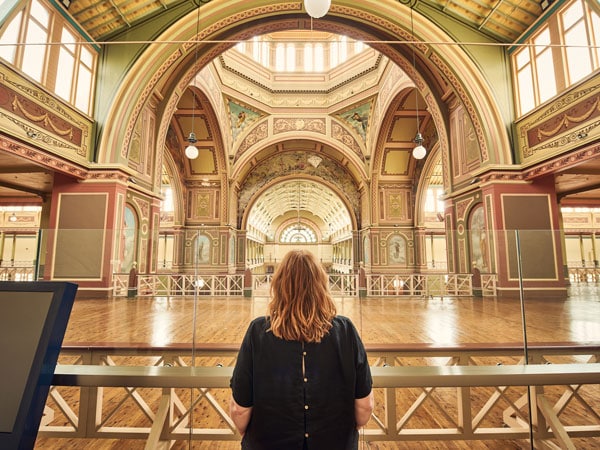
a woman standing inside Royal Exhibition Building Dome Promenade, Vic
Take in the grandeur and allure of the Royal Exhibition Building. (Image: Eugene Hyland/ Museums Victoria)

Weekly travel news, experiences
insider tips, offers, and more.

9. Australian Music Vault

Travelling with: Jo Stewart

You’ll find a compact celebration of Australian music in a quiet corner of the Arts Centre Melbourne. Home to a well-curated collection of instruments, clothing, posters, props and other ephemera, it’s free to enter this vault dedicated to the Aussie entertainers who have made their mark on the world.
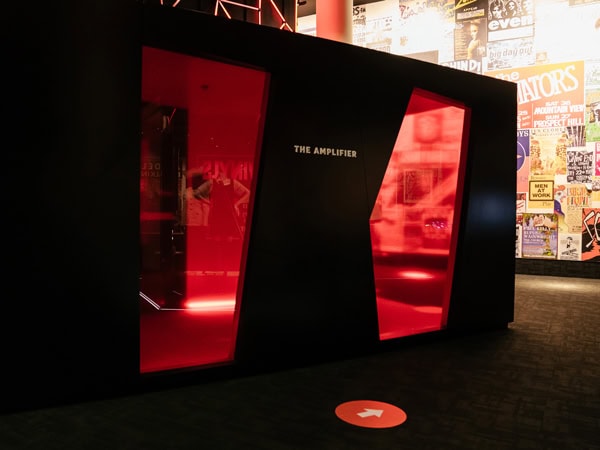
the AustralianMusic Vault in Vic
Amplify your love of music at the Australian Music Vault. (Image: Arts Centre Melbourne)

From Nick Cave’s notebook to outfits worn by Kylie Minogue and a battered, old suitcase (complete with faded Ansett tags) that once belonged to multi-instrumentalist Warren Ellis, this nostalgic walk down memory lane will pull at  your heartstrings whether you’re a fan of grunge, pop, punk or pub rock.
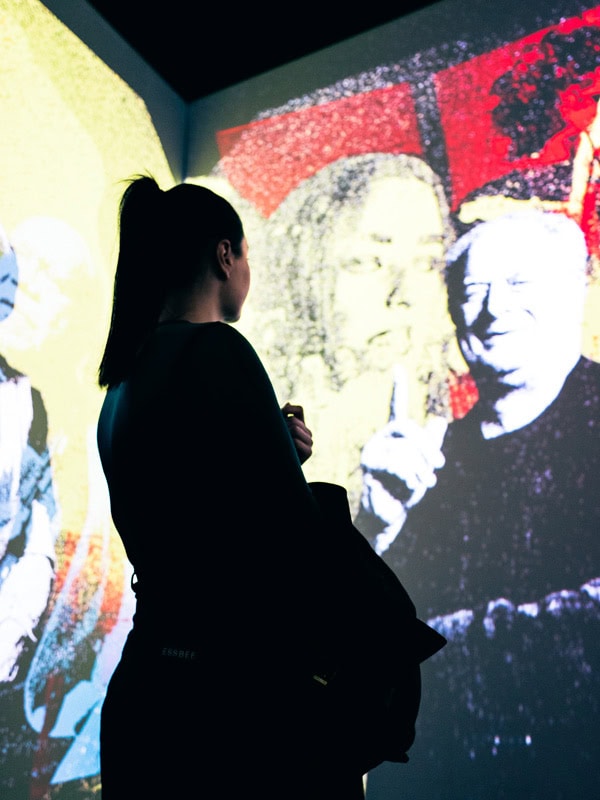
a woman admiring the exhibition dedicated to Mushroom Records
Make some noise for the exhibition dedicated to Mushroom Records. (Image: Georgia Roberts)

10. Australian Open

Travelling with: Carla Grossetti

Sporting fans descend on the Victorian capital each year to watch the highest-ranking players of the game thwack the ball back and forth over the net.

But it’s not just about watching the sport’s superstars battle it out in centre court for the title of the Australian Open. There’s the Champagne. The fashion. The people-watching. The unlikely wild cards. The off-court culture. The ball boys kneeling by the net. And of course, the tension felt in the crowd as a hard-fought game reaches break point.

Expect style queen Zendaya’s new steamy rom-com film Challengers (about a prodigy turned pro) to lure even more fans to the annual event.
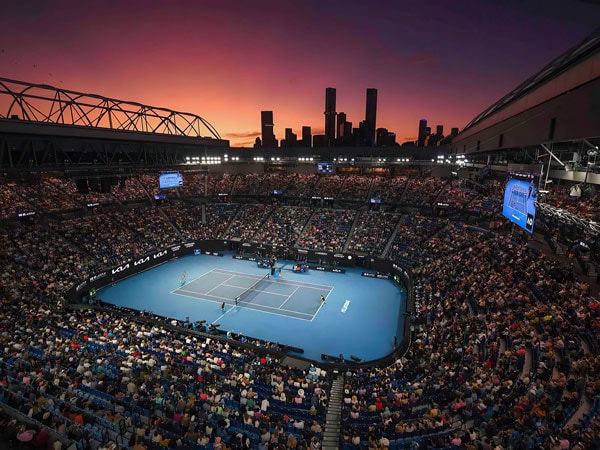
a crowded tennis venue at The Australian Open
The Australian Open is just the ticket for tennis fans. (Image: Morgan Hancock)

11. Budj Bim Cultural Landscape

Travelling with: Lara Picone

The Gunditjmara people of south-west Victoria could tell you a thing or two, not least about how to catch a kooyang (eel). With a shared cultural knowledge that stretches back for at least 30,000 years (but likely far more), their Country is home to the Budj Bim Cultural Landscape, listed by UNESCO as a World Heritage site that encompasses the areas of the Budj Bim volcano, Tae Rak (Lake Condah) and Tyrendarra and is recognised as one of the largest and oldest aquaculture systems in the world.

To take a misty morning walk through the intricate dams and channels that were devised to trap eels, back to a time when megafauna roamed the continent, is a mind-blowing rewind back to the Pleistocene. Astonishingly, despite centuries of being stomped by cattle, the restored site remains as proof of humanity’s extraordinary continuity.
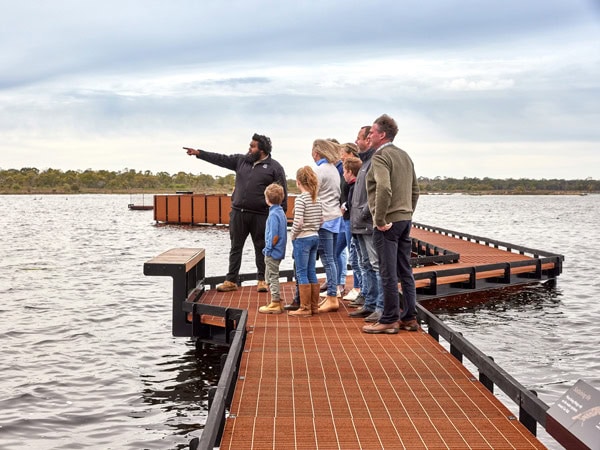
a group of people taking a cultural tour at Budj Bim Cultural Landscape
Take an Indigenous-led cultural tour of Budj Bim Cultural Landscape.
Keep reading our 100 Australian Wonders series; from road trips, outback and cultural wonders to foodie wonders and many more.
hero media

Inside Geelong’s glow-up from factory town to creative capital

    Chloe Cann Chloe Cann
    Abandoned mills and forgotten paper plants are finding second lives – and helping redefine a city long underestimated. 

    Just 15 years ago, Federal Mills was a very different place. Once among the most significant industrial sites in Victoria, the historic woollen mill was one of a dozen that operated in Geelong at the industry’s peak in the mid-20th century, helping the city earn its title as ‘wool centre of the world’. But by the 1960s global competition and the rise of synthetic fabrics led to the slow decline of the industry, and Federal Mills finally shuttered its doors in 2001. Within a few years, the abandoned North Geelong grounds had become makeshift pastoral land, with cows and goats grazing among the overgrown grass between the empty red-brick warehouses. It was a forgotten pocket of the city, all but two klicks from the bustle of the CBD.  

    Geelong cellar door wine bar
    Geelong has shed its industrial identity to become an innovative urban hub with reimagined heritage spaces. (Image: Ash Hughes)

    Federal Mills: from forgotten factory to creative precinct 

    Today, the century-old complex stands reborn. The distinctive sawtooth-roof buildings have been sensitively restored. An old silo is splashed with a bright floral mural, landscapers have transformed the grounds, and the precinct is once again alive with activity. More than 1000 people work across 50-plus businesses here. It’s so busy, in fact, that on a sunny Thursday morning in the thick of winter, it’s hard to find a car park. The high ceilings, open-plan design, and large multi-paned windows – revolutionary features for factories of their time – have again become a drawcard.  

    Paddock Bakery andPatisserie
    Paddock Bakery and Patisserie is housed within the historic wool factory. (Image: Gallant Lee)

    At Paddock, one of the precinct’s newer tenants, weaving looms and dye vats have been replaced by a wood-fired brick oven and heavy-duty mixers. Open since April 2024, the bakery looks right at home here; the building’s industrial shell is softened by ivy climbing its steel frames, and sunlight streams through the tall windows. Outside, among the white cedar trees, families at picnic benches linger over dippy eggs and bagels, while white-collar workers pass in and out, single-origin coffee and crème brûlée doughnuts in hand. 

    Geelong: Australia’s only UNESCO City of Design 

    Paddock Bakery
    Paddock Bakery can be found at Federal Mills. (Image: Gallant Lee)

    “A lot of people are now seeing the merit of investing in Geelong,” says Paul Traynor, the head of Hamilton Hospitality Group, which redeveloped Federal Mills. A city once shunned as Sleepy Hollow, and spurned for its industrial, working-class roots and ‘rust belt’ image, Geelong has long since reclaimed its ‘Pivot City’ title, having reinvented itself as an affordable, lifestyle-driven satellite city, and a post-COVID migration hotspot.  

    And the numbers stand testament to the change. In March 2025, and for the first time in its history, Greater Geelong became Australia’s most popular regional town for internal migration, overtaking Queensland’s Sunshine Coast. Current forecasts suggest Geelong will continue to outpace many other Australian cities and towns, with jobs growing at double the rate of the population.

    Tourism is booming, too. The 2023-24 financial year was Geelong and The Bellarine region’s busiest on record, with 6.4 million visitors making it one of the fastest-growing destinations in the country. It’s not hard to see why: beyond the city’s prime positioning at the doorstep of the Great Ocean Road, Geelong’s tenacity and cultural ambition stands out.  

    As Australia’s only UNESCO City of Design, Geelong is swiftly shaking off its industrial past to become a model for urban renewal, innovation, sustainability and creative communities. The signs are everywhere, from the revitalisation of the city’s waterfront, and the landmark design of the Geelong Library and Heritage Centre and Geelong Arts Centre, to the growing network of local designers, architects and artists, and the burgeoning roster of festivals and events. That’s not even mentioning the adaptive reuse of storied old industrial buildings – from Federal Mills, to Little Creatures’ brewery ‘village’ housed within a 1920s textile mill – or the city’s flourishing food and wine scene.  

    The rise of a food and wine destination  

    boiler house
    Restaurant 1915 is housed within a restored former boiler house. (Image: Harry Pope/Two Palms)

    Traynor credits now-closed local restaurant Igni, which opened in 2016, as the turning point for Geelong’s hospo industry. “[Aaron Turner, Igni’s chef-patron] was probably the first guy, with all due respect, to raise the bar food-wise for Geelong,” he says. “People now treat it really seriously, and there’s clearly a market for it.” While Igni is gone, Turner now helms a string of other notable Geelong venues, including The Hot Chicken Project and Tacos y Liquor, all within the buzzy, street art-speckled laneways of the CBD’s Little Malop Street Precinct. Many others have also popped up in Igni’s wake, including Federal Mills’ own restaurant, 1915Housed within the cavernous boiler house, 1915’s interior is dramatic: soaring, vaulted ceilings with timber beams, exposed brick, a huge arched window. The share plates echo the space’s bold character, playing with contrast and texture, with dishes such as a compressed watermelon tataki, the sweet, juicy squares tempered by salty strands of fried leeks, and charred, smoky snow peas dusted with saganaki on a nutty bed of romesco. 

    Woolstore
    The Woolstore is a new restaurant and bar housed within a century-old warehouse. (Image: Amy Carlon)

     The Woolstore, one of The Hamilton Group’s most recent hospo projects, opened in February. It occupies a century-old riverside warehouse and exudes a more sultry, fine dining ambience. Much like Federal Mills, the blueprint was to preserve the original brickwork, tallowwood flooring and nods to the building’s former life. That same careful consideration extends to the well-versed, affable waitstaff as well as the kitchen. Head chef Eli Grubb is turning out an eclectic mix of ambitious and indulgent mod Oz dishes that deliver: strikingly tender skewers of chicken tsukune, infused with hints of smoke from the parrilla grill, and glazed with a moreish, sweet gochujang ‘jam’; nduja arancini fragrant with hints of aniseed and the earthy lick of sunny saffron aioli; and golden squares of potato pavé, adorned with tiny turrets of crème fraîche, crisp-fried saltbush leaves, and Avruga caviar, to name but a few stand-out dishes.  

    Woolstore menu
    Woolstore’s menu is designed for sharing.

    Breathing new life into historic spaces  

    On the city’s fringe, hidden down a winding side road with little fanfare, lies a long-dormant site that’s being gently revived. Built from locally quarried bluestone and brick, and dating back to the 1870s, the complex of original tin-roofed mill buildings is lush with greenery and backs onto the Barwon River and Buckley Falls; the audible rush of water provides a soothing soundtrack. Fyansford Paper Mill is one of few complexes of its time to survive intact. It feels steeped in history and spellbindingly rustic.  

    “We were looking for an old industrial place that had some charm and romance to it,” explains Sam Vogel, the owner, director and winemaker at Provenance Wines which moved here in 2018. When he first viewed the building with his former co-owner, it was in such a state of disrepair that the tradie tenant occupying the space had built a shed within it to escape the leaking roof and freezing winter temperatures. “To say it was run down would be an understatement,” he notes. “There was ivy growing through the place; the windows were all smashed. It was a classic Grand Designs project.” 

    Provenance Wines
    Provenance Wines moved to Fyansford Paper Mill in 2018. (Image: Cameron Murray Photography)

    The team has since invested more than a million dollars into their new home. Where paper processing machinery once sat, wine barrels are now stacked. Vaulted cathedral ceilings are strung with festoon lights, and hidden in plain sight lies a shadowy mural by local street artist de rigueur Rone – one of only three permanent works by the artist.

    While the award-winning, cool-climate pinot noir, riesling and chardonnay naturally remain a key draw at Provenance, the winery’s restaurant is a destination in itself. Impressed already by whipsmart service, I devour one of the most cleverly curated and faultlessly executed degustations I’ve had in some time. It’s all prepared in a kitchen that is proudly zero-waste, and committed to providing seasonal, ethical and locally sourced meat and produce under head chef Nate McIver. Think free-range venison served rare with a syrupy red wine jus and a half-moon of neon-orange kosho, shokupan with a deeply savoury duck fat jus (a modern Japanese take on bread and drippings), and a golden potato cake adorned with a colourful confetti of dehydrated nasturtiums and tomato powder, and planted atop a sea urchin emulsion.  

    handcrafted pieces
    Bell’s handcrafted functional pieces on display.

    The complex is home to a coterie of independent businesses, including a gallery, a jeweller, and its latest tenant, ceramicist Elizabeth Bell, drawn here by the building’s “soul”. “There’s so much potential for these buildings to have new life breathed into them,” says Bell, whose studio is housed within the old pump room. “Even people in Geelong don’t know we’re here,” she says. “It’s definitely a destination, but I like that. It has a really calming atmosphere.”  

    A Melbourne transplant, Bell now feels at home in Geelong, which offers something Melbourne didn’t. “If this business was in Melbourne I don’t think it would’ve been as successful,” she notes. “It’s very collaborative in Geelong, and I don’t think you get that as much in Melbourne; you’re a bit more in it for yourself. Here it’s about community over competition.”  

    Elizabeth Bell
    Ceramicist Elizabeth Bell has a store in Fyansford Paper Mill.