Meeting local fishermen as they come in from pulling pots and buying live rock lobster direct from the boats is one of Western Australia’s pure joys as the festive season approaches.
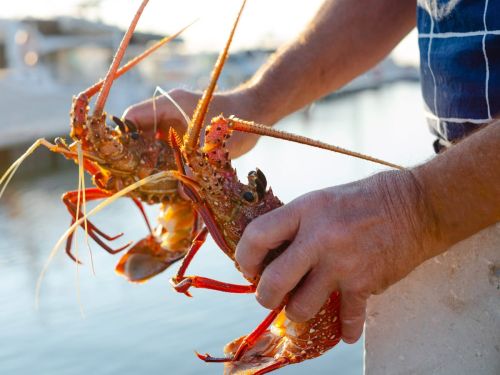
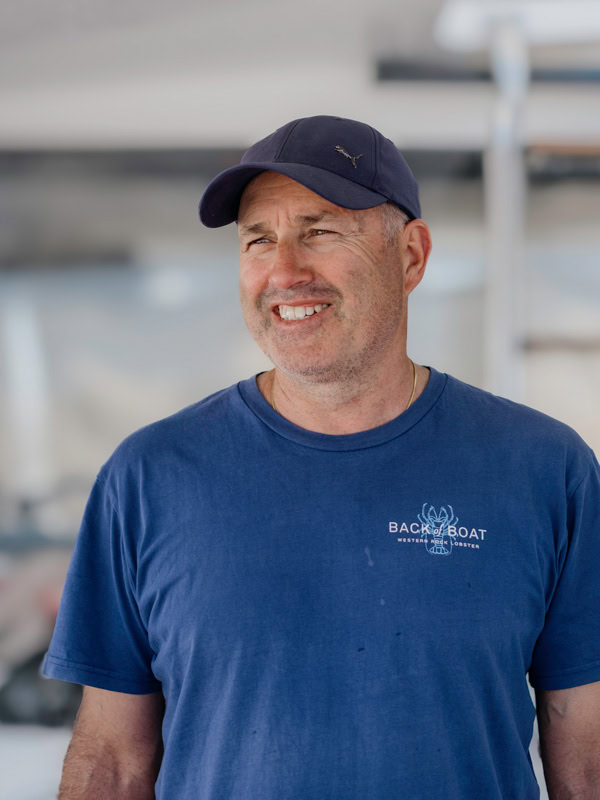
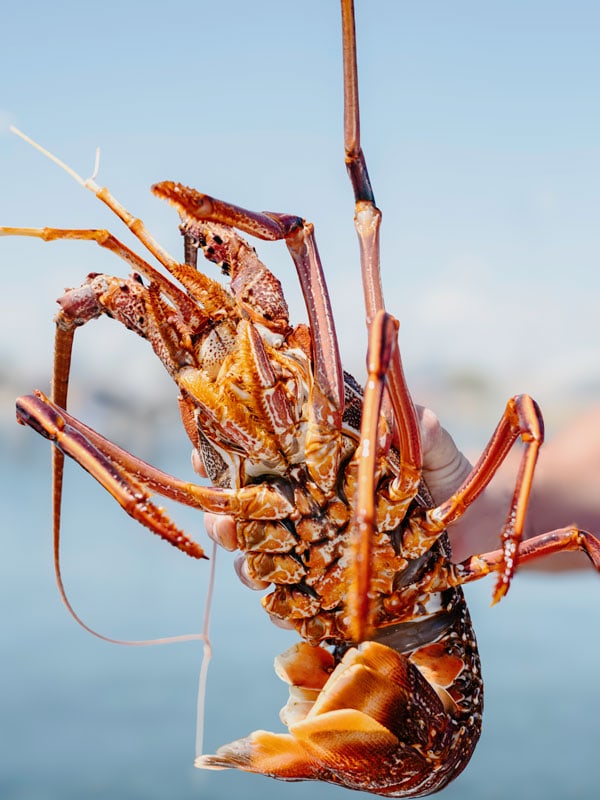
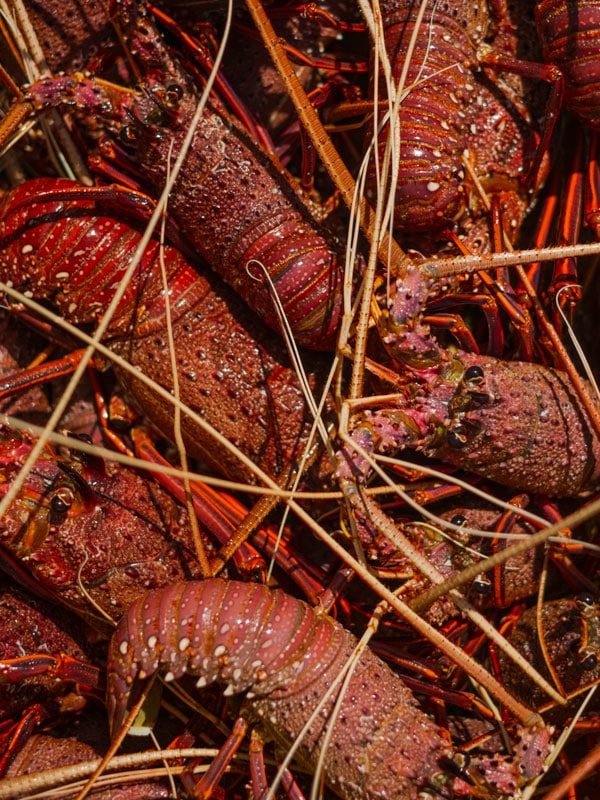
A messy queue of people squiggle along a jetty, bags of ice in hand and eskies under backsides in Fremantle. At their feet, a fisherman with deep-rut smile lines cut into a weathered face pulls scarlet crayfish – also known as western rock lobster or crays – from yellow plastic crates. Their antennae and tails snap as the spiny specimens are packed and passed over the fibreglass edge of his commercial fishing boat. A giant, Western Australian sky beams blue overhead, as bright as the smiles of those scoring the seafood that’ll soon be dripping in butter and sprinkled with chilli. It’s a scene happening along 650 kilometres of WA’s coastline, if you know where to look.
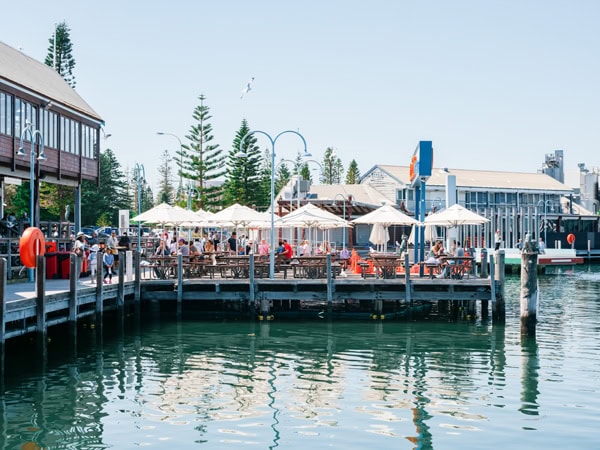
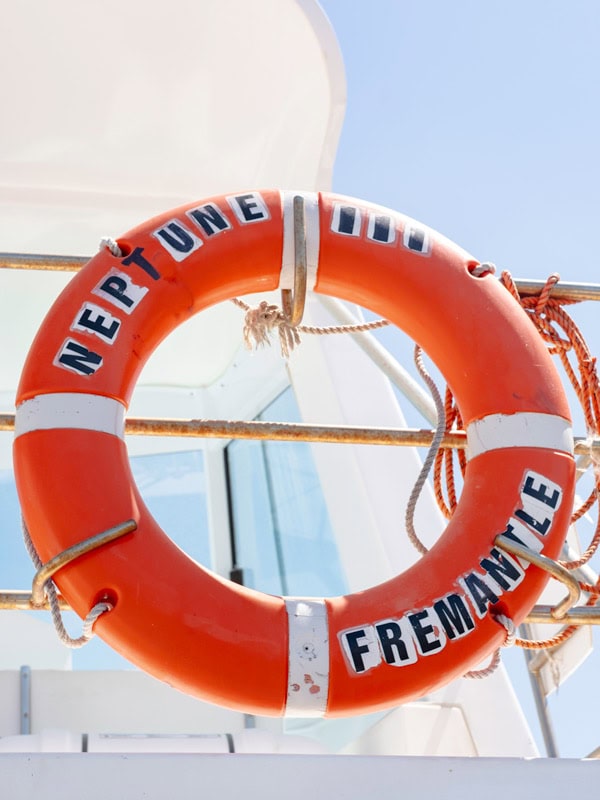
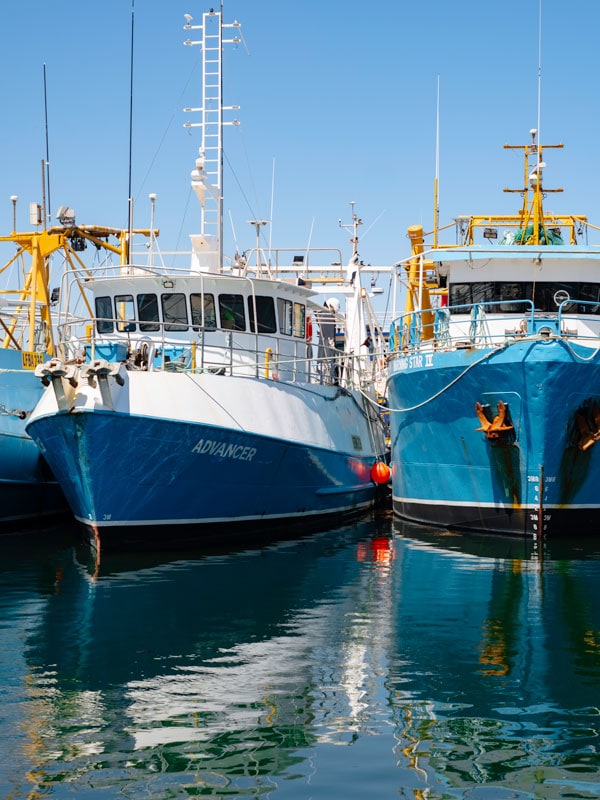
“The world has changed and these sorts of experiences are becoming rarer," says fourth-generation fisherman Fedele Camarda, who docks at Fremantle’s Molfetta Quays. His boat bobs in the lee of fish and chippers bearing neon signage spelling Greek and Italian names. “People will bring their kids down – they’re fascinated – and people are always asking questions. Anything you can buy fresh from anywhere is a novelty, so it’s become an icon in Fremantle."
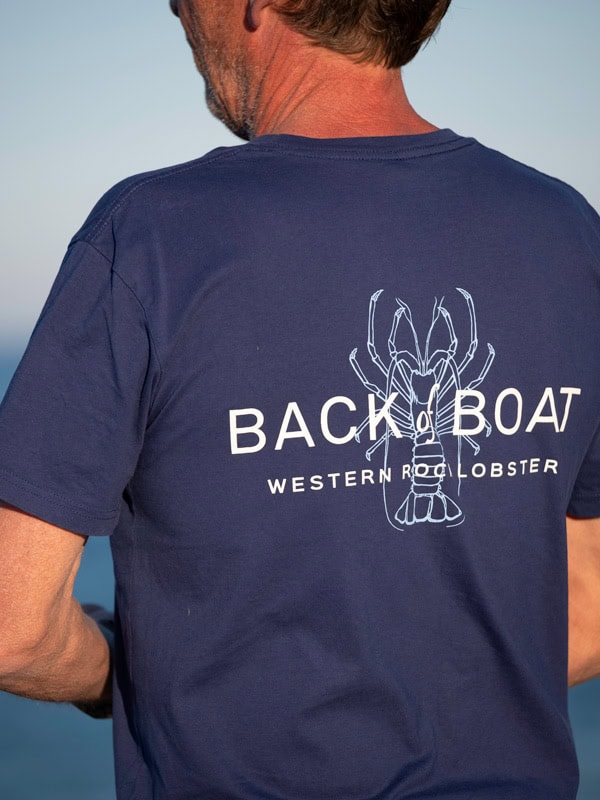
Fedele became the first WA fisher to adopt the state’s Back of Boat initiative – a move where live, pre-ordered rock lobsters can be delivered direct to the public by fishermen, soon after their vessels pull into port. It began in 2020, the same year the WA fishery earned the world’s first ecologically sustainable certification, granted by the Marine Stewardship Council. What started off as a trickle – at a limit of just 100 crays per fishing trip, per boat – soon doubled to 200, then 400, to now, up to 999 crayfish sold from the stern.
The practice harks back to ‘the good old days’ when, like orchardists selling boxes of fruit from the farm gate, fishermen routinely offered casual sales to the general public. It was par for the course until 2010, when a new, sustainability-driven quota system brought rule changes and the friendly community trade was all but severed. That was chased by Chinese demand growing to swallow more than 90 per cent of the WA industry’s live catch, driving prices skyward and making western rock lobster a largely unobtainable delicacy for Australians. It was a mood killer.
“People saw it as a WA resource they didn’t have access to, unless they had a boat or were very wealthy," says Fedele. He is unequivocal that returning to back-of-boat sales has mended community connections, as well as offering visitors something other than quokka selfies.
“Obviously, the easiest and cheapest option is getting crays straight from the people who catch them," he says. “Once we started communicating with the public by meeting them in person and letting them share in the experience, they suddenly saw us as their fishermen, going out to catch for them. That was important."
Since 2020, more than 100 family-owned boats have sold rock lobster at 21 landing areas along WA’s sandy-edged coastline, with the busiest periods running from November to Easter, peaking for Christmas and Chinese New Year. What used to be a ‘wink and nose tap’ insider secret is now a highly organised system widely available to anyone with an internet connection.
Active fisherfolk’s contacts are regularly updated on the Back of Boat website, and fresh crayfish can be requested anytime a boat is going out. Since 2022, it can also be ordered online. Currently, a plate-sized live rock lobster sells for $20-$25 and for travellers, there are few better ways of authentically connecting with locals.
There are Back of Boat fishermen everywhere from Mandurah, where huge wooden sculptures known as The Giants lurk in the bush, dolphins play in the town’s estuary and the state’s most impressive canal Christmas lights trail twinkles, to Kalbarri, home to chiselled coastal cliffs in cinnamon hues, vapour-spurting whales on their annual migration and a skywalk jutting over a vast national park.
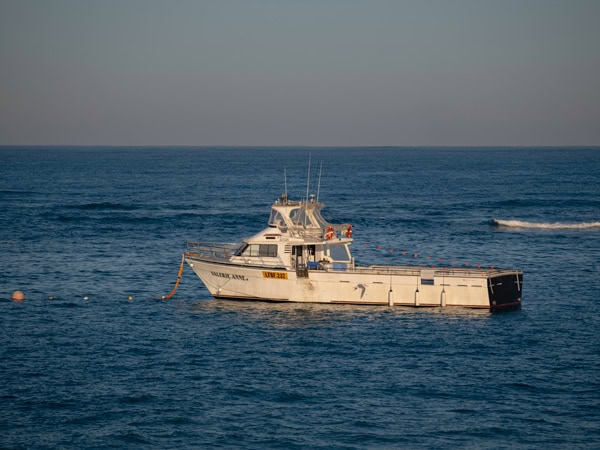
industry. (Image: Rachel Claire)
Ledge Point is a dot on the map en route to The Pinnacles, towering limestone karsts that look like thousands of fingers rising from the sand. In the barnacle-like hamlet a 1.5-hour drive north of Perth, fisherman Jay Barrett has been selling crays from the back of his boat since 2020. He shares his fishing trips on the Back of Boat website, Facebook – where a spot on Discovery Channel show Aussie Lobster Men boosted his followers – and elsewhere.
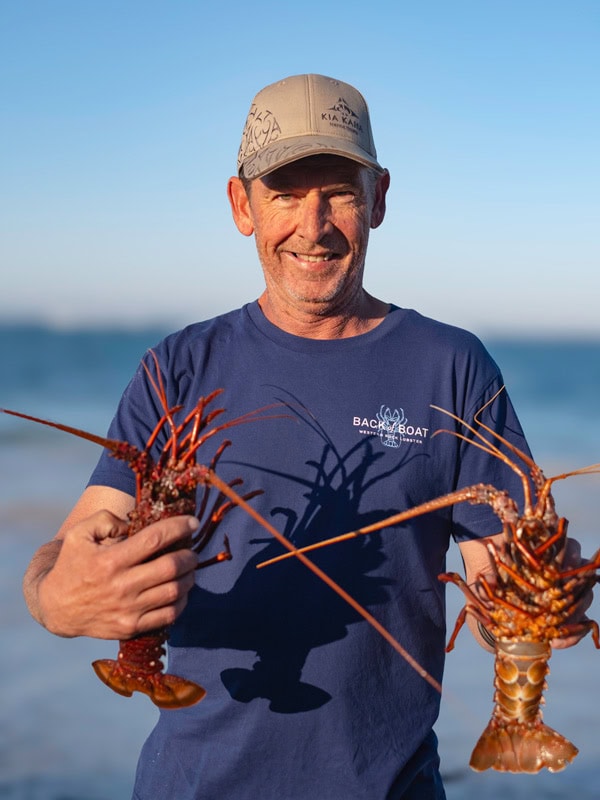
“I also advertise at the Ledge Point Store. Travellers see it and they jump on the phone," he says. “I meet them at the weigh-in station, by the swimming beach. Or, they come to my house, pull up in the driveway, give me a toot and they’re supplied with live seafood. It’s like a drive-through."
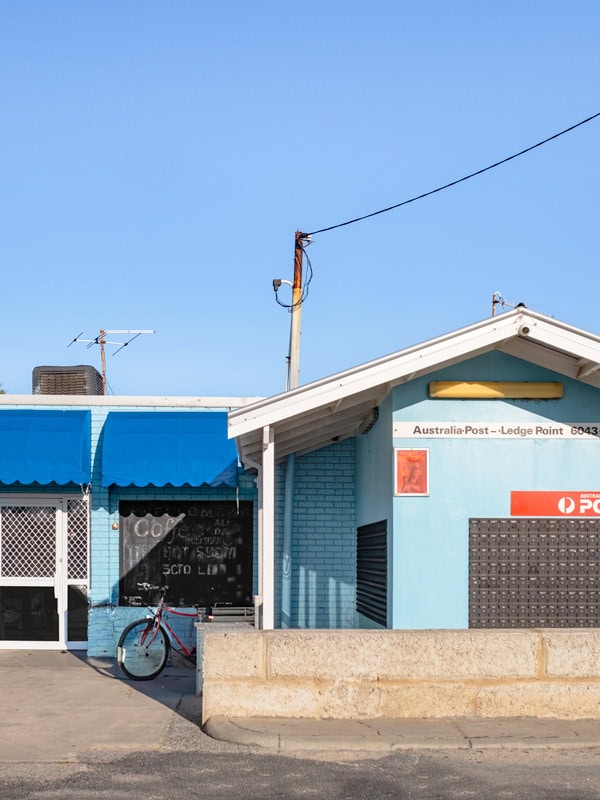
In a world of perfectly packaged goods and restrictions on where you can and can’t go, Jay’s genuine approach is refreshing. “Sometimes I take people on the boat with me, if they ask," he says. “It builds a good spirit between fishermen and community, which is what Back of Boat is about."
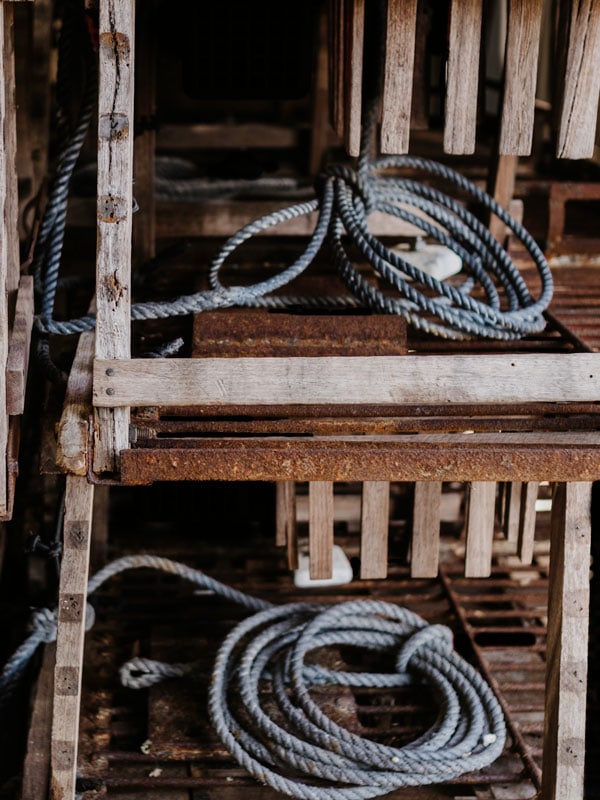
About 2.5 hours’ drive further up the coast, Dongara calls itself the ‘Rock lobster capital of Australia’, and even has The Big Lobster (a giant crayfish sculpture) at its entry. At 3am, Bruce Cockman idles his huge fishing boat out of the harbour, pulling cray pots in the dark. He’s been doing it since he was 15 years old, some four decades of roaming the Indian Ocean. People meet him at Port Denison Boat Harbour, watching as he unloads his catch before collecting their orders at $25 a pop. “It’s not our resource. We want to share it with everyone," Bruce says, of why he does it.
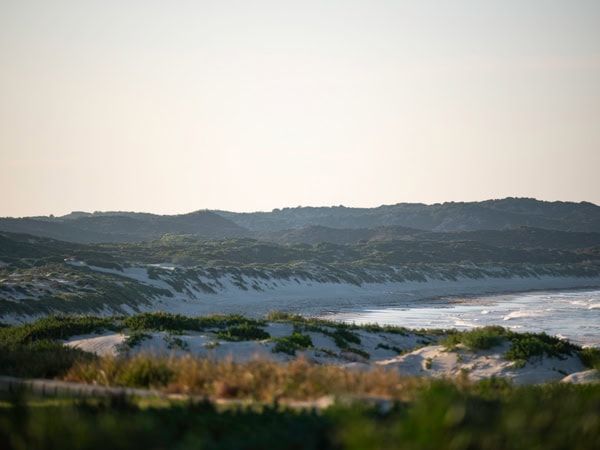
Like many fishing folk, he is still raw over the WA state government’s attempt to shake up the industry in 2019, by boosting the catch limit while taking ownership of 17 per cent of it. Much of its argument was hinged on affordable rock lobster being made available to Joe Public, as well as the tourism and hospitality sectors. Things got heated and the government largely backed down, but the message that the delicacy needed to be better shared was seared in. What happened next greased those wheels.
“It was four years on 25 October; the date is burned into my brain," says Bruce. The industry’s biggest buyer, China, abruptly exited the market in 2020, widely viewed as retaliation to Australia’s calls for an international investigation into the origin of Covid-19. “It collapsed overnight. We went from $65 a kilogram to not even $30 a kilogram of cray," says Bruce. “It’s been a painful four years of depressed prices, that’s for sure."
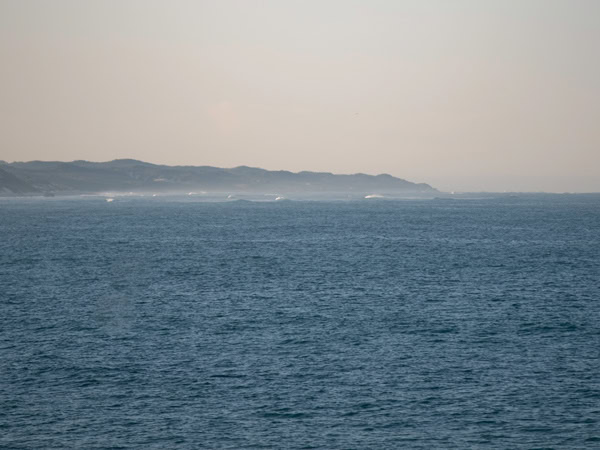
In October this year, hope returned. A meeting between Prime Minister Anthony Albanese and Chinese Premier Li Qiang delivered news that the Chinese ban may be lifted by the end of 2024. International sales are expected to flow in ahead of Chinese New Year celebrations on 29 January, boosting incomes for fisherfolk.
Bruce agrees this may inflate the price paid by the public by $5 or $10, but is adamant fishermen won’t stop offering Back of Boat sales. “We do it for the public support. If people want them, they can buy them," he says.
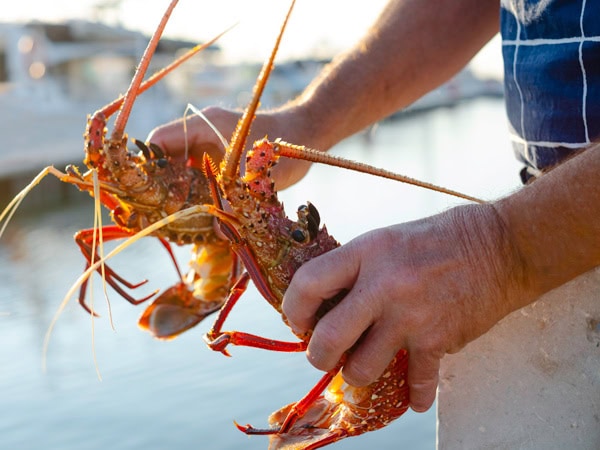
It suggests this summer could be the last cray heyday for seafood lovers – a situation Bruce may soothe by doing Christmas trips to Hillarys Boat Harbour in Perth, Fremantle and Mandurah. “Last year the queue at Hillarys was crazy, going a few hundred metres," he says. “We sold 3.5 tonnes of live cray to 1500 orders." In all, records show about 28,000 lobsters are sold at jetties in WA each Christmas.
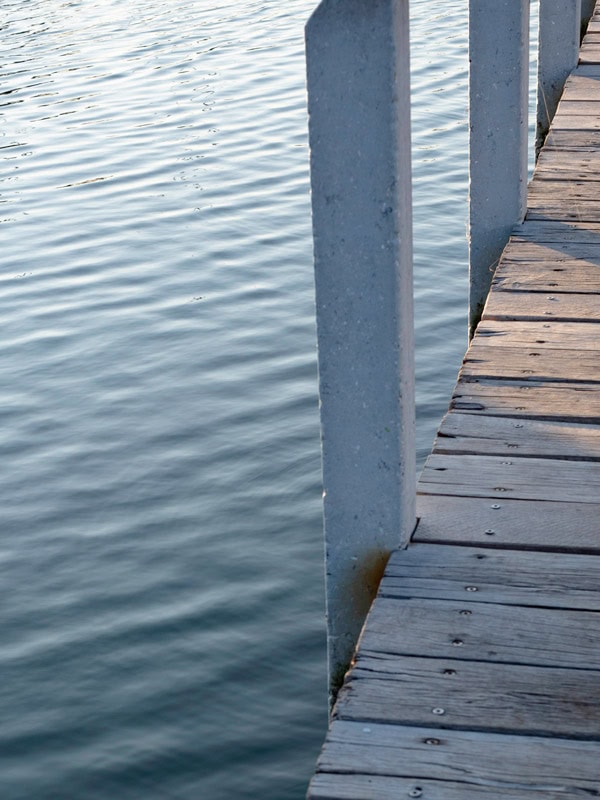
Boat builder turned fisherman Justin Pirrottina loves that everyday folk can reliably get rock lobster “fresh and 50 to 100 per cent less than buying it in the shop". He fishes the turquoise waters of the remote Abrolhos Islands, some 60 kilometres off the Geraldton coast, and sells his crays direct for $20 each. “I love telling people about living on these islands. There are no trees, no nothing, just rock," he says. “Back in the day, there used to be schools and pubs, and we’d catch fish, squid and oysters every second night to eat."
It’s a lifestyle far removed from the concrete jungle, so Justin invites people into his world at the annual Shore Leave Festival, a four-day seafood knees-up. He docks his vessel in Geraldton, tells stories and answers questions.
“People come on the boat, they look in the cray tanks and they take photos," he says. “For us, we might think it’s nothing, but for people who’ve never stepped on a boat that big, their eyes light up and that’s nice." He delivers his Back of Boat crays to people at the Geraldton Fishermen’s Wharf on-demand and is adamant this will continue, even as international prices rise. “Fishermen will keep doing it, it’s whether people will buy them at $25 to $30 per cray," he says.
Any fisherman you meet on travels of the WA coastline will tell you how to make a meal fit for a king from rock lobster. “People are scared to cook them. They’re so simple," says Justin. “I peel two crays raw, cut up the meat and marinade it in olive oil and garlic for an hour in the fridge. Then I pop it in a red-hot pan, season it and toss it through homemade pasta. It’s a two-second dish."
Jay Barrett has a more unorthodox approach. “I throw a spanner in the works because I cook them in the microwave," he laughs, adding that necessity is the mother of all invention. His father’s old cray boat only had 240V power, so microwave zapping was the sole option. “If you do it right, the flesh is so juicy and tender, but it’s a fine line between under and over," says Jay. “You butterfly each tail, put on butter, garlic and lemon pepper, then heat three tails for five minutes and 20 seconds in a glass Pyrex dish. Stick a fork in, peel out the flesh and pop it on fresh bread. Beautiful."
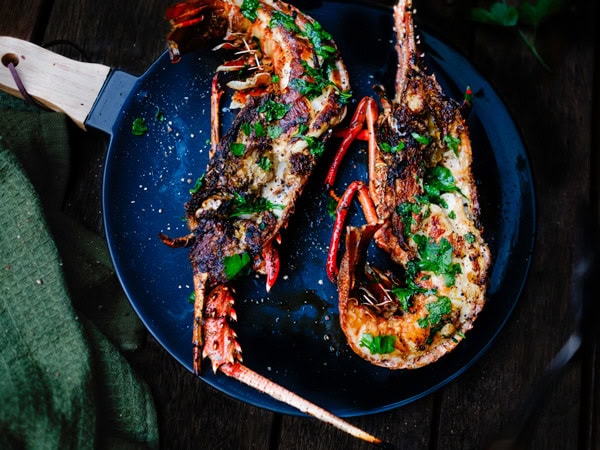
Bruce Cockman also recommends the “mess-free" microwave idea, and votes for crayfish sandwich, “with lots of butter, on fresh white bread". Meanwhile, Fedele Camarda argues the barbecue is the only way. “You butterfly it, sear the flesh then turn it onto the shell side and put garlic, butter, salt, pepper and parsley on the open top," he advises. “That’s our Christmas turkey."
Need tips, more detail or itinerary ideas tailored to you? Ask AT.
AI Prompt
Want to see more stories from Australian Traveller in your Google search results?
- Click here to set Australian Traveller as a preferred source.
- Tick the box next to "Australian Traveller". That's it.