Everyone knows Rottnest Island in summer, but almost nobody knows Rottnest Island in spring.
Everyone knows the Rottnest of summer: packed ferries, full beaches, crowds jostling for the perfect quokka selfie. It’s a brilliant way to spend a summer’s day, and there’s good reason it’s the island’s most popular season. But go in spring instead, and you’ll find a completely different island.
Parker Point is one of many turquoise bays to explore. (Credit: Rottnest Island Authority)
Same limestone coastline, same turquoise bays, same resident quokkas going about their business, just quieter, greener, and running to an entirely different rhythm. Vivid wildflowers pushing up through the scrub, humpback whales moving past the coastline and hiking trails at their most alive. This is Rottnest in spring, and after experiencing a weekend of it, it’s my pick for WA’s best-kept travel secret.
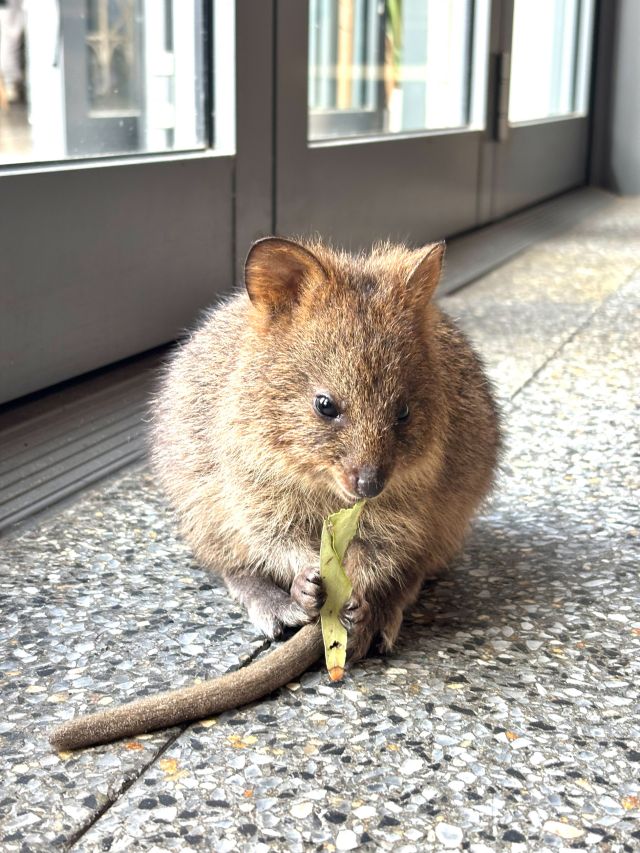
The quokkas are here all year round. (Credit: Kirsty Petrides)
Whale-watching and seal-spotting at the West End
Here’s the part you genuinely can’t get in summer: humpback whales migrating past Rottnest’s west end.
We based ourselves in the island’s main settlement for a few nights, and from there, a hop-on hop-off bus runs straight out to the West End; the best place on Rottnest to see spring’s whale migration for yourself.
Watch for whales breaching. (Credit: Rottnest Island Authority)
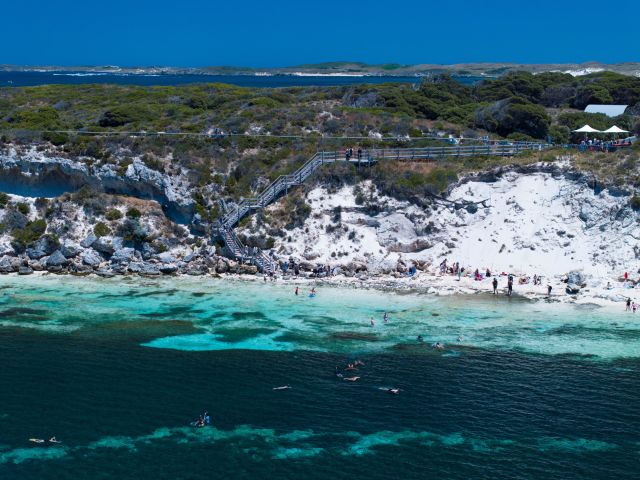
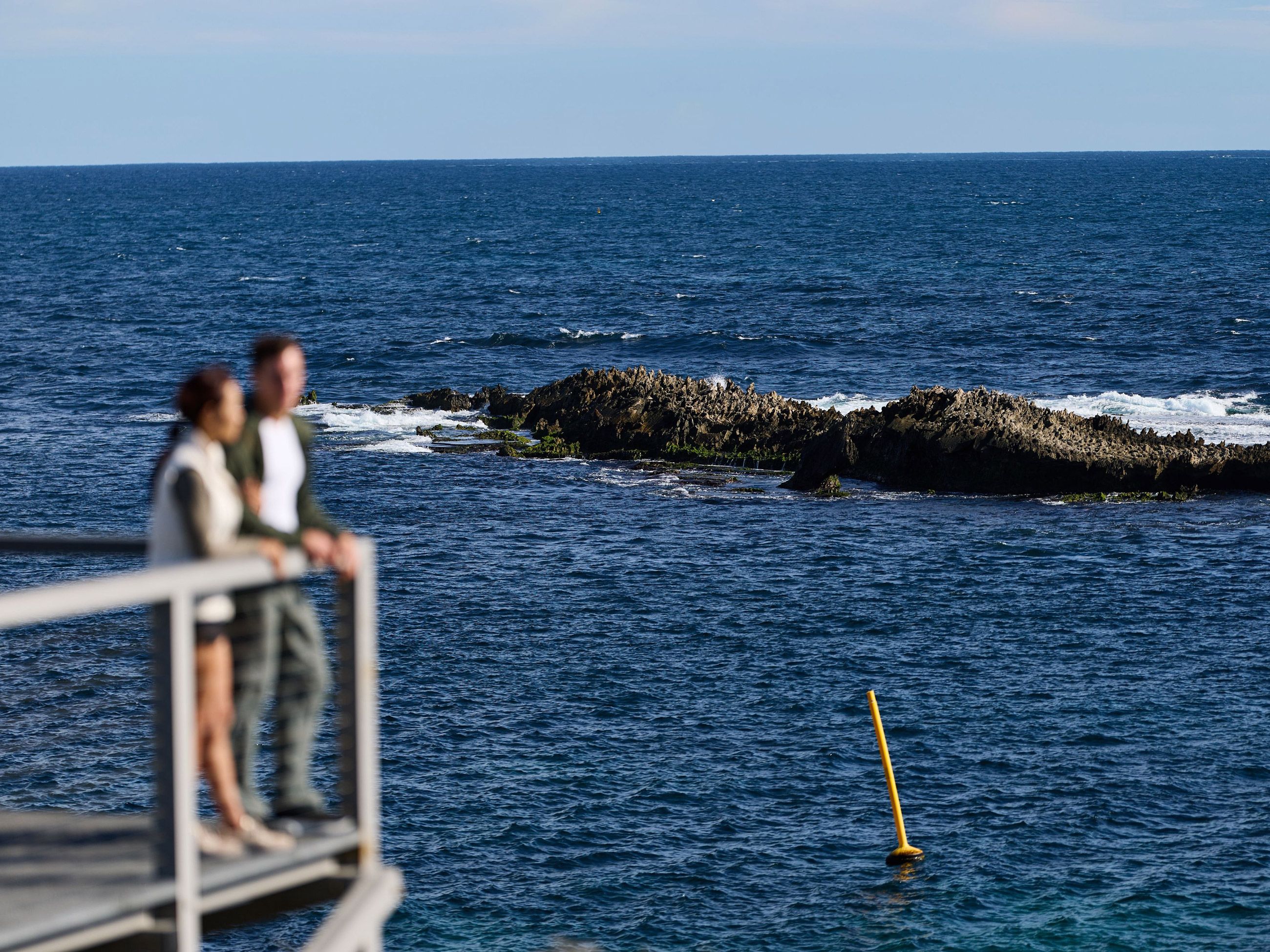
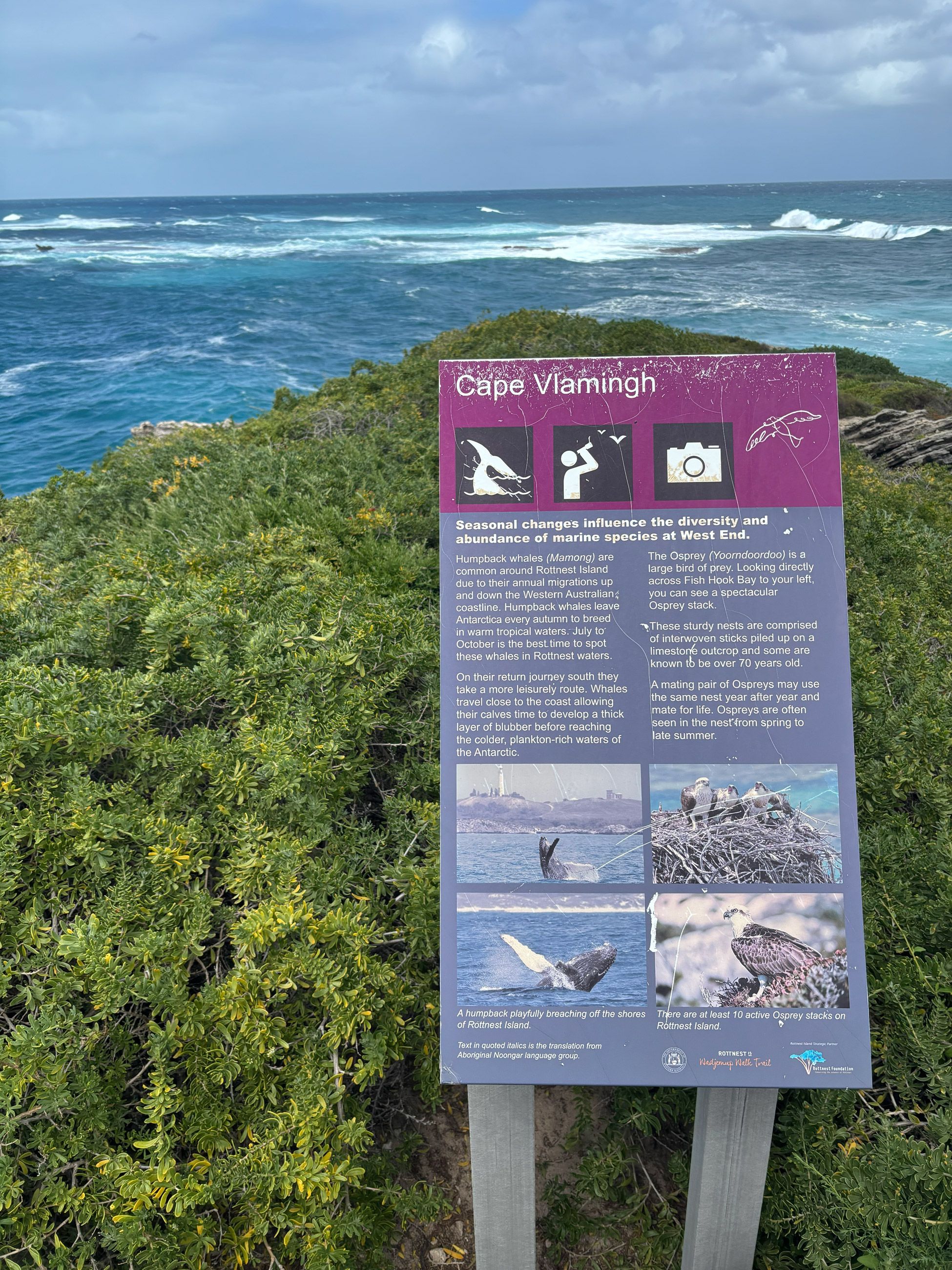
Cape Vlamingh is a great lookout for whale watching.(Credit: Kirsty Petrides)
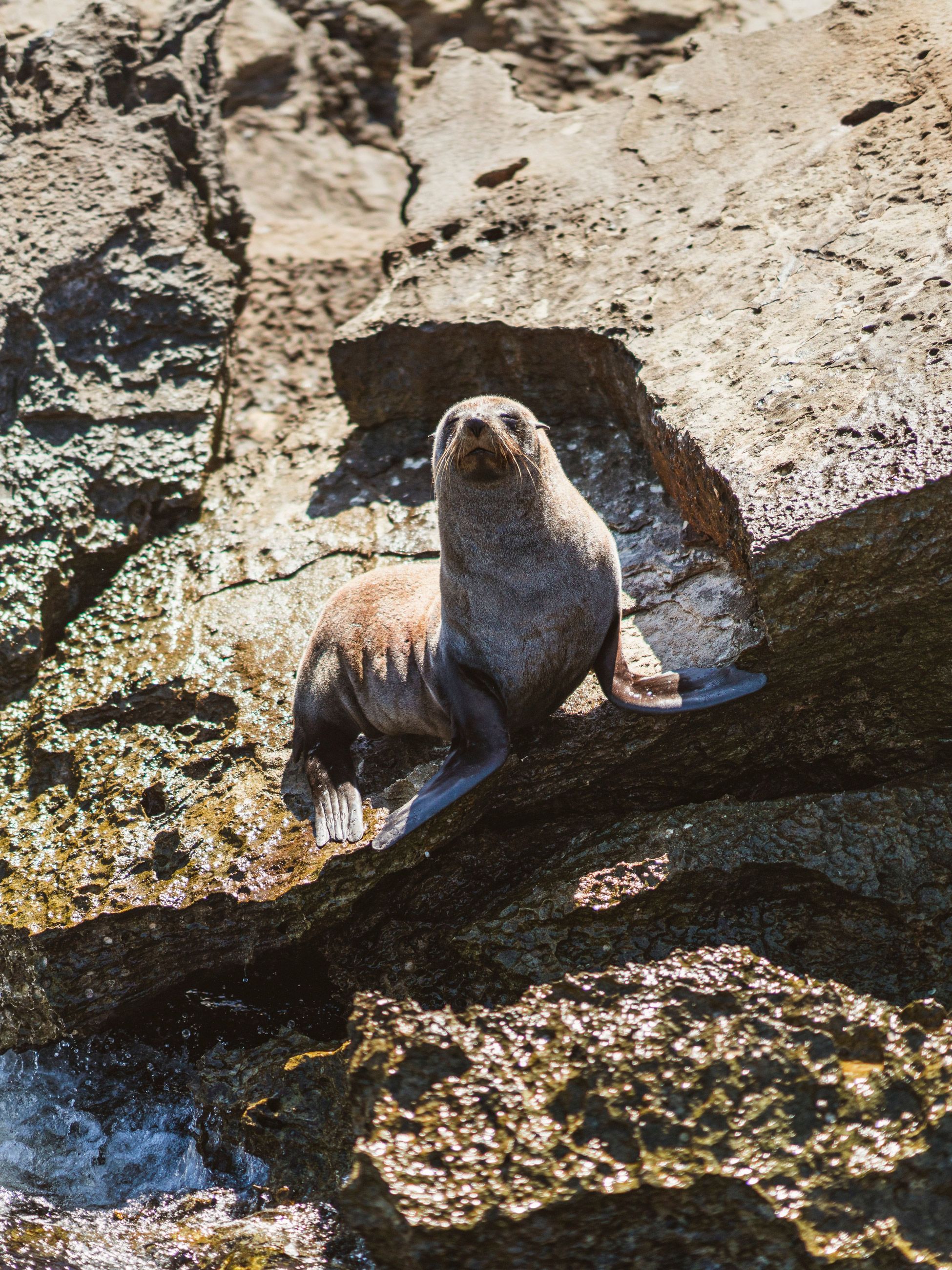
Spot seals sunbathing at Cathedral Rocks. (Credit: Tourism Australia)
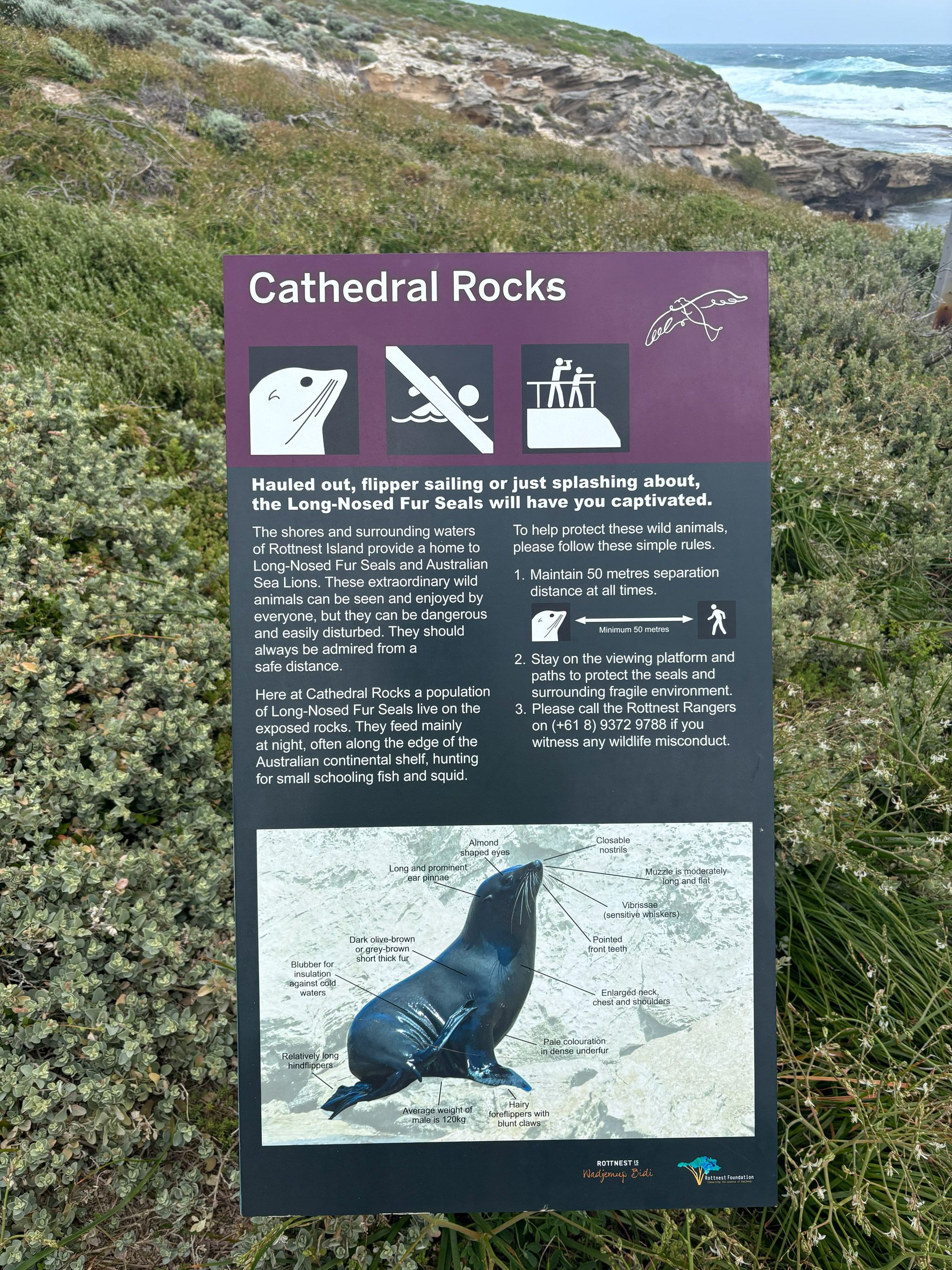
Observe the seals from a safe distance. (Credit: Kirsty Petrides)
The whales travel up and down the WA coast annually, but it’s their return journey south from July to October that brings them closest to the island’s shores – the mothers keep their calves near the coastline to build up a layer of blubber before the colder, plankton-rich waters of the Antarctic. By summer, they’re long gone.
At Cape Vlamingh, signs tell you exactly what to look for. We stood at the lookout, eyeing the water intently. Binoculars aren’t necessarily needed; you can definitely spot the humpbacks without them – but a pair would make the experience all the more thrilling.
A short walk away at Cathedral Rocks, a viewing platform overlooks a colony of long-nosed fur seals hauled out on the rocks below (visitors are asked to keep a 50-metre distance, as the seals are wild and easily disturbed). We watched a handful frolicking in the shallows, seemingly fishing for lunch, utterly unbothered by anything except each other.
Need tips, more detail or itinerary ideas tailored to you? Ask AT.
AI Prompt
Hiking the wildflower-laden trails
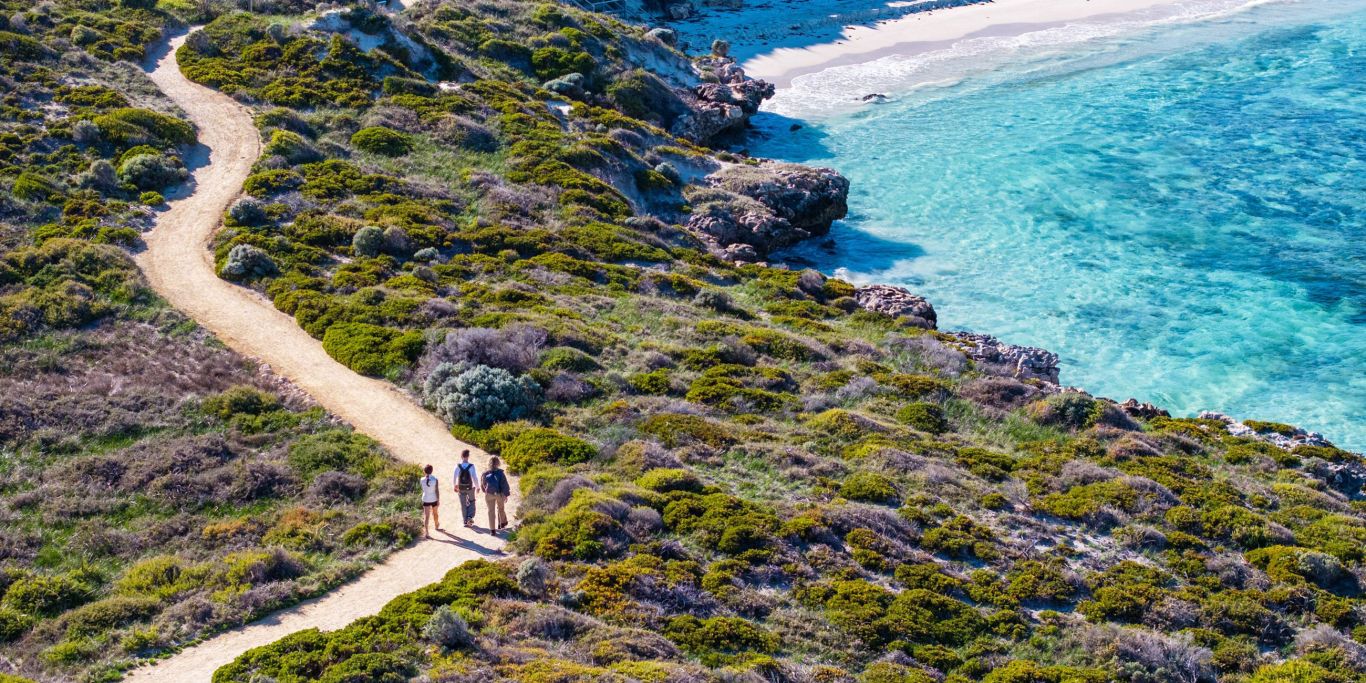
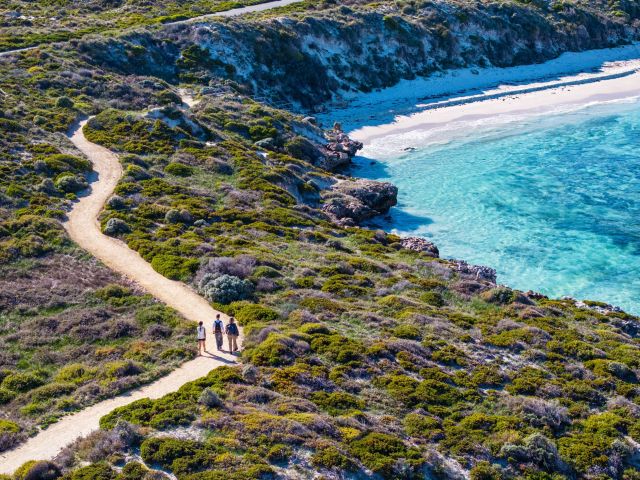
Rottnest Island has five signposted walking trails collectively known as the Wadjemup Bidi, and the hop-on hop-off bus runs from the main settlement out to the various trailheads. We tackled the Ngank Wen Bidi and a stretch of the Karlinyah Bidi along the island’s northern beaches, and in spring, both are transformed.
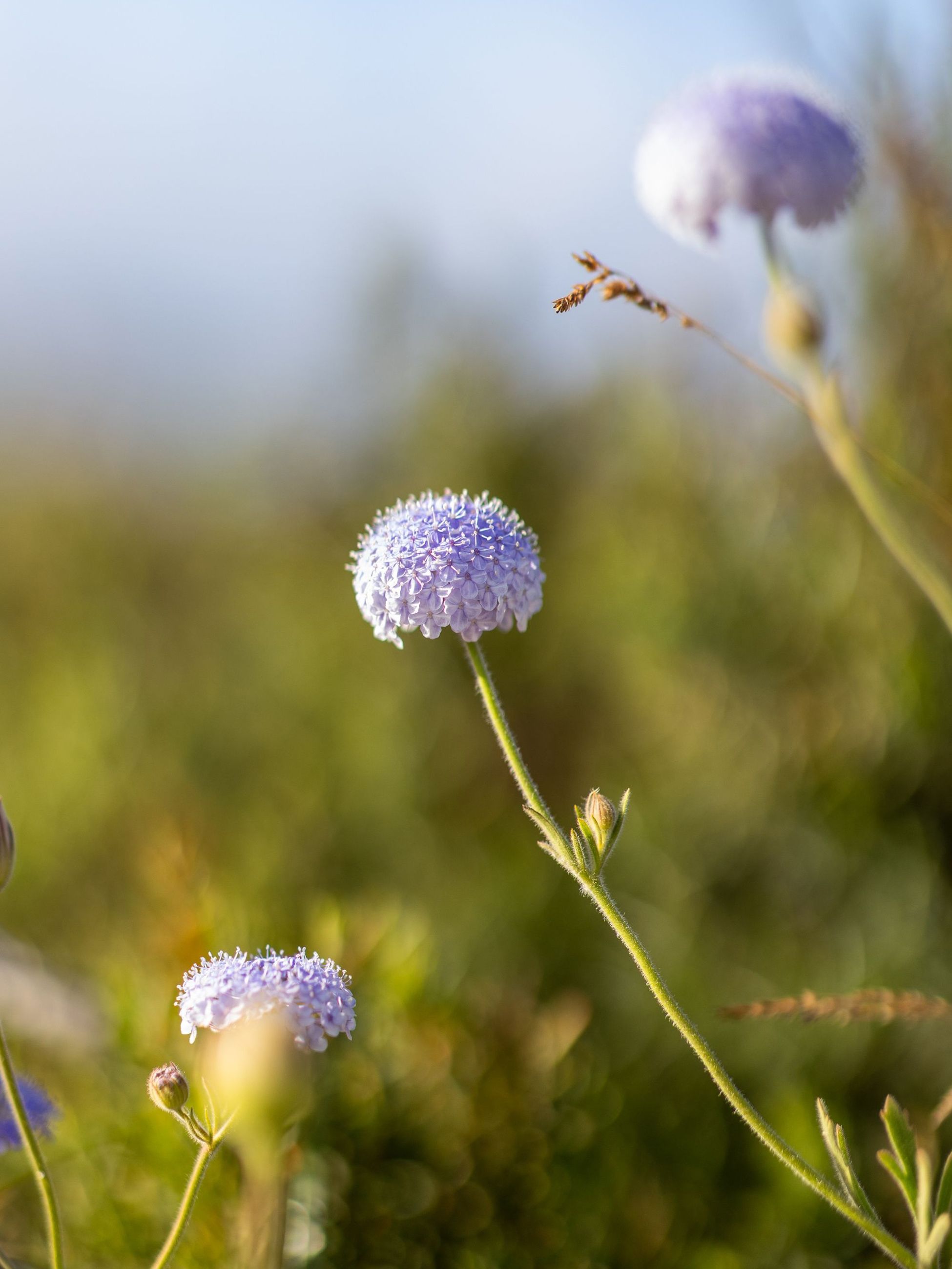
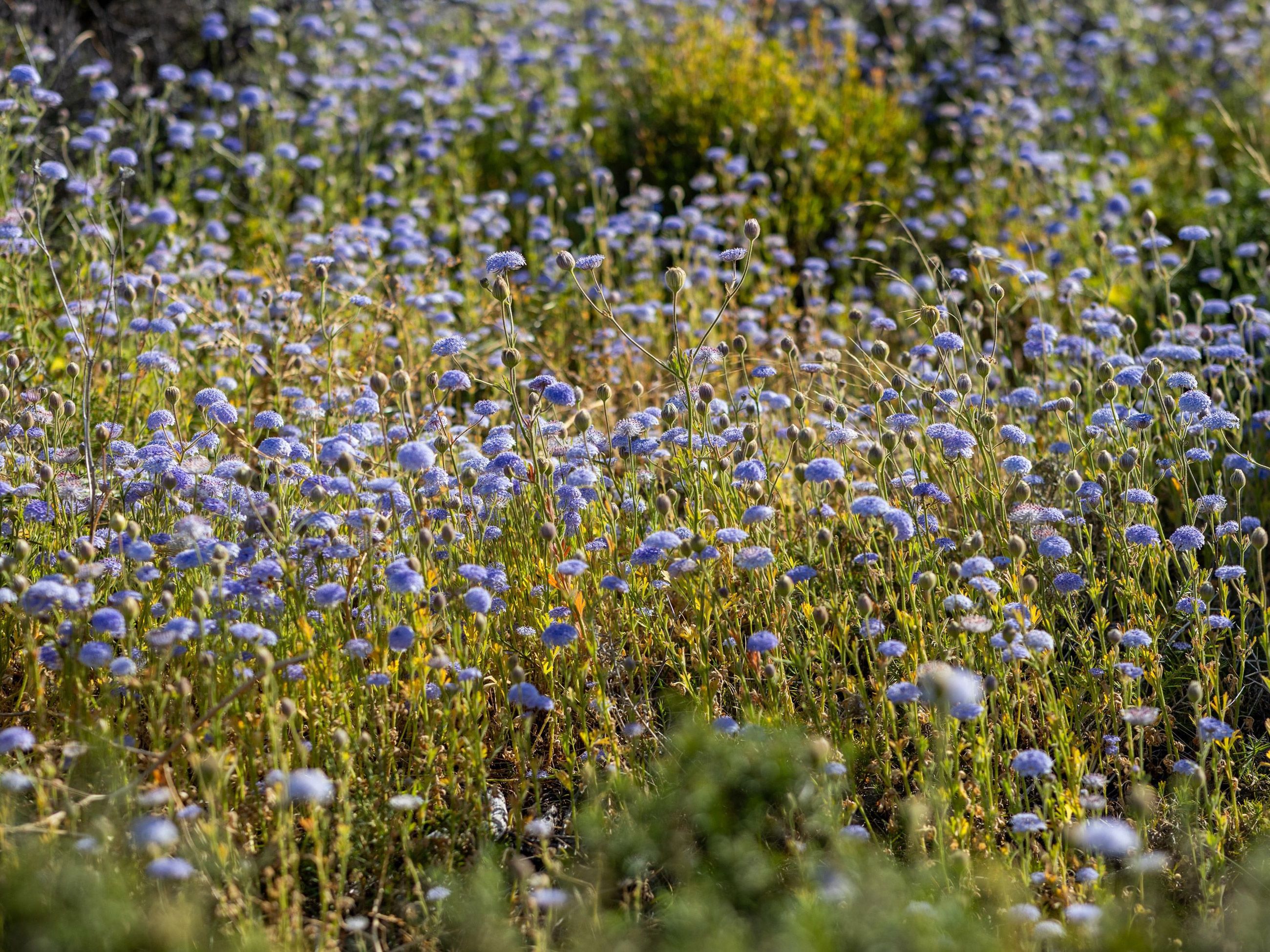
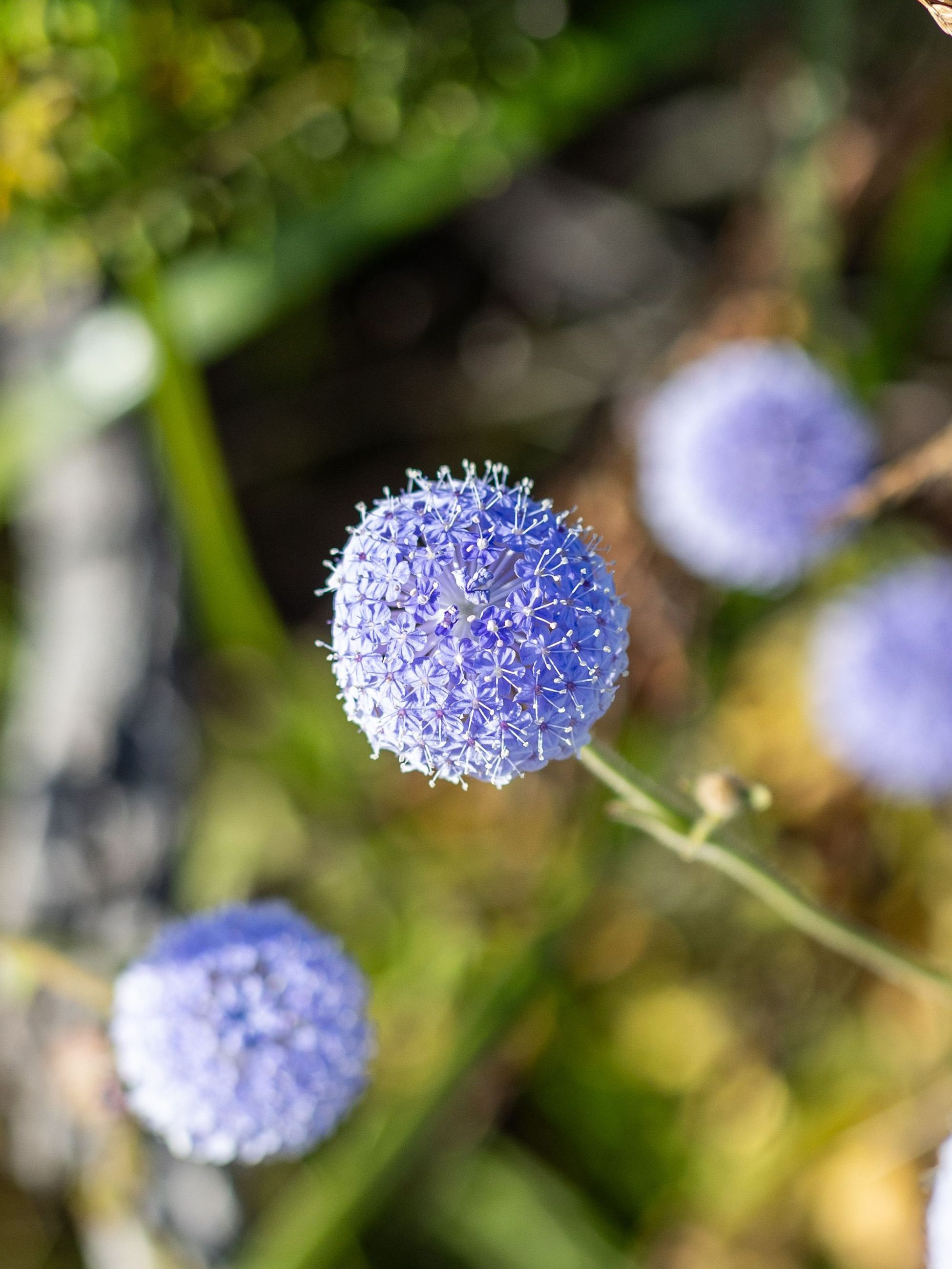
The soft lilac coloured flowers only appear for a short time. (Credit: Rottnest Island Authority)
Fields of Wadjemup Daisy bloom in spring. (Credit: Rottnest Island Authority)
Hiking in the spring delivers cooler climates and wildflowers. (Credit: Rottnest Island Authority)
The scrub either side of the trails is studded with wildflowers, mostly ‘coastal pigface’ (Carpobrotus virescens), a daisy-like flower of vivid fuchsia – the kind of colour that stops you mid-stride. They bloom for a few short weeks each spring before the heat arrives and the colour is gone until next year. It’s not a nicer version of the summer trail; it’s a completely different one.
Sunset at Samphire’s Beach Club bar to yourself
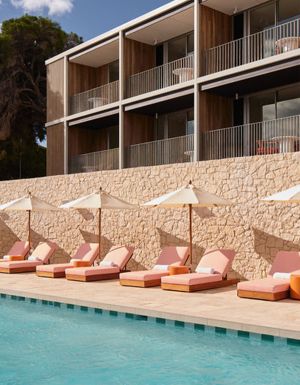
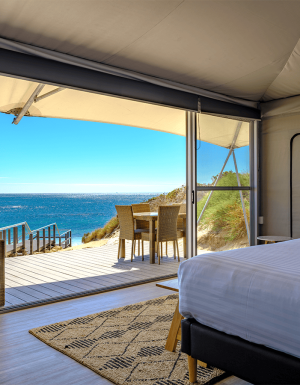
The island isn’t short on great places to stay, but our first pick was Samphire, located right in the main Thompson Bay settlement. It’s a sleek, low-key luxury stay with a decidedly grown-up feel, even though it’s not officially adults-only. It’s the kind of place that makes the case for a slower Rottnest all on its own.
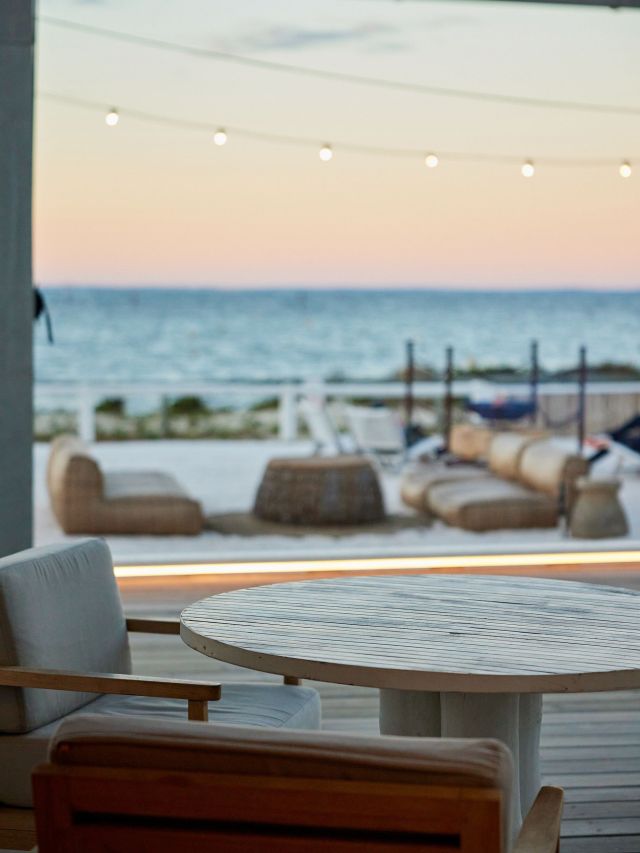
Samphire’s Beach Club bar is the busiest spot at sunset come summertime – but not in spring. (Credit: Rottnest Island Authority)
We stayed in one of the Poolside rooms, looking out over Samphire’s lagoon-style pools, with interiors that lean into the island’s raw, rugged landscape: natural textures, muted tones, timber panelling and jute soft furnishings.
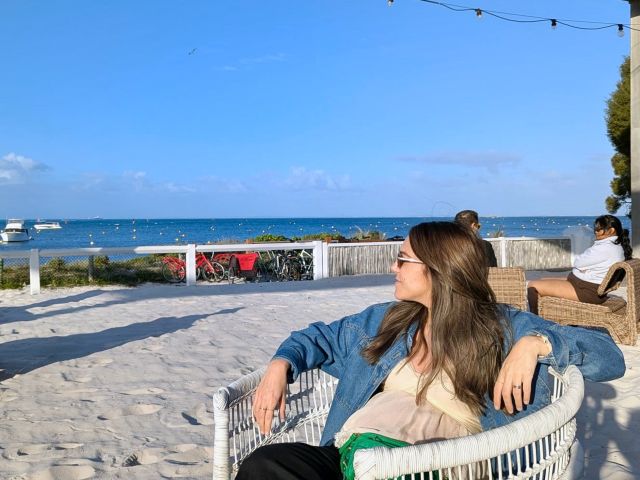
The writer enjoying the Samphire Club, a guests-only lounge. (Credit: Kirsty Petrides)
The Samphire Club, the guests-only lounge stocked with coffee, baked treats and board games, is the perfect way to spend a slow spring afternoon. And the sand-between-your-toes Beach Club bar, usually the busiest spot at sunset come summertime, is all yours to settle into with a drink after a long day of hiking.
Weekly travel news, experiences insider tips, offers, and more.
Rottnest Island dining without the wait
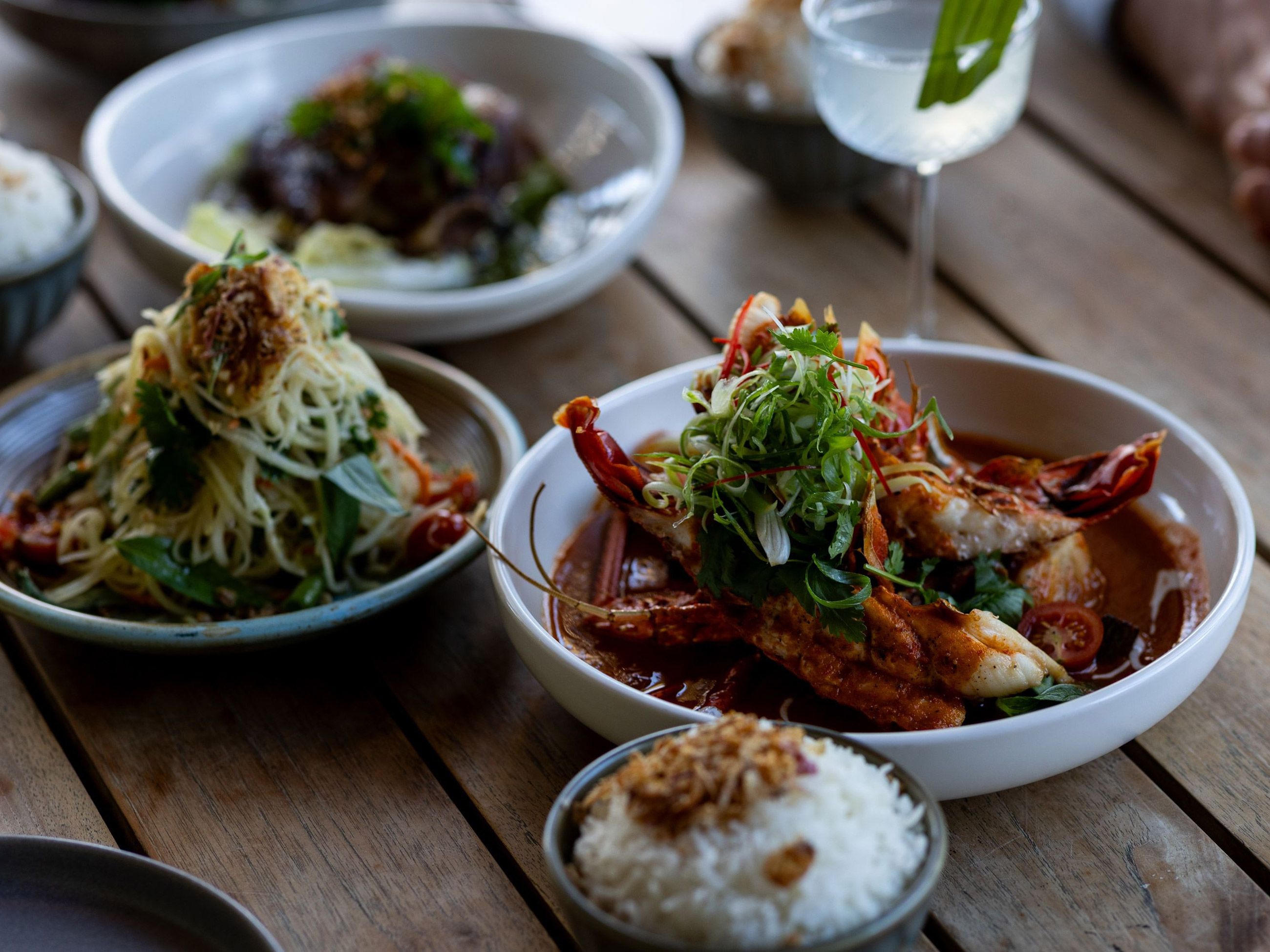
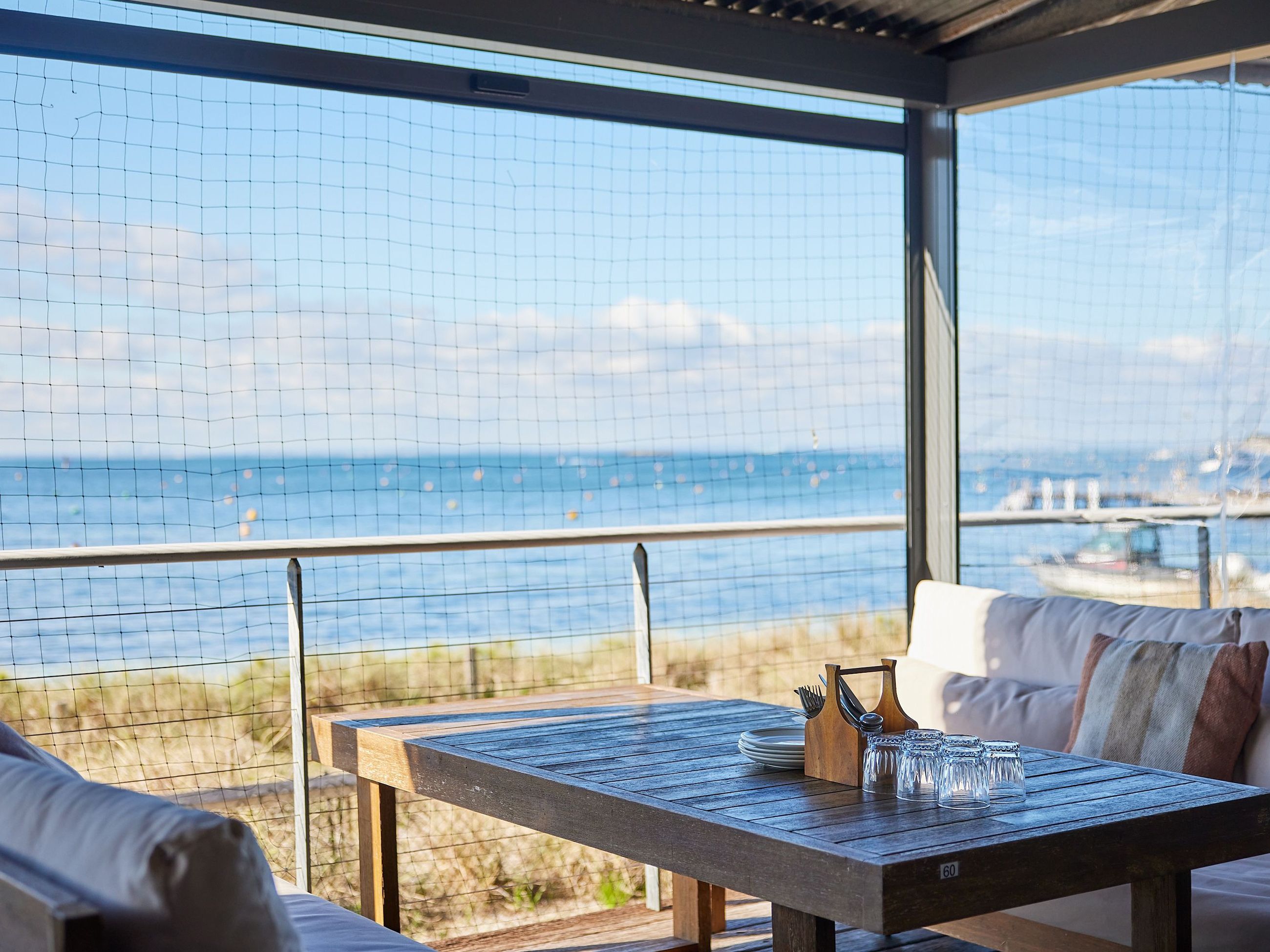
Dinner on night one was at the Samphire’s neighbouring Hotel Rottnest, arguably the most picturesque pub in the state, with every table offering a view of Thompson Bay. The next was at Lontara, Samphire’s in-house restaurant, for confident Asian-fusion cooking with five-star service.
Find Asian-fusion cuisine served at Lontara, Samphire’s in-house restaurant. (Credit: Rottnest Island Authority)
Isola, the island's popular Italian restaurant has knockout water views. (Credit: Rottnest Island Authority)
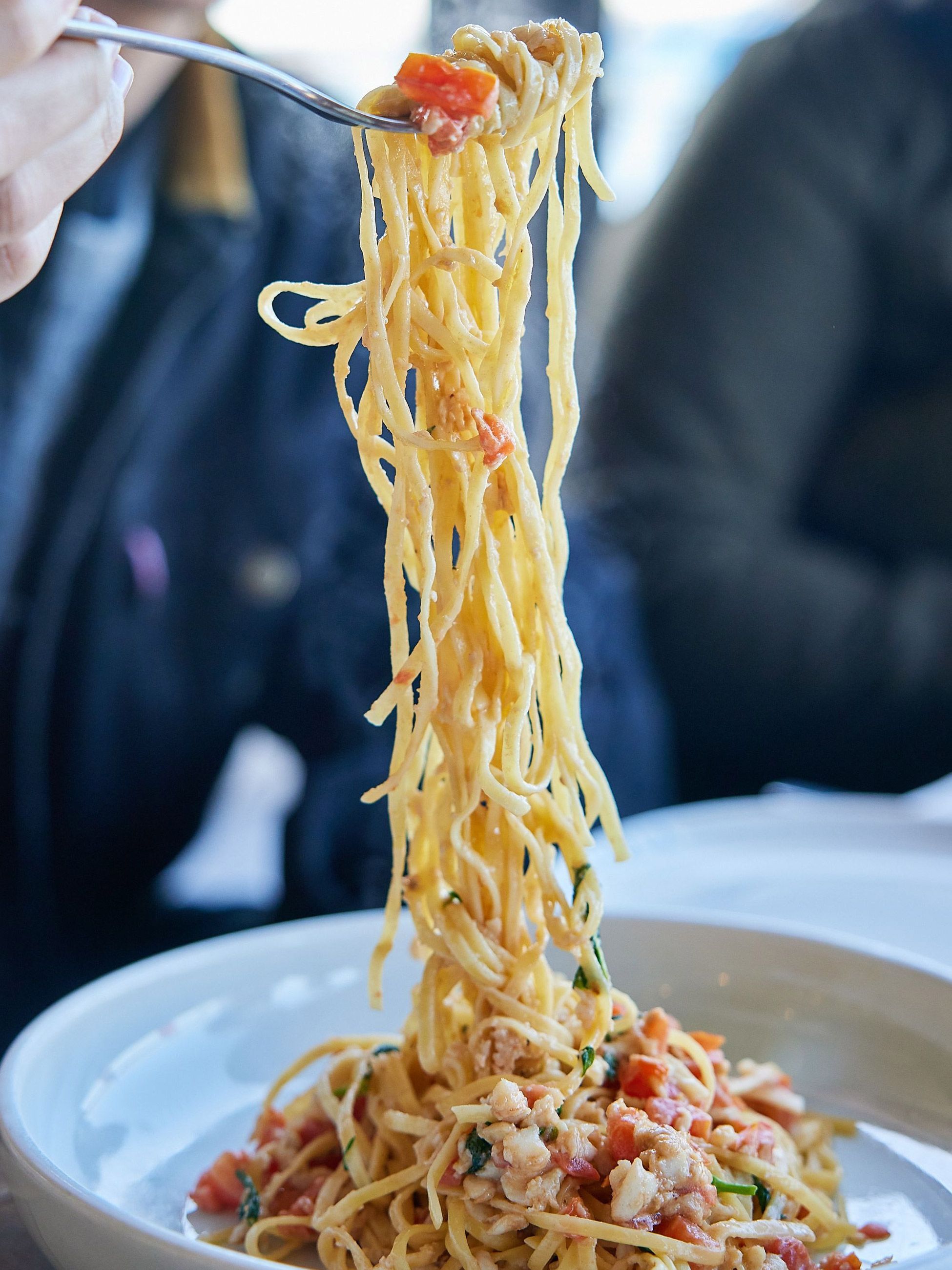
Order Isola's Taglierini blue swimmer crab pasta. (Credit: Rottnest Island Authority)
However, if you only eat one meal on Rottnest, make it at Isola, home to some of the best Italian food in WA. For lunch, we got the Taglierini, a traditional long, thin ribbon pasta from northern Italy, tossed with blue swimmer crab, fresh tomato, a hint of chilli, garlic and basil, finished with cream and Great Southern EVOO. Paired with a glass of Italian Vermentino, it’s reason enough to book the ferry. In peak season, it’s the kind of lunch you’d book months in advance. In spring, there’s a real chance you can just walk in.
Why spring, not summer
Hiking in spring means uncrowded trails and cooler weather. (Credit: Rottnest Island Authority)
The case for Rottnest Island in spring: Whales passing the coastline that won’t be there by January. Wildflowers blooming for a few short weeks and then gone. Fewer people jostling for a spot at the bar or a table at dinner. Temperate weather that actually invites you onto the trails rather than off them.
The case against Rottnest Island in summer: Rottnest in summer is exactly as good as everyone says it is, but the drawbacks can’t be overlooked. Rottnest in spring, however, is a version of the island most people have never even thought to visit – and it deserves its moment, too.
Want to see more stories from Australian Traveller in your Google search results?
Tick the box next to "Australian Traveller". That's it.
Kirsty Petrides is a writer, wine-lover and cheese enthusiast. Whether she’s hunting down the best restaurant in Albania, foraging the Marrakech markets for spices or camping in the middle of Patagonian wilderness, she loves to seek out the authentic side of the places she visits, and share that with readers through her writing.
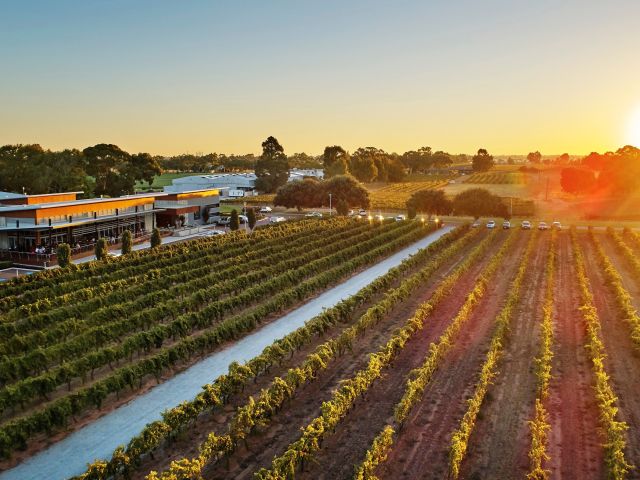
A 25-minute drive from Perth is all you need to be amongst generations of grape growers.
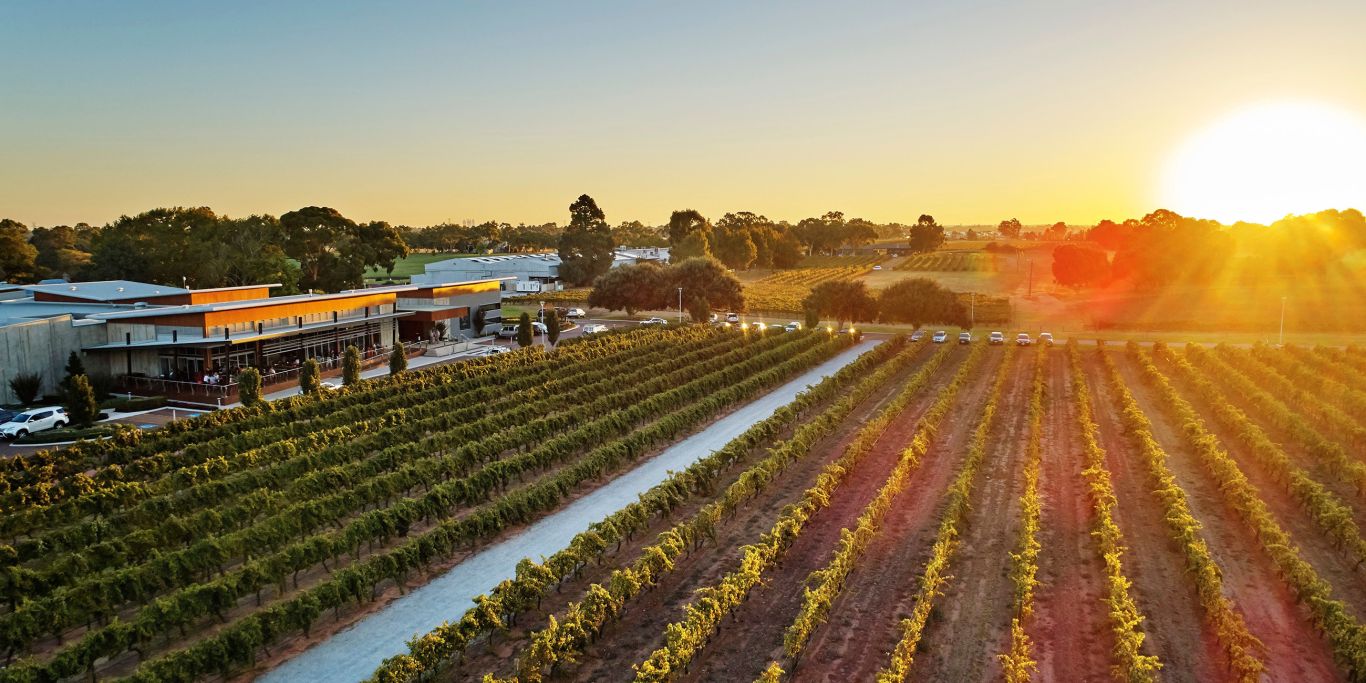
You might not know Swan Valley, but the vines here twist through almost 200 years of history. Today, plump grapes are still plucked, pressed by juice-stained hands and fermented into wine – a journey led by the same families who will pour it into your glass. And with that first taste, you’ve unknowingly become part of a generations-old tradition.
So, sit back and take a sip of a crisp white under that sun-speckled pergola and listen to the warbling of magpies – here’s what makes the Swan Valley so special.
Western Australia’s oldest wine region
Sip your way through Swan Valley’s rich wine heritage. (Image: Tourism WA)
In 1829, the very year Europeans settled in Perth, the first vines were planted in the Swan Valley. Later, Croatian and Italian migrants blended their southern European winemaking traditions into the local viticulture, a combination that works so well in the Mediterranean climate here.
The result today is crisp, tropical Verdelho, dark, fruity Shiraz and plenty of Chenin Blanc – a third of the country’s Chenin Blanc is crushed here.
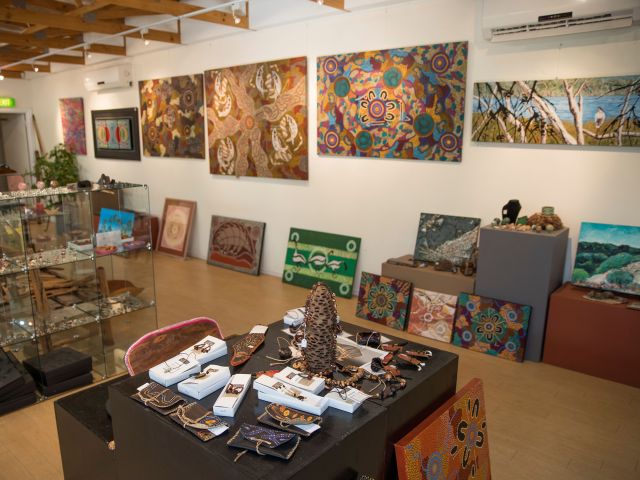
So where to start uncorking? Mandoon Estate has an Aboriginal art gallery and a sculpture trail, where you can taste an Indigenous food platter of smoked crocodile and emu sausages.
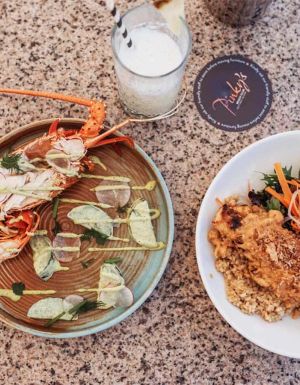
For a taste of the valley’s Italian heritage, head to Pinelli Estate Winery. Or, for something indulgent – and a little unusual, considering the inland location – RiverBank Estate Winery serves lobster straight from tanks, paired with that Chenin Blanc.
If you prefer something stronger in your glass, Talijancich Wines knows a thing or two about fortified drops: try its aged tawny, Muscat and liqueur Verdelho.
Sensational dining
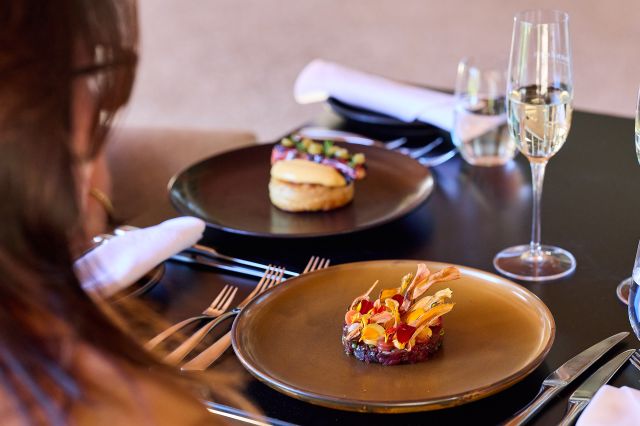
Pair great food with a scenic winery setting. (Image: Tourism Caversham)
The Swan Valley follows that great Australian wine-country tradition, with everything from unfussily fantastic pub meals and beer gardens to unexpected fine dining at cellar doors.
Start at Edgecombe Winery, which does brunch as well as drops. Their brioche French toast with raspberry and rhubarb coulis, poached pear and roasted pistachios will taste best when you’re perched at a table outside. Don’t forget to explore their orchard and wetland afterwards.
Pick up a box of freshly baked macarons from Maison Saint-Honoré (bien sûr) before heading to Valley Social for a North American barbecue-inspired feed. Chow down on beef brisket burnt ends and wash them down with a hemp-infused craft beer.
Baskerville Tavern is brewing beer again in the former Feral Brewpub. Order their Monday special – a classic chicken parmi – and try Slumdog Brewing’s regular range, including a tart blueberry sour made with fresh and freeze-dried berries. In winter, it’s time for their seasonal seven-malt stout, with notes of dark chocolate, coffee and caramel.
An unbeatable visitor’s centre
In Guildford is the Swan Valley Visitor Centre in a restored 1866 courthouse. Its award-winning staff know everything about anything happening in the Swan Valley. Pick their brains (and pick up a free map) before setting off. But, check out the centre’s Welcome to Country mural by local Whadjuk artist Chloe Caylon first.
Scenic drives
Use that handy Visitor Centre map to get a bit of everything on the Swan Valley’s 32-kilometre scenic loop, which connects over 150 attractions. Think roadside produce stalls, art galleries and historic buildings. Just remember to organise that designated driver if you’re extra keen on the vineyard stops.
Other drops
If the thought of wine makes your temples pulse, there are plenty of other tipples to tickle your fancy. Txoko Brewing in Baskerville takes its name from a Basque gathering place for cooking, drinking and socialising. Work through its rotating beers and plates of Spanish croquettes and sardines, then settle on the grass while the kids let off steam in the playground.
AmberChes Spirits Distillery uses locally sourced botanicals and fruit to make saltbush gin, lemon myrtle gin and Gincello, a twist on limoncello. Try its award-winning sloe gin, which was named Australia’s best at the 2025 Gin Guide Awards. Better yet, have a go at making your own in a hands-on gin-blending and distilling class among the vines.
Historic architecture and an arts scene
Explore the stories behind the Swan Valley. (Image: Tourism WA)
Next: Guildford. It is one of WA’s earliest colonial settlements – but the history here goes back much further. The Whadjuk Noongar people are the land’s Traditional Custodians, whose Dreaming tells of the Wagyl serpent creating the gum tree-lined Swan River. Today, Guildford’s original town layout remains largely unchanged. Follow one of four heritage walks past 19th-century buildings, galleries and James Street’s antique shops.
Take home pantry staples
Treat yourself to a chocolate-filled detour. (Image: Tourism WA)
Sometimes the little stops are just as good as the big hitters. Pull over at Margaret River Chocolate Company for free tastings of white, milk and dark chocolate. Then stop by Harvey Cheese Swan Valley for Lemon Myrtle Ash Brie or St Duke’s Red. End at The House of Honey, where you can sample local honey and get buzzy on honey ice cream pancakes.
Nature and wildlife
Add a little wildlife adventure. (Image: Tourism WA)
If the kids have had enough of winery lawns, save the bottles for later and head to Caversham Wildlife Park. Here, you can hand-feed kangaroos and meet koalas and wombats. Catch working sheepdogs and sheep-shearing demonstrations at the Farm Show. Elsewhere in Whiteman Park, hop aboard a vintage train or tram, or cool off in the splash pool.
Finish at Bells Rapids, where fuchsia grevillea, crimson bottlebrush and yellow wattles bloom each spring.