5 outback road safety tips that could save your life

hero media
The sheer, wide-open space, the epic views and abundance of wildlife make an outback roadtrip one heck of an experience, but before you set off, you should be aware that this journey is unlike any other drive you have experienced.

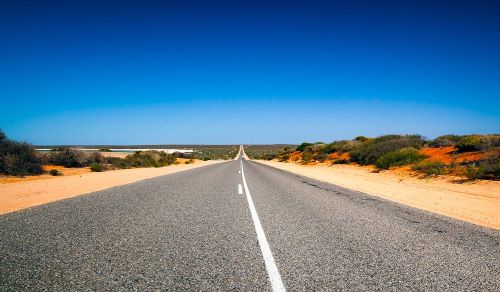
The distances between destinations are long, you drive for hours without seeing another person or petrol station (and sometimes even corners in the road). And animals may look cute, but they can be a dangerous, sometimes deadly, obstacle on the road.  So here are five tips for outback road safety.

1. Prepare your car for an outback drive or holiday

Even if your car or campervan is a rental, you should make sure you perform some simple vehicle maintenance checks before and during the journey.

• Check your tyres and inflate them to the required level if needed.

• Locate the dipstick and check the oil level.

• Make sure you have a spare tyre with you.

• Check if there is a toolkit.

• Make sure you have a campervan or car user-manual.

2. In the event of a breakdown in the outback…

Don’t try to walk to get help, as you will probably be walking for a very long time in the heat which is dangerous. You might have to wait for a few or even a day for someone to pass by, but it’s the safest thing to do. It’s a good idea to carry a white bed sheet, or anything that can be used to attract attention should you need it.

Need tips, more detail or itinerary ideas tailored to you? Ask AT.

AI Prompt

3. Rules for fuel, food and water when driving in the outback

Plan ahead and stock up on food before you head off. There are remote service stations in the outback where you will be able to buy some provisions, but remember that they may have restricted opening hours and limited ATM facilities. There will also be country motel restaurants and roadhouses if you are in need of a cold drink or hot meal, but be aware that they will cost more than what you would pay in the city.

You should bring enough water – 4 to 5 litres per person, per day. And ensure you carry sufficient food supplies should you break down. Consider stocking up on cereal bars, nut and seeds (avoid salty foods that could accelerate dehydration).

When to fill up? Never underestimate how far away the next petrol station might be – if you are running low, then take a stop and fill up.

4. What road conditions can you expect in the outback?

Road conditions in the outback can change suddenly and you may find yourself suddenly on an unsealed road (gravel track or field). If you have hired a campervan or car from a main city, such as Sydney, Melbourne or Brisbane, then you may find that driving on unsealed roads voids your insurance – leaving you liable for the total cost of any damage.

If you are travelling around Western Australia, you should be aware of the heavy rains and flash flooding that can occur. If you do find yourself at a flooded crossing, do not attempt to drive through if the water if it is too deep or fast flowing – and don’t wade into a fast-flowing river to find out.

5. Watch our for the wildlife in the outback

It’s not uncommon to come across wildlife in the outback; kangaroos, cows and other animals on the roads, particularly at dawn, dusk and at night.
Avoid driving at night, and ask your passenger to stay alert, scan the road ahead and tell you to slow down if they see anything.


Kangaroos have a habit of changing direction suddenly, so if you can’t stop in time, it is sometimes safer to hit the animal than to swerve into oncoming traffic or risk losing control of your vehicle.

hero media

Unforgettable First Peoples tours and experiences in Victoria

    Angela Saurine Angela Saurine
    From ancient aquaculture systems to sacred rock art shelters, Victoria’s First Peoples cultural experiences offer a powerful connection to one of the world’s oldest living cultures – where every site, story and smoking ceremony invites a deeper understanding of the land beneath your feet. 

    Victoria’s sweeping landscapes hold stories far older than any road map can trace – stories etched into stone, sung through generations and woven into every bend of river and rise of hill. From the lava flows of Budj Bim to the ancient middens of Moyjil/Point Ritchie and the volcanic crater of Tower Hill, the state is home to some of the most significant First Peoples cultural sites in Australia. These places, along with other immersive experiences, offer not only a window into a 60,000-year legacy, but a profound way of understanding Country itself. As more travellers seek connection over checklists, guided tours by Traditional Owners offer respectful, unforgettable insights into a living culture that continues to shape the land and the people who walk it. 

    Budj Bim cultural landscape  

    Budj Bim Cultural Landscape
    Budj Bim Cultural Landscape is on Gunditjmara Country. (Image: Visit Victoria)

    Venture beyond the surf and sand of the Great Ocean Road to discover a deeper story etched into the volcanic landscape. At Budj Bim, ancient aquaculture channels built by the Gunditjmara people to trap, store and harvest kooyang (short-finned eel) reveal one of the world’s oldest living cultures. While you’re in the area, head over to the state-of-the-art Tae Rak Aquaculture Centre, where you can observe the eels in a special tank, wander the shores of Tae Rak (Lake Condah), and enjoy a bite at the Bush Tucker Cafe. Also nearby is Tower Hill, a dormant volcano reborn as a wildlife reserve, offering trails through bushland teeming with emus and koalas. 

    eel tank
    The kooyang (eel) tank at Tae Rak. (Image: Visit Victoria)

    Dumawul Kooyoora Walking Tour 

    Dumawul walkingtour
    Guests are guided through Kooyoora State Park on the Dumawul walking tour. (Image: Visit Victoria)

    Step into a timeless landscape with Dumawul’s guided tour through Kooyoora State Park, around an hour’s drive west of Bendigo in north-central Victoria. Led by Djaara guides, this immersive half-day journey breathes life into Country, weaving together stories, bush tucker and ancient rock art. Known to the Dja Dja Wurrung people as Guyura – the ‘mountain of light’ – this dramatic granite range is rich with cultural and spiritual significance.  The adventure begins with a meet-up at the Bridgewater Hotel on the banks of the Loddon River, before guests are welcomed onto Country with a traditional Smoking Ceremony – a powerful ritual that honours ancestors and cleanses those who walk the land. From there, it’s a gentle wander through rugged outcrops and open bushland, with sweeping vistas unfolding at every turn. Along the way, guides share their knowledge of how the Dja Dja Wurrung peoples have cared for and adapted with this land for generations, offering a rare and moving window into an ancient way of life that continues to thrive today.  

    Kooyoora walking tour
    Knowledge of the Dja Dja Wurrung is shared on the trail. (Image: Visit Victoria)

    Kingfisher Cruises  

    Kingfisher Cruises
    Cruising the Murray with Kingfisher Cruises. (Image: Visit Victoria)

    Glide quietly through the Barmah-Millewa forest – the nation’s largest river red gum ecosystem – on a scenic journey along the Murray River and into the Barmah Lakes with Kingfisher Cruises. Led by passionate guides who share stories of the cultural significance of this ancient landscape, these cruises reveal the stories, totems and traditional knowledge of the Yorta Yorta people. As you navigate narrow waterways and spot native birds, you’ll gain a richer understanding of how First Peoples have lived in harmony with this floodplain for tens of thousands of years. It’s a gentle, immersive experience that leaves a lasting impression – one where every bend in the river carries echoes of culture, connection and Country.  

    wawa biik 

     Taungurung leaders
    Exploring Nagambie with Taungurung leaders. (Image: Visit Victoria)

    Translating to ‘hello, Country’ in the language of the First Nations People and Custodians of the rivers and mountains of Taungurung Country in Central Victoria, wawa biik guides a range of authentic and deeply immersive experiences. Leaving from either Nagambie or Euroa, the tours are woven with ancient stories of the Taungurung, telling how a sustained connection and responsibility ensures the continued health of biik – benefitting the people, animals and plants that live in and around the Goulburn River. During the wawa Nagambie experience, guests participate in a Welcome Smoking Ceremony, and enjoy lunch and conversation with two Taungurung leaders as they cruise through the wetlands of tabilk-tabilk (place of many waterholes). The 4.5-hour tour begins at Tahbilk Winery, which is set in the wetlands of Nagambie on Taungurung Country and collaborates with Taungurung Elders to share knowledge of biik. 

    Bataluk Cultural Trail  

    Bataluk Trail
    Cape Conran on the Bataluk Trail. (Image: Visit Victoria)

    The Bataluk Cultural Trail winds through East Gippsland like a thread stitching past to present, tracing the deep connection between the Gunaikurnai people and their land. Starting at the Knob Reserve in Stratford, visitors walk among scarred trees and ancient stone tools once used for survival and ceremony. At the Den of Nargun near Mitchell River, the earth holds stories of women’s sacred spaces, cloaked in myth and legend. Further along, Legend Rock at Metung tells of greed and consequence, its surface etched with ancient lore. At Cape Conran, shell middens lie scattered like breadcrumbs of history – 10,000 years of gatherings, stories and saltwater songs still echoing in the wind.  

    Healesville Sanctuary  

    echidna at Healesville Sanctuary
    Get up close with a resident echidna at Healesville Sanctuary. (Image: Visit Victoria)

    Set on the historic grounds of Coranderrk Aboriginal Station, Healesville Sanctuary honours the Wurundjeri people of the Kulin Nation through immersive storytelling and connection to Country. Along Wurundjeri Walk, visitors are invited to reflect on the land’s rich First Peoples history, with native plants revealing their traditional uses. Wurundjeri Elder and educator Murrundindi shares culture in-person with the Wominjeka Aboriginal Cultural Experience every Sunday, and most days during Victorian school holidays. Murrundindi’s smoking ceremonies, storytelling and bush tucker knowledge reveal the sacred relationship between people, animals and the environment. Bird-lovers can’t miss the incredible Spirits of the Sky show featuring native birds daily at 12pm and 3pm. 

    The Grampians 

    Rock art at Bunjil Shelter in The Grampians
    Rock art at Bunjil Shelter in The Grampians. (Image: Visit Victoria)

    Known as Gariwerd to Traditional Owners, the Grampians is a place of immense cultural and spiritual significance. This rugged landscape holds more than 80 per cent of Victoria’s known First Peoples rock art, offering a powerful window into the region’s deep heritage. Visitors can respectfully explore five remarkable rock art sites: Billimina and Ngamadjidj in the Wartook Valley, Manja Shelter near Hamilton, Gulgurn Manja shelter near Laharum, and the Bunjil Shelter near Stawell, where the creator spirit is depicted. Each site tells a unique story of connection to Country, shared through ancient handprints, dancing figures and Dreaming narratives etched into stone.