Why have holidays become to-do lists? Meet the anti-tick list escape

hero media
Ditch the jam-packed itinerary – this escape is all about slowing down, switching off and truly unwinding.

For years, the ultimate holiday experience has been defined by how many sights, attractions and landmarks can be crammed into an itinerary. The more boxes ticked, the more successful the trip. But a growing number of Australian travellers are flipping that mindset on its head, rejecting the ‘tick list’ approach in favour of slowing down, unwinding and immersing themselves in nature. Enter the ‘anti-tick list holiday’ – a travel trend that’s all about embracing the joy of doing less.

Why the anti-tick list holiday is gaining traction
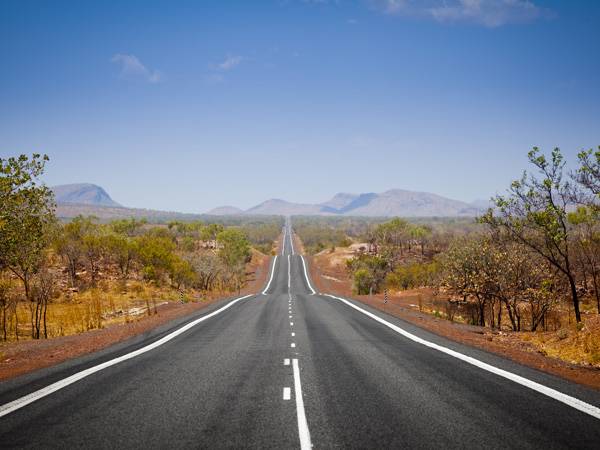
The open road in Kimberly, Western Australia. Straight single lane asphalt road stretching into the distance with mountains in the background. Holiday adventure.
The anti-tick list holiday encourages travellers to focus on being present. (Image: Getty Images/Jason Bennee)

A combination of factors is driving the shift in how Aussies are choosing to holiday. The rising cost of travel, increasing overtourism in major hotspots and a collective yearning for a break from the chaos of everyday life have all contributed to the growing appeal of slow travel.

Reflections Holidays chief executive officer Nick Baker told Australian Traveller that many Aussies are realising that the cookie-cutter holiday experience just isn’t for them. “We’ve noticed a growing shift towards Aussies seeking out authentic, personalised getaways that avoid common tourist traps," Baker said.

“Instead of wasting time in queues and crowded attractions, travellers now want to focus on activities they truly enjoy, opting instead for an anti-tick list itinerary."

Rather than rushing from one attraction to the next, the anti-tick list holiday encourages travellers to take a step back, focus on being present and enjoy the simple pleasures of their surroundings. Whether it’s waking up to the sound of birdsong in a secluded stay in Tasmania, spending an entire day reading on a secret beach, going on an epic road trip to the heart of the outback or hiking to a lookout without checking the time, this kind of travel is about experiences, not itineraries.

Less is more
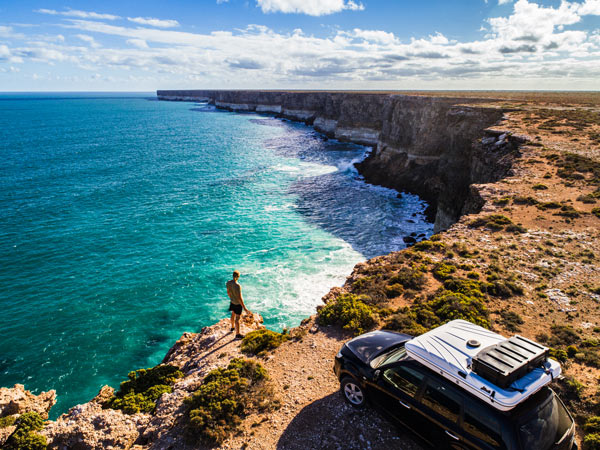
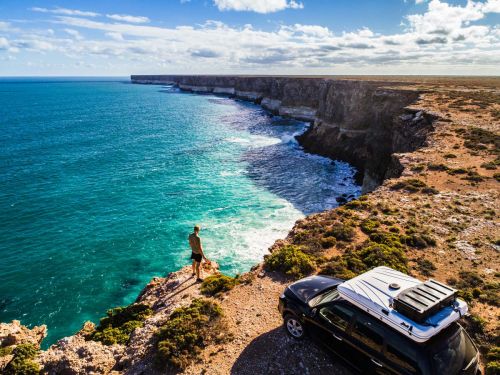
Aerial view of car parked with camper and young man overlooking the Great Australian Bight. Captured while crossing the Nullarbor.
Escape the daily grind with an anti-tick list holiday. (Image: Getty Images/Philip Thurston)

Stepping away from the pressure to ‘see it all’ can lead to a more meaningful and rejuvenating holiday. Instead of returning home feeling like they need another break to recover, travellers who embrace a slower pace report feeling more refreshed and connected to both their surroundings and themselves.

Nature-based getaways, in particular, are proving to be a popular choice for those looking to escape the daily grind. Immersing in natural environments – whether it’s a rainforest retreat in Tropical North Queensland, a remote campground or a small town coastal escape in South Australia – has been linked to improved mental health, lower stress levels and a greater sense of well-being. It’s not just about switching off from work emails; it’s about reconnecting with the world in a way that doesn’t require a checklist. Because we have enough of those already.

“Sometimes, less really is more. When you strip back the clutter of a packed schedule, you create space for genuine relaxation and a chance to reconnect with nature," Baker told Australian Traveller.

Need tips, more detail or itinerary ideas tailored to you? Ask AT.

AI Prompt

Where to go for the ultimate anti-tick list holiday

For those keen to embrace the anti-tick list ethos, there’s no shortage of destinations across Australia that offer a slower, more immersive escape. Here are a few ideas:

Holiday parks in beautiful locations
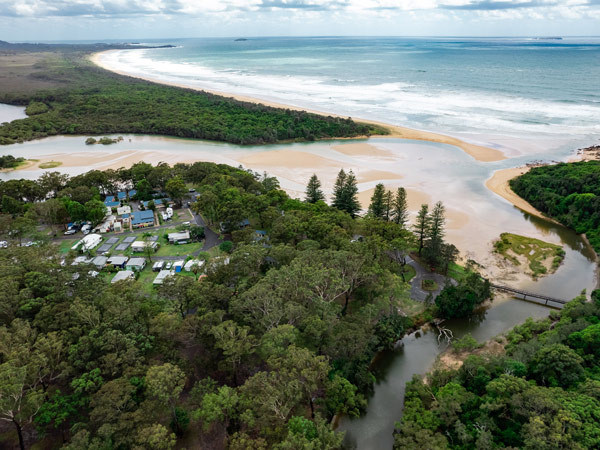
Reflections Holidays Moonee Beach
Slow down at Reflections Holidays properties.

Nestled in some of Australia’s most picturesque locations, Reflections Holidays campgrounds and cabins provide a perfect setting for a low-key, nature-based escape. With waterfront views, bushland retreats and easy access to stunning landscapes, they make it easy to slow down and savour the beauty of Australia.

“We are seeing a lot of interest in spots that are more off-the-beaten-track with locations such as Bonny Hills, Evans Head, Pambula, Tumut and Eden, gaining popularity, offering the perfect balance of comfort, adventure and seclusion," Baker said.

And for a taste of remote wilderness, Discovery Parks has some standout locations, including Broome, Lake Argyle and Lake Kununurra in the Kimberley.

Margaret River, WA
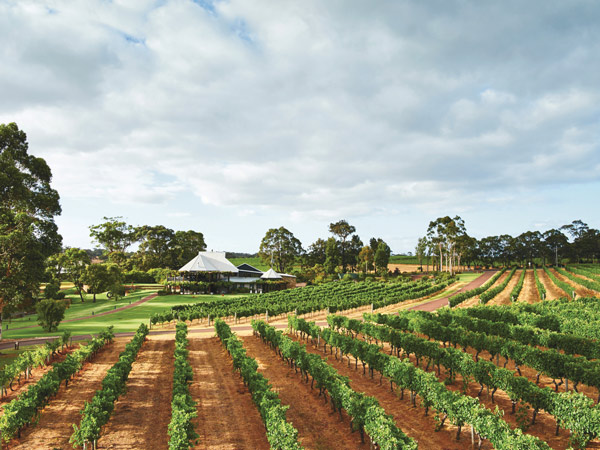
Margaret River vineyard
Enjoy an unhurried escape in Margaret River. (Image: Tourism Western Australia)

A world-renowned wine region that offers more than just cellar doors. Here, you can take long walks along untouched beaches, explore ancient caves and enjoy farm-to-table dining at a relaxed pace. The lush vineyards and rugged coastlines create the perfect backdrop for a truly unhurried escape.

The Blue Mountains, NSW
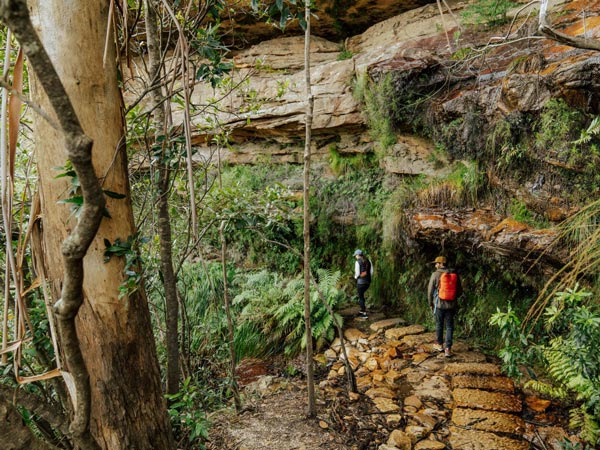
The Grand Cliff Top Walk Undercliff Track in the Blue Mountains
Ditch the crowded lookouts on the new Grand Cliff Top Walk. (Image: R Brand/DCCEEW)

Known for its dramatic cliffs, waterfalls and lush eucalyptus forests, the Blue Mountains is an ideal destination to unwind. Ditch the crowded lookouts and instead explore lesser-known hiking trails, stay in a cosy cabin or simply soak up the crisp mountain air.

Weekly travel news, experiences
insider tips, offers, and more.

The Yarra Valley, Vic
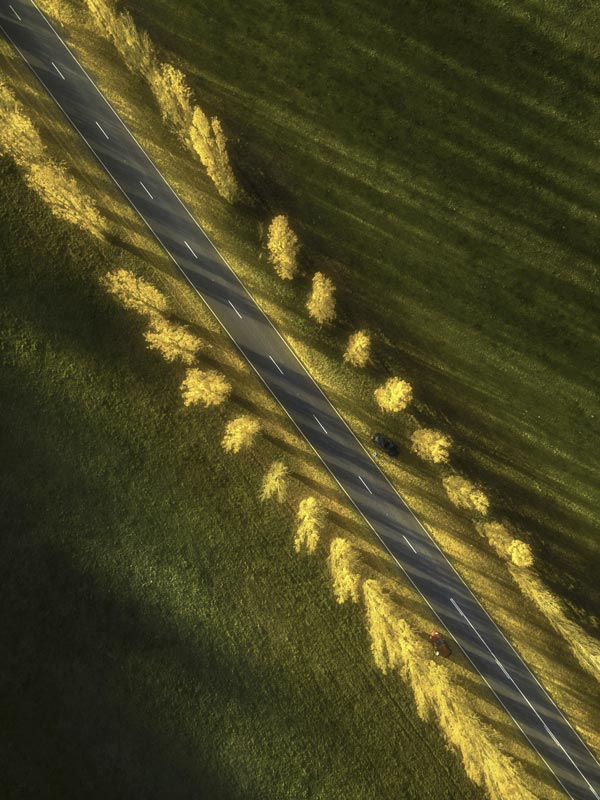
Yarra Valley Road
The Yarra Valley is perfect for a slow and mindful getaway.

This wine country escape offers rolling vineyards, exquisite dining and boutique accommodation set in tranquil countryside. Whether it’s a leisurely afternoon tasting local wines, indulging in gourmet produce or enjoying a picnic by the river, the Yarra Valley is perfect for a slow and mindful getaway.

Cocos Keeling Islands
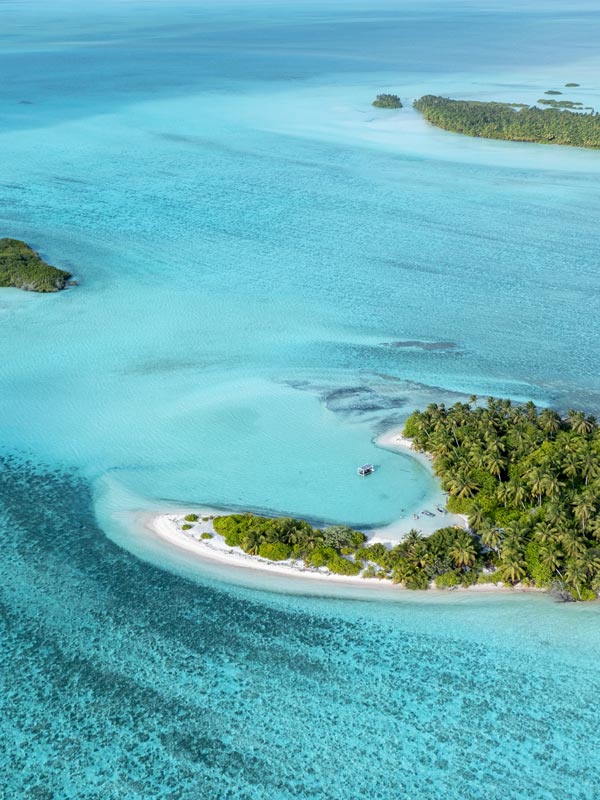
Pulu Belan Madar on the Cocos Keeling Islands
Disconnect from the world on the Cocos Keeling Islands. (Image: Ryan Chatfield)

A remote paradise in the Indian Ocean, the Cocos Keeling Islands are an archipelago that boasts crystal-clear waters, pristine white-sand beaches and an unhurried island vibe. With limited tourist infrastructure, it’s the ultimate spot to disconnect from the world, snorkel among vibrant marine life and enjoy uninterrupted sunsets over the horizon.

The future of anti-tick list travel?

The rise of the anti-tick list holiday suggests that more Aussies are rethinking what a successful getaway looks like. While there will always be a place for bucket-list travel, there’s a growing recognition that a holiday should be about more than just ticking boxes – it should be about taking a breath, enjoying the moment, and making memories that aren’t defined by a checklist.

As this trend continues to gain momentum, expect to see more travellers opting for slow, nature-focused escapes that prioritise relaxation over rushing. After all, sometimes the best way to make the most of a holiday is to simply let go of the agenda altogether.

Want to see more stories from Australian Traveller in your Google search results?

  1. Click here to set Australian Traveller as a preferred source.
  2. Tick the box next to "Australian Traveller". That's it.
Emily Murphy
Emily Murphy is Australian Traveller's Email & Social Editor, and in her time at the company she has been instrumental in shaping its social media and email presence, and crafting compelling narratives that inspire others to explore Australia's vast landscapes. Her previous role was a journalist at Prime Creative Media and before that she was freelancing in publishing, content creation and digital marketing. When she's not creating scroll-stopping travel content, Em is a devoted 'bun mum' and enjoys spending her spare time by the sea, reading, binge-watching a good TV show and exploring Sydney's vibrant dining scene. Next on her Aussie travel wish list? Tasmania and The Kimberley.
View profile and articles

From coast to bush: these are Gippsland’s best hikes

    Michael Turtle Michael Turtle

    Video credit: Tourism Australia

    From coast to mountains, hiking in Gippsland offers a stunning array of landscapes, with trails that take you deep into the region’s heritage.

    I step out onto the sand and it cries out underfoot. Kweek! I take another step and there’s another little yelp. Screet! Picking up the pace, the sounds follow me like my shadow, all the way down to the water. It’s obvious how this spot got its name – Squeaky Beach – from the rounded grains of quartz that make the distinctive sounds under pressure.

    For many, Wilsons Promontory National Park is the gateway to Gippsland, and the best way to explore it is by walking its network of hiking trails, from coastal gems such as Squeaky Beach through to the bushland, among the wildlife. But it’s still just a taste of what you’ll find on foot in the region.

    Venture a bit further into Gippsland and you’ll discover the lakes, the rainforest, and the alpine peaks, each changing with the season and offering summer strolls or winter walks. Just like that squeaky sand, each step along these trails has something to tell you: perhaps a story about an ancient spirit or a pioneering search for fortune.

    The best coastal hikes in Gippsland

    sunset at Wilsons Promontory National Park
    Wilsons Promontory National Park is a sprawling wilderness with many coastal bushland trails. (Image: Mark Watson)

    Wilsons Promontory National Park (or ‘The Prom’, as you’ll end up calling it) is an easy three-hour drive from Melbourne, but you might ditch the car when you arrive, with much of the park’s 50,000 hectares accessible only by foot. From the inky water of Tidal River (dyed dark purple by abundant tea trees), I like the easy walks along the coast, among lichen-laden granite boulders, to golden beaches and bays.

    a couple on Mount Oberon
    Panoramic views from the summit of Mount Oberon. (Image: Everyday Nicky)

    The trail to the panoramic views at the summit of Mount Oberon is a bit harder, up steep timber and granite steps, but it’s a popular 6.8-kilometre return. The more remote hikes are found through the open banksia and stringybark woodland of the park’s north, or along the multi-day Southern Circuit, which ranges from about 35 to 52 kilometres, with sunrises and sunsets, kangaroos and cockatoos, and maybe even whales.

    a golden sand beach at Wilsons Promontory National Park
    Walk ‘The Prom’s’ golden sand beaches. (Image: Tourism Australia/Time Out Australia)

    You might also see whales on the George Bass Coastal Walk, even closer to Melbourne on the western edge of Gippsland. This dramatic seven-kilometre trail along the clifftops takes in sweeping views of the wild ocean, occasionally dipping down from grassy green hills to coastal gullies and a secluded beach. It also now links into the Bass Coast Rail Trail for an extra 14 kilometres.

    the George Bass Coastal Walk
    George Bass Coastal Walk trails for seven kilometres along clifftops. (Image: Visit Victoria/Time Out Australia)

    Over at the eastern edge of Gippsland, in Croajingolong National Park, you can wander along the lakeshores beneath koalas and around goannas (I keep my distance since one chased me here!). For those who are even more adventurous, the park is also the starting point for the 100-kilometre Wilderness Coast Walk, usually done over seven days.

    the Croajingolong National Park, Gippsland
    Wander along the lakeshores in Croajingolong National Park. (Image: Tourism Australia)

    The best bush hikes in Gippsland

    the Baw Baw National Park
    The alpine heath of Baw Baw National Park. (Image: Everyday Nicky)

    Deep in the Long Tunnel Extended Gold Mine at Walhalla, mining guide Richard tells me how this small town in the mountains east of Melbourne boomed when prospectors found gold here in 1862. These days, you’ll find most of the town’s treasure – its heritage – above ground, with the Walhalla Tramline Walk a wonderful way to explore it.

    Just seven kilometres long, the walk takes you through decades of Gold Rush history, following the original rail trail from lush bushland to the mining sites, and through the charming village of just 20 residents with its wooden cottages and old shopfronts adorned with turn-of-the-century advertising posters. Blazing a trail where trailblazers once opened up the region, this is also the starting point for the 650-kilometre Australian Alps Walking Track.

    Nearby, Baw Baw National Park has walks through gnarled snow gums and alpine heaths that show off the colourful wildflowers in summer and the pristine carpet of white in winter. Several trails are perfect for snowshoes, including a 45-minute route from St Gwinear up to vast views across the Latrobe Valley.

    Further up into the mountains, the Toorongo and Amphitheatre Falls Loop Walk is an easy 2.2-kilometre path that serenades you with the sound of flowing water as you pass mossy rocks and tree ferns en route to two sets of waterfalls cascading over boulders in the remote wilderness.

    The best cultural hikes in Gippsland

    the Mitchell River National Park, Gippsland
    Hike the Mitchell River National Park. (Image: Parks Victoria/Grace Lewis)

    Across a pool in a natural sandstone amphitheatre, deep within a cave behind a waterfall, it’s said the Nargun has its lair. A fierce creature, half human and half stone, that abducts children and can’t be harmed by boomerangs or spears, the story of the Nargun has been told around the campfires of the local Gunaikurnai people for generations.

    As a culturally significant place for women, hikers are asked not to go into the Den of Nargun, but a 3.4-kilometre loop walk leads you through a rainforest gully to the entrance where you can feel the powerful atmosphere here in Mitchell River National Park, along Victoria’s largest remaining wild and free-flowing waterway.

    the bee-eaters at Mitchell River National Park
    Bee-eaters at Mitchell River National Park. (Image: Parks Victoria/Grace Lewis)

    The Den of Nargun is part of the Bataluk Cultural Trail, a series of important traditional Gunaikurnai sites through central Gippsland. Another location is Victoria’s largest cave system, Buchan Caves Reserve, with trails to important archaeological sites of human artefacts up to 18,000 years old. The FJ Wilson Interpreted Walk includes the naturally sculpted white limestone steps of the 400-metre-long Federal Cave, while the Granite Pools Walk goes among tall timber and moss-covered gullies.

    the ancient rainforest of Tarra-Bulga National Park
    The ancient rainforest of Tarra-Bulga National Park. (Image: Josie Withers)

    Also important to the Gunaikurnai people is Tarra-Bulga National Park, known for its ancient myrtle beeches and enormous mountain ash trees. Just 40 minutes return, the Tarra Valley Rainforest Walk offers a taste of this verdant landscape, while the Grand Strzelecki Track takes you deep into the lost world of forest giants on an epic 100-kilometre trail rich with tradition.

    A traveller’s checklist

    Staying there

    the WildernessRetreats in The Prom
    Wilderness Retreats in The Prom. (Image: Christian Pearson)

    Wilderness Retreats in Wilsons Promontory offers glamping-style tents with luxurious queen beds. Star Hotel is a reconstruction of a Gold Rush-era hotel from 1863 in the heart of heritage Walhalla. Caves House is a historic three-bedroom house with views over the Buchan River.

    Eating there

    the Carrajung Estate, Gippsland
    Enjoy a post-hike lunch at Carrajung Estate. (Image: Everyday Nicky)

    Kilcunda General Store serves great coffee and meals of local produce at the George Bass Coastal Walk. Alpine Trout Farm is located near Toorongo Falls in Noojee. Fish for your own lunch and barbecue it with the provided cookware.

    Carrajung Estate is a short drive from Tarra-Bulga National Park. The winery’s restaurant offers a seasonal menu of regional ingredients and you can stay at The Lodge.

    a seafood feast at Carrajung Estate, Gippsland
    The table is set for a seafood feast at the estate.

    Video credit: Tourism Australia