Travel Trend: The great Aussie pub revival is here

hero media
So long tacky beer-stained carpets and smoke-enveloped pokie rooms, hello sleek interiors and seasonally driven menus. A slew of our favourite watering holes have undergone multi-million-dollar makeovers of late, elevating our Aussie pub scene in both style and substance.

How the great Aussie pub started

Public houses have been part of the Australian societal fabric since the late 18th century, when they were quickly established during colonisation. As well as a gathering place to enjoy a drink, the local pub traditionally provided a range of social services such as accommodation and postal services, and doubled as a meeting place for business, recruiting stations in wartime and refuges during civil emergencies.
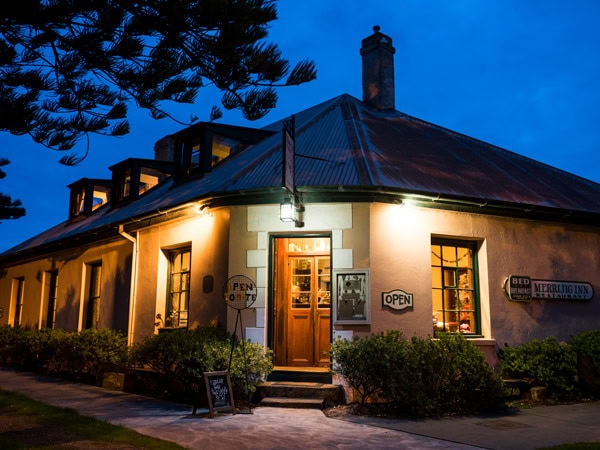
the exterior of Merrijig Inn in Port Fairy
Merrijig Inn in Port Fairy is one of Victoria’s oldest pubs, built in the mid-1800s. (Image: Visit Victoria)

Today, there are around 7000 pubs in the country, many of which have been around for centuries and are now classified heritage-listed buildings. There is still a place in our collective heart for a good old-fashioned pub with layers of untouched history, but for the past few years, a pub revival has been brewing.

“Pubs can’t afford to stand still," says Stephen Ferguson, CEO of Australian Hotels Association. “The industry has become far more sophisticated. People’s tastes have changed, expectations have increased."

The evolution of pub culture
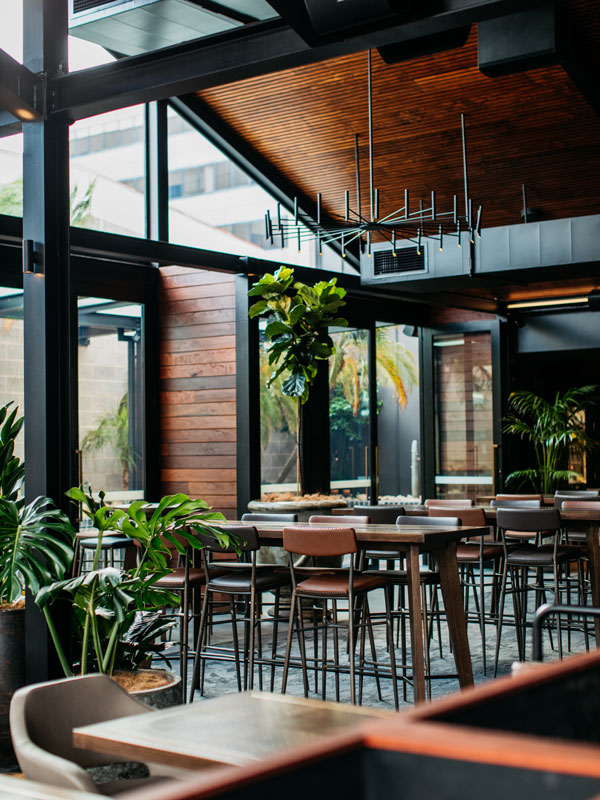
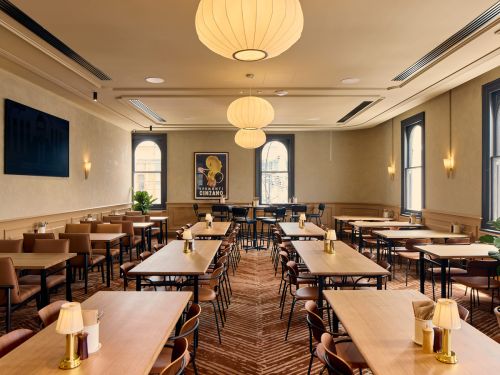
the dining area inside the pub at Hotel Gosford
The Art Deco-style Hotel Gosford pays homage to its 1920s roots. (Image: Kitti Gould)

One by one, these ageing establishments are being painstakingly restored and updated; old venues are being gutted and modernised, and heritage elements are being discovered under mismatched wallpapers and gaudy carpets. The modern-day Aussie pub has thoughtful and quality aesthetics combined with top-notch and sustainable food and extensive beverage offerings.

Sydney-based design and construction company Warrane specialises in hospitality venues, particularly Australian pubs, a niche that developed as a response to growing market demand. “Over time, we honed our expertise in refurbishing pubs, blending heritage with contemporary design to create vibrant social spaces," says marketing, brand and sales manager, Matt Dampney. “We have a deep understanding of pub culture. They need to stay relevant, engage with the community and there’s a renewed focus on food and beverage."

The company has overseen the transformations of big-name Sydney pubs such as Coogee Bay Hotel and Hotel Steyne in Manly but also specialises in regional and historic venues, including The Courthouse Hotel, Tamworth, and currently The Federal Hotel, Alstonville. “Pub owners want high-quality finishes and a balance of modernisation while maintaining the venue’s unique character, through restored facades, original timberwork and historic signage," says Dampney.

Hotel Gosford on NSW’s Central Coast is a heritage-listed 1920s building that was given a staggering glow-up in 2022. “It was the biggest and boldest renovation Hotel Gosford has ever experienced," says marketing manager Chelsea Berman. The planning took a decade, with the brief centred around the history of the building and the outcome a sleek, Art Deco-style design. Berman says the hotel has since seen a shift in visitation, with many patrons now coming from farther and wider to drink and dine.

Pubs as foodie destinations
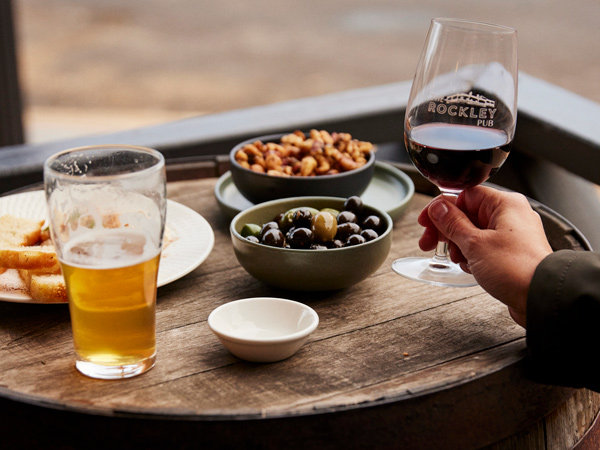
food and drinks at The Rockley Pub in country NSW
The Rockley Pub is worth a stop for its elevated pub fare. (Image: Destination NSW)

Aside from good looks, Stephen Ferguson of AHA says the industry’s food offering has had the biggest shake-up, with pubs catering to diversified tastes. “People will travel for good food," he says. “There’s still a classic schnitty and parmi – or parma, depending on where you come from – but now you can go to the pub with your family and get a five-star meal."

It’s a far cry from the traditional counter meal that would have comprised free bread and cheese or cheap bangers and mash. Nowadays, well-known chefs are taking over pub kitchens (such as Matt Moran and The Rockley Pub in country NSW), fine dining is replacing classic pub meals (think The Royal Mail Hotel in Victoria) and global flavours are part of the experience. Take The Australian Hotel Ballina, whose 2024 transformation included the addition of a Mexican Cantina. “The modern pub experience is about balancing tradition with contemporary expectations, offering a space that feels both familiar and exciting," says licensee and general manager Anton Green.

Community at its core

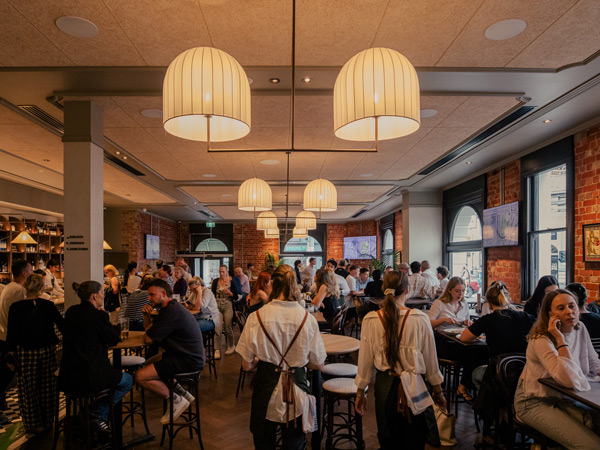
a crowd-filled pub at The Gardiner Hotel
The local pub is a place for the community to thrive. (Image: The Gardiner Hotel/Griffin Simm)

But at the core of any pub is the community. “We provide a place for people to connect and unwind, while also supporting local events, live music, sports clubs and charities, fostering a sense of belonging and community spirit," says Green. “It’s more than just a business, it’s part of Ballina’s identity."

Stephen Ferguson agrees that the role of a pub in the community is crucial and hasn’t changed all that much since the 18th century. “Regional pubs are especially crucial in times of crisis, such as floods and bushfires. The pub becomes the centre of everything, often with the town’s only phone line or generator," he says. “In cities, pubs next to railway stations, where people can drop in after work for a drink, are really socially important to the community."

The pub is an institution that has outlasted wars, strict laws from the Temperance Movement (that caused the Six O’Clock Swill), the GFC and the pandemic – and the recent trend of pub revivals is a sign they’ll be part of our culture for centuries to come.

The pub revivals leading the charge

The Denmark Hotel, WA
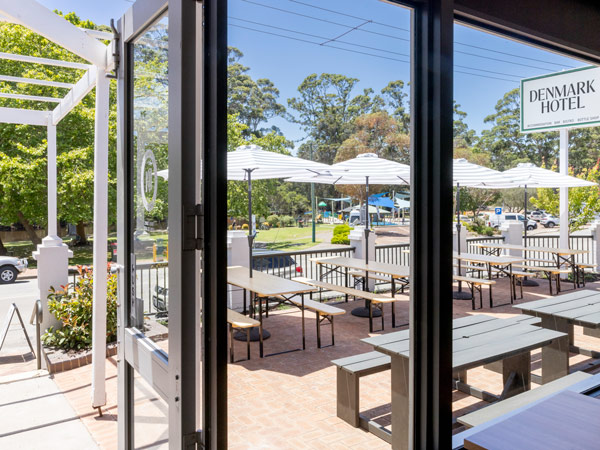
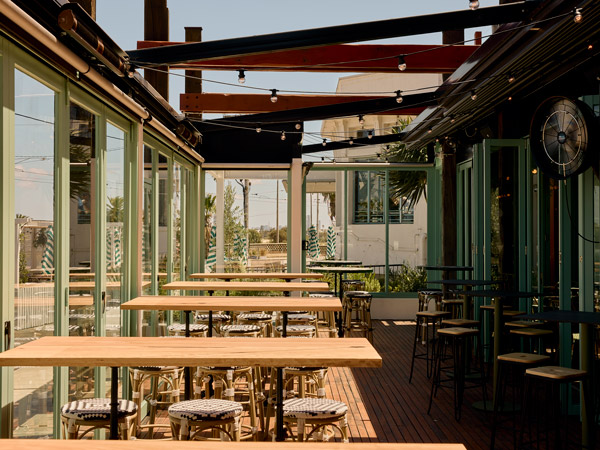
alfresco pub dining at The Denmark Hotel, WA
The Denmark Hotel recently underwent a transformation. (Image: Nic Duncan)

Acting as a de facto town hall, this classic coastal pub has been a main character in Denmark’s story for almost a century. Its recent transformation exposed the hotel’s charming original green bricks, Jarrah floorboards and heritage fireplaces. The bistro menu is centred around ingredients sourced from local growers and producers and the new boutique bottle shop stocks an impressive range of local wines. The complete stylish overhaul of its 24-room lodge encourages visitors to linger longer.

Hotel Sorrento, Vic
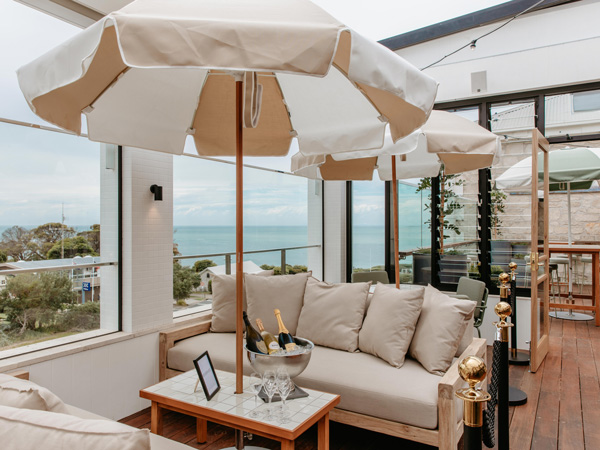
rooftop seating under huge umbrellas at Hotel Sorrento, Vic
Hotel Sorrento on Victoria’s Mornington Peninsula received a glow-up in early 2025. (Image: Kate Shanasy)

The iconic 1872-built Hotel Sorrento on Victoria’s Mornington Peninsula reopened earlier this year after an ultra-chic transformation. Its all-new rooftop with sea views has just been unveiled oozing a Saint Tropez-inspired vibe with a fully retractable roof for sun-drenched days, a fireplace for winter, a curated wine and cocktail list, and a rolling line-up of DJs.

The Gardiner Hotel, Vic
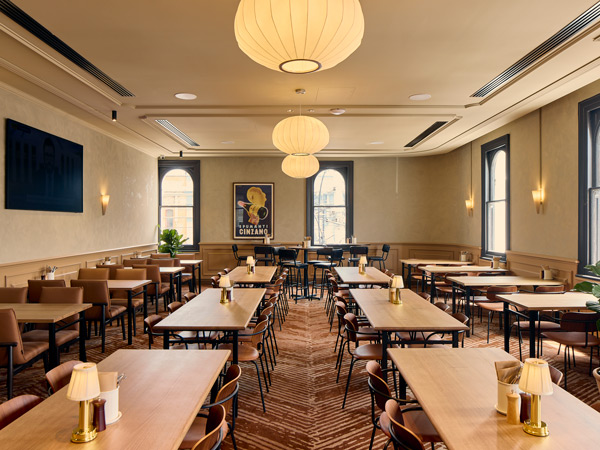
a look inside the pub at The Gardiner Hotel, Vic
The Gardiner Hotel balances its heritage charm with contemporary spaces. (Image: Griffin Simm)

A former bank building in Melbourne’s suburb of Malvern has been transformed into The Gardiner Hotel , a contemporary social hang-out that embraces the 1915 property’s rich history. Within the refreshed white façade, you’ll find a charming ground-floor bistro with heritage-style tiling and panelling and a sun-drenched rooftop for languid afternoon bevvies.

The Espy, St Kilda, Vic

the Espy sunroom in St Kilda, Vic
The newly opened Espy Sunroom offers a lovely location for long lunches. (Image: Griffin Simm)

A landmark of Melbourne’s beachside suburb for almost 150 years, The Espy has had many transformations. Its latest addition is the Espy Sunroom, a new and expansive space with a laidback, rustic aesthetic. With hanging greenery and a terrace featuring a retractable roof, it makes for a perfect spot for long lunches year-round. Seafood is a hero on the menu, but pub classics and woodfired stone pizzas are also served.

Hotel Gosford, Central Coast, NSW
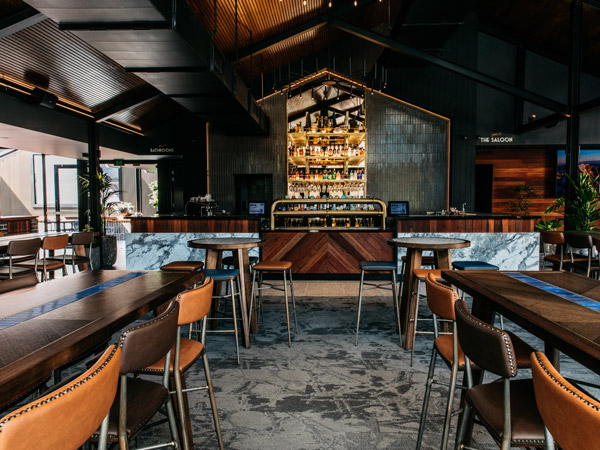
a look inside the pub at Hotel Gosford, Central Coast, NSW
The century-old Hotel Gosford was revamped in 2022. (Image: Kitti Gould)

A cornerstone of the Central Coast for almost a century, this heritage-listed waterhole underwent a stunning revamp and extension in 2022. Its brooding Art Deco design pays homage to its 1926 roots, with rich dark timbers, ambient lighting, brass accents and leather seating. Earl’s Kitchen features an Asian-inspired menu, and its extensive beverage list features 32 tap beers, a whisky vault with optional whisky flights, and creative cocktails, including seven types of margaritas.

The Australian Hotel, Ballina, NSW
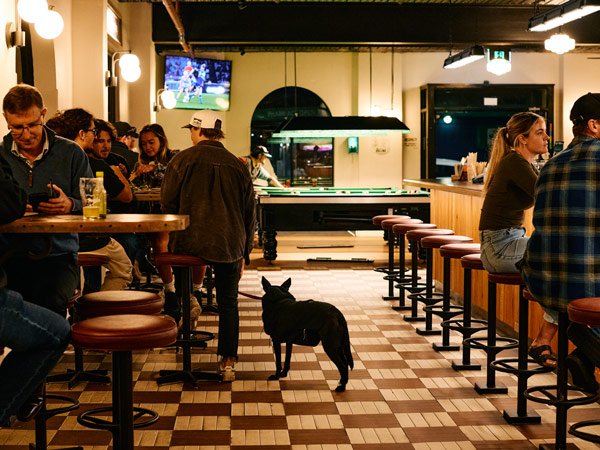
a dog inside The Australian Hotel Ballina pub
The Australian Hotel Ballina has been thoughtfully updated to retain its original charm. (Image: Marissa M)

In 2024, this century-old pub was given a very cool reno with the motto “restoring a classic". Original timber work and structural beams were exposed, and a large timber bar was built with fixed bar stools, echoing a traditional pub counter where you can enjoy a drink and a yarn. Enjoy live music outside in the festooned beer garden and fresh, authentic Mexican street food as an alternative to pub classics.

Arkaba Hotel, South Australia
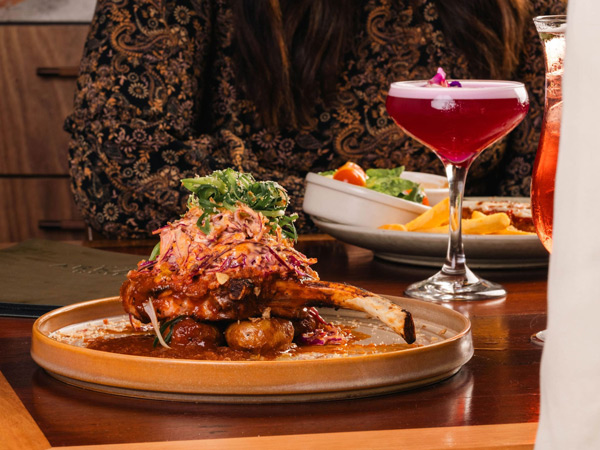
American-style pub food and drinks at Arkaba Hotel, South Australia
Feast on American-style pub classics. (Image: Arkaba Hotel)

This Adelaide hotel has been pouring beers since 1966. In 2023, a huge $12 million was poured into its redevelopment – at its centre, a striking 360-degree bar with a wraparound LED TV and an elegant dining room featuring warm timbers and soft lighting. Dine on the modern Australian menu with pub classics or nab a table in the indoor-outdoor sports bar and feast on the American-style menu.

Kirra Beach Hotel, Queensland
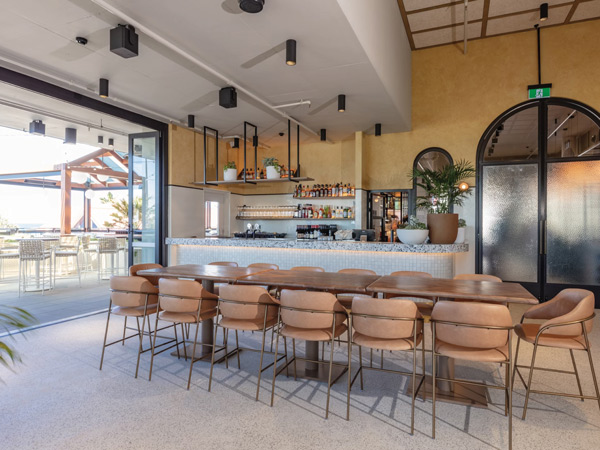
the pub at Kirra Beach Hotel, Queensland
The coastal pub doubles as a community hub.

A staggering $380 million was injected into the resurrection of this 1956-founded institution. The ground-level pub was designed with the local surfing community in mind, with memorabilia, vintage photography, lifesaving caps and surfboards gracing the walls. The new hotel also features a swanky bar and luxury accommodation upstairs but has kept a relaxed salty-skin, sandy-feet vibe.

Travel Trend is a monthly series that explores an emerging trend in the travel space to connect readers with Australia’s must-have experiences.
Megan Arkinstall
Megan Arkinstall is a freelance travel writer who you’ll often find at the beach, bushwalking or boating with her young family. She loves reliving travel memories through writing, whether that be sipping limoncello in a sun-drenched courtyard of Monterosso or swimming with green turtles in the aquamarine waters of Tropical North Queensland.
See all articles
hero media

Taking the route less travelled along the Great Ocean Road

The Great Ocean Road has captured the hearts of Australians with its astounding scenery since 1932, but going off-course can enrich your experience with untouched nature, foodie delights and charming towns. 

It’s a chilly 16 degrees. My husband pulls on a steamer and jogs – as all seasoned surfers do – into the water. We’re at Bells Beach , the legendary break on Victoria’s Surf Coast that’s home to the Rip Curl Pro, the world’s longest-running event in competitive surfing. Each year, over the Easter long weekend, up to 40,000 people descend on the region for the event. Today, though, we have the beach almost to ourselves, and the less-than-favourable temperature doesn’t deter my husband from surfing this famous break.  

Bells Beach
Bells Beach is known for its epic surf break and is at the start of the Great Ocean Road. (Image: Tourism Australia)

Torquay to Anglesea and Aireys Inlet 

Split Point Lighthouse
The red dome of Split Point Lighthouse in Aireys Inlet. (Image: Tourism Australia)

The nearby surf town of Torquay marks the starting point for the Great Ocean Road . Unfolding our map, which we have marked out with a highlighted route for our children to follow, we set off for lesser-known Anglesea, a chilled-out town 20 minutes south of here. Its wide, sandy beach is a gentler swimming option for our young family. Groms can learn to surf here with Go Ride a Wave, which also runs stand-up paddle boarding on the Anglesea River.  

Split point lookout
The lighthouse overlooks the Shipwreck Coast. (Image: Tourism Australia)

After a couple of nights in Anglesea, we hit the road again, first stopping at Aireys Inlet. Here we stretch our legs at Split Point Lighthouse, which was made famous by the 1990s television series Round the Twist, before driving under the Memorial Arch that welcomes us, officially, to the Great Ocean Road.  

This 243-kilometre coastal road was built by returned First World War servicemen and serves as a permanent memorial to those who fought and died during the war. Carved into rock using hand tools and horse-drawn carts, it was a huge engineering feat and provided much-needed access to isolated coastal communities. 

Lorne to Birregurra 

Lorne is a delightful beachside stop for lunch and browsing boutique stores. It’s also the gateway to Great Otway National Park , which comprises a varied landscape of old-growth forests, cool-temperate rainforests, heathy woodlands and rugged coast. With the highest rainfall in Victoria, the region is home to many waterfalls – 10 of which are within 10 kilometres of Lorne.  

Turning slightly off the main drag, we wind along a gum-shaded road to Erskine Falls. Here, our son leads the way through the hyper-green rainforest and down 200-plus stairs to the cascade that drops 30 metres into a lush fern gully. We hop over large boulders to get closer to the falls, enjoying the entire place to ourselves; it’s worth the return climb.  

From Sheoak Falls Picnic Area, there are walking trails to Henderson Falls, Phantom Falls, Won Wondah Falls and Kalimna Falls, some of which follow an old timber tramway from forest-logging days, which only came to an end in 2008.  

Erskine Falls
Erskine Falls is one of many falls within a day trip of Lorne. (Image: Visit Victoria)

You can follow your appetite north to the town of Birregurra, which is part of the Otway Harvest Trail that connects farm gates, markets, wineries, breweries and distilleries. It’s home to three-hatted modern Australian restaurant Brae , helmed by celebrated chef Dan Hunter, set among native gardens and an organic farm, and Otways Distillery, which produces small-batch spirits using local produce and botanicals.  

Brae restaurant
Brae is a three-hatted restaurant in Birregurra. (Image: Tourism Australia)

Apollo Bay to The Otways 

Back on track, the cliff-hugging stretch between Lorne and Apollo Bay is breathtaking. At Teddys Lookout, we overlook the winding road ahead and St George River spilling into the ocean. We spend languid days in Apollo Bay, a buzzy seaside town that boasts a three-kilometre-long, crescent-shaped beach with a backdrop of rolling green hills. One evening, as the sun sets, we take the steep 10-minute walk to Marriners Lookout, which affords panoramic views of the ocean, hinterland and town.  

A 15-minute drive along the road, Maits Rest is a lush rainforest gully that has been protected since the early 20th century. Wandering along the 800-metre boardwalk, we inspect the delicate moss-covered forest floor and the gnarled roots of 300-year-old myrtle beech trees, then crane our necks to see their canopies, some 50 metres above us. It’s therapy in nature.  

Cape Otway to the Twelve Apostles 

Twelve Apostles
One of the famous Twelve Apostles, limestone sea stacks that rise from the Southern Ocean. (Image: Ben Savage)

The southernmost tip of Cape Otway is a delightful detour, home to the 1848-built Cape Otway Lightstation, the oldest surviving lighthouse on mainland Australia. We climb the narrow winding staircase to the gallery deck, explore the keepers’ quarters and telegraph station, and enjoy a coffee and some ‘famous’ scones at the charming onsite cafe.    

It’s a pinch-me moment to finally see the Twelve Apostles in person. This unmistakable cluster of limestone stacks rising abruptly from the sea were never 12, however. When coined this in the 1890s as a marketing ploy, there were only nine; today, only seven remain after two collapsed in 2005 and 2009. We admire these Aussie icons from the viewing platform, in awe of Mother Nature’s ever-evolving artwork.  

The Grotto
The Grotto is another natural attraction within Port Campbell National Park. (Image: Carmen Zammit)

Edging the wild Southern Ocean, this part of the coast – dubbed Shipwreck Coast – is made up of many sea-carved natural wonders including London Bridge, The Grotto and Gibson Steps. After exploring the lookout trails of Loch Ard Gorge/Poombeeyt Kontapool – its English name taken from the site of the 1878 shipwreck – we nestle into the sandy beach encircled by towering sandstone cliffs, as our children splash about on the water’s edge, and soak it all in.  

Port Campbell to Timboon 

Timboon Fine Ice Cream
Timboon Fine Ice Cream is part of a regional foodie trail. (Image: C McConville)

Just north of Port Campbell National Park, the region of Timboon is part of the 12 Apostles Food Artisans Trail, filled with purveyors of delicious foodstuffs such as Timboon Fine Ice Cream , Timboon Railway Shed Distillery and Apostle Whey Cheese. As an antidote to the indulgence, the 20-kilometre Poorpa Yanyeen Meerreeng Trail is a self-guided ride or walk between Port Campbell and Timboon through tall forests, over historic bridges and past sparkling lakes and farmland with grazing cattle.  

Warrnambool to Port Fairy 

Warrnambool building
A 19th-century building in Warrnambool. (Image: Peter Foster)

In Warrnambool, a town rich in maritime history, we take the four-kilometre Thunder Point Walk that traces the coast. The kids squeal when an echidna shuffles out from beneath the wooden boardwalk, and we stop to admire a seal lazing on a rock at the port.  

Further along, the streets of quaint fishing village Port Fairy are lined with 19th-century cottages, old stone churches and Norfolk pines. Follow the historic walking trail to see some of the 60-plus National Trust buildings. Port Fairy is also home to Port Fairy Folk Festival (6-9 March), one of the country’s longest-running music and cultural festivals. You could time your road trip with the event for a fittingly celebratory end to any journey.  

The Great Ocean Road can easily be done in three days, but we’ve spent a week on the road. The highlighted line on our now creased and well-worn map doesn’t follow the famous route precisely. It has sprouted branches in many directions, leading us to untouched rainforest and charming rural towns filled with culinary delights, and where we experienced some of our most memorable moments on the Great Ocean Road.    

A traveller’s checklist 

Staying there

Oak & Anchor
The Oak & Anchor in Port Fairy.

The Monty is a highly anticipated, newly refurbished motel with a chic Palm Springs-inspired aesthetic set across the road from the Anglesea River. Basalt Winery in Port Fairy grows cool-climate wines such as pinot noir and Riesling in rich volcanic soil. Stay among the vines in its tiny home, complete with a kitchen, lounge area and outdoor firepit. 

The Oak & Anchor Hotel has been a Port Fairy institution since 1857. Cosy up by the bar in winter or bask in the sunshine of the Lawn Bar in summer. The rooms are beautifully boutique with considered details, such as luxe baths for sinking into post-road trip. 

Eating there

The Coast in Anglesea is a modern Australian restaurant focused on local ingredients. Grand Pacific Hotel has been a local landmark in Lorne since 1879 and recently underwent a restoration. It serves a mix of traditional pub and Italian fare alongside ocean views.  

Graze is a cosy 40-seat dining room in Apollo Bay with a modern Australian menu complemented by regional wines. Apollo Bay Distillery offers tasting flights, a gin blending masterclass and serves woodfired pizzas.