
From the standout travel trends of the past year to what’s set to take off in 2026, here’s what is shaping the Australian travel landscape.
We travel differently to how we did just a few years ago. We are saying ‘so long’ to simply ticking things off a list and zipping from A to B. Today, we seek a genuine break from our busy lives. We want to slow down and feel connected with the places and people we are visiting. In response, travel companies are looking at ways they can integrate more meaningful and authentic cultural experiences into their products. Wellness tourism is booming. And sustainability and AI are hot topics when it comes to the future of travel. With insights from the likes of Seabourn, Qantas and Intrepid, we reflect on the year that was in Australian travel and what next year is shaping up to be.
Meaningful connection: the rise of Indigenous tourism
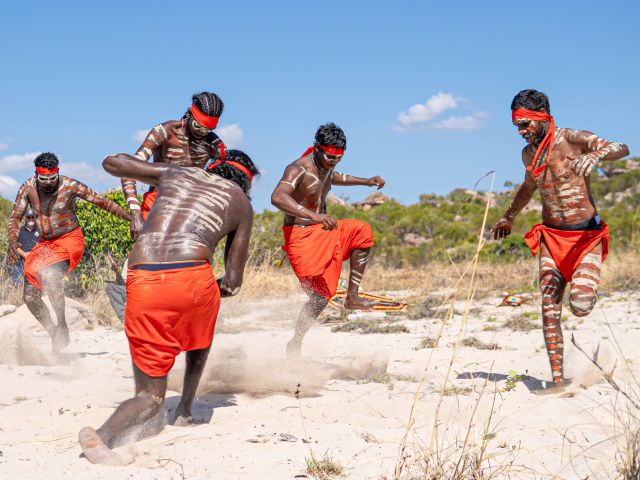
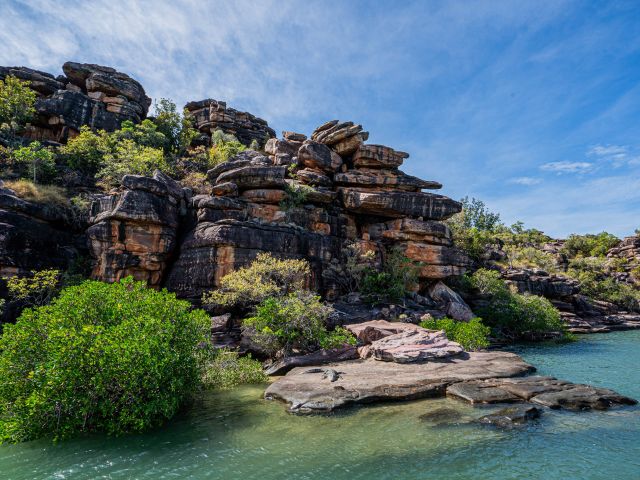
We know the Kimberley as a wilderness. It’s a remote place of ancient geology and staggeringly beautiful – largely pristine – landscapes. But a wilderness, by definition, is a place that has been untouched by humankind. It was during a conversation with the Kimberley’s Wunambal Gaambera people that Michael Mihajlov, senior director of destination management for Carnival Australia , was reminded of this.

“It’s not a wilderness. We live here," he recalls them telling him. “They wanted to share their culture, they wanted to learn about visitors," he says. “It could be the perfect exchange, but it wasn’t happening."
Disconcertingly, many travellers hadn’t met – let alone engaged – with any Aboriginal people during their time in the Kimberley, he tells us. So, together with the Seabourn team, Mihajlov established the main groups that its luxury ships encountered during its Kimberley cruises and had many lengthy conversations with them about creating a mutually beneficial relationship. “We had to understand what the Traditional Owners [of the Kimberley regions Seabourn was cruising through] wanted. We had to learn about who they were and Native Title. It was an open journey."
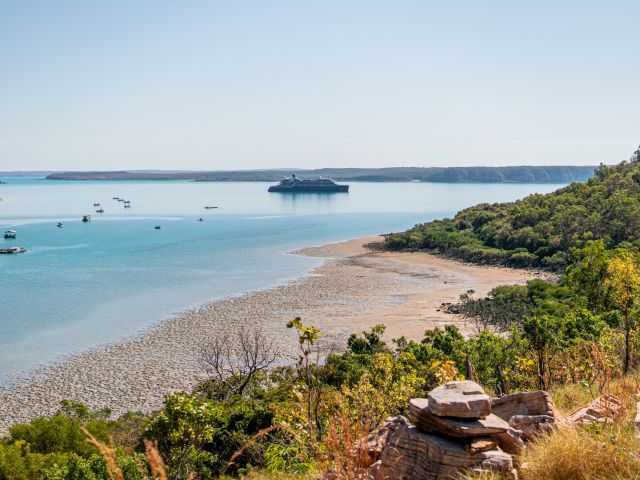
In 2024, Seabourn made history when it announced the Traditional Owners of Ngula Jar Island (Vansittart Bay), Yirinni (Hunter River) and Ngauwudu (Mitchell Plateau) as godparents of Seabourn Pursuit. Incredibly, it is the first time any cruise line across the globe has appointed Indigenous landowners as godparents of a ship. Mihajlov tells us the land corporations took on this role after a long journey of reflection, given there is no equivalent of godparent in their traditional society, choosing to see it as a way of caring for people who enter their Country.
In return, Seabourn made a financial contribution, which was matched by the WA government, and continue to provide art supplies to foster sustainable and commercial art initiatives for Wunambal Gaambera artists. The relationship is a win-win, Mihajlov says. “Seabourn gained a deeper and more meaningful connection with the Traditional Owners and our guests were able to interact with and hear directly from individuals on rock art, law, custom, Creation stories and skin systems."
As Carnival Australia’s destination manager, Mihajlov engages with local government and communities to work towards a symbiotic relationship and a sustainable tourism product. These kinds of relationships have become significantly important for the travel industry – not only in terms of preserving and regenerating First Nations cultures or conserving the local environment, but to appeal to customers who are increasingly seeking authenticity from their travel experiences.
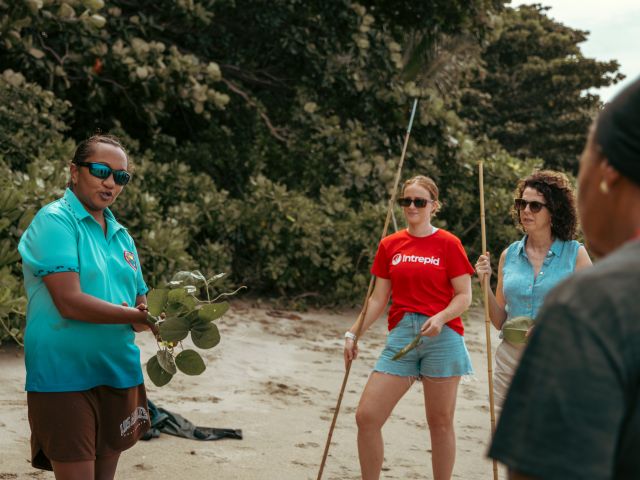
Australian-born company Intrepid Travel tapped into this desire more than three decades ago, designing tours that dive deeper into local culture, travel quite flexibly and avoid over-touristed places, while aiming to respect the host communities through which it travelled.
Brett Mitchell, ANZ managing director for Intrepid, acknowledges there’s a real shift towards authentic cultural experiences; it’s a growing interest particularly from Australians who haven’t engaged with First Nations communities before. “About 75 per cent of our itineraries now include experiences with First Nations-owned businesses. And often the feedback after those trips is that these experiences are the highlights."

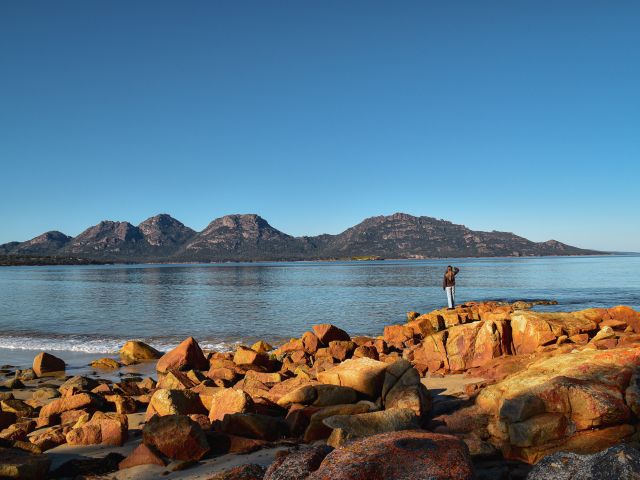
Intrepid has also started to invest in accommodation – including Edge of the Bay in Tasmania’s Coles Bay and Daintree Ecolodge – that is experience-led and educational. “We want to make sure we’re creating experiences where our guests can hear from First Nations people, learn about the environment and the rewilding we’re doing at the properties, too."
Wellness tourism and travelling to reset
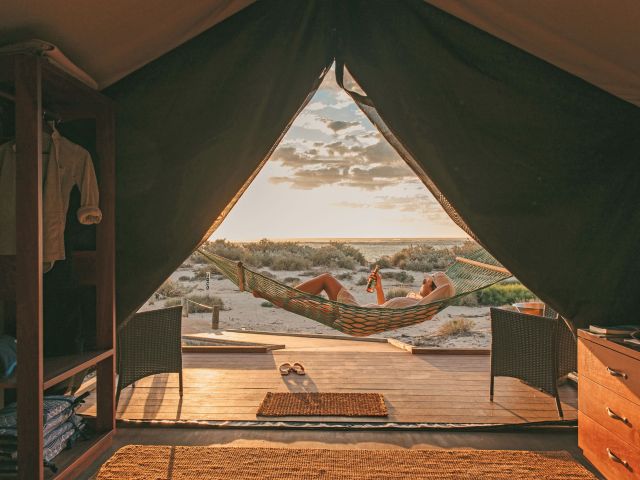
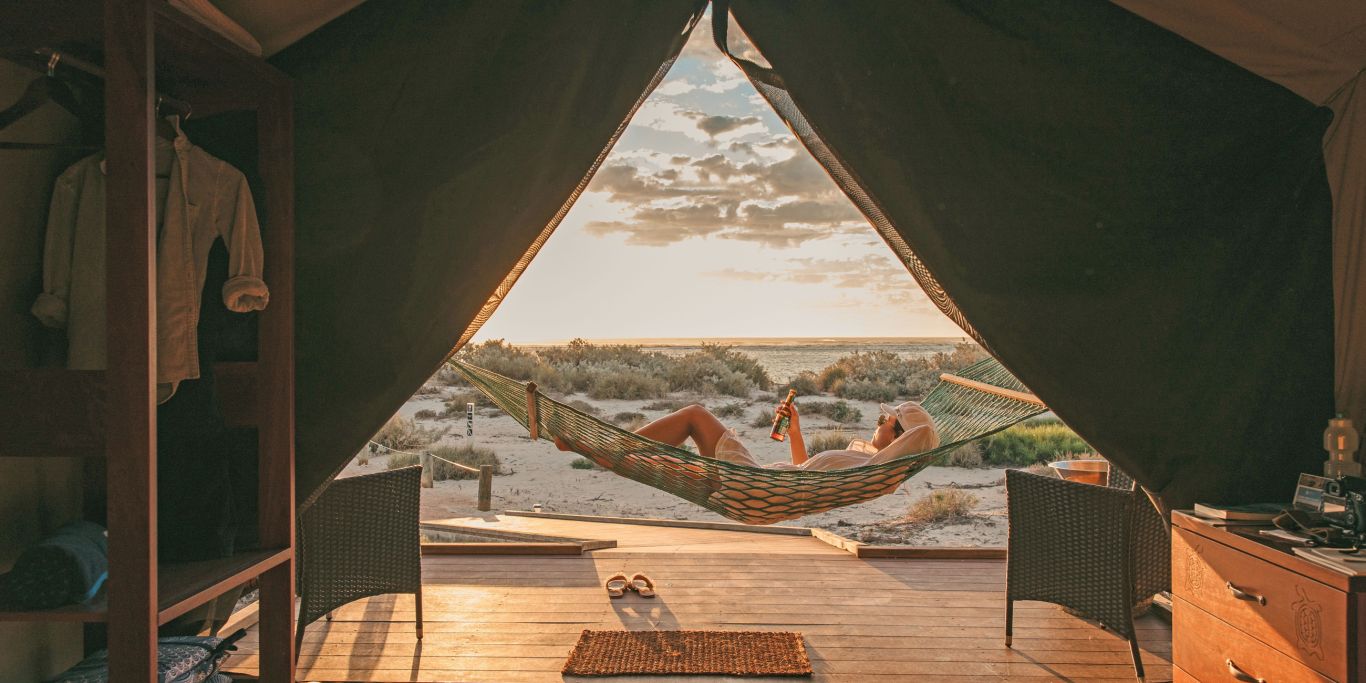
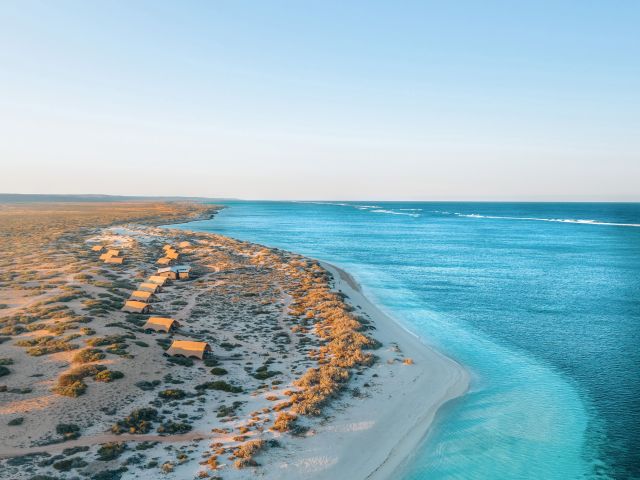
Alicia Triggs, an executive general manager at Journey Beyond , echoes that ‘connection’ has been a focus for travellers. This can, however, be unique to each individual. “It could be connecting to ancient lands and the Traditional Custodians of that land or digging your feet into the sand with a glass of Champagne while you’re watching whales breach at Sal Salis Ningaloo Reef."
“I think connection and wellness are becoming more critical to people’s wellbeing," she says. “Everyone is busy. They want to go on holidays and fill their cup. They don’t want to come back exhausted," she adds.
Wellness is one of tourism’s fastest-growing sectors, with Aussies prioritising their physical and mental wellbeing when booking holidays. But it’s not just about access to the gym or booking in a massage at the day spa. According to Big Red Group booking data, demand for wellness centres has grown significantly and continues to surge year-on-year. Nature-based activities – including visitation to national parks and caravanning and camping – also saw huge growth between 2014 and 2023, according to Tourism Australia.
“Wellness started off as something you just add on," says Adrian Williams, chief operating officer at Accor Pacific. “But now it’s shifting into a more integrated space." Accor’s latest wellness offering was introduced earlier this year at Mantra 2 Bond Street Sydney : its guestrooms feature a Peloton, yoga mat, resistance bands and a NutriBullet blender.
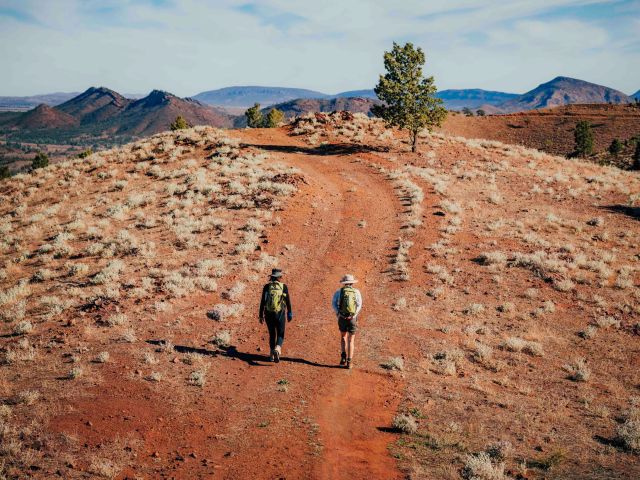
According to Fiona Stillwell, chief commercial officer at Experience Co – which represents outdoor tourism experiences such as Dreamtime Dive & Snorkel on the Great Barrier Reef and the Arkaba Walk in South Australia’s outback – people are seeking to recharge in nature and engage with the environment. “Australians enjoy the opportunity to learn about ecosystems, get close to nature and have memorable adventures that go beyond the usual tourist stops."
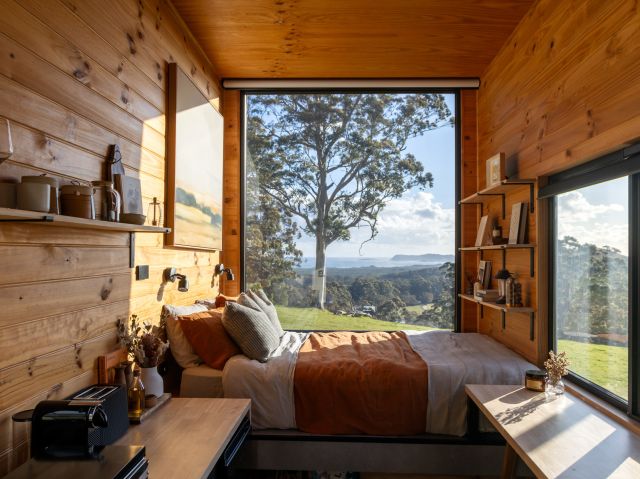
Off-grid accommodation has also become a huge trend in recent years, as Australians seek to escape everyday life by being surrounded in nature and disconnecting from devices. Tiny cabins are wildly popular now, with many companies planting these simple structures on accessible yet secluded properties across the country. The idea is to switch off both physically and digitally from life: a true escape that promotes wellness and rest. There’s Unyoked, which was started by properties; CABN, which Intrepid invested $7.85 million into in 2022; and Heyscape, whose Denmark cabin was just listed in National Geographic’s global annual hotel awards under the ‘remote escape’ category.
Need tips, more detail or itinerary ideas tailored to you? Ask AT.
AI Prompt
Slow travel – a new kind of luxury
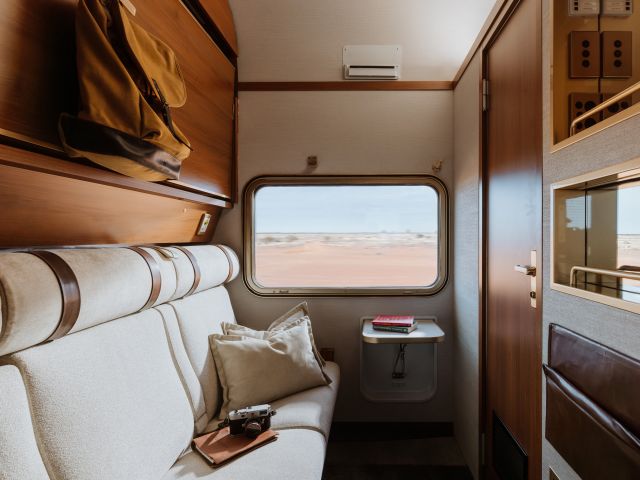
“Slow travel is really having a moment," says Alicia Triggs of Journey Beyond. The company specialises in unforgettable Australian experiences, including transcontinental rail journeys, The Ghan and Indian Pacific . Train travel is certainly making a comeback: for its slow and unhurried pace, nostalgia and romance, and convenience with a side of rolling scenery.
The iconic Journey Beyond trains recently underwent a transformative redesign by Woods Bagot, described by Triggs as “laid-back Australian luxury" with nods to cultural heritage. The next chapter includes the unveiling of the Australis and Aurora suites in 2026. These generously sized, custom-designed spaces reflect the outback landscape and offer an unparalleled experience for rail travellers.
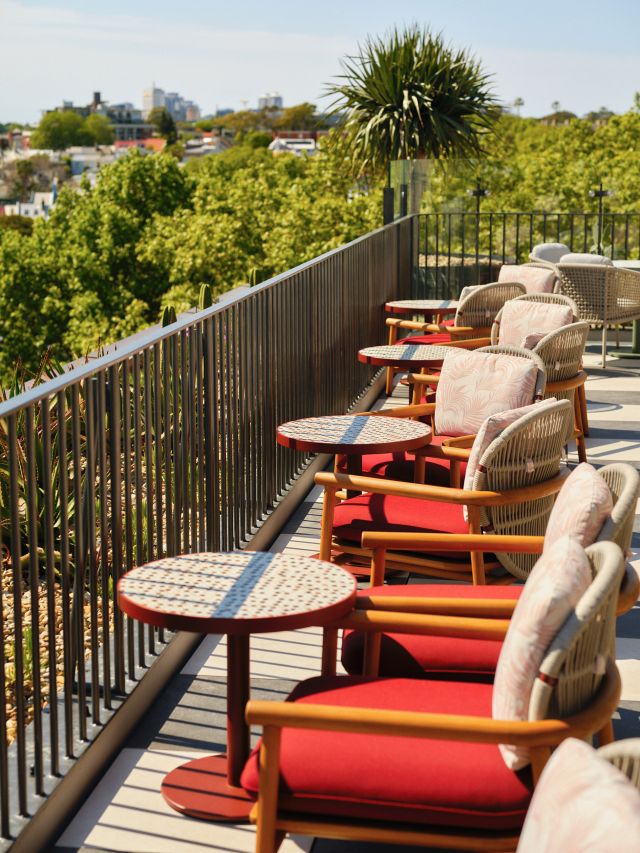
Luxury is indeed a growing sector and, according to Accor’s Adrian Williams, will continue to grow. “The backbone of the [hotel] industry is premium. For Accor, this year we’ve had the opening of the Mondrian Gold Coast, Hyde Melbourne Place , 25hours Sydney and Hyde Perth – we have luxe hotels in this country that we haven’t seen before."
Indeed, luxury has evolved – it’s no longer simply about lavish decor and fine dining. Australian travellers value a hotel that reflects the local environment through considered design and exclusive, immersive cultural experiences: they value a true sense of place. Chara Reynolds, tourism projects manager at Jamala Wildlife Lodge in Canberra, points out that “luxury isn’t about excess anymore. It’s about quality and authenticity." Reynolds believes Jamala captures that balance perfectly, offering a comfortable and premium stay with an immersive experience.
Additionally, with the cost of living at an all-time high, we expect premium products for our well-earned money. That extends to the skies, too. Markus Svensson, CEO Qantas Domestic, says the airline will introduce 48 new aircraft from mid-2025 for regional, domestic and international flights. “This will bring wider cabins, better seating, more overhead bin space," says Svensson. The investment is to ensure Qantas has a “fleet with longevity to serve regional Australia".

Expedia’s Unpack ’26 consumer survey found Aussie holiday parks are upping the luxe stakes, too. Twenty-seven per cent of travellers are more likely to book a holiday park now than they were five years ago, thanks to modern upgrades and stylish amenities – providing guests a nature-based experience with luxurious accommodation.
Regional revivals and ‘slow down towns’
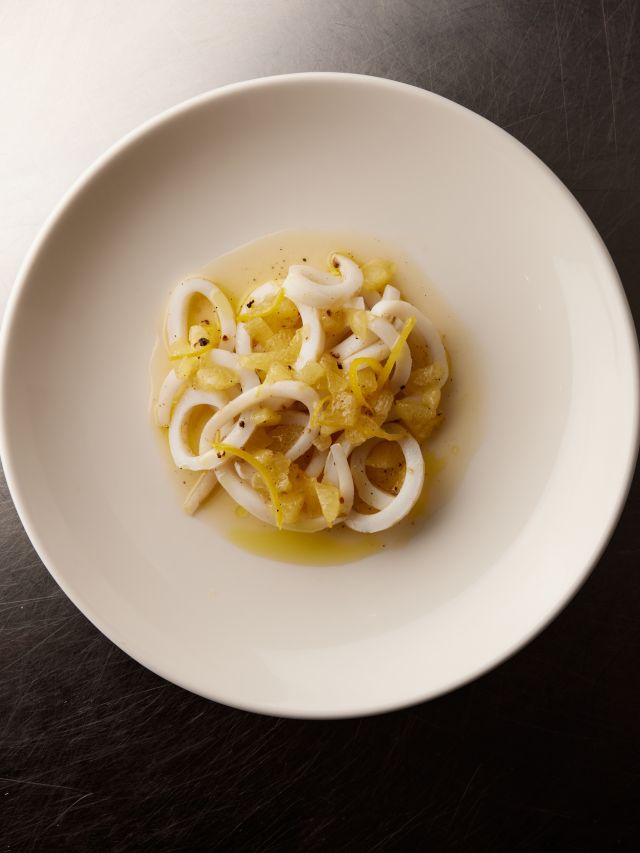
According to Austrade figures, regional travel is predicted to grow exponentially, from $49 billion up to $68 billion by 2030. The trend was coined a ‘Regional Glow Up’ last year, where towns – which had been stagnant for some time – were seeing an increase in visitation thanks to modern makeovers of local pubs, brand-new hotel builds or sophisticated restaurants and cool bars popping up. Think the likes of The Tweed in the Northern Rivers region of NSW, which could easily be overshadowed by its big-name neighbours – the Gold Coast and Byron Bay – but packs a punch in terms of urban creativity, innovative culinary options and a rich arts scene.
“In particular, Murwillumbah is channelling main character energy these days," says Sally Scott, general manager of The Tweed Tourism Co. “The food alone makes it worth a visit, with Bistro Livi recognised as one of the best regional restaurants in NSW and award-winning Tweed River House championing menus that are fresh and local."
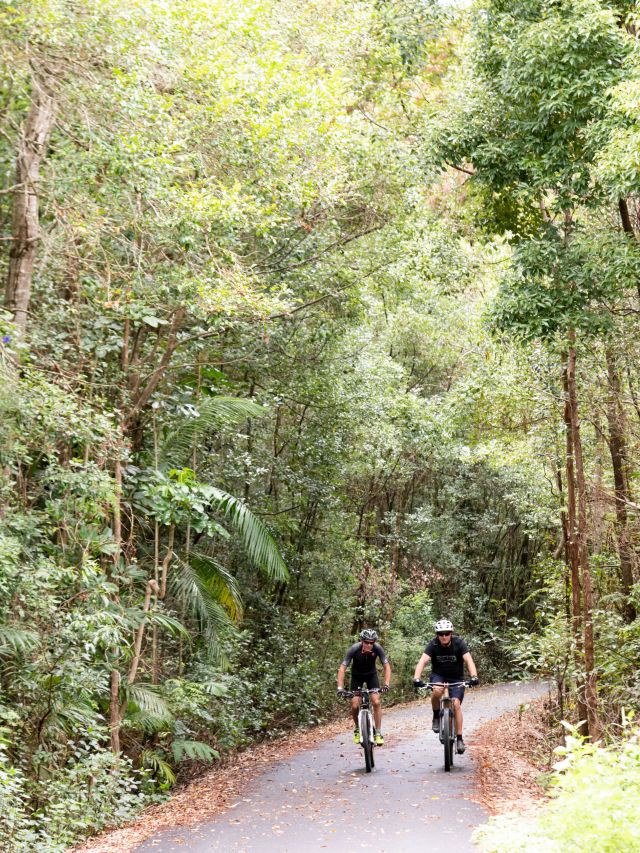
The launch of the Northern Rivers Rail Trail has also been a game-changer for the region, with 24 kilometres of cycling track through the region’s bucolic landscapes.
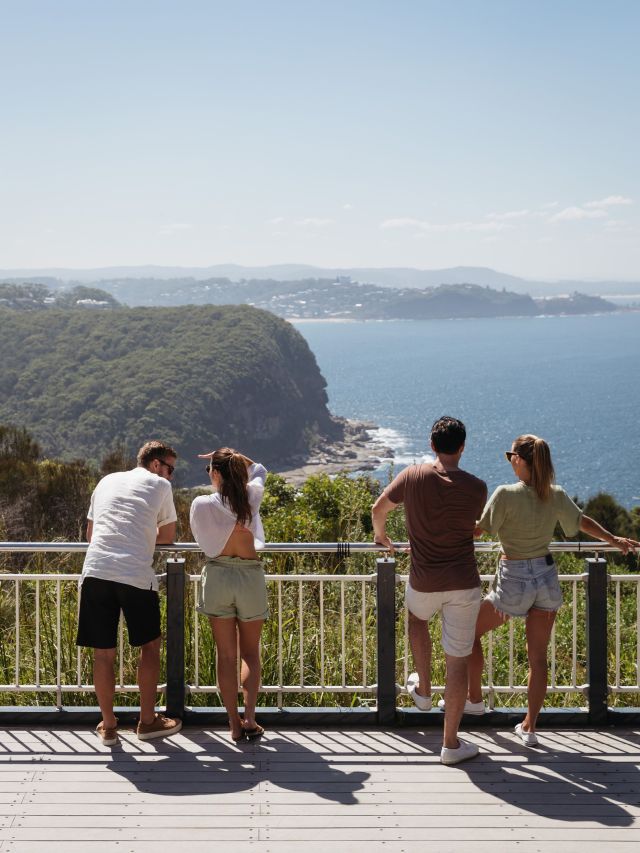
Just 90 minutes from Sydney, the Central Coast is another NSW region that’s seen huge change in recent years, with a thriving culinary scene of hip bars and sophisticated restaurants. It will welcome its first new-build hotel in 15 years when voco Gosford opens in December, too. The future of tourism in the region, though, is anchored in sustainability, and it is one of only 11 regions in Australia to have been globally recognised with ECO Destination Certification for its nature-based experiences and championing of local makers and creators.
Expedia’s Unpack ’26 reiterates that our love for regional travel is growing, with 50 per cent of travellers seeking out ‘Slow Down Towns’. The report states that travellers now wish to trade hustle for harmony in slower-paced towns and to support local communities. The Central Coast and The Tweed, like many regional destinations that have been given a ‘glow up’, hit the sweet spot when it comes to slowing down and immersing in nature, while also enjoying quality cultural and culinary experiences.
Weekly travel news, experiences
insider tips, offers, and more.
The experience economy: events tourism
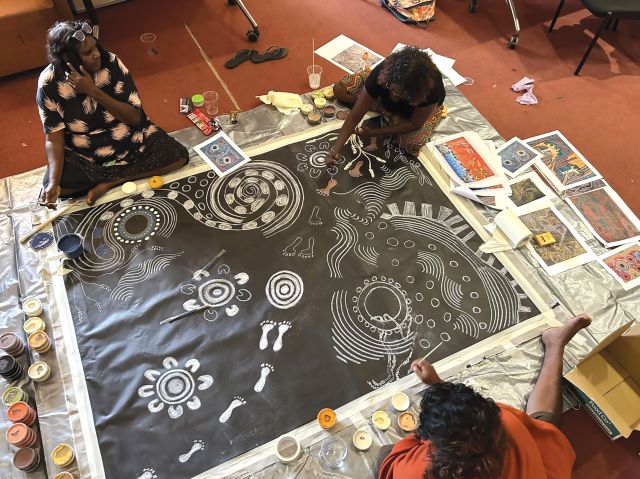
Adrian Williams of Accor tells us that events are huge drivers for tourism, describing how he was gobsmacked at the effect of the Sydney Marathon on visitor numbers. “Thirty-five thousand people come to run over the Sydney Harbour Bridge. If you’re a marathon runner, it’s a bucket-list experience."
He adds that the best weeks for the hotel industry are when there’s something on – but it’s not just about the event itself. “If an event is happening in a city, people don’t want to turn up and just go to the event, they want a holistic stay – the full experience," he says. “Hotel staff should know about the event, engage with it, and enhance your experience around it," he adds.
Voyages at Uluru is a great example of a holistic guest experience. Travellers come from far and wide to see Uluṟu, but during that time they can tap into several other experiences and events that are completely unique to that environment. “We are super proud of Sunrise Journeys ," says Matt Cameron-Smith, CEO of Voyages Indigenous Tourism Australia. The immersive light and sound experience was unveiled in 2024; it’s an all-female collaboration between three renowned Aṉangu artists and an Aṉangu composer illuminated in the foreground of Uluru.
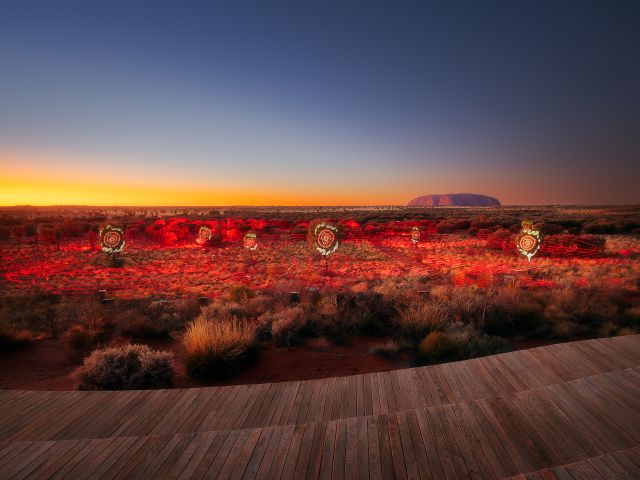
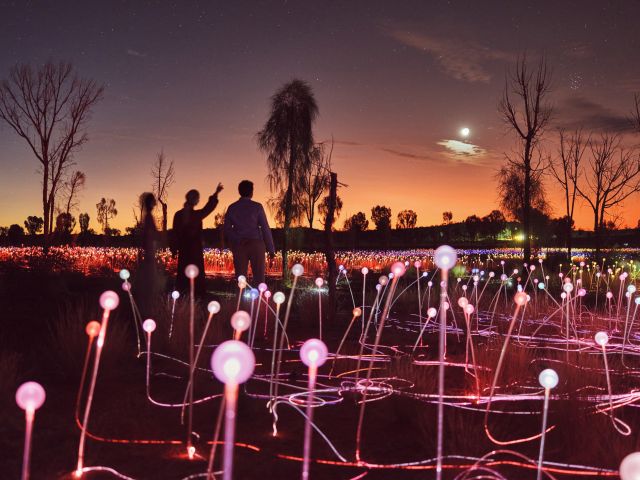
It joins Wintjiri Wiru (a drone show that tells the Ancestral Mala story) and Bruce Munro’s acclaimed Field of Light, which will celebrate 10 years in 2026 and has just undergone a $1.5-million enhancement. Cameron-Smith argues that the light installation is now “better than when it opened" and reveals Munro will be onsite to celebrate the milestone next year.
Tech-led travel and the rise of AI
“I think we are almost at a tipping point where you’ve got a convergence of experiences and technology," says Accor’s Adrian Williams. “AI in particular is a great enabler." In the hotel space, he explains, it can be used during check-in, for processes that do not add value to a guest, allowing staff to focus on their experience rather than admin. “No one has ever thanked me for good credit card processing," he points out.
Qantas is using AI for bag tracking, flight planning, revenue management and engineering. “The customer may not see it," says Markus Svensson, “but we use AI for predictive maintenance," which gives better control for aircraft turnarounds and reduces disruptions.
Alicia Triggs of Journey Beyond believes AI is a tool in the kit, but it isn’t the whole kit. “Nothing beats human interaction," she says. Intrepid Travel managing director ANZ Brett Mitchell agrees: like most businesses right now, the company is exploring ways AI can improve internal productivity, he says, “but we’ve identified that we’ll always be a human-first business".
Triggs believes the future of travel is about “what fuels our souls," whether that be diving into cultural connection, spending time outdoors or slowing down and disconnecting from the digital world.
Other trends to look out for – according to the experts
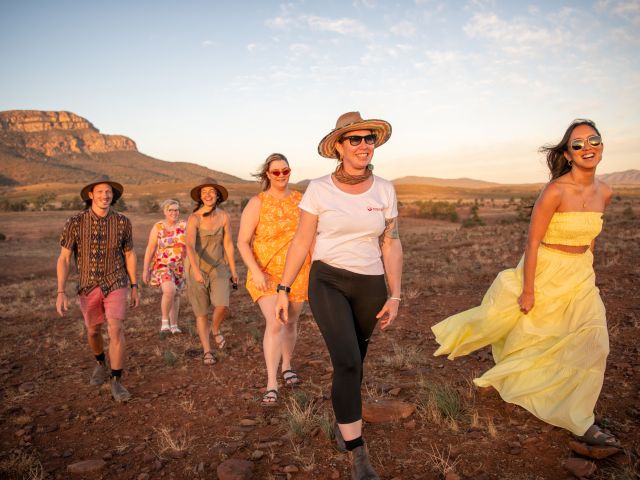
According to Experience Co, there’s an increase in women travelling solo or with female friends. Fiona Stillwell suggests that “women are reclaiming their individual identities and embracing activities that are a little wild and fun, like skydiving".
Meanwhile, Brett Mitchell tells us that Intrepid’s active breaks are gaining in popularity. “Our walking product is up 34 per cent. When people go travelling, they want to stay active," he says. He also points out that short breaks are in demand, given how time-poor we are as a society. In response, Intrepid is developing four- and five-day itineraries for the domestic market to places such as the Top End, the Daintree and Margaret River.
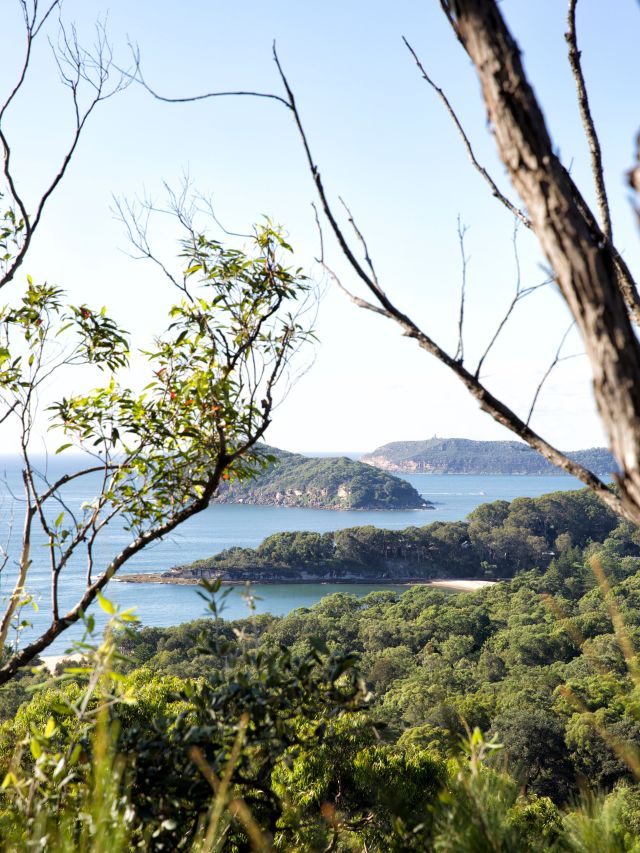
Interest in sustainable tourism is only growing, with travellers realising the importance of treading lightly, but also taking more meaningful trips that are mutually beneficial for travellers and communities. Mitchell also points out that the younger generation is ensuring companies such as Intrepid are “walking the walk" in terms of sustainability.
“We’re moving towards a phase of regenerative travel," Chara Reynolds of Jamala Wildlife Lodge says. Travellers are beginning to ask how their trip can support local communities or protect wildlife. “It’s about deepening that sense of contribution so people feel their travel choices matter."
“We want to use tourism as a positive vehicle for the future," says Michael Mihajlov of Carnival Group Australia. “To shape the way we think about travel, rather than fly in and out. To leave a positive impact, where the places and people are better off with us than without."