Can you say these 10 tongue-twister Australian place names?

hero media
The awkward moment when you realise you’ve been mispronouncing a place your whole life…

In Australia, our place names often originate from First Nations languages that have unique phonetic structures and sounds that are uncommon in English. Unfortunately, that means they are often mispronounced.

New research by language learning and culture experts Preply has analysed Australian place names and revealed the biggest tongue twisters.

Sylvia Johnson, head of methodology at language learning and culture experts Preply, says Australian place names are a clue to the country’s unique cultural heritage.

“While accurate translations and spellings may have been lost to time, many Australian place names are emblematic of those who have existed before," she says.

“When it comes to pronouncing long or unfamiliar place names, my advice is to speak the name slowly and sound out each syllable. Hearing the name phonetically can help imitate the native pronunciation."

How many of these places can you pronounce correctly on the first try?
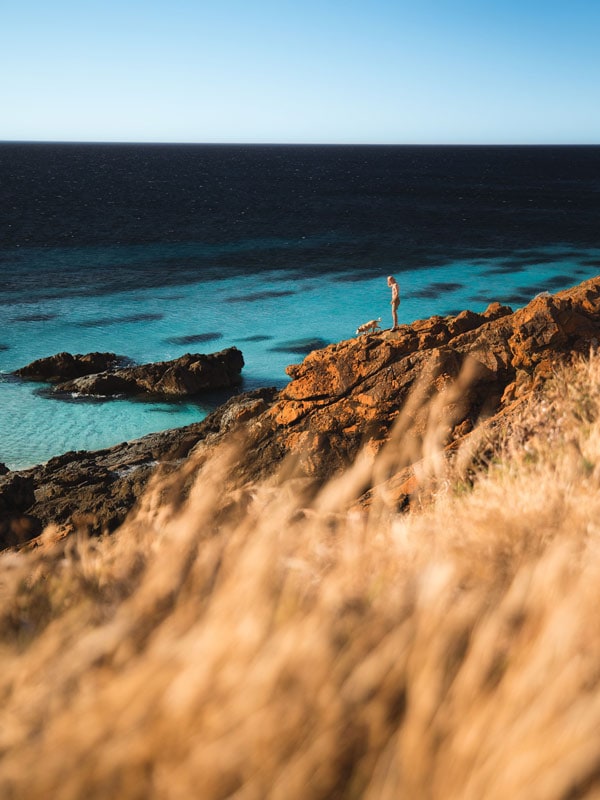
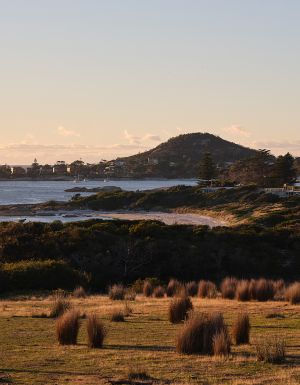
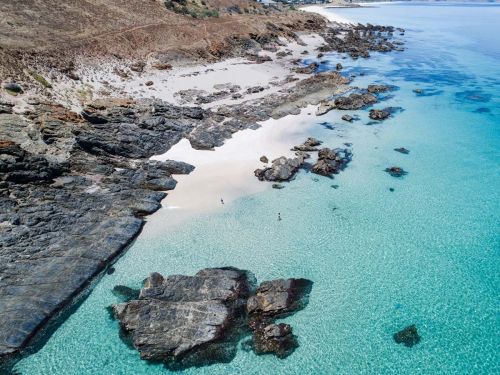
Carrickalinga Beach in South Australia with person
New research has analysed Australian place names and revealed the biggest tongue twisters. (Image: Mitch Toft)

10. Albury-Wodonga, NSW/Victoria

The border city of Albury-Wodonga is separated by the Murray River with Albury in NSW and Wodonga in Victoria. The Albury-Wodonga area was known as Bungambrawatha, or ‘Homeland’, by the Wiradjuri people, until 1838 when colonisers decided ‘Albury’ was easier to pronounce. Wodonga, meaning ‘bulrushes’, still retains its Aboriginal name.

Pronunciation: Al-buh-ree-Wod-on-gah
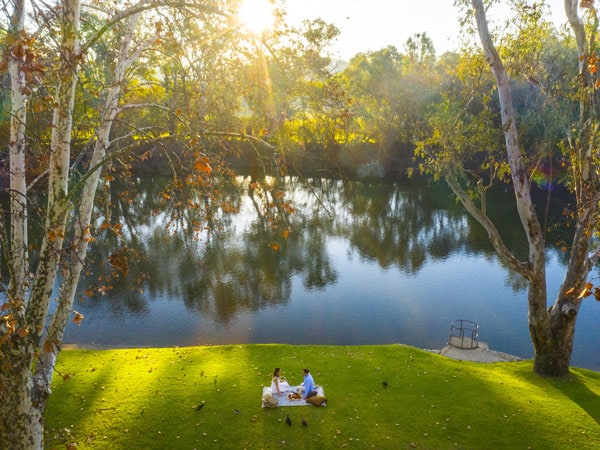
Couple enjoying a riverside picnic at Noreuil Park, Albury.
Albury-Wodonga is separated by the Murray River. (Image: Destination NSW)

9. Widgiemooltha, Western Australia

An abandoned town in Western Australia, Widgiemooltha is not quite a ghost town, but it was once a thriving mining community found on the southern shoreline of Lake Leffroy. Located on Kalaako land, Widgiemooltha is believed to be derived from a word meaning ‘beak of an emu’.

Pronunciation: Wid-gee-mool-tha
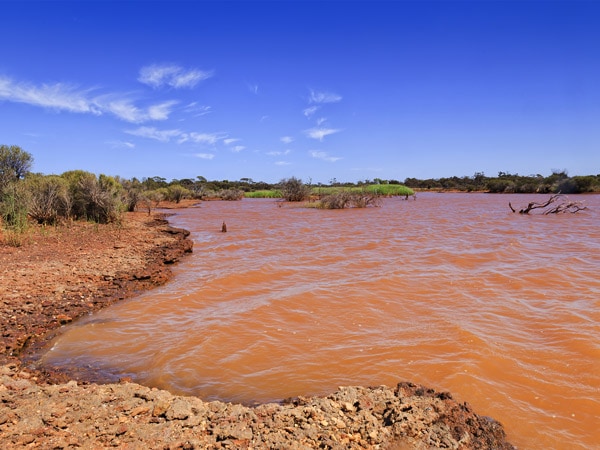
Lake Leffroy near Widgiemooltha in Western Australia.
Lake Leffroy is near the abandoned Widgiemooltha.

Need tips, more detail or itinerary ideas tailored to you? Ask AT.

AI Prompt

8. Koolyanobbing, WA

Meaning ‘place of large rocks’, Koolyanobbing is an iron ore mining town between Perth and Kalgoorlie on Kapurn Country. Salt is also harvested from nearby Lake Deborah, a five-million-year-old salt lake.

Pronunciation: Kool-yah-nob-ing

7. Bishopsbourne, Tasmania

Bishopsbourne, or The Bourne as it’s called by the locals, is a tiny rural town (only 137 residents were recorded in the 2021 census) in northern Tasmania around half an hour from Launceston. The 13-letter place name is the easiest one for me on this list!

Pronunciation: Bish-ops-bourne
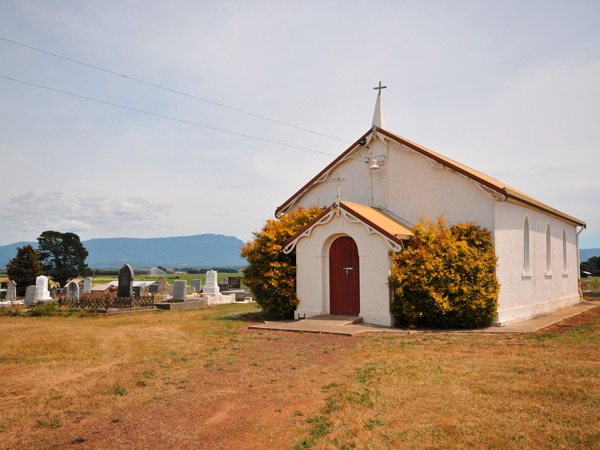
Bishopsbourne Church Of The Holy Nativity
Bishopsbourne is known as The Bourne to locals.

6. Carrickalinga, South Australia

Carrickalinga – or Karrakardlangga/Karragarlangga in Kaurna, a branch of the Pama–Nyungan languages – is a small, coastal town on South Australia’s Fleurieu Peninsula, on Kaurna land. The name is reportedly a corruption of the name given to a former Aboriginal camp meaning ‘place of redgum firewood’.

Pronunciation: Ka-ruh-kuh-ling-guh
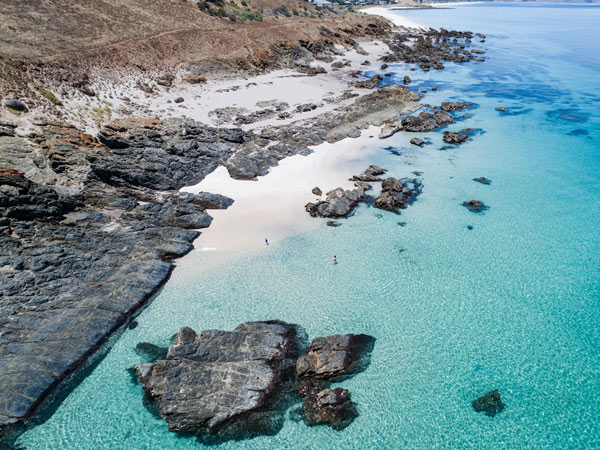
Aerial shot of Carrickalinga Beach in South Australia
Carrickalinga has a stunning coastline. (Image: Jesse Ehlers)

5. Coonabarabran, NSW

On Wiradjuri Country, Coonabarabran is a small town that sits on the divide between the Central West and the North West Slopes regions of NSW. Meaning ‘inquisitive person’, Coonabarabran is actually the stargazing capital of Australia! The town is right beside Warrumbungle National Park, Australia’s first International Dark Sky Park.

Pronunciation: Koo-nuh-ba-ruh-bran
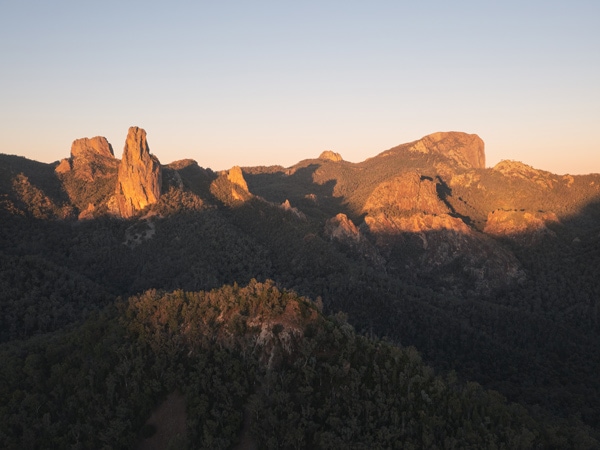
Scenic sunrise views across Warrumbungle National Park, near Coonabarabran.
Coonabarabran is the stargazing capital of Australia. (Image: Destination NSW)

Weekly travel news, experiences
insider tips, offers, and more.

4. Nowra-Bomaderry, NSW

Nowra-Bomaderry is one of the easier place names to say on this list, but it does have 14 letters in its name. Nowra-Bomaderry sits on either side of the Shoalhaven River on the NSW South Coast. The land to the north of the river is Dharawal Country, and the land to the south is Yuin Country. Nowra means ‘black cockatoo’ and Bomaderry means ‘fighting ground’ or ‘running water’ in the native languages.

Pronunciation: Now-rah-bow-ma-de-ree
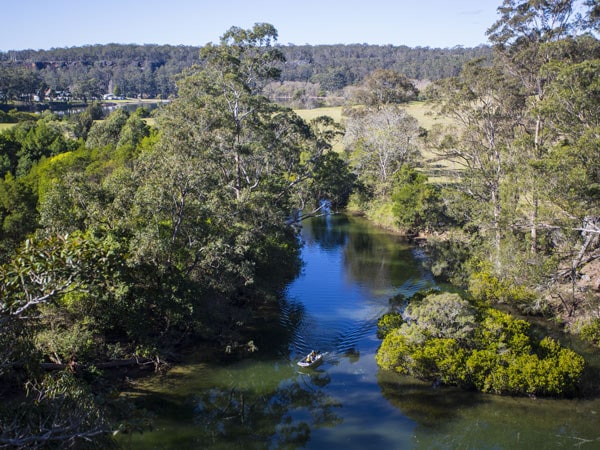
Scenic views of the Shoalhaven River passing through Nowra.
Nowra-Bomaderry sits on either side of the Shoalhaven River. (Image: Destination NSW)

3. Boomahnoomoonah, Vic

Containing 15 letters, Boomahnoomoonah comes in third for Australia’s longest place names. Boomahnoomoonah is located roughly three hours’ drive from Melbourne, in the Shire of Moira in Victoria, an area known for its agriculture. Sitting between Yarrawonga and Wangaratta in north-eastern Victoria, Boomahnoomoonah is said to mean ‘big water’ in the local Yorta Yorta language.

Pronunciation: Boo-mah-noo-moo-nah

2. Cadibarrawirracanna, SA

Lake Cadibarrawirracanna is one of Australia’s beautiful salt lakes located near the well-known Kati Thanda–Lake Eyre in South Australia. It’s also the second biggest tongue twister when it comes to Australian place names with 19 letters. Often referred to as Lake Cadi, Cadibarrawirracanna means ‘the stars were dancing’ in the Arabana language.

Pronunciation: Cad-i-bar-rah-wir-a-can-nah
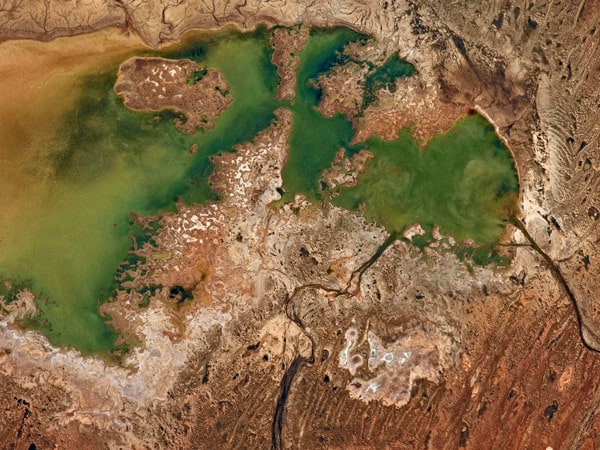
Aerial shot of Lake Cadibarrawirracanna in South Australia
Lake Cadibarrawirracanna is one of Australia’s beautiful salt lakes.

1. Mamungkukumpurangkuntjunya, SA

Taking out the top spot is Mamungkukumpurangkuntjunya, a hill in the Aṉangu Pitjantjatjara Yankunytjatjara lands of South Australia. With 26 letters, Mamungkukumpurangkuntjunya translates to ‘where the devil urinates’.

Pronunciation: Ma-mung-koo-kum-pu-rang-kunt-jun-ya

Want to see more stories from Australian Traveller in your Google search results?

  1. Click here to set Australian Traveller as a preferred source.
  2. Tick the box next to "Australian Traveller". That's it.
Emily Murphy
Emily Murphy is Australian Traveller's Email & Social Editor, and in her 4+ years at the company she has been instrumental in shaping its social media and email presence, and crafting compelling narratives that inspire others to explore Australia's vast landscapes. Her previous role was a journalist at Prime Creative Media and before that she was freelancing in publishing, content creation and digital marketing. When she's not creating scroll-stopping travel content, Em is a devoted 'bun mum' and enjoys spending her spare time by the sea, reading, binge-watching a good TV show and exploring Sydney's vibrant dining scene. Next on her Aussie travel wish list? South Australia and The Kimberley.
View profile and articles
hero media

Good food, beautiful nature & history: your guide to a long weekend in West Gippsland

(Credit: Rob Blackburn)

    Carla Grossetti Carla Grossetti
    From rainforest walks and scenic drives to historic gold-rush towns and standout regional dining experiences, you can find it all in West Gippsland.

    Hover over West Gippsland on Google Earth and you’ll see vast tracts of land spread out like green velveteen around the Toorongo Falls Reserve. It’s a landscape that feels almost impossibly lush for a region sitting little more than an hour from Melbourne.

    Track southeast in late autumn and early winter and you’ll see pockets of the Mt Baw Baw Plateau dusted in snow. In addition to the forests of mountain ash veined with creeks and rivers, there are pastures and farmland cross-stitched together to form pretty patchworks.

    But West Gippsland isn’t defined by scenery alone: in addition to its awe-inspiring nature, a Venn diagram of the region includes gold-rush history and great culinary experiences.  Spend a long weekend here and it quickly becomes clear how often these three overlap.

    Getting there

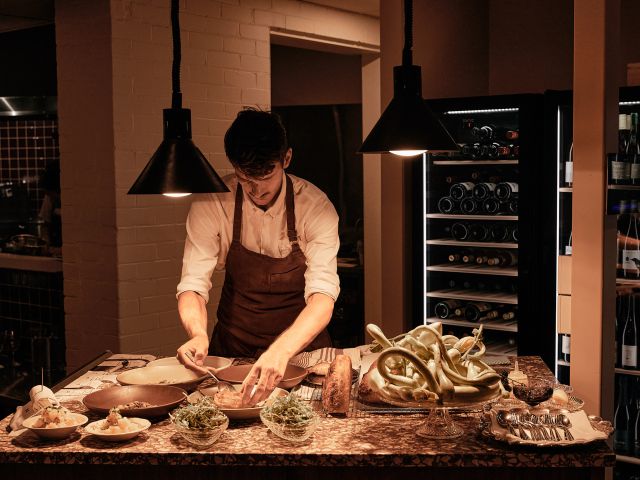
    Messmates Dining west gippsland
    Spend the weekend eating and exploring in West Gippsland. (Credit: Messmates Dining)

    Getting to West Gippsland involves as easy drive – it’s just over an hour out of Melbourne along the Monash Freeway.

    Not driving? Catch the train from Melbourne on the Gippsland line, terminating at either Traralgon or Bairnsdale, and hop off at Warragul or Drouin.

    Visit historic villages

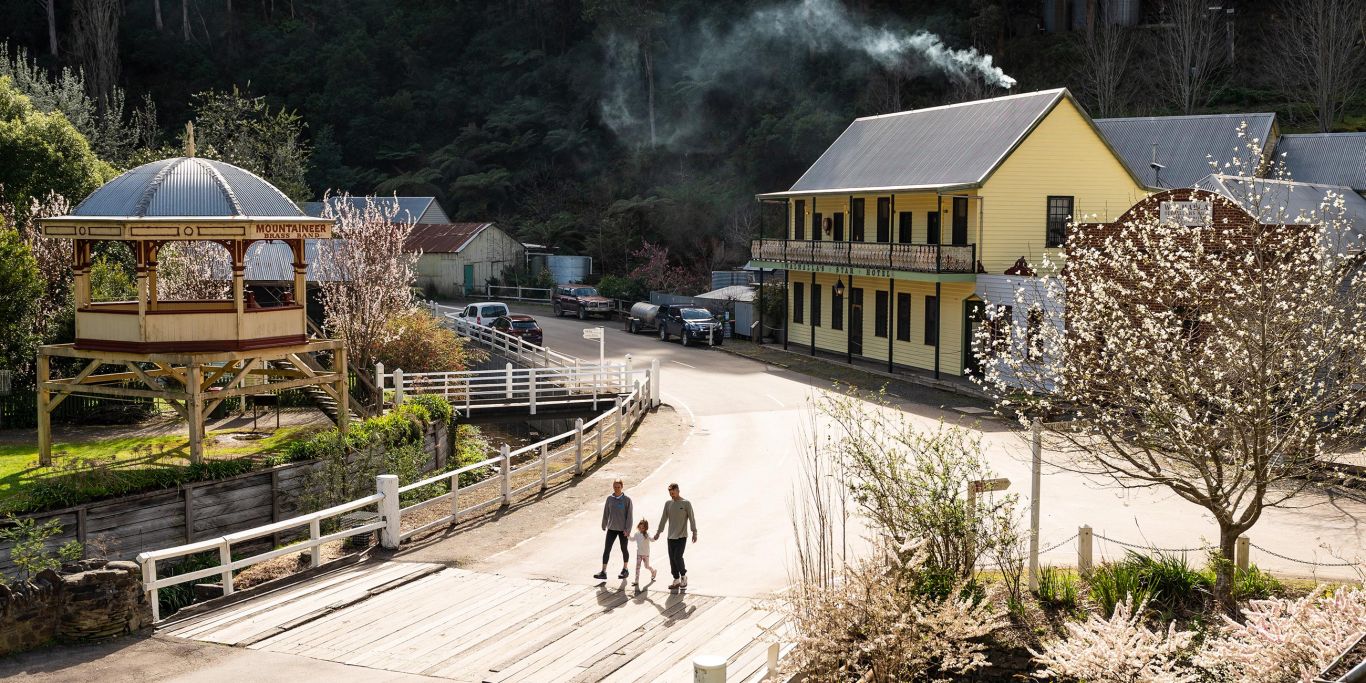
    Walhalla historic township
    Wander into Australia’s Gold Rush history at Walhalla. (Credit: Rob Blackburn)

    The West Gippsland region is on the Traditional Lands of the Kulin and Kurnai nations, specifically linked to the Bunurong, Gunaikurnai and Wurundjeri Peoples, whose connection to Country stretches back thousands of years.

    European settlement occurred in the 19th century as timber cutters, farmers and gold seekers pushed into the region’s dense forests. Small towns grew around sawmills and railway lines, and many of those gold rush settlements, timber towns and railway villages still shape the character of the region today.

    The most evocative of these is Walhalla Historic Township, a remarkably preserved gold-rush township tucked deep in the mountains. In the late 1800s, it was one of Victoria’s richest goldfields. Today visitors can step inside that history at the Long Tunnel Extended Gold Mine, where underground tours reveal the scale of the mining operation that once powered the town’s prosperity. Nearby, the Walhalla Goldfields Railway retraces part of the original narrow-gauge line through the valley, offering a slow journey past forest and river scenery.

    Further west, Noojee is a classic mountain village. It’s surrounded by dense forest and waterfalls and has become a natural base for exploring the Baw Baw region. Just outside town, Noojee Trestle Bridge stands as one of West Gippsland’s most striking relics of the rail era. The towering wooden structure is the tallest surviving trestle bridge in Victoria and today forms the centrepiece of an easy scenic walk with wide views across the valley.

    Alpine Trout Farm west gippsland
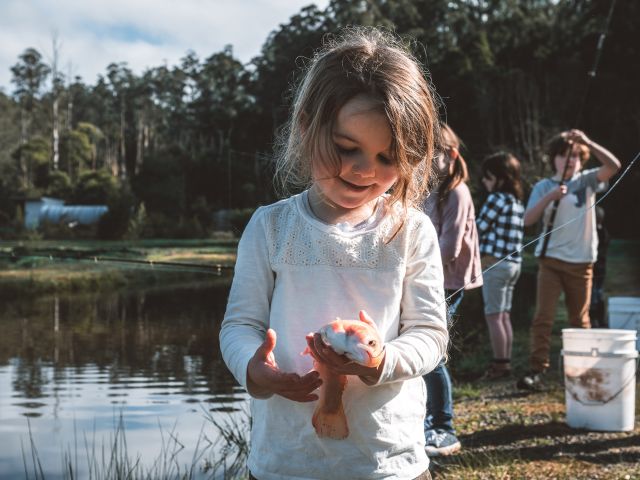
    Catch your own lunch at Alpine Trout Farm. (Credit: Nicky Cawood)

    At Alpine Trout Farm near Noojee, visitors can fish for trout in mountain-fed ponds before enjoying the catch prepared fresh onsite. It’s a simple experience that reflects the area’s long connection to the surrounding waterways.

    Back in Warragul, the region’s main service town, the story shifts from heritage to modern regional life. With galleries, restaurants and sweeping views across the rolling farmland of Gippsland, the town has become a lively hub linking the district’s past with its evolving food and cultural scene. Drive through the town and you’ll find heritage buildings, old pubs and weatherboard cottages that hint at the area’s early days as a frontier landscape.

    In other towns the past survives in quieter ways – a historic hall here, a century-old bakery there.

    Walks, waterfalls and wild places

    Toorongo Falls in west gippsland
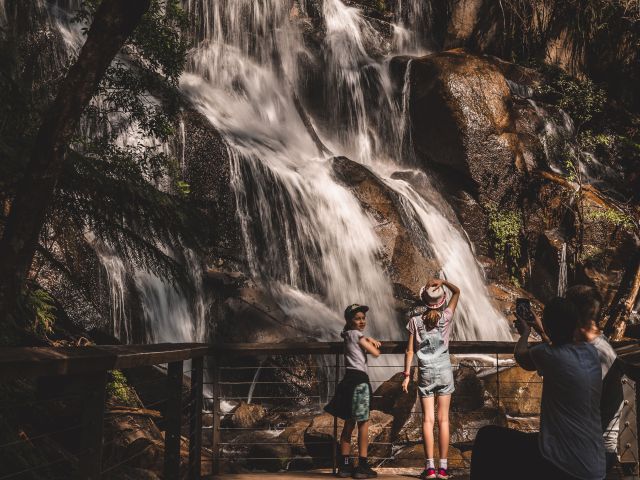
    Stroll Toorongo Falls Reserve. (Credit: Nicky Cawood)

    Even simple roadside stops can feel cinematic in West Gippsland. The region also delivers plenty of opportunities to lace up your walking shoes.

    One of the region’s most rewarding nature escapes lies just outside Noojee at Toorongo Falls Reserve. A network of walking tracks winds through the cool-temperate rainforest where towering mountain ash trees filter the light and the air smells of rich, damp earth. The 2.2-kilometre trail to the viewing platform overlooking Toorongo Falls is short, but spectacular, as the water cascades down over moss-covered rock faces into a cool, green gully in Little Toorongo River.

    Further north, the Mount Baw Baw Alpine Resort offers year-round adventures. In winter, the mountain attracts skiers and snowboarders. The warmer months are just as compelling, with scenic drives to see alpine wildflowers, mountain bike trails and panoramic hiking routes that open across the plateau.

    Cyclists and walkers looking for a more relaxed pace can follow the Rokeby Neerim Rail Trail, which traces a former railway line through farmland and small Gippsland villages. The mostly flat trail passes rolling paddocks, creeks and historic bridges, making it an easy way to drop it down a gear when exploring the countryside.

    Taste the best eats of West Gippsland

    Hogget Kitchen west gippsland
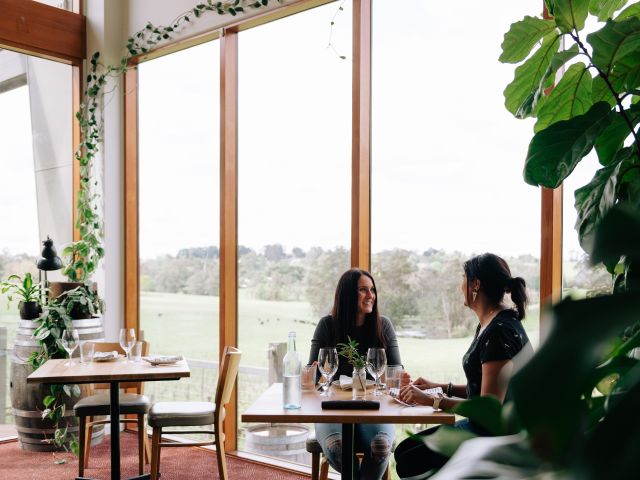
    Taste the best of the region at Hogget Kitchen.

    For many travellers, the real drawcards of West Gippsland are the food and wine. The region sits in the heart of Victoria’s fertile dairy country, and that agricultural backdrop has helped shape a dining scene where seasonal produce and local provenance take centre stage.

    Hogget Kitchen has helped put Warragul firmly on the radar for serious regional dining in West Gippsland. Here, head chef and owner Trevor Perkins runs the kitchen alongside well-known winemakers William (Bill) Downie and Pat Sullivan. Hogget Kitchen lives up to its promise of exceptional destination dining; what lands on the table depends largely on what nearby farms have harvested that week as well as a wine list from Wild Dog Winery and other Gippsland producers.

    Warragul is also where you’ll find Messmates Dining where the kitchen team is led by Michelin-trained chefs. The Euro-leaning bistro and wine bar brings a polished edge to the local dining scene using produce sourced from across West Gippsland.

    For something more casual, the century-old Noojee Hotel is the kind of hub that every traveller dreams of finding after a long drive. Expect generous pub classics served on the sunny deck in summer or beside the crackle of a log fire in winter.  Nearby, rustic Toolshed Bar, Bistro & Cabins is the place to go for a wood-fired pizza topped with smoked local trout paired with Gippsland wine, making it a rewarding stop for lunch or an overnight stay.

    Time your visit with the Truffle Festival

    Food lovers visiting in winter should consider timing their trip to coincide with Noojee Truffle Festival, running from 10 July to 2 August 2026. The inaugural event celebrates the region’s emerging truffle industry with tastings, special menus and events built around one of winter’s most prized ingredients.

    Start planning your long weekend in West Gippsland at visitgippsland.com.au.