Restaurants in Byron, Melbourne and Brisbane have made Condé Nast Traveller’s 2026 Hot List – here’s what makes each one worth the trip.
Condé Nast Traveller’s annual Hot List is one of the more credible barometers of where the world’s dining scene is heading. It doesn’t reward longevity or reputation; it looks for what’s genuinely new and exciting. This year, three Australian restaurants made it. Across three cities, three completely different concepts, and three different ways of thinking about what a restaurant can be. Here’s what made the list.
Feu, Byron Bay, NSW
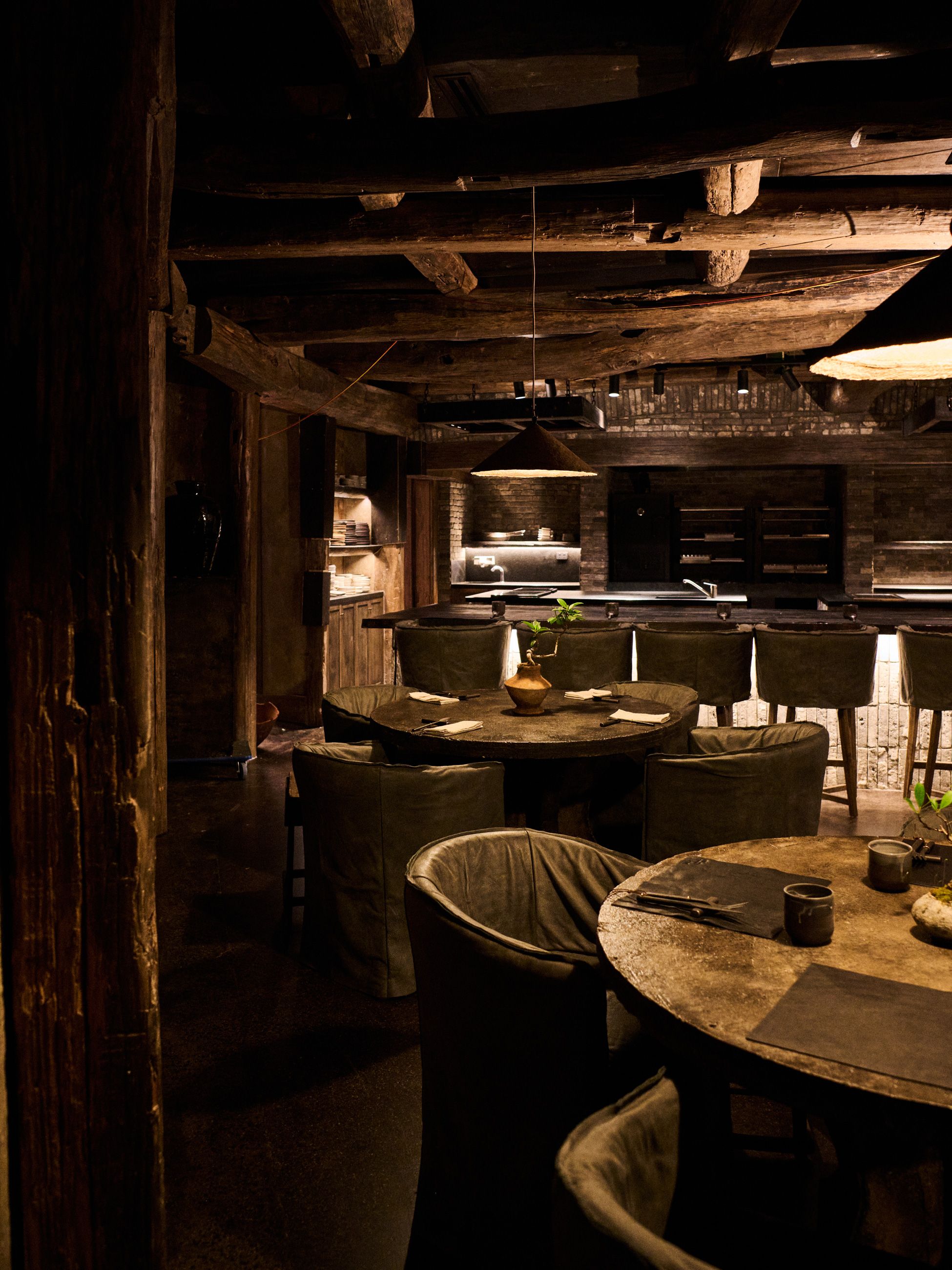
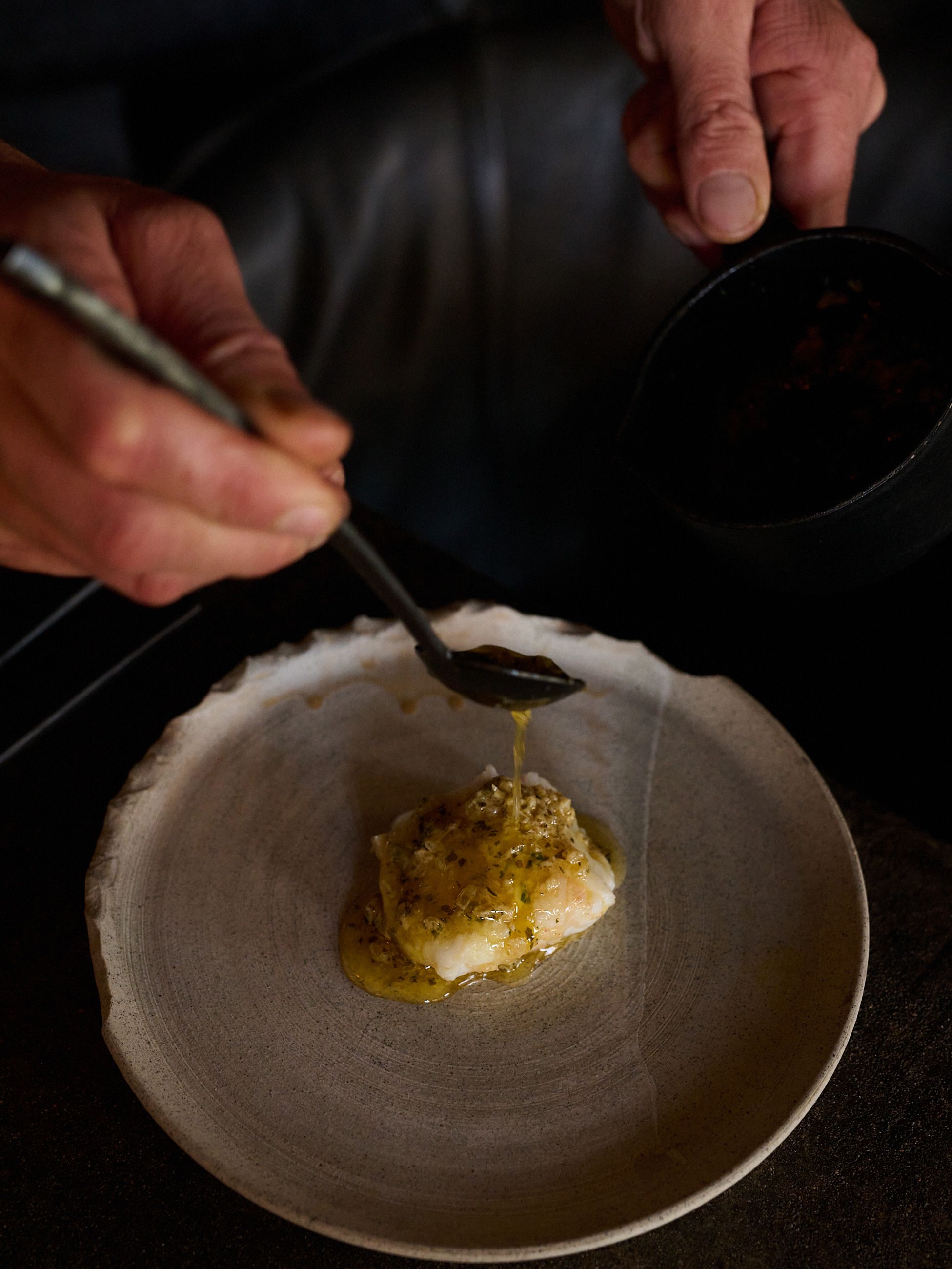
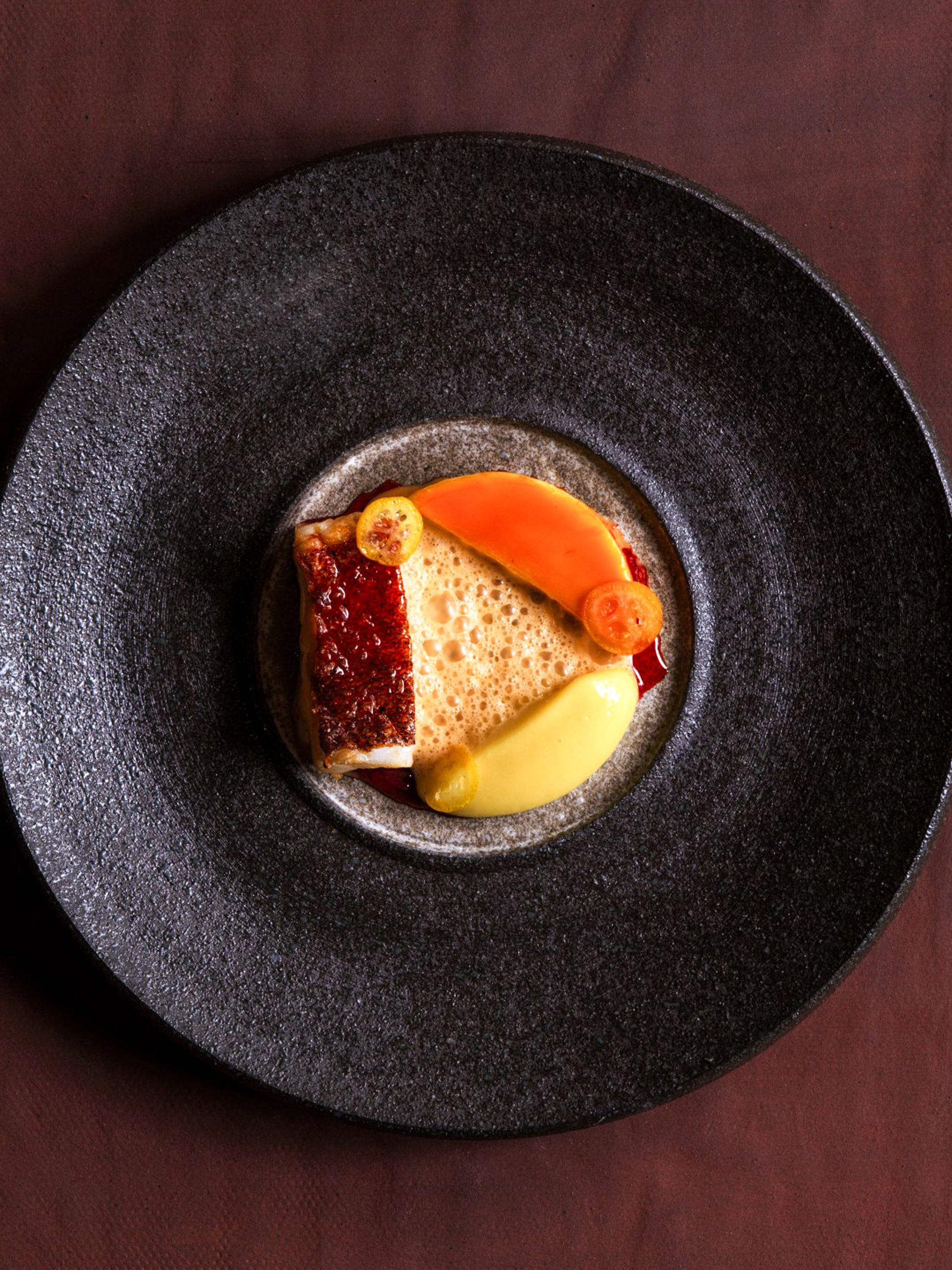
Feu has ditched the menu.
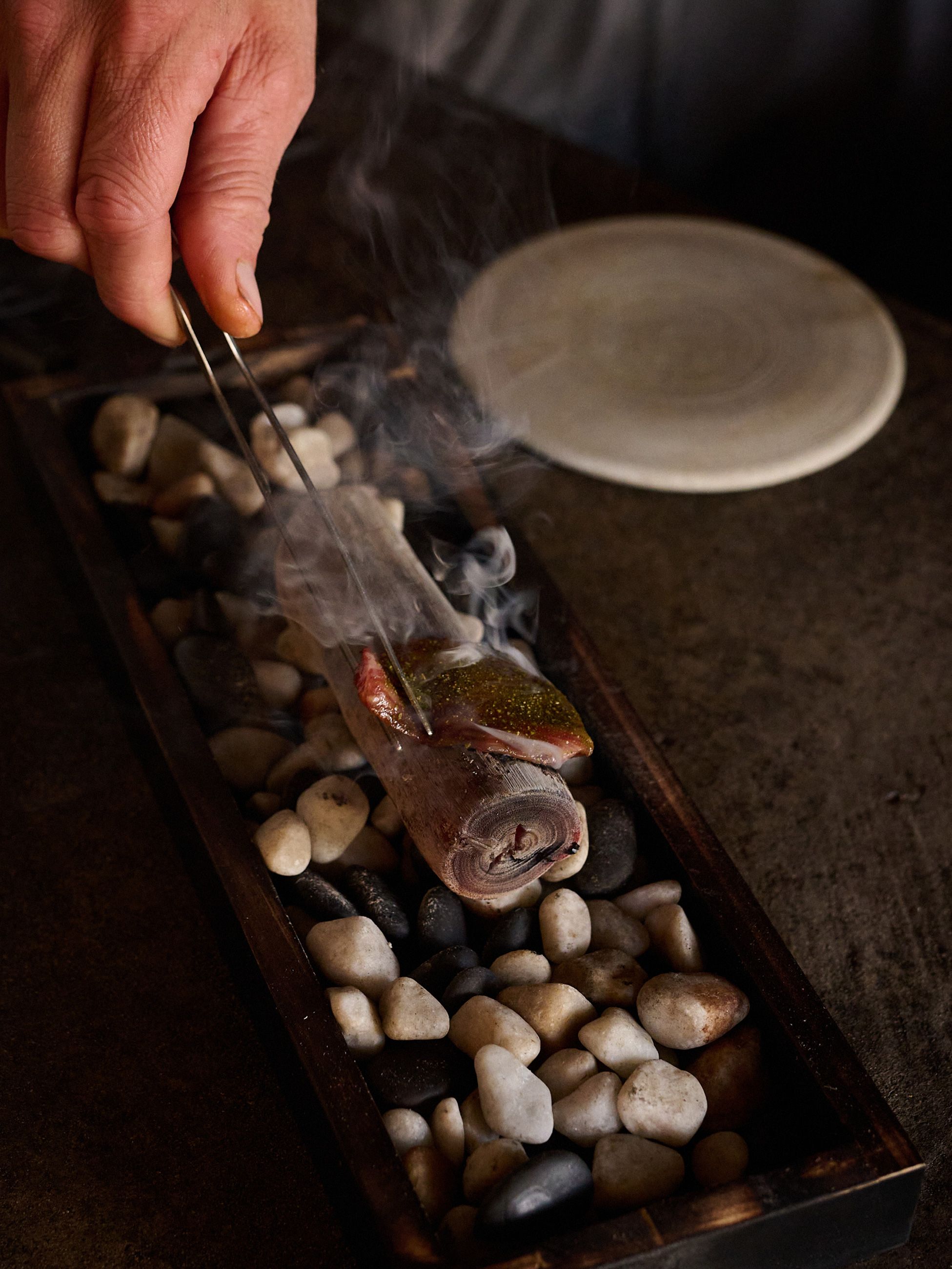
Everything at Feu is cooked over charcoal.
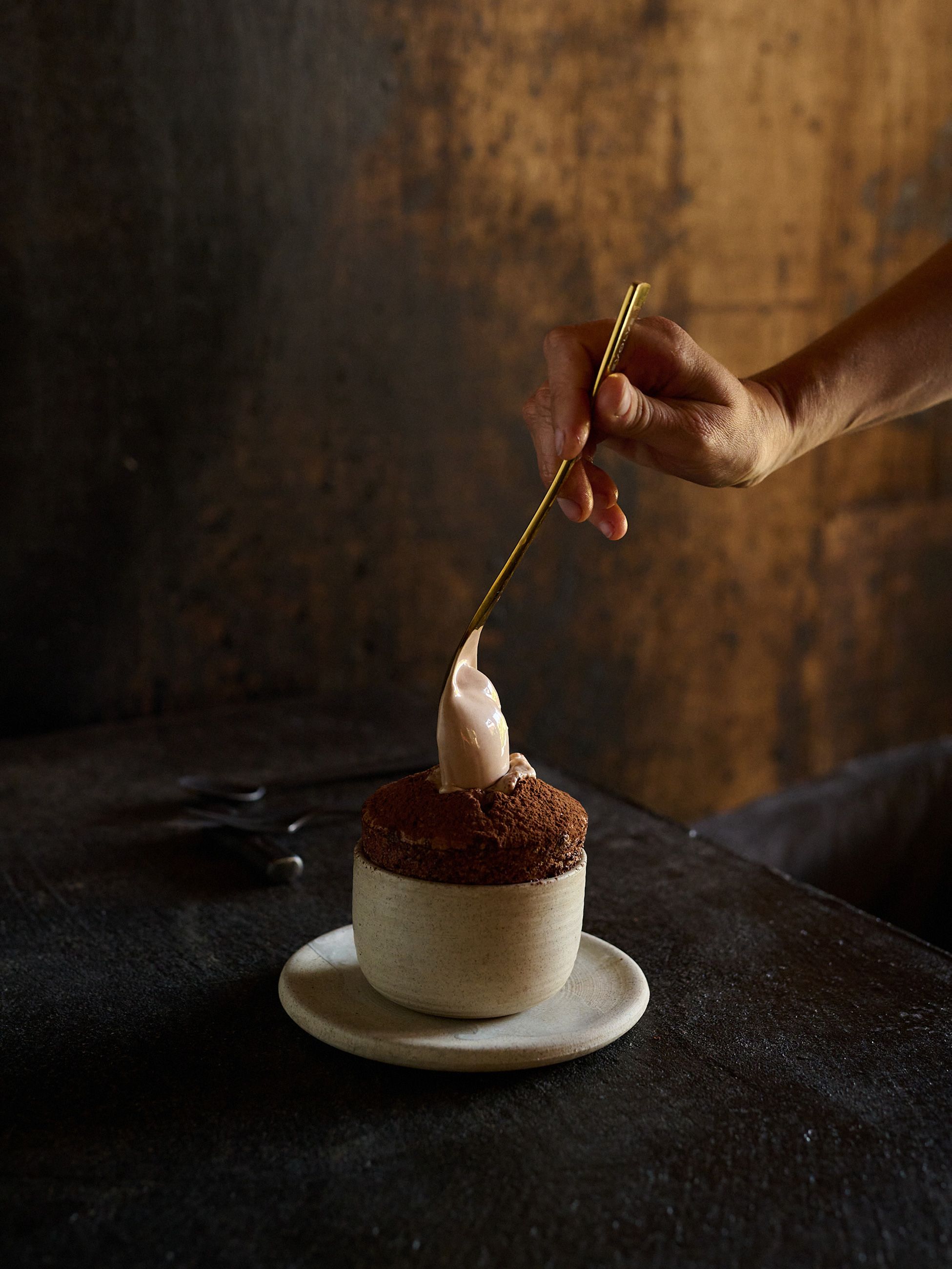
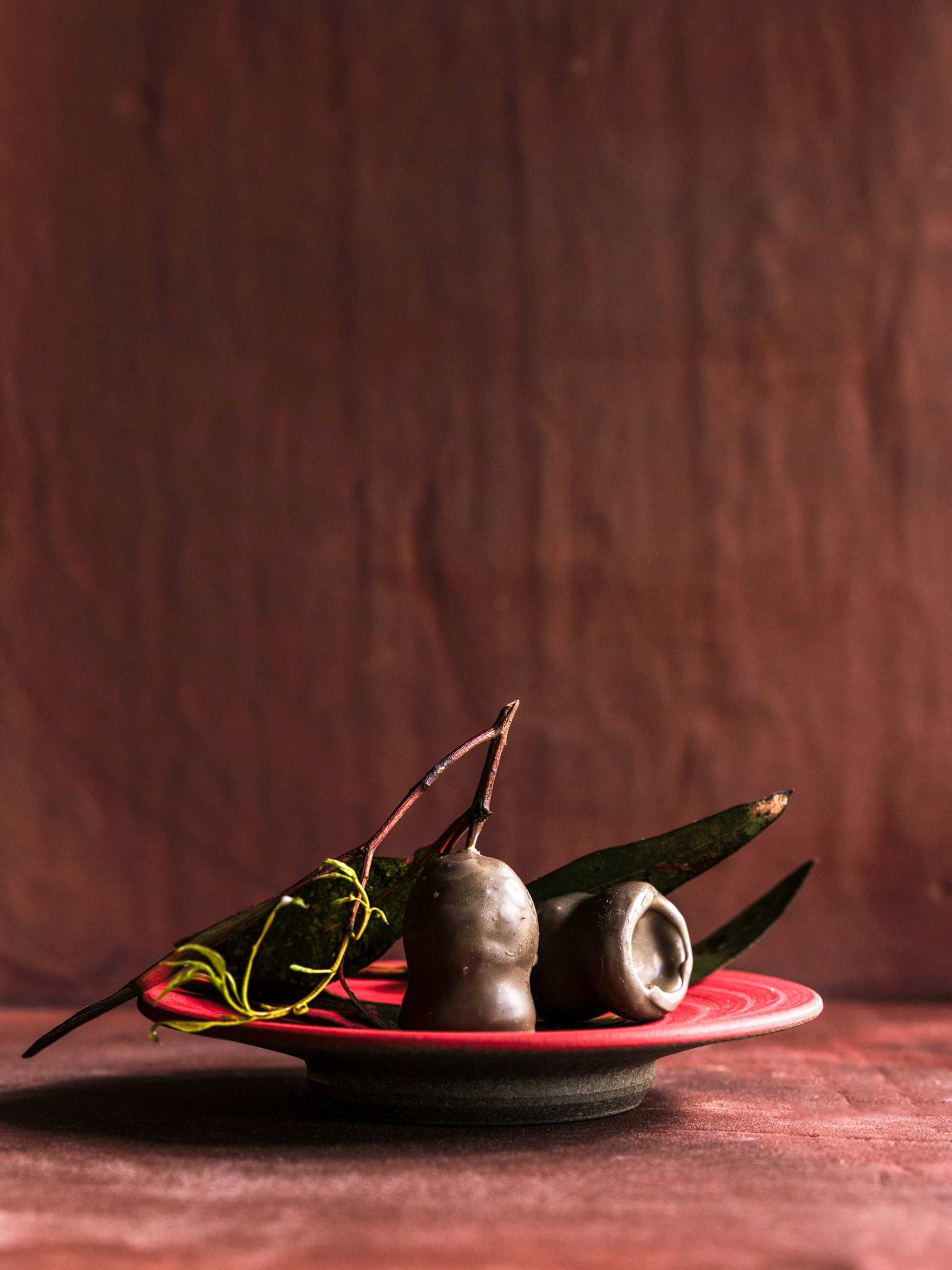
The choc souffle at Feu is a hit.
Diners choose their ingredients at Feu.
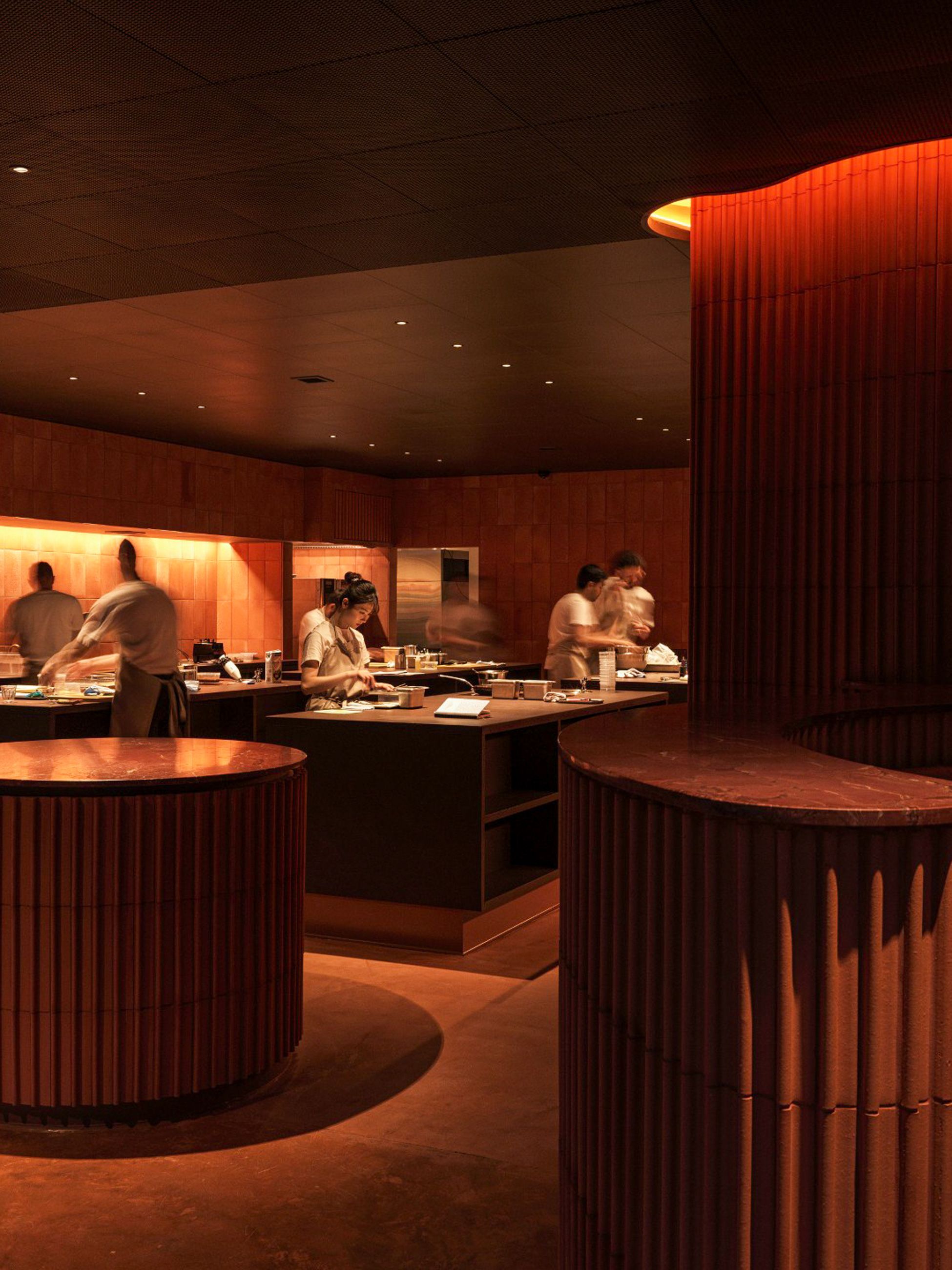
Feu, inside Shannon Bennett’s new Belongil precinct, has ditched the menu entirely. Diners choose their key ingredients – anything from bay lobster to flame tail snapper – from a list sourced through a 12-month road trip up the east coast. Those ingredients are represented by hand-crafted ceramic artworks; you place them in front of you in the order you want to eat, and the kitchen takes it from there, cooking everything over yellow box timber burned to charcoal.
Three ingredients are $280, five are $320, and seven are $360. It’s a high-concept premise that could easily feel gimmicky, but the sourcing rigour and the cooking over fire give it real substance.
Where: The Belongil, 33-35 Childe Street, Byron Bay, NSW
Yiaga, Melbourne, Vic
Need tips, more detail or itinerary ideas tailored to you? Ask AT.
AI Prompt
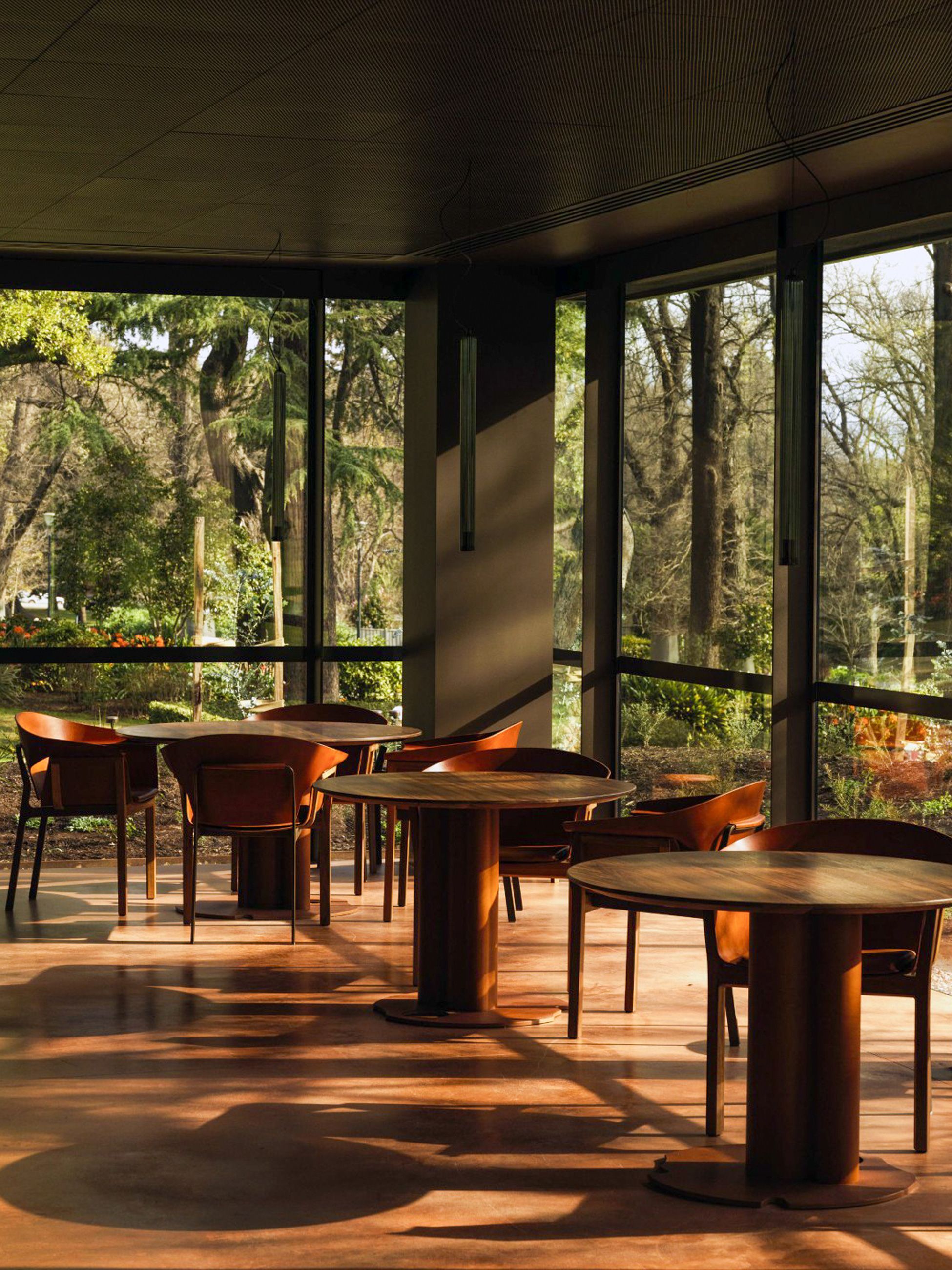
Sit by Yiaga's floor-to-ceiling windows. (Credit: Jason Loucas)
The set menu is shaped entirely by Australian producers. (Credit: Jason Loucas)
It's a celebration of Australia. (Credit: Jason Loucas)
Yiaga means ‘seek and find’. (Credit: Jason Loucas)
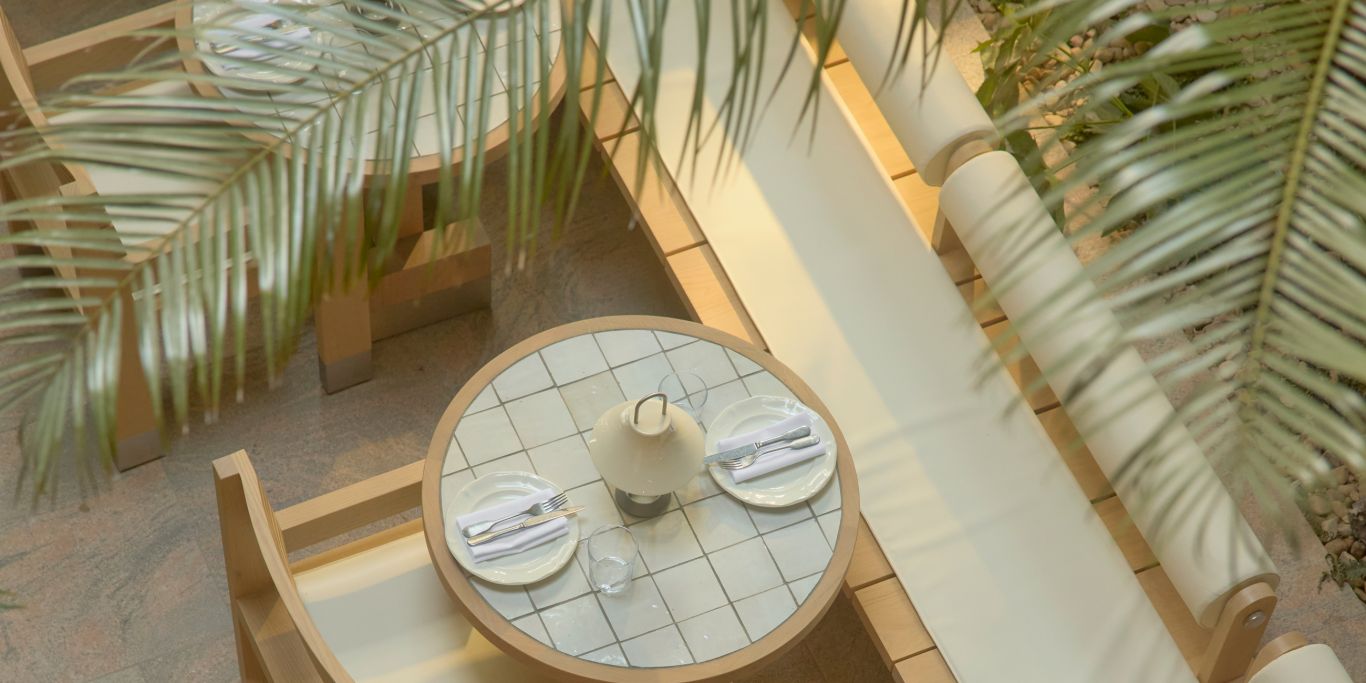
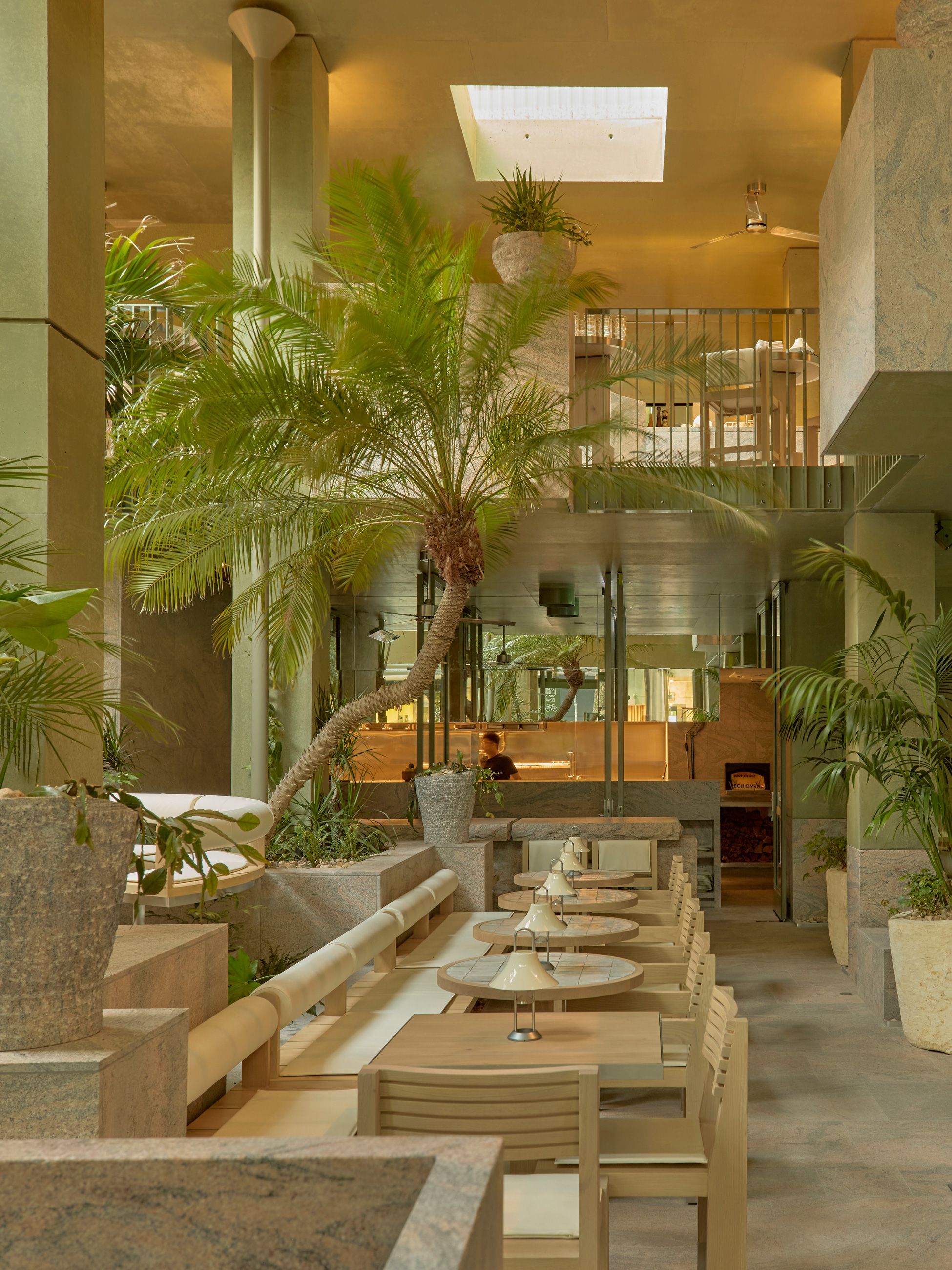
Located inside Fitzroy Gardens, Yiaga opened in 2025 by renowned Australian chef Hugh Allen (Vue de Monde). Yiaga means ‘seek and find’ in the local Wurundjeri language, and it embodies that ethos through its celebration of Australia in its design, produce and craft. The 44-seat restaurant has a custom Vivienne Wong dining table carved from a fallen cypress branch out of the Royal Botanic Gardens, floor-to-ceiling windows looking onto century-old elms and a Tasmanian blackwood timber cellar.
The $320 set menu is shaped entirely by Australian producers.
Where: Fitzroy Gardens, 230-298 Wellington Parade, East Melbourne, Vic
Golden Avenue, Brisbane, Qld
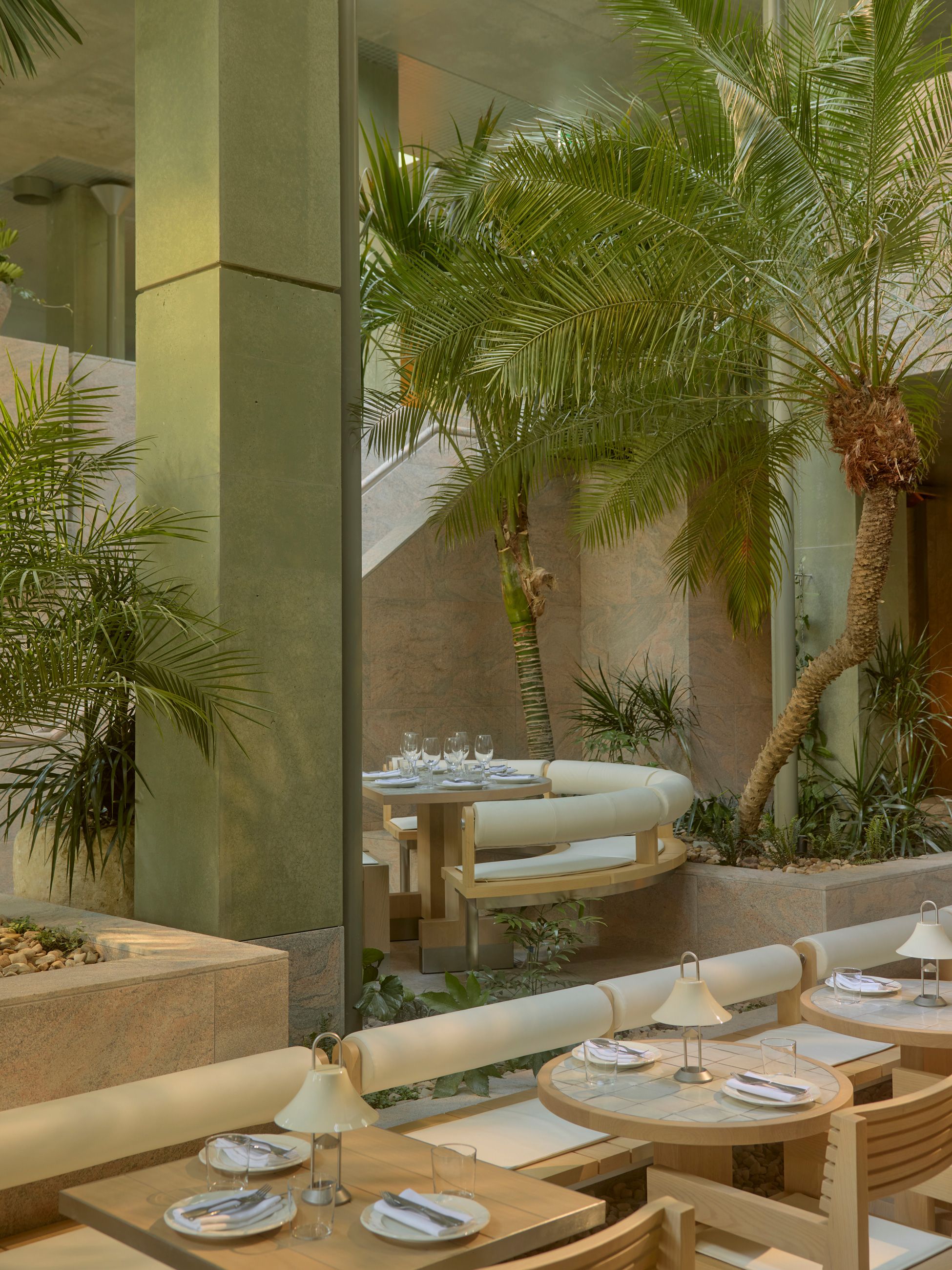
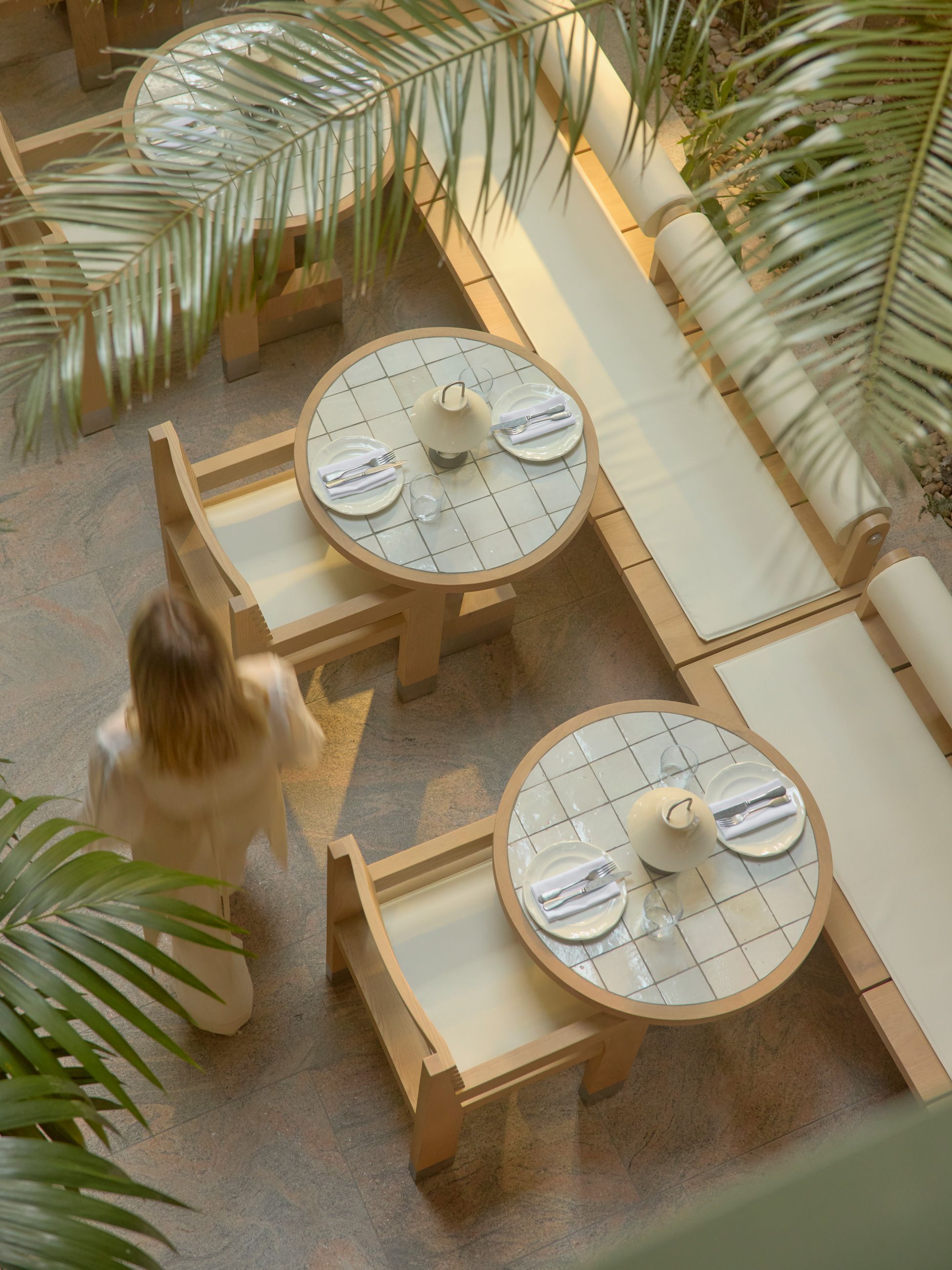
Golden Avenue has garden terrace energy. (Credit: Jessie Prince)
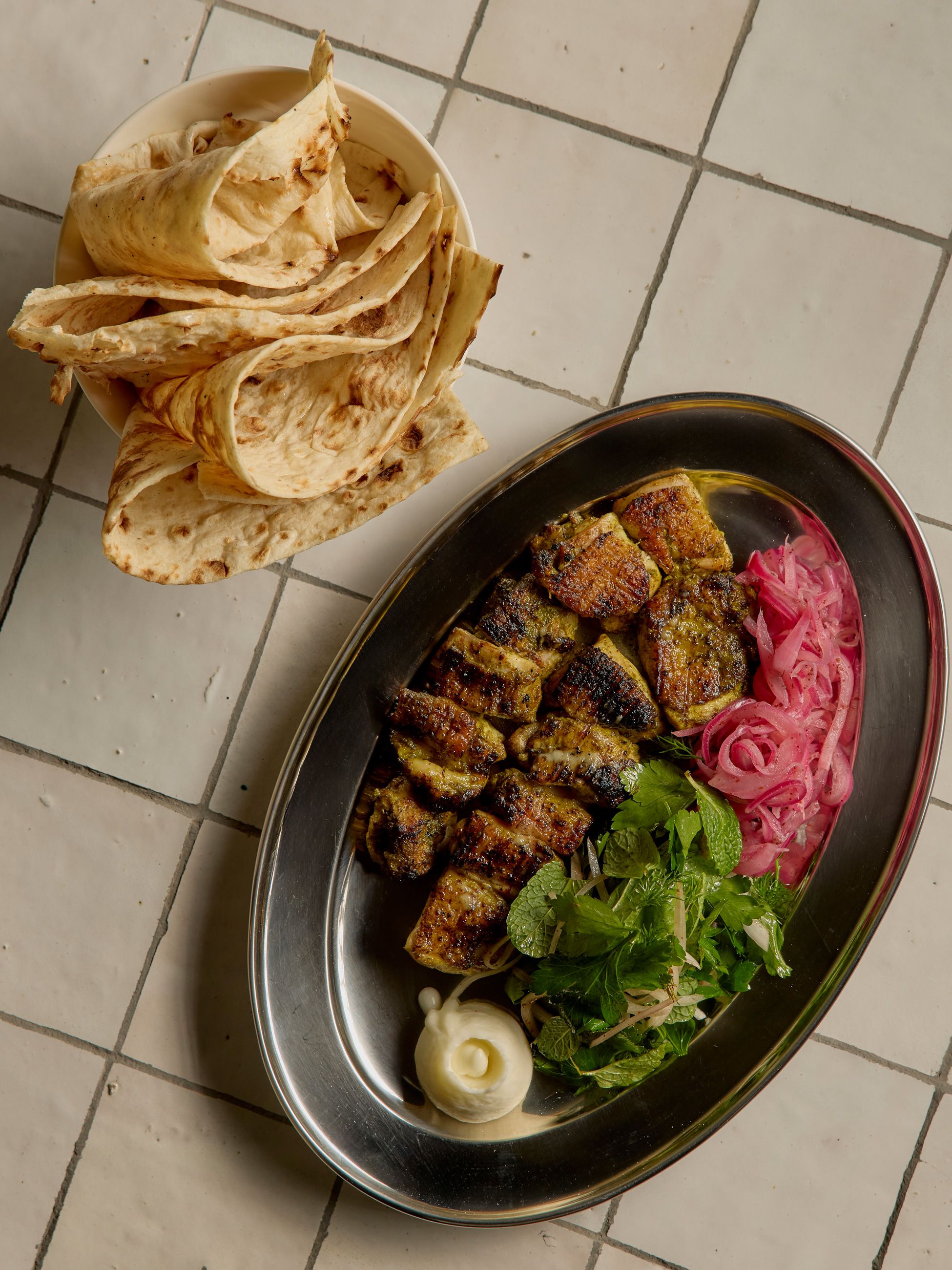
The fenugreek chicken shish is a popular dish. (Credit: Jessie Prince)
Enjoy comforting Middle Eastern cuisine at Golden Avenue. (Credit: Jessie Prince)
Golden Avenue believes all great food is meant to be shared. (Credit: Jessie Prince)
From the Anyday group (Agnes, hôntô, Bianca), Golden Avenue brings a woodfire-driven take on Middle Eastern cooking to Brisbane’s Edward Street. Culinary director Ben Williamson and head chef Tim Yates run a share-style menu built around charcoal and housemade breads – Machoui lamb shoulder, fenugreek chicken shish, a rose-pistachio-mochi dessert – with Habibi Funk on the speakers and garden terrace energy throughout.
It’s generous and vivid without losing polish.
Where: 67 Edward Street, Brisbane City, Qld
Want to see more stories from Australian Traveller in your Google search results?
Tick the box next to "Australian Traveller". That's it.
Emily Murphy is Australian Traveller's Email & Social Editor, and in her 4+ years at the company she has been instrumental in shaping its social media and email presence, and crafting compelling narratives that inspire others to explore Australia's vast landscapes. Her previous role was a journalist at Prime Creative Media and before that she was freelancing in publishing, content creation and digital marketing. When she's not creating scroll-stopping travel content, Em is a devoted 'bun mum' and enjoys spending her spare time by the sea, reading, binge-watching a good TV show and exploring Sydney's vibrant dining scene. Next on her Aussie travel wish list? South Australia and The Kimberley.
Wellness travel is no longer just green juices and massages. Here’s what to look for in a hotel that helps you truly recharge.
Wellness means different things to different people. For some, it’s nourishing the body (and soul) with healthy food. Others find balance in movement, while for many, sleep is the elixir of life.
The right hotel now needs to be more than just a place to drop your bags. It needs to be a destination in itself. A place to calm your nervous system and support your wellness from check-in to check-out.
1. Easy access to good food
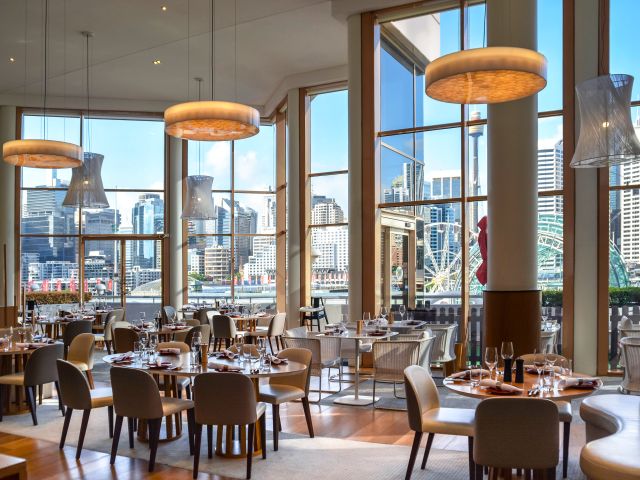
Enjoy waterfront dining at The Ternary.
Rethinking hotel dining, Novotel is focusing on food that supports how people travel. Created in collaboration with chef and recipe creator Alfie Steiner, its new menu offers thoughtfully sourced, plant-forward dishes that balance taste, freshness and nutrition.
Experience seasonal produce among the skyscrapers at The Ternary inside Novotel Sydney Darling Harbour. Overlooking the waterfront, this popular restaurant serves up sustainable ingredients across their grill, Asian and dessert kitchens. Chilled mixed cocktails from the bar can finish the night.
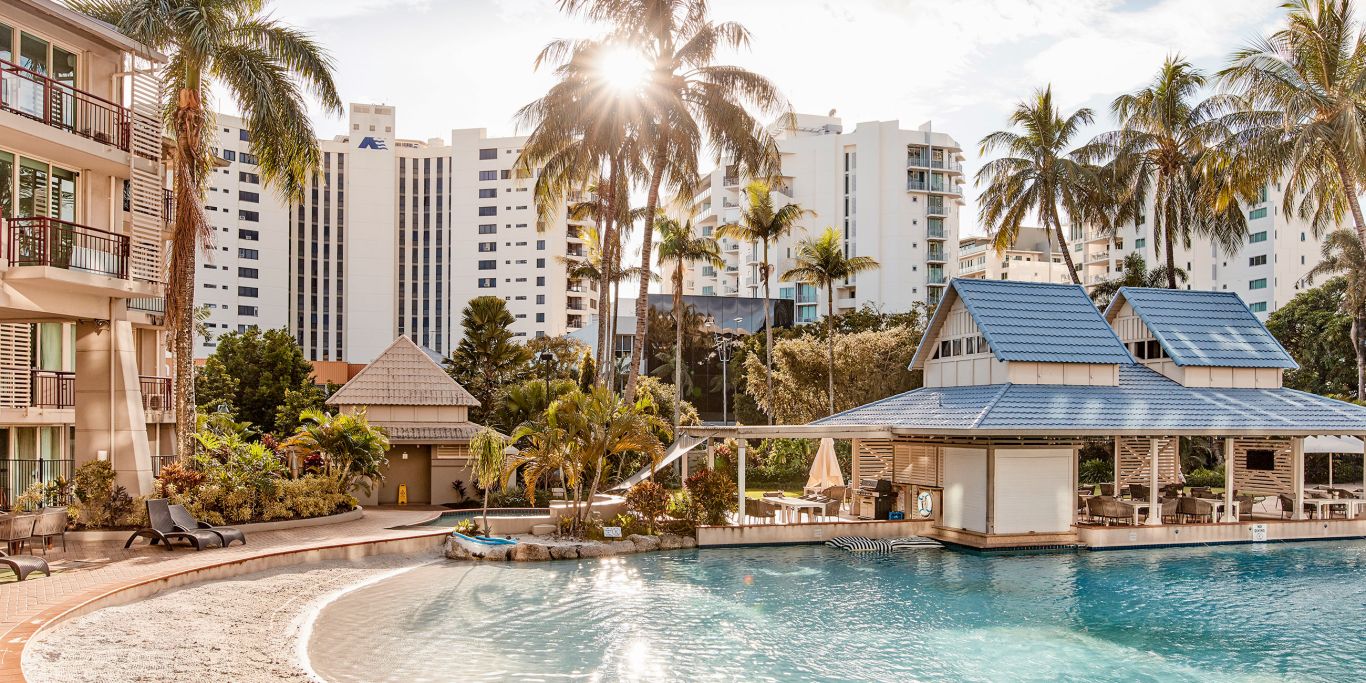
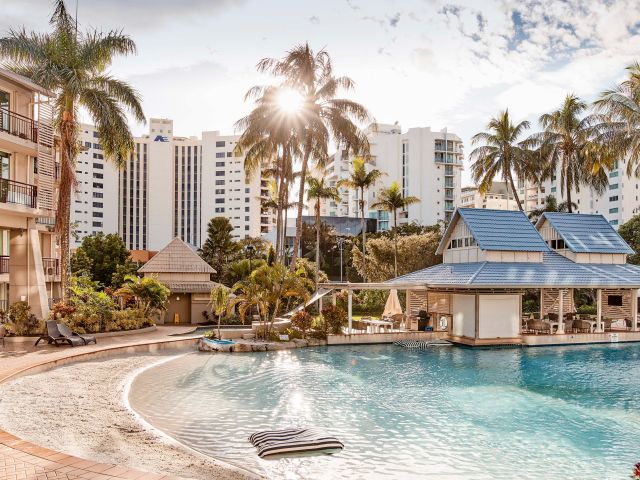
For something more relaxed (and much further north) MOKU Bar & Grill at Novotel Cairns Oasis Resort is set alongside the lagoon-style pool, complete with Cairns’ only swim-up bar. Fresh, tropical flavours complement the warm breeze and lush gardens.
2. Better sleep options
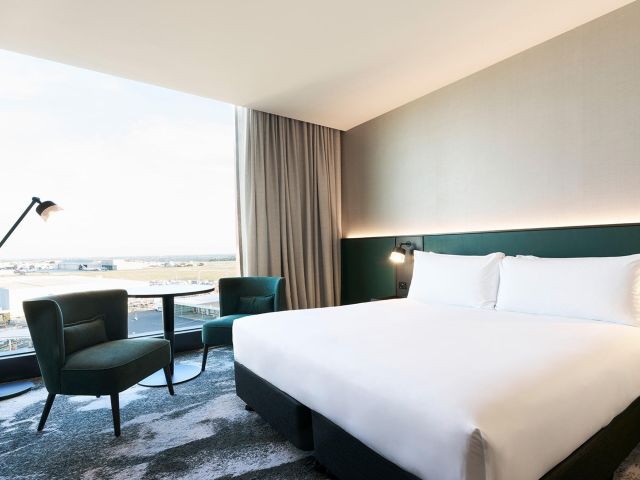
Recharge before your next flight.
There’s nothing quite like the crisp white sheets of a well-made hotel bed. Beyond fresh linen and perfectly made beds, Novotel works with sleep experts, including Australia’s Olivia Arezzolo, to create a better-designed sleep environment for its guests. Things like pillow menus, in-room yoga channels and advice for getting over jet lag make spending a night in selected hotels more of a luxury.
Novotel Melbourne Airport takes it one step further by also offering soundproofed rooms, a 24-hour health club, a heated indoor pool and an infrared sauna. Stopovers, day trips and early mornings come a little easier after a good night’s sleep.
3. More ways to move
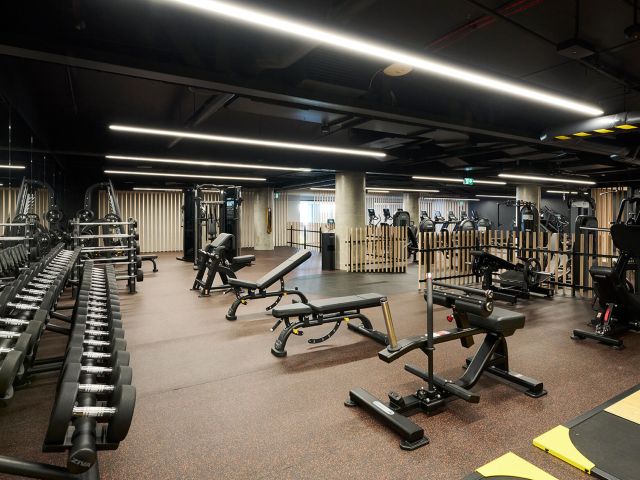
Prioritise wellness while you travel.
Feeling rested makes it easier to move your body, both for relaxation and fitness. Novotel’s spa and fitness centres not only have fully equipped gyms, saunas and steam rooms. But they also offer luxurious spas to massage worries away.
Nowhere is this more useful than the 24/7 gym, sauna and wellness facilities at Higher State Health & Wellness Club, accessible for Novotel Melbourne Airport guests. Need to stretch after a long flight? Try the gym or one of the 25-metre indoor swimming pools. Need to unwind a little? A session in the infrared sauna may help.
4. Building family memories
Make family holidays effortless.
The right hotel can make or break a family holiday, so choosing one that caters to both adults and small humans is key.
With kids’ activities daily, including movie nights and sandcastle-building competitions, Novotel Cairns Oasis Resort always keeps kids in mind. The real sand beach at the end of their large, outdoor pool provides hours of digging and building space for younger kids, while older kids will love the craft and trivia sessions.
For nature-loving families, Novotel Sunshine Coast Resort is set on 36 hectares of natural bushland around a private freshwater lagoon. Kangaroos roam freely, and local birdlife creates a calming soundtrack to your holidays. Kayak on the lagoon, swim in the refurbished pool and spa, or take part in some of the creative kids’ activities. Plus, children aged 15 and under eat breakfast for free when dining with a paying adult.
5. Location is key
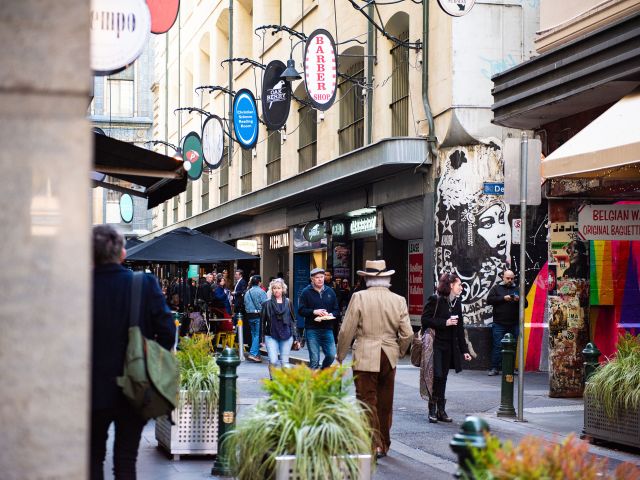
Wander the city’s iconic laneways. (Image: Visit Victoria)
Staying close to where you want to be can reduce stress as well as taxi costs. However, finding a hotel that’s both central and comfortable can be challenging. Novotel has over 600 hotels across more than 65 countries, from major city centres to tourist destinations. In Australia, Novotel has a knack for offering central locations and convenience.
Novotel Perth Murray Street is in the heart of Perth, surrounded by cafes and restaurants and only a short walk from the shops and dining options of Elizabeth Quay. However, the heated rooftop pool and hotel restaurant, Miss Mi Perth, will keep guests busy too.
Novotel Melbourne on Collins couldn’t be closer to the action, with Federation Square, the Melbourne Cricket Ground and the arts centre only minutes away. Window shoppers can browse Bourke Street Mall, Royal Arcade and the historic Block Arcade. Or, grab a coffee in the famous Degraves Street and Centre Place. While venturing out is easy, leaving the heated pool, gym and in-room dining won’t be.
6. Giving back
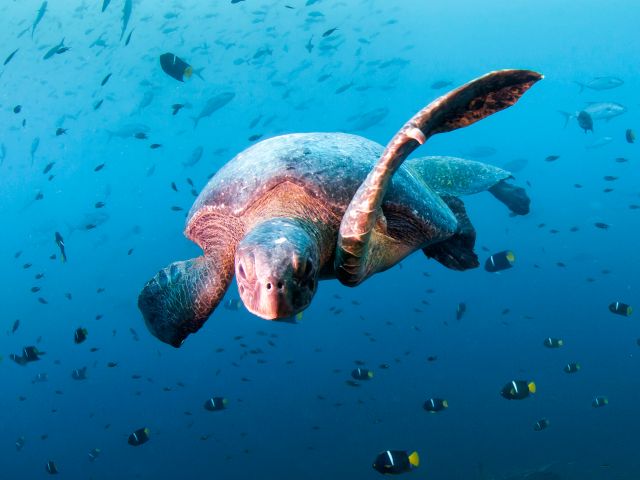
Protect our oceans as you explore.
Holidays tend to connect us with beaches, coastlines and waterways, making ocean conservation something travellers can appreciate. Through its partnership with the World Wide Fund for Nature (WWF), Novotel supports conservation projects around the world, such as protecting seagrass meadows in the Mediterranean, tackling discarded fishing nets in the Baltic Sea and whale conservation in Australia.
Novotel has also been championing sustainable seafood across its restaurants and has moved towards a more plant-focused menu. In fact, at least 25 per cent of dishes are now plant-forward. They have been phasing out single-use plastics, reducing water and energy usage and cutting down on food wastage where possible.
Staying at a Novotel is one way to support these global conservation and sustainability efforts. It’s feel-good tourism at its best.