Australia is currently in a prime sunrise-watching position – here’s why (and where to catch it before it’s too late).
Everyone loves a good sunrise – especially us Aussies. We’d be foolish not to, considering our island home is one of the best places in the world to witness a swirling, pastel-painted sky.
While some of us are practically pros at getting up before dawn, others can find it difficult to leave the comforts of home to see the sun come up. But if there is one time of year worthy of dragging yourself out of bed, it’s the next two weeks.
Why are the next two weeks the best time to see a sunrise?
Autumn ushers in a time for simple pleasures – big fluffy blankets, mugs of hot chocolate and cosy autumnal festivals. But it also signals the end of daylight savings, meaning the days get shorter and darkness falls earlier. As sun-obsessed Australians, we’re practically preconditioned to let out a heaving sigh. But what if I told you it’s actually one of the most beautiful times of the year for our golden giant?
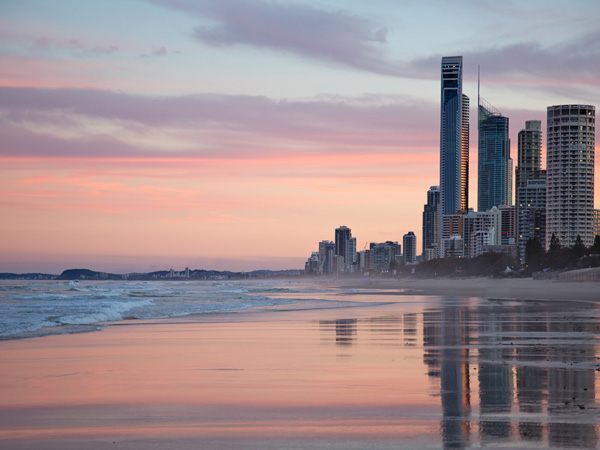
Introducing the March Equinox: when the Earth tilts on its axis and crosses the celestial equator. The solar event occurred on 20 March this year, causing a northward shift of the sun’s path across the sky. As a result, cold fronts are sweeping across our continent and bringing mid to high cloud cover that reflects light in all directions.
“Due to the tilt of the Earth, the sun comes up at a greater angle in autumn compared to summer," says Jonathan How, senior meteorologist at Australia’s Bureau of Meteorology . “This means longer duration sunrises and more opportunity for light to scatter in the atmosphere."
“The air is drier, which means good visibility, and there’s less chance of low cloud and fog, which can prevent a good sunrise. States with daylight savings also allow a later sunrise, so more people are up and able to observe the sunrise when conditions are most ideal," How adds.
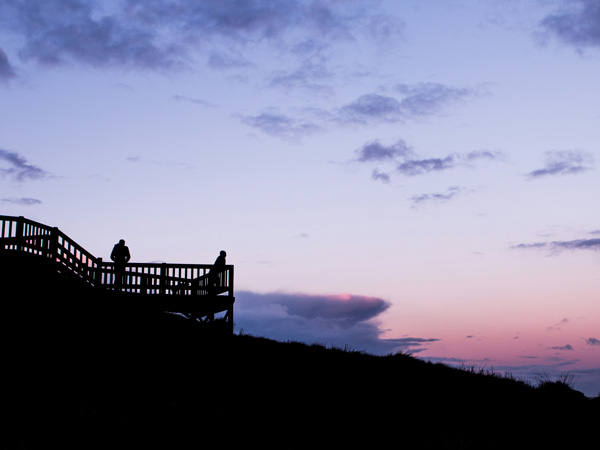
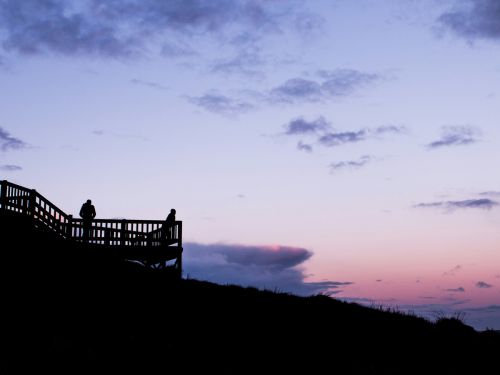
At the start of autumn, when these cold fronts arrive, the sun is still rising around 7am, a small but auspicious window is opened in which everything perfectly aligns. While this window only lasts for around two weeks between March and April, it creates an unforgettable sunrise, incomparable to any other time of year.
Need tips, more detail or itinerary ideas tailored to you? Ask AT.
AI Prompt
Where should I head to catch a spectacular sunrise?
Luckily for you, Australia is blessed with plenty of places to catch this natural phenomenon. In fact, we’ve got a whole roster of experiences dedicated to seeing the sun come up, from yoga on the beach in SA to Tassie’s iconic nude solstice swim during Dark Mofo . But if you’d rather just soak in the beauty of a magical morning, here’s where you should head.
1. Uluru, NT
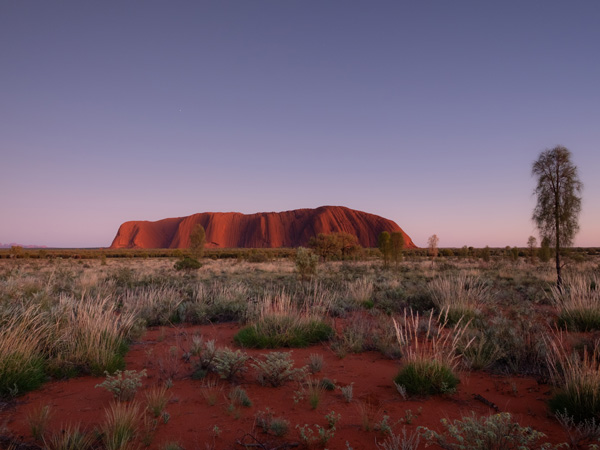
Timelessly beautiful, this 550-million-year-old monolith in Australia’s beating heart is, hands down, one of the best places to witness a sunrise. Uluru’s unique mineral composition, particularly its high levels of iron oxide, refracts the sun’s light as it moves across the sky, changing the colours of the rockface as it goes. Voted as the best place in the world for a sunset last year, Uluru would be just as magnificent come morning.
2. Byron Bay, NSW
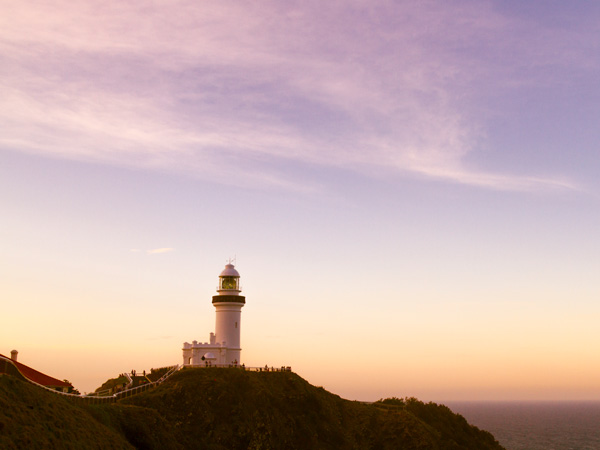
Yes – Byron’s beautiful beaches, slow lifestyle and plethora of coastal lookouts make it perfect for catching a sunrise. But that’s not the (only) reason you should head here for an unforgettable sunrise. Byron Bay marks the most easterly point of Australia, meaning the sun technically rises here before anywhere else. Take the Walgun Cape Byron walking track and be among the first few to see the sun come up.
3. Cape Hillsborough National Park, Qld
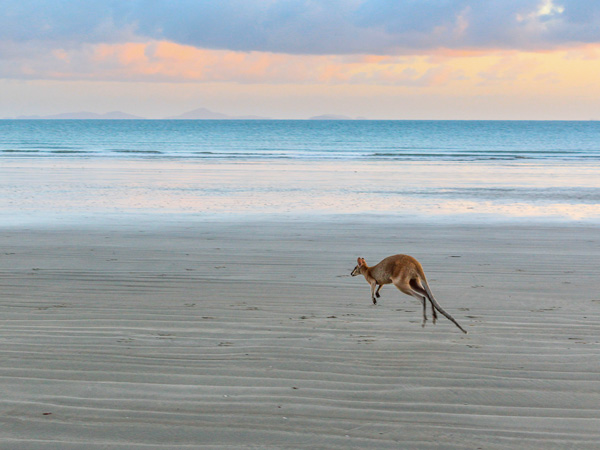
Head to Queensland’s Cape Hillsborough National Park, and you won’t be the only one up early. This rugged natural landscape is home to large groups of kangaroos and wallabies that head down to the beach each morning. Gathering on the sand to feed and mingle, it’s the perfect opportunity to meet these iconic Aussie animals, all backdropped by a magnificent sunrise.
Other amazing sunrise spots around Australia include Canberra’s Lake Burley Griffin, Kunanyi/Mt. Wellington in Tasmania, the Remarkable Rocks on SA’s Kangaroo Island, Roebuck Bay in WA and The Grampians of Victoria.