Why you should tick that carbon offset box when flying

hero media
Air travel is a notorious guzzler of fossil fuels, which should make offsetting a no-brainer for conscious travellers.

What is offsetting?

In layman’s terms, the concept of carbon-offset schemes effectively means you are paying a price to remove the emissions produced when you fly or drive by investing in programs that have a positive effect on the Earth, thereby cancelling out or neutralising your impact. Think of it as yin and yang with the added bonus of frequent flyer points. Programs that airlines or their offsetting partners contribute to include reforestation, landcare and social initiatives that prevent the same amount of CO2 entering the atmosphere through their actions.
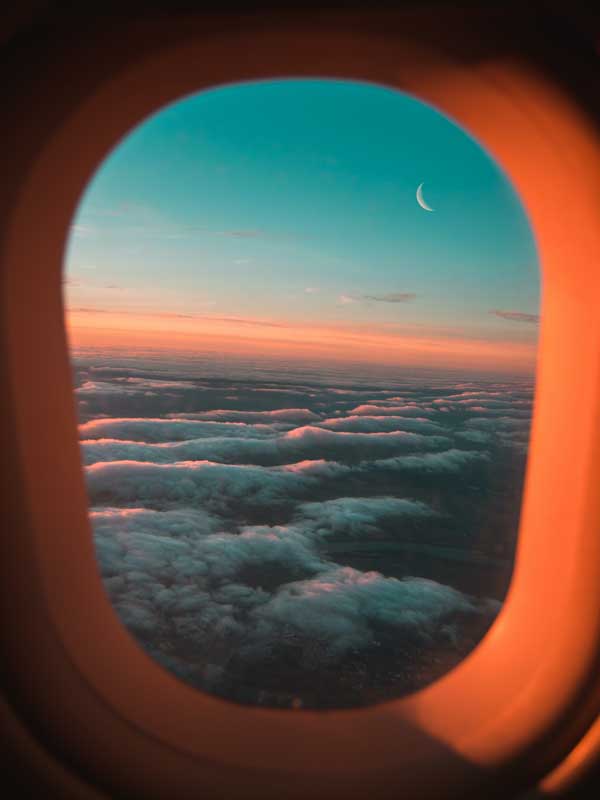
View from plane window
Cancel out the CO2 emissions you use when flying by offsetting.

Why should you do it?

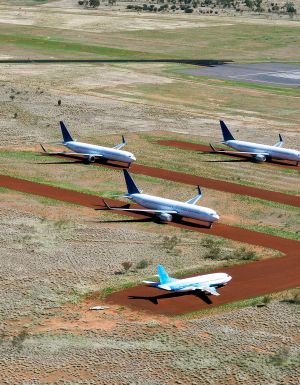
Before the pandemic, research showed that greenhouse gas emissions from commercial air travel were growing at a much faster rate than previously predicted by the United Nations’ International Civil Aviation Organization (ICAO) – up to 70 per cent faster, in fact. And while we all bought into the silver lining of lockdown resulting in a dramatic drop in greenhouse emissions, the zeal with which we have taken to the skies again over Australia means this was just a pause in proceedings. Indeed, a return to the larger-than-forecast increases of the past will end up cancelling out initiatives like developments in engine and aircraft efficiency and clean fuels altogether. So, short of never flying again, offsetting is a tangible way to cancel out the damage you do every time you board a plane.
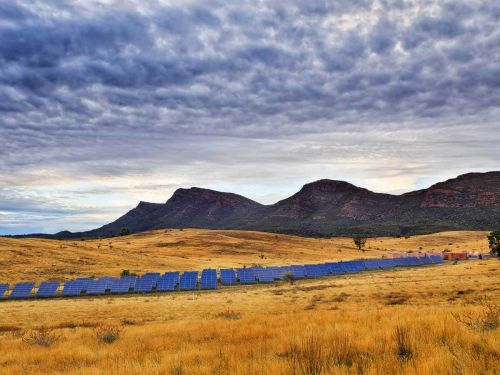
Solar panels in Flinders Ranges National Park SA
Carbon offsetting is one way we can support initiatives that work to fight against the damage we’ve already done.

What difference does it make?

Maybe the question should be: ‘What is the alternative?’ With many tipping points already reached when it comes to climate change, at this stage we have to work on the premise that every little bit counts because the alternative is actually too frightening to contemplate. A good rule of thumb, if you are concerned about where exactly the difference is being made when you offset, is to choose companies and not-for-profits that support Australian initiatives so you can see both the benefit and the results in action.

Sand dune conservation in Australia
Check that your carbon offsets support Australian initiatives so you can see both the benefit and the results in action.

How much does it cost?

Probably not as much as you think. While you would need an economics degree to properly understand the ins and outs of how carbon pricing works, and there is actually no standardised price on carbon, what we can tell you is that your emissions when flying are calculated based on the length of your journey, the type of aircraft you are travelling on and the cabin class you are seated in. All of this information is combined to produce a total CO2 emissions amount in tonnes, and then a charge is applied to this.
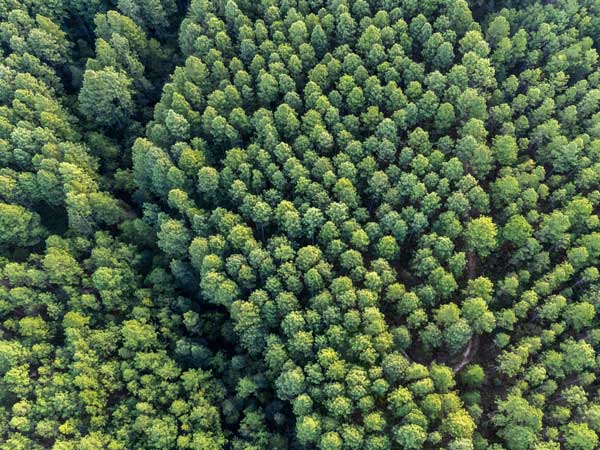
Drone view of pine plantation forests in the Sunshine Coast Hinterland
Protecting our green spaces is of paramount importance.

Greenfleet , a leading Australian not-for-profit environmental organisation established in 1997 with a mission to protect the climate by restoring forests, offers domestic carbon offsetting on both long-haul and short-haul flights. The cost of offsetting a return domestic short-haul flight (Melbourne to Sydney or Brisbane to Darwin) is just $14.40, while long-haul (Sydney to Perth or Melbourne to Broome) is $43.20.

It is often cheaper to offset through your chosen airline at the time of booking; a carbon-offset price for a return economy-class flight from Sydney to Adelaide on Qantas was just $3.30 when we logged onto the airline’s website, with an added commitment from the airline to match every dollar spent, doubling the positive impact (although we did note that ‘No thanks, not this trip’ is the default selection when the offsetting option appears in the booking process). Virgin Australia invests in programs that have social, environmental and economic benefits such as the Tasmanian Land Conservancy.
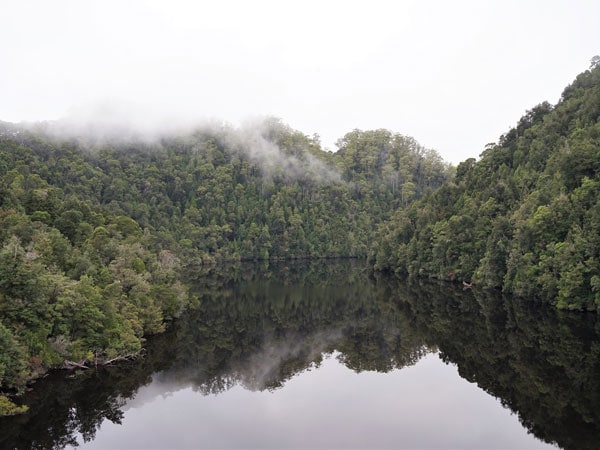
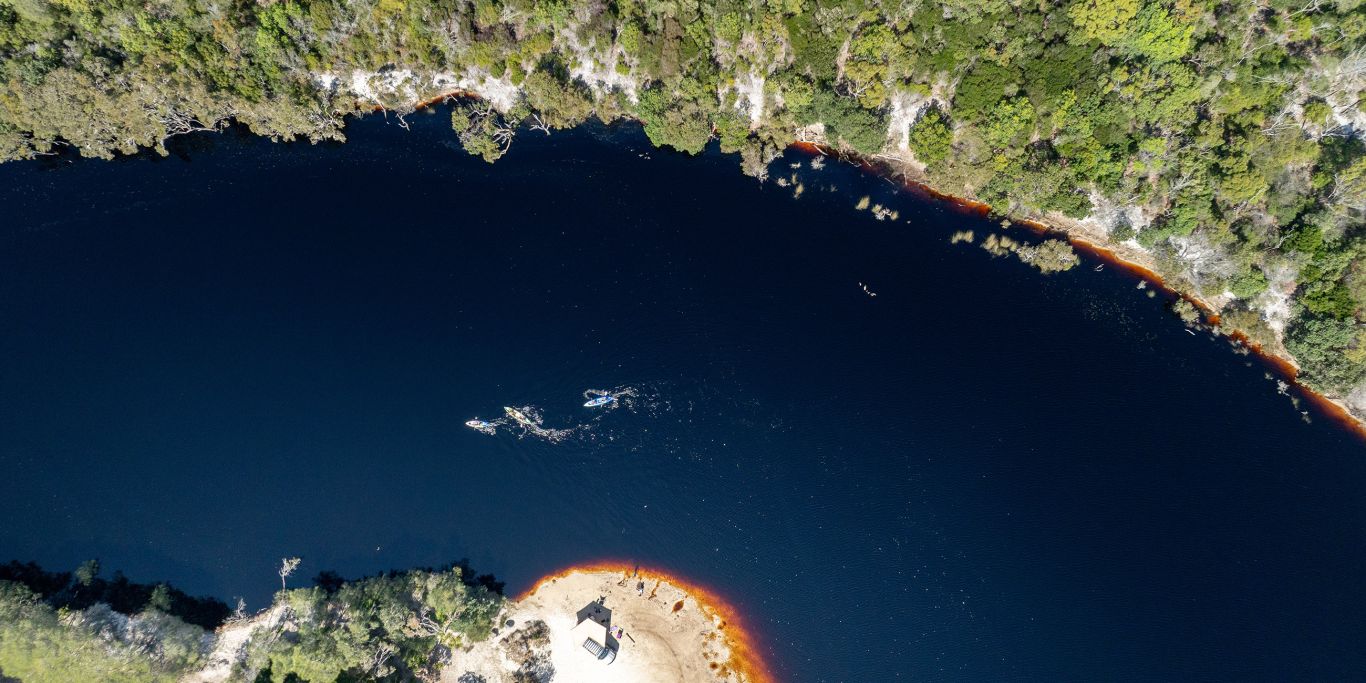
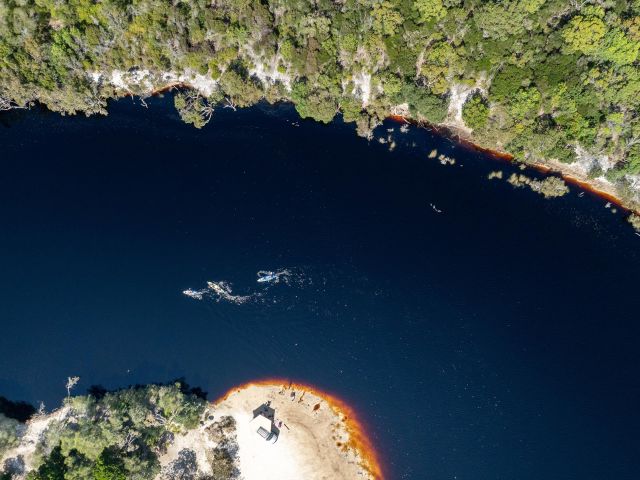
A tiny cloud hovers over the dark waters of Gordon River
Research where your carbon offsetting contribution goes. (Image: Gordan River Tasmania; Steve Madgwick)

The best ways to do it?

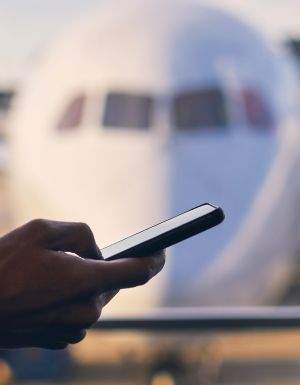
One of the easiest ways to offset your flights is directly through the airline at the time of booking. The option is usually presented towards the end of the booking process (after adding check-in baggage, choosing travel insurance, and booking a hire car…), so make sure you scroll through all the pages and keep your eyes peeled for it. Some airlines use a calculator that allows you to put in your flight details separately and then click to buy. If the airline you are travelling with doesn’t provide offsetting options, you can then opt to offset your flights yourself through an Australian-based offset company like Greenfleet or TEM .

For more tips and advice visit our guilt-free guide to sustainable travel.
hero media

3 wild corners of Australia that let you reconnect with nature (in comfort)

The country’s rawest places offer some of its most transformative, restorative experiences.

Australia offers sublime opportunities to disappear into the ancient, untouched wilderness, worlds away from modern stress. Wild Bush Luxury offers a collection of experiences that are a portal into the continent’s wildest, most undiscovered landscapes, from wide floodplains to vast savannas, where the only distractions are birdsong, frog calls, curious wallabies and the daily drama of sunset. With a focus on conservation and Indigenous knowledge, these all-inclusive experiences allow guests to slow down and quiet their minds for intimate encounters with the natural world.

1. Bamurru Plains

safari tent at Bamurru Plains wild bush luxury
Let nature take front row.

In the remote Top End, just outside Kakadu National Park on the fringes of the spectacular Mary River floodplains, you’ll find Bamurru Plains , a peerless Australian safari camp. After a quick air transfer from Darwin to the camp’s private airstrip, you’ll be whisked away via 4WD to a vivid natural wonderland of shimmering floodplains, red earth, herds of peacefully grazing water buffalo and 236 bird species (Bamurru means magpie goose to the Gagadju people).

Accommodations consist of 10 mesh-walled bungalows and two luxe stilted retreats where guests enjoy panoramic, up-close views that invite them into their rightful place in the landscape (and binoculars to see it even better). Being an off-grid experience designed to help guests disconnect, the only distractions are birdsongs, frog calls, curious wallabies, the occasional crocodile sighting and the daily drama of the spectacular golden sunset.

It’s a place where nature’s vastness rises to the level of the spiritual, and Bamurru’s understated, stylish,  largely solar-powered lodgings are designed to minimise human impact and let nature take front row.  Guests relax in comfort with plush linens, an open bar, communal tables that allow for spontaneous connections and curated dining experiences from the in-house chef using local ingredients and bush-inspired cooking methods.

Bamurru Plains airboat tour
Zoom across the floodplains. (Image: Adam Gibson)

It’s a restorative backdrop for days spent zooming across the mist-covered floodplains in an airboat, birding with expert guides, taking an open-sided safari drive or river cruise through croc country. Spend time at the Hide, a treehouse-like platform that’s perfect for wildlife spotting.

In fact, nature is so powerful here that Bamurru Plains closes entirely during the peak monsoon season (October to April), when the floodplains reclaim the land and life teems unseen beneath the water. Yet Wild Bush Luxury’s ethos continues year-round through its other experiences around Australia – each designed to immerse travellers in a distinct Australian wilderness at its most alive and untouched.

2. Maria Island Walk

woman on a headland of Maria Island Walk
Maria Island Walk offers sweeping coastal scenes.

Off Tasmania’s rugged east coast, the iconic Maria Island Walk is an intimate four-day journey through one of the country’s most hauntingly beautiful and unpopulated national parks, encompassing pristine beaches, convict-era ruins, and wildlife sightings galore. Accessible only by a small ferry, Maria Island feels like a place reclaimed by nature, which is exactly what it is: a penal settlement later used for farms and industry that finally became a national park in 1972.

These days, the island is known as ‘Tasmania’s Noah’s Ark’ and its only human inhabitants are park rangers. It’s a place where wombats amble through grassy meadows, wallabies graze beside empty beaches, dolphins splash in clear water just offshore and Tasmanian devils – successfully reintroduced in 2012 after near-extinction on the mainland – roam free and healthy.

Each day unfolds in an unhurried rhythm: trails through coastal eucalyptus forests or along white-sand bays, plateaus with sweeping ocean views, quiet coves perfect for swimming. Midway through the journey, you’ll explore Darlington, a remarkably preserved 19th-century convict settlement whose ruins tell stories of human ambition at the edge of the known world.

At night, sleep beneath a canopy of stars in eco-wilderness camps – after relaxing with Tasmanian wine and locally-sourced meals, and swapping stories with your fellow trekkers by candlelight.

3. Arkaba

two people standing next to a 4wd in Arkaba
Explore Arkaba on foot or on four wheels.

For a bush immersion with more of an outback flavour, Arkaba offers a completely different type of experience. A former sheep station and historic homestead in South Australia’s striking Flinders Ranges that has been reimagined as a 63,000-acre private wildlife conservancy. It’s now patrolled mainly by kangaroos and emus.

Small-scale tourism (the homestead has just five ensuite guestrooms) helps support rewilding projects, and guests become an essential part of the conservation journey. Days begin with sunrise hikes through ancient sandstone ridges or guided drives into the ranges to spot yellow-footed rock-wallabies. And end with sundowners on a private ridgetop watching the Elder Range glow vibrant shades of gold, crimson and violet as the air cools and time stands still.

Here, you can join conservation activities like tracking native species or learning about Arkaba’s pioneering feral-animal eradication projects, then unwind with chef-prepared dinners served alfresco on the veranda of the homestead, which is both rustic and refined. The highlight? Following Arkaba Walk, a thriving outback wilderness where emus wander and fields of wildflowers grow.

It’s an unforgettable immersion in Australia’s vast inland beauty, a place where the land’s deep and complicated history – and astounding resilience – leave their quiet imprint long after you return home. In a world where genuine awe is rare, Wild Bush Luxury offers a return to what matters most in the untamed beauty of Australia’s wilderness.

Disconnect from the grind and reconnect with nature when you book with at wildbushluxury.com