Why you should tick that carbon offset box when flying

hero media
Air travel is a notorious guzzler of fossil fuels, which should make offsetting a no-brainer for conscious travellers.

What is offsetting?

In layman’s terms, the concept of carbon-offset schemes effectively means you are paying a price to remove the emissions produced when you fly or drive by investing in programs that have a positive effect on the Earth, thereby cancelling out or neutralising your impact. Think of it as yin and yang with the added bonus of frequent flyer points. Programs that airlines or their offsetting partners contribute to include reforestation, landcare and social initiatives that prevent the same amount of CO2 entering the atmosphere through their actions.
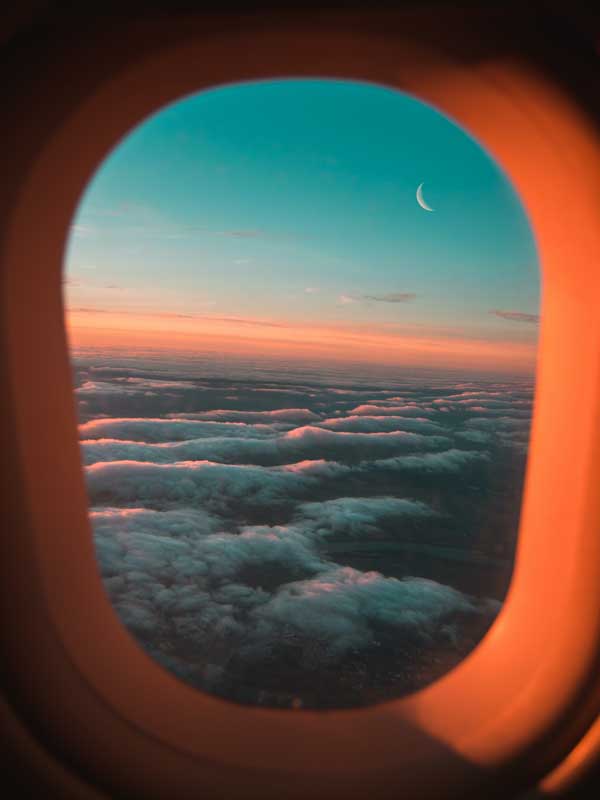
View from plane window
Cancel out the CO2 emissions you use when flying by offsetting.

Why should you do it?

Before the pandemic, research showed that greenhouse gas emissions from commercial air travel were growing at a much faster rate than previously predicted by the United Nations’ International Civil Aviation Organization (ICAO) – up to 70 per cent faster, in fact. And while we all bought into the silver lining of lockdown resulting in a dramatic drop in greenhouse emissions, the zeal with which we have taken to the skies again over Australia means this was just a pause in proceedings. Indeed, a return to the larger-than-forecast increases of the past will end up cancelling out initiatives like developments in engine and aircraft efficiency and clean fuels altogether. So, short of never flying again, offsetting is a tangible way to cancel out the damage you do every time you board a plane.
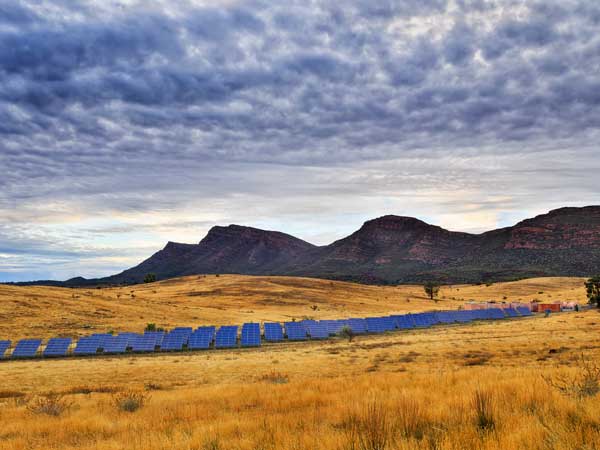
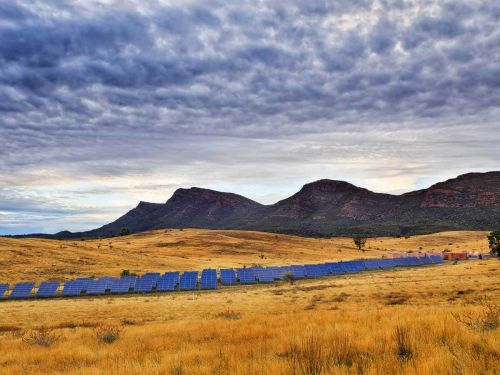
Solar panels in Flinders Ranges National Park SA
Carbon offsetting is one way we can support initiatives that work to fight against the damage we’ve already done.

What difference does it make?

Maybe the question should be: ‘What is the alternative?’ With many tipping points already reached when it comes to climate change, at this stage we have to work on the premise that every little bit counts because the alternative is actually too frightening to contemplate. A good rule of thumb, if you are concerned about where exactly the difference is being made when you offset, is to choose companies and not-for-profits that support Australian initiatives so you can see both the benefit and the results in action.

Sand dune conservation in Australia
Check that your carbon offsets support Australian initiatives so you can see both the benefit and the results in action.

Need tips, more detail or itinerary ideas tailored to you? Ask AT.

AI Prompt

How much does it cost?

Probably not as much as you think. While you would need an economics degree to properly understand the ins and outs of how carbon pricing works, and there is actually no standardised price on carbon, what we can tell you is that your emissions when flying are calculated based on the length of your journey, the type of aircraft you are travelling on and the cabin class you are seated in. All of this information is combined to produce a total CO2 emissions amount in tonnes, and then a charge is applied to this.
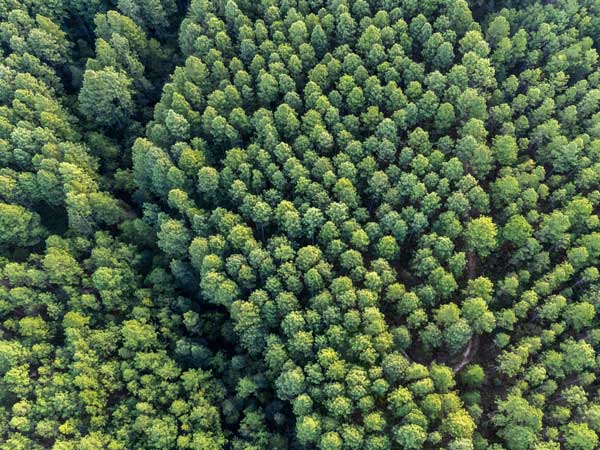
Drone view of pine plantation forests in the Sunshine Coast Hinterland
Protecting our green spaces is of paramount importance.

Greenfleet, a leading Australian not-for-profit environmental organisation established in 1997 with a mission to protect the climate by restoring forests, offers domestic carbon offsetting on both long-haul and short-haul flights. The cost of offsetting a return domestic short-haul flight (Melbourne to Sydney or Brisbane to Darwin) is just $14.40, while long-haul (Sydney to Perth or Melbourne to Broome) is $43.20.

It is often cheaper to offset through your chosen airline at the time of booking; a carbon-offset price for a return economy-class flight from Sydney to Adelaide on Qantas was just $3.30 when we logged onto the airline’s website, with an added commitment from the airline to match every dollar spent, doubling the positive impact (although we did note that ‘No thanks, not this trip’ is the default selection when the offsetting option appears in the booking process). Virgin Australia invests in programs that have social, environmental and economic benefits such as the Tasmanian Land Conservancy.
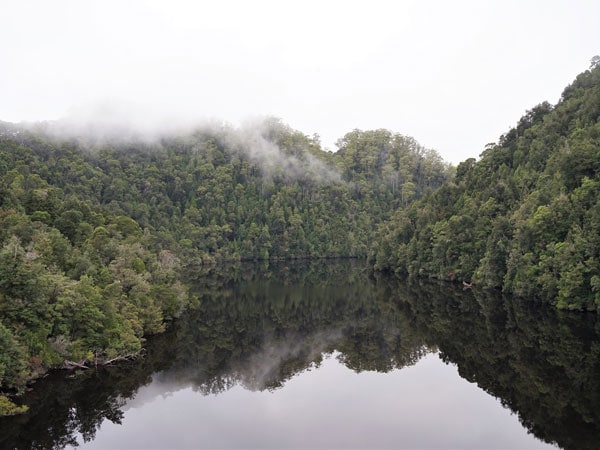
A tiny cloud hovers over the dark waters of Gordon River
Research where your carbon offsetting contribution goes. (Image: Gordan River Tasmania; Steve Madgwick)

The best ways to do it?

One of the easiest ways to offset your flights is directly through the airline at the time of booking. The option is usually presented towards the end of the booking process (after adding check-in baggage, choosing travel insurance, and booking a hire car…), so make sure you scroll through all the pages and keep your eyes peeled for it. Some airlines use a calculator that allows you to put in your flight details separately and then click to buy. If the airline you are travelling with doesn’t provide offsetting options, you can then opt to offset your flights yourself through an Australian-based offset company like Greenfleet or TEM.

For more tips and advice visit our guilt-free guide to sustainable travel.
Australian Traveller

Australian Traveller

View profile and articles
hero media

7 things you must experience on a getaway to Echuca Moama

Those dreaming of a river escape that’s less rush and more rest will discover the perfect getaway in Echuca Moama.

Best known for summer river holidays, Echuca Moama dishes up extraordinary options for those craving good food, experiences and culture. Discover how best to spend your getaway in this gorgeous river town.

1. Find unique stays in Echuca Moama

Goolwa River Retreat villas
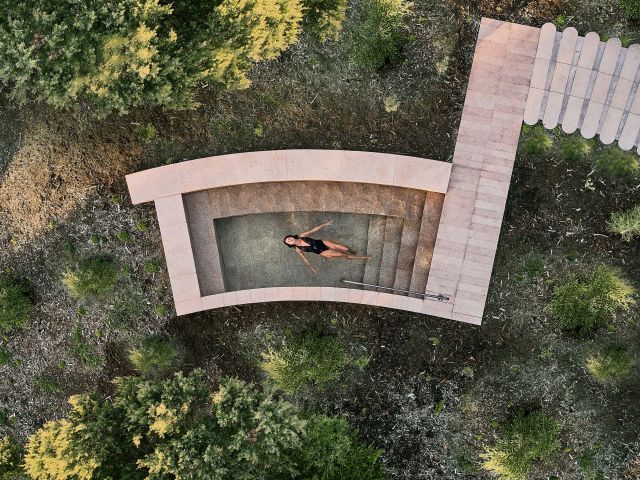
Bathe under the stars at Goolwa River Retreat.

An adventure here starts with the perfect place to stay. Echuca Moama is famous for its luxury houseboats. Be spoilt for choice with amenities like spas, chef’s kitchens and en-suites onboard Murray River Houseboats and Echuca Luxury Houseboats.

For those who prefer to stay on dry land to sleep, there’s no shortage of accommodation options to suit every taste and budget. The villas at Goolwa River Retreat offer spectacular views of the Murray Riverfront, cosy evenings by the fire pit. And, a truly unique and luxurious experience: bathing under the stars in an outdoor bathtub.

Families travelling with young kids will appreciate the fully self-contained cabins, which sleep up to six, at NRMA Echuca Holiday Park. Complete with BBQ facilities and a kids’ playground, Echuca Holiday Park is the perfect base for families exploring the Echuca Moama region.

More adventurous guests can experience off-grid serenity at Carriages Water Front Retreat, where they can slumber among the redgums in a lovingly converted vintage train carriage.

If you prefer a more central place to stay, the Mercure Port of Echuca is located just five minutes from the Port of Echuca on foot and offers comfortable rooms, as well as easy access to all the region has to offer.

2. Explore the Murray River

PaddlesteamerS on the Murray River
Jump aboard one of Echuca Moama’s famous paddlesteamers.

A trip to Echuca Moama isn’t complete without seeing the Murray River. Take in views from the water, with Murray River Paddlesteamers and Echuca PaddlesteamersOr combine sightseeing with lunch at a local winery or brewery on a Wharf to Winery or Port to Plate cruise.

Those who prefer an active holiday can hire a stand-up paddleboard with Echuca SUP to explore the river. Duck under the historic Echuca Moama Bridge and listen out for local wildlife. At the end of your paddleboarding trip, you’ll find a shuttle service to return you to the car park.

Kayaking is another great option if you like to combine seeing the sights with a full-body workout. Hire a kayak from River Country Adventours, or join a river safari for a guided experience.

3. Go hiking and biking in Echuca Moama

two bikers riding on the 19-kilometre Waranga Rail Trail
Peddle along the 19-kilometre Waranga Rail Trail.

On foot or by bike, there are plenty of trails to explore the region. Embark on a guided e-bike tour with Green Pedal (or hire an e-bike and go it alone) to explore the 19-kilometre Waranga Rail Trail. Traverse through beautiful bushland and the scenic Waranga Basin. Bakeries and picnic areas in the historic town of Rushworth provide the perfect place for refreshments.

Day trip to the lookout at Whroo Forest, near the now-abandoned Whroo township, located on historic Balaclava Hill. The Hill was once the site of Victoria’s largest open-cut gold mine and home to a thriving town. Today, the area offers picturesque walking tracks and picnic sites.

4. Taste Echuca Moama’s best dining options

lobster dish on the table at opa in echuca moama
Taste delicious, authentic Greek at Opa. (Image: Visit Victoria)

Whether you like a candlelit dinner or a coffee in the sunshine, Echuca Moama is ready to delight your taste buds.

Pop into Opa for authentic Greek fare with views of the town from its upstairs balcony. Enjoy seasonal produce at The Mill, offering everything from global street food and share plates to classic dinner and dessert options inside a historic building.

Discover a local secret at Monkee and Co, a relaxed Asian-fusion restaurant serving up classics like Banh Mi and dumplings.

Start the day with excellent coffee and waterfront views at the family-run Watson St Pavilion.

5. Drink at Echuca Moama’s best bars

two people drinking cockatails at paradise bar in echuca moama
Cheers to neon at Paradise Bar.

Top-notch tipples can be found at Paradise Bar, a new cocktail bar serving up handcrafted cocktails to delight the taste buds in the heart of Echuca. The menu features classics like mojitos, margs, and spritzers. As well as Paradise’s own creations featuring funky ingredients like bubble gum syrup and an Old Fashioned with truffle oil.

Bar Lee at the Echuca Distillery is the place to go to watch the sun go down at the rooftop bar, taste Echuca’s locally made spirits and nibble your way through an exceptional selection of share plates.

For river views, excellent service and a more than extensive wine menu, head to Social Wine Bar. You’ll find a laid-back atmosphere in the riverfront beer garden that sprawls out under an ancient pine tree and a cosy interior perfect for hiding away on a cool evening.

6. Follow local art trails

Silo Art Trail
Jump in the car and follow the Silo Art Trail.

The region’s silos have been transformed into impressive, towering canvases depicting local fauna, Echuca’s historical links to industry and the building of the local railroad. Follow the Silo Art Trail by car, which takes between three and four hours.

Rochester Mural Park is home to an annual lineup of changing murals, while the Rochester Mural Festival showcases established and emerging artists.

7. Dive into local history

Echuca Port Museum and Penny Tourism
See the historic Port of Echuca.

The Echuca Moama region is bursting with history. Among its historical treasures is the Port of Echuca. Interactive displays showcase the port’s importance to historical trade along the river, industrial sites like the Evans Brothers Sawmill and the Port of Echuca railway station with its very own heritage steam train.

The displays pay homage to the site’s significance to the local Yorta Yorta People and their ancestral connection to the land where the Murray, Campaspe and Goulburn Rivers meet.

Explore the port independently or join a guided tour to learn from Echuca’s history buffs.

Learn more and start planning the perfect holiday to Echuca Moama at visitechucamoama.com.au.