Premier transport company Cobb & Co became a true pioneer of Australian travel in a time when passage through the country was notoriously uncomfortable.
Australia’s most iconic coach service was started in the gold rush years in Victoria by young American Freeman Cobb.
Along with John Peck, James Swanton and John Lamber, he had recognised the need for passenger transportation between colonies and mining towns, and further inland to the outback.
The first Cobb & Co route was the short trip between Melbourne and Port Melbourne in 1853. At the time, coach travel was essential but passengers were often struck down with motion sickness and injuries from the bumpy ride.
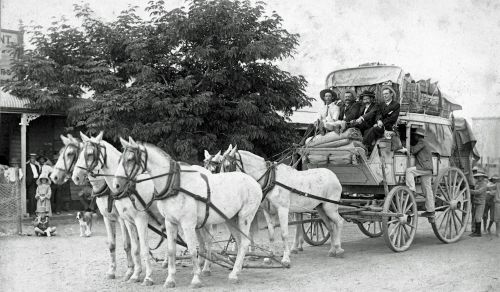
But Cobb & Co’s coaches were superior, imported from America where they were designed for travel in the Midwest, which had similar conditions to Australia’s rugged terrain.
With regular and reliable services, specially bred horses suited to pulling a fully laden coach at gallop (the coaches carried up to 17 people and luggage), and fixed stops at changing stations to rest and swap horses, Cobb & Co became the preferred and luxurious method of travel.
Changing stations were usually privately run by a family or couple who would provide refreshments for passengers and overnight accommodation; some were more established pubs and inns that prospered from Cobb & Co services.
By 1861 the company had expanded into New South Wales and Queensland after new director James Rutherford secured a valuable contract for the delivery of mail.
But with these profitable mail runs and regular routes came another danger: bushrangers who would wait for the coaches on isolated roads.
Australian artist Tom Roberts’s 1895 painting Bailed up was inspired by one of these incidents, when coach driver ‘Silent Bob Bates’ was held up by local bushranger Captain Thunderbolt in the 1860s.
At its peak, Cobb & Co’s coaches were travelling an astounding 45,000 kilometres each week and harnessing up to 6000 horses. But after 70 years of operation, the last horse-drawn Cobb & Co service ran in 1924, when train travel superseded the need for coaches.
Despite its demise, this iconic transport company was forever immortalised in Australian folklore, charmingly penned in folk singer Lionel Long’s The Ballad of Cobb & Co.: “The driver’s whips are cracking and the horses’ hooves are dragging. As across the red and dusty trail they race. There’s a distant light a burning and the passengers are yearning, for the comfort of a warm and kindly place."
Need tips, more detail or itinerary ideas tailored to you? Ask AT.
AI Prompt
Megan Arkinstall is a freelance travel writer who you’ll often find at the beach, bushwalking or boating with her young family. She loves reliving travel memories through writing, whether that be sipping limoncello in a sun-drenched courtyard of Monterosso or swimming with green turtles in the aquamarine waters of Tropical North Queensland.
From serene natural beauty to vibrant nightlife, with plenty of arts and culture in between, the NSW Central Coast has been enjoying a serious glow up.
Just one hour from Sydney, the Central Coast has long been the perfect seaside getaway. And with its ECO Destination certification with a focus on sustainability, it’s a trip travellers can feel good about, too. Recently, new and exciting openings have turned the Central Coast into a place where incredible natural beauty is still on the table, but so is a vibrant and sophisticated arts, dining and nightlife scene.
Find out what’s new to discover on the Central Coast.
1. Gosford’s glow up
Book into voco and experience the best of Gosford.
Long-time Central Coast lovers will hardly recognise Gosford these days. While always boasting gorgeous water views, a range of revamps and new openings have turned it into a busy hub of arts and culture, with an increasingly diverse and vibrant nightlife.
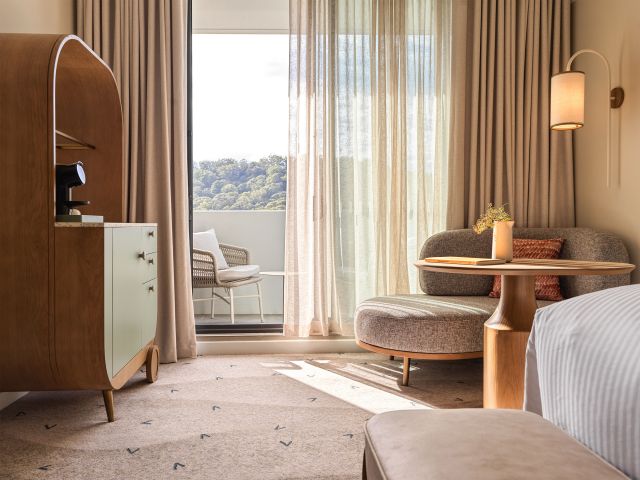
Landmark lifestyle hotel voco Gosford is the perfect home base for a Central Coast getaway. At this IHG hotel overlooking sparkling Brisbane Water, guests can spend sunny days soaking in the rooftop pool (or just sipping a cocktail beside it). When it comes to meals, you can enjoy multiple venues serving up everything from modern Australian fare to fine-dining Japanese.
Venture out to lay eyes on the Central Coast’s first permanent Moving Image Gallery (MIG) . Opened this year inside the Gosford Regional Gallery , the immersive space is a showcase of screen-based and digital art. While at the gallery, wander around the Edogawa Commemorative Garden, a traditional Japanese strolling garden complete with teahouse, koi pond and an ornamental bridge.
Meanwhile, the revamped Gosford Regional Library has even more than books to discover. Now, it’s one of the best in the southern hemisphere – find exhibitions, historical archives and community initiatives for all ages at this perfect family-friendly escape.
2. Newcomers to the dining scene
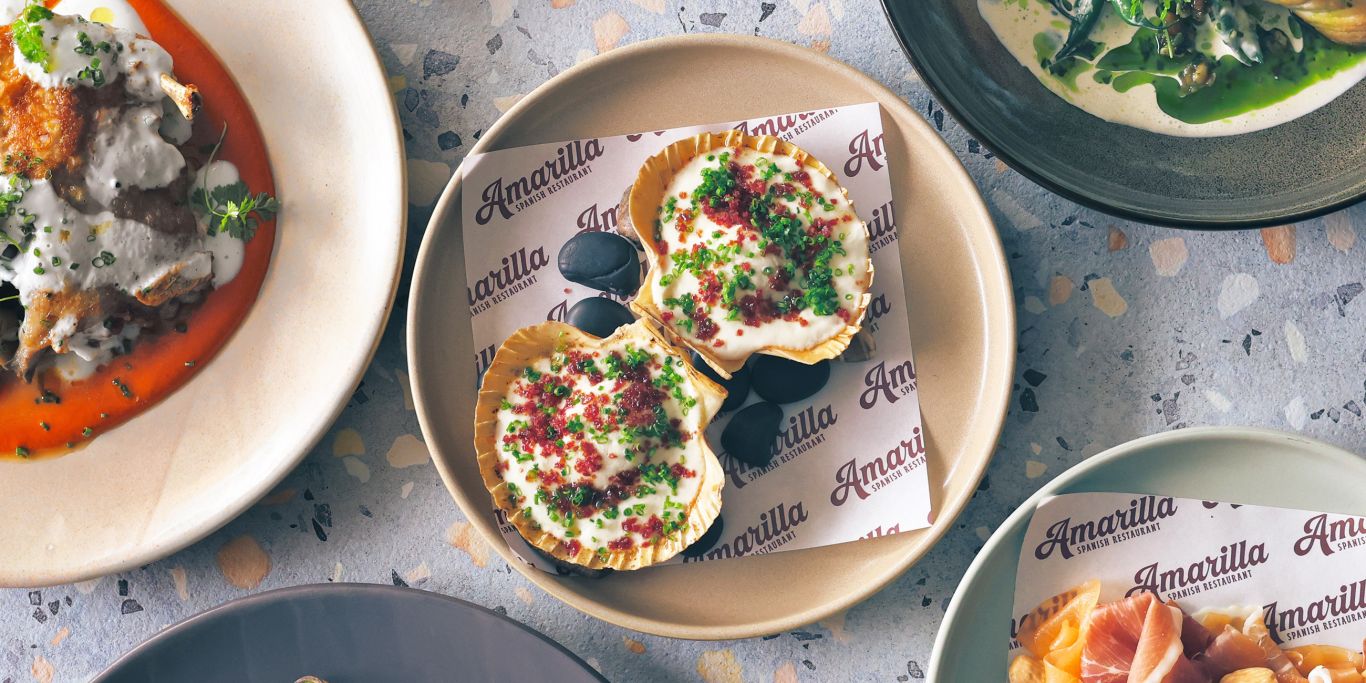
Treat yourself to sundowners and snacks at Amarilla.
The Central Coast has long been the perfect destination for gourmands, with everything from casual eats to fine dining elevating the local offerings. And three new destinations have been added to the map.
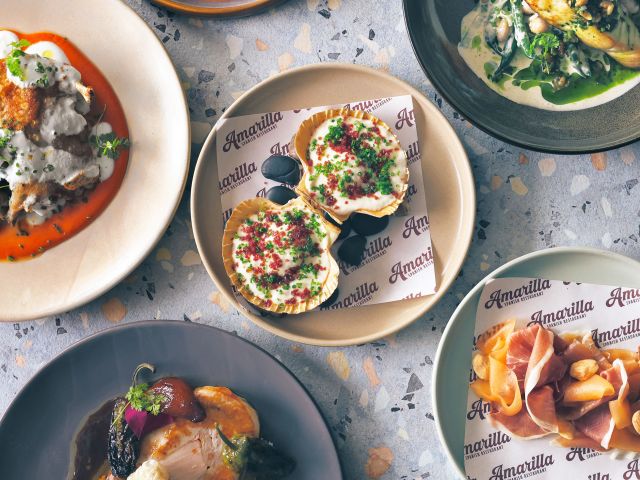
Amarilla at The Haven in Terrigal is the perfect seaside venue for sundowners, with blissed-out beats providing the soundtrack. Book in for golden hour and choose bites from a Spanish tapas menu made for sharing. Do as the locals do and wash it all down with sangria – the Sunday Sangria Sessions have become a local institution.
Also in Terrigal, Little Miss has brought a premium Mediterranean menu to the waterfront. Try the wagyu tartare with Greek caviar or butter-poached lobster and tomato bisque, paired with inventive cocktails and a handpicked selection of Lebanese wines.
Over in Ettalong, Bar Toto is perfect for pre- or post-dinner drinks. This award-winning cocktail bar is known for its creative concoctions, along with craft beer, wine and antipasti platters to snack on. The interior sets the mood, with dim lighting and wooden furnishings.
3. New Central Coast experiences
Book an experience at Firescreek Botanical Winery.
It’s entirely possible (and recommended) to spend a Central Coast getaway relaxing on one of its many peaceful and pristine beaches. But for those who crave more, there’s a long list of options to keep you busy.
Pop into the iconic Australian Reptile Park to see the new Weigel Venom Centre, a state-of-the-art facility that’s home to over 200 of the country’s most venomous snakes.
Get out on the water with Sail Central Coast , which offers 20 years of expertise in yacht charters. Book the Sunset Sail & Dine yacht charter for a private afternoon cruising the waterways of Bouddi National Park and Brisbane Water, stopping at Anchor on Hardys for a two-course meal with a cocktail.
For something completely different, Firescreek Botanical Winery is now offering an Aboriginal Storytelling and Wine Tasting Experience. Learn about local cultures, stories and traditions from an Aboriginal Elder, then enjoy a botanical-inspired wine tasting led by a local winemaking expert.
4. Central Coast accommodation
Sleep in the hinterland at Noonaweena.
There’s simply too much to experience on the Central Coast to only stay for one day. Turn your trip into a relaxing getaway by the beach.
Allawah , a retreat on the banks of the Hawkesbury River, is accessible only by boat. This secluded two-bedroom cottage is the perfect place to unwind, allowing you to spend lazy days fishing, kayaking, paddling or unwinding with a book on your own private jetty.
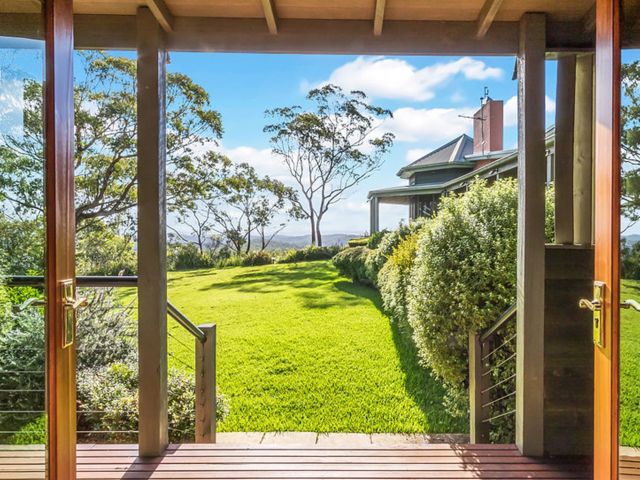
In the Kulnura hinterland, Noonaweena features a range of accommodation styles, from a luxe glamping bell tent to cottages and a treetop suite. It’s a leader in green travel, with 10 years of certification from Eco Tourism Australia. Relax in the onsite wellness centre or get active on various courts and in the gym facilities.
To stay by the ocean at Toowoon Bay, book into Kim’s Beachside Resort . This adults-only property offers a luxury escape nestled within a sub-tropical rainforest. Along with 36 private timber bungalows, indulge in massages or reiki treatments at the dedicated spa, or stop by the cocktail bar and à la carte restaurant.
5. Shopping on the Central Coast
Try your hand at Umina’s Centred Ceramics’ pottery courses.
For those after unique trinkets, handmade treasures and beautiful homewares, the Central Coast is a haven.
Markets on the Central Coast have a special flavour. Wander the Umina Beach Markets at twilight, where you’ll find small businesses from the local areas, and the Norah Head Ocean View Markets , where you can soak up good food, live music and artisan finds by the beach after sunset. ‘Tis the season for the Christmas twilight edition of the Avoca Beachside Markets, celebrating the season with pop-up bars, tasty treats and plenty of unique gift options from local artists and producers.
Galleria Ettalong has also added to the Central Coast’s recent makers and creators renaissance, wrapping cinemas, a dining precinct and over 40 boutique shops into one area.
Sign up for a pottery course at Umina’s Centred Ceramics , or peruse the shop for a range of one-of-a-kind pottery made on the premises for a special souvenir.
For more eclectic arts and homewares, pop into Blue Bird Collective Co . This marketplace supports over 35 small, local and handmade businesses, artists and creatives. Take the time to check out fashion, jewellery and homewares that won’t be found anywhere else.