Earthwatch Volunteer Travel

hero media

Go on holiday, save some lives!: Australian Traveller looks at some of the volunteer travel options offered by Earthwatch.

The good people at Earthwatch are offering all interested persons the chance to get up close and personal with some of Australia’s most fascinating – and vulnerable – creatures, all while immersing yourself in areas of the country you might never experience.

The not-for-profit environmental organisation whose mission it is to engage people in scientific field research is currently supporting more than 120 research expeditions around the globe – a dozen of which are right here on Australian shores. So if you’d like the chance to travel and work alongside some seriously dedicated field scientists and researchers, this could well be for you. So, which would you rather do: help the turtles of northwest WA, or look in on the echidnas of SA’s Kangaroo Island?

Turtles

In WA’sKimberley region, perhaps the least known ofAustralia’s turtles are the freshwater variety. And you’ll be camping out near stunning gorges, spending your days snorkelling and catching turtles, and your evenings measuring and examining them, then helping leading scientists process the data collected. The vital research you’ll be contributing to will help discover exactly how the population of this breed of turtle is managing in the wild, and whether or not measures are required to assist in their conservation.

Nights around the campfire, stunning Aboriginal rock art to contemplate, and a worthwhile cause to support. What could be better?

Echidnas

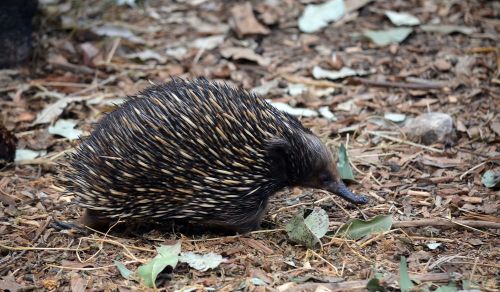
If you’re more keen to help out these spiky little fellows rather than their hard-shelled turtle cousins to the north, how does hiking aroundKangarooIsland sound?

On this expedition, Earthwatch volunteers will be continuing the work of a valuable 17-year look at the life histories and ecologies of individual echidnas on the island – so you’ll be helping to shed light on the fascinating biology of this species and how best to help protect the island ecosystem.KangarooIslandis teeming with an array of wildlife, so you’ll never be short of something interesting to get involved in there!

Costs range from $280 to $6000 to join an Earthwatch expedition, and each one lasts from two to 19 days. Your entry fee goes towards research costs, covers all lodging levies (accom, food, equipment), as well as on-the-job training – and even the costs of offsetting greenhouse gas emissions from travel. You don’t need any scientific skills at all to participate – just a sense of adventure, a passion for the environment and a willingness to help out.

So if you’re between the ages of 18 and 90, call (03) 9682 6828 or check out www.earthwatch.org.au and find out how you can do your part.

Want to see more stories from Australian Traveller in your Google search results?

  1. Click here to set Australian Traveller as a preferred source.
  2. Tick the box next to "Australian Traveller". That's it.
Australian Traveller

Australian Traveller

View profile and articles
hero media

Slowing down in Moree: a guide to the Artesian Spa Capital of Australia

(Credit: Destination NSW)

    Kassia Byrnes Kassia Byrnes
    The Artesian Spa Capital of Australia offers the perfect destination to escape the grind and reset.

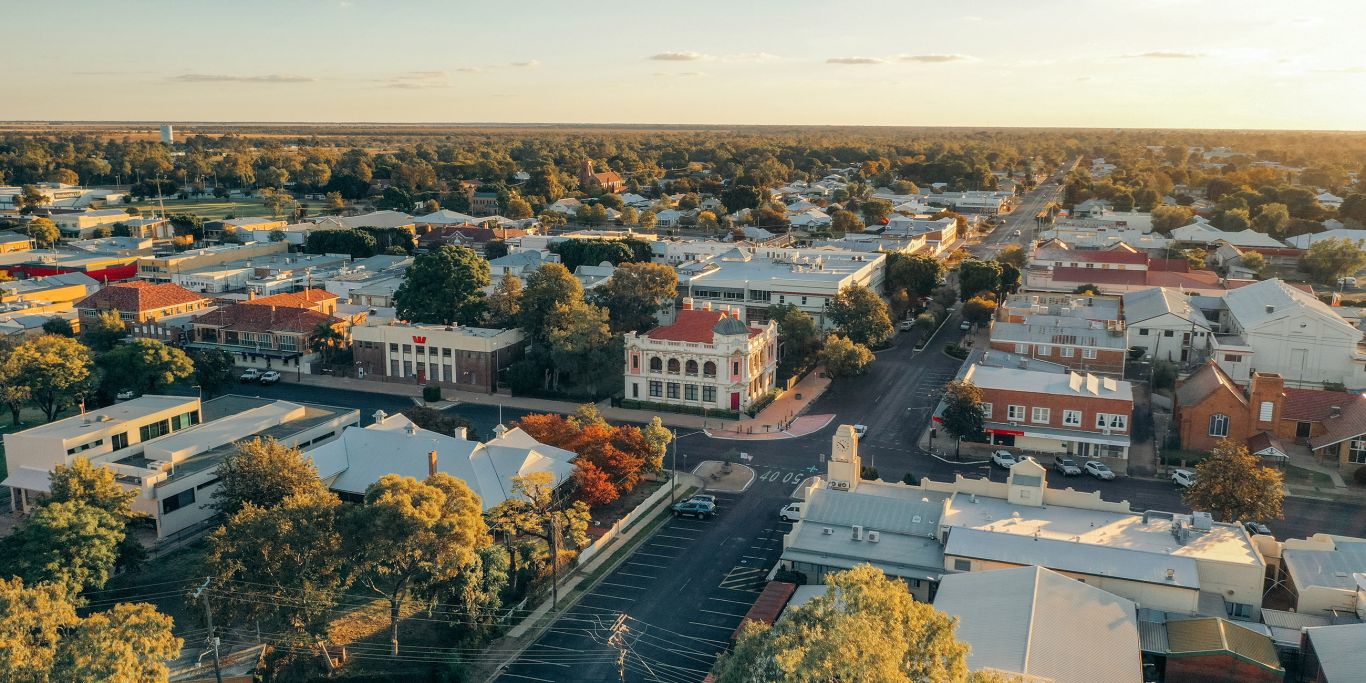
    The world moves more slowly in Moree, and that’s how it should be. Here, country charm and heritage buildings fill the town’s wide streets. While the surrounding farmland mixes with lush riverways to create a fascinating landscape.

    But the biggest pull? Moree is known as the Artesian Spa Capital of Australia. It’s truly a place to slow down and disconnect, all an easy train ride from Sydney.

    Soak in Moree’s artesian water

    kids at Moree Artesian Aquatic Centre
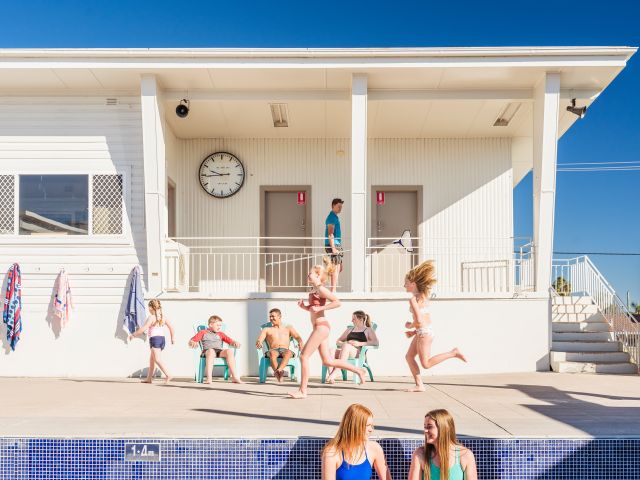
    Dive in to Moree’s artesian waters.

    Moree is not your typical wellness retreat, replacing pretence with casual and easy. Blessed to be sitting above the Great Artesian Basin, it feeds the town (and surrounding villages) with hot, mineral-rich water. Loaded with minerals like calcium, magnesium, potassium and sulphur, this water is believed to help with skin health, joint function and tissue repair.

    And the town’s crown jewel, Moree Artesian Aquatic Centre, has reopened after extensive upgrades. This state-of-the-art aquatic centre offers accessible facilities with multiple artesian baths of varying temperatures between 38 and 41°C.

    Feel like exploring a little further? About an hour’s drive from Moree, the village of Boomi also offers public access to this same artesian water. Pop into Boomi Artesian Pool to make the most of a 25-metre cold pool, a wading pool and a hot artesian spa pool.

    Just an hour west of Boomi, you’ll also find Mungindi Hot Artesian Pool, another relaxing place to rejuvenate for the afternoon in the mineral-rich water.

    Moree’s best stays

    woman swimming ta Moree Artesian Aquatic Centre
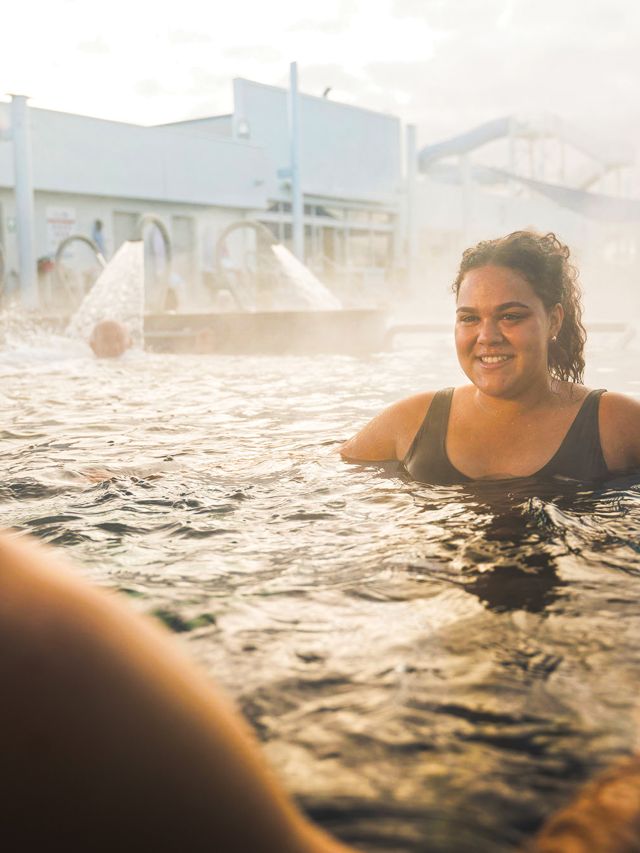
    Stay right by Moree Artesian Aquatic Centre.

    There are several motels within walking distance of the aquatic centre, so you linger longer in its therapeutic waters. A day pass not enough? Really soak in the benefits of Moree at three local stays with their own artesian baths.

    Gwydir Thermal Pools Resort boasts five artesian pools for motel and caravan park guests, ranging in soothing temperatures from 34 to 39 degrees. And that includes a 25-metre lap pool.

    The Phoenix, Artesian Spa Resort & Accommodation features outdoor artesian thermal pools and six indoor artesian spas, all 34 to 42°C, plus regular pools for guests staying in their accommodations.

    While the Artesian Spa Motel matches 46 comfortable budget rooms set across five acres of landscaped grounds, with direct access (for guests) to its own natural artesian hot thermal pool.

    Moree’s location at the crossroads of the Newell and Gwydir Highways makes it the ideal resting place for those road tripping through country NSW. With plenty of accommodation options, including farm stays, quaint bed and breakfasts and affordable motels.

    Delving into nature around Moree

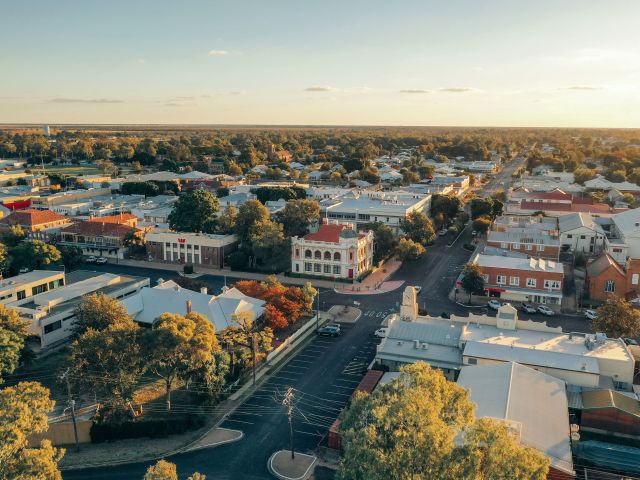
    aerial of moree
    Find plenty of natural beauty in and around Moree. (Credit: Destination NSW)

    Beyond the baths, find calm in Moree’s nature. Soak up the impressive Gwydir River from the peaceful Tareelaroi Weir Recreation Area. Popular with locals, this scenic spot is perfect for fishing, kayaking and picnics. Delve into local history at the Terry Hie Hie Picnic Area – a significant Gamilaroi cultural site. The picnic area is still used today as a ceremonial gathering ground, with educational signage sharing the history of the Gamilaroi People and the mission which used to reside here in the early 20th Century. Follow the Yana-y Warruwi Walking Track to explore the area’s box pine forest.

    Combine nature and culture at the Jellicoe Park Open Spaces Aboriginal Art Trail along the scenic Mehi River Walk. Find artworks from local Indigenous artists across a range of different mediums, like carved logs, engraved and painted sandstone and scar tree paintings.

    A taste of Moree

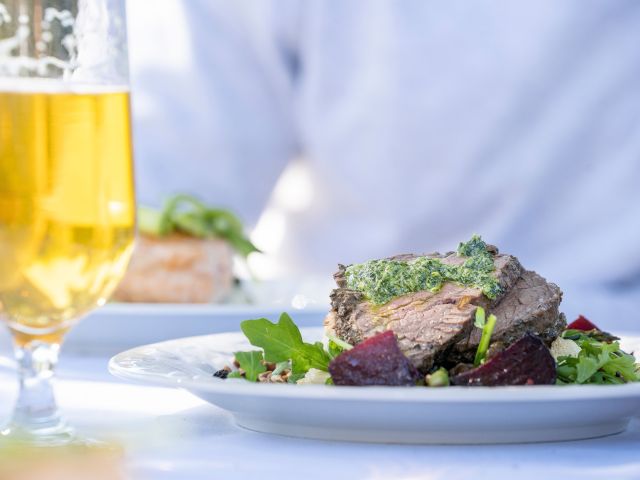
    meal at Moree Country Club
    Sit down for a tasty meal after a game of golf. (Credit: Destination NSW)

    Taste the best of local cafes as you wander past the Art Deco architecture of Moree’s tree-lined main streets. Join the locals each morning at Brooker Trading Co as they line up for their morning java. Stay for classic breakfast dishes like eggs benedict and Dutch pancakes, or arrive later in the day for a hearty lunch menu. Inside a gorgeous Art Deco building, 61 Balo is another tasty breakfast option, with pet-friendly service. The recently renovated Cafe Omega is another popular stop for fresh, hearty meals – the chicken burger is a particular crowd pleaser – all served with a smile.

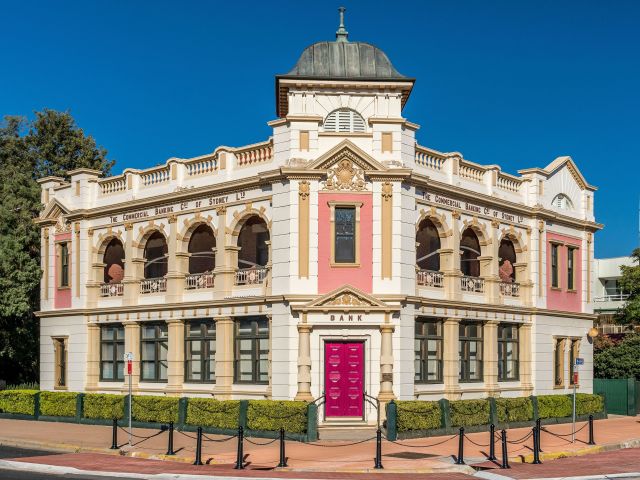
    Get inspired as you wander the CBD’s Mural Trail, stopping at some of Moree’s six art galleries along the way. Bank Art Museum is a must-see, housed in the town’s heritage bank building and home to a collection of First Nations art, plus a changing calendar of touring exhibitions.

    Bank Art Museum Moree
    Step inside the gorgeous Bank Art Museum Moree. (Credit: Destination NSW)

    Get active with a round on the beautiful riverside course at Moree Golf Club (and refuel afterwards at the delicious onsite restaurant) or a game of bowls at Moree Services Club’s state-of-the-art facility. Visit on the last weekend of September to join (or watch) Run the Plains, Moree’s annual two-day running festival.

    Known as ‘white gold’ country, Moree is Australia’s most productive agricultural region. Visit from April to September to join a cotton farm tour and get to know one of Moree’s major exports.

    However long you choose to stay, there’s plenty to soak in around Moree.

    Start planning the ultimate escape at visitmoreeplains.com.au.