The ultimate guide to becoming an eco-camper

hero media
From solar power to beeswax wraps, here’s our ultimate guide to becoming an eco-camper.

1. Solar panels

Let’s start with one of the best decisions you could make for a more environmentally-friendly camping experience: solar panels. Whether you’re towing a caravan or driving a van, installing solar panels is a no-brainer. Keep in mind that in case of bad weather you will have to recharge your battery or else contact a tow truck to take you to a place where you can either replace or change your vehicle battery.

Not only do they mean you’re not drawing on a town’s electricity supply, but they’ll give you the freedom to go anywhere. Relying on the sun to power a 12-volt fridge, lights, camera, laptops and your phone means you can camp in remote locations, and that means more money in your pocket for tours and eating out when you return to civilisation. You don’t have to permanently attach solar panels to your vehicle either, with plenty of collapsible set-ups on the market. Folding solar panels and solar blankets are great because they can be moved during the day to capture the best sunlight and then packed away easily at night.

Check out… 4WD SupaCentre and REDARC  to familiarise yourself with the options.
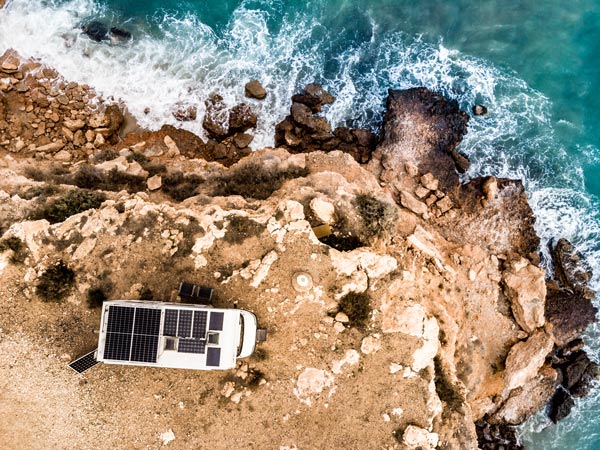
A van with solar panels on the roof camping on cliff sea shore.
Solar power means more money in your pocket (or more travel)

2. Mozzie spray

Those nostril-burning mosquito repellents certainly do their job, but one sniff and it’s obvious they’re not doing the environment – or your skin – any good. Thankfully, there are natural alternatives, mostly in the form of creams.

Keep an eye out for the term “DEET-free" and look for child-friendly options. Essential oils such as citronella, tea tree, lemongrass and eucalyptus are said to keep mozzies at bay, so get yourself a designated camping diffuser. If nights are cool, light a campfire as the smoke is also believed to be a deterrent. 

Check out… Australian-made Nature’s Botanical or any repellent made from essential oils. 

Woman spraying insect repellent on skin outdoor.
DEET-free mozzie repellent is a lifesaver.

3. DIY washing machine

Forget saving up coins for caravan park laundries, which can be stocked with dated (read: power-zapping) washing machines, and let your caravan or car wash your clothes for you. Yes, you heard right. Buy a tub with a lid from a hardware store, fill it with water and soap, and then stuff it with your red-dirt-stained camp clothes before you head to your next destination.

As the car or caravan moves, the water and clothing will agitate, knocking that dirt out of your favourite sundress. Once you arrive at the next campsite, rinse the clothing under a tap, hang it in the sun to dry and Bob’s your uncle.

Check out… Bunnings Warehouse for a cheap, hardy bucket. 

Need tips, more detail or itinerary ideas tailored to you? Ask AT.

AI Prompt

4. Beeswax wraps

Tupperware was so last century and using plastic wrap is a wasteful, bad habit. Stay ahead of the crowds by replacing both products with beeswax wraps. At $30 a pop for a three-pack, they’re expensive but worth the coin.

Not only do they take up less room in your caravan kitchen, but they’re better for the environment and your long-term health. Simply made out of cloth and beeswax, the wraps can be used as a lid for ceramic and glass crockery, and can be wrapped around cheese and cut vegetables to keep them fresh. You’ll find a lot of small businesses producing them, too, so you know your money is going directly into the pocket of the creator. 

Check out… @bumblebeewraps on Instagram. The 100 per cent cotton wraps are handmade in the NSW Riverina and the business is part of the #buyfromthebush social media movement supporting communities in drought.
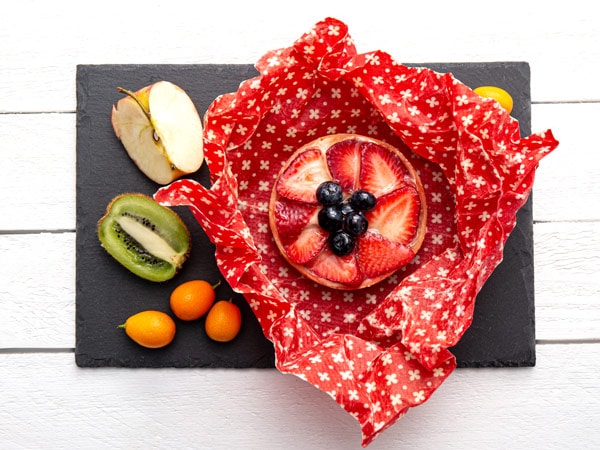
Take away cake inside homemade beeswax wraps. Wrapping food in handmade beeswax wrap cloth indoors, alternative for plastic. Using iron machine to melt beeswax into cotton cloth.
The ultimate kitchen essential.

5. Shop local

The lure of big supermarkets for both convenience and low prices can be strong when you’re travelling but, wherever possible, you should also head along to produce markets to stock up on your camping food and beverages.

While it might mean you are paying a bit more, this is offset by the fact you will be reducing your food miles, buying in-season fruit and veg, and supporting local farmers, which in turn boosts the economy of the tourist town you’re enjoying so much. If you’re travelling through Queensland, you’ll likely come across a tonne of roadside stalls selling bananas, passionfruit and other delicious produce for reasonable prices. Make sure you pull over and stock up.

Check out… some of our favourite markets, such as Albany Farmers’ Market and Albany Boat Shed Markets in WA; Rusty’s Markets in Queensland; and Mudgee Farmers’ Markets in NSW.
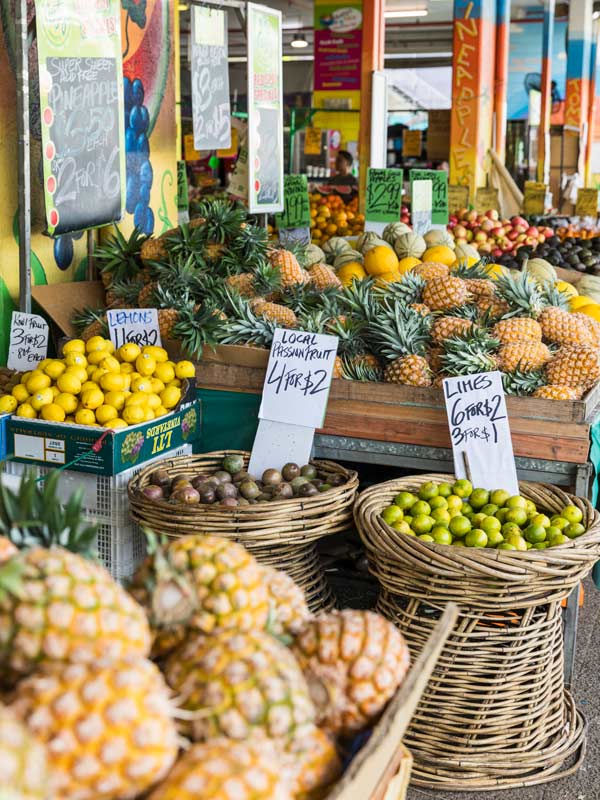
Fresh tropical fruit stalls at Rusty's Markets in the heart of Cairns. (Image: Tourism and Events Queensland)
Rusty’s Markets is a must-stop in the heart of Cairns. (Image: Tourism and Events Queensland)

6. Wood fires

It may be harder, but relying on old-fashioned newspapers and matches to light a campfire is far gentler on the environment than quick-to-ignite fire starters made from kerosene (paraffin). If you’re determined to stick with fire-starters, look for products that are labelled “no kerosene".

Recycle any newspapers and cardboard by using them in the fire, and follow national park rules about only burning fallen branches. Get the kids to collect any sticks around the campsite for kindling (it’ll keep them busy and they’ll love helping). 
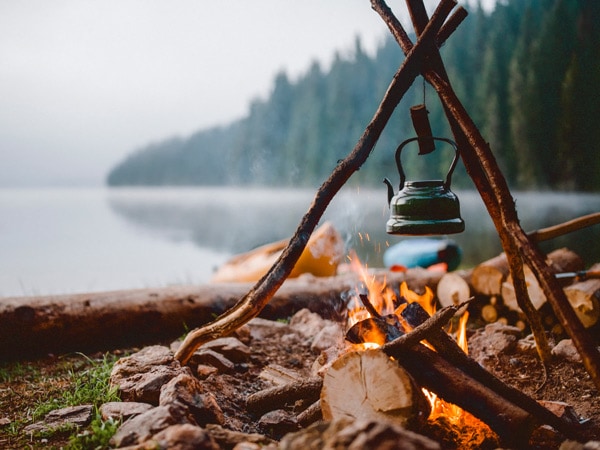
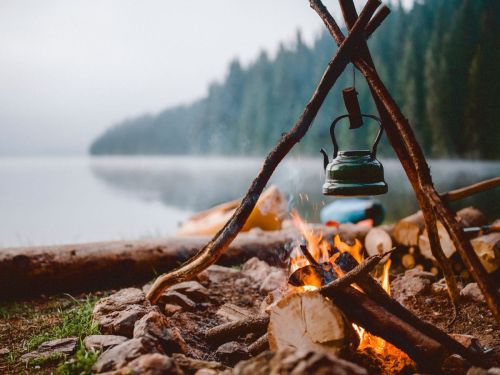
Campfire with a vintage kettle next to the beautiful lake.
Steer clear of the kerosene when lighting your campfire.

Weekly travel news, experiences
insider tips, offers, and more.

7. Your location

Camping on the beach can be controversial due to fragile dunes and unruly 4WDers who ignore signs about protecting the vegetation. Then there’s the issue of inexperienced campers incorrectly disposing of human waste (carry a shovel, people).

That’s why it’s important to pick an appropriate campsite for your style of travel. If you’re not willing to obey local council rules about where you can pitch a tent or you couldn’t be bothered to take your rubbish home, it’s best you stick to holiday parks. Also, while rinsing off in a free beach shower is fine, it’s not acceptable to use soap in the ocean or fragile river ecosystems.
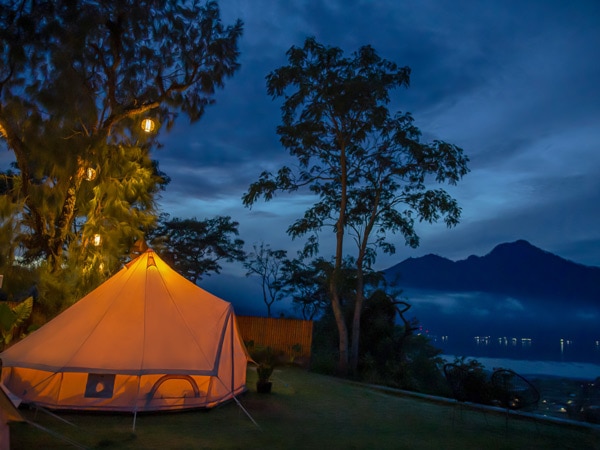
Shot of illuminated tent in a romantic glamping site at night with Mount Batur view.
Be mindful of where you choose to set up camp.

8. Take 3 for the Sea

You’d be surprised by how many campers leave their rubbish behind, sometimes unwittingly, after a weekend away with mates. Throwing your beer bottle tops in the campfire doesn’t make them disappear and, if you head to the beach for a morning coffee, carry a reusable mug.

If camping and fishing go hand in hand for you, be sure to bin any cut fishing line and hooks, and avoid casting a line where it’s likely to get snagged on rocks and end up in the ocean. 

Check out… Instagram account @take3forthesea for inspiration on doing the right thing.
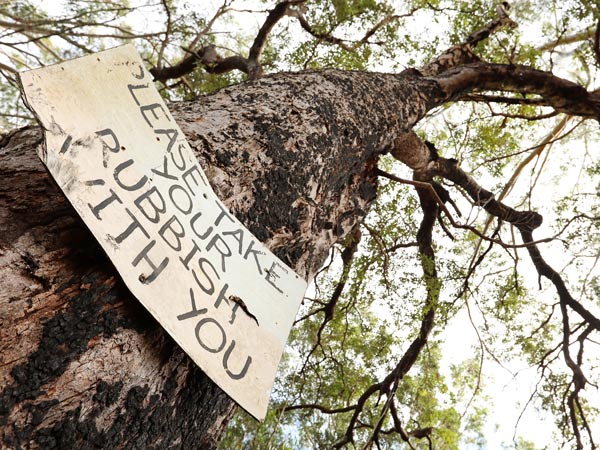
multiple views of an old worn sign post instructing campers fishermen bush walkers hikers to take responsibility for removing all waste trash rubbish and take it with them. Environmentally responible behaviour. warning sign no littering. Say no to illegal dumping concept story
Pretty self-explanatory…
Jennifer Ennion
Jennifer Ennion is a freelance travel and ski journalist who loves encouraging people to spend more time outdoors. From snorkelling with belugas in sub-Arctic Canada to hiking the Himalayas, Jennifer is constantly searching for stories that inspire readers to push their boundaries.
View profile and articles
hero media

Dive into summer with hikes, great bites and wellness in The Tweed

    Kassia Byrnes Kassia Byrnes
    Warmer days call for slowing down and relaxing in nature. Discover why The Tweed is the ultimate destination to do just that.

    As the end of the year draws near, the need for rest and restoration grows ever more prominent. For many, that means heading into nature – and there’s plenty of science to back up the benefits of doing so. It quite literally makes us happier as it reduces stress hormones, lowers our blood pressure and more. And what better place to lean into this feel-good effect than during summer in The Tweed (in the Northern Rivers region of NSW)? Blending sparkling beaches, riverside towns and hinterland villages, this area has nature covered, while also offering top activities and dining options.

    Slip, slop, slap.

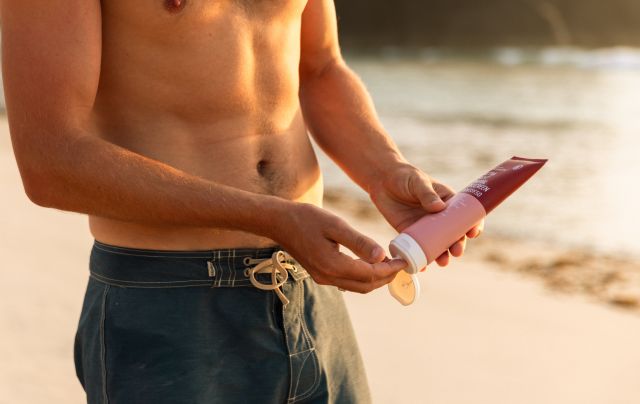
    And of course, pack your SPF. We Are Feel Good Inc’s Ultra-Light Mineral Sunscreen Lotion SPF 50 is a lightweight and fast-absorbing formula that keeps your skin hydrated and shielded, thanks to nourishing Coconut Oil and Vitamin E. But it’s also helping preserve the natural beauty around you on your Tweed vacation, thanks to 30 per cent ocean waste packaging.

    Discover eight experiences that make The Tweed the perfect place for summer.

    1. Underwater worlds

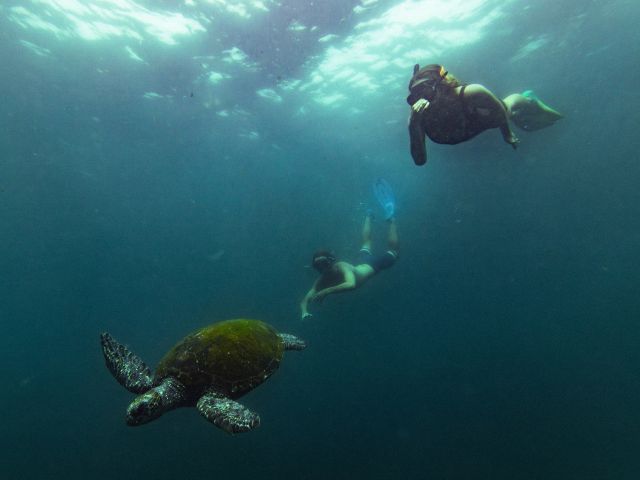
    two people swimming after turtle on the tweed
    Get a chance to swim with the locals.

    There’s something about the ocean that calls to us as humans, and what’s below the surface is even more magical.

    Green, hawksbill and loggerhead turtles (not to mention an abundance of other marine life) all use the protected waters around Cook Island, near Fingal Head, as their foraging ground, making it the perfect place to dive and snorkel to spot these adorable creatures.

    Join Cooly Eco Adventures on a guided snorkelling tour that combines unforgettable turtle encounters with an inspiring look into marine conservation.

    2. Farm-to-table dining

    table spread at Potager restaurant
    Treat your taste buds at Potager. (Image: Cara Sophie)

    Respecting the land and nature also means appreciating its abundance of food. From farm-to-table cafes and boutique breweries to river cruises and restaurants championing local produce, dining around The Tweed often means engaging with the best local producers.

    The award-winning Potager Restaurant , part of The Hinterland Collection , is the perfect example; beginning life as a kitchen garden, the passion to champion local producers is woven into every dish. Vegetables, fruit and herbs are picked from the garden or sourced from other local producers, the seafood comes from the Northern Rivers, and meat is sourced from ethical local producers. Even the cocktail list features local distillers.

    Extend your stay with a night (or several) at boutique on-site accommodation, Potager House . This French-inspired country four-bedroom retreat boasts stunning views of the surrounding hills and nearby ocean, as well as a large pool, outdoor entertaining area and infrared sauna.

    3. Water wellness

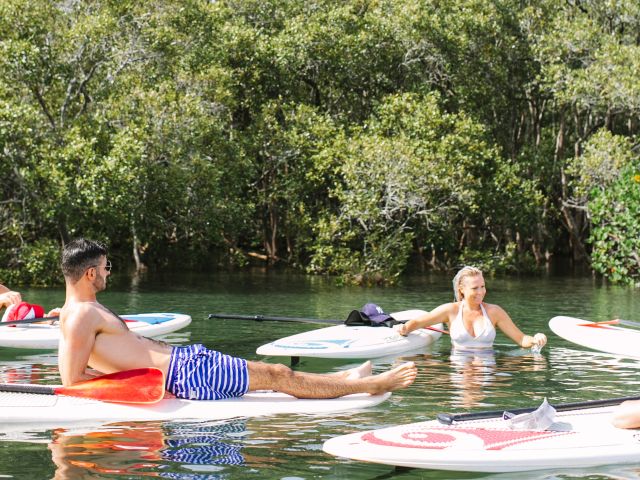
    Waterguru Mindfulness in the Mangroves summer on the tweed
    Find mindfulness in mangroves. (Image: Matt Johnson)

    You’ll find mindfulness while floating around the mangroves of Kingscliff’s Cudgen Creek at any time, but Watersports Guru offers an immersive experience to help guests do so with more intent. Join a 90-minute guided session on a stand-up paddleboard to reconnect with nature and relax through breathwork, gentle movement and sensory awareness.

    If you’re feeling more adventurous, Watersports Guru also offer Kayak fishing adventures or join a Sea Turtle Odyssey experience.

    4. Restorative seaside stays

    woman relaxing in spa at Halcyon Wellness, halcyon house
    Unwind at Halcyon Wellness.

    The Tweed encourages locals and visitors alike to slow down. To really indulge, a seaside stay is a must. Halcyon House has understood the assignment, blending a wellness philosophy centred on balance and self-discovery with luxurious surrounds. Stay in one of 22 rooms and suites (each individually designed by eclectic interior designer Anna Spiro) right on the beachfront. Book restorative treatments at the onsite spa, Halcyon Wellness, relax by the pool, dine at the hatted Paper Daisy restaurant and just let The Tweed work its magic.

    While Blue Water Motel offers a relaxed coastal escape, just steps from Kingscliff Beach. Settle in stylish rooms, recently restyled by Jason Grant, nodding to the cool of Kingscliff with a fun retro vibe. Hire a bike from reception to explore the surrounding area.

    5. Tasty drops

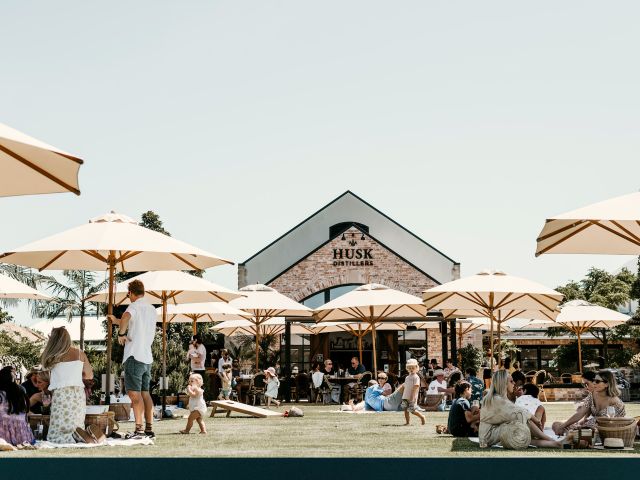
    Husk Farm Distillery
    Join a Farm to Bottle tour. (Image: Salsingh Photography)

    The owners at Husk Farm Distillery aren’t just about creating high-quality rum: they’re also farmers themselves. In fact, they create one of the world’s only single estate, farm-to-bottle spirits. Join a Farm to Bottle tour to discover the sustainable ‘full circle’ distilling practices used here, and even get hands-on with your own cane knife to help harvest and juice your own stalk of cane. And, of course, a welcome drink plus complimentary tastings along the way.

    6. Rail trail adventures

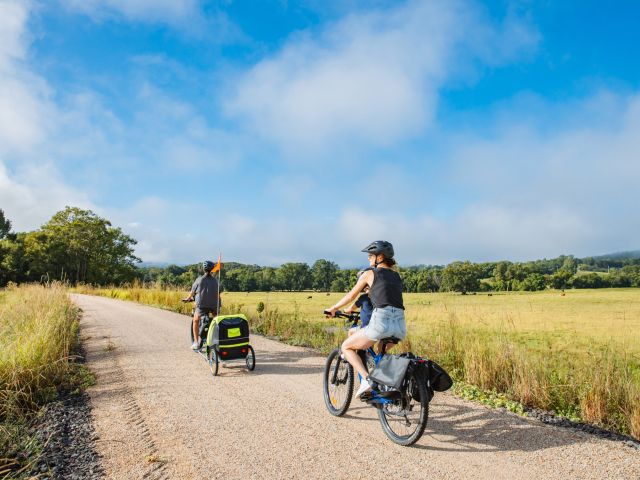
    Cycle the Northern Rivers Rail Trail.
    Cycle the Northern Rivers Rail Trail.

    Exploring the rolling green slopes and historic towns of the 24-kilometre Tweed section of the Northern Rivers Rail Trail is one of the best ways to connect with the region’s lush hinterland and interesting heritage. In this section of the trail, discover the area’s railway history at heritage-listed Murwillumbah Railway Station, and traverse by 18 railway bridges and through two railway tunnels.

    Linking vibrant towns and villages with the larger hub of Murwillumbah, this section of the trail is covered in asphalt or compacted gravel, making it accessible for all ages and abilities, from prams to adaptive bikes. 

    7. Linger longer

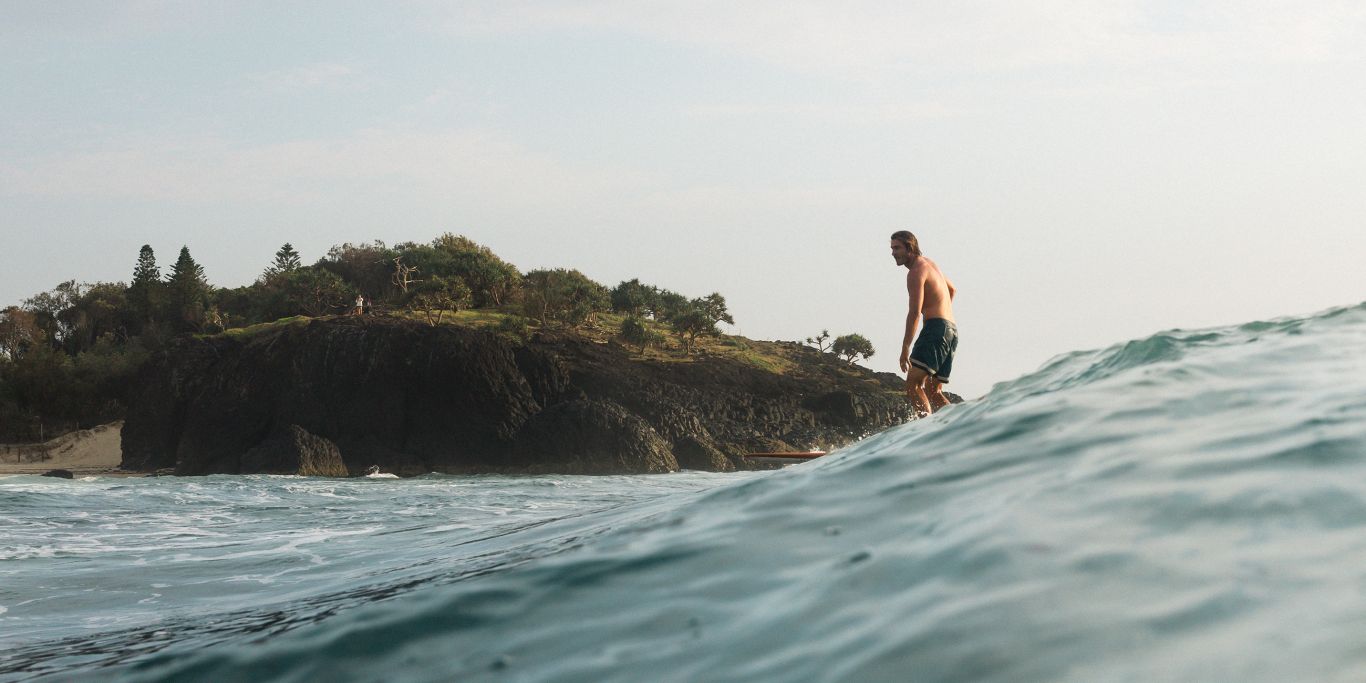
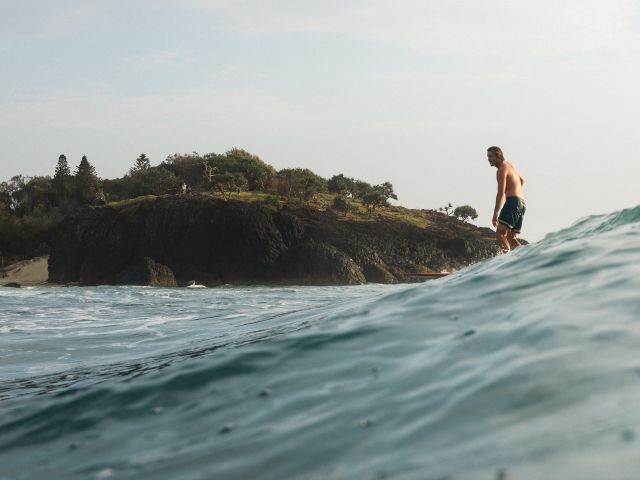
    surfer at fingal heads the tweed
    Enjoy beachside locations, like Fingal Heads.

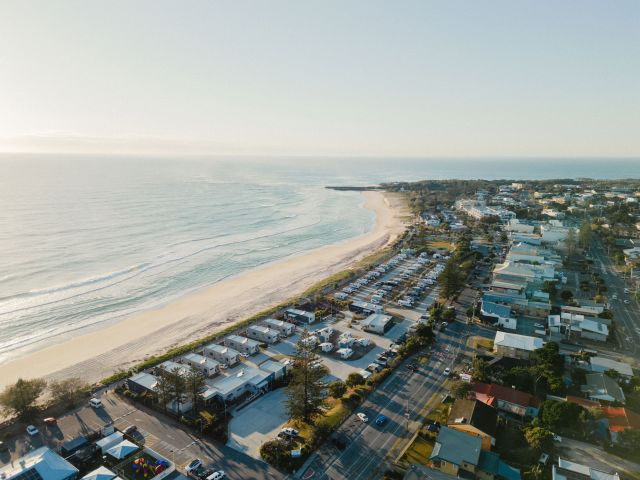
    Linger longer at one of the seven idyllic beach, river and creekside locations of Tweed Holiday Parks – including at Tweed Heads, Kingscliff Beach, Hastings Point and Pottsville South. All just steps from the water’s edge, they make the ideal base to unwind, or head out for exploration of The Tweed. Choose from luxury waterfront cabins, accessible cabins, surfari tents (yes, they are basically glamping tents) or spacious sites for caravans, motorhomes and campervans or tents.

    Tweed Holiday Parks
    Stay for longer and indulge in plat at Tweed Holiday Parks.

    Find your feel-good summer in The Tweed at visitthetweed.com.au .